


Inner Scarfing Device from Professional tube mill manufacturer
In the production of Electric Resistance Welding (ERW) pipes, the formation of an internal weld bead is an inevitable byproduct of the high-frequency welding process. For industries requiring precision fluid dynamics, sterile environments, or high-quality structural integrity, this internal burr can lead to turbulent flow, coating failures, or structural weaknesses. An Inner Scarfing Device is the critical engineering solution designed to eliminate these imperfections immediately after the welding stage, ensuring a seamless internal surface.
Whether producing automotive precision tubes or large-scale water pipelines, the ability to consistently remove the internal bead without compromising the wall thickness is paramount. By integrating advanced mechanical or hydraulic scarfing systems, manufacturers can significantly upgrade their output quality to meet stringent API or international structural standards, enhancing the overall value of the finished steel product.

The Role of Internal Burr Removal in ERW Pipe Production
The ERW process utilizes high-frequency current to fuse the edges of a steel strip into a cylindrical shape. While this method is highly efficient, it creates a concentrated bead of melted metal on both the exterior and interior walls. While external scarfing tools handle the outside, the internal burr remains a hidden defect that can obstruct fluid flow or interfere with downstream processes like galvanizing and threading.
An Inner Scarfing Device is strategically installed between the welding rolls and the cooling section. Its primary objective is to precisely shave off the internal weld bead. By achieving a smooth inner diameter, the resulting pipes exhibit improved hydraulic performance and a significantly reduced risk of corrosion initiation at the weld site. This is especially critical for precision steel pipes used in mechanical engineering and automotive components where tolerances are extremely tight.
Beyond aesthetics, the removal of the internal burr is a prerequisite for high-end applications. For instance, in oil and gas pipelines, a smooth interior reduces friction loss and prevents the accumulation of debris. In the furniture and architectural sector, it ensures that coating materials adhere uniformly to the internal surface, preventing premature rust and extending the product's lifecycle.

Comparative Analysis: Mechanical vs Hydraulic Scarfing Systems
Depending on the production volume and the variety of pipe diameters, manufacturers must choose between mechanical and hydraulic adjustment systems. The mechanical type is characterized by its simplicity and cost-effectiveness. It utilizes manual adjustments to position the cutting tip, making it an ideal choice for factories running stable production lines with fixed pipe specifications and moderate speeds.
Conversely, hydraulic scarfing devices are engineered for high-automation environments. By employing hydraulic cylinders for positioning, these systems offer superior accuracy and the ability to adjust the cutting depth rapidly. This is essential for high-speed production lines where frequent size changes occur, as it minimizes downtime and ensures that the cutting force remains stable even at maximum mill speeds.
The choice typically hinges on the desired level of precision and the frequency of specification changes. While mechanical systems provide a reliable baseline for standard tubes, hydraulic systems are the industry preference for larger diameter pipes and high-productivity mills that cannot afford the manual reset time required by mechanical alternatives.
Technical Integration and Process Flow within the Mill
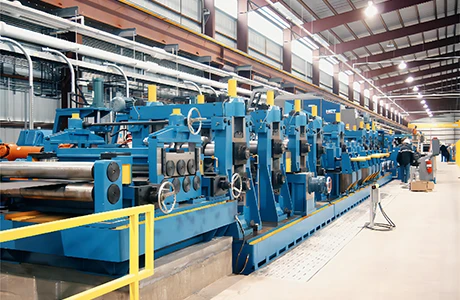
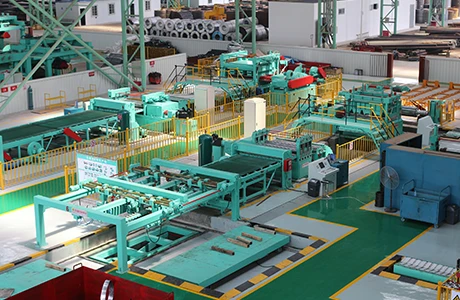
Integrating an inner scarfing tool requires precise alignment within the overall ERW tube mill sequence. The typical flow begins with the uncoiler and accumulator, moving through forming and high-frequency welding. The Inner Scarfing Device must act immediately after the weld is formed but before the pipe enters the cooling and sizing sections. This ensures the metal is still at an optimal state for the cutting tool to remove the bead cleanly.
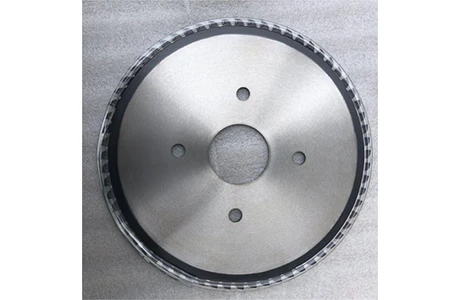
The mechanism involves a specially designed cutting tip that is inserted into the moving tube. As the pipe advances, the tool precisely shaves the excess material. The efficiency of this process depends on several factors: the material of the cutting tip, the precision of the positioning system, and the synchronization with the mill's production speed. AIS Machinery optimizes these variables to ensure that the burr is removed without inducing any deformation or thinning of the pipe wall.
Furthermore, these devices are designed to be compatible with various materials, including carbon steel and low alloy steel. By providing custom drawings for approval before manufacturing, engineers ensure that the device fits perfectly into the existing layout, preventing any bottlenecks in the production line and maintaining a continuous, high-speed throughput.
Technical Specification and Selection Matrix
| Parameter / Feature | Mechanical Type | Hydraulic Type | Custom Range |
|---|---|---|---|
| Adjustment Method | Manual Mechanical | Hydraulic Cylinder | Application-Specific |
| Positioning Accuracy | Good | High Precision | Customizable |
| Typical Pipe Diameter | Small to Medium | Medium to Large | Ø12–219 mm |
| Production Speed | Standard | High-Speed | Up to 120 m/min |
| Investment Cost | Lower | Higher | Based on Spec |
Application Scenarios and Industry Quality Standards
The necessity of an inner scarfing device varies by end-use. In the production of solar support piles, where structural integrity and coating adhesion are key, removing the internal burr prevents localized corrosion that could compromise the pile over decades of outdoor exposure. Similarly, for automotive tubes and precision mechanical pipes, the internal surface must be perfectly smooth to avoid flow restrictions in hydraulic or fuel systems.
For water and gas pipes, compliance with higher product quality standards often mandates the removal of internal weld beads. A smooth interior reduces the risk of sediment buildup and ensures that the pipe meets the pressure rating and flow efficiency required by municipal engineering codes. This makes the scarfing device an essential investment for any manufacturer aiming for the high-end utility market.
Moreover, downstream processes such as internal galvanizing or epoxy coating are significantly improved. Without the internal burr, the coating can be applied with a uniform thickness, eliminating "thin spots" at the weld line where rust typically starts. This capability allows manufacturers to offer warranties on internal corrosion resistance, providing a competitive edge in the global market.
Procurement Considerations for Tube Mill Tooling
When evaluating a supplier for inner scarfing technology, buyers should prioritize customization and engineering support. Since every ERW mill has slightly different configurations regarding spacing and speed, a "one size fits all" approach often leads to installation delays or suboptimal cutting performance. Reliable suppliers provide detailed technical drawings and a collaborative design process to ensure the device integrates seamlessly with the existing line.
Another key consideration is the longevity and maintainability of the cutting inserts. The scarfing tool operates in a high-wear environment; therefore, the quality of the tool steel and the ease of replacing the inserts are critical for reducing operational downtime. Buyers should inquire about the availability of spare parts and the stability of the cutting force under continuous high-speed operation.
Ultimately, the decision between mechanical and hydraulic versions should be driven by the projected product mix. If the facility plans to expand its range of pipe diameters or increase automation, investing in a hydraulic system early can prevent costly retrofits later. By matching the device capability to the long-term production strategy, manufacturers can ensure a sustainable increase in product quality and operational efficiency.
Frequently Asked Questions about Internal Burr Removal
What is the primary purpose of an Inner Scarfing Device?
Its primary function is to remove the internal weld bead created during the ERW high-frequency welding process, ensuring a smooth inner surface for better fluid flow and higher product quality.
How does the hydraulic type differ from the mechanical type?
The mechanical type uses manual adjustment and is cost-effective for stable production. The hydraulic type uses cylinders for faster, more precise adjustment, making it ideal for high-speed lines and frequent size changes.
Can one scarfing device handle multiple pipe sizes?
Yes, within its designed production range, the device can be adjusted to accommodate different pipe diameters. The specific range depends on the mill's design and the device configuration.
Does removing the internal burr risk damaging the pipe wall?
No. When correctly adjusted and aligned by professional engineers, the scarfing tool only removes the excess weld bead without affecting the thickness or integrity of the pipe wall.
Where exactly is the device placed in the tube mill line?
It is installed immediately after the high-frequency welding section and before the cooling and sizing stages to ensure the burr is removed while the material is still optimal for cutting.
Can these devices be customized for specific alloy steels?
Yes, AIS Machinery customizes the tool material and design based on the pipe diameter, wall thickness, and the specific properties of the carbon or low alloy steel being processed.
Technical Industry References
- ASTM International - Steel Pipe Standards
- American Petroleum Institute (API) Specifications
- ISO Quality Management for Manufacturing
- World Steel Association - Production Guidelines
For manufacturers seeking to optimize their ERW production and meet higher quality benchmarks, integrating a precision inner scarfing system is a strategic upgrade. Contact our engineering team today to receive a customized layout and technical recommendation for your tube mill.
Related Technical Insights



 English
 Albanian
 Arabic
 French
 German
 Indonesian
 Italian
 Japanese
 Kazakh
 Korean
 Latin
 Macedonian
 Portuguese
 Russian
 Spanish
 Thai
 Turkish
 Ukrainian
 Uzbek