



Electric Resistance Welding (ERW) is a cornerstone of modern industrial pipe production, enabling the creation of high-strength seamless-looking tubes from flat steel strips. This process is critical for infrastructure, automotive, and energy sectors where precise structural integrity and pressure resistance are non-negotiable. This guide examines the technical requirements of high-frequency welding lines and how to select the right machinery to optimize production yield.
For procurement officers and engineers, the challenge lies in balancing line speed with weld quality. Many manufacturers struggle with residual stress in the weld seam or inconsistencies in wall thickness, which can lead to structural failure in API-grade pipes or solar piles. Understanding the synergy between the forming section, the high-frequency welder, and the subsequent heat treatment is essential for maintaining international quality standards such as ISO and CE.
Readers will discover the technical specifications that define a high-performance mill, from induction annealing temperatures to the role of PLC-driven control systems. By analyzing these engineering factors, buyers can better evaluate a erw tube mill manufacturer based on their ability to provide customized, turnkey solutions rather than generic equipment packages.
Electric Resistance Welding Fundamentals
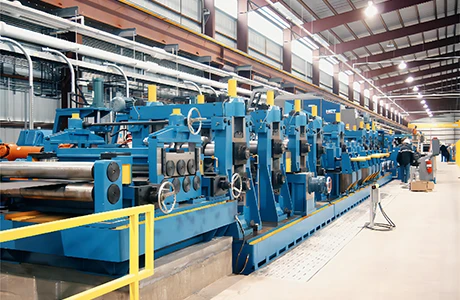
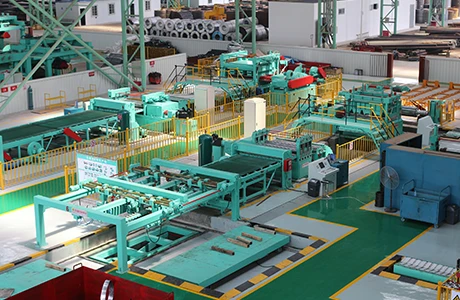
The ERW process operates on the principle of utilizing electrical resistance to generate heat. As a steel coil is unrolled and flattened, it passes through a series of forming rolls that shape the strip into a cylindrical tube. At the point of closure, a high-frequency current is passed through the edges of the steel. The resistance encountered at the interface creates intense localized heat, melting the edges and fusing them together without the need for filler metal. This method is highly efficient for producing pipes ranging from small diameters (1/2 inch) to larger industrial sizes (16 inches). The success of the weld depends heavily on the frequency of the power source and the precision of the squeeze rolls, which ensure that the molten metal is forged under pressure to eliminate voids. In modern facilities, this is often integrated with automated shearers and accumulators to ensure a continuous, non-stop production flow, which significantly reduces waste and increases throughput.
Evaluating Tube Mill Production Systems
A comprehensive production line is more than just a welder; it is an ecosystem of precision engineering. To ensure the final product meets rigorous industry specifications—such as those for oil pipelines or structural steel—several critical technical dimensions must be analyzed and synchronized.
Technical Configuration and Power
The power source is the heart of the mill. High-frequency induction systems must be matched to the pipe's wall thickness and line speed to ensure consistent heat penetration. For instance, larger diameters require higher output power to maintain the weld temperature at the required speed.
| Power Component | Technical Range | Critical Function | Impact on Quality |
|---|---|---|---|
| Output Frequency | 50 kHz - 400 kHz | Localized Heating | Weld Bead Width |
| Output Power | 30 kW - 300 kW | Thermal Energy | Penetration Depth |
| Line Speed | 10 - 120 m/min | Production Rate | Heat Input per mm |
| Control System | PLC + HMI | Automation | Parameter Stability |
| Cooling Method | Water/Air | Thermal Gradient | Microstructure Grain |
| Wall Thickness | 0.4 mm - 5.0 mm | Material Range | Current Density |
Weld Seam Annealing Mechanisms
Post-weld heat treatment is mandatory for high-specification tubes. Seam annealing machines utilize induction coils to heat the weld area—typically between 850°C and 1100°C—to eliminate internal stresses and improve corrosion resistance. This process is vital for stainless steel and titanium alloy pipes, where the heat-affected zone (HAZ) must be normalized to prevent premature cracking or oxidation during service life.
Precision Forming and Tooling
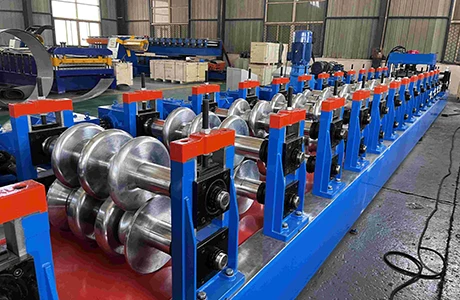
The accuracy of the final pipe is determined by the quality of the rollers, moulds, and dies. High-precision wear-resistant tooling, often milled by CNC, ensures that the pipe remains concentric and the OD/ID beads are consistent. The use of D2 or D3 grade materials for tooling is recommended to extend the lifecycle of the equipment and reduce the frequency of downtime for tool replacement.
Material Compatibility and Ranges
Modern mills must be versatile enough to handle various steel grades. From low-carbon steel for furniture to high-strength API grades for oil and gas, the equipment must allow for adjustable parameters. This versatility is achieved through modular coil designs and adjustable guiding structures that accommodate different pipe diameters from 10mm up to 168mm and beyond.
Quality Control and Testing Systems
Integration of Eddy Current Testing (ECT) systems allows for real-time detection of weld defects. By inducing magnetic fields, the system can identify surface and sub-surface flaws without stopping the line. This is complemented by Hydro Testers, which verify the pressure integrity of the pipe, ensuring that no leaks occur under operational loads.
Downstream Finishing Integration
A complete line includes finishing equipment such as threading machines, end facers, and automatic packaging systems. The seamless transition from the welding section to the finishing section prevents mechanical deformation of the tube and ensures that the final product is ready for immediate shipment, reducing logistics costs and handling risks.
Supplier Evaluation Criteria
When selecting a partner, buyers should prioritize those with experience in turnkey projects and a proven track record of ISO, CE, and SGS certifications. The ability to provide lifelong technical support and 24-hour engineer response times is a key differentiator, as the complexity of ERW machinery often requires precise calibration and onsite troubleshooting during the initial installation phase.
FAQ
What is the primary purpose of a seam annealing machine in an ERW line?
The seam annealing machine is used to heat the weld seam of steel pipes after welding. This process eliminates internal welding stresses, improves the metallurgical microstructure, and enhances the pipe's overall corrosion resistance and service life, which is critical for high-pressure applications.
How does the frequency of the power source affect weld quality?
Frequency determines the depth of heat penetration due to the skin effect. Higher frequencies concentrate heat on the surface, which is ideal for thin-walled tubes, while lower frequencies allow for deeper penetration required for thicker wall sections, ensuring a full-fusion weld throughout the thickness.
Can one ERW mill produce different types of pipes?
Yes, provided the mill is equipped with adjustable guiding structures and interchangeable moulds and dies. By changing the tooling and adjusting the PLC parameters for power and speed, a single line can produce API, structural, water, gas pipes, and solar piles within its design diameter range.
What are the most common causes of weld defects in tube mills?
Common causes include inconsistent current density, improper squeeze roll pressure, and misalignment of the forming rolls. These factors can lead to "cold welds" or excessive flash, which are typically detected by Eddy Current Testing systems during production.
What should I check when evaluating a machinery supplier's technical support?
Check for the availability of online technical support, the presence of a professional engineering team for installation and training, and the guaranteed response time for critical failures. A supplier offering a one-year warranty and lifelong support is generally more reliable for long-term operations.
Why is a vertical cage accumulator used in the production line?
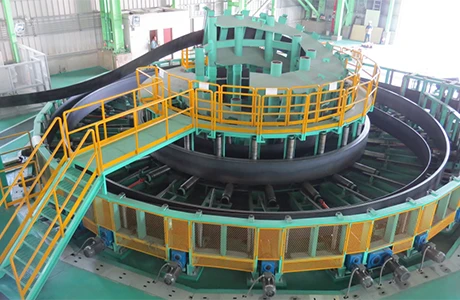
The accumulator acts as a buffer between the uncoiler/shearer and the mill. It allows the welding process to continue uninterrupted even when the coil is being changed or the shearer is operating, thereby maximizing the efficiency and throughput of the entire production line.
References and further reading
- ASTM A500 Standard Specification for Cold-Formed Welded and Seamless Carbon Steel Structural Tubing.
- API Specification 5L for Line Pipe.
- ISO 9001 Quality Management Systems for Industrial Machinery Manufacturing.
 English
 Albanian
 Arabic
 French
 German
 Indonesian
 Italian
 Japanese
 Kazakh
 Korean
 Latin
 Macedonian
 Portuguese
 Russian
 Spanish
 Thai
 Turkish
 Ukrainian
 Uzbek