
-
 Tel:86-15176910262
-

Search

Sheet Metal Coil Cutting Machine – Global Guide, Benefits & Trends
Nov . 29, 2025 03:55
Understanding the Sheet Metal Coil Cutting Machine: Why It Matters Globally
Sheet metal coil cutting machines might not be household terms, but their role in modern manufacturing and infrastructure development is enormous. From building cars, appliances, and airplanes, to creating the durable materials for relief shelters and construction sites – these machines slice and dice steel coils with precision and speed. With global manufacturing on the rise and increasing demand for durable, sustainable materials, grasping how sheet metal coil cutting machines function offers valuable insights into efficiency, cost-savings, and innovation worldwide.
Global Landscape: Why the Sheet Metal Coil Cutting Machine Is Crucial Today
Worldwide production of steel sheet metal continues to climb, buoyed by sectors like automotive, construction, and consumer electronics. According to World Steel Association, global crude steel production topped 1.9 billion metric tons in 2023, emphasizing a relentless appetite for steel products.
However, the challenge remains: how to convert sprawling, heavy steel coils into precisely sized sheets while minimizing waste, time, and costs? The answer often lies in the quality and sophistication of sheet metal coil cutting machines.
Efficient coil cutting enhances production speed, lowers operational costs, and positively affects carbon footprints by reducing raw material excess and energy use. This machinery's role becomes even more apparent in rapidly industrializing regions such as Southeast Asia and Africa, where infrastructure demand is hot and efficiency is king.
Mini takeaway: For manufacturers and planners globally, investing in cutting-edge coil cutting machines is less about convenience and more about maintaining competitiveness.
What Is a Sheet Metal Coil Cutting Machine?
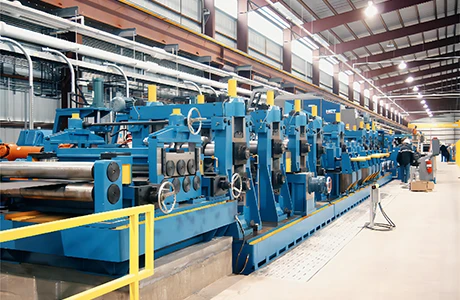
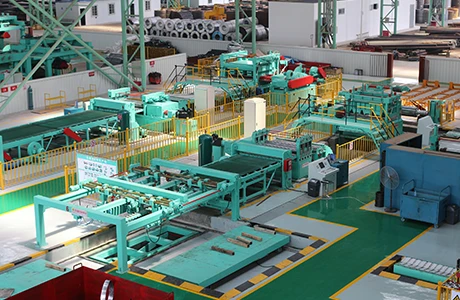
Put simply, a sheet metal coil cutting machine is a mechanical device designed to unroll large coils of sheet metal and cut them into smaller sheets or strips according to precise dimensions. These machines are vital in transforming raw steel coils into usable forms for assembly lines or further processing.
Modern machines cleverly mix automation with sensing technology, simplifying what once was a labor-intensive task into a near-continuous process — a necessity as demand surges. Plus, they are vital in meeting standards of quality and reproducibility required by industries like aerospace, construction, or even humanitarian projects where reliability is non-negotiable.
Core Components That Keep It Running Smoothly
1. Uncoiler Mechanism
The uncoiler is the starting point — it holds and unwinds the steel coil steadily so the sheet metal can be fed into the cutting area without snags or warping. A stable uncoiler is key to feed consistency.
2. Shearing or Slitting Unit
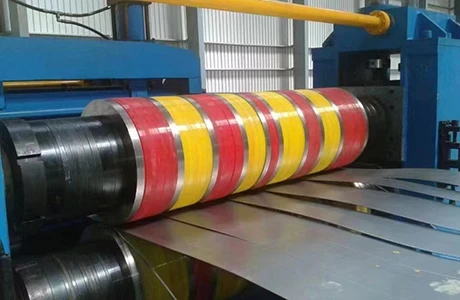
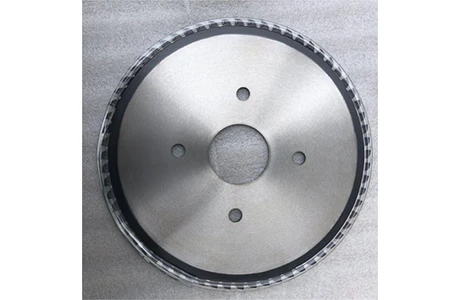
This is the “blade” section. It cuts the metal based on width or length as programmed. There are two main types: slitting (cutting the coil longitudinally into strips) and shearing (cutting across into sheets). Both must be razor-sharp and adjusted for thickness variations.
3. Feed and Straightening Apparatus
Before cutting, the incoming coil needs to be flattened and aligned. Any imperfection here spells trouble down the line — curls, ripples, or uneven cuts. Modern feed systems are sophisticated, often using rollers and sensors to control tension.
4. Control Systems and Automation
PLC (Programmable Logic Controllers) or touch-screen controls now govern speed, length, and safety mechanisms with precision. Connectivity to production management systems allows data-driven optimization — making the machines smarter every day.
Product Specification: Typical Sheet Metal Coil Cutting Machine
| Specification | Detail |
|---|---|
| Maximum Coil Width | 1,600 mm |
| Material Thickness Range | 0.2 – 3 mm |
| Maximum Speed | 80 meters/minute |
| Cut Length Accuracy | ± 0.5 mm |
| Automation Level | Semi-automatic to fully automatic |
| Power Supply | 380 V / 50 Hz (three-phase) |
Who’s Using These Machines Around the World?
Sheet metal coil cutting equipment finds a home in diverse sectors:
- Automotive manufacturers in Germany and Japan depend heavily on precise coil cutting to produce body panels.
- Construction firms in North America utilize them for producing steel roofing and framing components.
- Appliance makers in China and Korea shape metal parts for refrigerators and microwave ovens.
- Relief organizations, such as those delivering temporary shelters in earthquake zones, rely on durable metal sheets cut on-site.
Oddly enough, even remote industrial zones equipped with smaller, semi-automatic machines find them game-changers, improving turnaround times and reducing import needs.
Mini takeaway: The sheet metal coil cutting machine is versatile enough to serve booming metropolises and far-flung areas alike.
What Makes Investing in Sheet Metal Coil Cutting Machines So Valuable?
In essence, these machines shrink production times, conserve materials, and boost quality — a triple win. Here’s a quick rundown:
- Cost Efficiency: Reduces wastage of expensive steel by trimming to exact specs.
- Scalability: Whether you’re producing hundreds or thousands of sheets, it adapts.
- Consistency: Near-perfect repeatability upholds product standards.
- Sustainability: Lower scrap rates and optimized energy use make it eco-friendly over time.
- Safety: Automation minimizes manual handling — fewer accidents.
Combine these tangible benefits with the intangible — customer trust, product reputation, and innovation potential — and you glimpse why the equipment is an industry staple.
Looking Ahead: Future Trends Impacting Sheet Metal Coil Cutting
The industry isn’t standing still. Some future directions to watch:
- Integration with AI: Machines capable of self-calibrating and predictive maintenance.
- Eco Materials: Cutting stainless steel alternatives and composites with new blades and sensors.
- Digital Twin Technology: Virtual models to simulate cutting processes, reducing trial and error.
- Green Energy Use: Powering heavy machinery with renewable energy sources as facilities go carbon neutral.
There’s also a slow but steady push toward modular, mobile coil cutting units for field use in disaster relief or remote sites.
Common Roadblocks and How Experts Recommend Tackling Them
Like all high-precision mechanical systems, these machines come with challenges:
- Coil Handling Mishaps: Uneven tension causes feed jams — solved by real-time sensors and adaptive rollers.
- Blade Wear: Dull blades increase downtime. Many shops use automated sharpening or quick-swap tech.
- Energy Consumption: Older models guzzle power. Upgrading to inverter-driven motors helps.
- Operator Training: Skilled use is key — companies often invest in virtual simulators and detailed manuals.
Vendor Comparison: Choosing the Right Sheet Metal Coil Cutting Machine Supplier
| Vendor | Automation Level | Cutting Speed | After-Sales Service | Price Range |
|---|---|---|---|---|
| SteelPro Solutions | Fully Automatic | Up to 100 m/min | 24/7 Global Support | High (€120k+) |
| CutTech Inc. | Semi-Automatic | Up to 70 m/min | Regional and Remote Support | Mid (€60k–€90k) |
| MetalEdge Machinery | Manual to Semi-Automatic | Up to 50 m/min | Basic Warranty, Online Support | Budget ( |
FAQs About Sheet Metal Coil Cutting Machines
Q1: How does a sheet metal coil cutting machine reduce waste in production?
A1: By accurately slicing metal coils to specific sizes with tight tolerances, these machines minimize offcuts and scrap, saving expensive raw materials and reducing environmental impact.
Q2: What maintenance tasks are vital for keeping a coil cutting machine running smoothly?
A2: Regular blade inspection and sharpening, lubrication of moving parts, and checking feed tension sensors are critical. Many manufacturers recommend scheduled professional servicing to avoid costly downtime.
Q3: Can these machines handle different metals like aluminum or stainless steel?
A3: Yes, most modern machines are adjustable to accommodate variations in hardness and thickness across metals such as aluminum, stainless steel, and carbon steel, though blades and settings might need changes.
Q4: Is training necessary for operators before running sheet metal coil cutting machines?
A4: Definitely. While automation reduces manual intervention, knowledgeable operators ensure proper setup, troubleshoot errors, and maintain safety protocols effectively.
Q5: How do I choose the right machine size and automation level for my factory?
A5: Consider your production volume, sheet size requirements, budget, and available floor space. Consulting vendors and testing models tailored to your needs usually leads to the best fit.
Wrapping Up and Next Steps
In wrapping this up, the sheet metal coil cutting machine stands out as a pillar of modern metal forming industries. It's not just about slicing steel but enabling faster, cleaner, and smarter manufacturing — a game-changer in many ways. Whether you’re upgrading an existing line or entering sheet metal processing for the first time, these machines offer tangible returns over time.
If you’re curious about options or ready to explore solutions tailored for your needs, visit sheet metal coil cutting machine resources and get in touch with vendors who can walk you through the best choices.
References

Related Products






Related News

2026-10-04 16:13:15
HEBEI AIS MACHINERY at Tube & Wire Shanghai 2026 | Tube Mill Solutions
HEBEI AIS MACHINERY participated in Tube & Wire Shanghai 2026, meeting new and long-term customers to discuss ERW tube mills, steel processing equipment, new projects, and future cooperation.

2026-08-18 09:42:30
August Promotion at AIS Machinery – Complete Solutions for ERW Tube Mills & Steel Processing
AIS Machinery August Promotion is here! We are offering competitive prices on ERW Tube Mills, Slitting Lines, Cut-to-Length Lines, Cold Roll Forming Machines and Tube Mill Spare Parts. Whether you are planning a new tube production line, upgrading existing equipment, or looking for reliable spare parts, we can provide a complete solution. Our professional engineers offer technical support from machine selection to production, installation and after-sales service. Contact AIS Machinery this August and let us help you find the right equipment for your project.

2026-08-17 09:43:30
C U Purlin Roll Forming Machine | Flexible C/U Profile Production
CU Profile Roll Forming Machine is designed to continuously produce C and U-shaped steel profiles from metal coils. The complete line can include a decoiler, leveling and feeding system, punching unit, roll forming machine, cutting system and run-out table. Depending on production requirements, the machine can use manual C/U changeover or computer-controlled automatic size adjustment. It is suitable for producing C/U channels, structural profiles, framing components and other steel sections with consistent dimensions and reliable production efficiency.

2026-08-13 10:50:44
Double Head Uncoiler for Tube Mills: Continuous Coil Loading and Faster Production
Double Head Uncoiler is an efficient coil feeding machine designed for ERW tube mills, pipe mills, and coil processing lines. With two hydraulic expanding mandrels, it allows one steel coil to run while the next coil is prepared, reducing coil changeover time and production downtime. The hydraulic drive provides stable and reliable coil unwinding, making the double head uncoiler an ideal solution for medium and large-size tube mills, heavy steel coils, and high-production applications.

2026-08-12 10:17:44
Buying a Steel Slitting Line? 8 Key Specifications You Should Know
Looking for a reliable Steel Slitting Line for your tube or pipe production? Our Coil Slitting Machine is designed to convert wide steel coils into accurate narrow strips for ERW Tube Mills, roll forming lines and other applications. From HR, CR and galvanized steel to different coil widths, thicknesses and weights, the slitting line can be customized to your requirements. ⚙️ Learn how to select the right slitting capacity, strip width, coil weight and production speed for your business.

2026-08-11 09:25:01
Conveyor and Run Out Table for ERW Tube Mill | Pipe Conveying & Discharge System
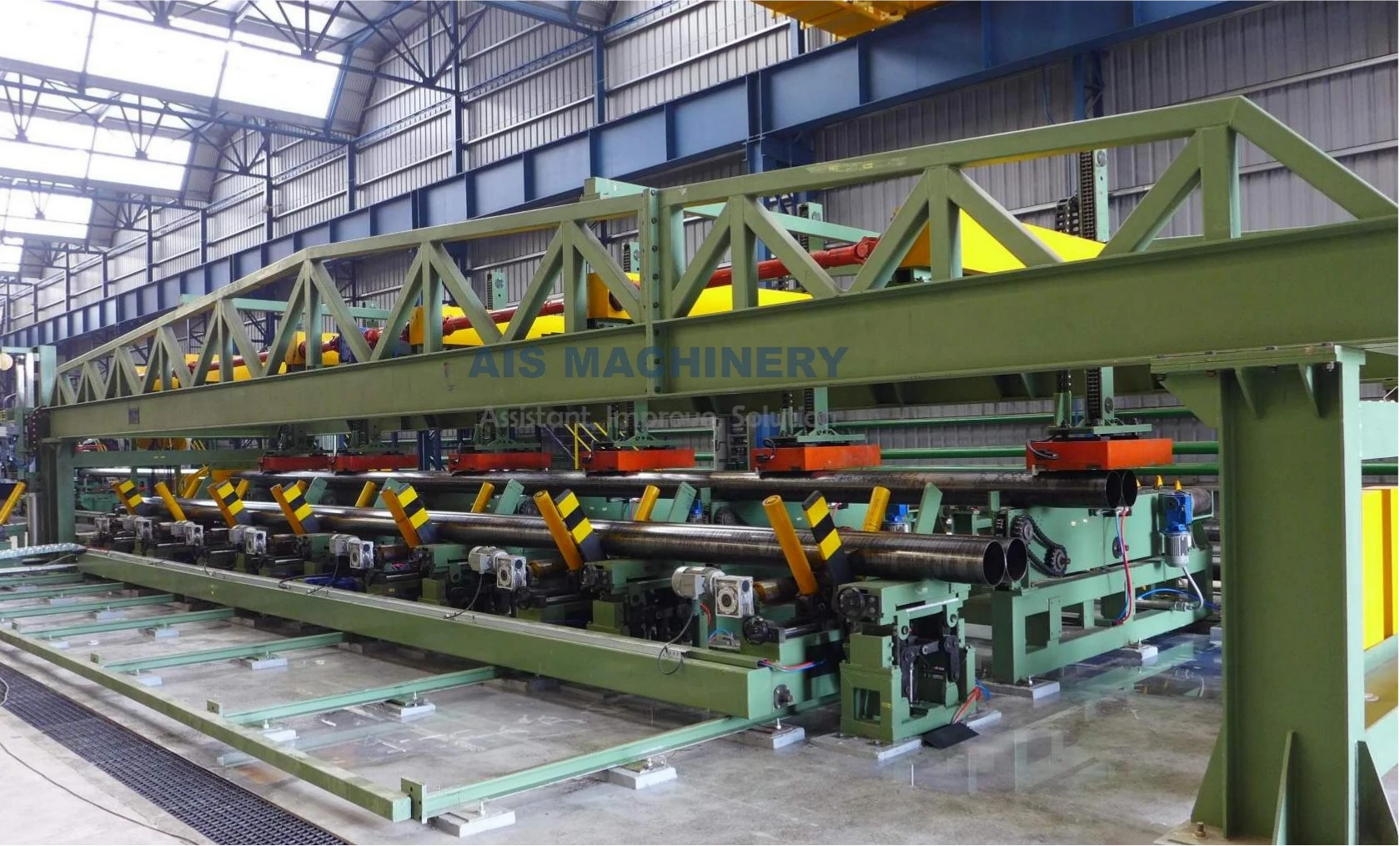
Conveyor and Run Out Table is an important pipe handling system in an ERW Tube Mill, mainly installed after the flying saw or cold saw. It supports, conveys, aligns, buffers, and discharges finished pipes smoothly to the next process. A properly designed run out table can reduce manual handling, protect pipe surfaces, and improve production efficiency. With customized roller layout, conveying speed, table length, and discharge design, it can be matched with different pipe sizes, production speeds, and downstream stacking or packing systems.

2026-08-10 10:07:47
3 Inch–5 Inch Tube Mill: The Most Popular Size Range for ERW Pipe Production
3–5 Inch ERW Tube Mill is one of the most popular choices for steel pipe manufacturers. This tube mill size range is widely used for producing round, square, and rectangular steel tubes for construction, machinery, furniture, automotive, and structural applications. With flexible tube diameter and wall thickness options, a 3 inch, 4 inch, or 5 inch tube mill can meet different production requirements. Learn how to choose the right ERW tube mill based on your products, target market, production speed, and future demand.

2026-08-06 09:50:37
Cold Roll Forming Machine with Punching: A Complete Guide for Custom Metal Profiles
A Cold Roll Forming Machine with Punching combines precision roll forming and automatic punching in one efficient production line. It can produce C channels, U channels, garage door struts, solar mounting profiles, and many other custom steel sections with round holes, slots, or special cutouts. The punching system improves production efficiency, reduces secondary processing, and ensures accurate hole positioning. AIS Machinery provides customized roll forming solutions based on your profile drawings and production requirements.
Send a Message
Dear customer, thank you for your attention! We provide high-quality machinery and equipment and look forward to your orders. Please inform us of your needs and we will respond quickly!
 English
 Albanian
 Arabic
 French
 German
 Indonesian
 Italian
 Japanese
 Kazakh
 Korean
 Latin
 Macedonian
 Portuguese
 Russian
 Spanish
 Thai
 Turkish
 Ukrainian
 Uzbek