


Acquiring a high-performance steel processing line requires a balanced understanding of initial capital expenditure and long-term operational efficiency. For enterprises in the metal products industry, the cost of a slitting line is not a fixed figure but a variable determined by technical specifications, output requirements, and the level of automation integrated into the system.
In the context of modern B2B procurement, buyers often struggle to differentiate between entry-level machinery and industrial-grade systems. The variance in coil slitting machine price typically reflects the machine's ability to handle diverse coil widths, maximum weights, and the precision of the resulting slit strips, which directly impacts waste reduction and material yield.
This guide analyzes the primary factors that influence equipment valuation and provides a framework for evaluating suppliers. By examining technical drivers such as hydraulic systems, CNC control, and structural rigidity, procurement officers can make informed decisions that align with their production targets and budget constraints.
Economic Drivers of Coil Processing Equipment
The financial investment in coil slitting technology is driven by the necessity for precision in the downstream supply chain. Whether the final product is intended for ERW tube mills, automotive components, or construction profiles, the accuracy of the slitting process determines the quality of the final pipe or sheet. High-investment machinery typically features reinforced frames and advanced tension control systems that prevent coil deformation, thereby reducing the "scrap rate" during the uncoiling and leveling phases. From an economic perspective, a higher initial cost is often offset by lower per-unit production costs over the machine's lifecycle. Furthermore, the integration of safety certifications such as CE and ISO ensures that the equipment meets international labor and safety standards, reducing potential liability and operational downtime in global markets like the USA, Europe, and Southeast Asia.
Analyzing Slitting Line Value and Cost
Evaluating the value of a slitting line requires looking beyond the sticker price to understand the technical capabilities that drive cost. The following dimensions breakdown how specific engineering choices influence the final commercial offer.
Key Cost Determinants
The primary cost drivers are the maximum coil weight capacity and the width of the processing line. A machine designed for 20-ton coils requires significantly more robust structural steel and higher-capacity hydraulic lifting systems than one designed for 3-ton coils. Additionally, the sophistication of the drive system—whether it uses a standard electric motor with a gearbox or a more precise servo-driven system—impacts both the price and the final edge quality of the slit material.
| Capacity Level | Structural Requirement | Cost Impact | Primary Application |
|---|---|---|---|
| Light Duty (3-5t) | Standard Welded Frame | Baseline | Furniture/Small Parts |
| Medium Duty (5-10t) | Reinforced Steel Plate | Moderate Increase | General Construction |
| Heavy Duty (10-20t) | High-Rigidity Industrial Frame | Significant Increase | API Pipe/Industrial Steel |
| Customized Widths | Extended Bed/Rails | Variable | Specialized Industrial Sheets |
| High-Speed Drive | Precision Gearbox/Servo | Premium | High Volume Production |
| Automated Loading | Integrated Coil Cars | Additive | Fully Automated Mills |
Material Specification Impacts
The type of steel being processed—such as high-strength API grade, stainless steel, or galvanized sheets—dictates the requirements for the cutting tools and the motor torque. Processing thicker, harder materials requires higher-grade tool steel and more powerful drives to maintain constant linear speed. This technical necessity increases the equipment cost but ensures that the machine does not suffer from premature wear or mechanical failure under heavy loads.
Automation vs. Manual Control
Control systems range from manual hydraulic levers to fully integrated PLC systems with remote monitoring. Automated lines reduce the reliance on highly skilled operators and minimize human error during the setup of the knives. While the inclusion of automated centering sensors and synchronized uncoiler-slitter controls increases the initial investment, it drastically improves throughput and consistency, which is critical for large-scale operations.
Precision Engineering and Tooling
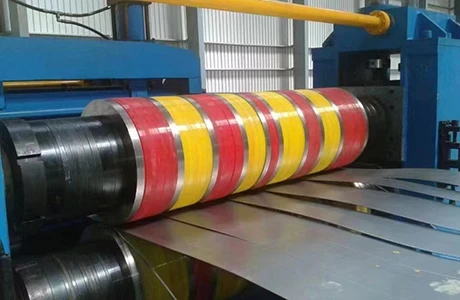
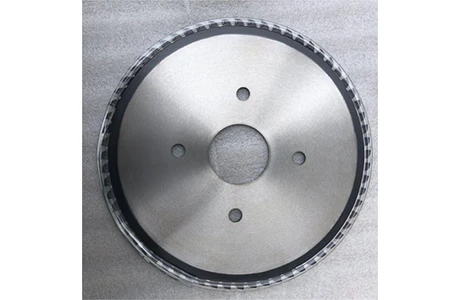
The quality of the slit edge depends on the precision of the tooling and the stability of the machine bed. Utilizing CNC-milled components and high-precision gear couplings reduces vibration and noise. The cost of high-precision toolings is reflected in the machine's ability to maintain tight tolerances over long production runs, reducing the need for secondary edge-trimming processes.
Energy Efficiency and Operational Cost
Modern machinery focuses on reducing the energy consumption per ton of processed steel. The use of high-efficiency motors and optimized hydraulic circuits reduces monthly utility costs. When evaluating a quote, buyers should consider the "Total Cost of Ownership" (TCO), where a more energy-efficient machine may be more expensive upfront but cheaper to operate over a five-year period.
Installation and Turnkey Integration
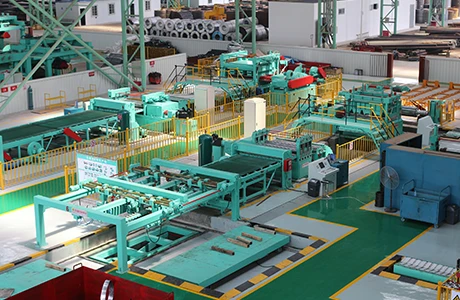
For many B2B buyers, the equipment cost is only one part of the project. Turnkey solutions include engineering design, on-site installation by professional technicians, and employee training. Companies like Hebei AIS Machinery provide this comprehensive approach, ensuring that the slitting line is correctly integrated with other equipment, such as loading trolleys and ERW tube mills, to create a seamless production flow.
Maintenance and Lifecycle Value
The longevity of a slitting line depends on the quality of wear-resistant components. The use of carburized drum gear couplings and quenched gear teeth extends the intervals between major overhauls. A machine built with high-quality materials may have a higher initial price but offers a longer operational lifespan and higher resale value, making it a more sustainable investment for the business.
FAQ
What are the primary factors that influence the cost of a coil slitting machine?
The cost is primarily driven by the maximum coil weight capacity (e.g., 3 tons vs 20 tons), the maximum coil width, the material thickness it can handle, and the level of automation (manual vs PLC control). Additionally, the quality of the components, such as CNC-milled parts and high-grade tool steel, and the inclusion of auxiliary equipment like loading trolleys, significantly impact the final price.
How does automation affect the return on investment (ROI)?
While automation increases the initial capital expenditure, it improves ROI by increasing production speed, reducing material waste through higher precision, and lowering labor costs. Automated systems reduce the time required for coil changes and setup, allowing for more production cycles per shift and a faster payback period through increased output.
Is it better to buy a standard machine or a customized slitting line?
Standard machines are generally cheaper and delivered faster, but they may not perfectly match your specific material or layout requirements. Customized lines are recommended if you process non-standard coil widths or require integration into a specific automated workflow. Customization ensures optimal efficiency and reduces the need for expensive modifications after installation.
What should I check in a supplier's technical offer to ensure quality?
Buyers should verify the certifications (ISO, CE, SGS), the grade of steel used for the main frame, the brand and specifications of the drive motors, and the heat treatment process for gears. Additionally, check for the availability of after-sales support, such as online technical assistance and the provision of a warranty period, to ensure long-term operational stability.
How does the choice of tooling affect the overall cost of production?
High-precision, wear-resistant tooling reduces the frequency of knife replacements and minimizes edge burrs on the slit strips. While premium tooling has a higher initial cost, it lowers the overall cost of production by reducing downtime for maintenance and eliminating the need for secondary finishing processes on the steel strips.
What is the typical lead time for a customized slitting line?
Lead times vary based on complexity, but typically range from several weeks to a few months. This includes the engineering design phase, procurement of high-grade materials, CNC machining, assembly, and factory testing. Requesting test running videos before shipment is a standard practice to ensure the machine meets specifications before it leaves the factory.
References and further reading
- Industrial Standards for Metal Coil Processing and Slitting Tolerances.
- Guide to ERW Tube Mill Front-End Equipment Integration.
- Technical Specifications for Heavy-Duty Hydraulic Lifting Systems in Steel Mills.
 English
 Albanian
 Arabic
 French
 German
 Indonesian
 Italian
 Japanese
 Kazakh
 Korean
 Latin
 Macedonian
 Portuguese
 Russian
 Spanish
 Thai
 Turkish
 Ukrainian
 Uzbek