


High Efficiency Flying Friction Saw for Pipe Mill Manufacturers
Achieving a seamless balance between production speed and cutting precision is a critical challenge for high-volume steel tube production. The flying friction saw serves as a high-efficiency online cutting system designed specifically for ERW tube mills, utilizing high-speed rotating HSS blades to generate thermal energy through friction. This process enables rapid hot cutting of carbon steel pipes without interrupting the flow of the production line, making it an indispensable component for manufacturers focused on structural and general-purpose piping.
For industrial operations producing pipes ranging from Φ12.7mm to Φ406mm, the choice of cutting technology directly impacts operational costs and throughput. Unlike traditional cold sawing, the friction saw is optimized for medium-to-large diameter tubes with moderate wall thickness, offering a cost-effective alternative that synchronizes perfectly with high-speed line movements via servo tracking systems. This integration ensures that length tolerances are maintained while maximizing the output of carbon steel profiles.

Technical Mechanism of High-Speed Frictional Thermal Cutting
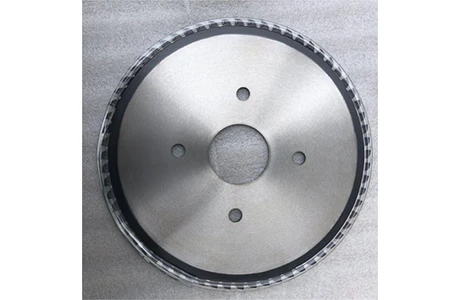
The operational core of the flying friction saw is the conversion of kinetic energy into thermal energy. By rotating High-Speed Steel (HSS) blades at extreme velocities, the machine creates localized heat upon contact with the steel pipe. This heat softens the material at the cutting edge, allowing the blade to slice through the carbon steel pipe with minimal mechanical resistance compared to cold cutting. This "hot cutting" approach is specifically engineered for continuous production environments where line speed is a priority.
To maintain stability during this high-energy process, the system employs several critical engineering features:
- Servo Tracking Synchronization: The saw head moves in tandem with the pipe speed (60–120 m/min), ensuring the blade enters the material at a consistent relative velocity to prevent jarring.
- Variable Frequency Drive (VFD): Main motors ranging from 55kW to 160kW allow operators to adjust the rotational speed based on the pipe's wall thickness and diameter.
- Advanced Clamping: Pneumatic or hydraulic double-sided clamping systems stabilize the pipe, preventing deflection during the high-speed cut.
This combination of thermal energy and precise motion control allows the friction saw to handle wall thicknesses up to 16.0mm, providing a robust solution for the manufacturing of API pipes, structural tubes, and solar piles.

Comparative Analysis: Friction Saw versus Cold Saw Applications
Selecting the appropriate cutting system requires an understanding of the trade-offs between speed, precision, and cost. Friction saws are the preferred choice for structural pipes and scaffolding where high throughput is essential and a moderate heat-affected zone is acceptable. The primary advantage lies in the significantly lower investment cost for both the machinery and the consumable HSS blades.
In contrast, cold saws utilize TCT or carbide blades to perform mechanical cutting at lower speeds. While cold saws provide superior edge quality and tighter tolerances (±1mm), they operate at a fraction of the speed of friction saws (typically ≤40 m/min). This makes cold sawing more suitable for high-precision automotive tubing or export-grade precision pipes where post-processing must be eliminated.
Many professional pipe mill manufacturers implement a dual-system configuration to maximize flexibility. In this setup, the friction saw handles the bulk of general-purpose carbon steel production, while a cold saw is reserved for stainless steel, alloy steel, or specialized high-precision orders. This strategic deployment ensures that the facility can meet diverse market demands without sacrificing overall efficiency.
Operational Optimization and Maintenance for Maximum Uptime
To ensure consistent cutting quality and prevent unplanned downtime, a rigorous maintenance protocol is essential. One of the most common issues in friction sawing is the development of large burrs, which is typically caused by worn blades or an incorrect cutting angle. Regular inspection of the HSS blade for heat spots and dull teeth is the first line of defense in maintaining a clean cut.
Engineering teams should focus on the following optimization points:
- Cooling Efficiency: While the cutting is "hot," the machine components require effective air cooling. Blocked nozzles or inefficient airflow can lead to blade overheating and premature failure.
- Encoder Calibration: The stability of the cutting length depends entirely on the servo encoder. Recalibrating the tracking system every 500 hours prevents length drift and ensures tolerances stay within the ±3mm range.
- Vibration Control: Abnormal noise often indicates blade imbalance or loose bearings. Weekly tightening of mechanical connections and balancing the blade are critical for extending the life of the guide rails.
By addressing these factors, operators can extend blade life (typically 200–600 cuts) and ensure the machinery operates at the peak of its designed capacity, reducing the total cost per cut.
Friction Saw Selection and Technical Specifications
| Parameter | Recommended Range | Technical Requirement | Application Note |
|---|---|---|---|
| Pipe Diameter | Φ12.7mm – Φ406mm | Matched Blade Size | Structural/API Pipes |
| Wall Thickness | 0.5mm – 16.0mm | Carbon Steel Only | Max 16mm for Single Blade |
| Cutting Speed | 60 – 120 m/min | Servo-Synchronized | High-Volume Production |
| Motor Power | 55kW – 160kW | Variable Frequency | Scale by Pipe Diameter |
| Tolerance | ±3mm | PLC + Servo Control | Standard Structural Grade |
Integration within ERW Tube Mill Ecosystems
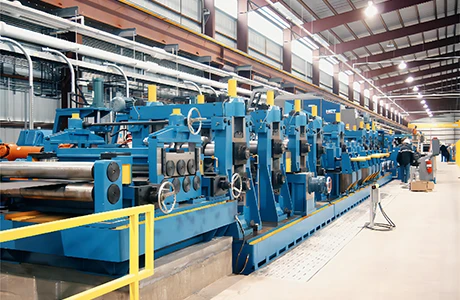
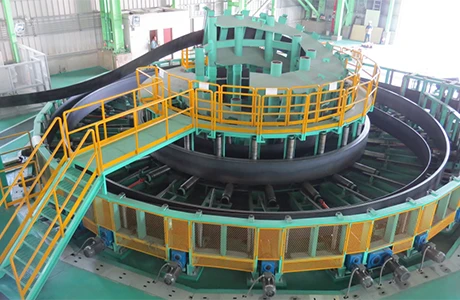
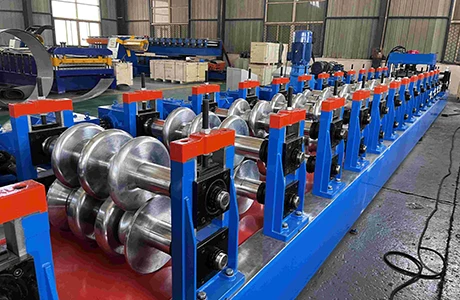
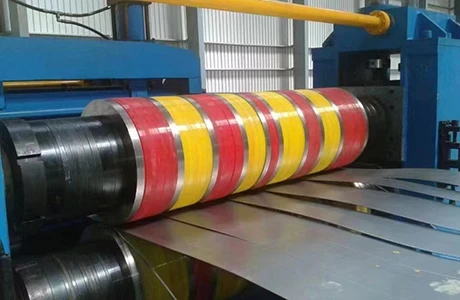
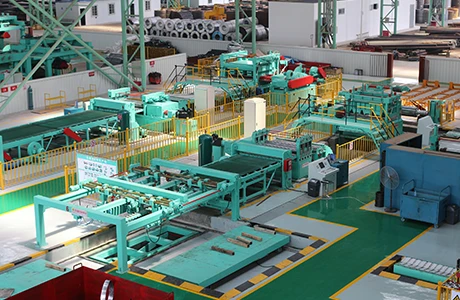
The flying friction saw does not operate in isolation but as a critical link in the ERW (Electric Resistance Welding) production chain. Following the forming and welding process, the pipe must be cut to length without stopping the line. The integration of the friction saw allows for a continuous flow from the coil slitting line through to the final packaging stage. This continuity is what enables the production of solar support piles and oil pipelines at industrial scales.
For enterprises looking to upgrade their capabilities, AIS Machinery provides complete turnkey solutions. By combining the friction saw with other finishing equipment such as threading machines, end facers, and hydro testers, manufacturers can move from raw steel coils to finished, certified pipes in a single streamlined process. The ability to customize the cutting unit—choosing between single-blade for standard work or dual-blade for heavy-wall pipes—allows the equipment to scale with the business's growth.
Future Trends in High-Speed Pipe Cutting Technology
The industry is moving toward greater automation and smarter control systems. We are seeing a shift toward integrated HMI (Human-Machine Interface) systems that allow for real-time monitoring of blade wear and cutting precision. Predictive maintenance, driven by sensor data, is becoming the standard for reducing downtime in large-scale tube mills.
Furthermore, as global standards for structural steel become more stringent, the demand for more precise tracking systems is increasing. The evolution of servo-driven mechanisms is pushing the boundaries of the friction saw, narrowing the tolerance gap between hot cutting and cold sawing. For buyers, the focus is shifting from simple acquisition cost to "total cost of ownership," where energy efficiency and blade longevity play a more significant role in the procurement decision.
Technical FAQ for Pipe Cutting Systems
What is the main difference between a friction saw and a cold saw?
A friction saw uses high-speed rotation to generate heat for hot cutting, offering much higher speeds (60-120 m/min) and lower costs, whereas a cold saw uses mechanical torque for precise, cool cutting at lower speeds, providing better edge quality and tighter tolerances.
Can the friction saw be used for stainless steel pipes?
No, the flying friction saw is specifically designed for carbon steel. For stainless steel or high-alloy materials, a cold saw is recommended to avoid material degradation and ensure a clean cut.
How do I resolve the issue of large burrs on the pipe ends?
Large burrs are typically caused by a blunt blade, cutting speed that is too low, or an incorrect blade angle. The solution is to replace/resharpen the blade, increase the RPM, or recalibrate the blade angle.
What is the typical blade life for a friction saw?
Depending on the material hardness and wall thickness, HSS friction blades typically last between 200 to 600 cuts before requiring replacement or sharpening.
How is the cutting length synchronized with the line speed?
The system uses a PLC combined with a servo tracking system and encoders. The servo motor drives the saw head to match the pipe's velocity exactly, ensuring the cut occurs at the precise designated length.
What maintenance is required to prevent blade breakage?
To prevent breakage, operators should reduce the feed rate if it is too aggressive, ensure the use of high-quality 65Mn or 8CrV blades, and maintain a consistent airflow through the cooling system.
Industry Technical References
- ISO Standards for Industrial Machinery
- ASME B31.3 Process Piping Standards
- American Petroleum Institute (API) Specifications
- Global Steel Manufacturing Guidelines
For enterprises seeking to optimize their production capacity, choosing a cutting system that aligns with your specific material and volume requirements is essential. AIS Machinery provides the engineering expertise to help you select between friction and cold sawing technologies to achieve the ideal balance of speed and precision.
 English
 Albanian
 Arabic
 French
 German
 Indonesian
 Italian
 Japanese
 Kazakh
 Korean
 Latin
 Macedonian
 Portuguese
 Russian
 Spanish
 Thai
 Turkish
 Ukrainian
 Uzbek