


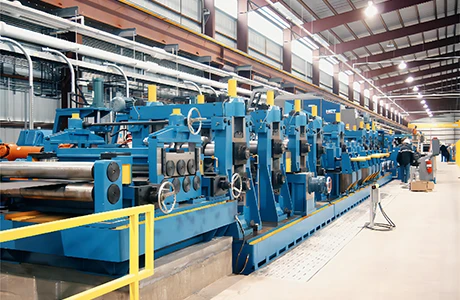
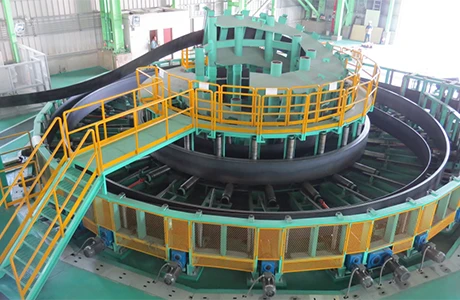
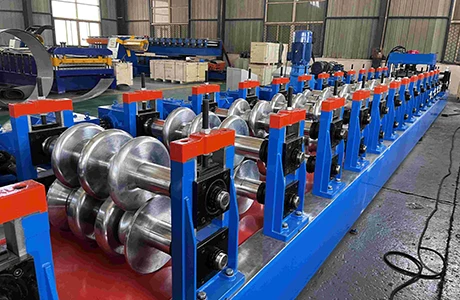
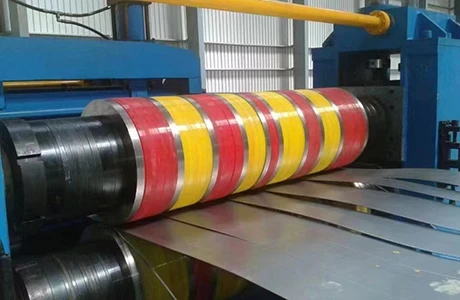
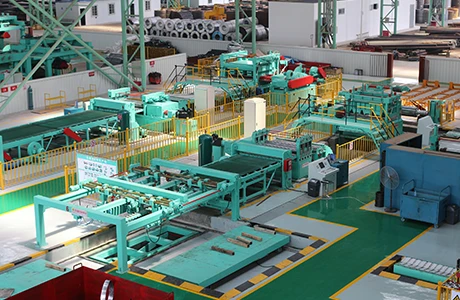

The production of structural steel components requires extreme precision to ensure building stability and safety. A china cz purlin roll forming machine is a specialized industrial system designed to transform flat steel coils into C or Z shaped profiles. These profiles serve as critical horizontal supports in steel-frame buildings, providing the necessary structural integrity for roof and wall cladding.
For procurement officers and structural engineers, selecting the right roll forming equipment involves more than just capacity checks; it requires an analysis of forming accuracy, material waste reduction, and the machine's ability to maintain tight tolerances across varying steel grades. The complexity of the "C" and "Z" geometries demands a sophisticated sequence of rollers to prevent material buckling and spring-back effects.
This technical guide explores the engineering nuances of CZ purlin production, providing a framework for evaluating machinery performance. Readers will gain insights into the critical selection criteria for rollers, cutting mechanisms, and the integration of automated systems to optimize production throughput in modern steel fabrication facilities.
Engineering Foundations of CZ Purlins
CZ purlins are distinguished by their high strength-to-weight ratio, making them indispensable for wide-span industrial warehouses and solar support structures. The roll forming process is a continuous bending operation where the steel strip passes through a series of contoured rollers. Unlike press braking, roll forming allows for the creation of long, consistent profiles with uniform cross-sections. The "Z" profile is particularly valued for its ability to overlap at the supports, increasing the load-bearing capacity of the roof system. To achieve this, the machinery must employ a precise sequence of bending stages that gradually shape the metal without inducing internal stress or surface deformation. This process is heavily dependent on the metallurgical properties of the input coil, including its yield strength and thickness, which dictate the required pressure and spacing of the forming rollers.
Technical Procurement Guide for Roll Forming Systems
Evaluating a roll forming line requires a systemic approach that connects raw material input to the finished structural profile. The following analysis breaks down the seven core technical dimensions that determine the commercial value and operational efficiency of the equipment.
Material Compatibility and Gauge
The versatility of a machine is defined by its ability to handle different steel grades and thicknesses. High-grade galvanized steel is common for purlins to prevent corrosion. The rollers must be engineered to handle the specific gauge of the material without causing "scratches" or "waviness" on the surface. Hebei AIS Machinery incorporates strict material selection and heat treatment for rollers to ensure they can handle the stress of thicker gauges while maintaining surface finish.
| Material Type | Common Gauge | Risk Factor | Evaluation Criterion |
|---|---|---|---|
| Galvanized Steel | 1.5mm - 3.0mm | Zinc Coating Peeling | Roller Surface Smoothness |
| Cold Rolled Steel | 1.2mm - 2.5mm | Spring-back Deformation | Bending Sequence Precision |
| High Strength Steel | 2.0mm - 4.0mm | Roller Wear/Tear | Hardness of Tooling (HRC) |
| Aluminum Alloy | 2.0mm - 5.0mm | Surface Galling | Coating/Material of Rollers |
| Stainless Steel | 1.0mm - 3.0mm | High Forming Force | Frame Rigidity/Stability |
| Pre-painted Steel | 1.2mm - 2.5mm | Paint Flaking | Pressure Distribution |
Precision Rolling Architecture
The core of the machine is the roller station. To avoid material twisting, the architecture must ensure perfect alignment between the upper and lower shafts. The use of CNC-milled rollers ensures that the profile dimensions remain consistent across the entire length of the purlin. Precision in the transition zones—where the flat strip begins to curve—is critical to prevent local thinning of the steel wall, which would compromise the structural load rating of the final product.
Cutting Systems and Tolerances
The cutting mechanism determines the usable yield of the raw material. Hydraulic post-cutting systems are preferred for CZ purlins because they allow the profile to be fully formed before being sheared, resulting in cleaner edges and higher length accuracy. Buyers should verify the cutting tolerance; a deviation of more than 1-2mm can lead to significant installation delays and structural misalignment during the building assembly phase.
Automation and Control Integration
Modern lines utilize PLC (Programmable Logic Controller) systems to manage the synchronization between the uncoiler, the forming stations, and the cutter. Integration of a digital counter and automatic length control allows for the production of custom lengths with minimal operator intervention. This reduces human error and ensures that every single piece meets the project specifications, which is vital for large-scale industrial contracts.
Structural Load Performance
The final value of a purlin is its ability to support loads. If the roll forming machine introduces excessive internal stress or inconsistent flange widths, the purlin may fail under design loads. Technical evaluations should focus on the machine's ability to maintain a consistent "lip" and "web" angle. This consistency ensures that the purlin distributes weight evenly across the rafters, meeting international building code requirements.
Customization for Regional Standards
Different markets have different standards for CZ profiles (e.g., American vs. European standards). A high-quality supplier should provide customizable moulds and dies to meet these specific dimensions. The ability to switch between C and Z profiles on the same line increases the facility's flexibility, allowing it to respond quickly to diverse project requirements without investing in multiple separate production lines.
Lifecycle and Maintenance Strategy
Roll forming is a high-wear process. The longevity of the equipment depends on the quality of the gear drives and the durability of the rollers. Implementing a maintenance schedule that includes lubrication of the drive chain and inspection of roller wear is essential. Using carburized gears and heat-treated components, as seen in professional-grade machinery, significantly extends the intervals between major overhauls and reduces unplanned downtime.
FAQ
What is the primary difference between C and Z purlins in roll forming?
C purlins are typically used for wall girts or simple roof supports where overlap is not required. Z purlins are designed with a geometry that allows them to overlap each other at the support points (rafters), which significantly increases the load-bearing capacity and structural stability of the roof. A versatile roll forming machine can often produce both profiles by utilizing a specific set of forming rollers.
How does the choice of roller material affect production quality?
Roller material directly impacts the surface finish and the lifespan of the machine. High-purity alloy steel that has undergone precise heat treatment and carburization prevents premature wear and resists deformation. If rollers are too soft, they will wear down quickly, leading to dimensional inaccuracies in the purlin. If they are too brittle, they may chip under the pressure of high-strength steel coils.
What should I check to ensure the machine handles "spring-back" effectively?
Spring-back occurs when the metal tries to return to its original flat shape after bending. To counter this, the machine must have a scientifically designed bending sequence that "over-bends" the material slightly. You should evaluate the number of forming stations; more stations generally allow for a more gradual and controlled bend, which reduces spring-back and improves the final angular accuracy of the profile.
Is a hydraulic cutter better than a mechanical one for purlin production?
For CZ purlins, hydraulic cutters are generally superior because they provide a more powerful and controlled shear. This ensures that the thick-gauge steel is cut cleanly without distorting the profile's shape. Additionally, hydraulic systems are often easier to integrate with PLC length-control systems, allowing for precise, automated cutting that minimizes material waste.
How do I evaluate the reliability of a roll forming machinery supplier?
Look for suppliers who provide full technical documentation, including ISO and CE certifications. Evaluate their ability to provide customized solutions rather than just standard models. A reliable supplier should offer comprehensive after-sales support, including installation guidance and technical training for your operators, as the setup of the forming rollers is critical to the machine's success.
Can these machines be used for solar panel support structures?
Yes, CZ purlins are frequently used as the main rails for solar mounting systems due to their strength and ease of installation. When configuring a machine for solar applications, focus on the ability to produce precise holes (via punching units) and maintain strict tolerances, as the rails must align perfectly across large arrays to ensure the solar panels are installed without stress.
References and further reading
- International Standards for Cold-Formed Steel Structural Members (AISI S100).
- Guidelines for Roll Forming Process Optimization in Industrial Fabrication.
- Structural Analysis of C and Z Purlin Load Distribution in Steel Warehouses.
 English
 Albanian
 Arabic
 French
 German
 Indonesian
 Italian
 Japanese
 Kazakh
 Korean
 Latin
 Macedonian
 Portuguese
 Russian
 Spanish
 Thai
 Turkish
 Ukrainian
 Uzbek