


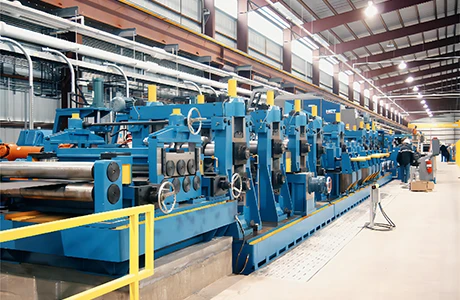
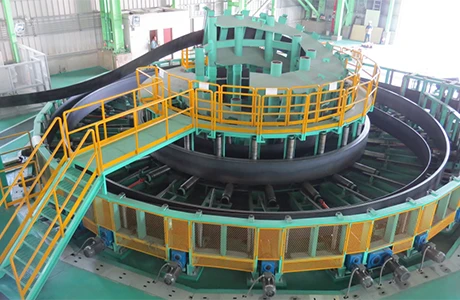
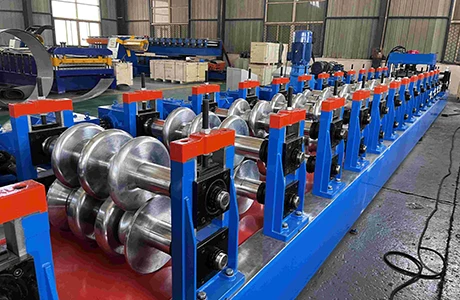
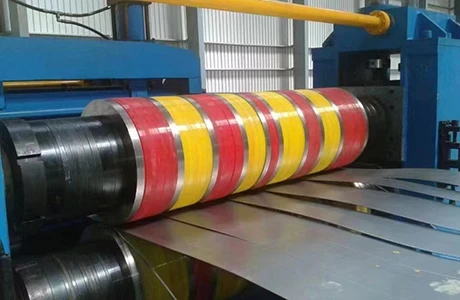
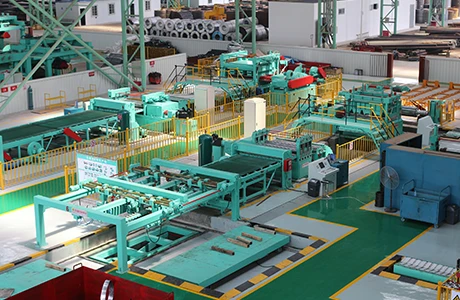

When evaluating the steel coil slitting machine price, B2B procurement managers must look beyond the initial sticker cost. A slitting line is a critical asset in the metal processing chain, responsible for transforming wide master coils into narrower strips used in ERW tube mills and other fabrication processes. Understanding the balance between capital expenditure (CAPEX) and operational efficiency is essential for maintaining a competitive edge in the steel industry.
The total cost of ownership for these systems is influenced by a variety of engineering variables, ranging from the maximum coil width and thickness to the precision of the knife holders. In a high-volume production environment, a cheaper machine with lower precision often results in higher scrap rates and increased downtime, effectively raising the real cost per ton of processed material. Consequently, industrial buyers prioritize reliability, certifications like ISO and CE, and the manufacturer's ability to provide turnkey solutions.
This guide provides a technical and commercial analysis of what drives the pricing of slitting equipment. Readers will learn how to evaluate specifications, identify hidden cost drivers, and determine the most cost-effective configuration based on their specific production requirements, whether they are producing API pipes, structural tubes, or precision automotive components.
Factors Influencing Slitting Equipment Investment
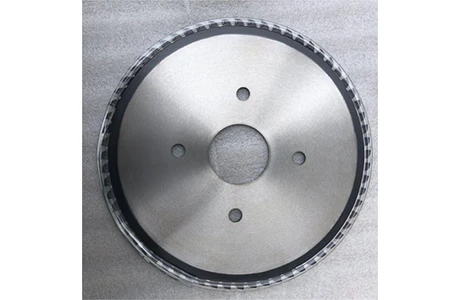
The financial investment required for a coil processing line is not standardized because each system is engineered to handle specific material stresses. The core cost drivers begin with the structural integrity of the uncoiler and the tensioning system. For instance, machines designed for heavy-gauge carbon steel require significantly more robust frames and higher-torque motors than those used for thin-walled furniture tubing. Furthermore, the integration of the steel coil slitting machine price often fluctuates based on the complexity of the slitting head and the number of cuts possible in a single pass. High-precision tooling, such as tungsten carbide knives and precision-ground spacers, adds to the initial cost but drastically reduces the frequency of tool replacement. Additionally, the inclusion of advanced safety features and electronic synchronization between the slitter and the recoiler ensures consistent strip tension, which is vital for preventing "telescoping" or edge waviness in the finished strips. From a commercial perspective, buyers must also consider the geographical location of the supplier, as installation and commissioning by experienced technicians—such as those provided by AIS Machinery—are integral to the machine's long-term performance.
Comprehensive Procurement Guide for Slitting Lines
Selecting the right slitting system requires a deep dive into both technical capabilities and business objectives. The following analysis breaks down the primary dimensions that influence both the machine's performance and its final market valuation.
Technical Specification Impact
The primary technical parameters—maximum coil width, thickness range, and slitting speed—are the most direct determinants of cost. A machine capable of handling 2000mm wide coils requires larger rollers and more powerful hydraulic systems than a compact line. The level of precision in the slitting process directly impacts the yield of the raw material.
| Technical Factor | Cost Impact | Buyer Priority | Risk of Underspecifying |
|---|---|---|---|
| Maximum Coil Width | High | Production Flexibility | Limited material sourcing |
| Max Material Thickness | High | Product Range | Equipment structural failure |
| Slitting Speed (m/min) | Medium | Throughput Rate | Production bottlenecks |
| Cutting Precision (mm) | Medium | Downstream Quality | High scrap/waste rates |
| Automation Level | High | Labor Reduction | Higher operational costs |
| Tooling Material | Low/Medium | Tool Life | Frequent production stops |
Material Compatibility and Tooling
Different steel grades require different cutting forces. Processing high-strength low-alloy (HSLA) steel necessitates more powerful motors and specialized knife geometries compared to mild carbon steel. The cost of the line is often tied to the versatility of the tooling system; modular knife holders that allow for quick changeovers between different widths significantly increase efficiency in factories that handle diverse orders.
Automation Levels and Labor Costs
The shift from manual to semi-automatic or fully automatic lines alters the initial investment significantly. Automatic tension control and PLC-driven synchronization reduce the reliance on highly skilled operators and minimize human error. While the initial purchase price is higher, the reduction in labor costs and the increase in consistency often lead to a faster return on investment (ROI).
Precision and Quality Control Systems
For applications like precision steel pipes or automotive tubes, edge quality is paramount. Integrated quality control systems, such as automated edge measurement or tension monitoring, add to the system cost but ensure compliance with strict international standards (e.g., API). High-precision equipment prevents the formation of burrs, reducing the need for extensive secondary finishing.
Production Capacity and Throughput
Capacity is not just about speed, but about the efficiency of the entire workflow. This includes the speed of coil loading and unloading. A line equipped with a hydraulic uncoiler and a high-capacity recoiler can process more tons per shift. Evaluating the cost per ton of processed steel is a more accurate metric for B2B buyers than the total equipment cost.
Customization vs. Standard Models
Standard machines offer lower costs and faster delivery times but may not optimize a specific factory layout. Customized solutions, such as those offered by AIS Machinery, are engineered to fit specific space constraints or integrate with existing ERW tube mill lines. Customization typically involves a premium but eliminates the need for costly modifications after delivery.
Long-term Maintenance and Lifecycle Value
The true cost of a slitting line includes the replacement of wear parts like knives and rollers. Systems designed with high-quality heat-treated components have longer service lives. Buyers should evaluate the availability of spare parts and the responsiveness of technical support to avoid expensive unplanned downtime during peak production cycles.
FAQ
What are the primary components that affect a slitting line's cost?
The cost is primarily driven by the uncoiler's capacity, the slitting head's precision and number of cuts, the recoiler's tensioning system, and the overall automation level (PLC vs. manual). Additionally, the material thickness and width the machine can handle dictate the structural requirements of the frame and the power of the drive motors.
How does automation impact the operational cost of coil slitting?
Automation reduces operational costs by decreasing the number of required operators and minimizing human error in setup. Automatic synchronization ensures consistent strip tension, which reduces material waste (scrap) and improves the quality of the strips fed into downstream processes like tube milling.
Should I choose a standard machine or a customized slitting solution?
Standard machines are cost-effective for general-purpose applications with fixed specifications. However, if you have limited factory space, unique material requirements, or need to integrate the slitter with a specific ERW tube mill layout, a customized solution is recommended to maximize production efficiency and avoid future layout costs.
What maintenance factors influence the long-term value of the equipment?
The quality of the tooling (knives) and the precision of the bearings are critical. Regular calibration of the slitting head and the use of high-grade lubricants extend the machine's life. Choosing a supplier with a strong after-sales service network ensures that replacement parts are delivered quickly, minimizing downtime.
How can I verify the quality of a slitting machine before purchase?
Buyers should look for international certifications such as ISO, CE, and SGS. Requesting technical drawings for approval before manufacturing and reviewing case studies from similar industries (e.g., solar pile or automotive tube production) can provide evidence of the manufacturer's capability to deliver a reliable system.
Does the type of steel being processed change the machine requirements?
Yes. High-strength alloys require more robust cutting tools and higher motor torque to maintain cutting speed and precision. Conversely, thin-gauge materials require more precise tension control to prevent the strips from buckling or tearing during the recoiling process.
References and further reading
- International Standards for Metal Processing Equipment (ISO/CE Certification Guidelines)
- Industrial Engineering Handbook: Coil Processing and Slitting Technology
- Steel Production and Fabrication: Material Yield Optimization in B2B Manufacturing
Related Articles



 English
 Albanian
 Arabic
 French
 German
 Indonesian
 Italian
 Japanese
 Kazakh
 Korean
 Latin
 Macedonian
 Portuguese
 Russian
 Spanish
 Thai
 Turkish
 Ukrainian
 Uzbek