


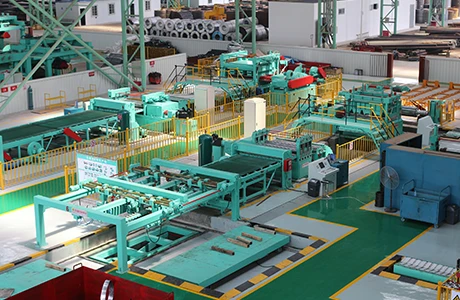

Industrial structural support depends heavily on the precision of C-shaped and Z-shaped purlins. These components are essential for roofing and cladding systems in warehouses, factories, and solar installations. For procurement officers and engineers, finding reliable c purlin machine manufacturers involves understanding the balance between forming accuracy, material throughput, and long-term mechanical stability of the equipment.
The transition from manual bending to automated cold roll forming has revolutionized the speed at which steel structures are deployed. Modern production lines integrate decoiling, leveling, punching, and cutting into a single continuous flow, significantly reducing labor costs and material waste. However, the technical variance between basic machines and high-precision industrial lines can lead to significant differences in the structural integrity of the final purlin.
This comprehensive guide analyzes the technical requirements of purlin production, the critical components of roll forming machinery, and the criteria for selecting a manufacturing partner. Readers will gain insights into the operational nuances of CZLU purlin systems and how to evaluate equipment specifications to ensure they meet international construction standards and local project requirements.
Cold Roll Forming Engineering Fundamentals
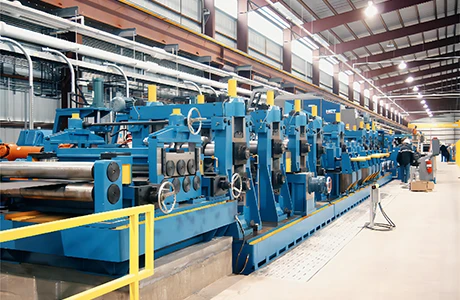
Cold roll forming is a continuous bending operation where a strip of metal is passed through a series of rollers. Unlike pressing, which forms a part in a single stroke, roll forming gradually shapes the material over multiple stations. For C and Z purlins, this process is critical because it prevents the steel from stressing or cracking, maintaining the tensile strength of the original coil. The engineering challenge lies in the precise calculation of the "bend allowance" and the arrangement of the roller stations to ensure that the profile remains straight and consistent across lengths that can exceed 12 meters. The quality of the finished product is directly linked to the hardness of the roller material and the rigidity of the machine frame, which must withstand immense pressure without deflecting. This foundation allows for the creation of structural members that are lightweight yet capable of supporting heavy roof loads, making it the gold standard for prefabricated steel buildings.
Strategic Guide to Purlin Production Equipment
Selecting the right production line requires a deep dive into the mechanical specifications and the intended output. A high-performance system must not only form the shape but also manage the material handling and cutting phases with micron-level precision to avoid secondary processing.
Profile Versatility and Design
Many modern lines are designed as multi-functional units, such as the CZLU systems, which allow the production of both C and Z profiles. This versatility is crucial for companies serving various architectural needs. The transition between profiles should be seamless, requiring minimal adjustment to the roller alignment to maintain productivity.
| Profile Type | Primary Application | Key Structural Advantage | Critical Checkpoint |
|---|---|---|---|
| C-Purlin | Wall Girts/Roof Beams | High Lateral Stability | Flange Accuracy |
| Z-Purlin | Overlapping Roof Supports | Continuous Span Support | Nesting Precision |
| CZLU Combined | Mixed Structural Projects | Equipment Consolidation | Change-over Time |
| Light Gauge | Residential Framing | Weight Reduction | Wall Thickness Consistency |
| Heavy Duty | Industrial Warehouses | High Load Bearing | Roller Hardness |
| Custom Profiles | Specialized Infrastructure | Application Specific | Tooling Customization |
Material Compatibility Factors
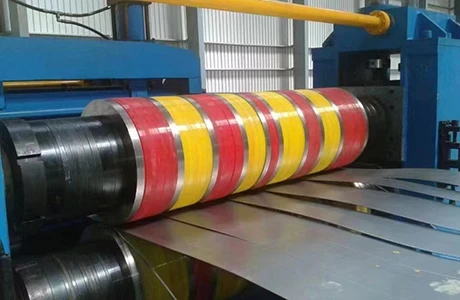
The equipment must be compatible with various steel grades, including galvanized, hot-rolled, and high-strength alloy steels. Galvanized coatings are particularly sensitive to scratching; therefore, the roller surface finish and the feeding mechanism must be engineered to prevent coating degradation, which would otherwise lead to premature corrosion in the field.
Precision Roll Forming Mechanisms
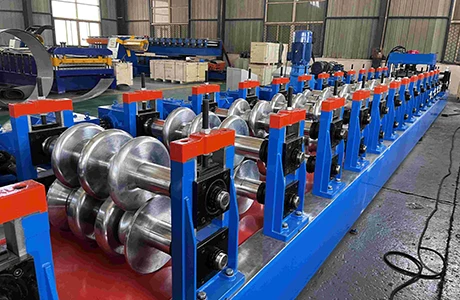
The core of the machine is the roller mill. High-precision rollers are typically made from chromium steel and heat-treated to ensure longevity. The spacing between stations must be perfectly calibrated to prevent "oil canning" or waviness in the web of the purlin, ensuring a flat surface for cladding attachment.
Automation and PLC Integration
Modern lines utilize Siemens PLC systems to synchronize the decoiler, the punching unit, and the cutting saw. Automation removes human error from the length measurement process and allows for the scheduling of complex batches. A user-friendly touch screen interface is essential for operators to adjust lengths and punch hole positions in real-time.
Production Capacity and Speed
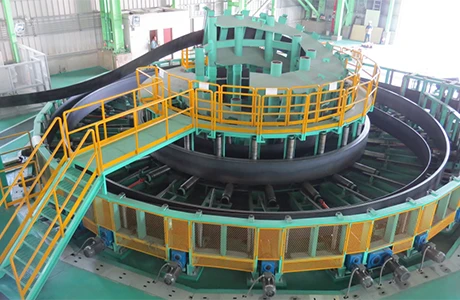
Throughput is determined by the drive system's power and the efficiency of the cutoff mechanism. Systems utilizing servo flying cutting can operate without stopping the line, significantly increasing the meters-per-minute output compared to stop-and-go cutting methods, making them ideal for large-scale government or industrial contracts.
Quality Control and Tolerance
Industrial standards demand tight tolerances on the flange width and the lip angle of the purlin. Quality control involves checking for twist and bow across the length of the member. Equipment with reinforced frames and precision-ground shafts is better equipped to maintain these tolerances over thousands of production cycles.
Supplier Evaluation Criteria
When vetting equipment providers, buyers should look for ISO and CE certifications, which indicate a commitment to international manufacturing standards. Hebei AIS Machinery, for instance, integrates comprehensive solutions including turnkey projects, ensuring that the machine is not just delivered but installed and commissioned for maximum ROI.
FAQ
What is the main difference between C and Z purlins?
C-purlins have a C-shaped cross-section and are primarily used as wall girts or roof beams where overlapping is not required. Z-purlins have a Z-shaped profile, allowing them to overlap at the supports. This overlapping creates a continuous beam effect, which increases the load-bearing capacity and is highly efficient for long-span roofing systems.
Can one machine produce both C and Z profiles?
Yes, CZLU combined roll forming machines are designed specifically for this purpose. They utilize a flexible roller configuration that allows the operator to switch between C and Z profiles. This reduces the need for multiple machines, saving floor space and reducing initial capital investment for the manufacturer.
What materials are most suitable for purlin production?
Galvanized steel is the most common choice due to its excellent corrosion resistance and durability in outdoor environments. Hot-rolled steel is also used for heavier structural requirements, although it typically requires additional painting or coating to prevent rust. The choice depends on the local climate and the specific structural load requirements of the building.
How does "flying cutting" improve production efficiency?
Standard cutting requires the entire line to stop, the blade to cut, and the line to restart. Flying cutting uses a servo-driven blade that moves at the same speed as the material. This allows the machine to cut the purlins to length without ever stopping the roll forming process, drastically increasing the total daily output and reducing energy consumption during start-stop cycles.
What should I look for in a machine's PLC system?
A professional PLC system, such as those from Siemens, should provide precise control over length, punching positions, and speed. It should feature a clear HMI (Human Machine Interface) for easy programming, integrated safety alarms, and the ability to store multiple product templates for quick recall, ensuring consistency across different production batches.
How do I ensure the purlins meet international construction standards?
Ensure that the machinery is capable of producing profiles that match the specified gauge and dimensions required by standards like ASTM or EN. Using equipment from manufacturers with ISO and CE certifications ensures that the machinery itself is built to a standard that can produce consistent, high-quality structural members that pass safety inspections.
References and further reading
- International Standards for Cold-Formed Steel Structural Members.
- Guide to Roll Forming Technology and Precision Engineering.
- Comparative Analysis of C and Z Purlin Structural Integrity in Industrial Warehousing.
 English
 Albanian
 Arabic
 French
 German
 Indonesian
 Italian
 Japanese
 Kazakh
 Korean
 Latin
 Macedonian
 Portuguese
 Russian
 Spanish
 Thai
 Turkish
 Ukrainian
 Uzbek