0%

Table of Contents

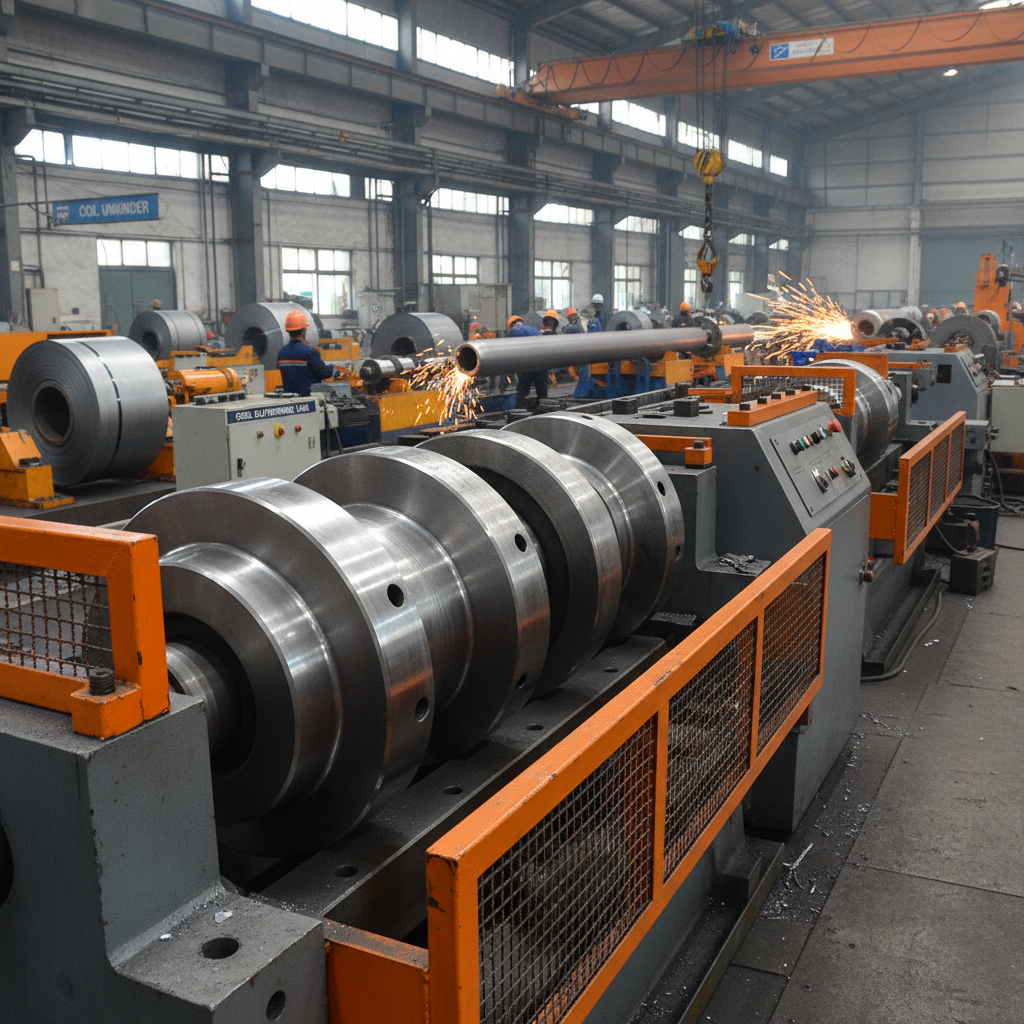
The world relies on efficient material handling and processing, and at the heart of many critical industries lies the tube mill operation. From producing high-strength steel pipes for oil and gas pipelines to creating precise tubes for automotive components, the ability to efficiently and reliably manufacture tubes is paramount. It’s not just about the machines; it’s about understanding the interplay of material science, mechanical engineering, and precise control systems. Having spent years on-site, troubleshooting issues, and seeing firsthand how these mills impact project timelines and product quality, I can tell you that a well-executed tube mill operation is the backbone of countless infrastructure projects and manufacturing processes globally. Understanding the nuances of tube mill operation is crucial for engineers, technicians, and anyone involved in these industries to maximize efficiency, minimize downtime, and ensure the production of high-quality products.

The sheer scale of tube production is staggering. The global steel tube market is a multi-billion-dollar industry, with demand constantly driven by infrastructure development, energy exploration, and manufacturing growth. According to the World Steel Association, global crude steel production in 2023 reached nearly 1.83 billion tonnes, a significant portion of which is destined for tube manufacturing. However, this demand also comes with challenges – increasing pressure to reduce production costs, minimize environmental impact, and maintain consistent product quality. That's where mastering tube mill operation becomes less of a technical exercise and more of a strategic imperative. It’s about solving real-world problems with robust, reliable processes.

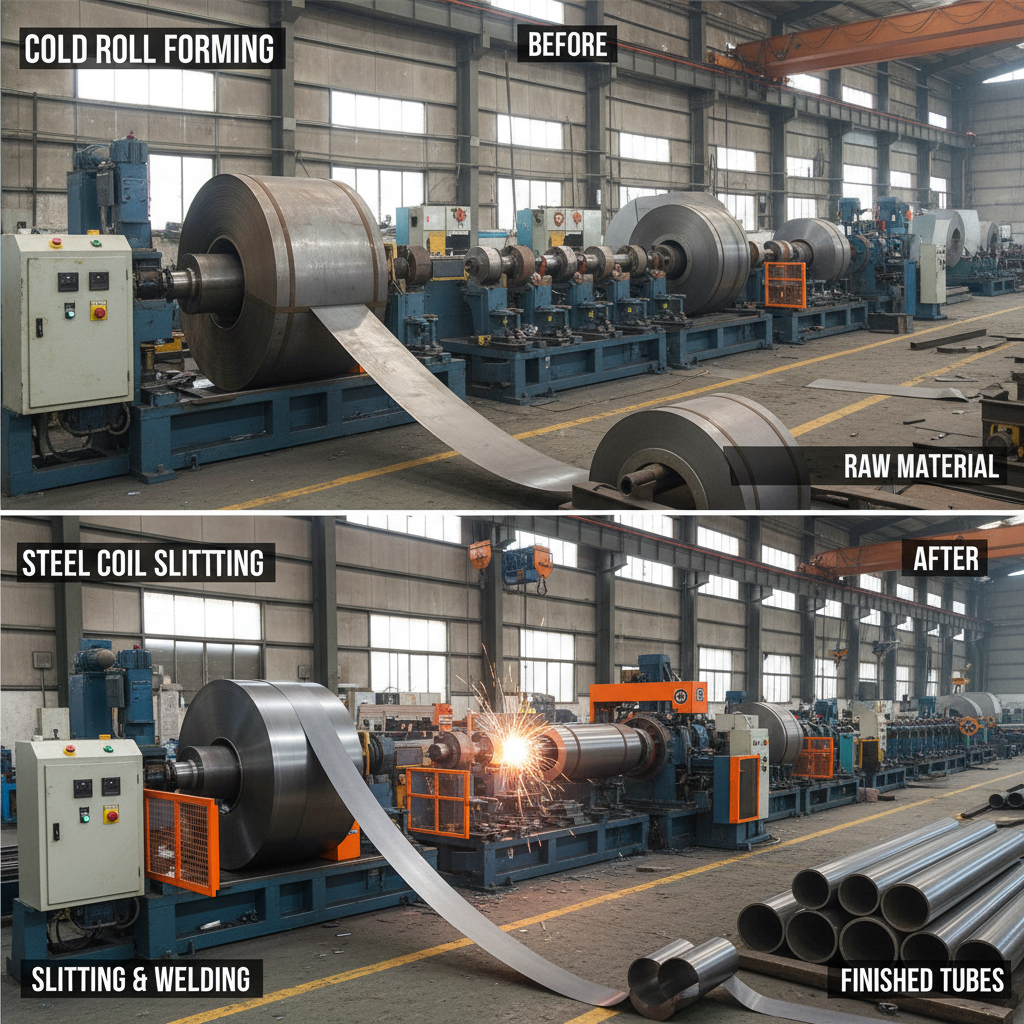
Simply put, tube mill operation is the process of forming a flat strip of metal into a tubular shape by passing it through a series of rollers. It’s more complex than it sounds. It's not just about rolling; it's about managing stresses, controlling temperature, ensuring precise tolerances, and preventing defects. This process is essential for creating seamless and welded tubes, which are fundamental components in everything from bridges and buildings to medical devices and consumer goods. The significance isn’t abstract; it’s tangible. I’ve seen projects delayed, budgets blown, and reputations damaged because of issues stemming from poorly managed tube mill operations.
Understanding and Optimizing the Tube Mill Operation for Enhanced Production

The Fundamentals of Tube Mill Operation

Understanding and Optimizing the Tube Mill Operation for Enhanced Production

The core of a successful tube mill operation rests on a few key elements: precise roll alignment, consistent material feed, accurate tension control, and effective cooling. Roll alignment is crucial; even a slight misalignment can lead to uneven wall thickness and increased stress on the mill. I've seen mills shut down for days because of a misaligned roll – it's a costly mistake. Consistent material feed is also critical for maintaining a stable process. Fluctuations in the feed rate can cause variations in the tube's dimensions and mechanical properties.

Beyond the mechanics, understanding the material properties is vital. Different steel grades, for example, require different rolling parameters and cooling rates to achieve optimal results. You can't treat every metal the same. That’s where years of experience come in handy – knowing how a material will behave under stress and temperature is something you learn on the shop floor, not in a textbook.

Global Relevance and Industry Impact

Tube mills aren't confined to a single industry; they touch countless sectors. The oil and gas industry relies heavily on high-strength, corrosion-resistant tubes for pipelines transporting crude oil and natural gas. The automotive industry uses precision tubes for everything from fuel lines to chassis components. Construction utilizes steel tubes for structural supports and scaffolding. And let's not forget the medical field, which demands extremely precise and sterile tubes for surgical instruments and implants. The demand is global, spanning across North America, Europe, Asia, and emerging markets. China, in particular, is a major player in both tube production and consumption.

The impact of efficient tube mill operation goes beyond just economic benefits. It directly influences the safety and reliability of critical infrastructure. A flawed tube in a pipeline can lead to catastrophic failures with devastating environmental consequences. A poorly manufactured tube in a vehicle’s braking system can compromise safety. This isn’t just about making tubes; it’s about protecting lives and preserving the environment. That’s a responsibility we take seriously.

Increasingly, sustainability is becoming a major driver. The steel industry, traditionally a heavy emitter, is under pressure to reduce its carbon footprint. Efficient tube mill operation plays a role in this by minimizing waste, reducing energy consumption, and optimizing material usage. The demand for "green steel" is growing, and tube manufacturers who can demonstrate sustainable practices will have a significant competitive advantage.

Defining Tube Mill Operation

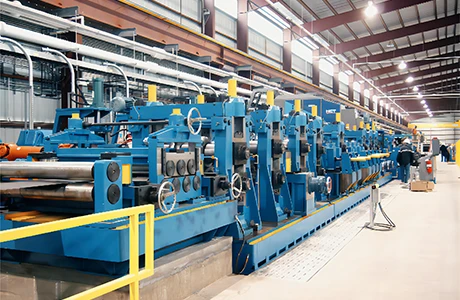
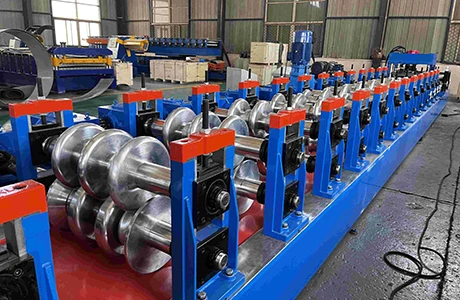
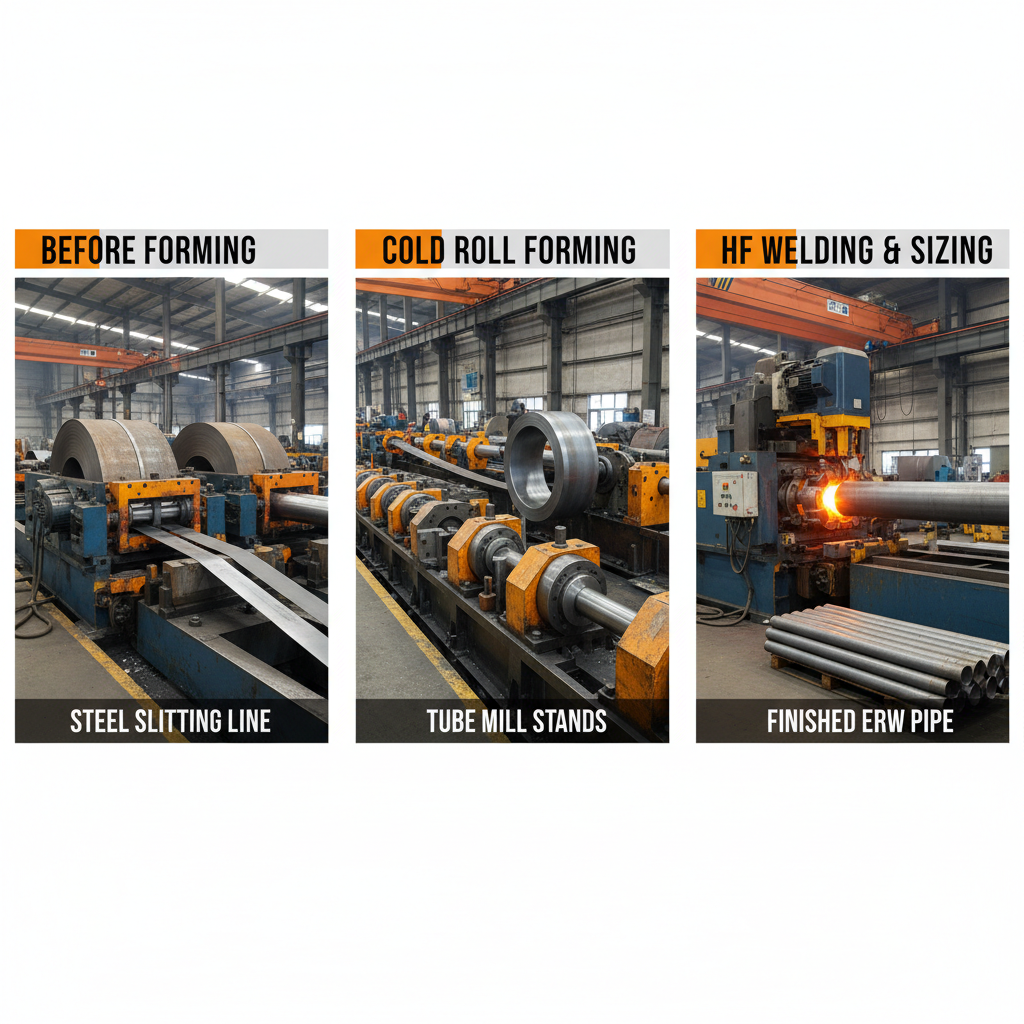
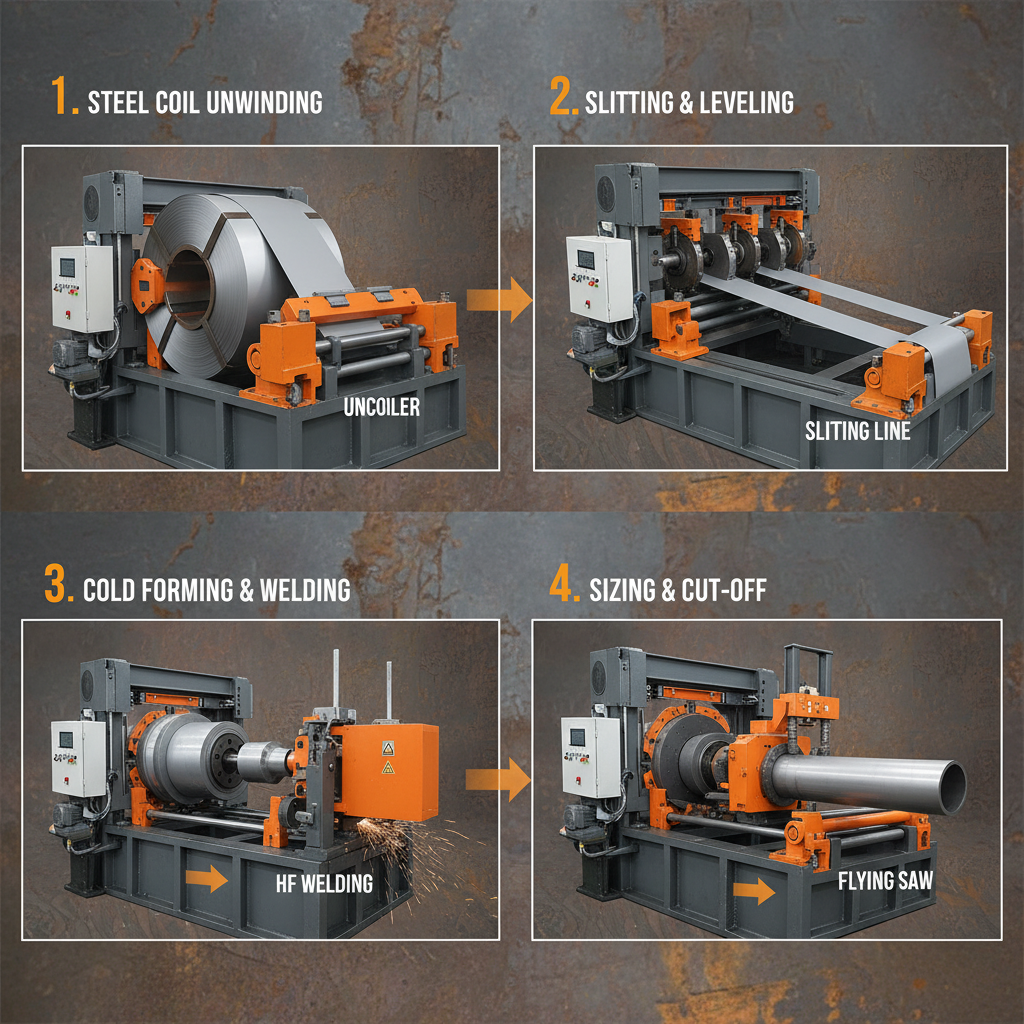
At its most basic, tube mill operation is the continuous process of forming a flat strip of metal into a tubular shape. It differs from pipe manufacturing, which typically involves welding together sections of metal. Tube mills utilize a series of profiled rollers – stands – that gradually bend the metal strip until it forms a closed tube. The number of stands varies depending on the tube diameter, wall thickness, and material being processed. It's a sophisticated process that requires precise control over many parameters.

The process isn't just mechanical. It’s about manipulating the metal’s plasticity, controlling its flow, and preventing defects like cracks and wrinkles. The right lubrication is critical. The right roll profile is critical. The right tension is critical. It’s a delicate balance. Think of it like shaping clay – too much pressure and it cracks; too little and it collapses. It’s the same principle with metal.

Tube mill operation directly supports a multitude of essential industries, from energy infrastructure to transportation, highlighting its vital contribution to modern civilization. It’s more than just manufacturing; it’s a foundational element of countless supply chains.

Key Factors in Effective Tube Mill Operation

There are several core elements that define a successful and efficient tube mill operation. First, Roll Pass Design is critical. The shape of the rollers dictates the final tube geometry and influences the amount of force required. Poorly designed rolls can lead to increased stress, reduced efficiency, and even tube failure. Secondly, Tension Control is paramount. Maintaining consistent tension throughout the process prevents buckling, ensures dimensional accuracy, and promotes smooth rolling. I’ve lost count of the times I’ve seen a mill struggling because of inconsistent tension.

Tube Mill Operation Performance Metrics


Real-World Applications and Use Cases

The tubes produced through this process are virtually everywhere you look. In the oil and gas industry, seamless tubes are essential for high-pressure pipelines, ensuring the safe and reliable transport of energy resources. In the automotive sector, precision-welded tubes are used in exhaust systems, fuel lines, and structural components, contributing to vehicle performance and safety. In construction, structural steel tubes provide strength and durability for buildings, bridges, and other infrastructure projects.

Advantages and Long-Term Value

Investing in optimized tube mill operation yields substantial long-term benefits. Reduced material waste translates into cost savings and minimizes environmental impact. Increased production efficiency boosts output and improves profitability. Enhanced product quality leads to greater customer satisfaction and strengthens brand reputation. And, critically, a proactive maintenance program minimizes downtime and extends the lifespan of the mill itself.

Future Trends and Innovations in Tube Mill Operation

The future of tube mill operation is being shaped by several key trends. Automation and digitalization are playing an increasingly important role, with advanced sensors, data analytics, and machine learning being used to optimize processes, predict failures, and improve quality control. The adoption of Industry 4.0 technologies is enabling real-time monitoring, remote diagnostics, and predictive maintenance.

Sustainable manufacturing practices are also gaining momentum, with a focus on reducing energy consumption, minimizing waste, and using recycled materials. The development of new steel alloys with improved mechanical properties and corrosion resistance is also driving innovation. And finally, we’re seeing a growing emphasis on process optimization through modeling and simulation, allowing manufacturers to fine-tune their operations before making costly changes to the physical mill.

Summary of Challenges and Solutions in Tube Mill Operation

Challenge Impact on Operation Proposed Solution Implementation Cost (Estimate)
Roll Wear Reduced dimensional accuracy, increased scrap rate Implementation of advanced roll materials and coatings $5,000 - $20,000
Tension Fluctuations Tube ovality, wall thickness variations Installation of closed-loop tension control system $10,000 - $30,000
Cooling Inefficiency Material property inconsistencies, residual stress Upgrade cooling system with optimized nozzle configuration $15,000 - $40,000
Lubrication Issues Increased friction, roll damage, surface defects Automated lubrication system with real-time monitoring $8,000 - $25,000
Roll Alignment Problems Uneven wall thickness, dimensional inaccuracies Laser alignment system with automated correction $20,000 - $50,000
Material Variation Inconsistent product properties, process instability Implementation of online material analysis system $12,000 - $35,000

FAQS

What are the most common causes of defects in tube mill operation?

Several factors contribute to defects, including improper roll alignment, inconsistent tension control, inadequate cooling, material inconsistencies, and lubrication issues. Addressing these through preventative maintenance, process monitoring, and skilled operator training is crucial for minimizing defects and ensuring product quality. Regularly inspecting rolls for wear and damage, calibrating tension control systems, and maintaining proper lubrication are essential practices.

How does material type affect the tube mill operation process?

Different materials possess varying mechanical properties, requiring adjustments to rolling parameters like speed, tension, and cooling rates. For instance, high-strength steels necessitate greater rolling force and precise temperature control to prevent cracking, while softer materials may require slower speeds and lower tension. Understanding the specific properties of each material is critical for optimizing the process and achieving desired tube characteristics.

What is the role of lubrication in tube mill operation?

Lubrication is paramount in tube mill operation, reducing friction between the strip and the rolls, minimizing wear, and preventing surface defects. Effective lubrication also facilitates smoother material flow, enhances dimensional accuracy, and lowers energy consumption. The choice of lubricant depends on the material being processed and the operating conditions. Regular monitoring and replenishment of lubricant levels are vital for maintaining optimal performance.

How can predictive maintenance improve tube mill uptime?

Predictive maintenance utilizes sensors and data analytics to monitor the condition of critical components—rolls, bearings, drives—and predict potential failures before they occur. This enables proactive maintenance scheduling, minimizing unplanned downtime and reducing repair costs. Implementing condition monitoring systems and establishing robust data analysis procedures are key steps in adopting a predictive maintenance strategy.

What safety precautions are essential when operating a tube mill?

Tube mills involve high-speed machinery and potential hazards. Essential safety precautions include proper guarding of moving parts, lockout/tagout procedures during maintenance, mandatory personal protective equipment (PPE) – safety glasses, hearing protection, steel-toe boots—and comprehensive operator training. Regular safety inspections and adherence to established safety protocols are critical for preventing accidents and ensuring a safe working environment.

What's the impact of automation on tube mill operation?

Automation, particularly through the integration of PLC systems and robotic controls, greatly enhances efficiency, precision, and consistency in tube mill operation. Automated tension control, roll alignment adjustments, and material feeding systems minimize human error, reduce scrap rates, and increase production throughput. Furthermore, automation enables real-time monitoring and data collection, providing valuable insights for process optimization.

Conclusion

From the critical infrastructure underpinning modern economies to the precision components driving technological advancements, tube mill operation plays an undeniably vital role. Mastering the intricacies of this process – from material science and roll design to tension control and predictive maintenance – isn't simply a technical pursuit; it's a strategic imperative for any organization involved in tube manufacturing. A well-managed tube mill isn’t just about producing tubes; it’s about delivering quality, reliability, and sustainability.

Looking ahead, embracing innovation – automation, digitalization, and sustainable practices – will be crucial for staying competitive in a rapidly evolving landscape. Continued investment in operator training, process optimization, and advanced technologies will unlock even greater efficiencies and enable manufacturers to meet the challenges of tomorrow. If you're serious about optimizing your tube mill operation, I encourage you to explore the latest advancements and partner with experienced professionals. Visit our website: tube mill operation to learn more.

Brian Thompson

Brian Thompson

Brian Thompson is a Technical Support Specialist at AIS Machinery, providing expert assistance to US clients regarding equipment operation and maintenance. He’s proficient in troubleshooting technical issues and offering effective solutions remotely or on-site. Brian is highly knowledgeable about our cold roll forming machines and pipe finishing equipment, including threading
Previous Expert Insights on Selecting Top erw tube mill manufacturers for Robust Projects
Next HighFrequency Straight Seam Welding Solutions

Send a Message

Dear customer, thank you for your attention! We provide high-quality machinery and equipment and look forward to your orders. Please inform us of your needs and we will respond quickly!