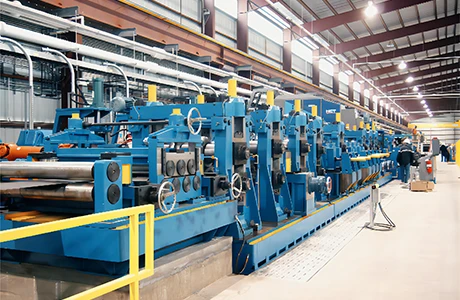
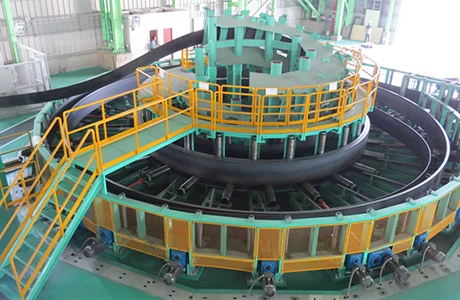
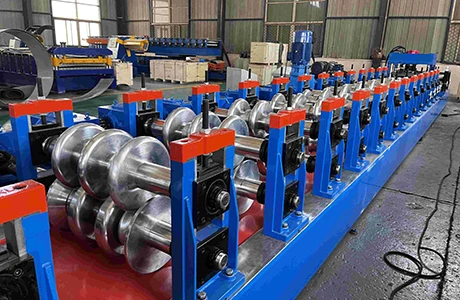
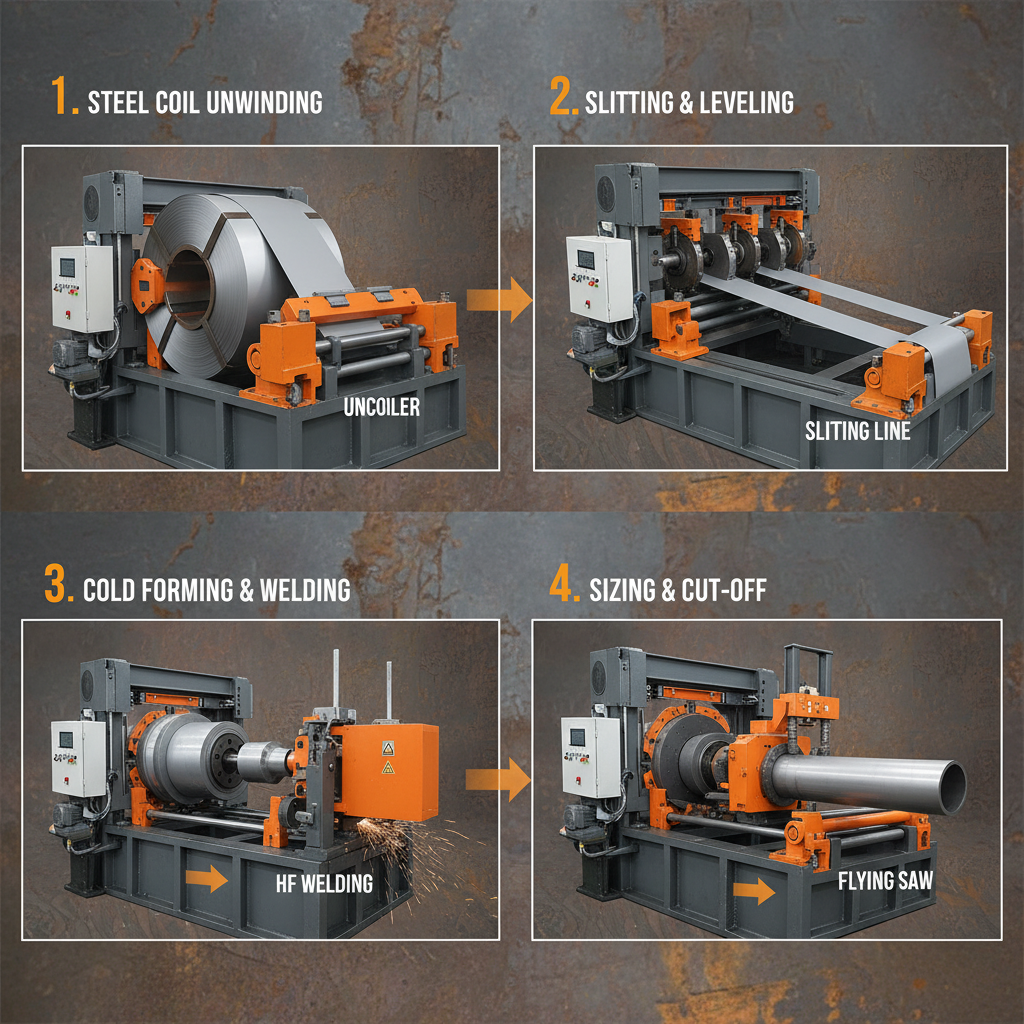
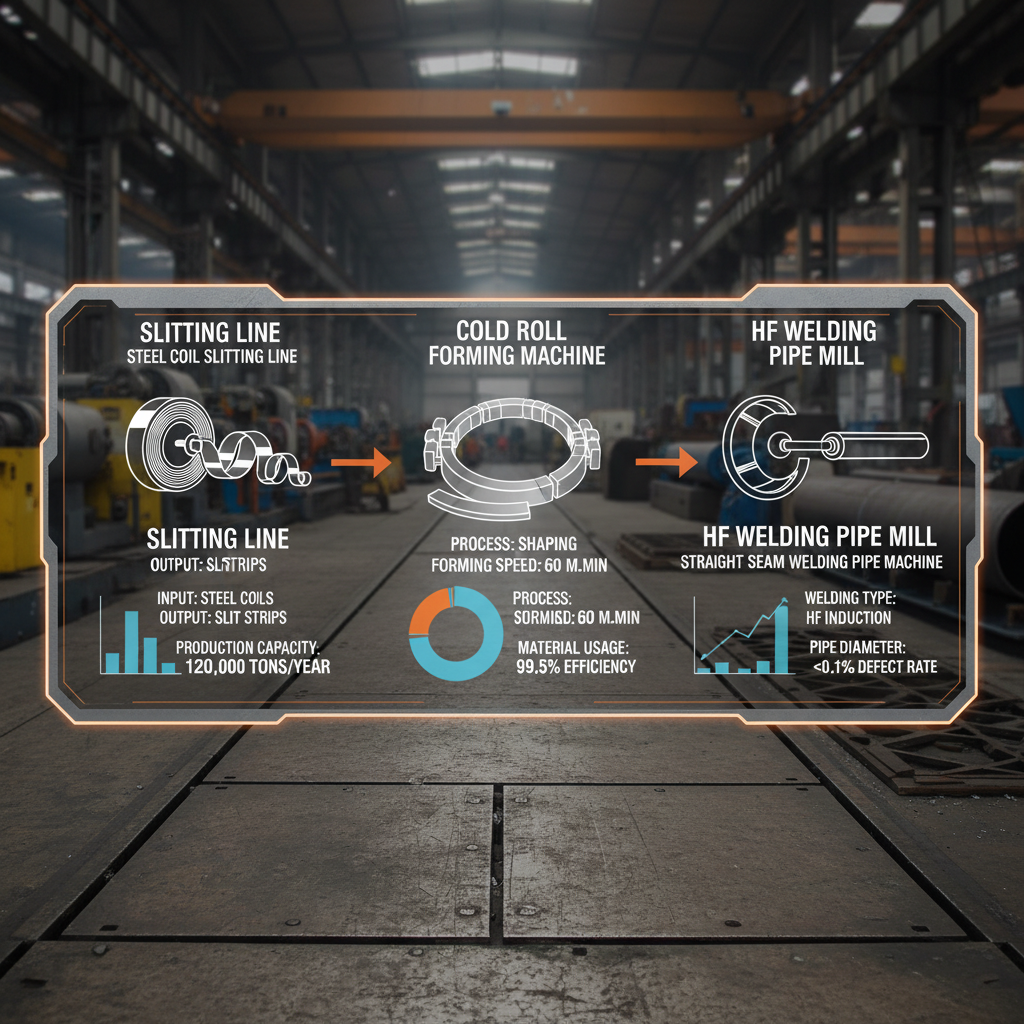
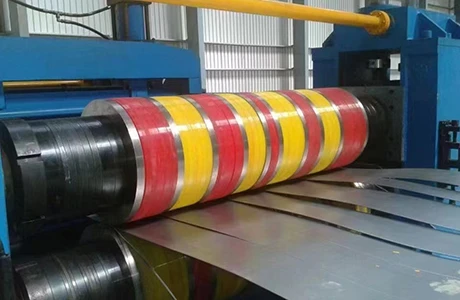
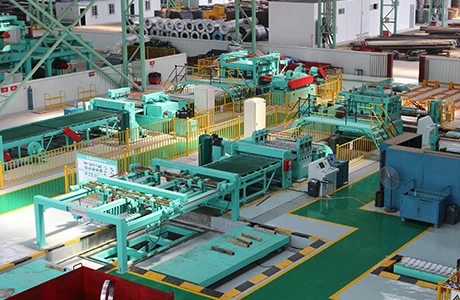
The global demand for robust and reliable infrastructure fuels the critical role of the steel pipe mill industry. Steel pipes are fundamental components in a vast array of applications, from transporting essential resources like oil and gas to providing structural support in construction and delivering clean water to communities. A steel pipe mill is a facility dedicated to the manufacturing of these vital products, employing sophisticated processes to shape and finish steel into various pipe sizes, grades, and specifications. Understanding the nuances of this industry – its capabilities, challenges, and innovations – is paramount for engineers, project managers, policymakers, and anyone involved in building and maintaining modern society.
The steel pipe mill industry significantly contributes to global economic development, providing employment and driving innovation in materials science and manufacturing technologies. The industry’s output directly impacts critical sectors such as energy, construction, agriculture, and water management, enabling progress in these areas. According to the World Steel Association, global steel pipe production continues to grow alongside infrastructure investments, particularly in emerging economies.
However, the industry faces ongoing challenges related to sustainability, cost competitiveness, and the need for continuous technological advancements. Optimizing processes to reduce carbon emissions, enhancing pipe durability, and exploring new materials are all key areas of focus for the future of the steel pipe mill.
The Foundations of steel pipe mill
A steel pipe mill’s history is deeply intertwined with the industrial revolution and the increasing demand for efficient transportation of fluids and gases. Initially, pipes were primarily produced through manual processes, but the advent of automated machinery and advanced metallurgical techniques dramatically increased production capacity and improved product quality. Today’s steel pipe mill facilities represent a significant investment in technology and skilled labor.
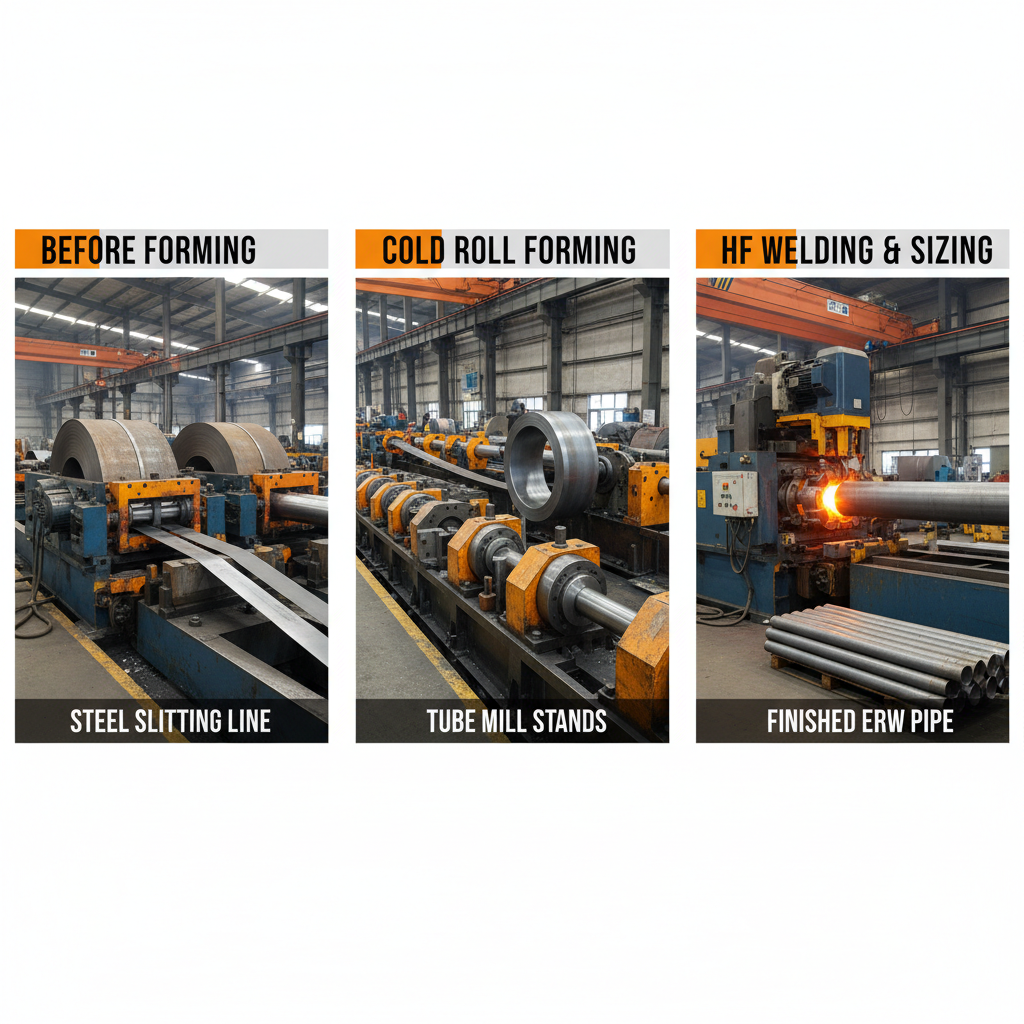
Understanding the foundational processes within a steel pipe mill – including forming, welding, heat treatment, and testing – is crucial for appreciating the complexity and precision involved in producing high-quality steel pipes. These processes are continually refined to meet evolving industry standards and customer specifications, ensuring that steel pipes can withstand demanding operating conditions.
Defining the steel pipe mill Landscape
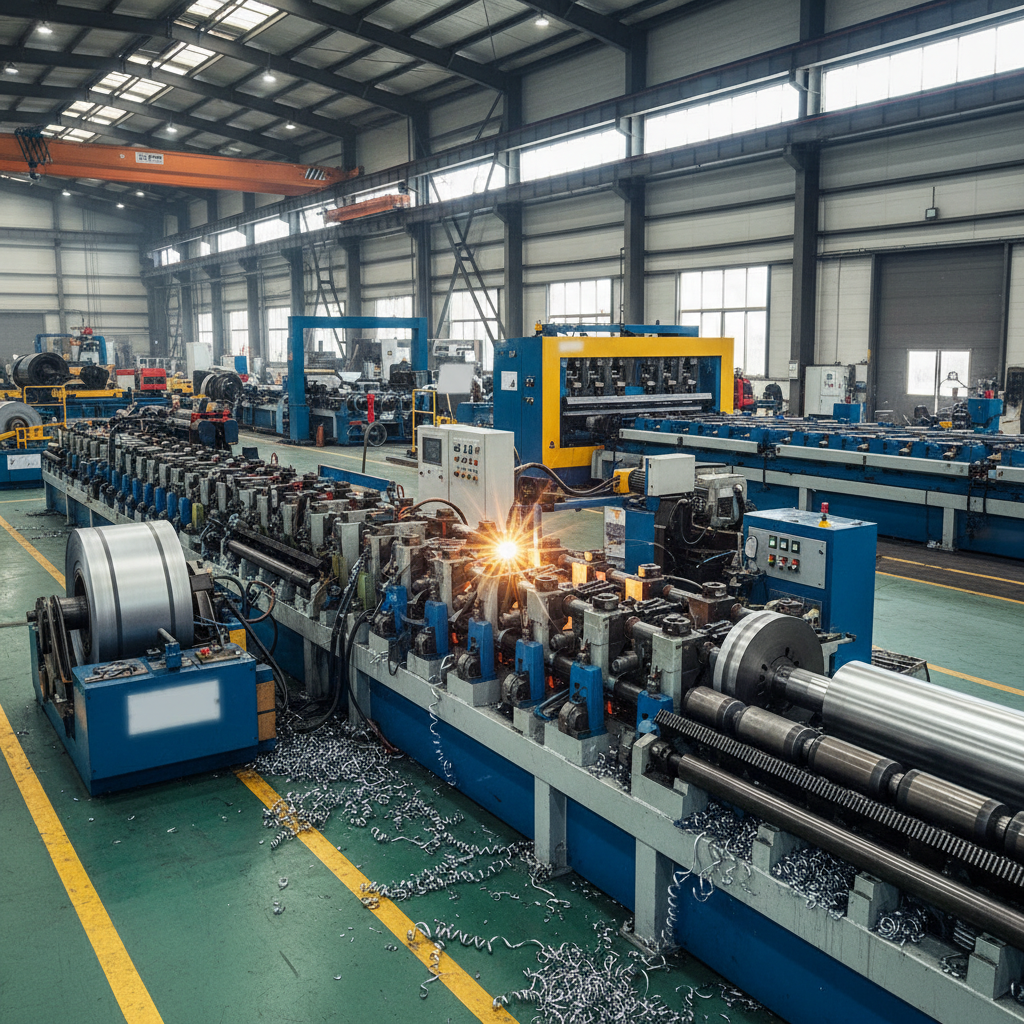
A steel pipe mill is more than just a manufacturing facility; it’s a complex system encompassing raw material sourcing, sophisticated production processes, rigorous quality control measures, and efficient logistics. These mills typically process steel slabs or coils, transforming them into seamless or welded pipes of various dimensions and specifications. The specific type of mill – seamless, welded, or a combination – dictates the production methods employed.
The industry encompasses various specialized mills focusing on particular pipe types, such as oil country tubular goods (OCTG) for the oil and gas industry, line pipe for transmission pipelines, and structural pipe for construction. Each application requires unique material properties and manufacturing tolerances, demanding specialized expertise within the steel pipe mill.
The operation of a steel pipe mill is a critical link in numerous supply chains, ensuring the availability of essential components for infrastructure projects and industrial processes worldwide. The ability of a steel pipe mill to consistently deliver high-quality products is vital for maintaining the integrity and reliability of these downstream applications.
Core Components of a steel pipe mill
Durability is a paramount concern in steel pipe manufacturing. The ability of a pipe to withstand internal pressure, external loads, and corrosive environments over its intended lifespan is critical. This is achieved through careful material selection, precise welding techniques, and robust coating applications. Different steel grades and alloys are chosen based on the specific application and anticipated operating conditions.
Scalability, the ability to adjust production capacity to meet fluctuating market demands, is a key advantage of modern steel pipe mills. Automated processes and flexible manufacturing systems allow mills to efficiently scale up or down production without significant downtime or investment. This responsiveness is essential for serving a diverse range of customers and projects.
Cost-efficiency is a continuous driver of innovation in the steel pipe mill industry. Optimizing processes to reduce material waste, energy consumption, and labor costs are critical for maintaining competitiveness. Implementing advanced control systems and predictive maintenance strategies also contribute to cost savings.
Diverse Applications of steel pipe mill
Steel pipes manufactured by a steel pipe mill are indispensable in the oil and gas industry, serving as pipelines for transporting crude oil, natural gas, and refined products across vast distances. These pipelines often operate under high pressure and extreme temperatures, requiring pipes with exceptional strength and corrosion resistance.
The construction sector relies heavily on steel pipes for structural support, plumbing, and drainage systems. Steel pipes offer superior strength and durability compared to alternative materials, making them ideal for high-rise buildings, bridges, and other critical infrastructure projects. In post-disaster relief operations, portable steel pipe systems can provide immediate access to clean water.
steel pipe mill Application Scope
Advantages and Long-Term Impact of steel pipe mill
The long-term cost-effectiveness of steel pipes is a significant advantage. While the initial investment may be higher than alternative materials, the durability and extended lifespan of steel pipes result in lower maintenance and replacement costs over the long run. This is particularly important for critical infrastructure projects where reliability is paramount.
From a sustainability perspective, steel is a highly recyclable material. At the end of its service life, steel pipes can be recovered and reused, reducing the demand for virgin materials and minimizing environmental impact. The responsible operation of a steel pipe mill includes implementing sustainable manufacturing practices and promoting responsible recycling initiatives.
Future Trends in steel pipe mill Technology
Automation and digitalization are transforming the steel pipe mill industry, enabling greater efficiency, precision, and control over the manufacturing process. The integration of advanced sensors, data analytics, and machine learning algorithms allows mills to optimize production parameters, predict equipment failures, and improve product quality.
The development of new high-strength, corrosion-resistant steel alloys is expanding the range of applications for steel pipes. These advanced materials offer improved performance in demanding environments, such as deep-sea oil and gas exploration and high-temperature power generation.
Focus is increasingly being placed on environmentally friendly manufacturing processes to reduce the carbon footprint of steel pipe production. Innovations in electric arc furnace technology, carbon capture and storage, and the use of renewable energy sources are all contributing to a more sustainable industry.
Challenges and Innovative Solutions in steel pipe mill
One significant challenge facing the steel pipe mill industry is the volatility of raw material prices, particularly iron ore and scrap steel. Fluctuations in these prices can significantly impact production costs and profitability. Innovative solutions include diversifying sourcing strategies, investing in long-term supply contracts, and developing more efficient steelmaking processes.
Maintaining consistent product quality and meeting stringent industry standards requires rigorous quality control procedures and advanced testing methods. Non-destructive testing techniques, such as ultrasonic testing and radiographic inspection, are employed to detect defects and ensure that pipes meet specified performance criteria.
Skilled labor shortages are another challenge confronting the industry. Investing in workforce development programs, apprenticeships, and training initiatives is crucial for ensuring that steel pipe mills have access to a qualified workforce capable of operating and maintaining sophisticated manufacturing equipment.
Summary of Challenges and Solutions in steel pipe mill
| Challenge |
Impact on steel pipe mill |
Proposed Solution |
Implementation Complexity (1-5) |
| Raw Material Price Volatility |
Increased production costs, reduced profit margins |
Diversified sourcing, long-term contracts |
3 |
| Quality Control Consistency |
Potential product failures, customer dissatisfaction |
Advanced NDT techniques, process optimization |
4 |
| Skilled Labor Shortage |
Reduced productivity, increased training costs |
Workforce development programs, apprenticeships |
5 |
| Environmental Regulations |
Increased compliance costs, potential penalties |
Sustainable manufacturing practices, emissions reduction |
4 |
| Aging Infrastructure |
Equipment failures, reduced efficiency |
Preventive maintenance, equipment upgrades |
3 |
| Supply Chain Disruptions |
Production delays, increased lead times |
Diversified suppliers, buffer stock management |
2 |
FAQS
Steel pipe mills utilize a wide range of steel grades, depending on the intended application. Common grades include carbon steel (A53, A106), alloy steel (API 5L), and stainless steel (304, 316). The selection is based on factors like strength, corrosion resistance, weldability, and temperature requirements. The choice of steel grade directly impacts the pipe's performance and longevity in specific operating conditions.
Seamless pipes are manufactured from a solid billet of steel that is pierced and drawn into the desired shape, resulting in a pipe without any welding seams. Welded pipes, conversely, are formed by rolling steel plates into a cylindrical shape and then welding the seam. Seamless pipes generally offer higher strength and are preferred for high-pressure applications, while welded pipes are typically more cost-effective for lower-pressure applications.
Corrosion protection for steel pipes is critical to ensure long-term reliability. Common methods include applying protective coatings like epoxy, polyethylene, or polyurethane, galvanizing (coating with zinc), and using corrosion-resistant alloys like stainless steel. Cathodic protection, an electrochemical technique, is also employed to prevent corrosion in underground pipelines.
Steel pipe mills employ rigorous quality control measures throughout the manufacturing process. These include chemical composition analysis, mechanical testing (tensile strength, yield strength, elongation), non-destructive testing (ultrasonic testing, radiographic inspection), dimensional checks, and hydrostatic testing. These measures ensure that the pipes meet specified industry standards and customer requirements.
Environmental considerations are increasingly important in steel pipe manufacturing. Mills are adopting practices to reduce energy consumption, minimize waste generation, control air and water emissions, and promote recycling. The use of electric arc furnaces, carbon capture technologies, and renewable energy sources are contributing to a more sustainable industry.
The lead time for ordering steel pipes can vary significantly depending on factors such as pipe size, quantity, steel grade, and the mill's current production schedule. Typical lead times range from 4 to 12 weeks, but can be longer for specialized pipes or large orders. It's essential to discuss lead times with the mill during the quoting process to ensure timely delivery.
Conclusion
In conclusion, the steel pipe mill industry remains a cornerstone of modern infrastructure and industrial development. Its ability to provide durable, reliable, and cost-effective piping solutions is crucial for sectors ranging from energy and construction to water management and transportation. Continuous innovation in materials, manufacturing processes, and sustainability practices will shape the future of the industry, ensuring its continued relevance and contribution to global progress.
Looking ahead, embracing digital transformation, investing in workforce development, and prioritizing environmental responsibility will be key to navigating the challenges and opportunities facing steel pipe mills. By focusing on these areas, the industry can not only maintain its competitive edge but also contribute to a more sustainable and resilient future. For more information on our capabilities and products, visit our website: www.aistubemill.com.

 Tel:86-15176910262