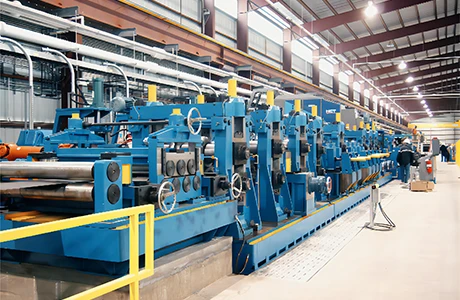
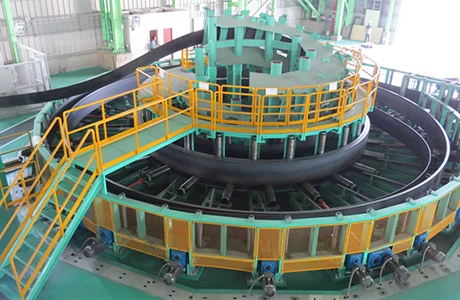
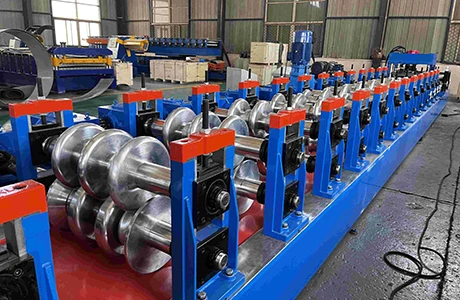
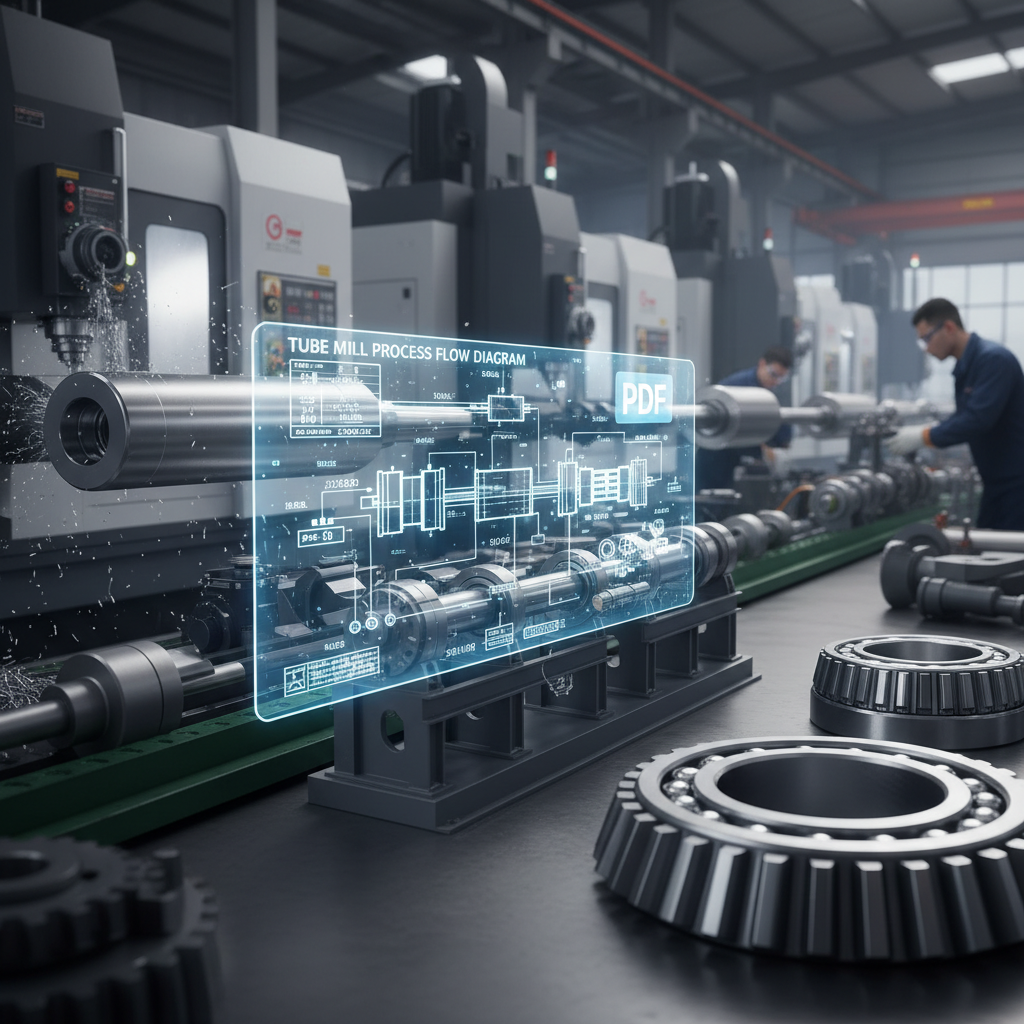
In the competitive landscape of modern metal fabrication, accessing precise technical documentation is the cornerstone of operational efficiency. A comprehensive tube mil pdf serves as more than just a manual; it is a strategic blueprint that bridges the gap between complex engineering parameters and actual floor production. For manufacturers dealing with ERW carbon steel tube mills or specialized solar panel frame machines, having these specifications digitized and accessible ensures that every roll of steel is processed with surgical precision.
Globally, the demand for high-quality structural tubing is surging, driven by infrastructure booms in Southeast Asia and the renewable energy transition in Europe and North America. However, the industry often struggles with "knowledge silos" where critical machine settings are passed down orally rather than documented. This is where a standardized tube mil pdf becomes invaluable, providing a universal language for technicians, engineers, and procurement officers to align on tolerances, speed capacities, and material compatibility.
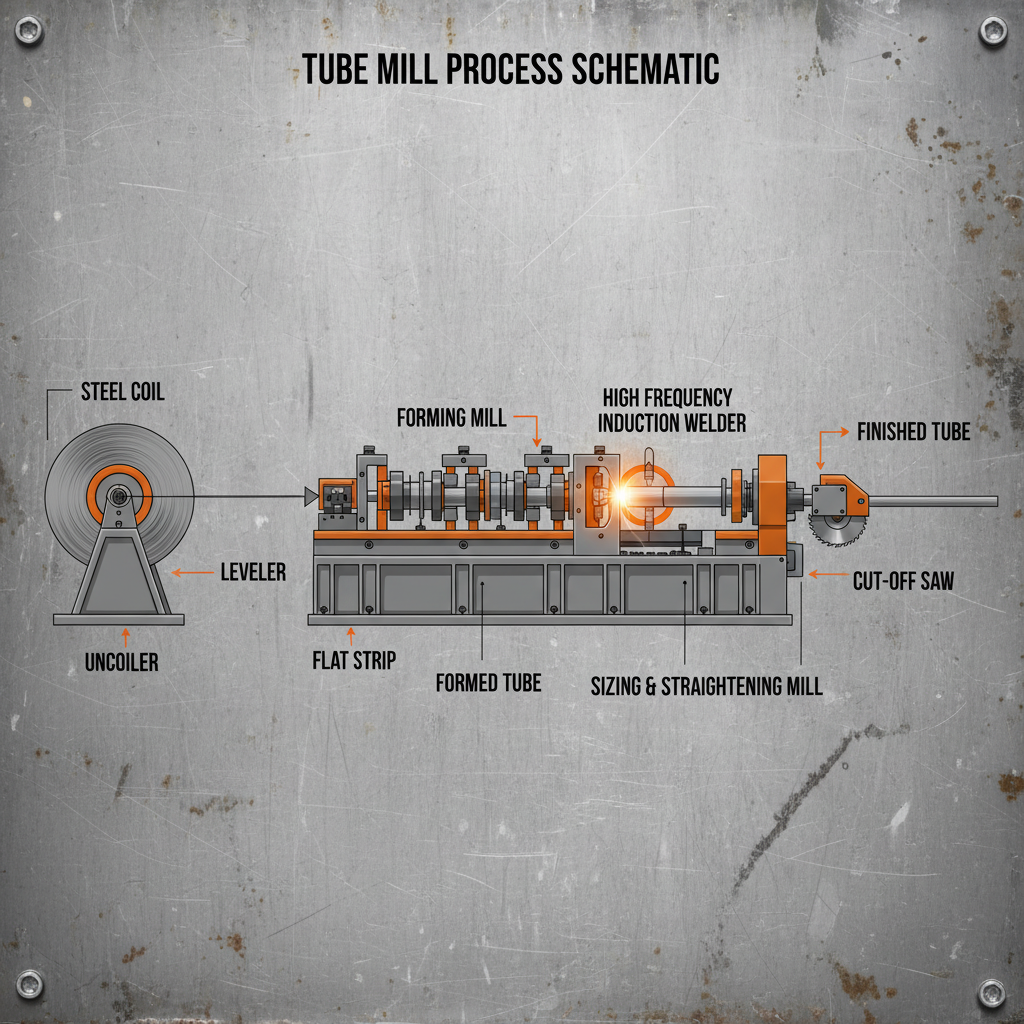
Understanding the nuances within a tube mill's technical guide allows operators to maximize the lifespan of their equipment—from the uncoiler to the flying cold saw. By synthesizing dry data into actionable insights, companies can reduce scrap rates, optimize energy consumption of solid state HF welders, and ensure that their cold roll forming machines operate at peak performance. This guide explores how leveraging detailed technical documentation can transform a standard production line into a high-yield industrial powerhouse.
Global Industry Context of Tube Mil PDF
The global metal fabrication sector is currently undergoing a massive digital transformation, where the reliance on physical blueprints is being replaced by dynamic digital assets. The tube mil pdf has emerged as the primary vehicle for this transition, allowing manufacturers to standardize their ERW (Electric Resistance Welding) processes across multiple international sites. According to ISO standards for quality management, the digitalization of technical specifications is a key requirement for achieving operational excellence and reducing variance in product output.
In regions like the industrial hubs of India and China, the ability to rapidly disseminate a tube mil pdf to a diverse workforce ensures that complex machinery, such as the DFT Direct Square Forming Tube Mill, is operated safely and efficiently. The challenge remains in the consistency of these documents; without a standardized format, the risk of misinterpreting critical parameters—such as weld frequency or sizing section pressure—increases, leading to costly downtime and material waste.
Defining the Technical Role of Tube Mil PDF
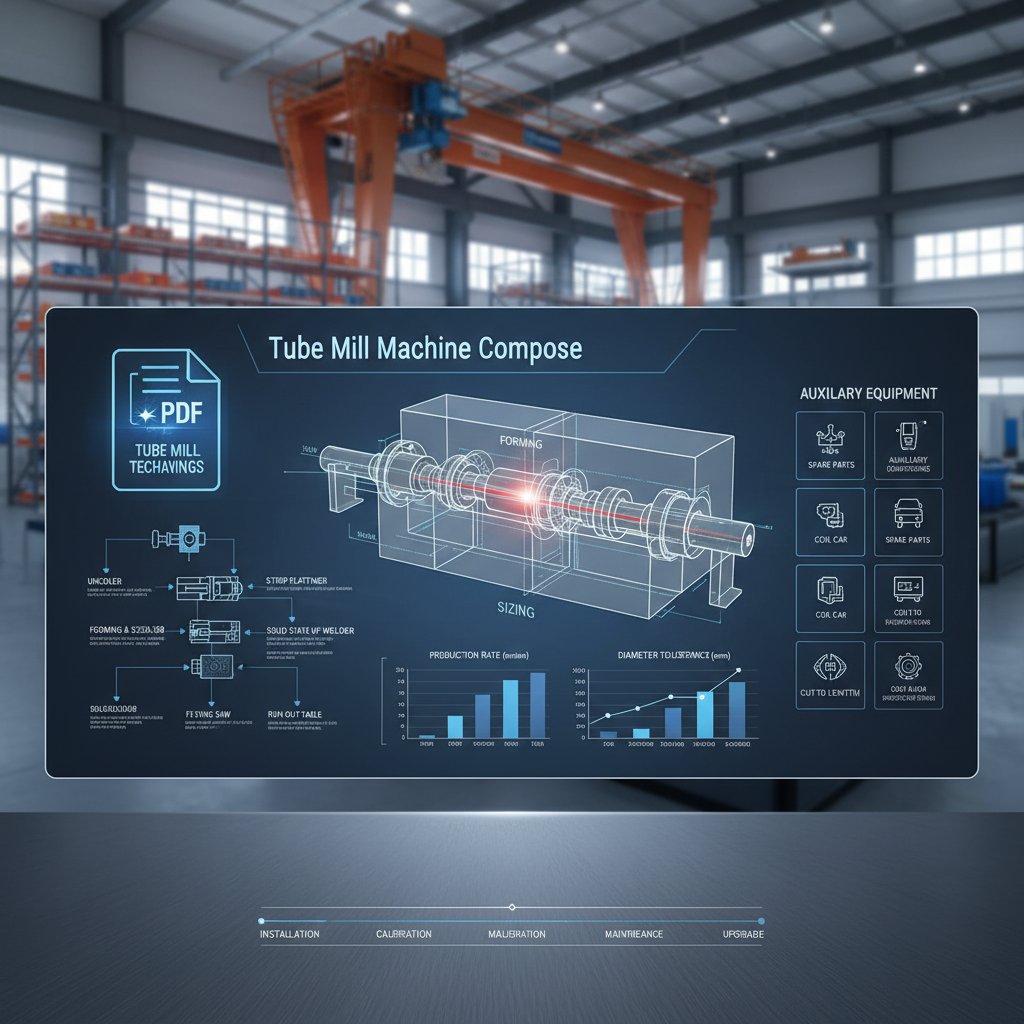
At its core, a tube mil pdf is a comprehensive technical dossier that details the mechanical capabilities, electrical requirements, and operational workflows of a tube milling line. It transcends a simple user manual by incorporating engineering drawings, material thickness charts, and maintenance schedules for everything from the uncoiler to the conveyor and run-out table. It serves as the "single source of truth" for the production floor.
From a humanitarian and structural perspective, the precision documented in these files directly impacts the safety of the end products. Whether it is a solar panel frame machine producing supports for green energy or a CZLU Purlin Machine creating structural members for warehouses, the specifications within the tube mil pdf ensure that the finished tubes meet the load-bearing requirements of international building codes.
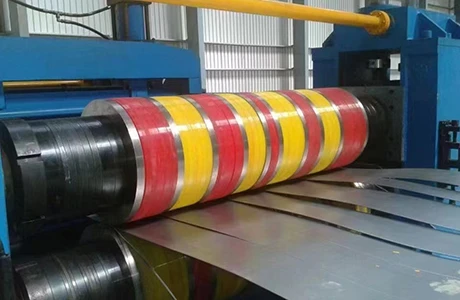
Furthermore, the role of this documentation extends to the procurement and spare parts lifecycle. By referring to the parts list integrated into the tube mil pdf, maintenance managers can identify the exact specifications of rollers or welding electrodes, reducing the lead time for replacements and preventing prolonged outages of the carbon steel coil slitting line or other auxiliary equipment.
Core Components and Engineering Factors
When analyzing a tube mil pdf, four core factors typically dominate the engineering analysis: Durability, Precision, Scalability, and Energy Efficiency. Durability refers to the metallurgy of the forming rolls and the wear-resistance of the sizing section, ensuring the machine can handle high-tensile steel without frequent recalibration.
Precision is perhaps the most critical element documented in the tube mil pdf. It involves the exact alignment of the forming and sizing sections to ensure that the tube's eccentricity and wall thickness remain within a fraction of a millimeter, which is vital for high-end automotive and architectural applications.
Scalability and Efficiency focus on the integration of auxiliary machines. A well-structured tube mil pdf will explain how to sync the speed of the strip flattener and the flying saw to maximize throughput without compromising the structural integrity of the weld, directly impacting the facility's overall ROI.
Global Applications and Use Cases
The practical application of the tube mil pdf is evident across diverse industrial zones. In remote mining regions of Australia or Africa, where expert engineers are scarce, the detailed step-by-step guides in the PDF allow local technicians to perform complex setups of FFX Tube Mills and Solid State HF Welders without needing on-site factory support.
In the context of rapid urbanization in Southeast Asia, the use of tube mil pdf documentation enables the quick deployment of Hat Profile Forming Machines for prefabricated housing. By following the precise setting parameters for different gauge steels, manufacturers can produce consistent structural components that accelerate the construction of affordable housing projects in disaster-prone areas.
Comparative Efficiency of Tube Mil PDF Documentation Methods
Long-Term Value and Reliability
The long-term value of investing in a detailed tube mil pdf lies in the drastic reduction of human error and the democratization of technical knowledge. When a facility relies on a digital document rather than a few key individuals, it builds institutional resilience. This shift ensures that the transition between shifts or the onboarding of new engineers is seamless, maintaining a constant level of quality in the production of carbon steel tubes.
From a logical and emotional standpoint, this reliability fosters a culture of trust and safety. Operators feel more confident when they have a verified tube mil pdf to reference before attempting a complex tool change or adjusting the high-frequency welder. This confidence translates into a safer working environment and a higher sense of professional dignity for the workforce, who are empowered by data rather than guesswork.
Future Trends in Tube Mill Documentation
Looking forward, the evolution of the tube mil pdf is moving toward "Interactive Documentation." We are seeing the integration of QR codes on the machine frames that link directly to specific pages of the PDF, allowing for instant access to troubleshooting guides for a specific conveyor or run-out table.
Digital transformation is also merging the tube mil pdf with IoT (Internet of Things) sensors. In the near future, real-time telemetry from the cold roll forming machine will automatically highlight the relevant section of the technical PDF when a deviation in tolerance is detected, guiding the operator to the exact correction procedure.
Sustainability is another driving force. Future documentation will prioritize "Green Manufacturing" parameters, providing optimized settings within the tube mil pdf to reduce electricity consumption during the welding process and minimize the carbon footprint of the entire steel coil slitting and tube milling cycle.
Overcoming Implementation Challenges
One of the most common challenges in utilizing a tube mil pdf is the "gap" between theoretical specifications and real-world material behavior. Steel coils can vary slightly in hardness and thickness despite being from the same batch, meaning a static PDF cannot account for every variable. The solution is the implementation of a "Live Log" system where operators annotate the tube mil pdf with real-world adjustments.
Another limitation is the lack of accessibility on the factory floor. To solve this, manufacturers are deploying ruggedized tablets that provide a mirrored version of the tube mil pdf, ensuring that documentation is not trapped in an office but is available exactly where the machine is being operated.
Finally, language barriers in global operations often hinder the effectiveness of technical guides. The transition toward visually-driven tube mil pdf files—utilizing 3D exploded views and universal icons—reduces the reliance on translation and ensures that safety and quality standards are maintained regardless of the operator's primary language.
Analysis of Documentation Impact Across Different Tube Mill Components
| Machine Component |
Critical PDF Parameter |
Impact of Accuracy |
Maintenance Priority |
| Uncoiler |
Tension Settings |
Material Feed Stability |
Medium |
| Forming Section |
Roll Gap Clearance |
Tube Roundness |
High |
| HF Welder |
Frequency/Voltage |
Weld Strength |
Critical |
| Sizing Section |
Alignment Tolerance |
Dimensional Precision |
High |
| Flying Saw |
Cutting Sync Speed |
Length Consistency |
Medium |
| Run-out Table |
Conveyor Speed |
Surface Scratch Prevention |
Low |
FAQS
A tube mil pdf allows for instant updates, global sharing, and searchability. Unlike physical manuals, which become outdated the moment a machine is upgraded, a PDF can be updated centrally and distributed to all operators instantly. It also supports hyperlinking to related spare parts or troubleshooting videos, making it a dynamic tool rather than a static book.
Yes, significantly. By providing exact parameters for the forming and sizing sections, a tube mil pdf eliminates the "trial and error" phase of machine setup. This ensures that the first few meters of a steel coil are within tolerance, reducing the amount of scrap material generated during the ramp-up process of an ERW carbon steel tube mill.
A professional document should include clear CAD drawings, a detailed Bill of Materials (BOM) for spare parts, a comprehensive wiring diagram for the HF welder, and a structured maintenance calendar. It should also be organized with a clear table of contents and a glossary of technical terms to ensure accessibility for operators of all skill levels.
The best approach is to deploy ruggedized tablets at each station. Link the PDF to QR codes placed on key components like the uncoiler or the flying saw. This allows operators to scan and immediately view the specific operating procedure or maintenance guide relevant to the part they are working on, reducing downtime.
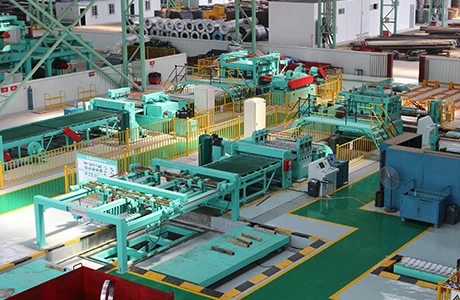
A complete documentation package should indeed cover the entire production ecosystem. This includes the steel coil slitting line, the strip flattener, and the coil car. Understanding the synergy between these auxiliary machines and the main tube mill is essential for maintaining a continuous, bottleneck-free production flow.
While the fundamental mechanical principles remain the same, different steel grades require different settings. A high-quality tube mil pdf will provide a "parameter matrix" that lists the adjusted speeds and temperatures required for varying carbon contents or alloy types, ensuring a consistent weld regardless of the material grade.
Conclusion
In summary, the tube mil pdf is an indispensable asset in the modern metalworking industry, transforming raw engineering data into a strategic advantage. By standardizing operations, reducing human error, and bridging the gap between design and production, it ensures that complex machinery—from the ERW carbon steel tube mill to the solar panel frame machine—operates at its highest potential. The integration of these digital guides into the daily workflow not only boosts efficiency but also enhances the safety and reliability of the structural products that build our world.
Looking ahead, the fusion of technical documentation with IoT and AI will further revolutionize the industry, moving us toward self-correcting production lines. For manufacturers seeking to scale their operations while maintaining rigorous quality standards, prioritizing the creation and implementation of detailed technical documentation is no longer optional—it is a necessity for survival. To explore more about our high-precision machinery and technical support, visit our website: www.aistubemill.com.

 Tel:86-15176910262