In the competitive landscape of metal fabrication, a high-quality tube mill video serves as more than just a marketing tool; it is a critical technical bridge between engineering specifications and operational reality. For global buyers and plant managers, visualizing the seamless integration of an ERW Carbon Steel Tube Mill or a Solar Panel Frame machine is essential for validating throughput and precision before a single piece of equipment is shipped.
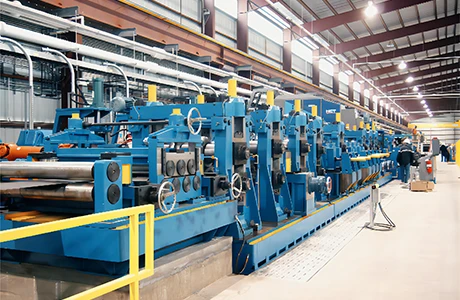
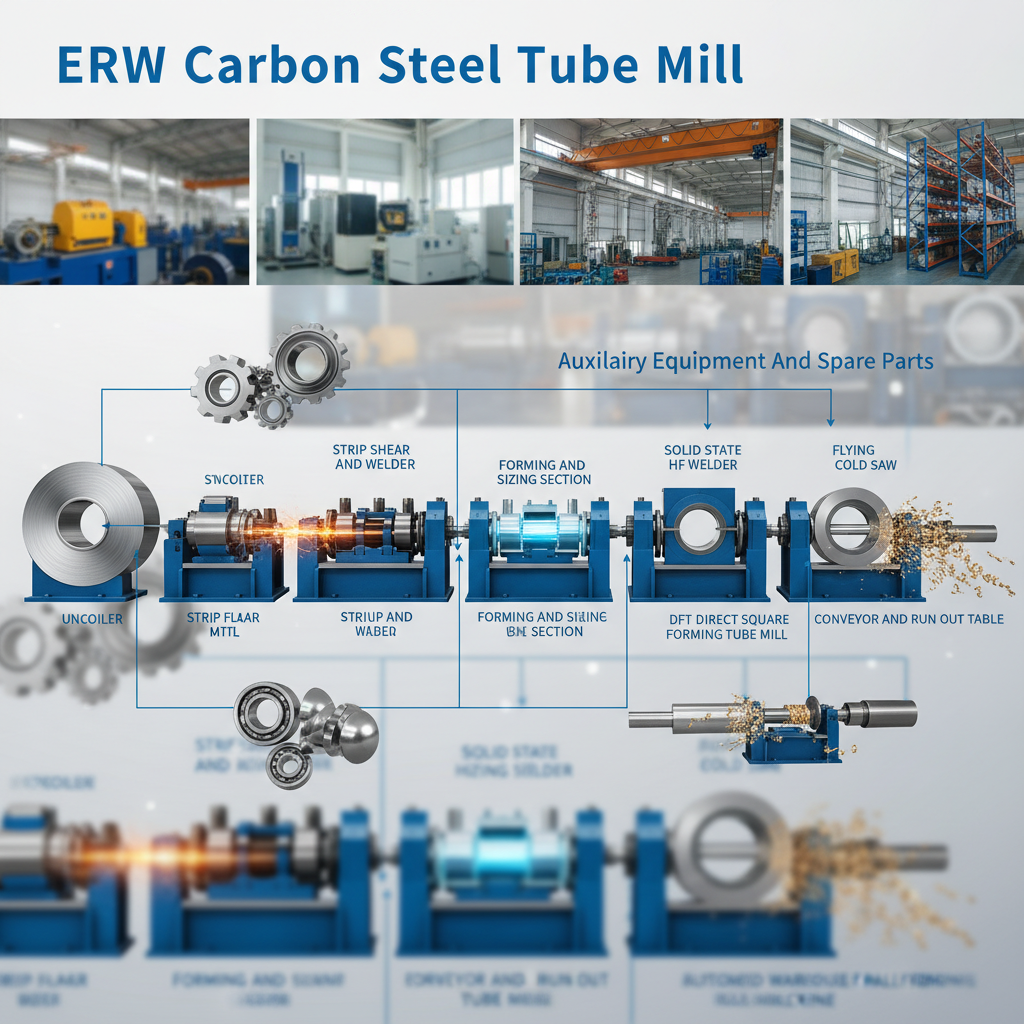
The shift toward digital verification means that the modern procurement process now relies heavily on visual evidence. A comprehensive tube mill video allows stakeholders to observe the synchronization of the uncoiler, the precision of the forming and sizing sections, and the efficiency of the flying cold saw in real-time, reducing the perceived risk of high-capital investments.
By integrating educational narratives with raw footage of machinery in motion, manufacturers can demonstrate their adherence to ISO standards and E-E-A-T principles. Understanding the nuances of a tube mill video empowers users to optimize their production lines, ensuring that auxiliary equipment and spare parts are perfectly matched to the main forming unit for maximum uptime.
The Global Industrial Role of Tube Mill Video
Across the global manufacturing sector, the demand for precision-engineered metal tubes has surged, driven by infrastructure projects in Southeast Asia and the renewable energy boom in Europe. A tube mill video acts as a universal language, overcoming linguistic barriers and time zone differences to showcase the actual performance of machinery like the DFT Direct Square Forming Tube Mill or the CZLU Purlin Machine.
With the global steel market fluctuating, efficiency is the only constant. By analyzing a tube mill video, operators can identify potential bottlenecks in the conveyor and run-out table sequences, ensuring that the transition from the solid-state HF welder to the cutting station is fluid and waste-free.
Defining Visual Technical Validation in Tube Milling
In simple terms, a tube mill video is a curated visual demonstration of a roll forming line in operation, designed to prove that the machinery meets the specific tolerances and speed requirements requested by the client. It is not merely a promotional clip but a technical document that captures the movement of the strip flattener, the stability of the coil car, and the precision of the sizing section.
This form of visual validation is critical for modern humanitarian and industrial needs, such as the rapid deployment of modular housing frames or the construction of solar panel mounting systems. When a project requires thousands of identical, high-strength tubes, the ability to verify the "bead" of the weld via a high-resolution tube mill video provides a level of trust that a PDF brochure cannot match.
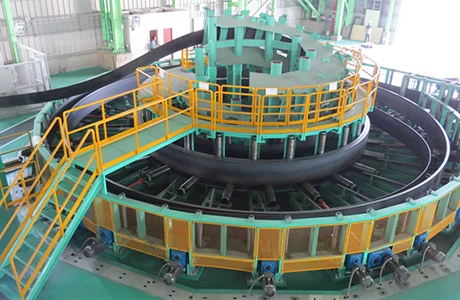
Furthermore, it connects the theoretical capacity of a machine—such as meters per minute—with the physical reality of material flow. By watching the interaction between the uncoiler and the forming rolls, engineers can assess the mechanical harmony of the system, ensuring that the final product maintains structural integrity across its entire length.
Core Components Highlighted in a Tube Mill Video
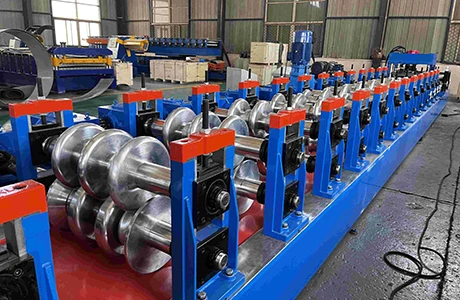
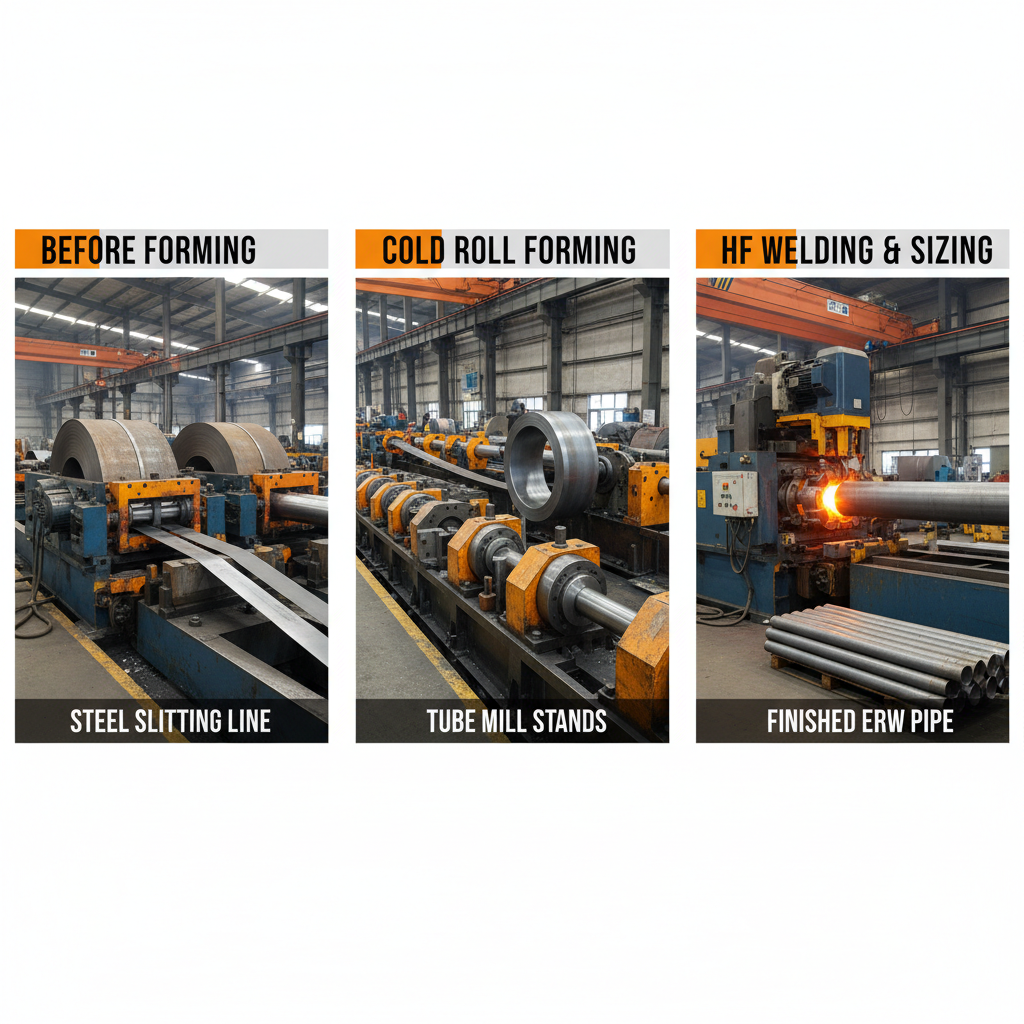
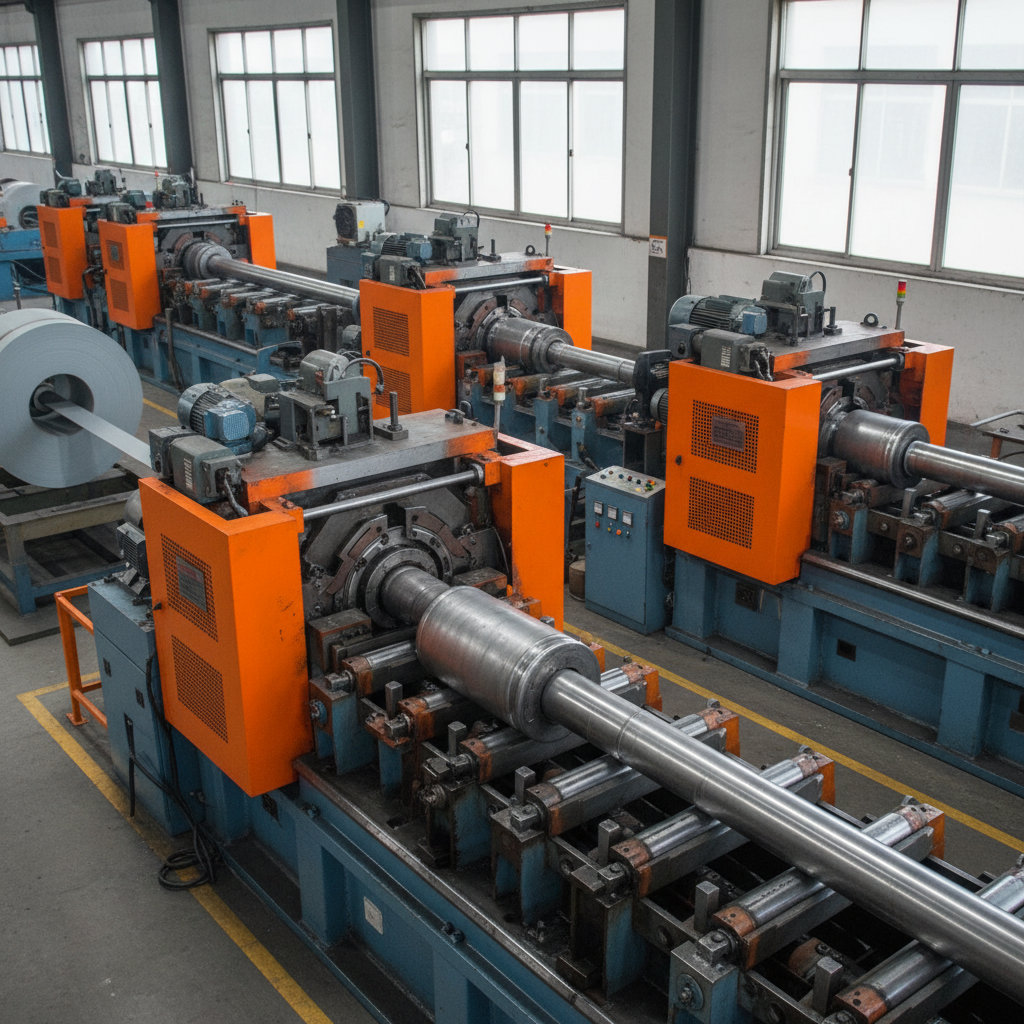
The first critical aspect captured in a professional tube mill video is the stability and precision of the Forming and Sizing section. This is where the raw steel strip is gradually shaped into a tube; seeing this process visually confirms that there is no slippage or deformation, which is essential for high-precision industries.
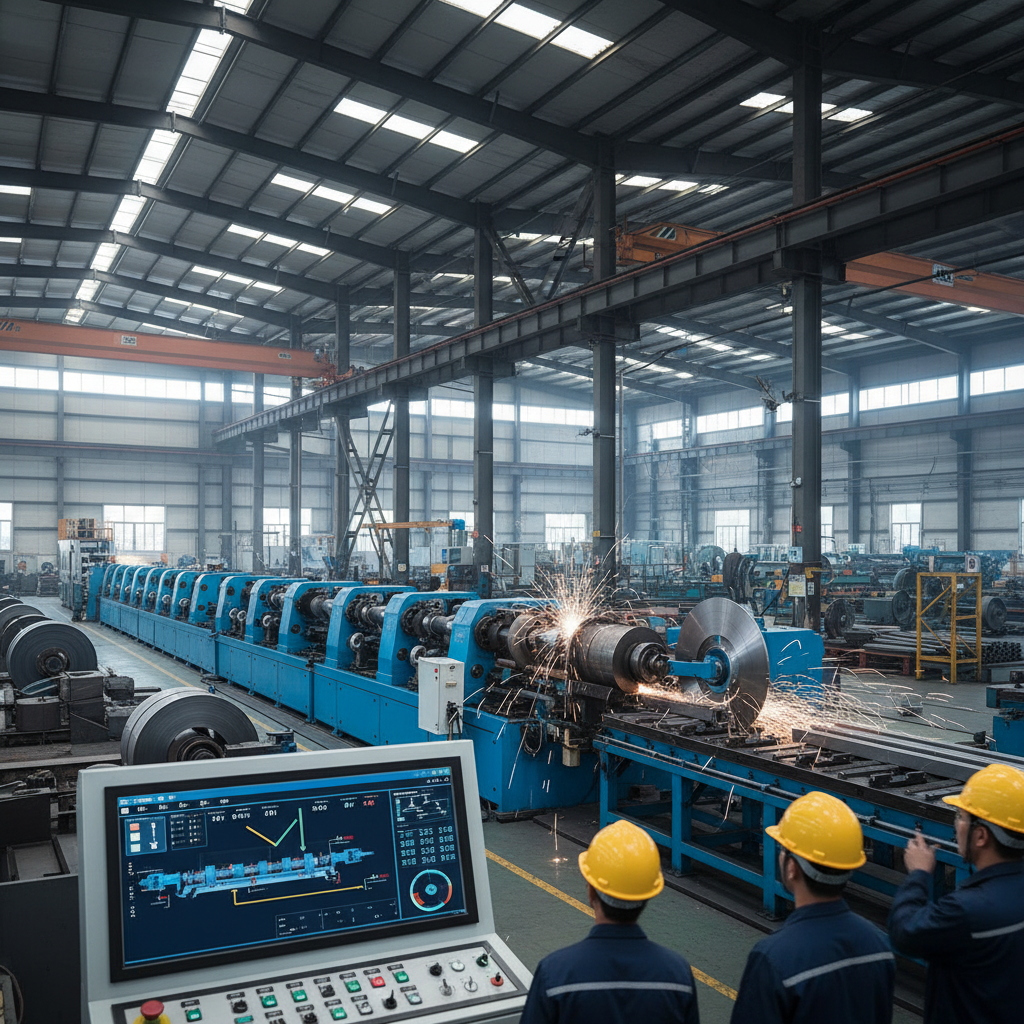
Secondly, the video focus often shifts to the High-Frequency (HF) Welding area. A detailed tube mill video allows the viewer to observe the sparks and the weld seam's consistency, providing immediate evidence of the Solid State HF Welder's efficiency in creating a leak-proof, high-strength bond.
Finally, the synchronization of the Flying Cold Saw and the run-out table is highlighted. This ensures that the cutting process occurs without stopping the line, a key factor in maintaining high-volume production rates for products like Hat Profile Forming Machines or Solar Panel Frame machines.
Performance Metrics and Visual Efficiency Analysis
Measuring the success of a production line requires more than just numbers; it requires the visual correlation provided by a tube mill video. By comparing different configurations—such as a standard ERW mill versus a high-speed FFX Tube Mill—operators can visually quantify the reduction in material scrap and the increase in linear output speed.
This visual data allows for a comparative analysis of stability across different speeds. For instance, watching a tube mill video at 100m/min versus 200m/min reveals the vibration levels of the conveyor system, helping engineers decide where to implement additional strip flatteners or auxiliary machines for better stability.
Comparative Efficiency Ratings via Tube Mill Video Analysis
Global Applications of Visualized Tube Production
The application of the tube mill video extends far beyond the factory floor. In remote industrial zones across Africa and South America, where on-site technical support is limited, these videos serve as the primary training manual for local operators. By studying the visual cues of a properly aligned coil car or a correctly calibrated strip shear, workers can maintain equipment without waiting for international experts.
Moreover, in highly regulated sectors like the automotive or aerospace industries, a tube mill video provides a "digital twin" of the production process. This is used for auditing purposes, ensuring that every tube produced for a specific chassis or frame meets the rigorous safety and durability standards required by global regulatory bodies.
Long-Term Value of Video-Based Technical Audits
Investing in the creation and analysis of a tube mill video offers significant long-term financial advantages. By reducing the need for repeated physical inspections and international travel for pre-shipment inspections (PSI), companies can cut their procurement overhead by up to 15%. The visual evidence provides a permanent record of the machine's "as-built" performance, which is invaluable for future troubleshooting and spare parts procurement.
Beyond the balance sheet, there is an emotional and logical value rooted in trust. When a manufacturer provides a transparent, unedited tube mill video, it signals confidence in their engineering. This transparency fosters a partnership rather than a mere transaction, ensuring that the buyer feels secure in the reliability and longevity of their investment.
Ultimately, this approach promotes sustainability. By optimizing the line visually, operators can reduce the amount of off-cut waste and energy consumption during the startup phase of a new coil, contributing to a greener manufacturing footprint and a more efficient use of raw carbon steel.
Future Innovations in Tube Mill Video Technology
The future of the tube mill video is inextricably linked to the Industrial Internet of Things (IIoT) and Augmented Reality (AR). We are moving toward a reality where videos are no longer static files but interactive overlays. Imagine a video where an operator can click on the HF welder in the footage to see real-time temperature data or click on the sizing roll to check its current wear level against the original factory specs.
Automation and AI are also transforming how these videos are used. AI-driven analysis can now scan a tube mill video to detect anomalies—such as a slight vibration in the conveyor or a micro-deviation in the weld seam—that are invisible to the human eye. This predictive maintenance approach allows for the replacement of spare parts before a breakdown occurs, virtually eliminating unplanned downtime.
As digital transformation accelerates, the integration of 3D renders with actual footage will provide a comprehensive "X-ray" view of the machinery. This will allow users to see not just the external movement, but the internal flow of forces within the rolls, further pushing the boundaries of precision in metal tool and product manufacturing.
Technical Analysis of Tube Mill Video Utility across Machine Types
| Machine Category |
Primary Video Focus |
Validation Value |
Risk Reduction |
| ERW Carbon Steel Mill |
Weld seam consistency |
High - Structural |
Leakage Prevention |
| Solar Panel Frame Machine |
Corner precision/Sizing |
Extreme - Fitment |
Assembly Errors |
| CZLU Purlin Machine |
Profile geometry flow |
Medium - Aesthetic |
Profile Distortion |
| DFT Square Tube Mill |
Squaring accuracy |
High - Geometric |
Out-of-roundness |
| FFX Tube Mill |
High-speed stability |
High - Throughput |
Mechanical Vibration |
| Hat Profile Machine |
Bending angle precision |
Medium - Tolerance |
Spring-back issues |
FAQS
While a datasheet provides the "what" (specs), a tube mill video provides the "how" (process). It allows buyers to see the actual material flow, the stability of the machine at high speeds, and the precision of the weld seam in real-time. This visual evidence validates that the machine can handle the specific grade of steel and the requested output speed without compromising quality.
Yes, experienced engineers use high-resolution videos to spot early warning signs like irregular vibrations in the conveyor or slight deviations in the strip flattener's alignment. By analyzing these visual cues, companies can request adjustments or specific spare parts before the machine is shipped, preventing costly on-site modifications.
Pay close attention to the uncoiler's tension, the smoothness of the forming rolls, the spark consistency of the HF welder, and the timing of the flying saw. Ensure the video shows the full transition from the coil to the final cut tube, as this reveals the true synchronization of the entire line.
Absolutely. Many global firms use annotated tube mill videos as the foundation for their SOPs (Standard Operating Procedures). By pairing the video with a technical manual, new operators can learn how to set up the sizing section or change rolls by observing the correct movements, significantly reducing the learning curve.
A video serves as a record of the Quality Control (QC) process. When a manufacturer records a test run using a specific material grade and demonstrates the resulting tube's precision and weld strength, it provides a visual audit trail that complements the written ISO certification.
Yes, the focus changes. For round tubes, the video emphasizes the circularity and weld seam. For square or rectangular tubes (like DFT mills), the focus is on the corner radius and the flatness of the sides, as these are the most critical quality metrics for those specific shapes.
Conclusion
In summary, the integration of a professional tube mill video into the procurement and operational cycle transforms the way industrial equipment is bought, validated, and maintained. By bridging the gap between technical parameters and physical performance, these visual tools reduce risk, foster international trust, and ensure that high-capacity machinery—from ERW mills to solar frame machines—operates at peak efficiency from day one.
Looking forward, the synergy between visual validation and AI-driven diagnostics will define the next era of metal fabrication. We encourage manufacturers and buyers to move beyond static brochures and embrace the transparency of visual technical audits to ensure sustainable, high-precision production. To explore our full range of high-performance machinery and see our equipment in action, visit our website: www.aistubemill.com

 Tel:86-15176910262