0%

Table of Contents

Steel slitting lines for sale are critical components in modern metal processing, enabling efficient and precise cutting of wide coils into narrower strips. These lines are integral to industries ranging from automotive and construction to packaging and appliance manufacturing. The demand for high-quality, customizable steel products drives the global market for these essential machines, and understanding their capabilities is crucial for businesses seeking to optimize production and reduce costs.

The global steel industry is a cornerstone of economic development, with steel slitting lines playing a vital role in transforming raw materials into finished goods. According to the World Steel Association, global steel production reached approximately 1.831 billion tonnes in 2022, highlighting the sheer scale of the industry and the corresponding need for efficient processing equipment.

Investing in robust steel slitting lines for sale isn't just about increasing output; it’s about ensuring product quality, reducing material waste, and adapting to the evolving needs of a dynamic market. This equipment empowers businesses to maintain a competitive edge and deliver superior products to their customers.
Comprehensive Guide to Steel Slitting Lines for Sale and Industry Applications

Understanding Steel Slitting Lines for Sale

Comprehensive Guide to Steel Slitting Lines for Sale and Industry Applications

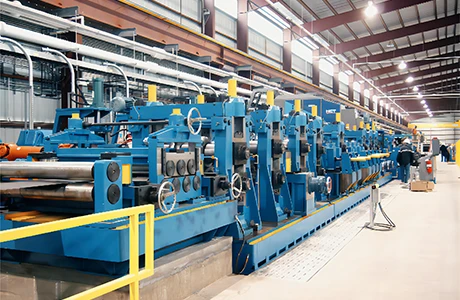
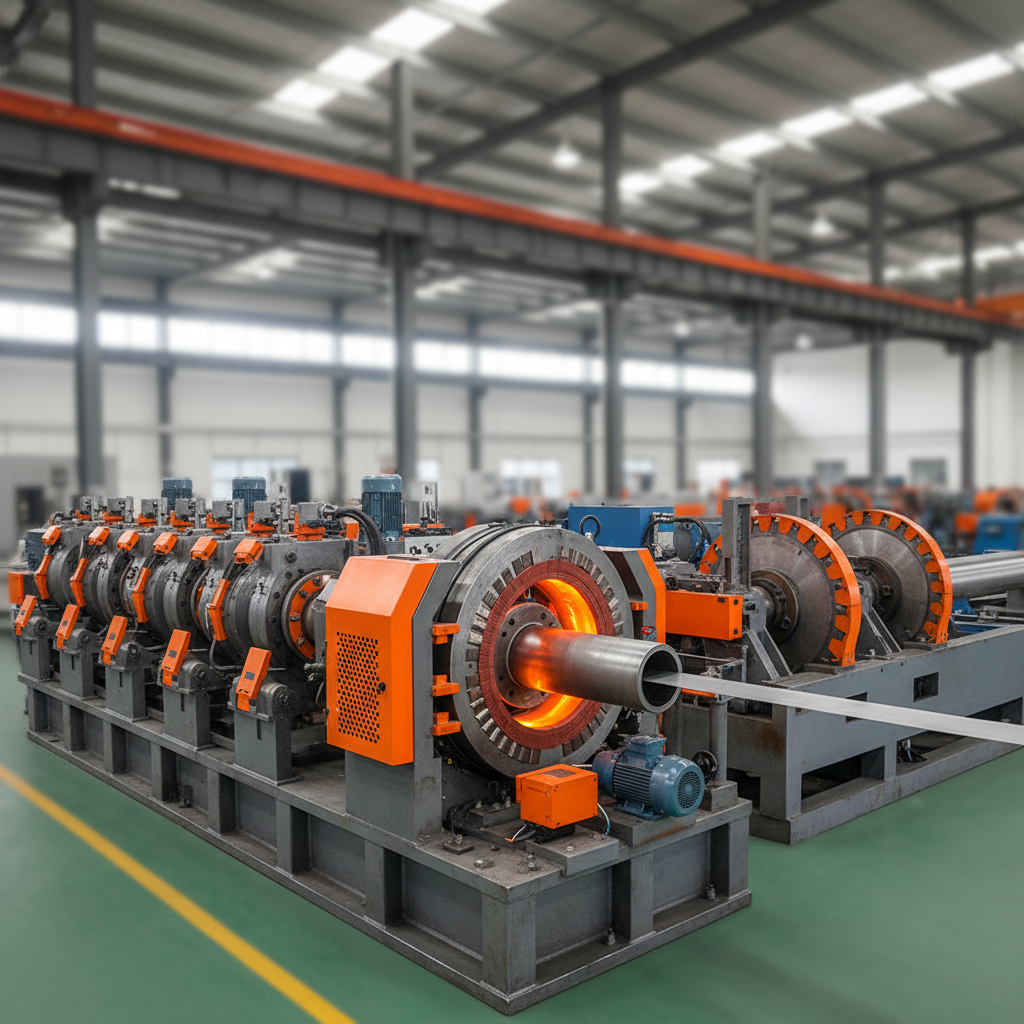
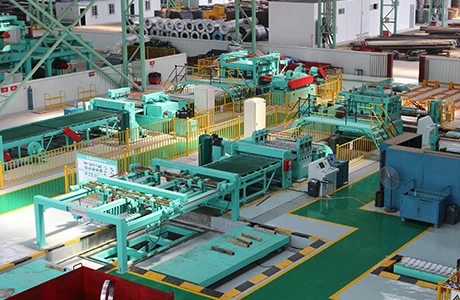
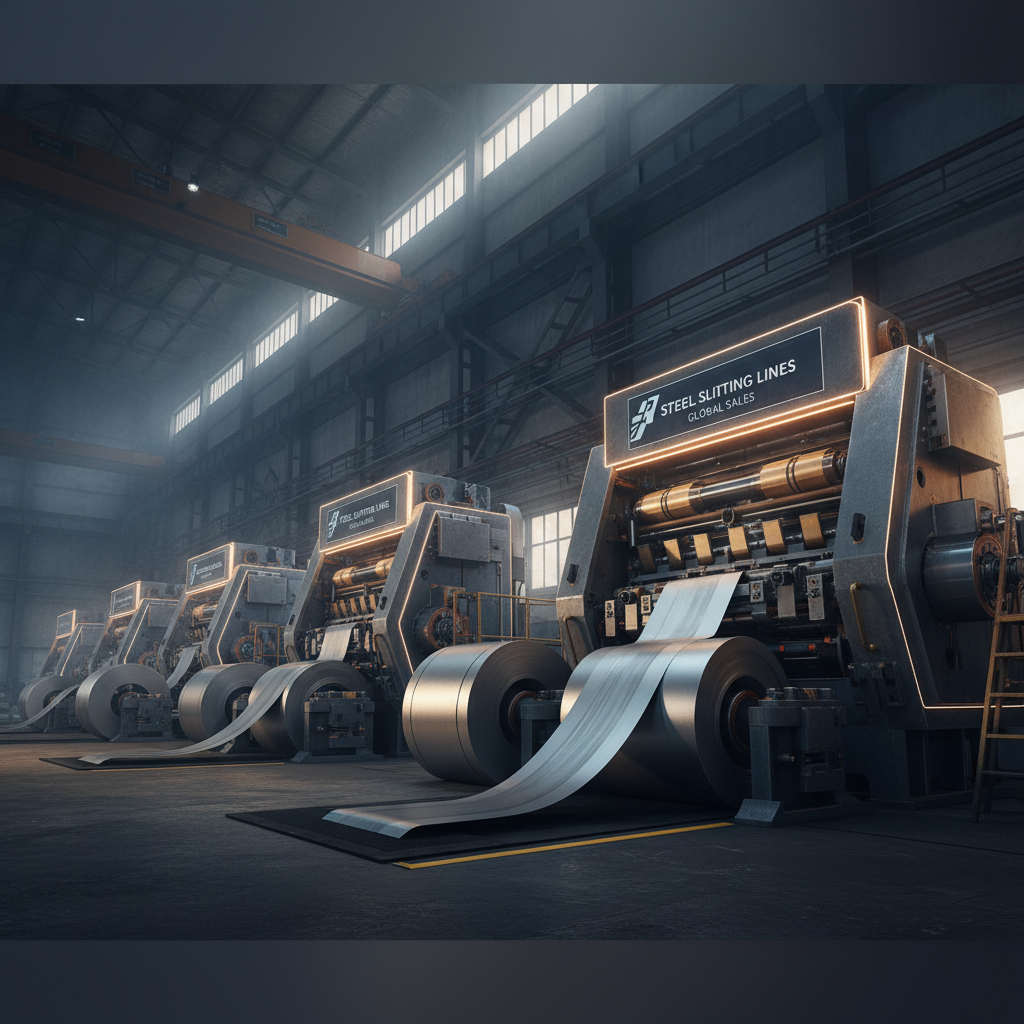
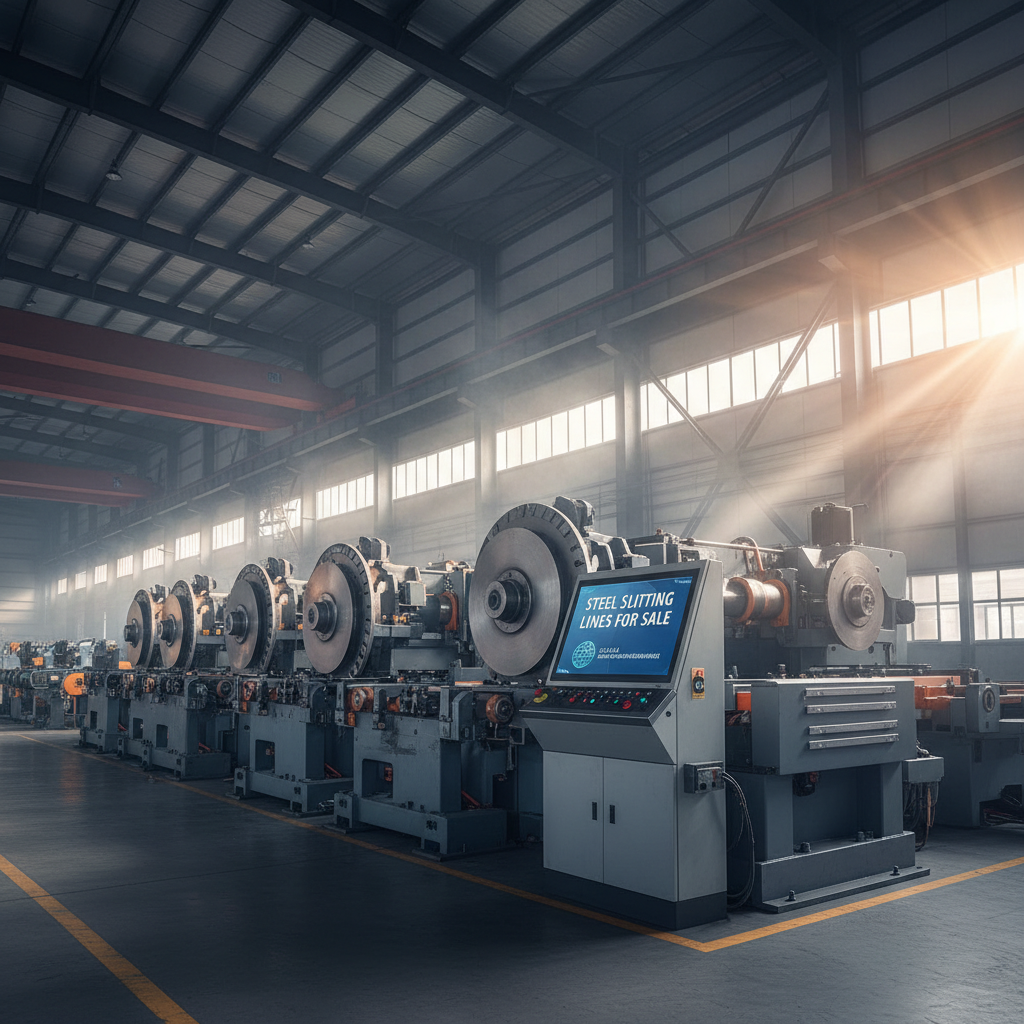
When exploring steel slitting lines for sale, understanding the different types and configurations is paramount. A typical line includes an uncoiler, slitter, recoiler, and various support systems. The complexity and capacity of these lines vary significantly, impacting price and performance. Different slitting methods (shear, rotary, and oscillating) cater to specific material types and precision requirements.

The quality of steel slitting lines for sale directly influences the efficiency of downstream processes. Lines built with robust materials and advanced controls ensure consistent cuts, minimize waste, and reduce downtime. Proper maintenance and operator training are also crucial for maximizing the lifespan and return on investment of these systems.

Defining Steel Slitting Lines

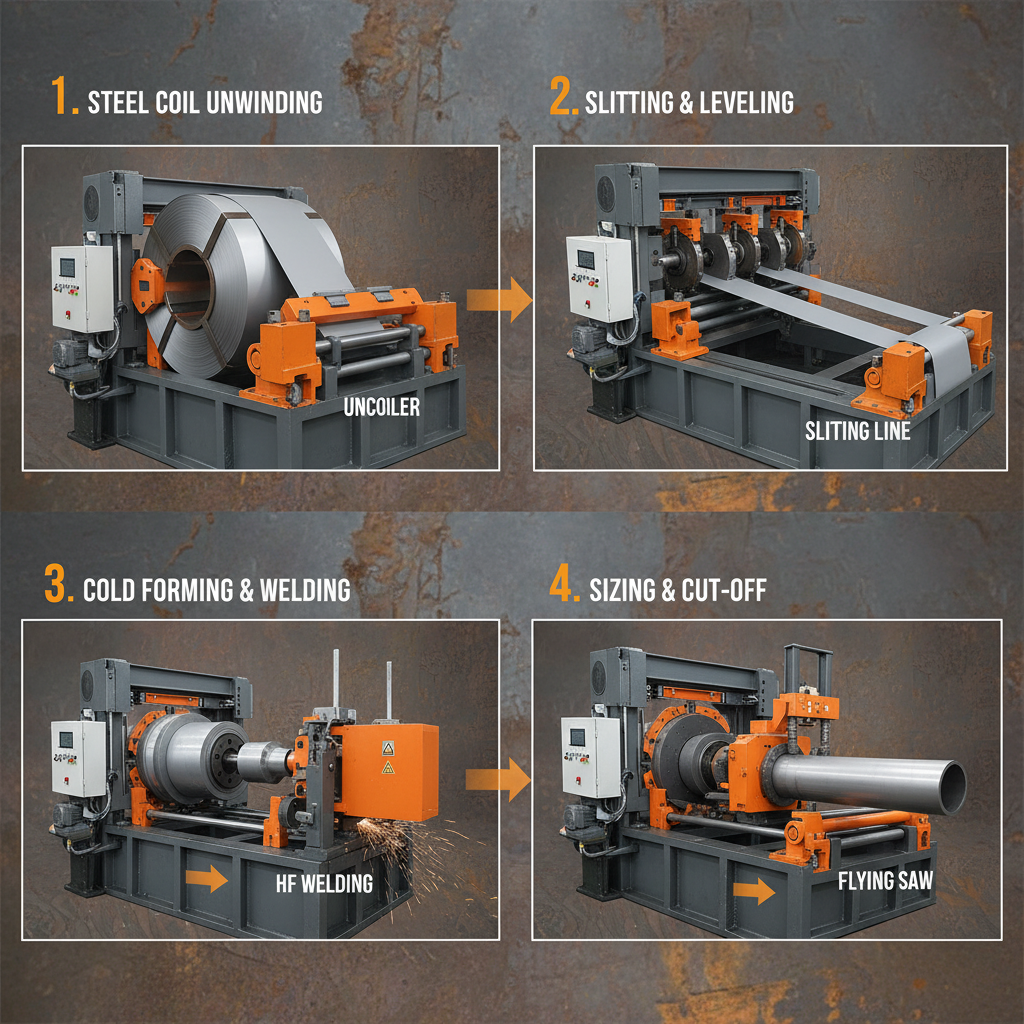
A steel slitting line is a production process used to cut large coils of steel into narrower coils. This process is essential for industries requiring steel in specific widths and quantities. The line typically consists of several interconnected machines working in sequence to uncoil, slit, and recoil the steel efficiently.

Steel slitting is a critical step in modern manufacturing, contributing to the production of a wide range of goods, from automobiles and appliances to packaging materials and construction components. It allows for the effective utilization of steel coils, reducing waste and optimizing material costs.

The process connects directly to humanitarian needs too, enabling the cost-effective production of materials for infrastructure projects, disaster relief shelters, and essential building supplies, particularly in areas requiring rapid deployment of resources.

Core Components and Capabilities

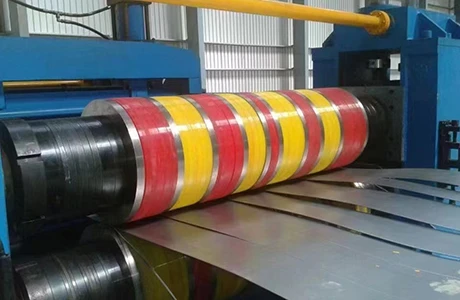
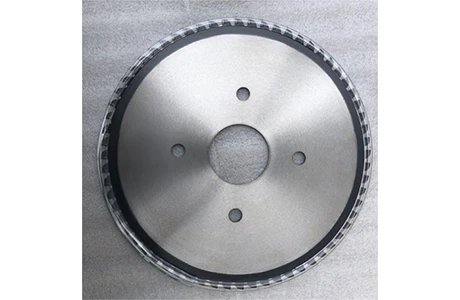
The efficiency of steel slitting lines for sale hinges on several core components. The uncoiler carefully feeds the steel coil into the line. The slitter, equipped with blades, performs the actual cutting. The recoiler winds the slit strips into new coils. Essential supporting systems include tension controls, edge guides, and material handling equipment.

Durability is paramount. High-quality steel slitting lines are built to withstand continuous operation in demanding industrial environments. Scalability is also crucial, allowing businesses to adapt to changing production needs. Cost efficiency is achieved through minimized material waste, reduced labor requirements, and lower energy consumption. Precise tension control ensures consistent and accurate slitting, while sophisticated automation reduces operator error and increases output.

Modern lines often incorporate advanced automation and control systems, enabling real-time monitoring, precise adjustments, and optimized performance.

Key Performance Indicators of Steel Slitting Lines

Evaluating steel slitting lines for sale requires a focus on key performance indicators (KPIs). These metrics provide valuable insights into the line's efficiency, reliability, and overall value. Understanding these KPIs empowers informed purchasing decisions and allows for continuous improvement in production processes.

KPIs such as cutting accuracy, production speed, material yield, downtime, and energy consumption are essential for assessing the performance of a steel slitting line. These metrics can be tracked over time to identify areas for optimization and ensure the line is operating at peak efficiency.

Steel Slitting Line Performance Comparison


Global Applications Across Industries

Steel slitting lines for sale find diverse applications across a wide range of industries. The automotive sector utilizes slit steel for body panels, structural components, and interior parts. Construction relies on slit steel for roofing, siding, and support structures.

The packaging industry leverages slit steel for producing cans, containers, and protective wrapping. Appliance manufacturers use slit steel for cabinets, panels, and internal components. Furthermore, the service center industry relies heavily on steel slitting lines to provide customized steel solutions to various clients.

In regions with developing infrastructure, such as parts of Southeast Asia and Africa, these lines are crucial for supplying materials for construction and industrial growth. Post-disaster relief efforts also benefit from rapid steel processing capabilities, enabling the quick production of temporary shelters and essential infrastructure.

Advantages and Long-Term Value Proposition

Investing in steel slitting lines for sale offers substantial advantages. Reduced material waste translates to cost savings and environmental benefits. Increased production speed boosts output and improves profitability. Enhanced product quality leads to greater customer satisfaction.

The long-term value proposition extends beyond immediate financial gains. Reliable and durable lines minimize downtime and maintenance costs. Adaptable systems allow businesses to respond quickly to changing market demands. A commitment to sustainable practices enhances brand reputation and attracts environmentally conscious customers.

Future Trends in Steel Slitting Technology

The future of steel slitting lines for sale is characterized by increasing automation, digitalization, and sustainability. Advanced sensors and control systems will enable real-time monitoring and predictive maintenance, minimizing downtime and optimizing performance.

The integration of Artificial Intelligence (AI) and Machine Learning (ML) will facilitate data-driven decision-making and process optimization. Furthermore, the development of eco-friendly slitting technologies, such as dry lubrication systems and energy-efficient drives, will contribute to a more sustainable manufacturing process.

Expect to see greater emphasis on flexible slitting lines capable of handling a wider range of materials and thicknesses, catering to the growing demand for customized steel products. These advancements will position businesses for long-term success in a rapidly evolving market.

FAQS

What are the key differences between shear slitting and rotary slitting?

Shear slitting uses blades that physically shear the steel, offering high precision for thinner materials. Rotary slitting employs rotating circular blades, suitable for thicker materials and higher speeds. Shear slitting tends to produce a cleaner edge, while rotary slitting is more efficient for large-scale production. The choice depends on material type, desired precision, and production volume.

What level of automation can I expect in a modern steel slitting line?

Modern steel slitting lines can range from semi-automatic to fully automated. Automation features include automatic coil loading, tension control, edge guiding, slitter positioning, and recoil winding. Fully automated lines require minimal operator intervention, increasing efficiency and reducing the risk of errors. Integration with data analytics systems allows for real-time monitoring and process optimization.

How do I determine the right slitting line capacity for my business?

Determining the correct capacity requires analyzing your current and projected production needs. Consider factors like the volume of steel processed, the required width of the slit strips, and the variety of materials handled. It's also crucial to account for future growth and potential fluctuations in demand. Consulting with a reputable supplier can help assess your specific requirements.

What maintenance is typically required for a steel slitting line?

Regular maintenance is crucial for ensuring optimal performance and longevity. This includes lubricating moving parts, inspecting and replacing worn blades, calibrating sensors, and checking tension controls. Preventative maintenance schedules should be established and followed diligently. Periodic inspections by qualified technicians are also recommended.

What safety features are essential in a steel slitting line?

Safety is paramount. Essential features include emergency stop buttons, safety guards around moving parts, light curtains, and proper ventilation. Operator training on safe operating procedures is critical. Regular safety audits and risk assessments should be conducted to identify and mitigate potential hazards. Compliance with relevant safety standards is mandatory.

What is the typical lead time for ordering and installing a new steel slitting line?

Lead times vary depending on the complexity of the line and the supplier's production schedule. Typically, it can range from 8 to 16 weeks for standard lines and longer for customized configurations. Installation requires careful planning and coordination, often involving on-site technical support from the supplier. Site preparation, including foundation work and electrical connections, should be completed prior to installation.

Conclusion

Steel slitting lines for sale represent a vital investment for businesses seeking to optimize their metal processing operations. Their ability to enhance efficiency, reduce waste, and improve product quality translates to significant cost savings and increased profitability. Understanding the core components, key performance indicators, and emerging trends in this technology is crucial for making informed purchasing decisions and achieving long-term success.

As industries continue to demand customized steel solutions and embrace sustainable manufacturing practices, the role of advanced steel slitting lines will only grow in importance. Investing in these systems isn't just about acquiring equipment; it’s about empowering innovation, strengthening competitiveness, and building a more resilient and sustainable future. Visit our website at www.aistubemill.com to explore our range of steel slitting lines for sale and discover how we can help you achieve your production goals.
Brian Thompson

Brian Thompson

Brian Thompson is a Technical Support Specialist at AIS Machinery, providing expert assistance to US clients regarding equipment operation and maintenance. He’s proficient in troubleshooting technical issues and offering effective solutions remotely or on-site. Brian is highly knowledgeable about our cold roll forming machines and pipe finishing equipment, including threading
Previous Understanding Steel Coil Slitting Machine Price and Market Trends
Next Discover Premium Steel Coil Slitters for Sale to Optimize Metal Processing

Send a Message

Dear customer, thank you for your attention! We provide high-quality machinery and equipment and look forward to your orders. Please inform us of your needs and we will respond quickly!