The modern industrial landscape relies heavily on the precision and efficiency of metal forming technologies, where the erw steel pipe mill stands as a cornerstone of infrastructure development. By utilizing Electric Resistance Welding (ERW), these mills convert flat steel strips into high-strength tubular products without the need for filler materials, ensuring a seamless blend of structural integrity and production speed. Understanding the mechanics of these systems is essential for manufacturers aiming to optimize their output and reduce material waste in an increasingly competitive global market.
Across the globe, the demand for high-quality piping for oil, gas, water transport, and automotive frames has surged, placing immense pressure on the reliability of the erw steel pipe mill. While traditional welding methods were once the norm, the transition toward automated ERW processes has allowed for tighter tolerances and significantly higher throughput. This evolution is not merely about speed; it is about achieving a level of metallurgical consistency that guarantees safety in high-pressure environments.
However, the industry faces ongoing challenges regarding energy consumption and the precision of weld seams. As international standards like ISO and ASTM become more stringent, the need for advanced erw steel pipe mill configurations—incorporating smart sensors and high-frequency welding technology—has become a necessity. This guide explores the technical depths, global applications, and future innovations of ERW technology to provide a comprehensive roadmap for industrial excellence.
Global Relevance of ERW Steel Pipe Mill Technology
The global infrastructure boom, particularly in developing economies across Asia and Africa, has catapulted the erw steel pipe mill into a position of critical importance. As cities expand and energy grids modernize, the requirement for standardized, durable steel piping for fluid transport and structural support has reached unprecedented levels. According to industry trends aligned with World Steel Association reports, the shift toward high-frequency ERW technology has enabled manufacturers to meet these demands while maintaining a lower carbon footprint compared to traditional casting.
Furthermore, the versatility of the erw steel pipe mill allows it to serve multiple sectors simultaneously, from agricultural irrigation systems to sophisticated automotive chassis. The ability to rapidly adjust pipe diameters and wall thicknesses ensures that manufacturers can pivot their production lines to meet shifting market demands without requiring entirely new machinery. This agility is what makes ERW technology the preferred choice for medium-to-large scale industrial operations worldwide.
Defining the ERW Steel Pipe Mill Process
In simple terms, an erw steel pipe mill is a specialized production line that transforms a flat coil of steel (strip) into a hollow cylindrical pipe. The "ERW" stands for Electric Resistance Welding, a process where heat is generated by passing a high-frequency electrical current through the edges of the steel strip as it is formed into a circle. Unlike traditional welding, no filler metal is added; the steel is fused together by its own melted edges under controlled pressure.
This process is deeply connected to modern humanitarian and industrial needs, particularly in the rapid deployment of water sanitation systems in remote areas. Because the output of an erw steel pipe mill is remarkably consistent in strength and diameter, these pipes can be prefabricated and shipped globally, ensuring that critical infrastructure can be established quickly and safely, regardless of the local technical capacity for complex welding.
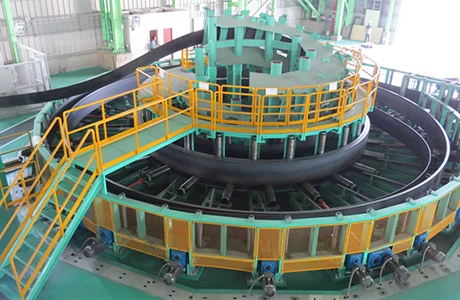
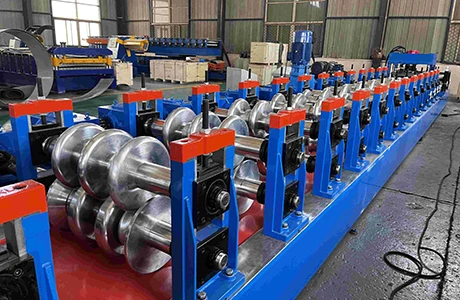
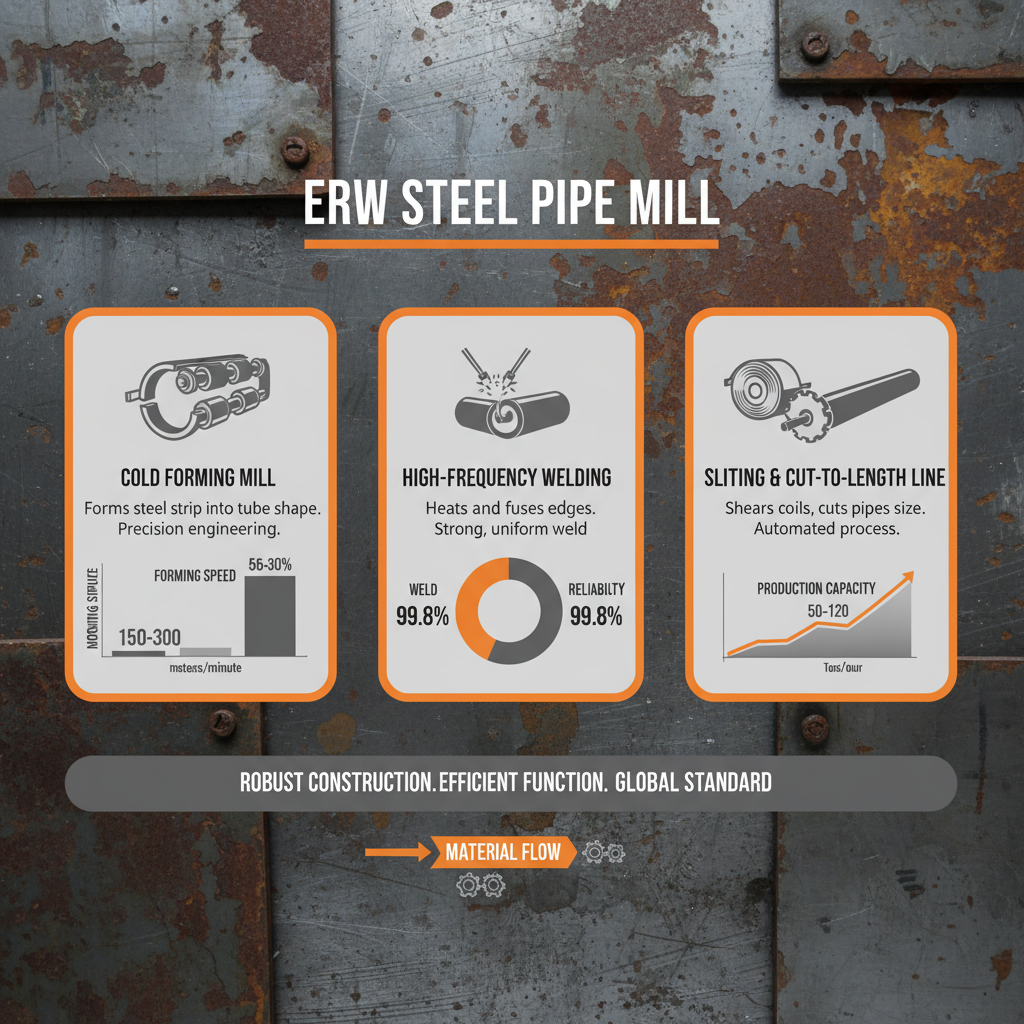
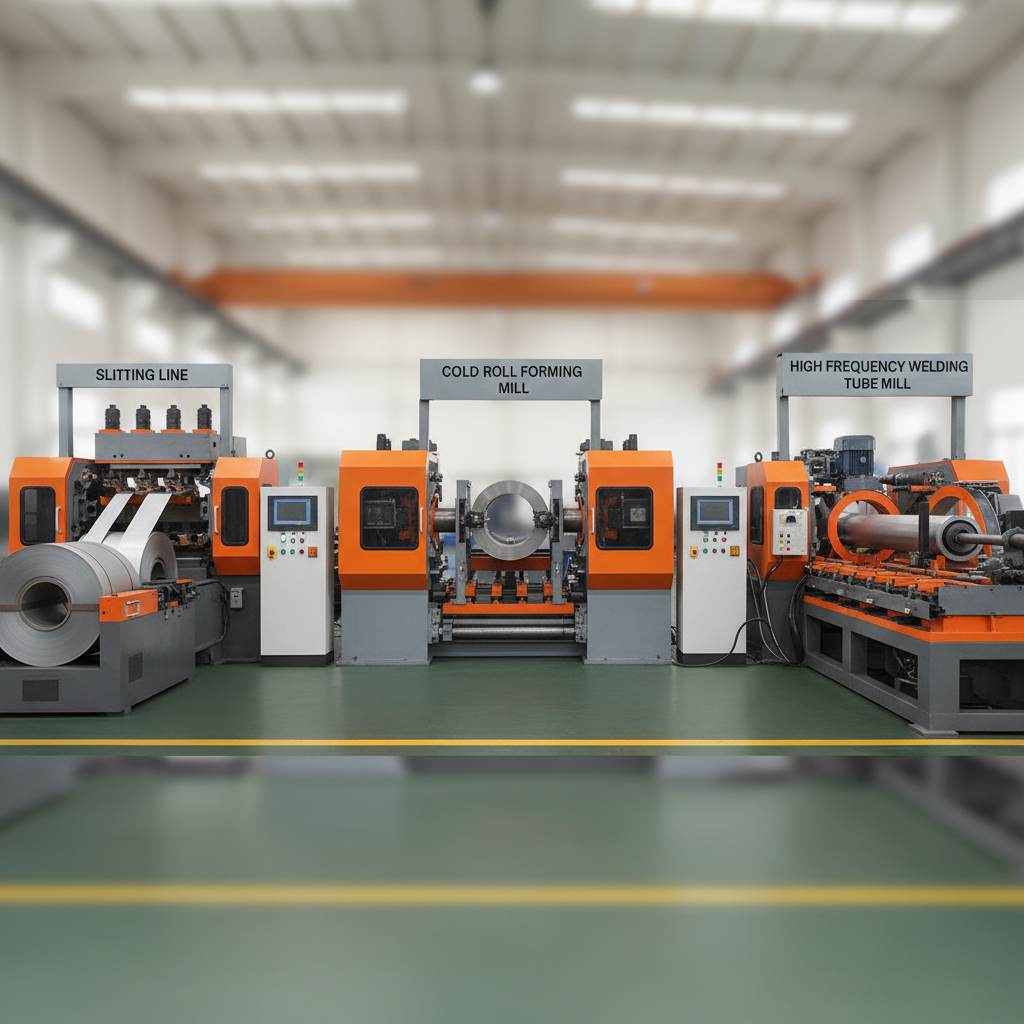
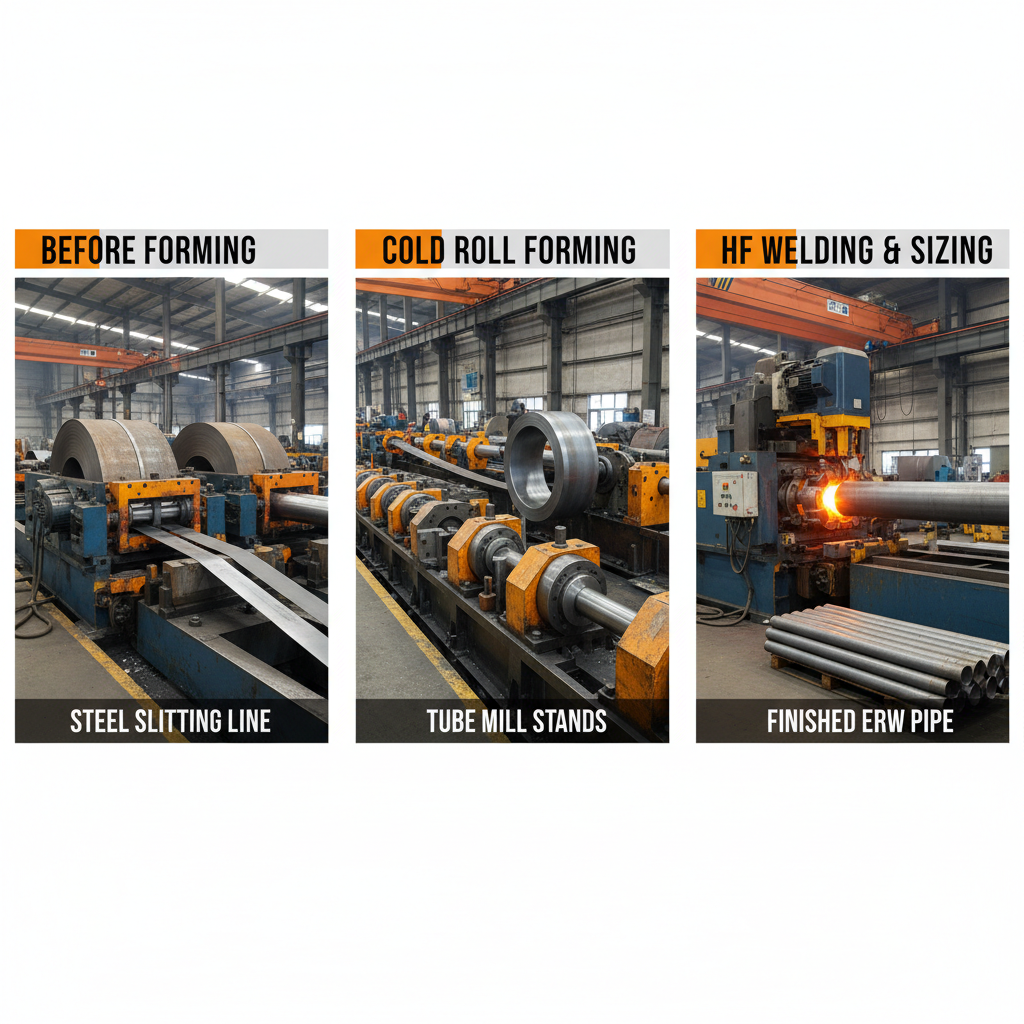
From a technical standpoint, the process involves several synchronized stages: uncoiling, forming (where the strip is gradually bent via rollers), welding (the HF current application), and sizing. The final sizing stage is crucial, as it ensures the pipe meets exact dimensional specifications. This seamless integration of mechanical forming and electrical welding allows the erw steel pipe mill to produce pipes that are nearly as strong as seamless tubes but at a fraction of the production cost.
Core Components for Maximum Operational Efficiency
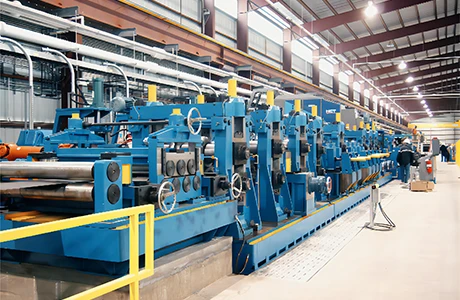
To achieve peak performance, an erw steel pipe mill must integrate high-precision components. The Uncoiler and Strip Flattener are the first line of defense against material defects, ensuring that the steel coil enters the forming section without tension or curvature. If the raw material is not perfectly flat, the subsequent weld seam may suffer from misalignment, compromising the entire batch of pipes.
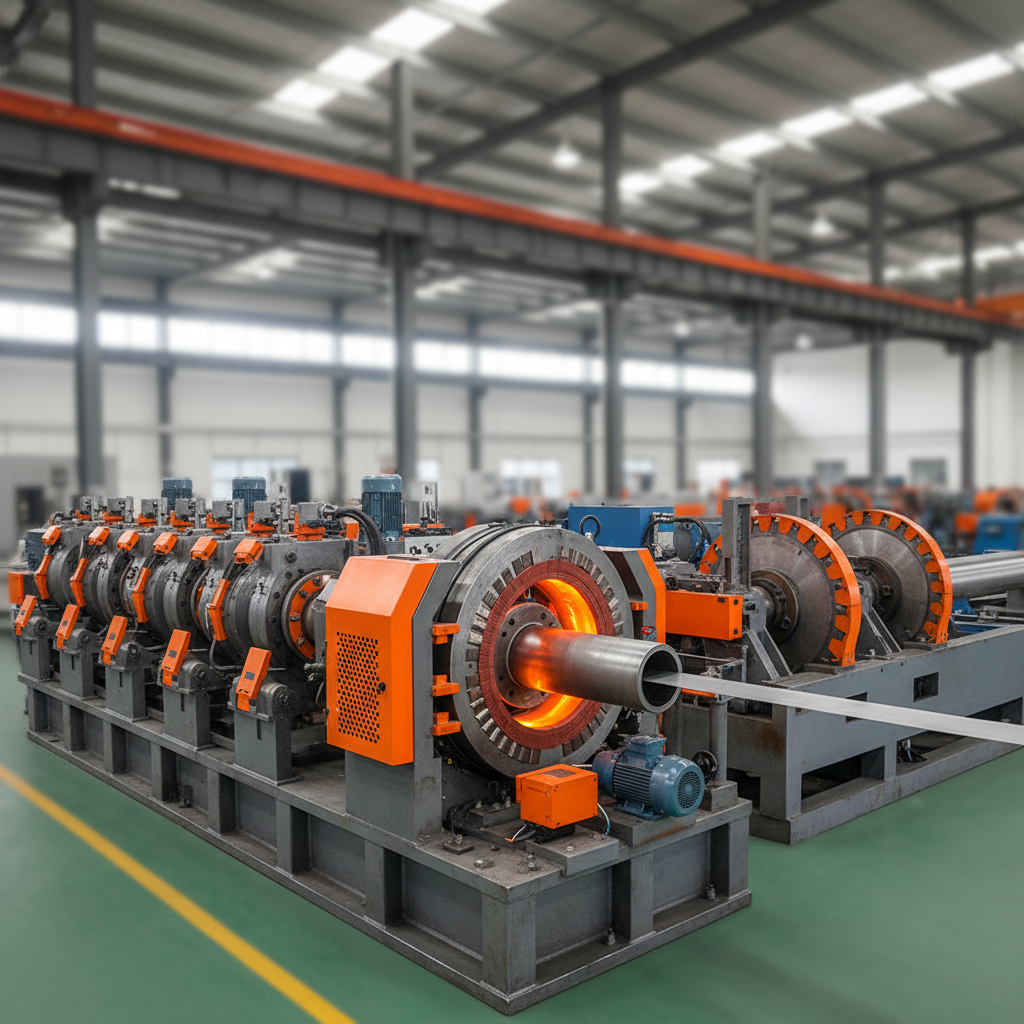
The heart of the system is the Solid State HF Welder, which provides the concentrated thermal energy required for the erw steel pipe mill to fuse the steel edges. By utilizing high-frequency currents, the heat is localized strictly at the seam, preventing the degradation of the steel's overall metallurgical properties. This precision prevents "over-welding" and ensures that the pipe maintains its structural integrity under high-pressure loads.
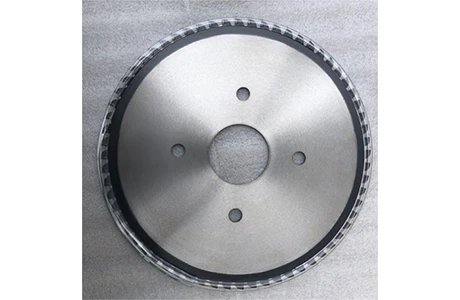
Finally, the sizing section and the Flying Cold Saw complete the process. The sizing rollers refine the outer diameter and circularity of the pipe, while the flying saw allows for continuous production without stopping the line. For a professional erw steel pipe mill, the synchronization between the welding speed and the cutting speed is what defines the mill's overall efficiency and reduces scrap rates.
Performance Metrics and Production Scalability
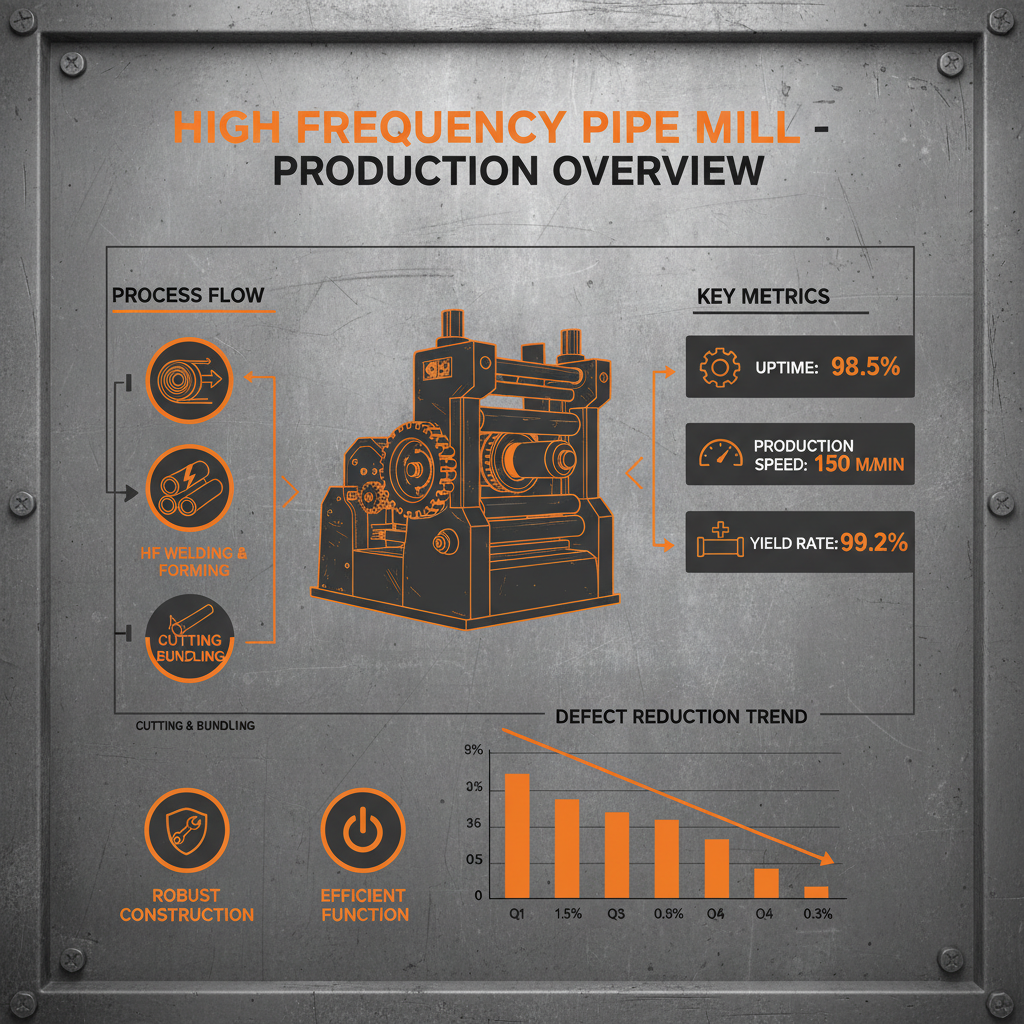
Evaluating the success of an erw steel pipe mill requires looking beyond simple output volume. Key performance indicators (KPIs) include the weld seam's tensile strength, the dimensional tolerance of the outer diameter, and the energy consumption per ton of produced steel. High-efficiency mills prioritize a balanced approach where speed does not compromise the metallurgical bond of the weld.
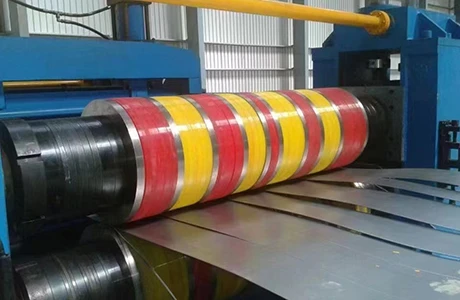
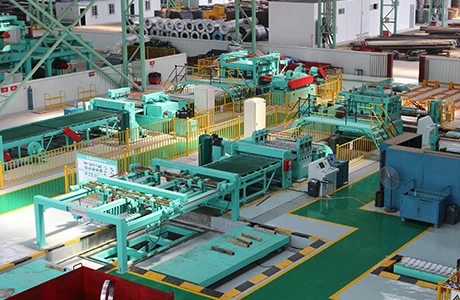
Scalability in this sector is achieved through modular design. Modern erw steel pipe mill setups allow manufacturers to add auxiliary equipment, such as automated conveyor systems or advanced inspection units, to increase capacity. By optimizing the flow from the carbon steel coil slitting line to the final run-out table, plants can significantly reduce bottlenecking and increase their daily tonnage.
Comparative Efficiency Analysis of ERW Steel Pipe Mill Configurations
Global Applications and Industrial Use Cases
The versatility of the erw steel pipe mill makes it indispensable across diverse geographic and industrial zones. In North America and Europe, these mills primarily support the automotive and construction sectors, producing precision tubing for chassis and structural frameworks. The focus here is often on "Just-in-Time" production, where the mill's ability to switch between different pipe profiles rapidly provides a significant competitive advantage.
In contrast, in emerging industrial zones in Southeast Asia and South America, the erw steel pipe mill is the backbone of national utility projects. From laying vast networks of water pipes for rural irrigation to constructing solar panel frame machines for renewable energy farms, the ERW process provides a cost-effective way to deploy durable infrastructure. For instance, in post-disaster relief operations, ERW pipes are often used for emergency water conduits due to their rapid installation and reliable strength.
Long-Term Value and Sustainability Benefits
Investing in a high-quality erw steel pipe mill offers tangible long-term value that extends beyond immediate profit. The primary logical advantage is the reduction in material waste; because ERW uses a precise amount of steel strip without the need for heavy weld fillers, the "yield per coil" is significantly higher than in other pipe-making methods. This lean manufacturing approach directly translates to lower raw material costs and a smaller environmental footprint.
Beyond the economics, there is a strong safety and trust component. Pipes produced by a calibrated erw steel pipe mill undergo rigorous testing—including hydrostatic and ultrasonic exams—ensuring that they can withstand extreme pressures without bursting. This reliability provides peace of mind to engineers and project managers, as it guarantees the dignity and safety of the end-users who rely on these pipes for clean water or energy.
Furthermore, the sustainability of ERW technology is enhancing as mills integrate green energy sources. Many modern facilities are now powering their HF welders with renewable energy, transforming the erw steel pipe mill into a sustainable production hub. This shift not only aligns with global ESG (Environmental, Social, and Governance) goals but also protects manufacturers from the volatility of fossil fuel prices.
Future Innovations in Tube Mill Automation
The future of the erw steel pipe mill is inextricably linked to the Fourth Industrial Revolution (Industry 4.0). We are seeing a rapid transition toward "Smart Mills," where AI-driven sensors monitor the weld seam in real-time. These systems can detect a micro-defect in milliseconds and automatically adjust the welder's frequency or the rollers' pressure, effectively eliminating human error and reducing scrap to near-zero levels.
Another significant trend is the integration of advanced materials. While carbon steel remains dominant, the erw steel pipe mill is being adapted to handle high-strength low-alloy (HSLA) steels and galvanized coatings more efficiently. This allows for the production of thinner, lighter pipes that maintain the same structural strength, which is critical for the aerospace and electric vehicle (EV) industries where weight reduction is a primary goal.
Finally, digital twin technology is revolutionizing how these mills are maintained. By creating a virtual replica of the erw steel pipe mill, operators can predict when a bearing will fail or when a roller needs regrinding before the actual breakdown occurs. This shift from reactive to predictive maintenance ensures maximum uptime and prolongs the lifespan of the machinery.
Technical Analysis of Future ERW Mill Innovations
| Innovation Technology |
Impact on Production |
Implementation Cost |
Efficiency Gain (1-10) |
| AI Weld Monitoring |
Real-time defect correction |
Medium |
9 |
| Digital Twin Integration |
Predictive maintenance |
High |
8 |
| HSLA Steel Processing |
Lightweight, high-strength output |
Low |
7 |
| Green Energy Powering |
Reduced carbon footprint |
Medium |
6 |
| Auto-Sizing Sensors |
Zero-tolerance diameter control |
Medium |
9 |
| Modular Line Layouts |
Rapid capacity expansion |
High |
8 |
FAQS
The primary difference lies in the manufacturing process. An erw steel pipe mill creates pipes by welding a flat strip of steel, resulting in a visible (though often flush) weld seam. Seamless pipes are extruded from a solid billet. While seamless pipes can handle slightly higher pressures, ERW pipes are more cost-effective, have more consistent wall thickness, and are sufficient for the vast majority of industrial and structural applications.
The high-frequency welder in an erw steel pipe mill is critical because it ensures that heat is applied only to the edges of the steel. This prevents the "heat-affected zone" from becoming too large, which would otherwise weaken the steel's properties. A high-quality HF welder produces a weld that is molecularly bonded, ensuring the pipe is as strong as the base metal itself.
Yes, while the standard erw steel pipe mill is designed for round pipes, the forming rollers can be customized to produce square or rectangular tubing. This is achieved by adjusting the sizing and shaping sections of the mill. Many manufacturers invest in interchangeable roller sets to allow their mill to switch between different geometric profiles based on client orders.
Weld failures in an erw steel pipe mill usually stem from inconsistent temperature control or improper pressure during the squeezing phase. If the HF current is too low, the bond is incomplete (cold weld); if it is too high, the metal may burn through. Regular calibration of the welder and the use of real-time monitoring sensors are the best ways to prevent these failures.
Generally, yes. Because an erw steel pipe mill utilizes a precise amount of strip steel and eliminates the need for filler rods or flux, it generates significantly less waste. Additionally, the energy required to weld a seam is lower than the energy required to pierce a solid billet for seamless pipes, making ERW a more sustainable choice for large-scale production.
Choosing the right erw steel pipe mill depends on your target diameter range, wall thickness requirements, and projected daily tonnage. It is advisable to consider a modular system that allows for future expansion. Assessing the local availability of raw steel coils and the energy costs for HF welding will also help determine the most economically viable mill size for your specific operation.
Conclusion
The erw steel pipe mill represents a perfect synergy of mechanical engineering and electrical precision, providing the essential skeletal framework for global infrastructure. From its ability to produce high-strength tubing with minimal waste to its adaptability across diverse industries, ERW technology remains the most viable solution for efficient pipe production. By focusing on core components like high-frequency welders and precision sizing sections, manufacturers can ensure a product that meets the highest international safety and quality standards.
Looking forward, the integration of AI, digital twins, and sustainable energy will further elevate the erw steel pipe mill from a piece of machinery to an intelligent production ecosystem. For businesses looking to remain competitive, investing in automated, high-precision ERW technology is not just an operational upgrade—it is a strategic necessity. We invite you to explore the future of steel forming and optimize your production line today. Visit our website: www.aistubemill.com

 Tel:86-15176910262