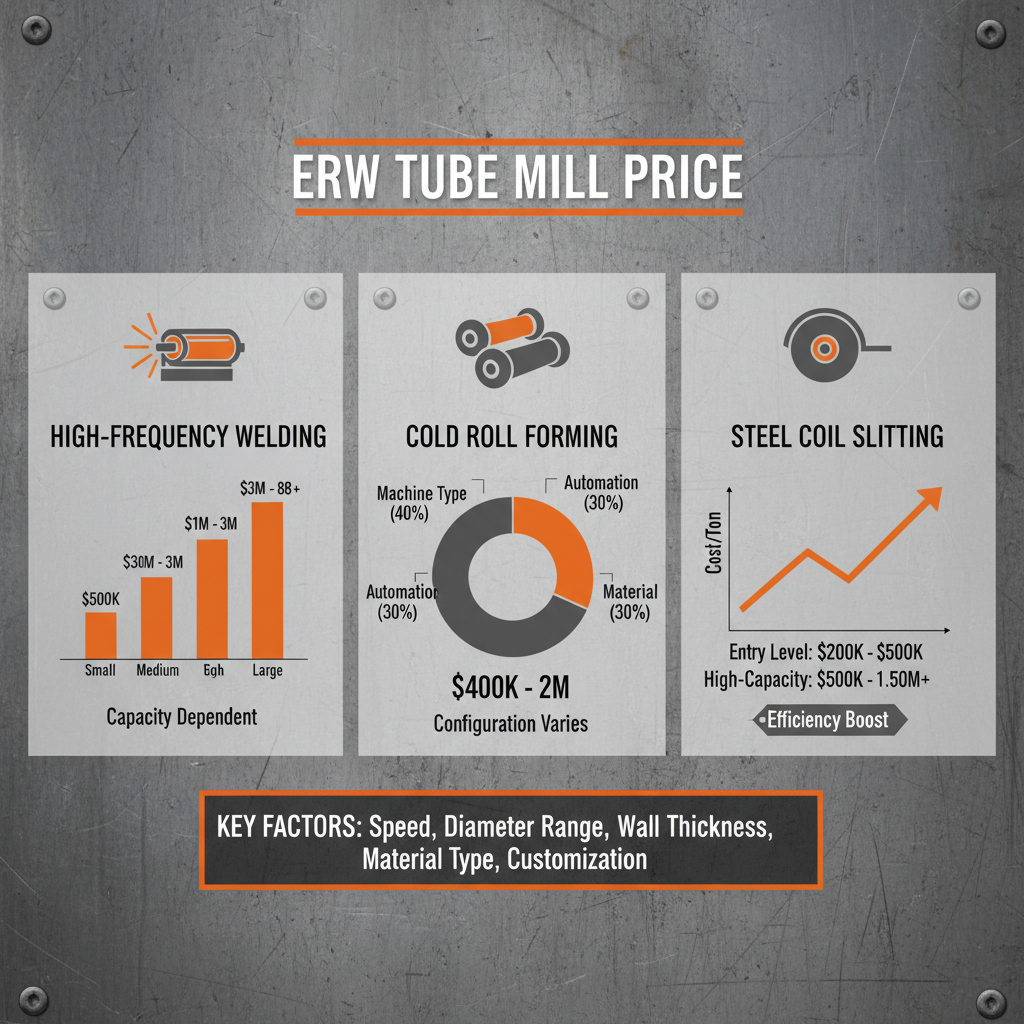
Understanding the variables that influence the erw tube mill price is essential for any manufacturer looking to scale their production of high-quality steel pipes. In the competitive landscape of metal tool and product manufacturing, the capital expenditure required for an Electric Resistance Welding (ERW) mill can determine the long-term profitability and market positioning of a facility.
Across global markets, from emerging industrial hubs in Southeast Asia to established manufacturing zones in Europe, the fluctuation of the erw tube mill price is often tied to technological advancements in high-frequency welding and automation. Companies must balance the initial cost against the projected output quality and energy efficiency to ensure a sustainable return on investment.
Ultimately, the search for a competitive erw tube mill price is not just about finding the cheapest machine, but about identifying the best value proposition that combines durability, precision, and low operational overhead. By analyzing the core components and market trends, operators can make informed decisions that drive industrial growth.
Global Market Dynamics of ERW Tube Mill Price
The global volatility of raw material costs, particularly high-grade alloy steel, directly correlates with the erw tube mill price. As demand for infrastructure grows globally, the pressure on manufacturers to produce tubes faster and with tighter tolerances has led to a rise in the cost of high-precision forming and sizing sections.
Furthermore, international trade policies and shipping logistics play a silent but significant role in the final landed cost. When calculating the erw tube mill price, savvy purchasers look beyond the factory gate price and consider the total cost of ownership, including installation, commissioning, and the integration of auxiliary equipment like coil cars and uncoilers.
Core Technical Components Affecting Machinery Cost
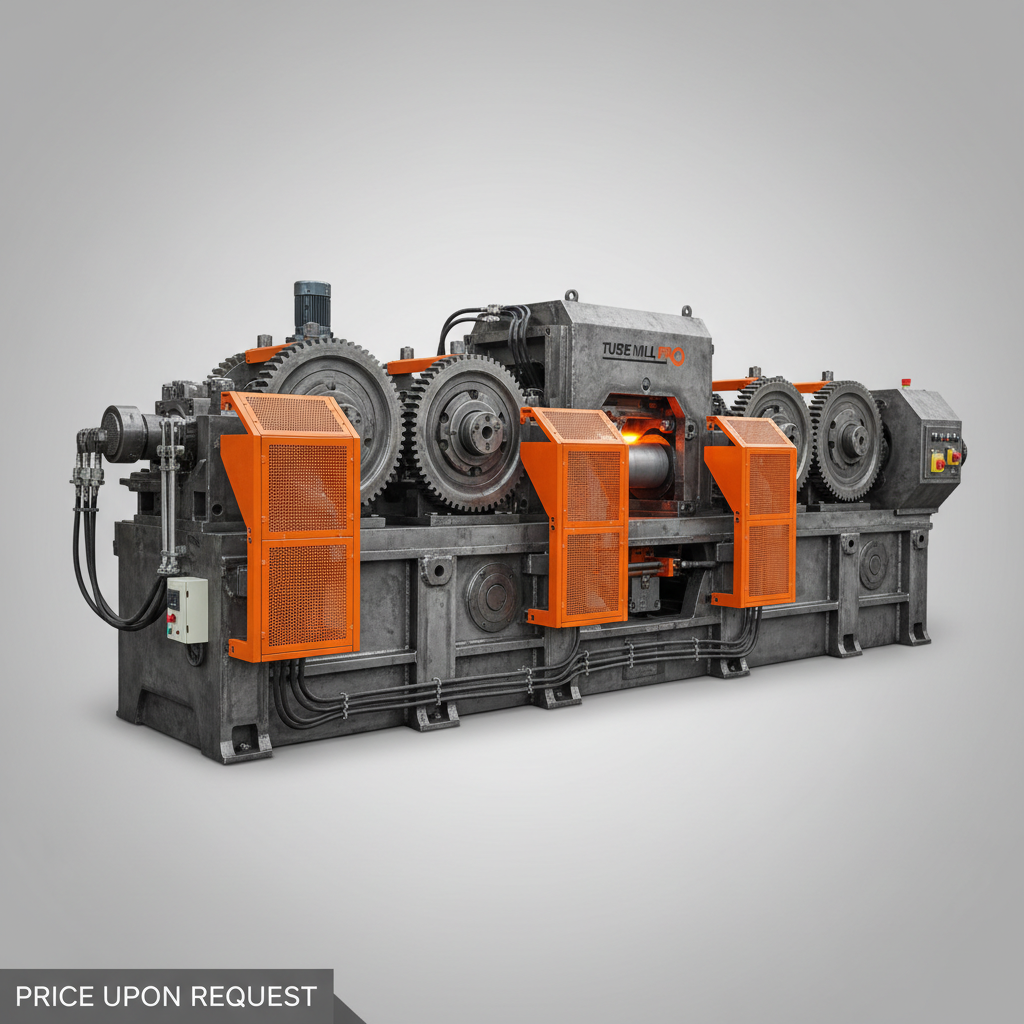
One of the most significant drivers of the erw tube mill price is the sophistication of the Solid State HF Welder. Modern inverter-based welding systems offer superior energy efficiency and weld stability compared to older technologies, but they come with a higher upfront cost. This investment is usually justified by a reduction in scrap rates and lower electricity bills over the machine's lifecycle.
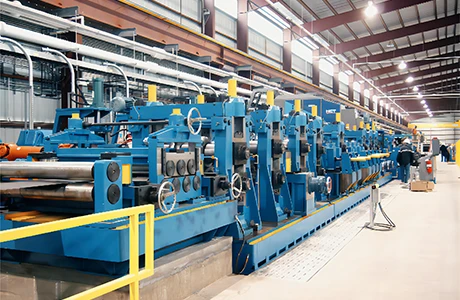
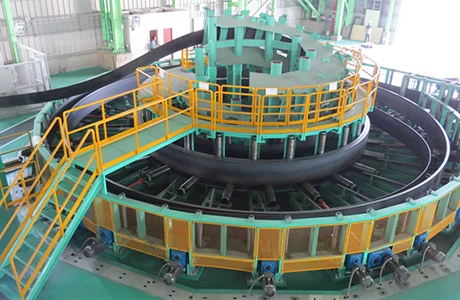
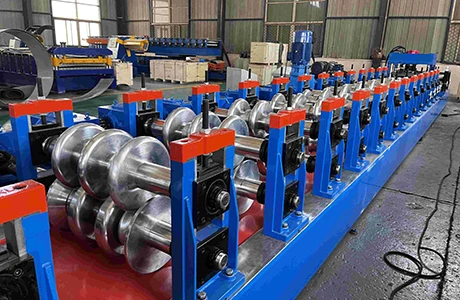
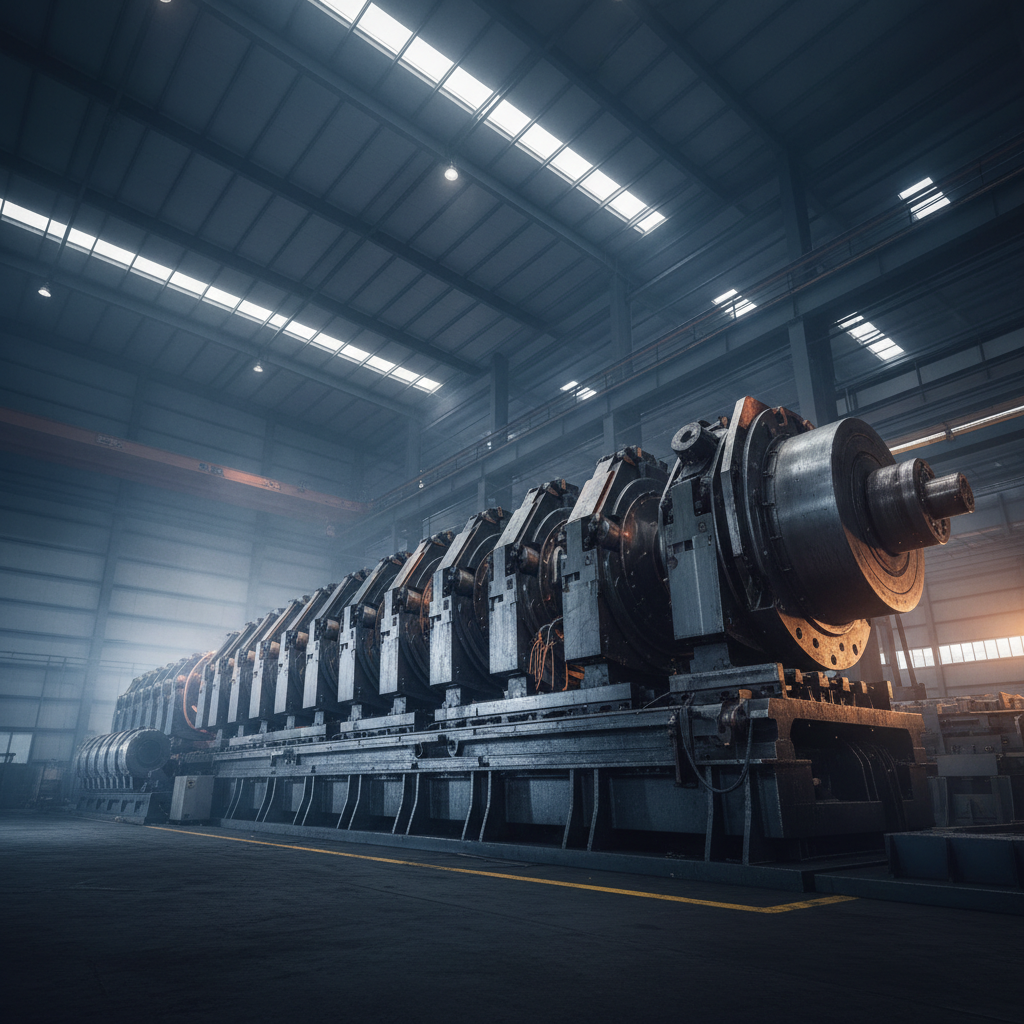
The precision of the forming and sizing section also heavily influences the overall budget. High-end mills utilize CNC-controlled roll adjustments and premium tool steel for the rollers, which prevents premature wear and ensures consistent tube dimensions. While these features increase the initial erw tube mill price, they drastically reduce the need for frequent downtime and manual recalibration.
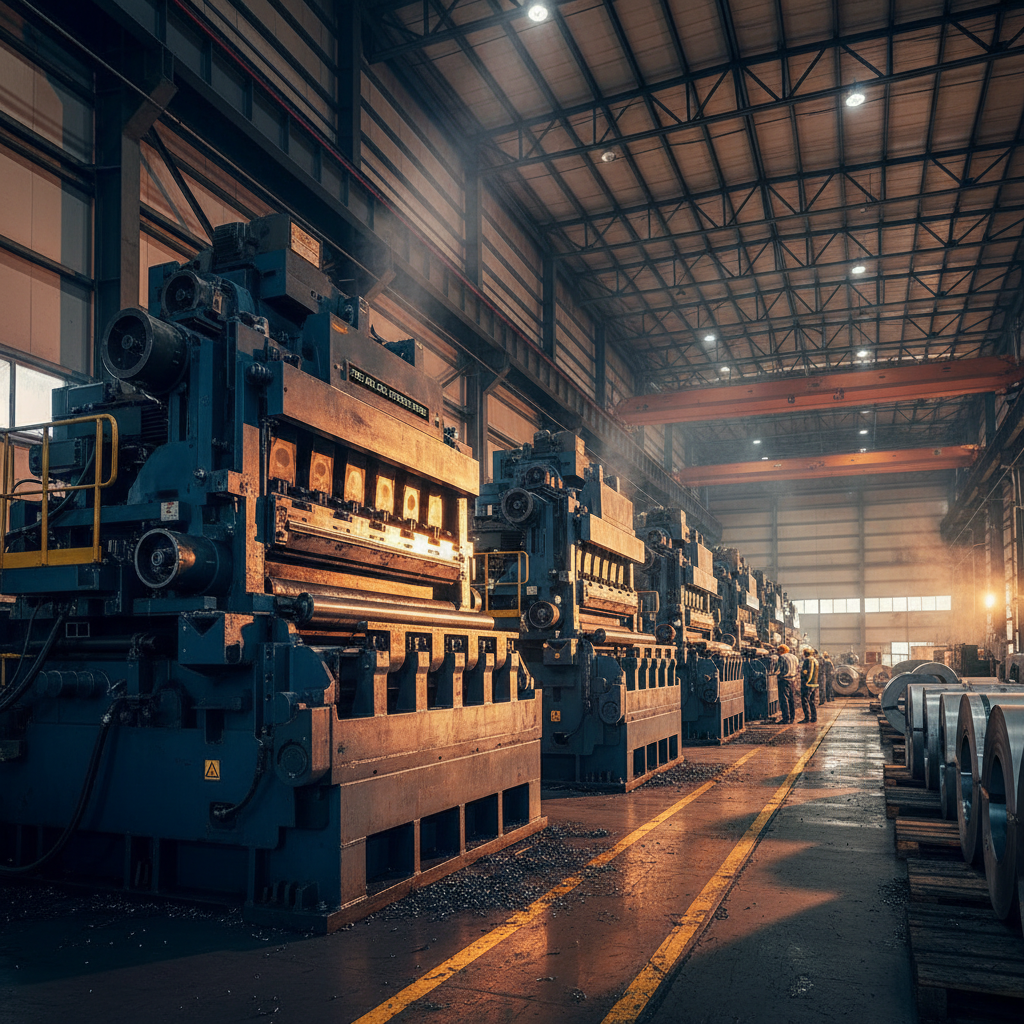
Finally, the inclusion of automated auxiliary systems, such as flying cold saws and automatic bundle packers, adds another layer to the cost. A fully integrated "turnkey" line will naturally have a higher erw tube mill price than a basic mill, but the increase in throughput and the reduction in manual labor make it the preferred choice for large-scale industrial operations.
Economic Impact of ERW Tube Mill Price on Production
From a financial perspective, the erw tube mill price represents a significant capital expenditure (CAPEX) that must be amortized over several years. For SMEs in the metal products industry, the ability to secure financing for a high-efficiency mill can be the difference between competing on price or competing on quality.
When analyzing the erw tube mill price relative to production volume, it becomes clear that "cheap" machinery often leads to higher operational expenditure (OPEX). Inefficient welding and poor sizing lead to higher material waste, which quickly erodes the initial savings gained from a lower purchase price.
Strategic investment in a mill with a fair but premium erw tube mill price allows manufacturers to target high-margin sectors, such as automotive components or specialized architectural tubing. These sectors demand certifications and tolerances that only top-tier machinery can consistently deliver.
Comparative Analysis of Price Tiers and Efficiency
Depending on the production requirements, the erw tube mill price can be categorized into three main tiers: entry-level, mid-range, and high-performance. Entry-level mills focus on basic functionality and are ideal for low-volume specialized parts, whereas high-performance mills are designed for 24/7 operation at maximum speeds.
Choosing the right tier requires a deep understanding of how the erw tube mill price relates to the mill's "uptime" and "yield rate." A machine that is 20% more expensive but offers a 5% increase in yield can pay for itself within the first year of operation in a high-volume environment.
Comparison of ERW Tube Mill Price Tiers vs. Operational ROI
Global Applications and Regional Price Variations
The actual erw tube mill price often varies by region due to the differing standards of steel grade and environmental regulations. In North America and Europe, the price includes rigorous safety certifications (such as CE or OSHA compliance), which increases the initial cost but ensures lower insurance premiums and safer workplaces.
In contrast, in rapid-growth industrial zones in Asia, the erw tube mill price is often more competitive, focusing on high-speed output and modular scalability. Whether the machine is used for solar panel frames or structural construction tubes, the regional demand for specific customizations can shift the pricing structure significantly.
Long-term Value and Sustainability in ERW Investment
Viewing the erw tube mill price through the lens of sustainability reveals that energy-efficient machines are far more valuable over time. New-generation mills utilize regenerative power supplies in their welding units, which can reduce electricity consumption by up to 30%, directly offsetting the higher initial investment.
Moreover, the reliability of the machine reduces the environmental impact by minimizing steel waste. When a mill is designed with high-precision rollers and a stable sizing section, the "first-pass yield" is higher, meaning fewer tubes are rejected and sent for recycling, thus aligning the erw tube mill price with green manufacturing goals.
Finally, the availability of spare parts and professional after-sales support adds an intangible but critical value to the price. A manufacturer who offers a comprehensive warranty and fast delivery of rollers and welders provides a security that justifies a slightly higher erw tube mill price.
Future Innovations Shaping the ERW Tube Mill Price
The integration of Industry 4.0 is set to redefine how we perceive the erw tube mill price. With the introduction of IoT sensors and AI-driven predictive maintenance, future mills will be able to alert operators before a tool fails, preventing costly unplanned downtime. While these digital layers increase the cost, they transform the mill from a mechanical tool into a smart asset.
Another trend affecting the erw tube mill price is the move toward multi-profile flexibility. New designs allow for quicker changeovers between square, round, and oval tubes using automated roll-changing systems. This versatility allows a single mill to serve multiple market segments, effectively diversifying the revenue streams against the initial capital cost.
As automation continues to evolve, we expect to see a shift where the erw tube mill price is increasingly tied to software capabilities rather than just heavy iron. The ability to remotely monitor production and optimize weld parameters in real-time will become a standard feature, further driving the value of premium machinery.
Analysis of ERW Tube Mill Price Factors Across Different Machine Specifications
|
Mill Specification Tier
|
Price Influence Factor
|
Estimated Cost Impact
|
Long-term ROI Score
|
| Entry-Level Basic |
Manual Controls / Standard Welder |
Low |
5/10 |
| Standard Industrial |
PLC Automation / HF Welder |
Moderate |
7/10 |
| High-Precision Mill |
CNC Sizing / Premium Tool Steel |
High |
9/10 |
| Fully Automated Line |
Flying Saw / Auto-Bundling |
Very High |
10/10 |
| Custom Multi-Profile |
Quick-Change Roll Systems |
High |
8/10 |
| Eco-Smart Mill |
Regenerative Power / IoT Sensors |
Moderate-High |
9/10 |
FAQS
The price is primarily driven by the production speed, the diameter range of the tubes, the quality of the high-frequency welder, and the level of automation. Additionally, the materials used for the forming rolls and the inclusion of auxiliary equipment like uncoilers and flying saws significantly impact the final cost.
Not necessarily. For small shops producing low volumes of non-critical parts, a basic mill is cost-effective. However, for industrial-scale production, a low price often translates to higher scrap rates, increased energy consumption, and more frequent downtime, which can make it more expensive in the long run.
A solid-state HF welder is more expensive than traditional systems but offers much higher energy efficiency and precision. This increase in the initial price is usually offset by lower utility costs and a reduction in weld defects, leading to a better overall ROI.
Yes, most manufacturers allow for modular configurations. You can start with a core forming and welding section to keep the initial price low and add auxiliary machines like automatic cutting or bundling systems as your production volume and budget grow.
Premium mills with high-grade tool steel and robust frames can last 20+ years with proper maintenance. Lower-cost machines may experience faster wear and tear on critical components, requiring more frequent part replacements and potentially shorter overall lifespans.
Yes, because ERW mills are heavy industrial assets, logistics and professional commissioning can add a significant percentage to the quoted price. It is always recommended to ask for a "landed price" that includes shipping, taxes, and on-site installation support.
Conclusion
Evaluating the erw tube mill price requires a comprehensive approach that balances initial capital expenditure with long-term operational efficiency. We have seen that while the upfront cost varies based on automation, welder technology, and material quality, the true value is found in the machine's ability to maintain high yields and low energy consumption over time.
As the industry moves toward smarter, greener manufacturing, investing in high-efficiency ERW technology is no longer a luxury but a necessity for staying competitive. We recommend that manufacturers prioritize precision and durability over the lowest possible price to ensure sustainable growth in the metal tools and products sector. Visit our website for more professional guidance: www.aistubemill.com

 Tel:86-15176910262