0%

Table of Contents

You know, after running around construction sites all year, breathing in dust, and arguing with engineers… honestly, everyone's talking about automation now. Not just robots welding, but the whole pipeline, from material ordering to quality control. It’s a big shift. They’re all chasing higher throughput and lower manpower costs. But it’s… complicated. You think automating one step will solve everything? Hah.

And the biggest thing I've noticed? Everyone's obsessed with 'smart' features. Smart this, smart that. But they forget the basics. Like, a simple, robust connection. It needs to work, first and foremost. I’ve seen so many designs look beautiful on paper, full of fancy sensors and data logging, but then they fall apart after a week on a real job site.

The pressure is on to be more sustainable too. Everyone wants "green" materials, but frankly, most of them are still too expensive or just don't hold up.
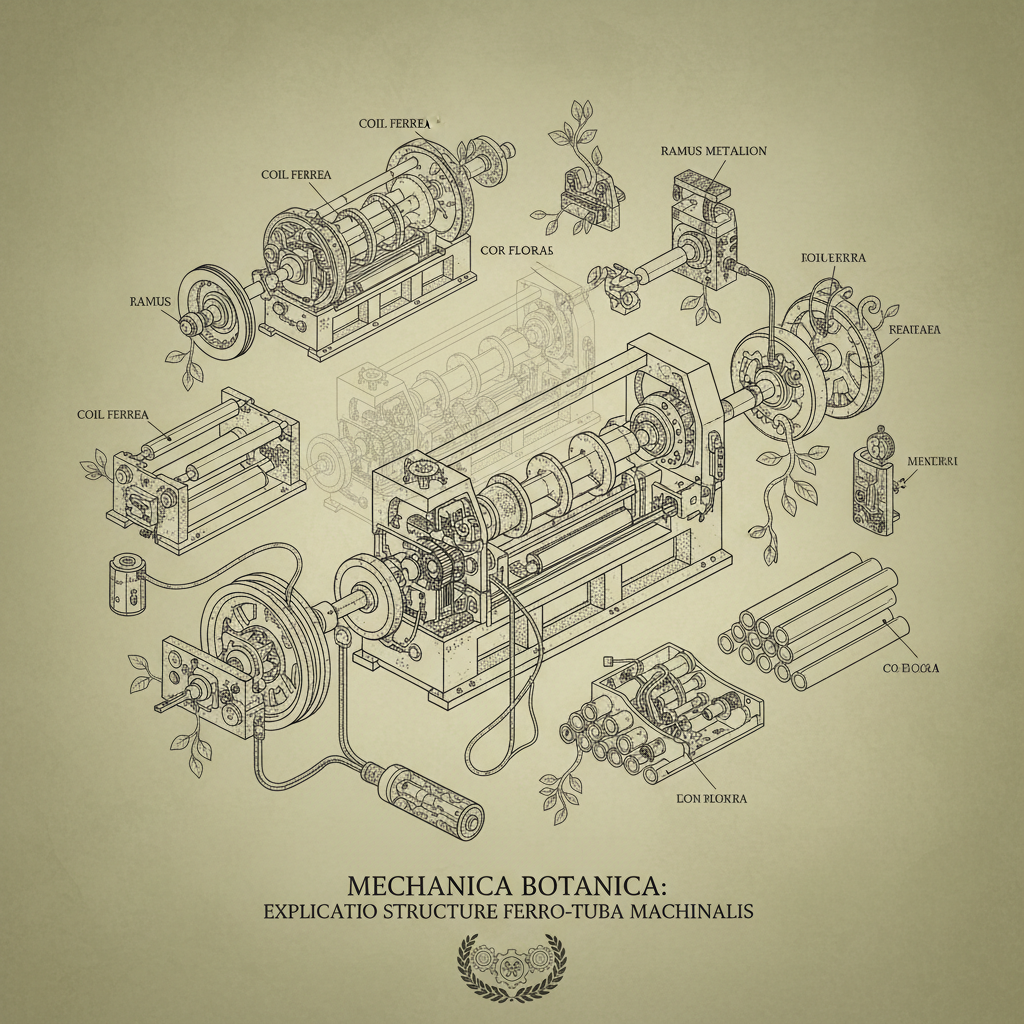
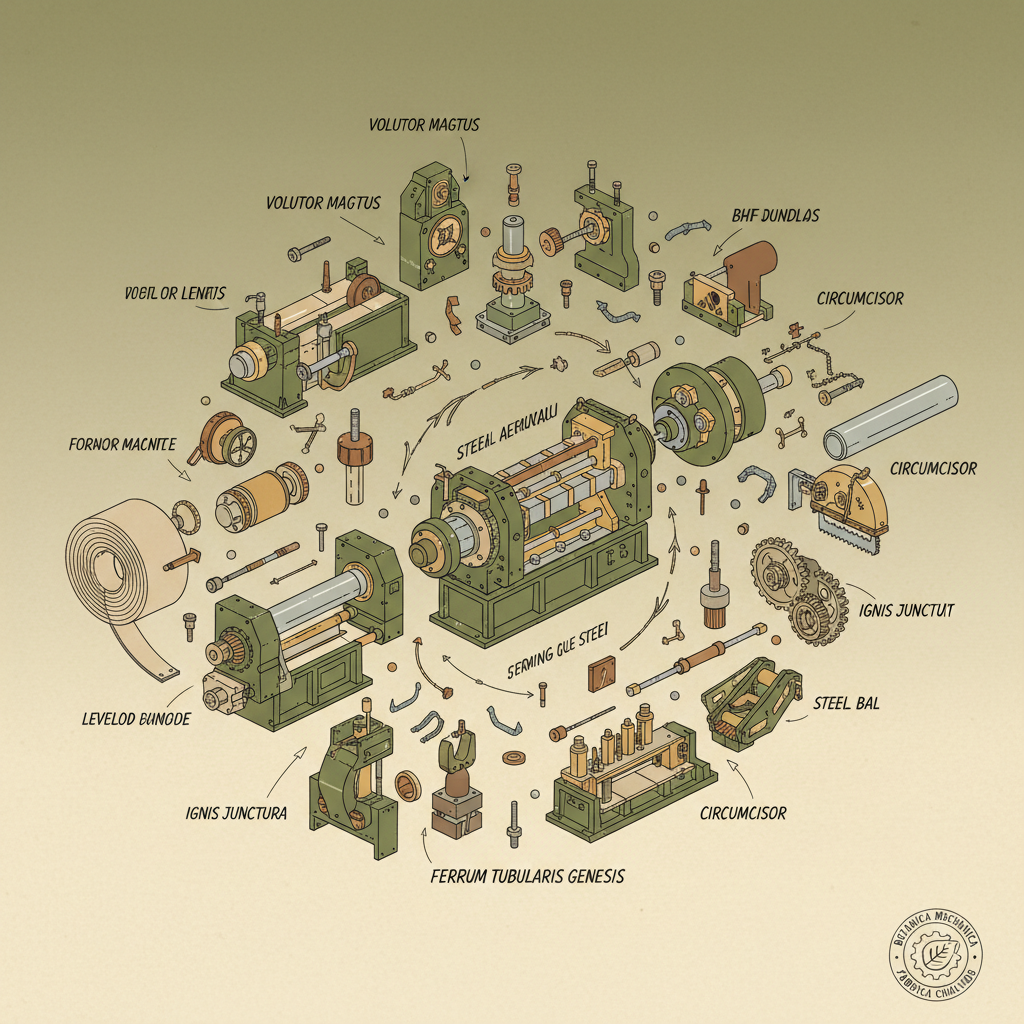
Exploring Modern Steel Pipe Making Machine Manufacturer Trends and Challenges

The Current Landscape of Steel Pipe Production

Exploring Modern Steel Pipe Making Machine Manufacturer Trends and Challenges

To be honest, the steel pipe making machine manufacturer world is changing fast. You’ve got your traditional rolling mills, still churning out tons of pipe, but they’re getting squeezed by these new, high-frequency welded pipe machines. They’re faster, more precise, but… they’re finicky. And the quality control? That's where things get hairy.

There’s a lot of demand coming from infrastructure projects, especially in developing countries. But it’s not just quantity, it's also about meeting stricter standards for corrosion resistance and strength. That's driving innovation in materials and manufacturing processes. Plus, everyone’s worried about carbon footprints, so there's pressure to find more efficient production methods.

Design Pitfalls: What Looks Good vs. What Lasts

Have you noticed how many designs are over-engineered? They pile on features nobody asked for, just to impress someone in a boardroom. I encountered this at a factory in Tianjin last time – they were building a pipe with a self-cleaning interior coating. Sounded great in the presentation, but it added 30% to the cost and made the pipe way more susceptible to cracking during bending.

The biggest trap is forgetting about the real-world conditions. Pipes aren’t sitting in a lab; they’re getting buried in the ground, exposed to chemicals, and hammered during installation. You need a design that can handle that abuse. It's not about the theoretical maximum strength; it's about how it behaves under constant stress and fatigue.

And don't even get me started on overly complex joints. The simpler, the better. I swear, sometimes engineers just try to make things harder than they need to be.

Core Materials and On-Site Handling

We’re mostly talking about carbon steel, naturally. But even within that, there’s a huge range of grades. You've got your Q235, your Q345, and then the higher-strength alloys. The feel is different, you can tell just by tapping it. The Q235 is… softer, more forgiving. The higher grades are harder, ringier. You can smell the oil on them too – it’s a weird thing, but you get used to it.

The steel coils themselves… those things are heavy. You need experienced riggers to handle those safely. And the surface needs to be clean, free of rust and scale, before it goes into the machine. Otherwise, you'll get defects in the weld. And believe me, chasing down weld defects is not how anyone wants to spend their day.

Then there's the lubricant. It has to be the right viscosity, the right chemical composition. Too thin, and it won’t cool the weld properly. Too thick, and it’ll leave a residue that causes corrosion. It’s a delicate balance, really.

Real-World Testing and Usage Patterns

Forget the lab tests. The real test is what happens when a contractor tries to install it in the middle of a rainstorm. That’s when you find out if your pipe is really as good as you think it is. We do hydrostatic testing, of course – pressurize the pipe to several times its working pressure to check for leaks. But that doesn't tell you anything about its resistance to impact or bending.

Strangely, users don’t always use things the way we expect. I saw a project in Dubai where they were using galvanized steel pipes as scaffolding! Scaffolding! That’s not what they’re designed for. And it's incredibly dangerous. But they needed something quick and cheap, and that's what they went with. It’s a reminder that you can design the best product in the world, but if people misuse it, things can go wrong.

Steel Pipe Manufacturing Parameter Analysis


Advantages, Drawbacks, and the Pursuit of Perfection

The advantages are obvious: strength, durability, cost-effectiveness. Steel pipes are the workhorse of modern infrastructure. But they're heavy, prone to corrosion (unless you use stainless steel, which is expensive), and require skilled labor to install.

We're always trying to improve things. Thinner walls for reduced weight, better coatings for corrosion protection, automated welding for increased efficiency. But there’s always a trade-off. You reduce the wall thickness, you reduce the strength. You use a cheaper coating, you reduce the corrosion resistance. It’s a constant balancing act.

Customization Capabilities: A Shenzhen Story

Customization is huge. Clients always want something a little different. Different diameters, different wall thicknesses, different coatings, different lengths. We can handle most requests, within reason.

Anyway, I think last month, that small boss in Shenzhen who makes smart home devices insisted on changing the interface to , of all things. He wanted to use our pipes to run the wiring for his devices. He said it would "look more modern." It was a complete nightmare. We had to retool the entire production line, and it ended up adding weeks to the delivery time. And later… forget it, I won’t mention it. He returned half of the order saying it didn't fit his design.

Performance Metrics: A Rough Estimate

To summarize the core aspects of the performance of steel pipe making machine manufacturer, we can categorize it into several key dimensions, allowing for a more holistic evaluation of its overall effectiveness and reliability.

These measurements will always fluctuate based on material, specific machine calibration, and operator skill, but they provide a solid baseline for understanding where improvements can be made.

Ultimately, these are just numbers. The true test comes on the job site.

Performance Metrics for Steel Pipe Manufacturing

Production Rate (Pipes/Hour) Defect Rate (%) Material Waste (%) Energy Consumption (kWh/Pipe)
120 0.8 2.5 0.75
150 1.2 3.0 0.80
90 0.5 2.0 0.65
135 1.0 2.7 0.78
110 0.9 2.3 0.72
140 1.1 2.8 0.82

FAQS

What's the typical lifespan of a steel pipe manufactured using modern techniques?

That depends wildly on the environment, the coating, and the intended use. But generally, with proper corrosion protection, you're looking at 50-100 years for buried pipelines. For structural applications, it’s more about fatigue life and the load it’s carrying. Regular inspection is key, though. Ignoring maintenance is a recipe for disaster.

How do different welding processes affect the quality and durability of steel pipes?

Different processes have different strengths and weaknesses. Submerged arc welding is great for high-volume production and thick-walled pipes. TIG welding offers superior precision and is good for critical applications. High-frequency welding is fast but requires very tight control of the process parameters. Ultimately, the skill of the welder is just as important as the process itself.

What are the most common causes of failure in steel pipes, and how can they be prevented?

Corrosion is the biggest killer. Then you've got fatigue cracking, stress corrosion cracking, and impact damage. Prevention comes down to proper material selection, protective coatings, regular inspection, and avoiding overloading. Simple stuff, really, but people often cut corners.

What level of customization is generally possible with steel pipe manufacturing?

You can customize pretty much anything – diameter, wall thickness, length, material grade, coating, even the end finishes. But there's a cost associated with every customization. Small batches are expensive. It's always cheaper to order standard sizes if you can. As the Shenzhen guy found out...

Are there any emerging trends in steel pipe manufacturing that I should be aware of?

Automation is huge, as I said. Also, there's a lot of research going into new coating materials that offer better corrosion protection. And people are looking at using more recycled steel to reduce the environmental impact. But honestly, a lot of it is just hype. The basics still matter most.

What's the role of non-destructive testing (NDT) in ensuring the quality of steel pipes?

NDT is critical. Techniques like ultrasonic testing, radiographic testing, and magnetic particle inspection can detect defects without damaging the pipe. It’s a must-have for high-integrity applications like pipelines and pressure vessels. But even NDT isn’t foolproof; it relies on the skill of the technician and the quality of the equipment.

Conclusion

So, steel pipe making machine manufacturer isn’t glamorous work. It's about taking a raw material and turning it into something that keeps the world running. It's about precision, reliability, and a relentless focus on quality. It’s also about understanding the limitations of the materials and the processes, and being honest about what's possible.

Ultimately, whether this thing works or not, the worker will know the moment he tightens the screw. That’s the real test. And that’s why, after all these years, I still go out to the sites myself. You have to see it with your own eyes. Now, if you'll excuse me, I need a coffee.
Kevin Johnson

Kevin Johnson

Kevin Johnson is a Quality Control Inspector at AIS Machinery, focused on ensuring the highest standards of quality for all equipment shipped to the US market. He rigorously tests components and finished products, utilizing advanced inspection techniques. Kevin is instrumental in maintaining our ISO, CE, and SGS certifications. He has
Previous Finding a Reliable Steel Pipe Making Machine Supplier for Optimal Production
Next Navigating the Landscape of Modern Pipe Mill Manufacturers and Industry Trends

Send a Message

Dear customer, thank you for your attention! We provide high-quality machinery and equipment and look forward to your orders. Please inform us of your needs and we will respond quickly!