-
 Tel:86-15176910262
-

Search
 Tel:86-15176910262
Search
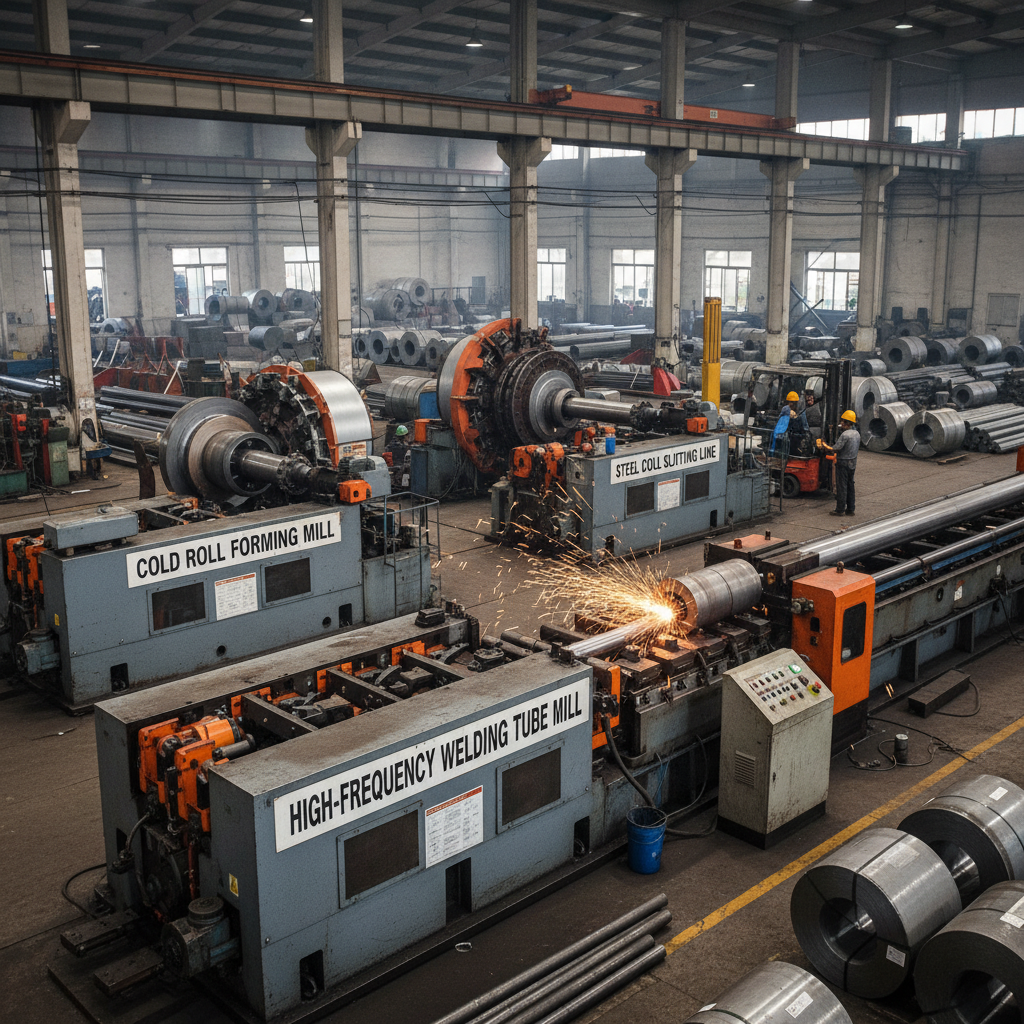
You know, lately, everyone's talking about automation, right? Steel pipe making machines aren't immune. It's all about faster production, less manpower…which, honestly, sounds good on paper. But after years crawling around construction sites, I’ve learned things aren’t always as neat as the brochures make them out to be. And finding a reliable steel pipe making machine supplier? That’s half the battle.
The demand is crazy, especially from Southeast Asia. Infrastructure projects popping up everywhere. But a lot of these suppliers…well, they cut corners. I've seen machines built with subpar steel that just feel wrong when you touch them, you know? Like it'll warp after a few months. That smell of cheap welding…ugh. And the tolerances? Forget about it. Everything's out of whack.
I swear, 90% of the problems boil down to design flaws. People get too clever. They try to pack too much functionality into one machine, and it just becomes a maintenance nightmare. Simple, robust design. That’s what works. That's what I always tell folks. It's a good starting point to find a reliable steel pipe making machine supplier.
To be honest, the biggest trend I've noticed is everyone wanting higher output. They want more pipes, faster. But they forget about quality. I was at a factory in Tianjin last month, and they’d upgraded their line with a machine from a ‘discount’ steel pipe making machine supplier, and the scrap rate was through the roof. The pipes were consistently oval, the welds were weak… it was a mess.
A common pitfall? Ignoring the foundation. These machines are heavy! You can't just plop them down on any old concrete slab. You need proper leveling, vibration dampening… Otherwise, you're asking for trouble. I've seen machines literally shake themselves apart.
Beyond just price, you need to look at reputation, experience, after-sales service, and the quality of their components. Check their references. Visit their factory. Talk to their existing customers. Don't just take their word for it. A good steel pipe making machine supplier will be happy to provide this information. And remember, cheap isn't always best. You get what you pay for, usually.
Critical. Absolutely critical. These machines have a lot of moving parts, and they're subject to a lot of stress. Regular lubrication, filter changes, and inspections are essential. Develop a maintenance schedule and stick to it. A little preventative maintenance can save you a lot of downtime and repair costs in the long run. I’ve seen machines shut down for days because of a simple clogged filter.
Most machines can handle carbon steel, stainless steel, and galvanized steel. But the specific types and thicknesses will vary depending on the machine's capabilities. Be sure to specify your requirements to the supplier upfront. And don't try to push the machine beyond its limits. It'll just lead to problems. They can usually customize to handle different steel types if you request.
Lead times can vary significantly, depending on the supplier, the complexity of the machine, and current demand. Generally, you can expect a lead time of anywhere from 3 to 6 months. It’s also wise to factor in time for installation and commissioning. Don’t assume it will be up and running the day it arrives. I always recommend adding at least a week for setup.
Safety should be a top priority. Look for features like emergency stop buttons, safety guards, and interlock systems. Ensure the machine meets relevant safety standards. And train your operators thoroughly on safe operating procedures. It's better to be safe than sorry. These things can be dangerous if not handled correctly.
First, consult the operator's manual. Second, contact the steel pipe making machine supplier’s technical support team. Document everything – the problem, the troubleshooting steps you've taken, and any communication with the supplier. And be patient. Troubleshooting can take time. And if the supplier is unresponsive, well, that's a red flag.
So, to wrap things up, investing in a steel pipe making machine is a big decision. It requires careful consideration of your needs, your budget, and the reliability of the steel pipe making machine supplier. It's not just about the machine itself; it's about the entire ecosystem – the materials, the training, the maintenance, the support.
Ultimately, whether this thing works or not, the worker will know the moment he tightens the screw. You can have the fanciest machine in the world, but if it’s not built right, if it’s not properly maintained, or if the operator doesn't know what he's doing, it's all for nothing. And that’s the honest truth.

Send a Message
Dear customer, thank you for your attention! We provide high-quality machinery and equipment and look forward to your orders. Please inform us of your needs and we will respond quickly!