You know, I've been running around construction sites all year, getting my hands dirty, and honestly, the biggest trend I’m seeing right now is everyone wanting things faster and lighter. It used to be all about brute force and heavy steel, but now? It’s about efficiency. Everyone's chasing that sweet spot – strength without the backache. And it’s not just about speed, it's about reducing waste. The higher-ups are really pushing for sustainability. They talk a big game, of course, but seeing them actually follow through… well, that's another story.
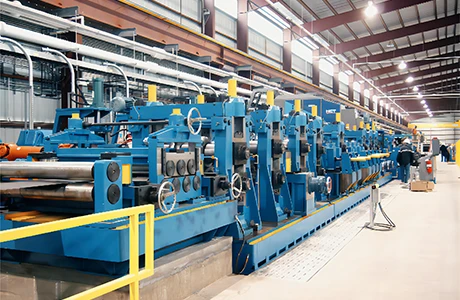
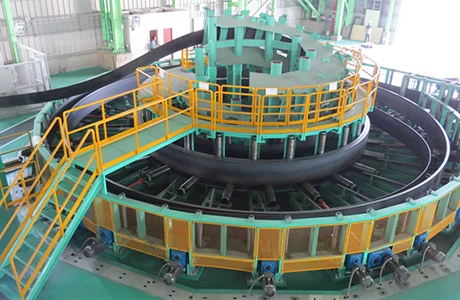
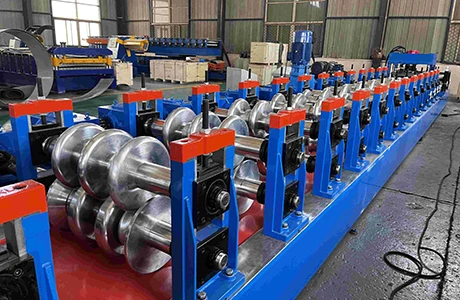
I’ve noticed this with cold roll forming machine manufacturers, they’re really stepping up their game. You get a lot of designs that look good on paper, but then you get on site and... yeah, it falls apart pretty quickly. Like, have you noticed how many machines have unnecessarily complex gearboxes? They look fancy in the catalog, but they’re a nightmare to maintain. And the lubrication points? Forget about it. You’re spending half your day just greasing things. It's frustrating, honestly.
Speaking of frustrating, the materials... now there’s a rabbit hole. We’re using a lot more high-strength steel these days, obviously. It smells different, you can tell – a bit more metallic, less… oily? Hard to explain. And the aluminum alloys, they’re getting trickier. You gotta wear gloves because some of those finishes are seriously irritating. But the important thing is how they feel. Is it going to hold up to the vibrations? Is it going to resist corrosion? You can't judge a material by its datasheet alone.
The Current Landscape of cold roll forming machine manufacturers
To be honest, the market's flooded with manufacturers. Some are doing things right, some… not so much. A lot of them are focusing on automation, which is good, but they forget that automation doesn’t replace skilled operators. You still need someone who understands the process, someone who can troubleshoot when things go wrong. And they will go wrong.
What I'm seeing is a move towards more specialized machines. People aren't just looking for a generic roll former anymore; they want something tailored to their specific needs. Which is good, but it also means more complexity. More moving parts, more potential failure points. It’s a trade-off, always a trade-off.
Common Design Pitfalls in cold roll forming machine manufacturers
Strangely enough, one of the biggest mistakes I see is over-engineering. They try to make things too complicated, too precise. You’re building a machine to bend metal, not launch a rocket! Keep it simple, keep it robust. I encountered this at a factory in Tianjin last time, they had this machine with a ridiculous number of sensors and control systems. It was supposed to be cutting-edge, but it spent more time in the repair shop than actually forming profiles.
Another thing is neglecting the ergonomics. The guys operating these machines are on their feet all day, doing repetitive motions. If the machine isn’t designed with their comfort in mind, you’re going to have injuries, slowdowns, and unhappy workers. Simple things, like the height of the controls, the placement of the material feed, make a huge difference.
And the access panels! Why do they always make them so hard to open? You need to be able to get to the critical components quickly and easily for maintenance. I swear, sometimes it feels like they’re deliberately trying to make things difficult.
Material Insights for cold roll forming machine manufacturers
We are relying heavily on high-strength low-alloy steels for most applications. They’re a good balance of cost and performance, but you’ve gotta be careful with the welding. Get the process wrong, and you’ll end up with brittle joints. And the surface finish matters. Rust is the enemy, always.
Then there's aluminum. Lightweight, corrosion-resistant… sounds great, right? But it’s a pain to work with. It’s soft, it’s gummy, and it wears out the tooling faster. Plus, the finishes can be tricky. Some of those anodized coatings peel off if you look at them wrong. You really have to know what you’re doing.
And don’t even get me started on the zinc coatings. They're essential for corrosion protection, but they release fumes when you’re forming. You need proper ventilation, otherwise, you’re gonna have a whole lot of sick workers. Anyway, I think quality control of the base metal is absolutely critical. You can have the best machine in the world, but if the material is bad, you're sunk.
Real-World Testing of cold roll forming machine manufacturers
The lab tests are important, sure, but they don’t tell the whole story. I prefer to see how these machines perform in a real-world environment. We put them through the wringer – long runs, varying material thicknesses, different profile shapes.
We also subject them to vibration tests. Simulate the conditions they’ll encounter on a construction site. Because let’s face it, these machines aren’t going to be sitting in a climate-controlled room all day. They’re going to be exposed to dust, dirt, and temperature extremes. And the guys aren’t going to baby them. They’re going to push them to their limits.
Testing Parameters for cold roll forming machine manufacturers
User Applications and Misconceptions of cold roll forming machine manufacturers
People think these machines are just for making structural components, like studs and tracks. And they are, but they can do so much more. I’ve seen them used for everything from solar panel frames to furniture components. It really depends on the creativity of the operator and the capabilities of the machine.
But here’s a misconception: they think you can just throw any material in there and get a perfect profile. It doesn’t work that way. Material properties, thickness, and the desired profile shape all play a role. You need to understand the process and adjust the settings accordingly. Otherwise, you’ll end up with warped or distorted parts.
Advantages and Disadvantages of cold roll forming machine manufacturers
The big advantage, obviously, is cost. Compared to hot rolling or extrusion, cold roll forming is much cheaper, especially for high-volume production. Plus, it produces parts with tight tolerances and a good surface finish. But it’s not without its drawbacks.
The tooling costs can be significant, especially for complex profiles. And the process is limited to relatively thin materials. You can't cold roll form a thick steel plate. Also, the material work hardens during the process, which can reduce its ductility. It’s all about finding the right balance.
Customization Options for cold roll forming machine manufacturers
We had a client, a small smart home device maker in Shenzhen, last month. Really sharp guy. He insisted on changing the interface to , even though it wasn't necessary for the application. I told him it would add complexity and cost, but he was adamant. “It’s the future!” he said. Well, it turned out the connector was interfering with the grounding, and they had to redesign the entire enclosure. Cost them a fortune.
But generally, customization is a good thing. We can adjust the roll tooling to create a wide variety of profiles. We can also add features like automated cut-to-length systems, in-line punching, and even welding capabilities. It all depends on what the customer needs.
We even did one project where we integrated a laser marking system into the roll forming line, so the parts were automatically labeled as they came off the machine. That saved the customer a ton of labor.
Summary of Key Customization Parameters for cold roll forming machine manufacturers
| Profile Shape |
Material Type |
Automation Level |
Additional Features |
| Custom Profile Design |
Steel, Aluminum, Stainless Steel |
Manual, Semi-Automatic, Fully Automatic |
Cut-to-Length, Punching, Welding |
| Adjustable Profile Height |
Gauge Range (Thickness) |
PLC Control System |
Laser Marking, Inline Inspection |
| Complex Geometries Support |
Pre-Coated Materials |
Remote Monitoring Capabilities |
Roll Tooling Material (Hardness) |
| Variable Bend Radii |
High-Strength Alloys |
Data Logging & Analytics |
Automated Lubrication System |
| Profile Symmetry Control |
Corrosion-Resistant Coatings |
Safety Interlock Systems |
Custom Part Handling Solutions |
| Multi-Profile Capability |
Recycled Materials Compatibility |
Energy Efficiency Optimization |
Quick Changeover Tooling |
FAQS
That depends, honestly. A simple profile change might take a week or two, but a completely new machine with custom tooling? That’s looking at 8-12 weeks, sometimes longer. It all boils down to the complexity of the design and the availability of materials. We try to be realistic with our timelines, but things always pop up. Unexpected material delays, tooling issues... it’s just the nature of the beast.
Regular lubrication is key. You’ve got to keep those bearings and gears well-greased. Also, check the tooling regularly for wear and tear. Replace worn dies and rollers as needed. And don't forget to clean the machine! Dust and debris can cause all sorts of problems. A good preventative maintenance schedule will save you a lot of headaches down the road.
We primarily work with steel – carbon steel, high-strength low-alloy steel – but we also handle aluminum, stainless steel, and even some galvanized materials. The key is the material’s ductility. It needs to be able to bend and form without cracking or fracturing. We can help you determine if your material is suitable for cold roll forming.
Typically, we work with materials ranging from 0.5mm to 3mm in thickness. Below 0.5mm it's hard to get good form, and above 3mm the forces required become prohibitively high. That said, we've handled some exceptions, but it really depends on the profile shape and the material properties.
Look for things like light curtains, emergency stop buttons, and proper guarding around moving parts. A good machine will also have interlocks that prevent operation if the guards are not in place. Safety is paramount. You don't want anyone getting hurt. And make sure your operators are properly trained in safe operating procedures.
Cold roll forming generally offers very tight tolerances – we’re talking +/- 0.1mm or better in many cases. It's more accurate than processes like stamping or bending. But it’s not perfect. There’s always some variation, especially with complex profiles. It's important to understand the limitations and adjust your designs accordingly.
Conclusion
Ultimately, cold roll forming machine manufacturers are a fascinating blend of engineering and craftsmanship. It's not just about building a machine; it's about understanding the materials, the process, and the needs of the end user. It's about finding that sweet spot between cost, performance, and reliability. It's a lot more complex than people think.
And let's be real, all the fancy simulations and calculations in the world don't matter if the machine doesn’t perform in the real world. Whether this thing works or not, the worker will know the moment he tightens the screw. That’s the ultimate test. If you’re looking for a cold roll forming machine manufacturer, visit our website: www.aistubemill.com

 Tel:86-15176910262