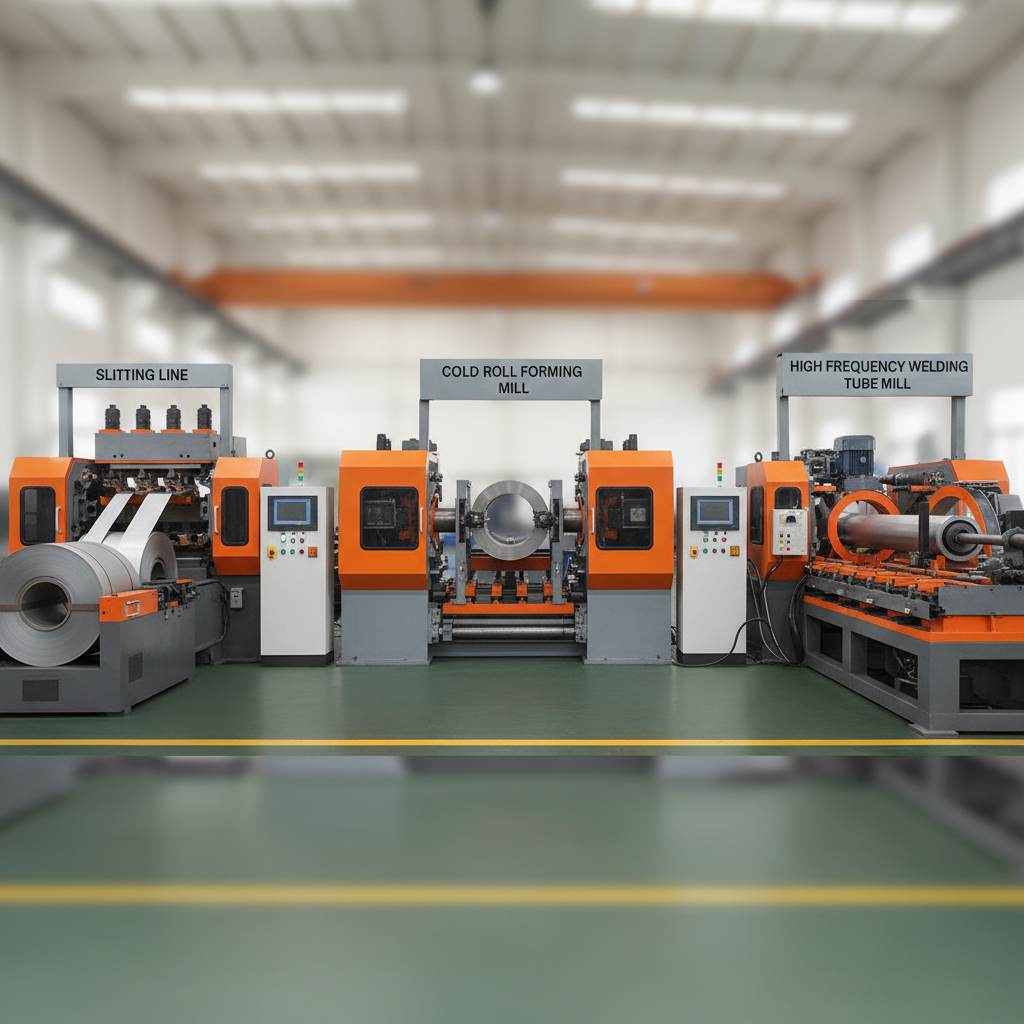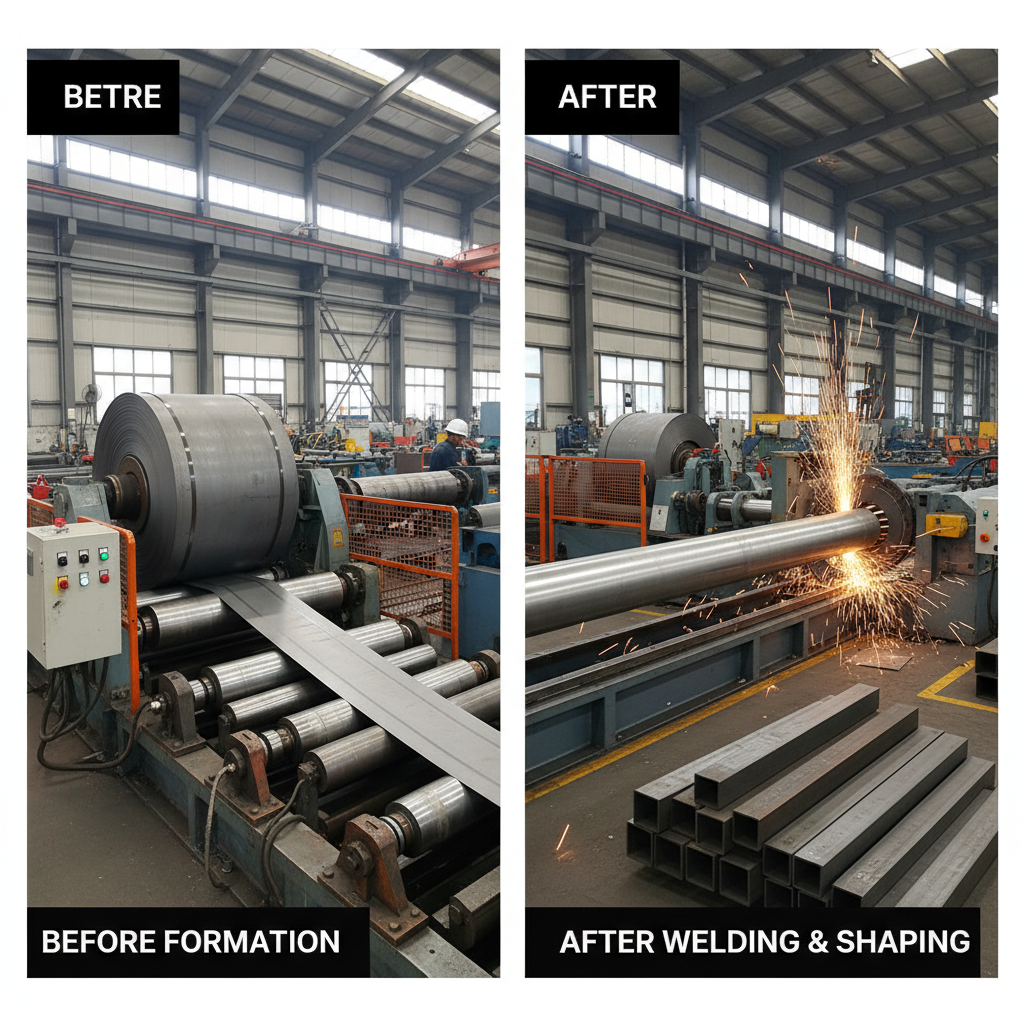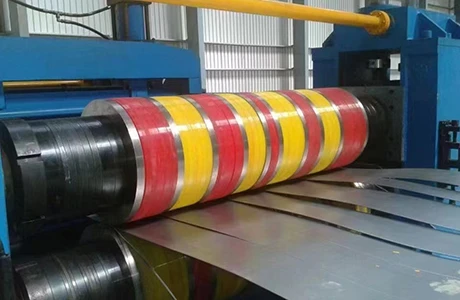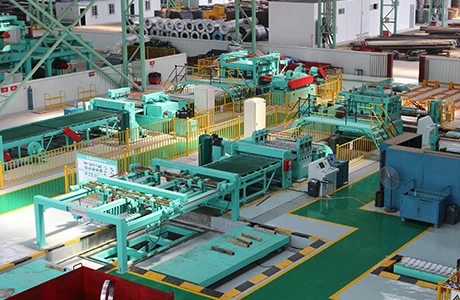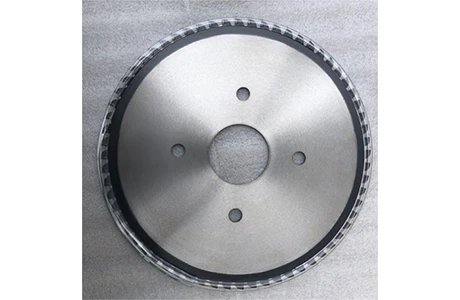
Look, I’ve been running around construction sites for fifteen years now, getting my hands dirty with everything from rebar to roofing. And let me tell you, the whole cold roll forming game… it’s changed. It used to be all about simple profiles, basic stuff. Now everyone wants curves, complex shapes, custom everything. It’s… demanding. Frankly, a lot of folks don't realize just how demanding. You think designing a simple C-channel is easy? Try making it out of high-strength steel, with a tight radius bend, and a precise hole pattern. It's not.
What's trending right now? Definitely thinner gauges of steel, trying to shave weight and cost. Which, you know, is fine… in theory. But then you're dealing with increased springback, more potential for distortion during welding. And everyone's obsessed with automation. They want machines that can switch between profiles on the fly, handle different materials. But that comes with its own set of headaches - alignment, tooling changes, software glitches… it never ends.
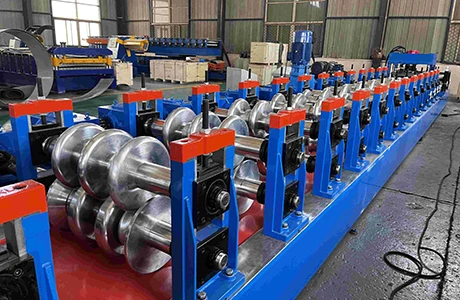
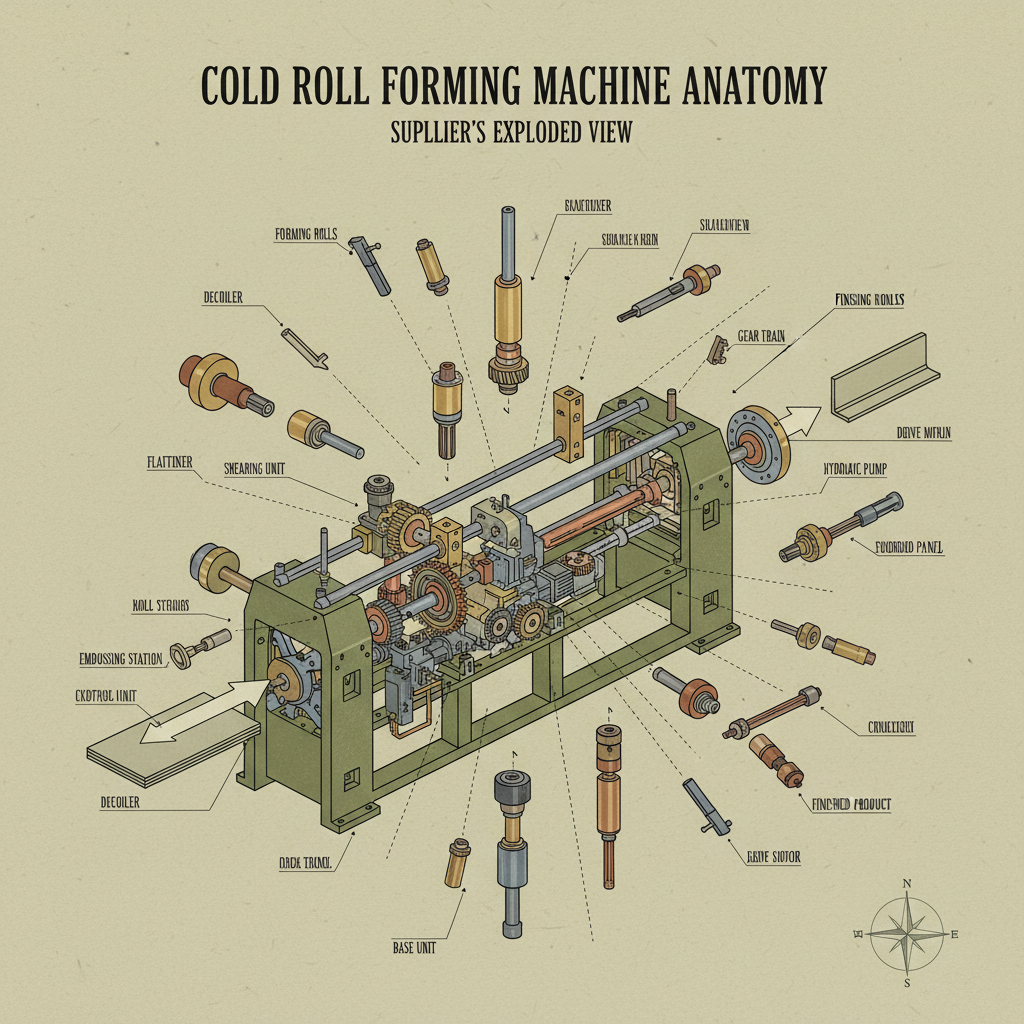
To be honest, I see a lot of designs that look great on paper but are a nightmare to actually build. Like, someone will specify a profile with a really sharp internal corner. Have you noticed how steel behaves? It wants to round out, to relieve stress. That corner will crack, guaranteed. Or they'll try to cut costs by using a lower-quality uncoiler. Big mistake. Uneven material feed throws everything off, ruins the whole run. It's like trying to build a house on sand.
The Current Landscape of cold roll forming machine suppliers
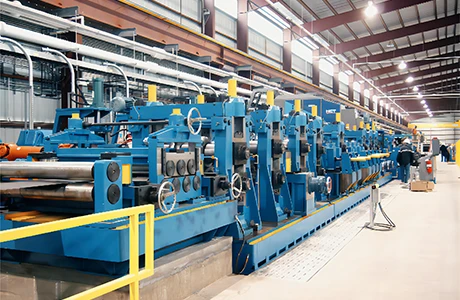
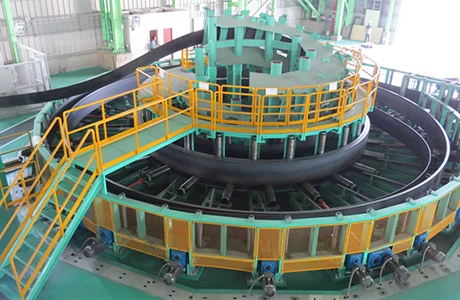
The market for cold roll forming machine suppliers is booming, no doubt. Driven by infrastructure projects, the automotive industry, and increasingly, the renewable energy sector. I encountered this at a factory in Tianjin last time – they were building massive towers for wind turbines, using some seriously heavy-duty roll forming equipment. But it’s also becoming more competitive, with suppliers popping up all over, especially in China. It’s not enough to just sell a machine anymore; you need to offer ongoing support, tooling, and expertise. Strangely, a lot of them skimp on the after-sales service.
The big players, the German and Italian companies, they've been in the game for decades. They build robust, reliable machines, but they’re expensive. Then you've got the Chinese manufacturers, who are getting better all the time, offering comparable quality at a lower price point. But quality control can be… inconsistent. You really need to do your due diligence, inspect the machines thoroughly before you buy.
Common Design Pitfalls in cold roll forming machine suppliers
Look, I’ve seen too many designs that are just… ambitious. Like, someone tries to create a profile with a super tight bend radius, without considering the material properties or the limitations of the roll forming process. It's frustrating, because it's avoidable. Then they complain when the machine struggles, or the profile is out of tolerance. I've seen a lot of trouble with hat sections, particularly the transitions between the flanges and the web. If it's not designed right, you'll get wrinkling or buckling.
Another common mistake is not accounting for springback. Steel has a memory, right? It wants to return to its original shape. So, you have to overbend the material slightly to compensate. If you don't, your final profile will be undersized. And don’t even get me started on hole placement. Too close to a bend, and the hole will distort. Too far, and you’ll weaken the profile. It’s a balancing act, and it requires experience.
Anyway, I think one of the biggest issues is a lack of communication between the designer, the engineer, and the fabricator. They all need to be on the same page, understanding the constraints and capabilities of the roll forming process. Otherwise, you're just setting yourself up for failure.
Material Selection and Handling for cold roll forming machine suppliers
Material… that’s huge. You’ve got your standard mild steel, obviously. Feels… familiar, smells like metal shavings. Then you've got high-strength low-alloy steels, which are tougher, require more force to form, and are a pain to weld if you’re not careful. And then there's galvanized steel, which smells a bit like… well, zinc, I guess. You gotta be careful with that stuff, the dust is nasty for your lungs.
Handling is critical. You want your coils to be clean, free of rust and debris. A little surface dirt is okay, but anything major will scratch the rolls and affect the finish. And you need to store the coils properly, protected from the elements. Leaving them out in the rain is just asking for trouble. I've seen coils that have been sitting outside for weeks, completely covered in rust. It's heartbreaking.
To be honest, the feel of the steel tells you a lot. Is it smooth? Is it oily? Is it pitted? You learn to trust your instincts after a while. You can tell a good coil from a bad one just by running your hand over it. Later… Forget it, I won’t mention the time I misjudged a coil and ruined a whole production run.
Real-World Testing and Quality Control of cold roll forming machine suppliers
Lab tests are fine, but nothing beats real-world testing. We’ll take a sample profile and bend it, stretch it, twist it, until it breaks. See how it behaves under stress. It's not pretty, but it's necessary. We also do a lot of weld testing. Gotta make sure the welds are strong enough to hold up.
And quality control isn’t just about checking the dimensions. It’s about looking for surface defects, like scratches or dents. It’s about ensuring the finish is consistent. It’s about making sure the profile meets the customer’s specifications. It's surprisingly manual, a lot of visual inspection.
Quality Control Checklists for cold roll forming machine suppliers
Practical Applications and User Behavior of cold roll forming machine suppliers
People use these profiles for everything. Roofing, siding, structural support, furniture frames, you name it. But how they actually use them is often different from what the engineers intended. I've seen guys cut corners, modify designs on the fly, weld things in ways that make me cringe. It's a testament to the versatility of the material, but also a bit scary.
I think one of the biggest trends is the demand for lightweight, high-strength profiles for the automotive industry. They're using cold roll forming to make everything from chassis components to safety cages. It's all about fuel efficiency and crashworthiness.
Advantages and Disadvantages of cold roll forming machine suppliers
Advantages? Cost-effective for high-volume production. Strong, durable profiles. Design flexibility. Relatively low material waste. You can get a lot of bang for your buck.
Disadvantages? It's not ideal for short runs. Tooling changes can be expensive and time-consuming. Complex shapes can be challenging to produce. And let’s be real, it’s not as strong as hot-rolled steel. Don't ask me to build a bridge out of cold-formed profiles.
But hey, nothing’s perfect, right? It’s about finding the right balance between cost, performance, and manufacturability.
Customization Options and Case Studies for cold roll forming machine suppliers
Customization is huge. Last month, that small boss in Shenzhen who makes smart home devices insisted on changing the interface to , and the result was a two-week delay and a whole lot of wasted tooling. He wanted a cleaner look, apparently. Sometimes, clients don't realize the implications of even minor changes.
We also did a project for a company that makes agricultural equipment. They needed a custom profile for a new type of planter. It had to be incredibly strong, yet lightweight. We ended up using a high-strength steel and a special roll forming process to achieve the desired properties. It was challenging, but we got it done.
You can customize everything from the shape of the profile to the material grade to the finish. The possibilities are endless. But remember, customization comes at a cost.
Comparative Analysis of Cold Roll Forming Machine Suppliers (Based on Recent Projects)
| Supplier Location |
Machine Price Range (USD) |
Technical Support Quality (1-10) |
Delivery Time (Weeks) |
| Germany |
$250,000 - $500,000 |
9 |
16 |
| Italy |
$200,000 - $400,000 |
8 |
14 |
| China (Tier 1) |
$100,000 - $250,000 |
7 |
10 |
| China (Tier 2) |
$50,000 - $150,000 |
6 |
8 |
| Turkey |
$120,000 - $280,000 |
7 |
12 |
| India |
$70,000 - $180,000 |
5 |
9 |
FAQS
That depends, really. If it's a well-maintained, high-quality machine, you can get 20 years or more out of it. But if it's cheap and poorly built, you're looking at maybe 5-10 years before it starts having serious problems. Lubrication is key, and keeping an eye on the roll wear. Don't skimp on maintenance, or it'll bite you in the end.
We send our guys to Germany for training with the machine manufacturers. They learn everything from basic operation to advanced troubleshooting. Plus, they spend a lot of time on-site, learning from experienced operators. It's a continuous process. You need to know how these things work inside and out to really keep them running smoothly.
Thicker material means slower speeds. It requires more force to bend, which puts more stress on the machine. You also have to be careful about avoiding wrinkles and buckles. It's a trade-off between speed and quality. You've gotta find the sweet spot, balancing both to get the best results.
Finding skilled labor, honestly. It's getting harder and harder to find guys who understand how these machines work and are willing to get their hands dirty. Everyone wants to sit in an office and push buttons. But you need someone who can diagnose problems, make repairs, and keep the line running. It's a real problem.
Absolutely. That’s what we do. We can design and build tooling to handle pretty much any profile you can imagine. But it’s not cheap, and it takes time. You'll need to provide us with detailed drawings and specifications, and we'll work with you to develop a solution that meets your needs. It requires a bit of back and forth, but usually, we get there.
Lead times can vary depending on the complexity of the project and our current workload. But generally, you're looking at 6-12 months for a fully customized line. Tooling can take a significant portion of that time, so it’s important to get your design finalized early. It's always better to plan ahead than to rush things at the last minute.
Conclusion
Ultimately, cold roll forming is a powerful and versatile process, but it's not a magic bullet. It requires careful planning, quality materials, skilled operators, and a healthy dose of common sense. It's about understanding the limitations of the process and working within those constraints. There's a lot of finesse involved.
And, honestly, whether this thing works or not, the worker will know the moment he tightens the screw. That’s the bottom line. If it feels right, it probably is. If it doesn’t… well, you’ve got a problem to solve. Check out our site at aistubemill.com for more info and to discuss your specific project needs.