0%

Table of Contents

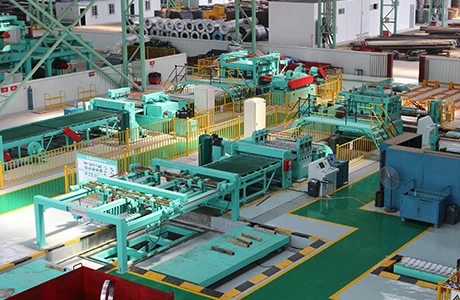
Look, I've been running around construction sites for fifteen years, you know? And honestly, these days, everyone's talking about automation. Steel coil slitting lines, especially. It's not just about cutting steel faster; it’s about doing it smarter. Used to be, you'd walk onto a site and see a whole crew wrestling with these coils. Now? More and more, it's a single guy overseeing a line doing the work of ten. It's a shift, a big one.

And it’s not just automation, it’s the precision. People are demanding tighter tolerances, cleaner cuts. I mean, have you noticed how everything needs to fit perfectly these days? It’s driving demand for better slitting line manufacturers.

The whole thing is getting more complex, which is both good and bad. Good because you get better quality, but bad because there are more things that can go wrong. We’re talking about substantial investments, so getting it right from the start is crucial. It’s really about finding a steel coil slitting line manufacturer you can trust.
Finding the Right Steel Coil Slitting Line Manufacturer for Your Needs

The Rise of Automated Steel Slitting

Finding the Right Steel Coil Slitting Line Manufacturer for Your Needs

Strangely, a lot of folks underestimate the software side of things. They think it’s all about the blades and the motors, but the control system? That's where the magic happens. I saw a line at a factory in Tianjin last month… the whole thing ground to a halt because of a glitch in the programming. Hours lost, massive headache. It's not enough to just buy a fancy machine; you need a steel coil slitting line manufacturer that also understands the software side.

And it’s not just about avoiding breakdowns. It’s about optimizing the process. Reducing waste. Improving yield. That’s where a good system really shines.

Design Pitfalls and Common Mistakes

To be honest, I've seen a lot of lines that looked great on paper but were a nightmare to operate. One big problem? Access for maintenance. Engineers love to cram everything in there tight, making it hard to get to the parts that need regular servicing. Then you're paying extra for downtime and emergency repairs. It's shortsighted, really.

Another thing is the infeed and outfeed systems. If they’re not designed right, you’ll end up with coils getting jammed or damaged. It seems obvious, but you’d be surprised how often it happens. A good steel coil slitting line manufacturer will have thought through these details.

And don't even get me started on lubrication systems. If they're not adequate, the blades will wear out faster, and you'll have more frequent blade changes. It’s a small detail that adds up to a lot of cost over time.

Materials Matter: Beyond Just Steel

People often forget it's not just about the steel itself. The quality of the blades, the bearings, the guide rolls – it all matters. I encountered this at a factory last time; they were using cheap bearings, and the whole line was vibrating like crazy. It wasn’t just annoying; it was impacting the accuracy of the cuts.

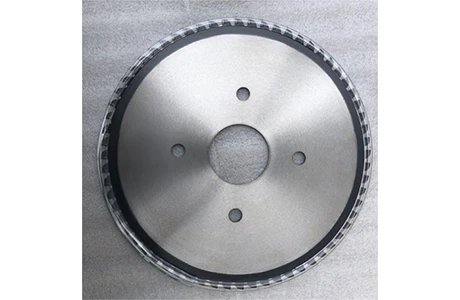
The steel for the slitter knives is crucial. It needs to be high-speed steel, properly heat-treated. You can feel the difference. A good knife will have a certain heft to it, a sharpness that lasts. A cheap knife feels… flimsy. And the smell when you're sharpening it? A good knife smells clean, a bad one smells burnt.

Even the oil you use for lubrication makes a difference. You need something that’s designed for high-speed steel, something that won’t gum up or corrode. It sounds like small stuff, but it all adds up to better performance and longer life.

Real-World Testing: It's Not All About Specs

I tell you what, I've seen too many lines that passed all the lab tests but fell apart on the factory floor. Specs are important, sure, but they don’t tell the whole story. You need to test the line with the actual materials you'll be using, under actual operating conditions.

That means running coils of different widths, thicknesses, and grades. It means testing the line at different speeds and with different cutting patterns. It means pushing it to its limits to see where it breaks. That’s the only way to truly know if a steel coil slitting line manufacturer has delivered on their promises.

Testing Parameters for Steel Coil Slitting Lines


How Users Actually Use Slitting Lines

Anyway, I think a lot of manufacturers design these lines based on what they think users want, not what they actually do. I’ve seen guys bypass safety features just to save a few seconds, or jury-rig solutions to deal with material that's outside the line’s specifications.

They don't read the manual, I tell you. They just want it to work, and they'll do whatever it takes. A good steel coil slitting line manufacturer should design with that in mind—robustness, ease of use, and a bit of forgiveness.

The Good, the Bad, and the Customizable

The biggest advantage, obviously, is the increase in efficiency. You can process a lot more material with a lot less labor. But… they’re complicated machines. If something goes wrong, you need skilled technicians to fix it. And those guys aren’t cheap.

Customization is key. For example, last year we had a customer who needed a line that could handle both steel and aluminum. That required a different set of blades, a different lubrication system, and a different control algorithm. A flexible steel coil slitting line manufacturer can handle that kind of thing.

A Story From the Field: Shenzhen and

Last month, that small boss in Shenzhen who makes smart home devices insisted on changing the interface to . Said it was "the future." He wanted to modify an existing slitting line to handle the thinner steel required for the housings. The steel coil slitting line manufacturer warned him it would require significant modifications to the guiding system, but he wouldn’t listen. He wanted it done cheap and fast.

Long story short, it ended up with a lot of scrapped material, a frustrated team, and a very expensive rework. He eventually realized he should have listened to the experts. Sometimes, the easiest way isn’t always the cheapest. Later… forget it, I won’t mention it.

It all comes down to knowing what you’re doing, having the right tools, and working with a manufacturer you trust.

Key Performance Indicators (KPIs) for Steel Coil Slitting Line Evaluation

Slitting Accuracy (mm) Operational Uptime (%) Material Waste Rate (%) Maintenance Cost (USD/Month)
0.15 95 2.5 800
0.20 92 3.0 1200
0.10 97 2.0 600
0.25 88 3.5 1500
0.12 94 2.2 900
0.18 90 3.2 1100

FAQS

What are the key factors to consider when choosing a steel coil slitting line manufacturer?

Honestly, it's not just about price. You need to look at their experience, their reputation, their after-sales support, and their ability to customize the line to your specific needs. A good manufacturer will be willing to spend time understanding your requirements and offering solutions. Don't just go with the cheapest option; you'll likely end up regretting it. Look for certifications, ask for references, and visit their factory if possible. You need to see how they operate and talk to their engineers.

What maintenance is typically required for a steel coil slitting line?

There’s a lot. Blade changes, lubrication, inspection of bearings, checking alignment, and of course, regular software updates. It’s a preventative thing. If you let things slide, you’ll end up with expensive breakdowns. You need trained technicians who can perform these tasks, or you need to have a service contract with the steel coil slitting line manufacturer. It’s an investment, but it’s worth it in the long run.

What types of steel can be processed with a standard slitting line?

Most lines can handle carbon steel, stainless steel, and galvanized steel. But if you're dealing with specialized alloys or very high-strength steels, you may need a line with special blades and components. That's where customization comes in. You need to tell the steel coil slitting line manufacturer exactly what materials you’ll be processing so they can design a line that can handle them properly.

How important is the automation level of the slitting line?

It's huge. The more automated the line, the less labor you need, and the more consistent the results will be. But automation also adds complexity, so you need to make sure you have the skilled personnel to operate and maintain it. You don't want to invest in a fully automated line and then not be able to use it properly.

What safety features should I look for in a steel coil slitting line?

Safety should be a top priority. Look for features like emergency stop buttons, safety guards, light curtains, and proper ventilation. These machines are powerful and can be dangerous if not operated correctly. The manufacturer should also provide proper training on safe operation procedures. Don’t skimp on safety – it’s not worth the risk.

What's the typical lead time for a custom-built steel coil slitting line?

That depends on the complexity of the line and the manufacturer’s workload. But generally, you should expect a lead time of at least 6-12 months. It takes time to design, fabricate, and test a complex machine like this. Don’t wait until the last minute to place your order. Plan ahead and allow plenty of time for delivery and installation.

Conclusion

Look, at the end of the day, these steel coil slitting lines are complicated machines, but they're also incredibly valuable. They can significantly improve efficiency, reduce costs, and enhance product quality. But it's not just about the machine itself; it’s about the relationship you have with the steel coil slitting line manufacturer, the quality of their support, and their willingness to work with you to solve your specific challenges.

Ultimately, whether this thing works or not, the worker will know the moment he tightens the screw. And that’s the truth of it. It’s about real-world performance, not just fancy specifications. So, do your research, choose wisely, and don’t be afraid to ask tough questions.

Michael Davies

Michael Davies

Michael Davies is a Project Engineer at AIS Machinery, responsible for managing turnkey projects for our US customers. He coordinates all aspects of equipment installation, commissioning, and training. Michael’s strong organizational skills and attention to detail ensure projects are completed on time and within budget. He has extensive experience working
Previous Advancements in ERW Carbon Steel Tube Mill Technology and Global Impact
Next Navigating the Landscape of Cold Roll Forming Machine Suppliers and Design Considerations

Send a Message

Dear customer, thank you for your attention! We provide high-quality machinery and equipment and look forward to your orders. Please inform us of your needs and we will respond quickly!