The global demand for durable and efficient steel tubing drives significant innovation in the erw carbon steel tube mill industry. These mills are crucial for producing the components that underpin vital infrastructure projects worldwide, from pipelines transporting essential resources to structural elements in buildings and vehicles. Understanding the capabilities and advancements in erw carbon steel tube mill technology is paramount for engineers, manufacturers, and policymakers seeking robust and cost-effective material solutions.
The erw (Electric Resistance Welded) carbon steel tube mill represents a cornerstone of modern manufacturing. Its ability to produce high-quality, consistent steel tubes in a variety of sizes and thicknesses makes it indispensable across numerous sectors. Globally, increasing urbanization and infrastructure development, particularly in emerging economies, are fueling the need for reliable steel tube supply chains, placing considerable importance on efficient and scalable erw carbon steel tube mill operations.
Investing in and understanding advancements in erw carbon steel tube mill technology translates to improved project efficiency, reduced material waste, and enhanced structural integrity. This makes it a critical area of focus for anyone involved in construction, energy, automotive, or any industry reliant on strong, dependable steel tubing.
The Fundamentals of erw carbon steel tube mill
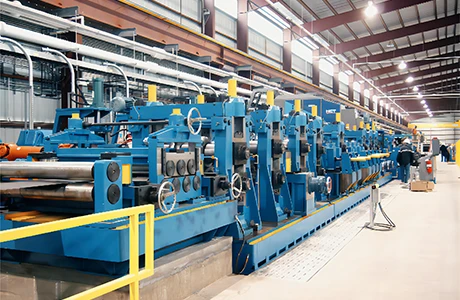
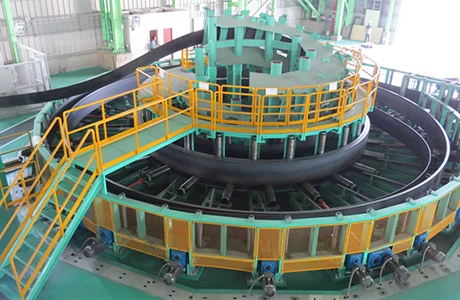
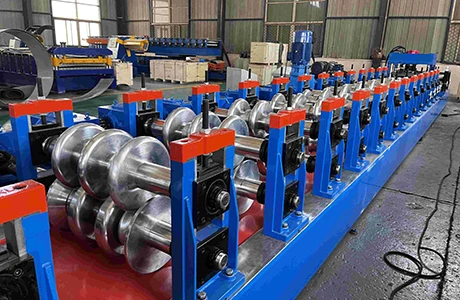
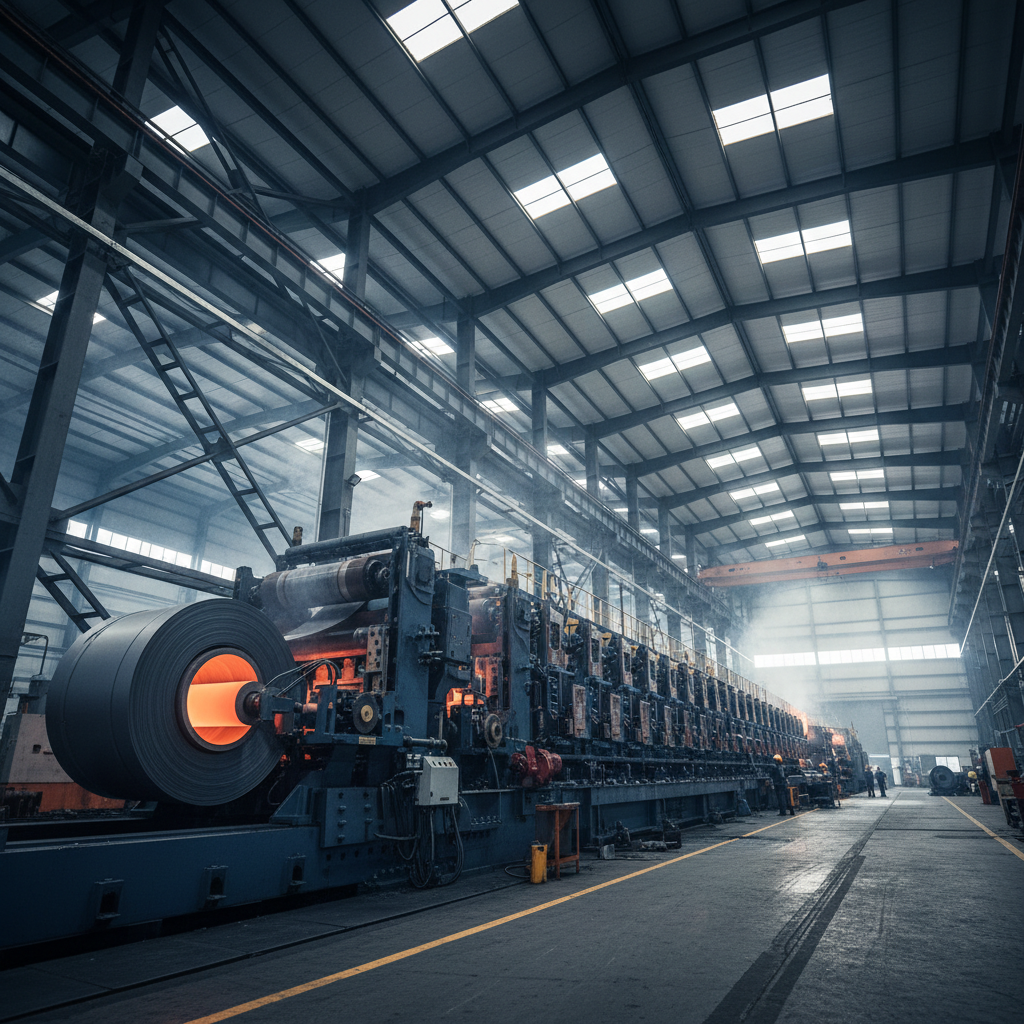
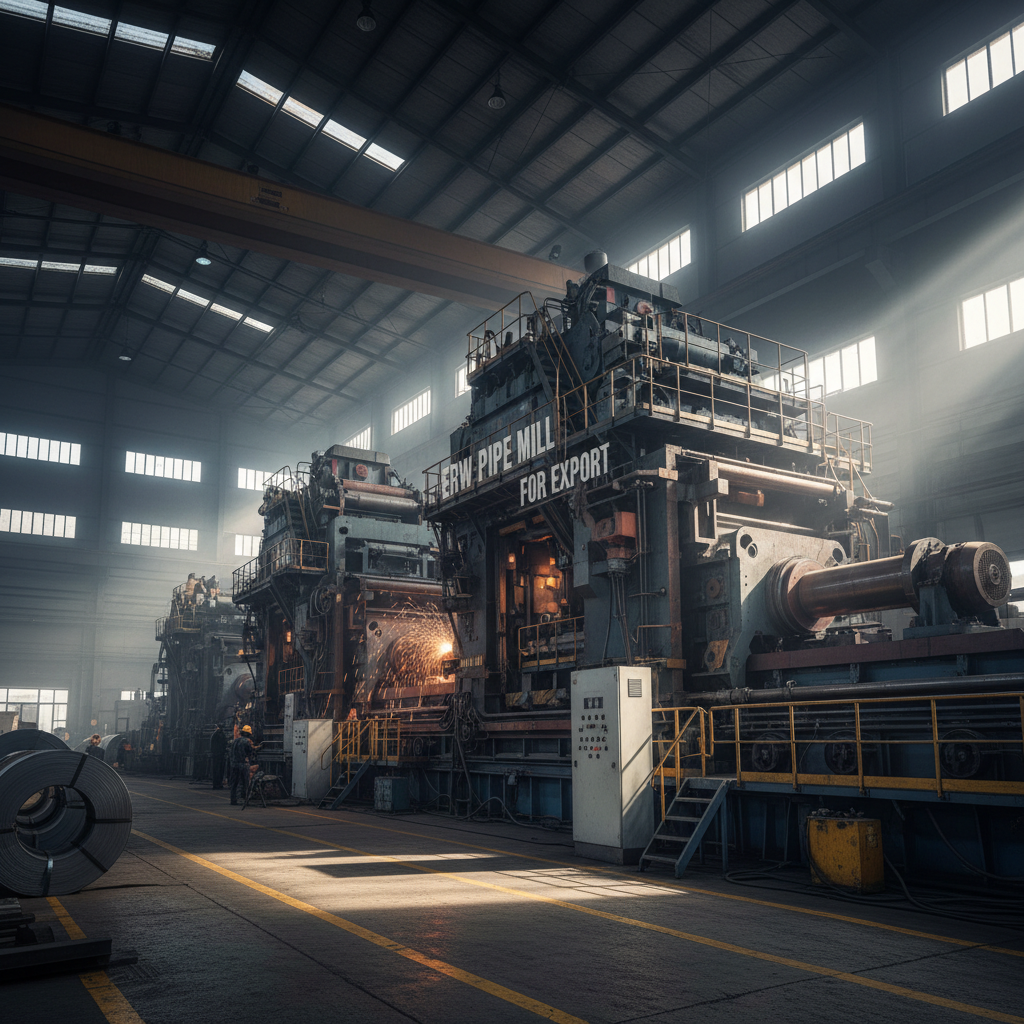
The erw carbon steel tube mill process begins with flat steel coils, which are progressively formed into tubes. This forming process relies on precise rollers and shaping dies, ensuring dimensional accuracy. The key differentiating factor is the utilization of electric resistance welding, where heat is generated by the passage of an electric current through the edges of the steel as they are pressed together, creating a strong and seamless weld.
This process offers distinct advantages over other welding techniques, notably its high speed, consistent quality, and the ability to produce tubes with varying diameters and wall thicknesses. Modern erw carbon steel tube mill lines are highly automated, integrating quality control systems that monitor and adjust parameters throughout the process to ensure adherence to stringent industry standards.
Global Relevance and Industry Impact
The demand for erw carbon steel tube mill products is intrinsically linked to global infrastructure development. The United Nations reports substantial projected growth in urbanization over the next several decades, creating a massive need for steel tubing in construction, water and gas pipelines, and transportation networks. Regions experiencing rapid economic growth, such as Southeast Asia and Africa, are particularly driving this demand.
Furthermore, the energy sector's expansion, with increased investment in oil and gas pipelines and renewable energy infrastructure (wind towers, solar panel support structures), relies heavily on high-quality steel tubes produced by these mills. According to the World Steel Association, steel demand in the energy sector remains robust despite fluctuations in commodity prices.
The impact extends to the automotive industry, where steel tubes are used in chassis components, exhaust systems, and safety structures. As automotive production continues to rise globally, the demand for precision-engineered steel tubing from erw carbon steel tube mills will remain strong.
Defining erw carbon steel tube mill Technology
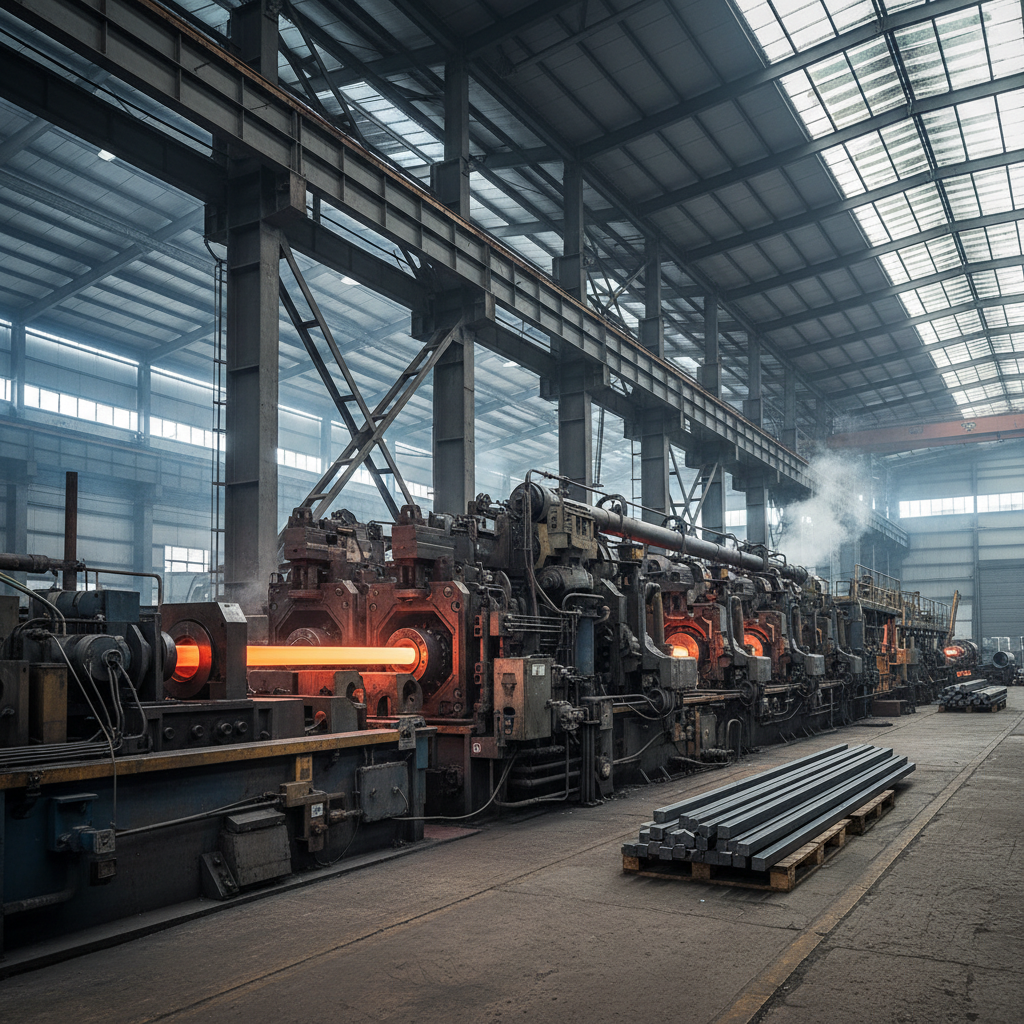
At its core, erw carbon steel tube mill technology is a continuous manufacturing process that transforms flat-rolled steel coils into welded tubes. This method distinguishes itself from seamless tube production, which relies on piercing solid billets. The process comprises several key stages: coil preparation, forming, welding, heat treatment, sizing, and finishing.
The electric resistance welding (ERW) process itself is the defining characteristic. High-frequency alternating current is passed through the edges of the steel strip as they are pressed together by forming rolls, generating intense heat that fuses the metal together. This creates a weld seam that, when properly executed, exhibits strength comparable to the base metal. Modern systems utilize sophisticated controls to manage current frequency, pressure, and speed for optimal weld quality.
The resulting tubes can be tailored to meet a wide range of specifications, including diameter, wall thickness, length, and material grade. Quality control measures, such as non-destructive testing (NDT) using ultrasonic or eddy current methods, are integral to verifying the integrity of the weld and ensuring compliance with industry standards.
Core Components and Operational Factors
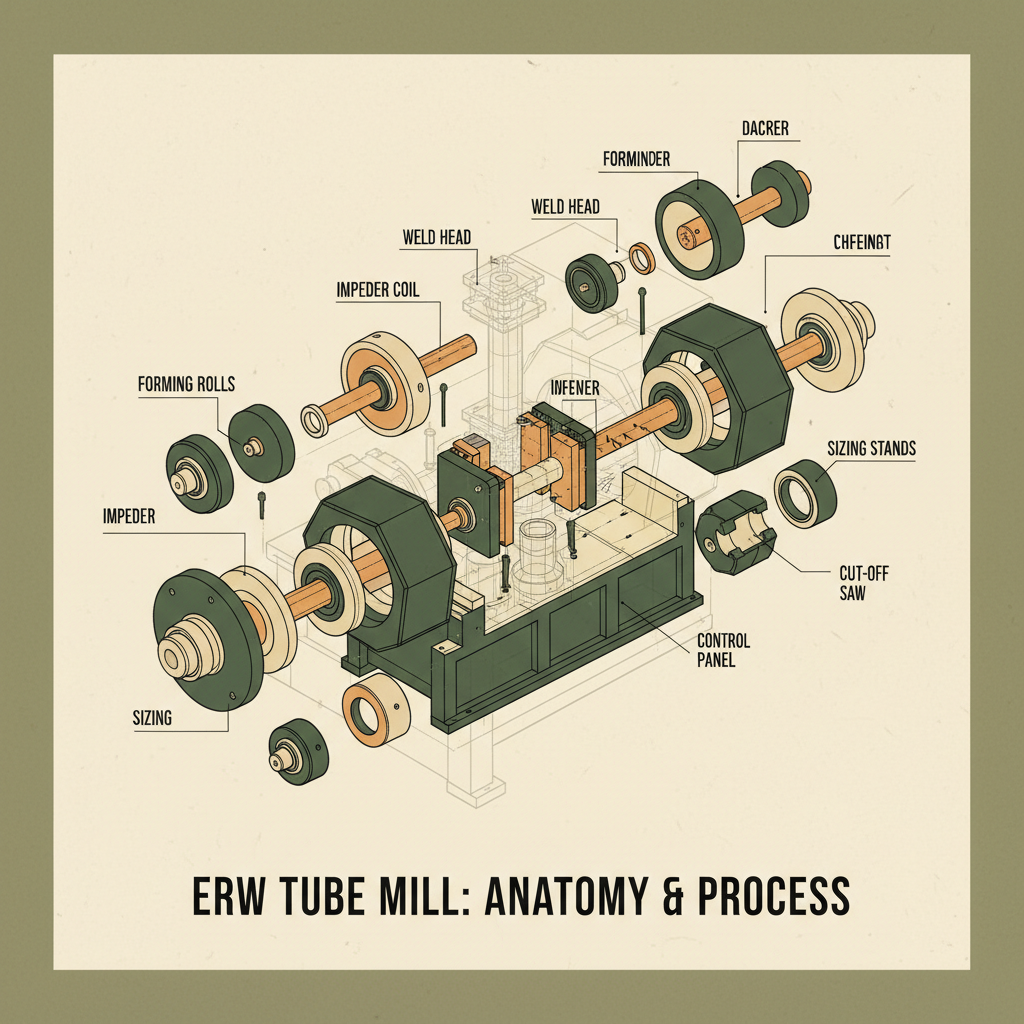
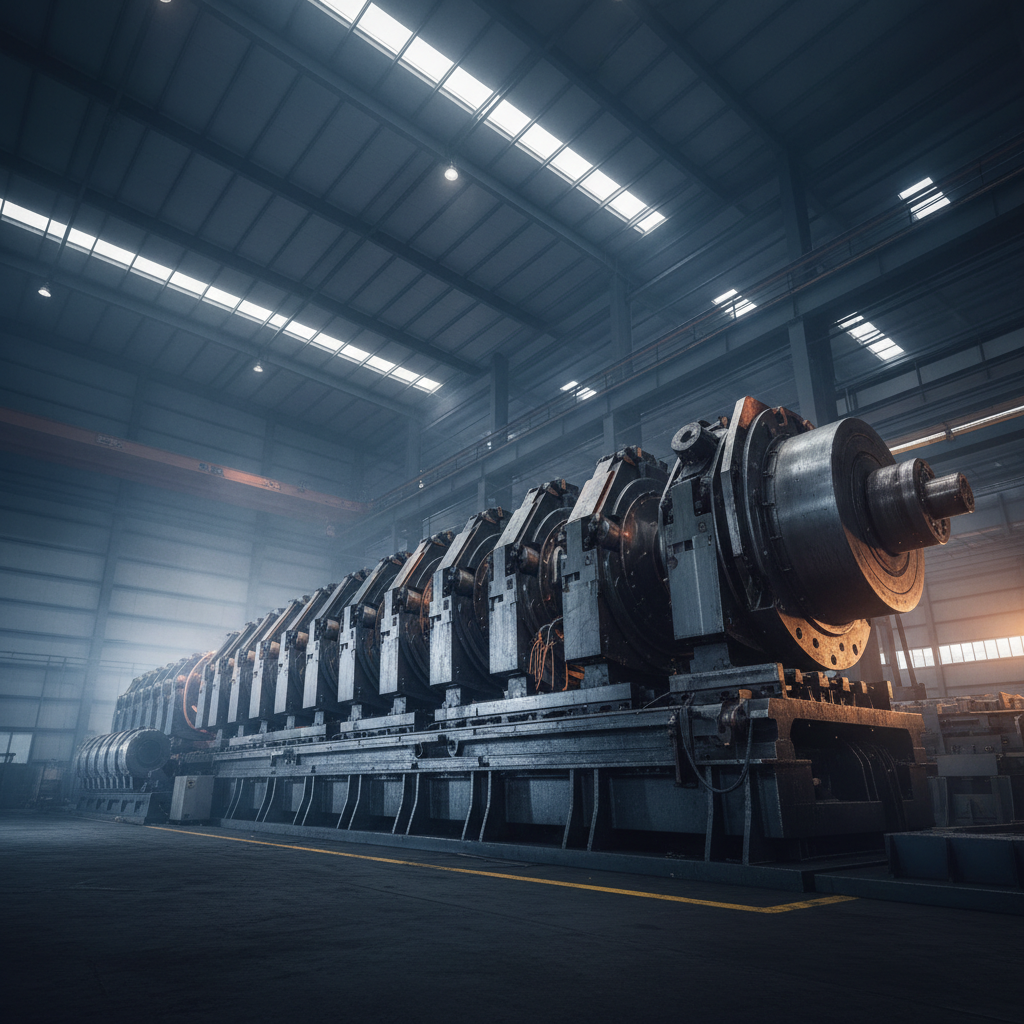
Several critical components underpin the functionality of an erw carbon steel tube mill. These include the uncoiler, which feeds the steel coil into the mill; the forming section, with its series of rollers that gradually shape the steel into a tube; the welding unit, employing high-frequency induction heating; and the sizing and straightening section, ensuring precise dimensions and straightness.
Operational factors play a significant role in determining the quality and efficiency of the process. These include the steel grade used, the coil thickness, welding parameters (current, frequency, pressure), line speed, and the maintenance schedule for critical components. Optimal control of these factors is essential for minimizing defects and maximizing production output.
Factors Affecting erw carbon steel tube mill Quality
Real-World Applications Across Industries
Erw carbon steel tube mill products find widespread application in the construction industry, serving as structural components in buildings, bridges, and scaffolding. Their strength, durability, and cost-effectiveness make them ideal for load-bearing applications. The oil and gas sector utilizes these tubes extensively in pipeline construction for transporting crude oil, natural gas, and refined petroleum products.
Automotive manufacturers rely on erw tubes for creating chassis components, exhaust systems, and safety cages, leveraging their ability to withstand stress and impact. In agriculture, they are used for irrigation systems, greenhouse structures, and fencing. Even in furniture manufacturing, steel tubing is a common material for creating durable and aesthetically pleasing frames.
Advantages and Long-Term Value Proposition
The primary advantage of erw carbon steel tube mill products lies in their cost-effectiveness. The process is generally less expensive than seamless tube manufacturing, making them a competitive choice for many applications. They also offer consistent dimensions, smooth surfaces, and high strength-to-weight ratios, contributing to efficient designs and reduced material consumption.
From a sustainability perspective, steel is highly recyclable, reducing environmental impact. The long-term reliability and durability of steel tubes minimize the need for frequent replacements, lowering life-cycle costs. Investing in high-quality erw carbon steel tube mill products ensures structural integrity, enhancing safety and reducing potential risks in critical applications.
Future Trends and Innovations in erw carbon steel tube mill
The future of erw carbon steel tube mill technology is centered around automation, digitalization, and sustainable practices. Advancements in sensor technology and machine learning are enabling real-time monitoring and control of welding parameters, leading to improved quality and reduced waste. Digital twins are being utilized to simulate the manufacturing process, optimizing parameters and predicting potential issues.
There's a growing focus on developing high-strength, low-alloy (HSLA) steel grades for erw carbon steel tube mill production, offering enhanced performance characteristics. Furthermore, research is underway to reduce energy consumption and carbon emissions in the manufacturing process, aligning with global sustainability goals. The integration of artificial intelligence (AI) for defect detection and predictive maintenance is also gaining traction.
The demand for tubes optimized for specific applications, such as those used in renewable energy projects (e.g., wind turbine towers), will drive further innovation in materials science and manufacturing techniques within the erw carbon steel tube mill industry.
Summary of Challenges and Potential Solutions in erw carbon steel tube mill
| Challenge |
Impact on erw carbon steel tube mill |
Potential Solution |
Implementation Cost (1-10) |
| Weld Defect Detection |
Compromises tube integrity and requires rework. |
AI-powered NDT systems for real-time defect identification. |
7 |
| Material Variation |
Inconsistent weld quality and potential for failure. |
Advanced material analysis and automated grade selection. |
6 |
| Energy Consumption |
High operating costs and environmental impact. |
Optimization of welding parameters and energy recovery systems. |
5 |
| Lack of Skilled Labor |
Difficulty maintaining and operating complex machinery. |
Comprehensive training programs and remote monitoring systems. |
8 |
| Process Optimization |
Suboptimal production rates and increased waste. |
Digital twin technology for process simulation and optimization. |
9 |
| Supply Chain Disruptions |
Delays in raw material delivery and production bottlenecks. |
Diversification of suppliers and robust inventory management. |
4 |
FAQS
Erw carbon steel tubes are widely used in construction for structural elements, in the oil and gas industry for pipelines, in automotive manufacturing for chassis components, and in various industrial applications requiring durable and cost-effective piping solutions. Their versatility and strength make them suitable for a broad spectrum of uses, from low-pressure fluid transport to high-load bearing structures.
The Electric Resistance Welding (ERW) process generates intense heat at the seam through electrical resistance, effectively forging the steel edges together. Modern ERW mills utilize precise control of current, pressure, and speed, ensuring a strong, consistent weld with mechanical properties comparable to the base metal. Quality control measures like ultrasonic testing confirm weld integrity.
Erw tubes generally offer a cost advantage over seamless tubes, especially for larger diameters. The ERW process is typically faster and more efficient, resulting in lower production costs. While seamless tubes excel in extremely high-pressure applications, erw tubes provide excellent strength and durability for a wide range of standard industrial and construction uses.
Common steel grades used in erw carbon steel tube mill production include A53, A106, and various grades of HSLA (High-Strength Low-Alloy) steel. The specific grade selected depends on the intended application and required mechanical properties, such as yield strength, tensile strength, and ductility.
Quality control inspections for erw tubes typically include visual inspections for surface defects, dimensional checks to ensure accurate size and shape, and non-destructive testing (NDT) methods like ultrasonic testing (UT) and eddy current testing (ET) to detect weld imperfections. These tests verify the integrity and reliability of the tubes.
Automation plays a crucial role in modern erw carbon steel tube mills, enhancing efficiency, consistency, and quality control. Automated systems control the uncoiling, forming, welding, and finishing processes, minimizing human error and optimizing production parameters. This leads to increased output and reduced manufacturing costs.
Conclusion
In conclusion, erw carbon steel tube mill technology remains a vital component of global infrastructure and manufacturing. Its ability to produce cost-effective, high-quality steel tubing has made it indispensable across numerous industries. Continued innovation in materials science, automation, and sustainability will further enhance its capabilities and relevance in the years to come.
Looking ahead, embracing digital transformation and prioritizing environmentally responsible practices will be critical for erw carbon steel tube mill manufacturers to maintain competitiveness and meet the evolving needs of a rapidly changing world. Investing in research and development, coupled with a commitment to workforce training, will ensure the continued advancement and success of this essential industry.

 Tel:86-15176910262