-
 Tel:86-15176910262
-

Search
 Tel:86-15176910262
Search
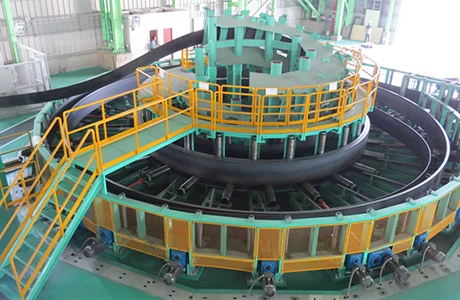
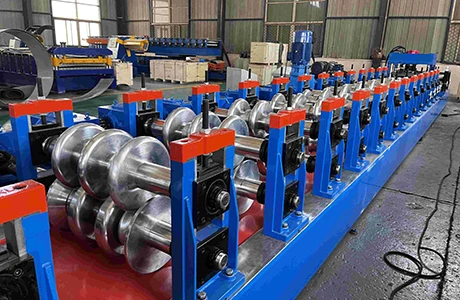
You know, the whole ERW tube mill scene… it’s changing fast. Been seeing a lot more demand for higher precision, thinner walls. Seems everyone’s chasing lighter structures, better material utilization. To be honest, it's a bit of a race to keep up, especially when you’re on site dealing with real-world issues, not just CAD drawings. It’s not just about bigger, faster machines anymore; it’s about consistency. That’s what everyone’s really after.
I’ve been running around factories for almost 20 years now, and one thing I’ve noticed is how easily people fall into the trap of over-engineering. They want all the bells and whistles, the latest tech, without thinking about actual usability. Like, do you really need a fully automated welding head if your operators aren't trained to maintain it? It’s a costly headache waiting to happen. And don't even get me started on those fancy control panels... half the time, the guys just bypass them and go with what they know.
The steel itself... that’s a whole other story. We mainly work with different grades of carbon steel – Q195, Q235, sometimes Q345 for heavier duty applications. Q235 is the workhorse, really. Feels solid, smells… well, smells like steel, right? You can tell a good batch by the way it takes the weld. There's a slight metallic scent when it heats up that a seasoned welder will pick up on. And you have to handle it carefully. Rust starts the moment it's exposed to air, so proper storage is critical. We also use some high-strength low-alloy steel when customers demand it, but that stuff's a pain to work with - harder to form, needs preheating... Anyway, it depends on the application.
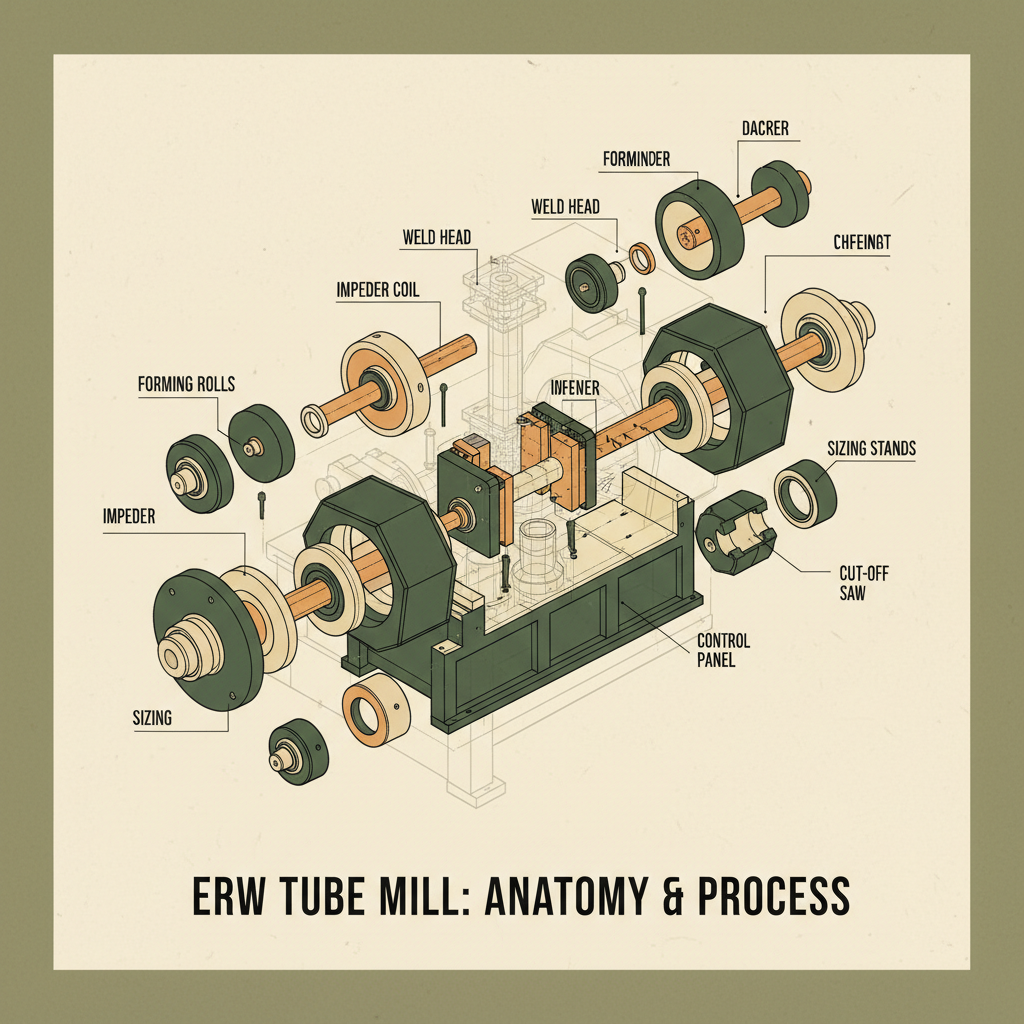
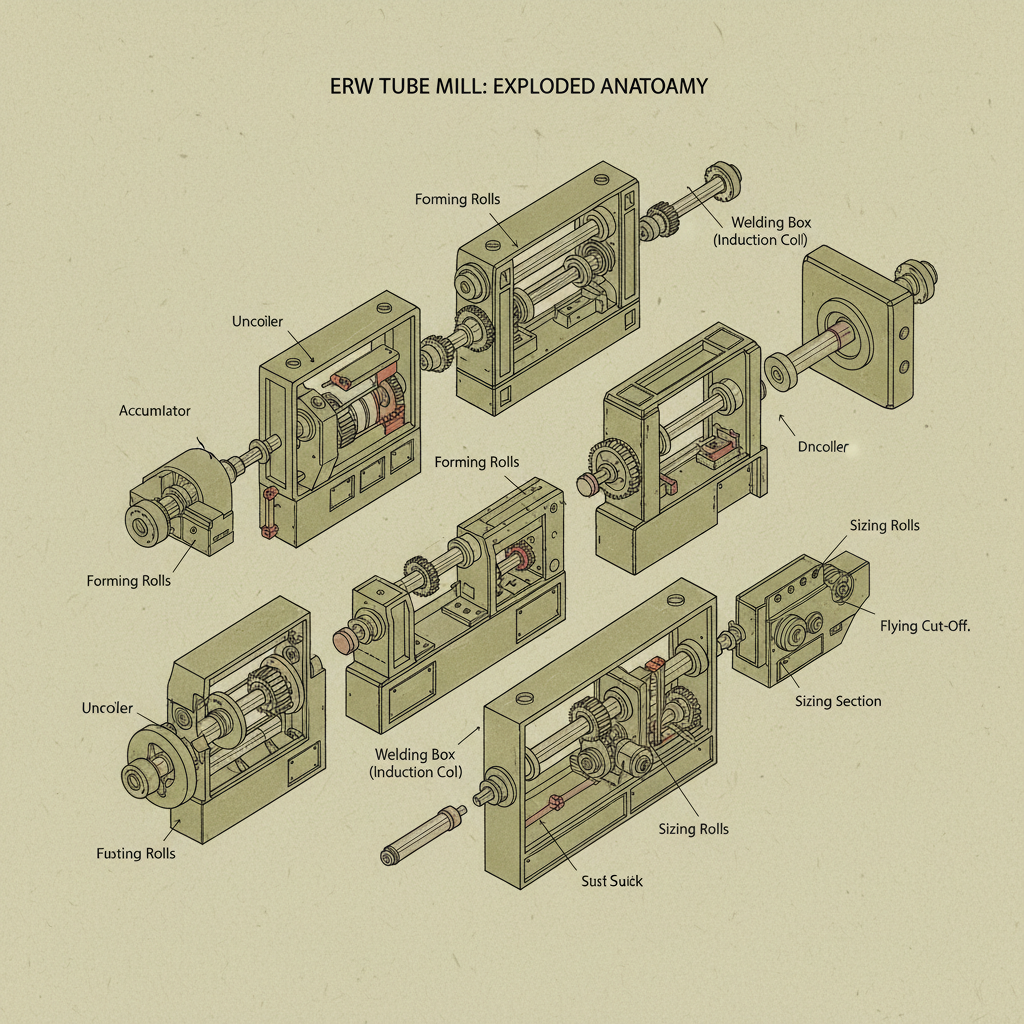
Have you noticed the push for more eco-friendly options? Everyone's talking about reducing waste, using recycled materials. It's good, obviously, but it adds another layer of complexity to the manufacturing process. And frankly, finding consistent quality recycled steel? That's a challenge. Then there’s the whole automation thing. It’s supposed to make things easier, but I've seen more projects delayed because of software glitches than anything else.
Strangely, a lot of designers focus so much on theoretical performance, they forget about the practicalities of fabrication. They’ll design a tube with a super tight tolerance, knowing full well that our machines can’t consistently hit that spec without slowing down production and increasing costs. It’s frustrating. You end up having to compromise, either on the design or the quality.
Lead times vary significantly depending on the complexity of the order, material availability, and our current workload. Generally, for standard materials and sizes, you can expect around 4-6 weeks. However, for custom profiles, special coatings, or large quantities, it can easily extend to 8-12 weeks. We always provide a detailed timeline upfront after reviewing the specifications. It’s best to plan well in advance to avoid delays, especially during peak seasons.
We are ISO 9001 certified, demonstrating our commitment to quality management systems. Our tubes can also be manufactured to meet various industry standards, including ASTM, EN, and JIS. We provide Material Test Reports (MTRs) with every shipment, detailing the chemical composition and mechanical properties of the steel. We can also arrange for third-party inspections if required. It’s all about ensuring our products meet your specific requirements and regulatory compliance.
ERW tubes can be used in corrosive environments, but it depends on the severity of the corrosion and the appropriate protective measures. We offer various coatings, such as galvanizing, epoxy coating, and internal linings, to enhance corrosion resistance. The choice of coating depends on the specific corrosive agents present. For example, epoxy coating is a good option for resisting chemical attacks, while galvanizing is effective against atmospheric corrosion.
Our MOQ varies depending on the diameter, wall thickness, and material of the tube. For standard sizes, the MOQ is typically around 500 pieces. However, we are willing to negotiate smaller quantities for custom orders or if you are a new customer. It’s always best to contact us with your specific requirements, and we’ll do our best to accommodate your needs. We understand that not everyone needs thousands of tubes at a time.
Yes, we offer a comprehensive range of value-added services, including cutting to length, threading, end forming, and deburring. We use precision cutting equipment to ensure accurate lengths and clean cuts. We can also provide threading services to various standards, such as NPT and BSP. These services are designed to save you time and reduce your manufacturing costs. Just let us know your requirements when you place your order.
ERW (Electric Resistance Welded) tubes are manufactured by forming steel into a tube shape and then welding the seam using electric resistance. Seamless tubes, on the other hand, are made from a solid billet that is pierced to create a hollow tube. Seamless tubes generally have higher strength and are better suited for high-pressure applications. However, ERW tubes are typically more cost-effective and are suitable for a wide range of applications where high pressure is not a concern. Choose ERW if cost is a major factor and the application doesn't require extreme strength.
So, there you have it. ERW tube mills are evolving, materials are changing, and the demands on manufacturers are getting tougher. It’s about balancing cost, quality, and customization. It’s about understanding the application and anticipating potential problems. It's about staying up-to-date with the latest technologies, but also remembering the fundamentals of good manufacturing practice.
Looking ahead, I think we’ll see even more emphasis on sustainability, automation, and data analytics. Smart factories, predictive maintenance, real-time quality control… that’s the future. But ultimately, whether this thing works or not, the worker will know the moment he tightens the screw.

Send a Message
Dear customer, thank you for your attention! We provide high-quality machinery and equipment and look forward to your orders. Please inform us of your needs and we will respond quickly!