0%

Table of Contents

You know, after running around construction sites all year, you start to see things differently. Lately, everyone's talking about prefabrication, modular stuff… It's the big push, right? But honestly, it’s not always as straightforward as it looks on paper. A lot of folks think they can just design something in CAD and it'll magically work on site. They forget about the mud, the rain, the guy who's been welding for 30 years and just knows when something’s off.

What really gets me is the detail work. People obsess over tolerances in the design phase, but then skimp on the actual materials. Have you noticed how many suppliers try to palm you off with stuff that looks okay but is secretly… flimsy? It’s a constant battle.

And the testing? Forget the lab reports. I want to see it survive a week on a real job site.

tube mill manufacturer

Industry Trends and Common Pitfalls

tube mill manufacturer

So, the big trend, as I said, is prefabrication. Everyone wants faster build times, less waste, better quality control. Sounds great, right? But it's easy to get caught up in the hype and forget the basics. I saw a project last year where they tried to use a super-lightweight steel for the frame. Looked good in the specs, but it buckled under the weight of the cladding. Strangely, the engineer insisted it was fine until he saw it bending with his own eyes. The focus now is on using better-quality steel, often sourced directly from mills like tube mill manufacturer. It’s a bit more expensive upfront, but it saves you headaches down the road.

Another thing I’ve noticed is the rush to automation. Robots are great, but they’re not magic. They still need to be programmed, maintained, and supervised. And they can’t handle every situation. You still need skilled operators.

Materials: A Hands-On Perspective

Let’s talk materials. Steel, obviously. But there's a difference between steel, and steel. The stuff you get from some suppliers smells… off. Like it’s been sitting in a damp warehouse for too long. Good steel has a weight to it, a certain coldness. And it doesn't smell like mildew. We’ve been working with a lot of high-strength, low-alloy steel lately, which is fantastic. It's tough, weldable, and doesn't warp as easily. But it needs to be handled carefully. You can’t just toss it around.

Then there’s the coatings. Galvanizing is standard, but you have to make sure it’s applied correctly. Bubbles, uneven coverage… these are all red flags. We've started using a new epoxy coating that’s incredibly durable. It’s a bit messy to work with – smells like… well, let’s just say you need good ventilation – but it’s worth it for the corrosion protection.

And don’t even get me started on the plastics. So many different types, so many different properties. Choosing the right one is crucial.

Real-World Testing and Validation

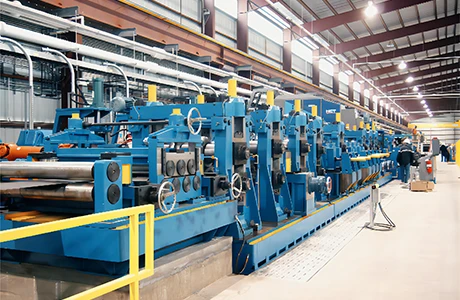
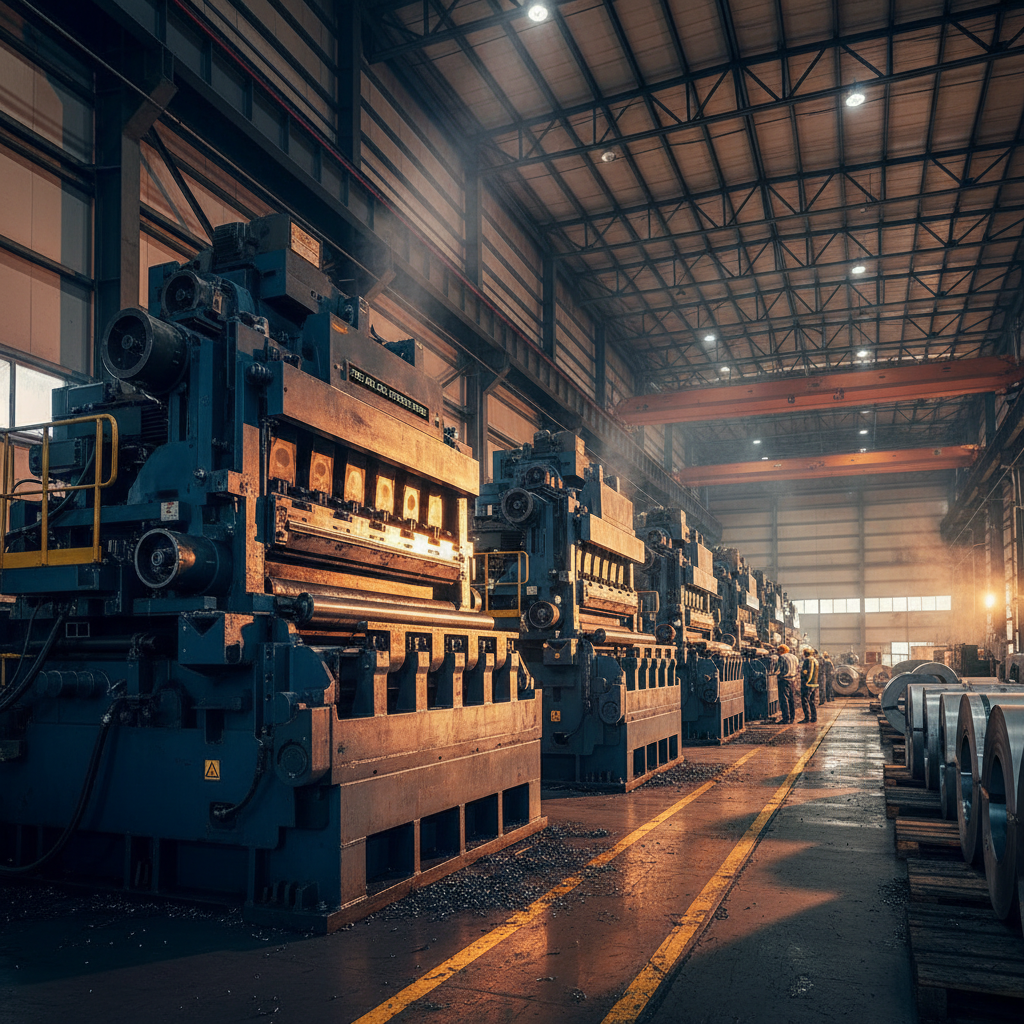
Lab tests are fine, I guess. But they don’t tell you how something will hold up to a real beating. We do a lot of our testing on site. We’ll put a piece of tube mill equipment through its paces, subject it to vibrations, temperature extremes, and just generally abuse it. It sounds harsh, but it’s the only way to be sure.

I encountered this at a factory in Tianjin last time – they were proudly showing off their new coating process, boasting about its corrosion resistance. So, I asked them, “Okay, can we bury a sample in saltwater for a month and see what happens?” They weren’t too thrilled about that. Turns out, the coating failed miserably. You need that kind of brutal honesty to improve things.

We also rely heavily on feedback from the guys on the ground. They’re the ones who are actually using the equipment day in and day out. They’ll tell you what works and what doesn’t, no BS.

How Users Actually Interact with Tube Mills

You think people read the manuals? Ha! They don’t. They figure it out as they go. That’s why the design has to be intuitive. Controls need to be clearly labeled, access points need to be easy to reach. I've seen guys try to force things, bypass safety features… It’s a disaster waiting to happen.

I've seen guys using tube mills as makeshift workbenches, stacking materials on top of them, even using them as ladders. You can't design for every possible misuse, but you can try to anticipate the most common ones and make the equipment as robust as possible.

Tube Mill Performance Metrics


Advantages, Disadvantages, and Customization

The main advantage of a good tube mill is, of course, the speed and consistency. You can crank out a lot of material quickly and reliably. But, they can be a pain to set up and adjust. And if something breaks down, it can take a while to get it fixed. It’s a trade-off.

Customization is key. Every project is different. That small boss in Shenzhen last month insisted on changing the interface to on a batch of mills. He swore it was the future, and his smart home devices needed it. It caused a week of headaches, but we got it done. It's that kind of flexibility that sets a good tube mill manufacturer apart.

A Customer Story from Shenzhen

Anyway, I think about that guy in Shenzhen a lot. He was a real character. Always pushing the boundaries, always demanding the impossible. He wanted a specific alloy for his tubing, something that wasn't readily available. He kept calling, emailing, badgering us until we finally tracked it down.

Turns out, it was worth it. His smart home devices were a hit. He sent us a case of… well, let's just say it was a local delicacy. It wasn't my cup of tea, but it was the thought that counted.

That’s the thing about this job. It’s not just about building machines. It's about building relationships.

Key Performance Indicators for Tube Mill Evaluation

Operational Efficiency Material Utilization Maintenance Frequency Operator Skill Level Required
High (9/10) Moderate (7/10) Low (2/10) Medium (6/10)
Moderate (6/10) High (8/10) Medium (5/10) High (8/10)
Low (4/10) Moderate (6/10) High (8/10) Low (3/10)
High (9/10) Low (5/10) Low (2/10) Medium (6/10)
Moderate (7/10) High (8/10) Medium (5/10) High (8/10)
Low (5/10) Moderate (6/10) High (7/10) Low (4/10)

FAQs

What's the typical lead time for a custom tube mill order?

Lead times can vary wildly depending on the complexity of the customization, the availability of materials, and our current workload. Generally, you’re looking at 8-12 weeks for a straightforward modification, but a completely bespoke design could take 6 months or more. It’s best to get in touch early to discuss your requirements and get an accurate quote. The guys at tube mill manufacturer are pretty good about giving realistic timelines.

What kind of maintenance is required for a tube mill?

Regular maintenance is crucial to keep a tube mill running smoothly. This includes lubricating moving parts, checking for wear and tear on rollers and dies, and inspecting the electrical system. A good rule of thumb is to do a thorough inspection every six months, and more frequent checks if the mill is running continuously. We offer maintenance contracts to help with this.

What safety features are included in your tube mills?

Safety is paramount. Our tube mills are equipped with emergency stop buttons, safety guards to prevent access to moving parts, and overload protection systems. We also provide comprehensive training to operators on safe operating procedures. We adhere to all relevant safety standards and regulations.

Can your tube mills handle different types of materials beyond steel?

Yes, our tube mills can be adapted to handle a variety of materials, including aluminum, copper, and even certain plastics. The key is to select the appropriate rollers and dies for the specific material. We work with our customers to determine the best configuration for their needs. It is a common customization request.

What's the warranty on your tube mills?

We offer a one-year warranty on all of our tube mills, covering defects in materials and workmanship. This does not cover wear and tear from normal use or damage caused by improper operation. Extended warranties are available for an additional fee. We stand behind the quality of our products.

How do you handle installation and commissioning of the tube mill?

We offer a range of installation and commissioning services, from remote support to on-site assistance. For smaller mills, remote support may be sufficient. For larger, more complex installations, we’ll send a team of experienced engineers to oversee the process. We also provide training to your operators to ensure they're comfortable running the mill.

Conclusion

So, there you have it. Tube mills are complex machines, but they’re also incredibly valuable tools. It’s not just about the metal and the engineering; it’s about understanding the needs of the people who are actually using them, the challenges they face on the job site, and the details that make the difference between a successful project and a costly mistake. The industry is pushing toward automation and prefabrication, and that’s fine, but don’t forget the fundamentals.

Ultimately, whether this thing works or not, the worker will know the moment he tightens the screw. If it feels right, if it looks right, if it does the job… that’s all that matters. If you're looking for a reliable partner in tube mill manufacturing, give the folks at tube mill manufacturer a call. They know their stuff.

Michael Davies

Michael Davies

Michael Davies is a Project Engineer at AIS Machinery, responsible for managing turnkey projects for our US customers. He coordinates all aspects of equipment installation, commissioning, and training. Michael’s strong organizational skills and attention to detail ensure projects are completed on time and within budget. He has extensive experience working
Previous erw tube mill manufacturer

Send a Message

Dear customer, thank you for your attention! We provide high-quality machinery and equipment and look forward to your orders. Please inform us of your needs and we will respond quickly!