0%

Table of Contents

Steel coil slitters for sale are essential equipment in the metal processing industry, enabling efficient and precise cutting of large steel coils into narrower widths. This process is crucial for a wide array of manufacturing applications, from automotive components to construction materials. Understanding the capabilities and variations of these machines is paramount for businesses aiming to optimize their production processes and reduce material waste.

The global demand for steel coil slitters for sale is consistently driven by the growth in manufacturing sectors worldwide, particularly in emerging economies. According to the World Steel Association, global steel demand is projected to continue increasing, underscoring the importance of efficient steel processing technologies. Investing in the right slitter ensures a competitive edge in an increasingly demanding market.

Addressing the challenges of material handling, precision cutting, and operational efficiency, steel coil slitters for sale provide a vital solution for transforming raw steel coils into usable forms, significantly streamlining downstream manufacturing processes and minimizing material loss. Their implementation plays a critical role in maintaining productivity and cost-effectiveness across numerous industries.
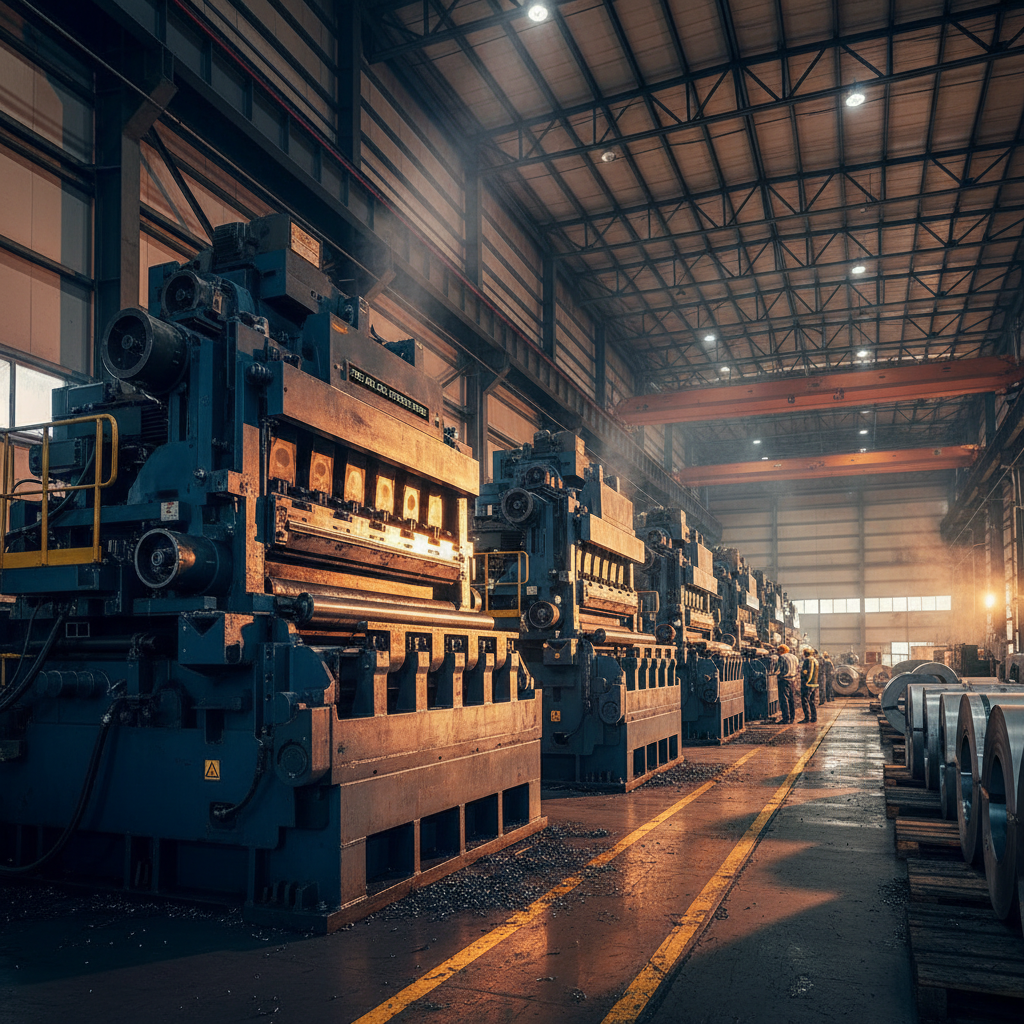
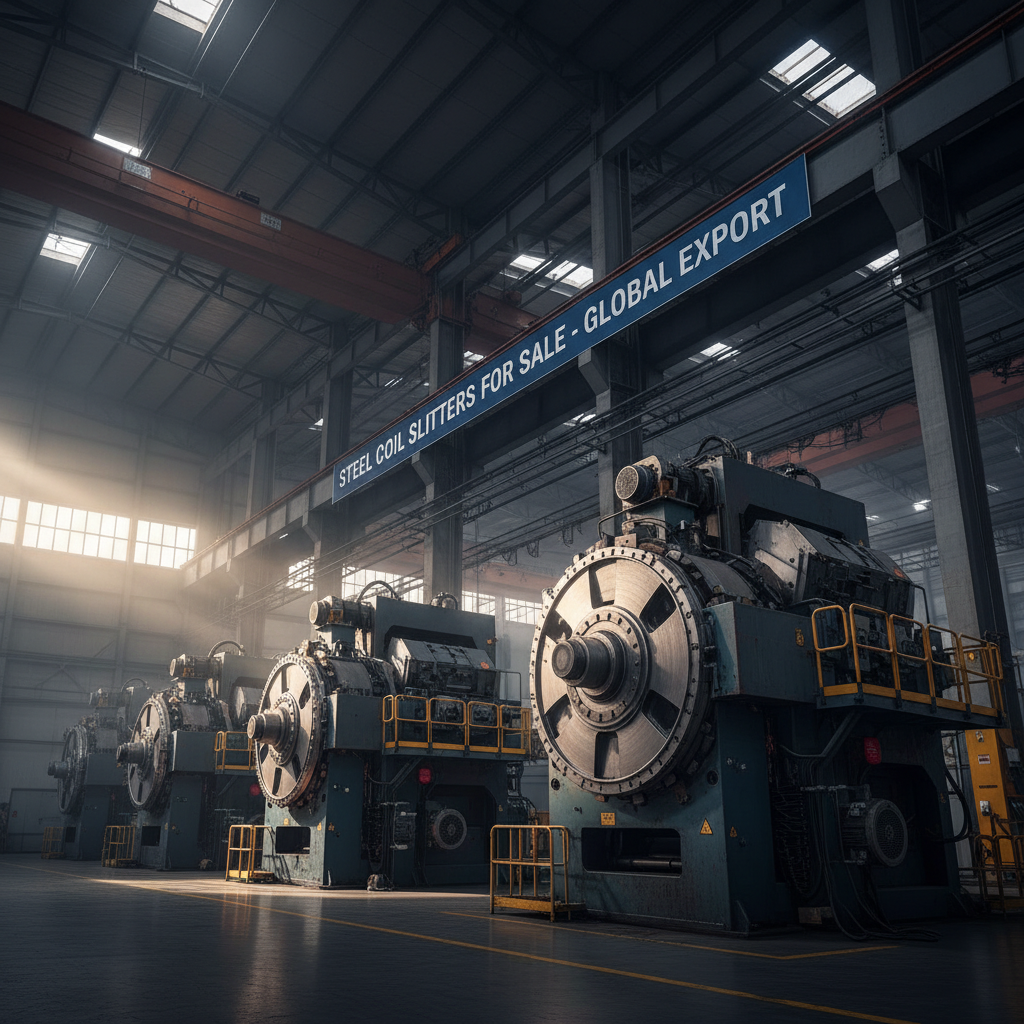
Discover Premium Steel Coil Slitters for Sale to Optimize Metal Processing

The Importance of Steel Coil Slitters for Sale

Discover Premium Steel Coil Slitters for Sale to Optimize Metal Processing

The acquisition of steel coil slitters for sale is a substantial investment that directly impacts a company's production capacity and profitability. Choosing the right slitter—based on factors like material type, coil weight, and required precision—is pivotal. steel coil slitters for sale offer a comprehensive range of options tailored to diverse industry needs.

Effective slitting not only reduces material waste but also minimizes the need for secondary processing, leading to significant cost savings. Companies seeking to improve their operational efficiency and remain competitive often prioritize the purchase of high-quality steel coil slitters for sale.

Defining Steel Coil Slitting Technology

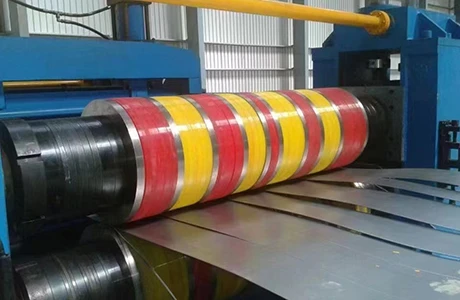
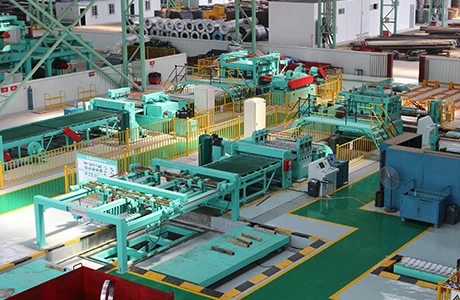
Steel coil slitting is a specialized process that precisely cuts wide steel coils into narrower, more manageable widths. This is accomplished using a slitting machine equipped with rotary cutting knives. The coils are uncoiled, passed through the slitter, and then rewound into multiple narrower coils, each ready for specific manufacturing applications.

This technology is fundamentally important because it allows manufacturers to obtain the exact steel widths they need, eliminating waste associated with using oversized material. The precision of modern steel coil slitters for sale ensures consistent quality and reduces the need for further processing steps.

The process is indispensable to industries that require specific steel dimensions for their products, serving as a foundational step in countless manufacturing workflows, from the automotive sector to the production of metal roofing and siding.

Key Components and Operational Principles

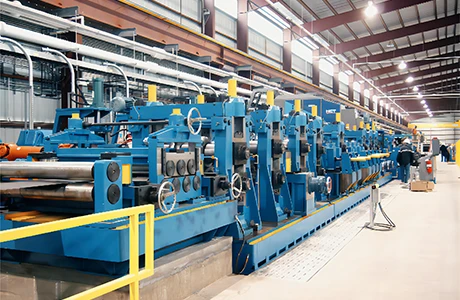
The core components of a steel coil slitting line include an uncoiler, a slitter head with multiple knives, a tension control system, a rewinder, and a control panel. The uncoiler feeds the steel coil into the slitter, while the tension control system maintains consistent material flow.

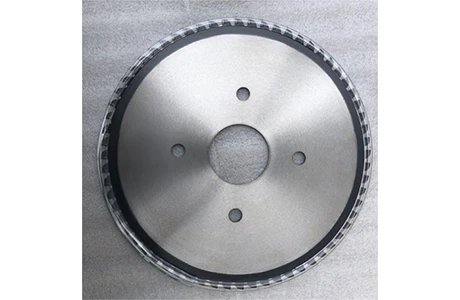
The slitter head houses the rotary knives, which precisely cut the steel coil to the desired widths. The rewinder then collects the slit coils, ensuring they are tightly wound and ready for shipment. Modern steel coil slitters for sale often incorporate automated features, such as automatic knife positioning and tension control, to enhance efficiency and precision.

Operationally, the system requires careful calibration and regular maintenance to ensure optimal performance. Correct knife sharpness, proper tension settings, and accurate alignment are crucial for achieving clean, consistent cuts and minimizing material defects.

Factors Influencing Slitter Performance

Several key factors impact the performance of steel coil slitters for sale. Material type and thickness play a significant role, with harder or thicker materials requiring more powerful slitting machines and sharper knives. Coil weight and width also influence machine selection and operational parameters.

Furthermore, the precision of the slitting knives, the accuracy of the tension control system, and the efficiency of the rewinder all contribute to the overall quality and efficiency of the slitting process. Investing in high-quality components and implementing a robust maintenance program are essential for maximizing slitter performance.

Slitting Quality Comparison by Method


Global Applications of Steel Coil Slitters

Steel coil slitters are indispensable across numerous industries globally. In the automotive sector, they provide the precise steel widths required for manufacturing body panels, chassis components, and interior parts. The construction industry utilizes slit coils for metal roofing, siding, and structural elements.

Other applications include the production of appliances, furniture, packaging materials, and various industrial components. Steel coil slitters for sale are vital for manufacturers in regions with strong manufacturing bases, such as Asia, Europe, and North America.

Advantages and Long-Term Value Proposition

Investing in steel coil slitters for sale offers numerous tangible benefits. These include reduced material waste, increased production efficiency, improved product quality, and lower overall manufacturing costs. The ability to customize steel widths to precise specifications enhances design flexibility and minimizes the need for costly rework.

The long-term value extends beyond cost savings to encompass sustainability and environmental responsibility. By minimizing material waste, steel slitting contributes to a more circular economy and reduces the environmental impact of manufacturing processes.

Furthermore, investing in reliable, high-performance slitters fosters trust with customers by ensuring consistent product quality and on-time delivery, bolstering a company’s reputation and long-term viability.

Future Trends in Steel Coil Slitting

The future of steel coil slitting is shaped by emerging technologies and a growing focus on sustainability. Automation and digital control systems are becoming increasingly prevalent, enabling greater precision, faster cycle times, and reduced labor costs. Industry 4.0 principles are being integrated to enhance data collection and analysis, optimizing slitting processes in real-time.

Innovations in knife materials and geometries are also driving improvements in cutting quality and knife life. The development of more energy-efficient slitting machines and the incorporation of green manufacturing practices are gaining traction as companies prioritize environmental responsibility.

The demand for specialized slitting capabilities, such as the ability to process high-strength steels and advanced alloys, is expected to grow, driving further innovation in the field of steel coil slitting.

Summary of Key Considerations for Steel Coil Slitter Selection

Material Compatibility Processing Capacity Automation Level Maintenance Requirements
Ability to handle various steel grades (carbon, stainless, alloy) Maximum coil weight and width capacity Degree of automation in knife positioning, tension control, and rewinding Frequency and complexity of required maintenance tasks
Compatibility with coating types (galvanized, painted) Slitting speed and production throughput Integration with process monitoring and control systems Availability of spare parts and technical support
Effectiveness with varying material thicknesses Minimum and maximum slit width capabilities Remote diagnostics and troubleshooting options Cost of preventative maintenance programs
Resistance to material-specific challenges (e.g., burring) Adjustability to different coil diameters Data logging and reporting capabilities Ease of access for maintenance and repairs
Knife material and coating options for optimal performance Ability to handle varying coil edge conditions User interface and control system intuitiveness Warranty coverage and extended service agreements
Impact resistance and durability of slitter components Energy efficiency and operational costs Compliance with safety standards and regulations Training and support resources for operators

FAQS

What are the main factors to consider when choosing a steel coil slitter for sale?

When selecting a steel coil slitter for sale, consider your material types, thicknesses, coil weights, and desired production volume. Key factors also include the level of automation required, the precision needed for your applications, and the availability of maintenance and support. It’s crucial to assess your long-term needs and choose a machine that can adapt to future growth and changing demands. Budget constraints and energy efficiency should also be factored into the decision-making process.

How often do the slitting knives need to be replaced or sharpened?

The lifespan of slitting knives depends heavily on the material being processed and the operating conditions. Softer materials will extend knife life, while abrasive or high-strength steels require more frequent sharpening or replacement. Generally, knives should be inspected regularly for wear and tear. Sharpening can typically extend knife life significantly, while complete replacement may be necessary after multiple sharpening cycles. Proper maintenance and lubrication also contribute to knife longevity.

What level of automation is available in steel coil slitting lines?

Steel coil slitting lines offer varying levels of automation. Basic systems may require manual knife positioning and tension control, while fully automated lines feature automatic knife settings, tension control, material tracking, and even coil loading and unloading. Modern lines often include PLC-controlled systems for precise operation and data logging, minimizing operator intervention and maximizing efficiency. The level of automation chosen depends on your production volume, labor costs, and desired precision.

What safety features should I look for in a steel coil slitter?

Safety is paramount when operating a steel coil slitter. Essential safety features include emergency stop buttons, light curtains, safety guards around moving parts, and overload protection systems. Ensure the machine complies with relevant safety standards and regulations (e.g., CE marking). Operator training is crucial to ensure personnel understand and follow safe operating procedures. Regular inspections and maintenance of safety features are also essential for preventing accidents.

What maintenance is required to keep a steel coil slitter running efficiently?

Regular maintenance is crucial for optimizing the performance and lifespan of a steel coil slitter. This includes lubricating moving parts, inspecting and sharpening or replacing slitting knives, checking and adjusting tension control systems, and cleaning the machine regularly. Preventive maintenance schedules should be established and followed diligently. It is also important to inspect electrical components and control systems to ensure they are functioning correctly. Proper maintenance minimizes downtime and ensures consistent cutting quality.

What is the typical lead time for delivery of a steel coil slitter for sale?

The lead time for delivery of a steel coil slitter for sale can vary significantly depending on the manufacturer, the complexity of the machine, and current production schedules. Standard models with readily available components may have a lead time of several weeks, while customized or more complex machines can take several months to deliver. It’s essential to discuss delivery timelines with the supplier during the quoting process to ensure the machine arrives when needed for your production schedule. Consider factors like shipping and installation time when planning your project.

Conclusion

Steel coil slitters for sale represent a critical investment for industries reliant on precision steel processing. By understanding the core principles of operation, key components, and future trends in this technology, businesses can make informed decisions that optimize their production efficiency, reduce costs, and enhance product quality. The benefits extend beyond mere operational improvements, impacting sustainability and long-term competitiveness.

Looking ahead, continued innovation in automation, knife technology, and digital control systems will further revolutionize steel coil slitting. Investing in these advancements will be essential for manufacturers seeking to maintain a competitive edge in the evolving landscape of steel processing. For high-quality steel coil slitters and expert support, visit our website: www.aistubemill.com.

Robert Miller

Robert Miller

Robert Miller is a seasoned Mechanical Engineer at AIS Machinery, specializing in ERW pipe mill technology. With over 15 years of experience in the steel industry, Robert leads the design and implementation of customized solutions for our US clients. He’s a key contributor to the development of our API pipe
Previous Comprehensive Guide to Steel Slitting Lines for Sale and Industry Applications
Next Comprehensive Guide to erw pipe mill for sale and Industry Solutions

Send a Message

Dear customer, thank you for your attention! We provide high-quality machinery and equipment and look forward to your orders. Please inform us of your needs and we will respond quickly!