-
 Tel:86-15176910262
-

Search
 Tel:86-15176910262
Search
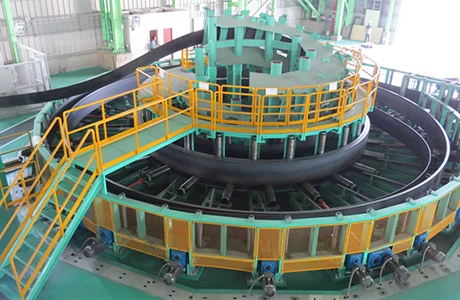
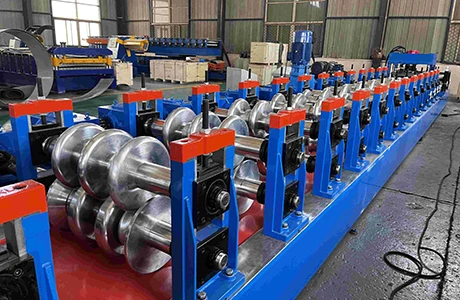
The world relies heavily on tubular structures for a vast array of applications, from transporting vital resources like oil and gas to constructing robust infrastructure. At the heart of many of these applications lies the ERW (Electric Resistance Welded) tube mill, a sophisticated piece of engineering that efficiently produces high-quality steel tubes. Understanding what is a erw tube mill is crucial for professionals in manufacturing, construction, energy, and logistics, as well as anyone involved in material science and industrial processes. This knowledge enables informed decision-making, optimized project planning, and ultimately, a safer and more sustainable future.
The global demand for steel tubes is consistently high, driven by urbanization, infrastructure development, and the growth of industries reliant on fluid and material transport. According to the World Steel Association, global steel demand is projected to continue rising, making efficient and reliable tube production paramount. ERW tube mills represent a cost-effective and scalable solution to meet this demand, particularly as compared to seamless tube manufacturing. The ability to adapt production to specific needs, coupled with ongoing technological advancements, makes understanding what is a erw tube mill increasingly important in a competitive market.
However, challenges exist – ensuring weld integrity, managing material costs, and adapting to evolving industry standards are ongoing concerns. By delving into the specifics of ERW tube mill technology, we can address these challenges and unlock its full potential, driving innovation and enhancing the quality of life through reliable infrastructure and resource management. The core benefit of grasping what is a erw tube mill lies in its ability to solve practical problems and improve industrial efficiency.
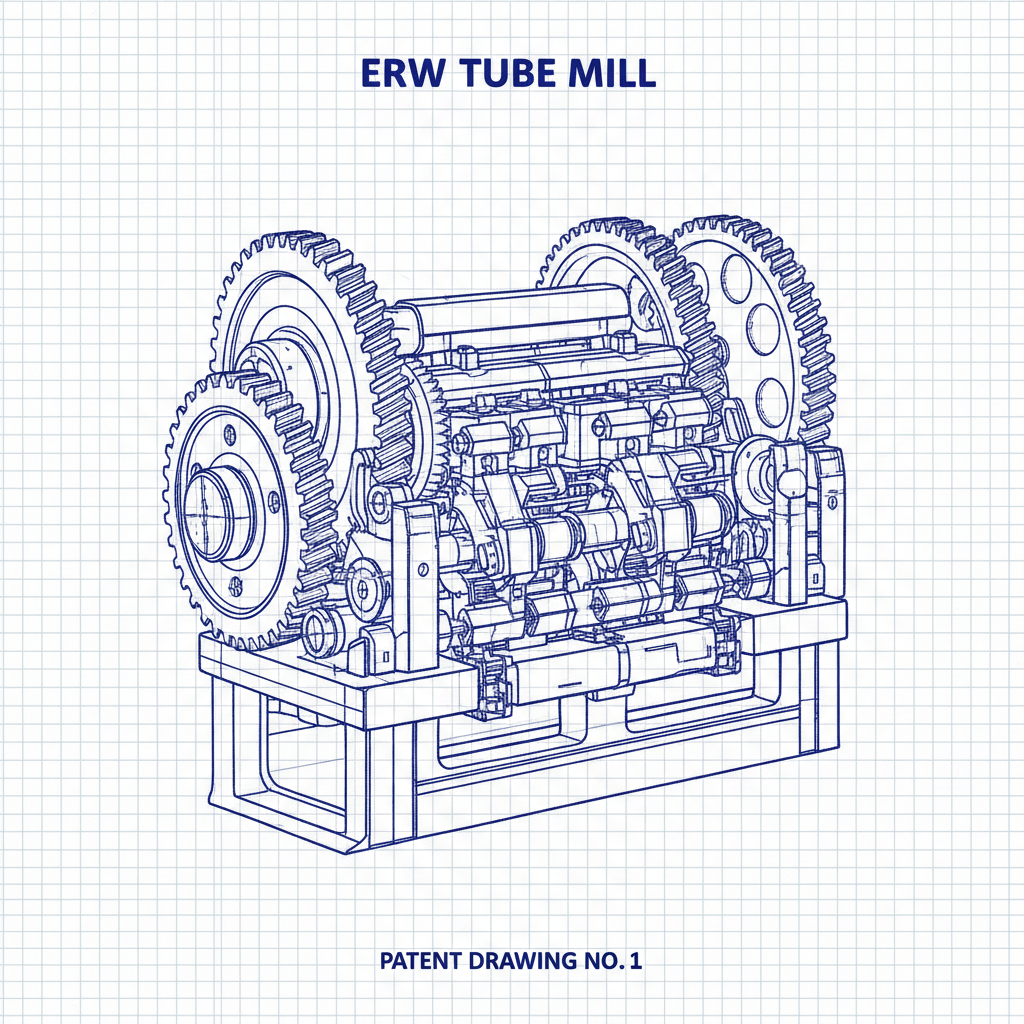
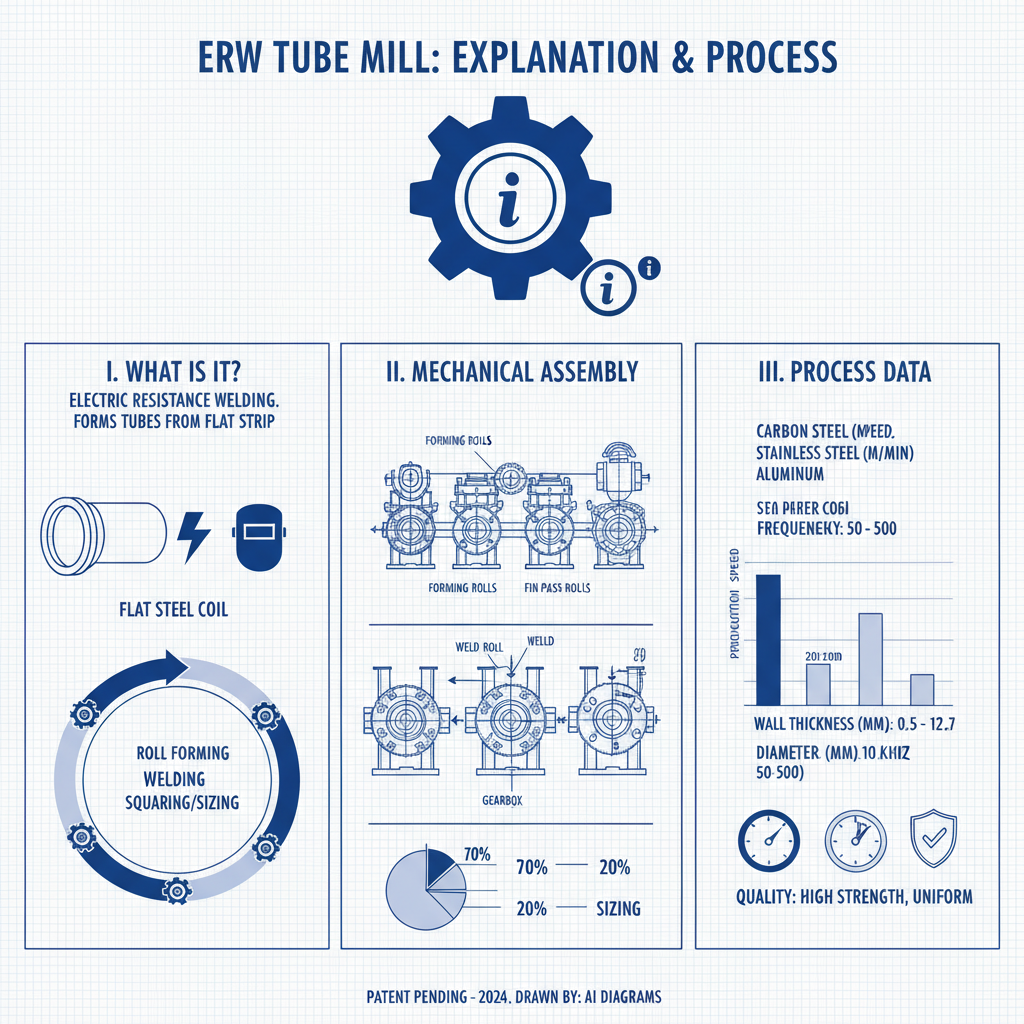
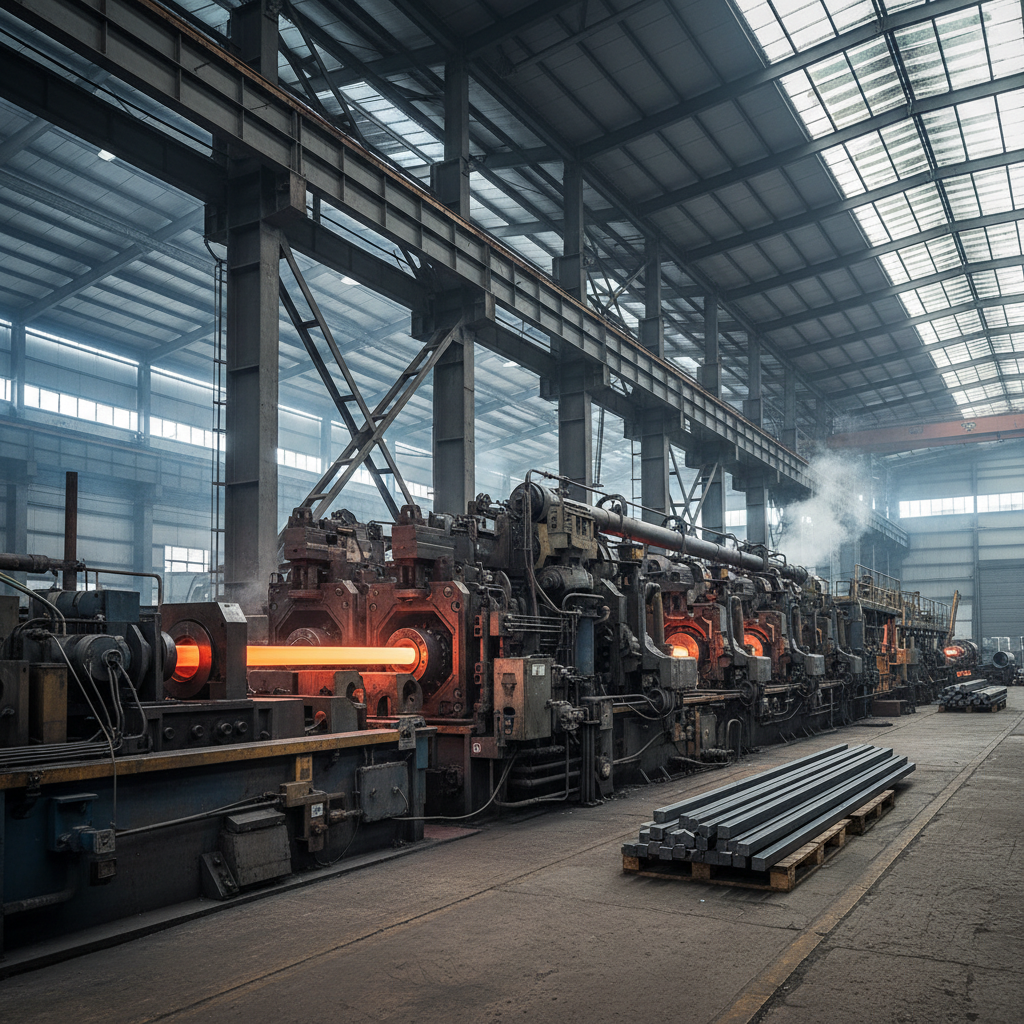
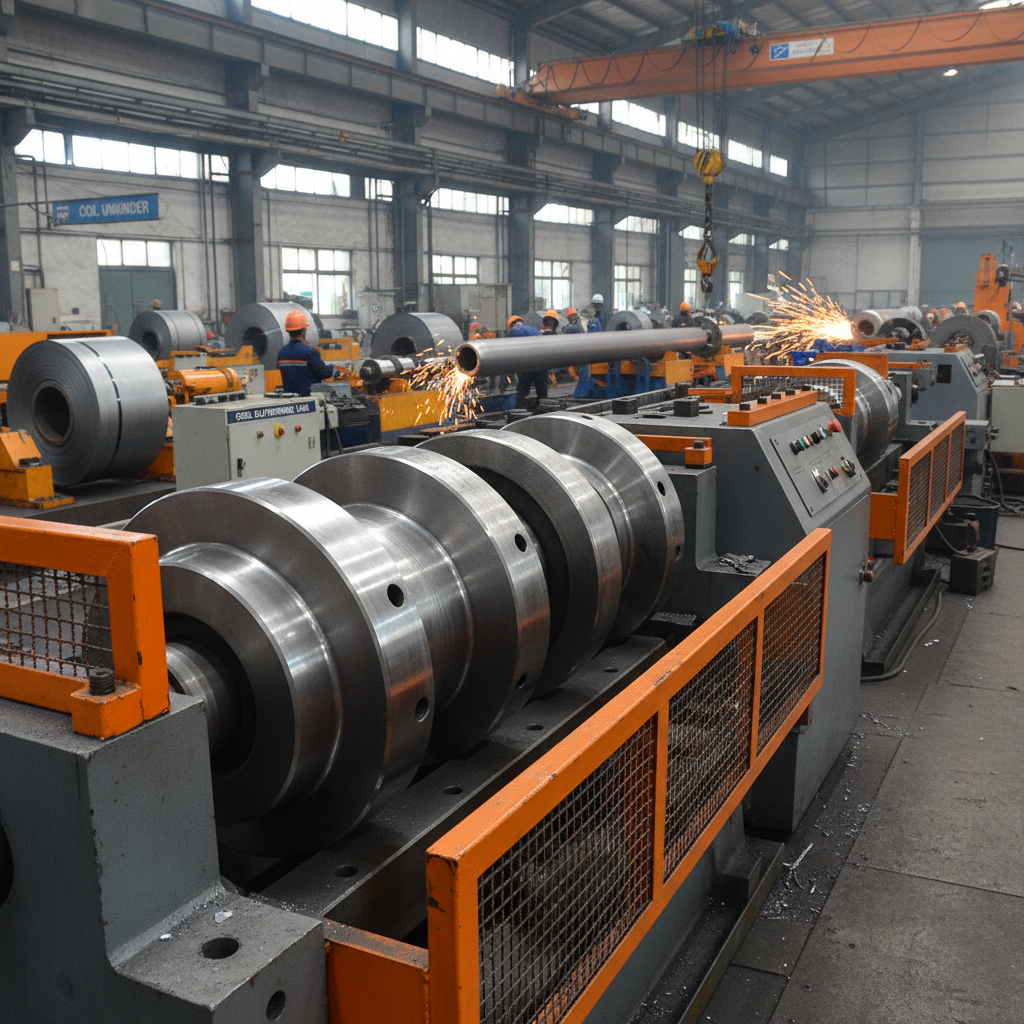
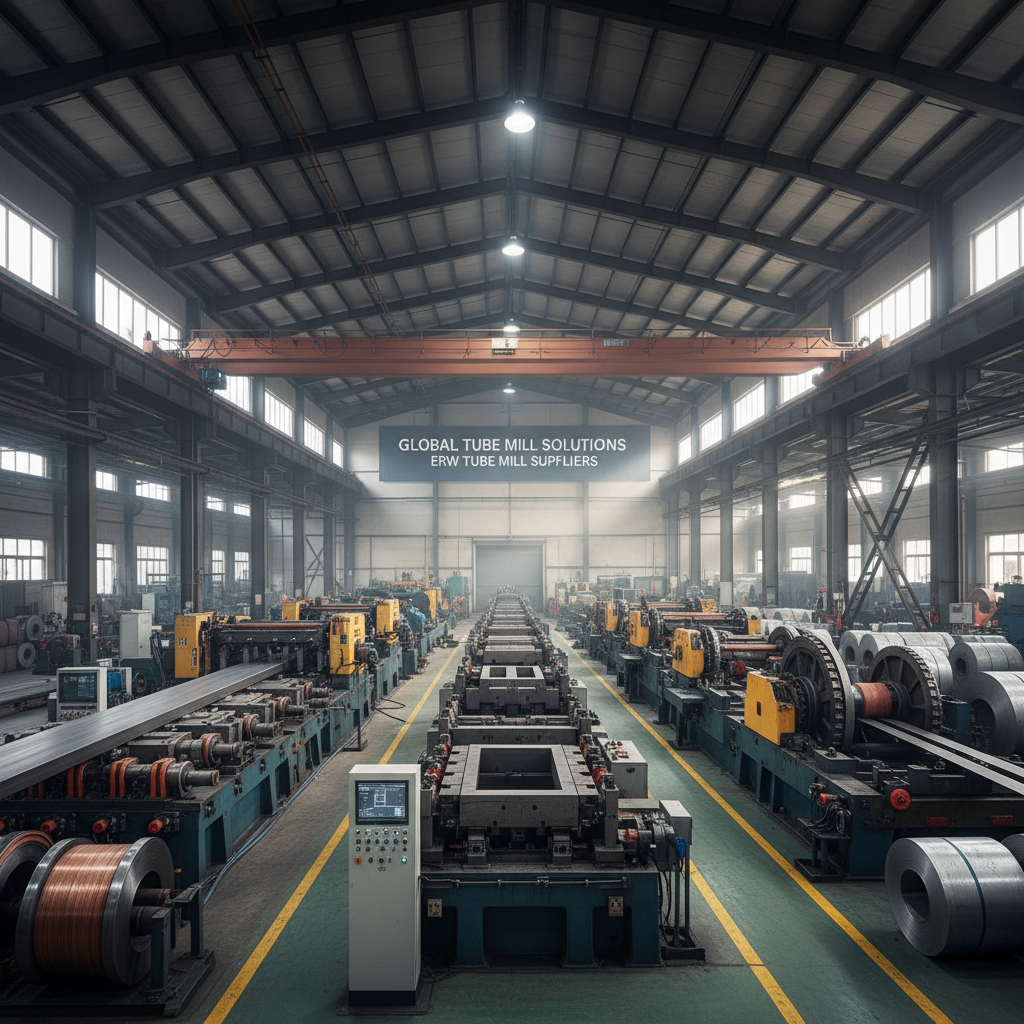
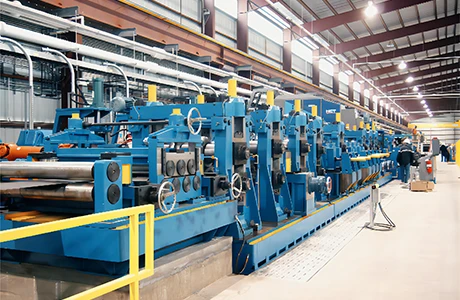
ERW tube mills represent a crucial element in modern manufacturing. They utilize a process where steel coils are continuously formed into tubes and then welded along the seam using electric resistance heating. This method provides a cost-effective and high-speed solution for producing large quantities of tubes with consistent quality. What is a erw tube mill fundamentally about combining forming, welding, and finishing processes into a streamlined production line.
The benefits of this technology extend to a wide range of industries, allowing for efficient production of tubes used in construction, automotive manufacturing, furniture, and countless other applications. Understanding the intricacies of ERW tube mills – from material selection to weld parameter control – is essential for optimizing production and ensuring product reliability.
ERW tubes are manufactured from steel strips that are welded together, while seamless tubes are created from solid billets without any welding. This fundamental difference impacts cost, strength, and application. ERW tubes are typically more cost-effective and suitable for general applications, whereas seamless tubes offer higher strength and are preferred for high-pressure or critical applications. The welding process in ERW requires careful control to ensure the integrity of the seam.
The welding process is paramount to the strength of ERW tubes. Proper control of welding current, frequency, and pressure are critical for achieving a strong and consistent weld. High-frequency induction welding creates a localized heat source that melts the edges of the steel, fusing them together. Post-weld heat treatment can further enhance the weld’s strength and ductility. Regular non-destructive testing, such as ultrasonic testing, is used to verify weld integrity.
Carbon steel is the most common material used in ERW tube production due to its affordability and good weldability. However, alloy steels, such as stainless steel and low-alloy steels, are also used for applications requiring higher strength, corrosion resistance, or specific mechanical properties. The choice of steel depends on the intended application and the desired performance characteristics of the tube.
ERW tubes are widely used in the oil and gas industry for various applications, including pipelines for transporting oil and gas, casing for well construction, and structural components for offshore platforms. While seamless tubes are preferred for high-pressure and critical applications, ERW tubes can be used for lower-pressure lines and support structures, offering a cost-effective alternative. Stringent quality control is essential for ERW tubes used in this industry.
Quality control is a multi-stage process that begins with careful inspection of the raw materials and continues throughout the entire manufacturing process. Non-destructive testing methods, such as ultrasonic testing, eddy current testing, and radiographic testing, are used to detect any defects in the weld seam or the tube body. Dimensional accuracy, surface finish, and mechanical properties are also rigorously tested to ensure compliance with industry standards and customer specifications.
ERW tube manufacturing can have an environmental impact related to energy consumption, material waste, and emissions. However, ongoing advancements in technology are focused on reducing this impact. Efficient welding processes, material recycling, and the use of sustainable materials are key strategies. Furthermore, the durability and longevity of ERW tubes contribute to resource conservation by reducing the need for frequent replacements.
In conclusion, what is a erw tube mill is a cornerstone of modern industrial production, providing a cost-effective, efficient, and versatile method for manufacturing steel tubes used across a diverse range of applications. Understanding the core components, operational principles, and future trends of ERW tube mill technology is vital for professionals in related industries. From construction and automotive to oil and gas, the impact of this technology is far-reaching and essential for supporting global infrastructure and economic growth.
Looking ahead, continued innovation in automation, materials science, and sustainable manufacturing practices will further enhance the capabilities and benefits of ERW tube mills. Embracing these advancements will not only improve production efficiency but also minimize environmental impact, paving the way for a more sustainable and prosperous future. Visit our website at www.aistubemill.com to learn more about our ERW tube mill solutions and how we can help you meet your specific needs.

Send a Message
Dear customer, thank you for your attention! We provide high-quality machinery and equipment and look forward to your orders. Please inform us of your needs and we will respond quickly!