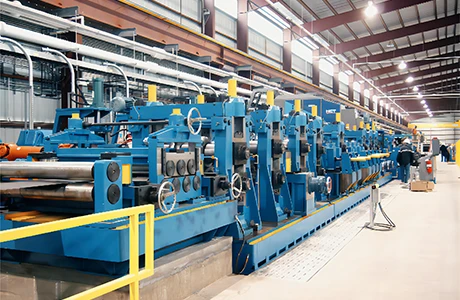
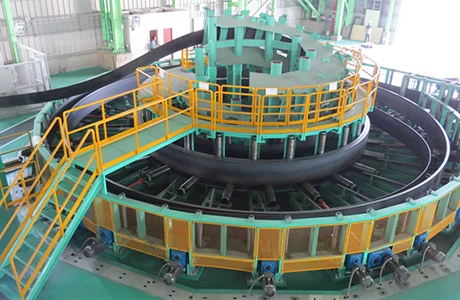
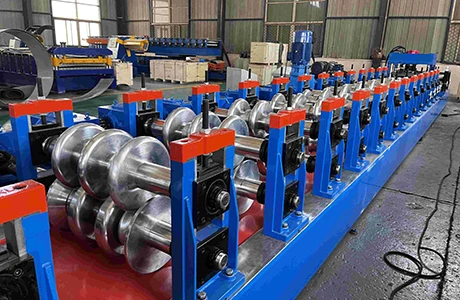
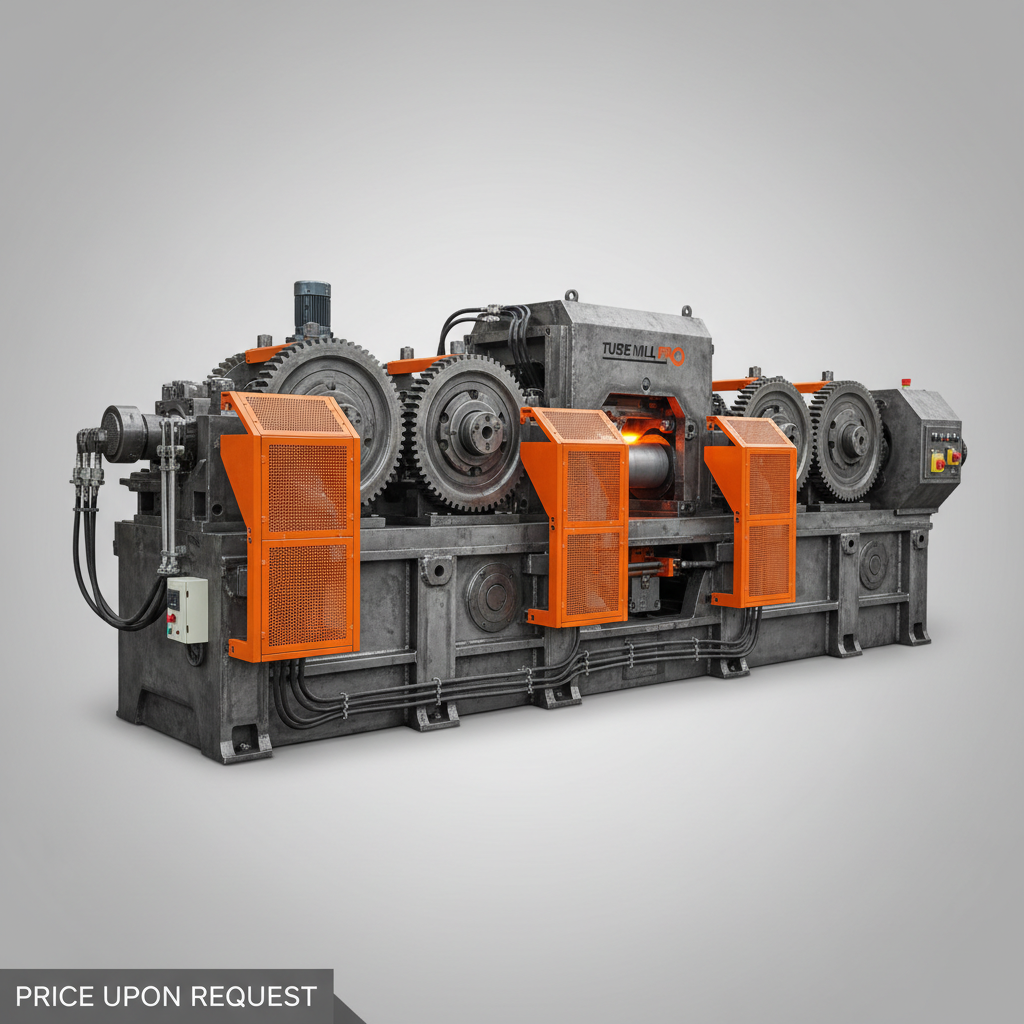
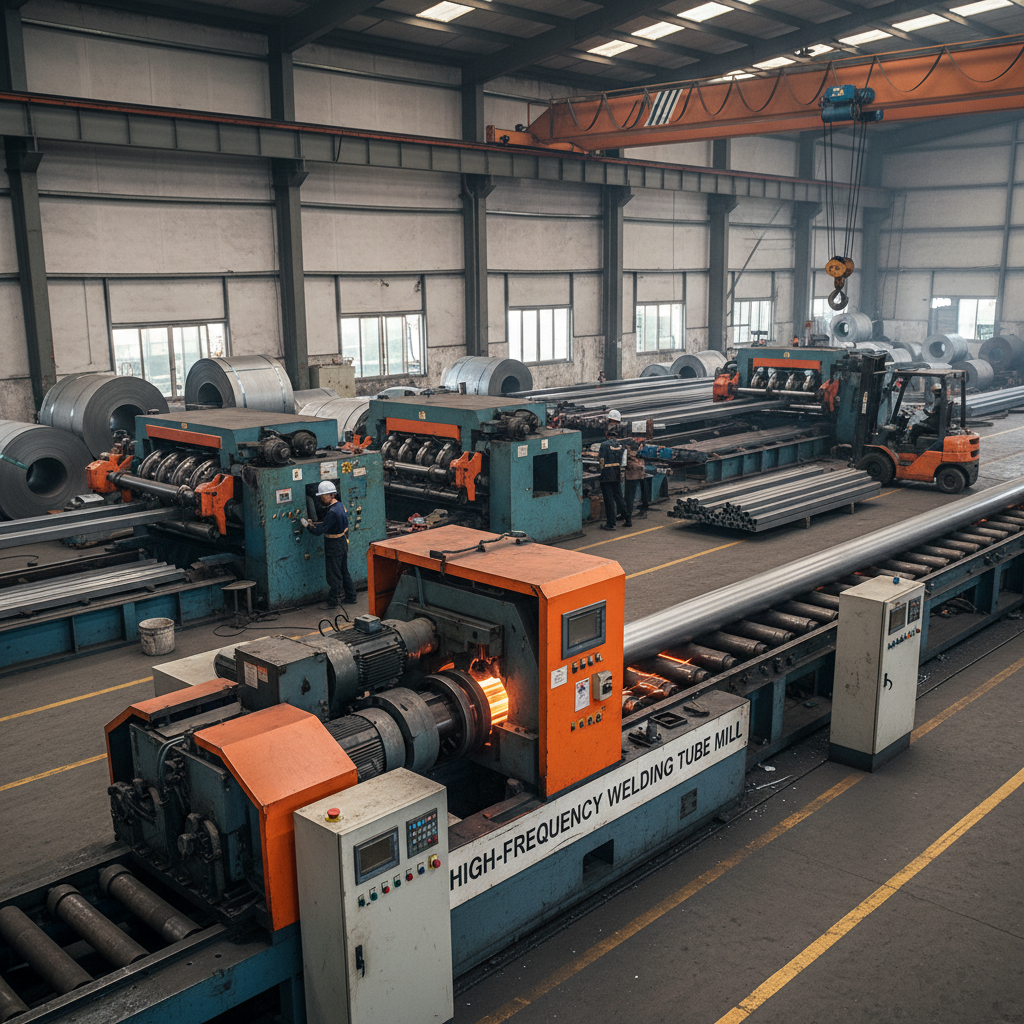
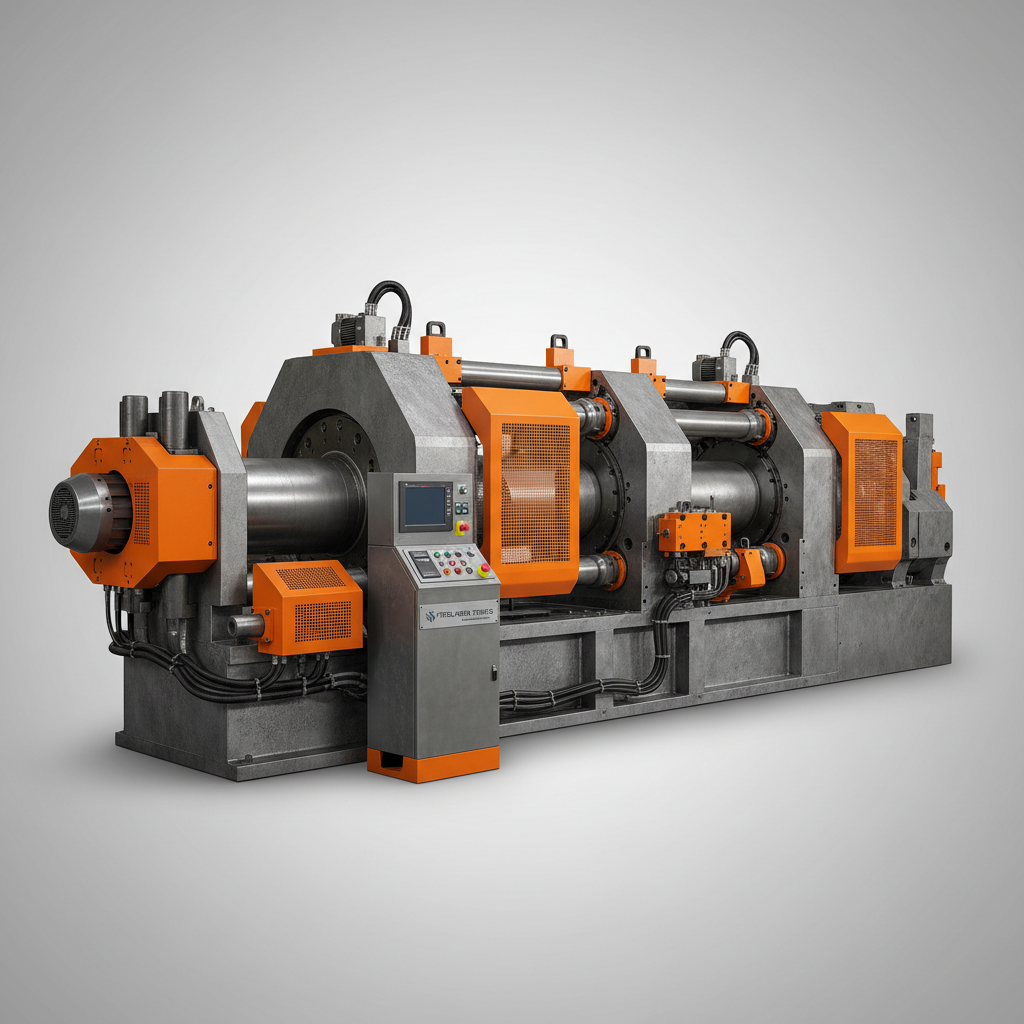
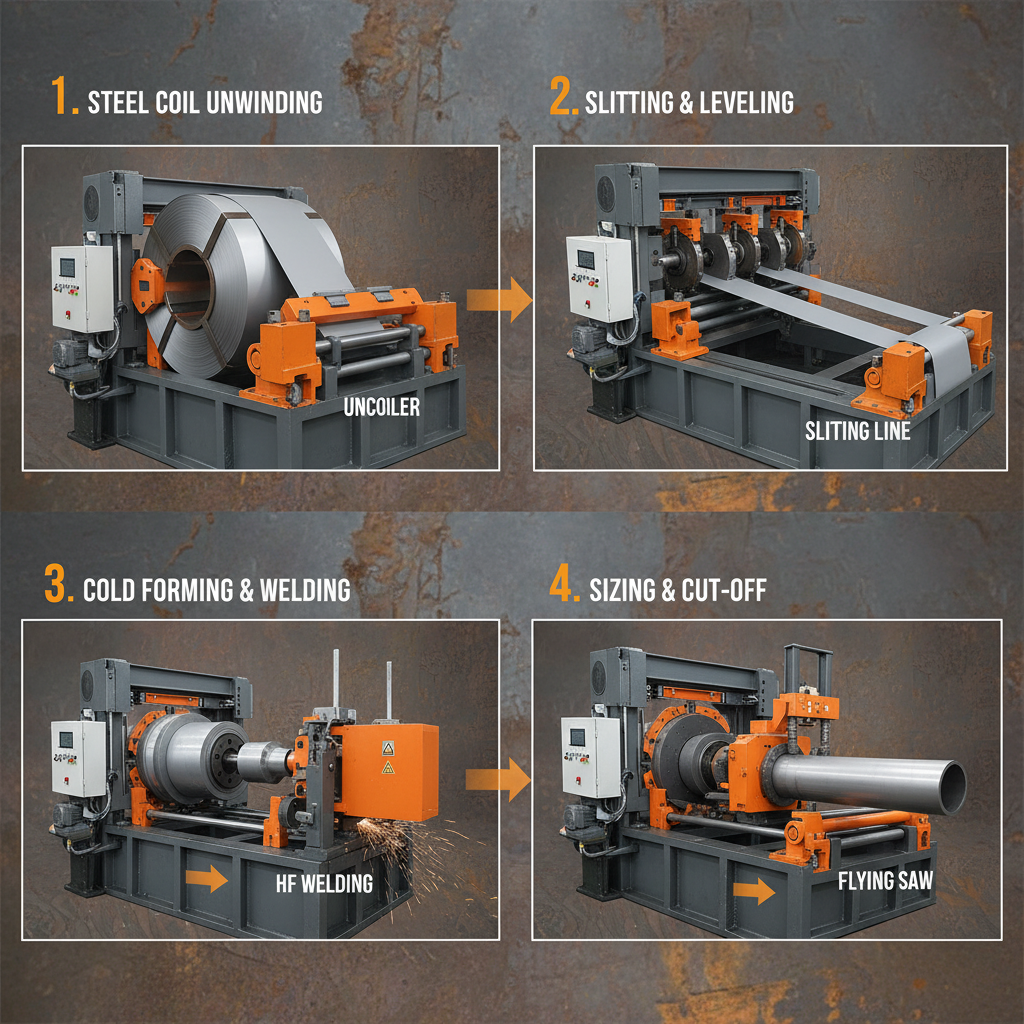
The global demand for robust and efficient steel piping solutions fuels a significant market for carbon steel tube mill machines. Understanding the carbon steel tube mill machine price is crucial for industries ranging from construction and energy to automotive and infrastructure. These machines play a vital role in producing high-quality steel tubes, essential components in numerous applications worldwide, impacting economies and supporting crucial developments across various sectors.
Fluctuations in raw material costs, technological advancements, and global economic conditions directly influence the carbon steel tube mill machine price. According to the World Steel Association, global steel demand is projected to grow, subsequently driving the need for advanced tube manufacturing capabilities. This demand necessitates careful consideration of machine specifications, automation levels, and overall cost-effectiveness when investing in a carbon steel tube mill machine.
Investing in a quality carbon steel tube mill machine offers long-term benefits, including increased production capacity, reduced material waste, and improved product quality. It's not just a capital expenditure; it’s an investment in a company’s ability to compete in a global market characterized by stringent quality standards and demanding customer expectations. Understanding the intricacies of the carbon steel tube mill machine price allows businesses to make informed decisions and secure a sustainable future.
The Global Significance of carbon steel tube mill machine price
The demand for carbon steel tubes is intrinsically linked to global infrastructure development, particularly in emerging economies. The carbon steel tube mill machine price therefore plays a pivotal role in enabling this growth. Countries investing in pipelines, construction, and manufacturing rely heavily on efficient and cost-effective tube production capabilities.
According to data from the United Nations, rapid urbanization and industrialization are occurring in many parts of the world, driving up the demand for steel tubes. This creates both opportunities and challenges for manufacturers, requiring them to invest in modern machinery to maintain competitiveness. Understanding the intricacies of the carbon steel tube mill machine price is essential for navigating this dynamic landscape.
Defining Carbon Steel Tube Mill Machine Price
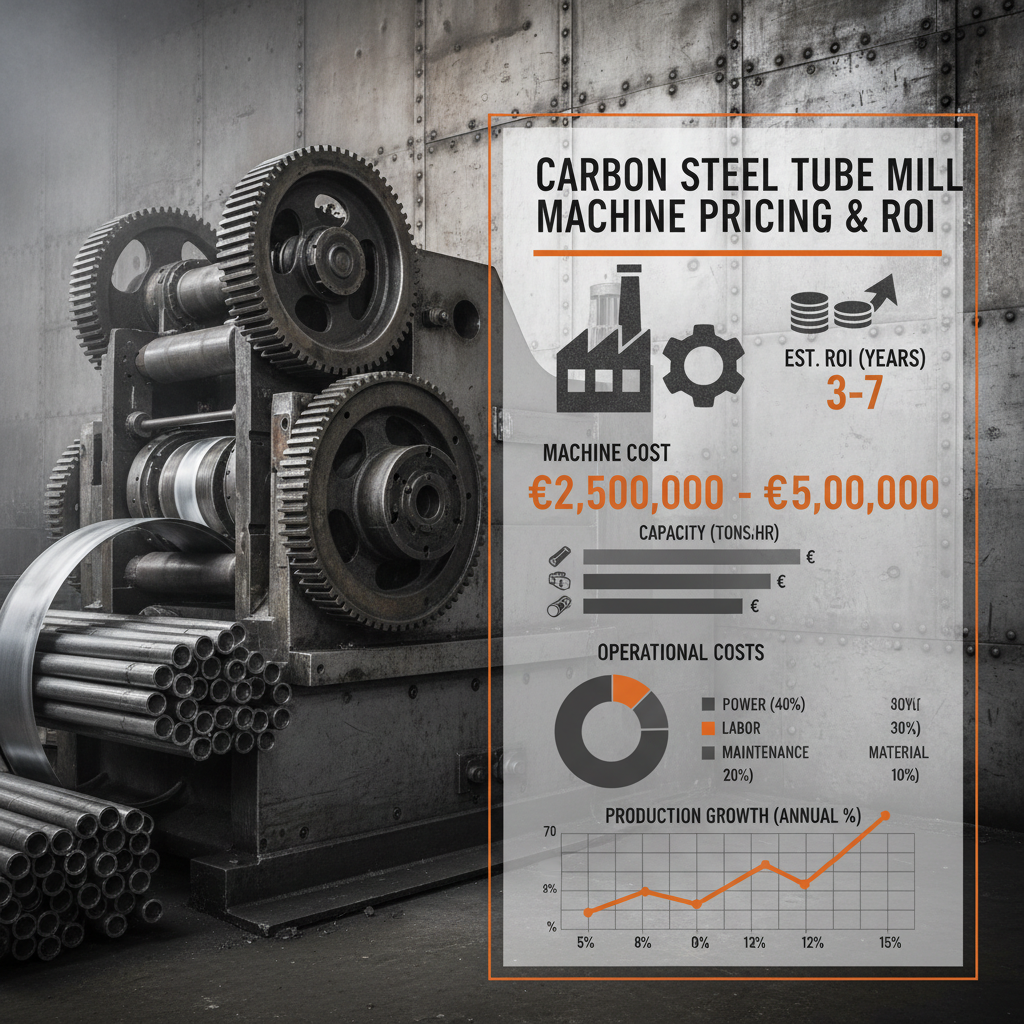
The carbon steel tube mill machine price isn't simply a sticker figure. It represents the total cost associated with acquiring a machine capable of forming flat or coiled carbon steel into tubular shapes. This encompasses not only the initial purchase cost but also expenses related to installation, tooling, training, and ongoing maintenance.
Different types of tube mill machines cater to varying production requirements – from small-diameter, high-precision tubes to large-diameter, heavy-wall tubes. The complexity of the machine, its level of automation, and the materials used in its construction significantly impact its price.
Understanding the various components and configurations available is crucial for determining the most appropriate machine for a specific application and budget. A properly selected machine represents a long-term investment, contributing to operational efficiency and product quality.
Core Factors Influencing Carbon Steel Tube Mill Machine Price
Several key factors contribute to the overall carbon steel tube mill machine price. Machine capacity, which refers to the maximum diameter and wall thickness of tubes it can produce, is a primary determinant. Higher capacity machines generally come with a higher price tag due to their more robust construction and advanced components.
The level of automation integrated into the machine also significantly impacts cost. Fully automated machines, equipped with features like automatic welding, cutting, and inspection systems, command a premium price compared to semi-automatic or manual machines. However, the increased efficiency and reduced labor costs associated with automation can often justify the higher upfront investment.
The manufacturer's reputation and the quality of components used play a critical role. Machines from established manufacturers known for their reliability and durability typically have a higher price point. Choosing a reputable manufacturer also ensures access to reliable after-sales service and technical support.
Global Applications and Use Cases of Carbon Steel Tube Mills
Carbon steel tubes produced by these mills find widespread application in the oil and gas industry, serving as pipelines for transporting crude oil, natural gas, and refined products. The construction sector utilizes them in structural components, scaffolding, and water piping systems.
The automotive industry relies on carbon steel tubes for exhaust systems, chassis components, and safety cages. The agricultural sector uses them for irrigation systems and structural supports for greenhouses.
In post-disaster relief operations, readily deployable carbon steel tube mills can provide on-site production of tubes for temporary shelters and critical infrastructure repairs. In remote industrial zones, these mills enable local production, reducing reliance on long supply chains.
Carbon Steel Tube Mill Machine Price Comparison
Advantages and Long-Term Value Proposition
Investing in a modern carbon steel tube mill machine offers significant cost savings through increased production efficiency, reduced material waste, and lower labor requirements. The ability to produce tubes in-house can also eliminate reliance on external suppliers, leading to greater control over supply chains.
The long-term reliability and durability of a well-maintained machine contribute to its overall value. Choosing a machine with advanced features, such as automatic welding and inspection systems, can improve product quality and reduce the risk of defects, enhancing customer satisfaction.
Future Trends in Carbon Steel Tube Mill Technology
The future of carbon steel tube mill technology is geared towards greater automation, digitalization, and sustainability. Artificial intelligence (AI) and machine learning are being integrated into machine control systems to optimize production processes and improve product quality.
The development of new materials and coatings is enhancing the corrosion resistance and durability of carbon steel tubes. Energy-efficient designs and the use of renewable energy sources are reducing the environmental impact of tube manufacturing.
Digital twin technology allows for virtual modeling and simulation of tube mill operations, enabling predictive maintenance and process optimization. These advancements are driving down the total cost of ownership and maximizing the return on investment in carbon steel tube mill machinery.
Challenges and Solutions in Carbon Steel Tube Mill Acquisition
One common challenge is accurately assessing production needs and selecting a machine with the appropriate capacity and features. It’s crucial to conduct a thorough needs analysis and consider future growth potential.
Another challenge is navigating the complex financing options available. Exploring leasing or financing plans can make a machine more accessible, but it’s important to carefully evaluate the terms and conditions.
Proper training and ongoing technical support are essential for maximizing the performance and lifespan of the machine. Partnering with a reputable manufacturer that offers comprehensive training programs and readily available support services is a key solution.
Summary of Key Considerations for Carbon Steel Tube Mill Machine Selection
| Machine Capacity |
Automation Level |
Manufacturer Reputation |
Post-Sales Support |
| Maximum Tube Diameter & Wall Thickness |
Manual, Semi-Automatic, or Fully Automatic |
Years in Business, Customer Reviews |
Training Availability, Service Response Time |
| Production Volume Capability |
Welding Automation Features |
Component Quality & Origin |
Spare Parts Accessibility |
| Material Compatibility |
Inspection System Integration |
Technological Innovation |
Warranty Coverage |
| Tube Precision & Tolerance |
Cutting & Finishing Automation |
Industry Certifications |
Remote Diagnostics Capabilities |
| Energy Efficiency |
Data Logging & Analytics |
Financial Stability of Manufacturer |
Customization Options |
| Safety Features |
Remote Control Functionality |
Compliance with Industry Standards |
Preventative Maintenance Programs |
FAQS
The carbon steel tube mill machine price is influenced by several factors, including machine capacity (diameter and wall thickness), automation level (manual, semi-automatic, fully automatic), manufacturer reputation, component quality, and post-sales support. Higher capacity, greater automation, and reputable manufacturers typically command higher prices.
Generally, a higher level of automation increases the carbon steel tube mill machine price. Fully automated machines, with features like automatic welding, cutting, and inspection, cost more upfront but offer benefits like increased production efficiency, reduced labor costs, and improved product consistency.
With proper maintenance and care, a high-quality carbon steel tube mill machine can have a lifespan of 15-25 years or even longer. Regular maintenance, including lubrication, cleaning, and timely replacement of worn parts, is crucial for maximizing its lifespan and minimizing downtime.
Reliable after-sales support is vital. You should expect comprehensive training for your operators, readily available spare parts, timely technical assistance, and preventative maintenance programs. Remote diagnostics capabilities are also a significant benefit for quickly resolving issues.
Several financing options are available, including traditional bank loans, equipment leasing, and manufacturer financing. Carefully compare the terms and conditions of each option to determine the most suitable solution for your financial situation. Consider factors like interest rates, repayment terms, and potential tax benefits.
Many manufacturers offer customization options to tailor the machine to your specific production requirements. This may include modifications to the machine's capacity, automation level, tooling, and control systems. Discussing your needs with the manufacturer during the initial consultation is essential.
Conclusion
In conclusion, the carbon steel tube mill machine price is a complex equation shaped by numerous factors, ranging from technical specifications and automation levels to manufacturer reputation and after-sales support. Understanding these intricacies is paramount for making informed investment decisions that align with your specific production needs and long-term business goals. A well-chosen machine isn't merely a cost; it’s a strategic asset that drives efficiency, quality, and profitability.
Looking ahead, the adoption of advanced technologies like AI and digitalization will continue to reshape the landscape of carbon steel tube mill manufacturing. Investing in modern, future-proof machinery is crucial for staying competitive in a rapidly evolving market. We invite you to explore our range of carbon steel tube mill machines and discover how we can help you optimize your production processes. Visit our website: www.aistubemill.com

 Tel:86-15176910262