The global demand for robust and cost-effective piping solutions fuels a significant market for pipe mills and, consequently, a keen interest in understanding pipe mill price. This is particularly critical in rapidly developing nations undertaking large-scale infrastructure projects, as well as in established economies maintaining and expanding their energy, water, and industrial networks. Accurate assessment of pipe mill price is paramount for project budgeting, resource allocation, and ensuring long-term sustainability.
Fluctuations in raw material costs, manufacturing technologies, and global economic conditions directly impact pipe mill price. Understanding these dynamics allows stakeholders – from engineers and procurement managers to investors and policymakers – to make informed decisions. The importance extends beyond simple cost analysis, encompassing factors such as quality, delivery timelines, and the overall lifecycle cost of the piping system.
Ultimately, a thorough understanding of pipe mill price is essential for facilitating efficient infrastructure development, ensuring project feasibility, and driving economic growth across various industries worldwide. It's a cornerstone of modern industrial planning and operational efficiency.
The Significance of Pipe Mill Price
Understanding the dynamics of pipe mill price is crucial for effective project management across numerous sectors. It allows for accurate cost estimation, optimizing budget allocation, and avoiding potential financial overruns. Properly accounting for pipe mill price prevents delays and ensures the successful completion of projects.
Beyond the initial procurement cost, the overall value proposition is affected by the pipe's longevity, resistance to corrosion, and the supplier’s reliability. Therefore, assessing pipe mill price isn’t merely about finding the cheapest option, but securing the best life-cycle value.
Defining Pipe Mill Price
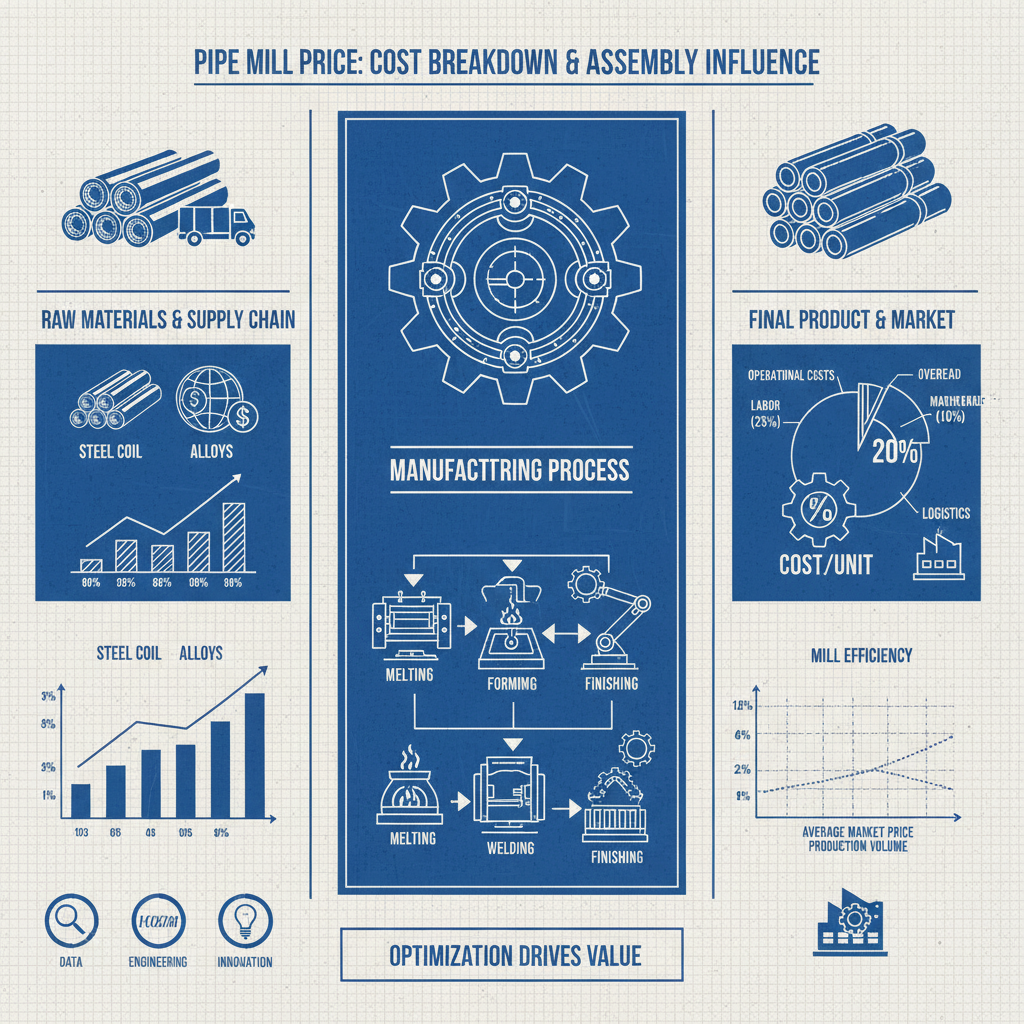
Pipe mill price refers to the total cost associated with the manufacturing and delivery of steel pipes from a pipe mill to a customer. This price is not simply the cost of raw materials; it encompasses a multitude of factors, including labor, energy consumption, tooling, quality control, and profit margins.
The price is often quoted per unit of length (e.g., per ton, per meter, per foot) and can vary significantly depending on the pipe’s specifications: diameter, wall thickness, material grade, and manufacturing process. Understanding these variables is crucial when comparing quotes from different pipe mills.
In the context of modern infrastructure, accurate pipe mill price determination is vital for both large-scale projects like oil and gas pipelines and smaller applications such as water distribution networks. It underpins sustainable development and efficient resource management.
Key Components Influencing Pipe Mill Price
Several key components influence pipe mill price. Raw material costs, particularly the price of steel billets or coils, are a primary driver. Fluctuations in the global steel market directly translate to price variations in finished pipes. Furthermore, energy costs play a significant role, as pipe manufacturing is an energy-intensive process.
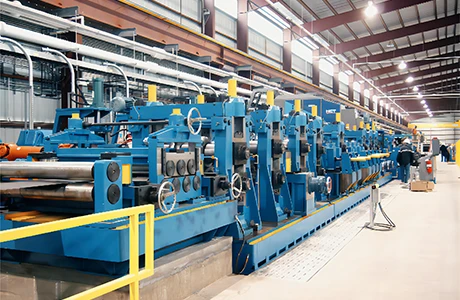
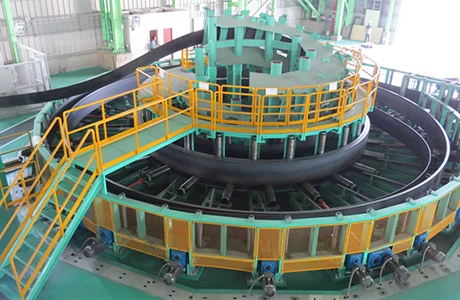
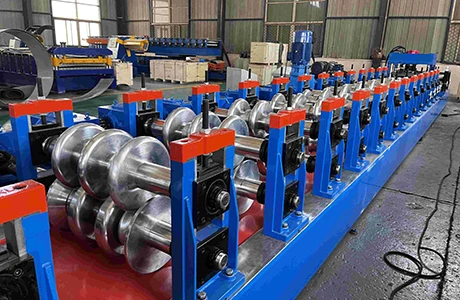
Labor costs, technological sophistication of the mill, and the complexity of the pipe’s specifications (e.g., alloy composition, coating requirements) also contribute substantially. Mills investing in advanced technologies like automated welding and non-destructive testing often command higher prices but offer superior quality and consistency.
Finally, shipping and logistics expenses, including transportation, insurance, and handling, add to the overall pipe mill price. Proximity to the raw material source and the end-user can significantly affect these costs.
Global Applications of Pipe Mill Products
Pipe mill products are fundamental to a wide range of global industries. The oil and gas sector relies heavily on large-diameter, high-strength pipes for transporting crude oil and natural gas across continents. The water and wastewater management industry utilizes pipes of varying sizes and materials for distribution networks and sewage systems.
Construction projects, from residential buildings to large-scale infrastructure, depend on steel pipes for plumbing, heating, ventilation, and air conditioning (HVAC) systems. Moreover, the agricultural sector employs pipes for irrigation and drainage, enhancing crop yields and water efficiency.
Pipe Mill Price Comparison by Manufacturing Method
Advantages and Long-Term Value
Investing in high-quality pipes from reputable mills offers several advantages beyond the initial pipe mill price. Enhanced durability reduces the need for frequent replacements, lowering lifecycle costs. Corrosion resistance minimizes maintenance requirements and prevents costly failures.
Furthermore, reliable suppliers ensure consistent quality and timely deliveries, minimizing project delays and disruptions. Prioritizing long-term value through careful pipe selection contributes to sustainable infrastructure and responsible resource management.
Future Trends in Pipe Manufacturing
The pipe manufacturing industry is evolving rapidly, driven by technological advancements and increasing sustainability concerns. The adoption of Industry 4.0 principles, including automation, data analytics, and machine learning, is optimizing production processes and improving quality control.
The development of new materials, such as high-strength low-alloy (HSLA) steels and composite pipes, is offering enhanced performance and reduced weight. Additionally, there’s a growing emphasis on eco-friendly manufacturing practices, including reducing energy consumption and minimizing waste.
These trends are expected to influence pipe mill price by potentially lowering production costs, improving product quality, and promoting sustainable practices.
Challenges and Mitigation Strategies
Despite advancements, the pipe manufacturing industry faces several challenges. Volatility in raw material prices, supply chain disruptions, and increasing regulatory requirements can impact pipe mill price and create uncertainty.
Mitigation strategies include establishing long-term supply contracts, diversifying sourcing options, and investing in hedging mechanisms. Adopting lean manufacturing principles and implementing robust quality control systems can also help to minimize costs and ensure product consistency.
Collaboration between pipe manufacturers, suppliers, and end-users is essential for addressing these challenges and fostering a resilient and sustainable industry.
Summary of Key Challenges and Mitigation Strategies for Pipe Mill Price Management
| Challenge |
Impact on Pipe Mill Price |
Mitigation Strategy |
Effectiveness Rating (1-10) |
| Raw Material Price Volatility |
Increased cost of production, fluctuating pipe mill price. |
Long-term supply contracts, hedging strategies. |
8 |
| Supply Chain Disruptions |
Delivery delays, increased transportation costs. |
Diversification of sourcing, building buffer inventory. |
7 |
| Regulatory Compliance |
Increased costs associated with adhering to standards. |
Proactive compliance measures, investment in certification. |
9 |
| Energy Costs |
Higher production expenses, impacting pipe mill price. |
Energy efficiency improvements, renewable energy sources. |
6 |
| Labor Costs |
Increased production expenses, influencing pipe mill price. |
Automation, skill development programs. |
7 |
| Quality Control Failures |
Rework, scrap, and potential warranty claims increase costs. |
Implement robust quality control systems, invest in training. |
9 |
FAQS
The most significant factors impacting pipe mill price are fluctuations in raw material costs (especially steel), energy prices, global supply chain conditions, and prevailing market demand. Geopolitical events and trade policies can also play a role. Unexpected spikes in these areas can quickly translate into price increases for pipe products.
When comparing quotes, look beyond just the per-unit price. Consider all associated costs – including shipping, insurance, taxes, and any required certifications or testing. Specify detailed pipe specifications (diameter, wall thickness, material grade) to ensure apples-to-apples comparisons. Also, assess the supplier's reputation for quality, reliability, and lead times.
Typical lead times for large pipe orders can range from 4 to 12 weeks, depending on the pipe's specifications, the mill's production capacity, and current order backlogs. Specialty alloys or non-standard dimensions will generally require longer lead times. It’s crucial to confirm lead times with the supplier during the quoting process to avoid project delays.
Negotiating a better price is often possible, especially for large-volume orders. Consider establishing a long-term relationship with a supplier, committing to future purchases, or exploring alternative pipe materials. Providing detailed forecasts and being flexible with delivery schedules can also create leverage for price negotiations.
The material significantly impacts pipe mill price. Carbon steel is generally the most affordable, while alloy steels (e.g., stainless steel, chrome-moly) are considerably more expensive due to their enhanced corrosion resistance and strength. Material selection should be based on the application's specific requirements and budget constraints.
Certifications like API 5L, ASTM, and ISO standards are crucial for ensuring pipe quality and compliance. Pipes with these certifications typically command a higher price due to the rigorous testing and quality control processes involved. However, these certifications are often essential for specific applications and can save money in the long run by reducing the risk of failures.
Conclusion
In conclusion, understanding pipe mill price is far more than simply finding the lowest cost; it’s a strategic exercise involving the assessment of numerous factors, including material quality, manufacturing processes, supplier reliability, and long-term lifecycle costs. A comprehensive approach that considers these elements ensures optimal value and mitigates potential risks.
Looking ahead, embracing innovative technologies, fostering collaborative relationships within the supply chain, and prioritizing sustainable practices will be critical for navigating the evolving landscape of pipe manufacturing. For accurate pricing information and a wide range of quality pipe products, visit our website at www.aistubemill.com.

 Tel:86-15176910262