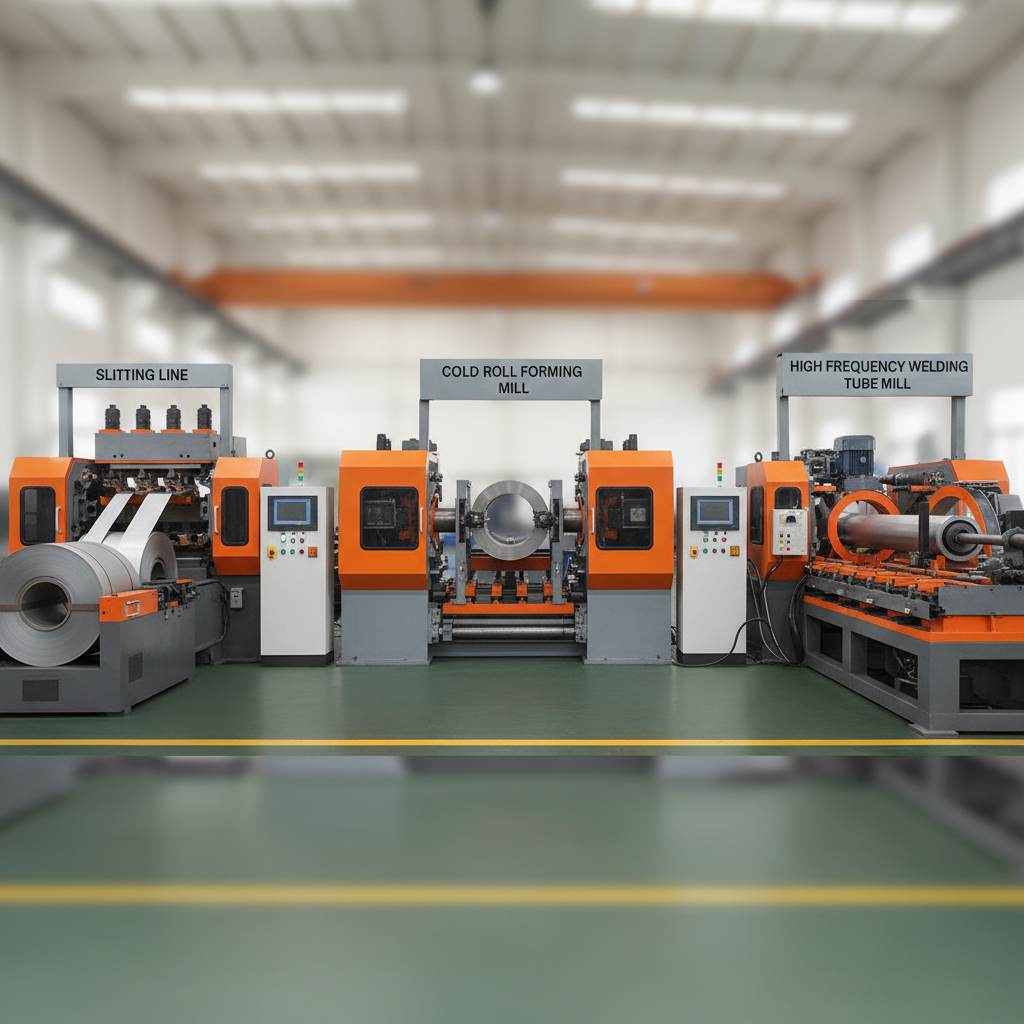
Look, I’ve spent the last twenty years breathing concrete dust and wrestling steel. I’ve seen a lot of mills come and go, a lot of promises made, and a lot of tubing that just…didn’t hold up. But understanding good erw tube mill suppliers, really understanding them, is the difference between a project that runs smoothly and one that bleeds money and time. It's not just about price; it's about reliability, consistency, and knowing the supplier has your back when things get tough on the jobsite. A good supplier understands the pressure we’re under and delivers a product that minimizes headaches.
What I’ve learned is that finding a reliable source for ERW (Electric Resistance Welded) tubing isn’t about chasing the lowest bid. It’s about finding a partner who prioritizes quality control, understands the specific demands of your project – whether it’s structural supports, pipelines, or something else entirely – and can consistently deliver tubing that meets those specifications. The availability and lead times are critical. You can’t afford delays when you've got a crew waiting and a schedule to meet. That’s where experienced erw tube mill suppliers make all the difference.
And it’s more complex than just “steel.” Different alloys, different wall thicknesses, different finishing options…it all matters. Knowing which supplier can provide the right tube for the job, and do it consistently, is a skill that separates the good project managers from the great ones. We’re not just ordering materials; we’re mitigating risk and ensuring the long-term integrity of the structure we’re building.
The Importance of Reliable erw tube mill suppliers
You know, you can’t build anything lasting on a shaky foundation, and that goes for your supply chain too. Reliable erw tube mill suppliers are the foundation of any successful steel-based construction project. It’s not just about getting the tubes delivered on time, though that’s obviously huge. It's about consistent quality, adherence to specifications, and knowing they’re willing to work with you when inevitable changes happen on-site.
I’ve seen projects stalled for weeks because a supplier couldn't deliver on their promises. That’s a cost that goes way beyond the price per ton. It's lost productivity, frustrated crews, and a dent in your reputation. The best suppliers understand this and prioritize long-term partnerships over quick profits.
Understanding ERW Tube Mill Capabilities
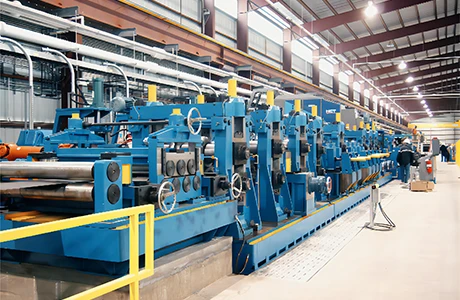
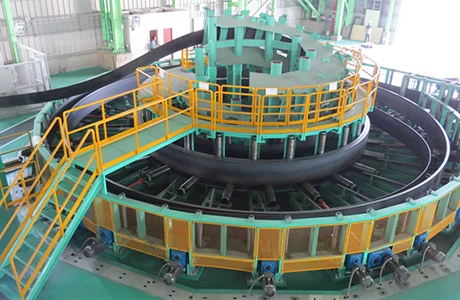
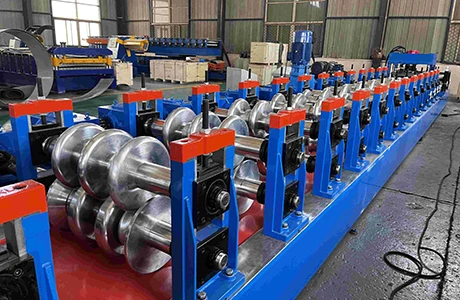
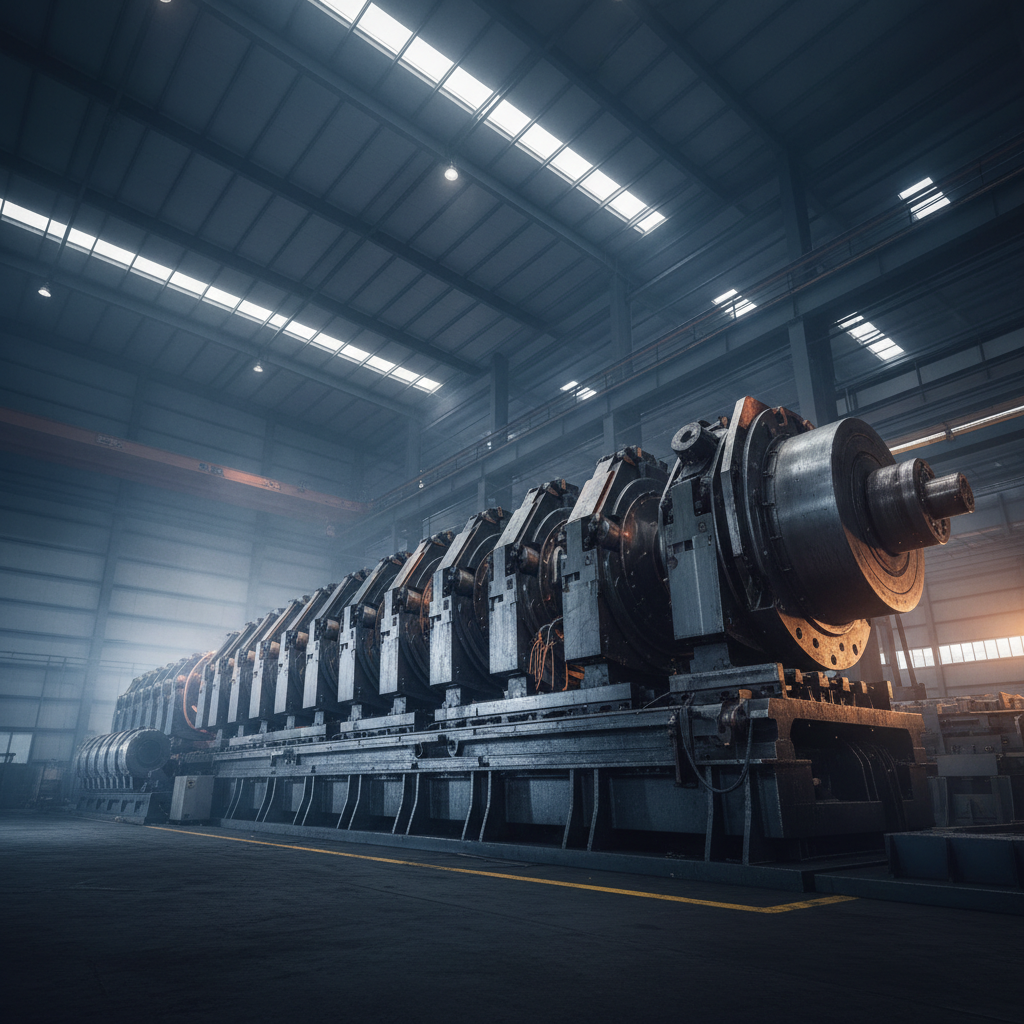
A lot of folks don’t realize the complexity involved in producing ERW tubing. It's not just running a sheet of steel through rollers. The welding process itself requires precise control of current, pressure, and speed. The quality of the seam is critical, and a good supplier will have rigorous testing procedures in place to ensure its integrity. I've personally inspected enough welds to know a sloppy one when I see it.
Beyond the welding, there’s the issue of sizing, straightening, and finishing. Different projects require different tolerances, and a capable supplier will have the equipment and expertise to meet those needs. They'll also understand the different steel grades and alloys, and can advise you on the best material for your application. Knowing their capacity - how much they can produce, what sizes they handle – is key.
And don't underestimate the importance of their internal processes. A well-organized mill, with clear communication channels and a commitment to continuous improvement, is far more likely to deliver a consistent, high-quality product. I always ask about their quality control systems and their track record.
Key Factors in Selecting erw tube mill suppliers
When I’m vetting a potential erw tube mill suppliers, the first thing I look at is their certifications. ISO 9001 is a good start, but I also want to see evidence of compliance with relevant industry standards, like ASTM or EN. Those certifications aren't just pieces of paper; they demonstrate a commitment to quality and a willingness to be audited.
Secondly, their lead times. A supplier who promises the world but can’t deliver on time is useless. I need to know they can consistently meet my project deadlines. I always ask for realistic delivery schedules and get it in writing. And I also check their inventory levels – can they handle a sudden increase in demand?
Finally, and this is huge, is their responsiveness. How quickly do they respond to RFQs? How accessible are their engineers and technical staff? I need a supplier who’s willing to work with me to solve problems, not just sell me tubes. I need someone I can actually reach when things go sideways on a Friday afternoon.
Global Applications and Industry Standards for erw tube mill suppliers
ERW tubing isn't confined to construction. You’ll find it in everything from automotive exhaust systems to agricultural irrigation pipelines. Because of that wide use, there's a whole landscape of standards and regulations to navigate. A reputable erw tube mill suppliers understands these regulations and ensures their products comply.
In the oil and gas industry, for instance, stringent standards like API 5L govern the manufacture of pipelines. In the automotive sector, you’re looking at standards related to corrosion resistance and structural integrity. Knowing the specific requirements for your application is crucial, and a good supplier will guide you through the process.
We often deal with projects requiring specialized coatings or finishes – galvanized steel for corrosion protection, powder coating for aesthetics. A supplier with experience in these areas can save you a lot of headaches and ensure the tubing meets your exact specifications.
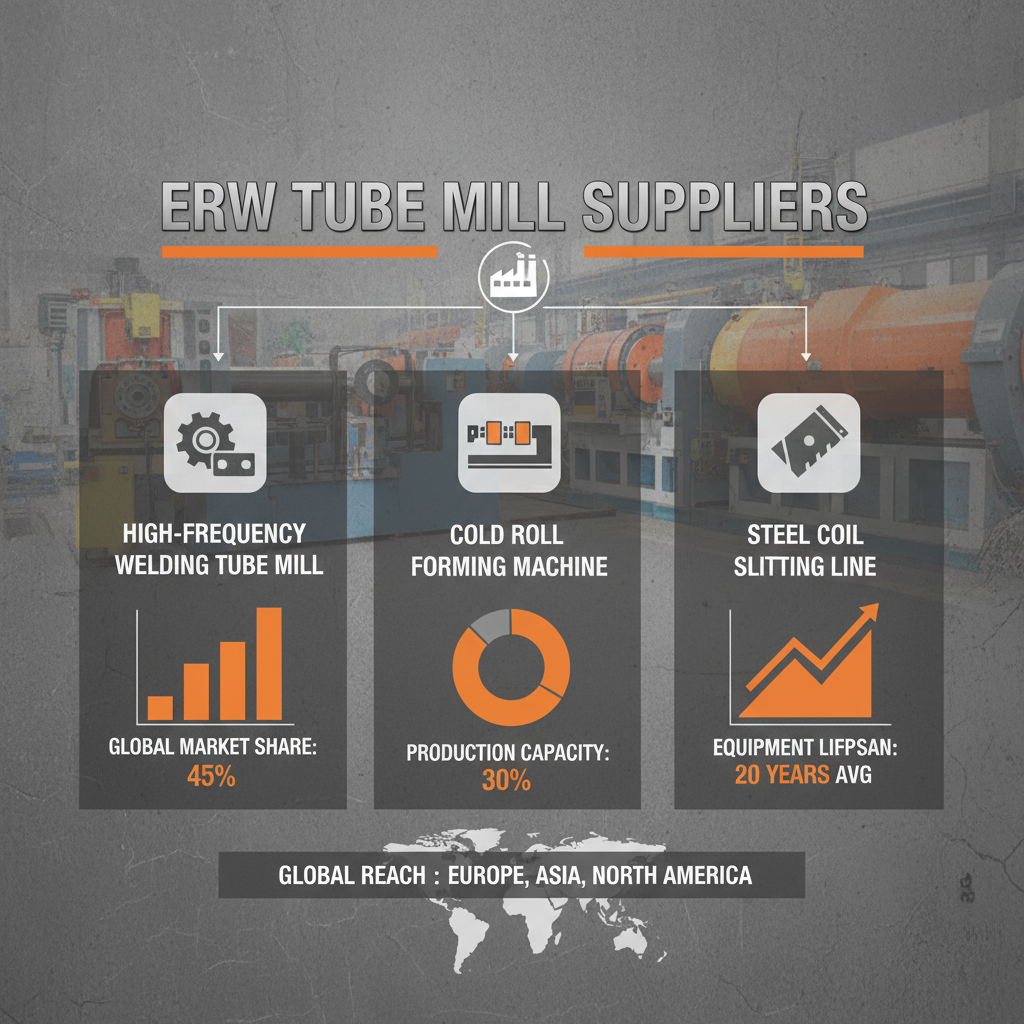
ERW Tube Mill Supplier Performance Metrics
Advantages of Partnering with Experienced Suppliers
Look, cheap isn't always good. I’ve learned the hard way that paying a little more upfront for quality tubing from an experienced erw tube mill suppliers saves you a lot of money – and headaches – down the line. Reduced rework, fewer failures, and faster project completion all add up.
An experienced supplier doesn't just sell you tubing; they offer solutions. They can advise you on material selection, optimize your design for manufacturability, and provide technical support when you need it. That kind of partnership is invaluable.
Future Trends and Innovations in ERW Tubing
We’re seeing a lot of innovation in the ERW tubing space. High-strength, low-alloy (HSLA) steels are becoming more common, offering increased strength and corrosion resistance. Manufacturers are also exploring new welding techniques to improve seam quality and reduce production costs.
There’s also a growing demand for more sustainable manufacturing processes. Suppliers are investing in energy-efficient equipment and exploring ways to reduce waste. And of course, digitalization is playing a big role, with more and more mills using advanced monitoring and control systems to optimize their operations.
I’m keeping a close eye on developments in laser welding, which promises even greater precision and control. And I’m also interested in the potential of additive manufacturing – 3D printing – to create customized tubing solutions.
Addressing Challenges in the ERW Supply Chain
Right now, the biggest challenge is volatility in raw material prices. Steel prices fluctuate wildly, which makes it difficult to budget and plan. And supply chain disruptions – like we saw during the pandemic – can lead to delays and shortages.
Another challenge is finding skilled labor. The ERW tubing industry requires a highly trained workforce, and there’s a growing shortage of qualified technicians and engineers. Suppliers need to invest in training and development to attract and retain talent.
To mitigate these risks, I look for suppliers who have strong relationships with their raw material vendors and who maintain robust inventory levels. I also prioritize suppliers who are committed to investing in their workforce and adopting new technologies.
Summary of Key Considerations for ERW Tube Mill Supplier Selection
| Quality Control Procedures |
Production Capacity & Lead Times |
Technical Support & Expertise |
Certifications & Compliance |
| Rigorous testing of seam welds |
Ability to handle large-volume orders |
On-site engineering support available |
ISO 9001 certified |
| Destructive and non-destructive testing |
Consistent delivery within agreed-upon timelines |
Material selection guidance |
ASTM and EN compliance |
| Dimensional accuracy verification |
Flexibility to accommodate rush orders |
Troubleshooting assistance |
API 5L certification (if applicable) |
| Surface finish inspection |
Transparent communication regarding delays |
Design for manufacturability expertise |
Third-party audit reports |
| Material traceability |
Inventory management capabilities |
Customization options |
Documented quality management system |
| Statistical process control |
Ability to scale production |
Responsive customer service |
Commitment to continuous improvement |
FAQS
That's a good question. Seamless tubing is, as the name suggests, made from a single piece of steel, while ERW is formed by welding a steel strip. Seamless is generally stronger, but also more expensive. ERW is perfectly suitable for many applications, especially where cost is a concern and the structural requirements aren't extreme. It really comes down to the specific needs of the project.
You want to see a supplier that performs both destructive and non-destructive testing. Destructive tests involve physically testing the strength of the welds, while non-destructive tests, like ultrasonic testing, can detect flaws without damaging the tubing. A good supplier will also have a robust material traceability system.
Always provide detailed specifications upfront, including the steel grade, wall thickness, diameter, and any required coatings or finishes. Get a Material Test Report (MTR) for each batch of tubing to verify that it meets those specifications. And don’t be afraid to ask questions and request documentation.
Common defects include porosity, lack of fusion, and cracking in the weld seam. These can be caused by improper welding parameters, dirty materials, or worn-out equipment. A reputable supplier will have processes in place to prevent these defects and detect them during quality control.
Location is definitely a factor, especially with current fuel costs. A closer supplier can often offer faster delivery times and lower shipping costs. But don’t let location be the only deciding factor. Quality and reliability are more important than saving a few bucks on shipping.
Immediately notify the supplier and document the defects with photos and videos. Most reputable suppliers will have a process for handling returns and replacements. Don't try to use defective tubing – it’s not worth the risk. Your project’s integrity is paramount.
Conclusion
Ultimately, choosing the right erw tube mill suppliers is about more than just price. It’s about finding a partner who understands your needs, prioritizes quality, and is committed to delivering a reliable product. A good supplier will save you time, money, and headaches in the long run, and contribute to the success of your project.
Don't settle for anything less. Take the time to do your research, ask the right questions, and choose a supplier with a proven track record. Your project—and your reputation—depend on it. If you're looking for a reliable partner, visit our website at www.aistubemill.com to learn more about our capabilities and how we can help you succeed.

 Tel:86-15176910262