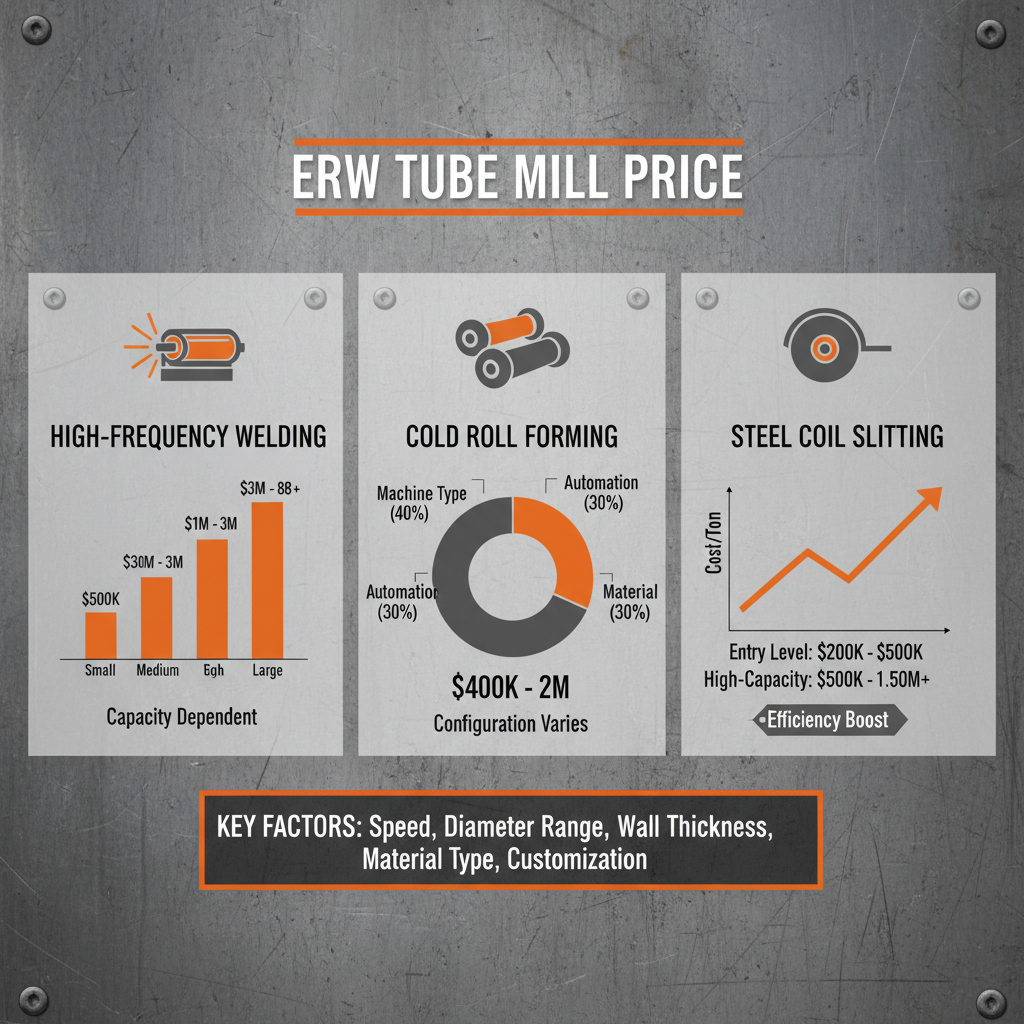
Understanding the variables that influence the tube mill price is critical for manufacturers aiming to optimize their production lines and maintain a competitive edge in the global metal products market. As infrastructure projects expand worldwide, the demand for high-precision ERW carbon steel tube mills and specialized forming machines has surged, making the initial investment cost a primary consideration for business scalability.
The fluctuation of the tube mill price is not merely a result of raw material costs but is deeply intertwined with the complexity of the machinery, such as the integration of solid state HF welders and advanced flying saws. For procurement managers, balancing the upfront capital expenditure with the long-term operational efficiency of the equipment is the key to maximizing return on investment (ROI) in the metal fabrication sector.
Ultimately, a comprehensive analysis of the tube mill price allows companies to make informed decisions about whether to invest in standard Normal Tech tube mills or move toward high-end, automated DFT Direct Square Forming systems. By understanding the value drivers—from durability to energy efficiency—manufacturers can secure equipment that supports both current production quotas and future growth.
Factors Determining the Initial Tube Mill Price
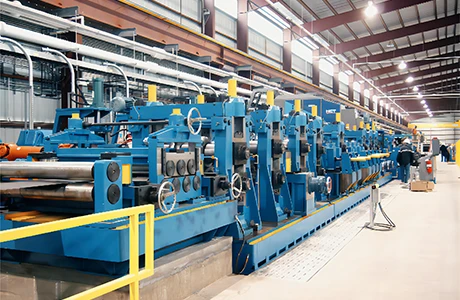
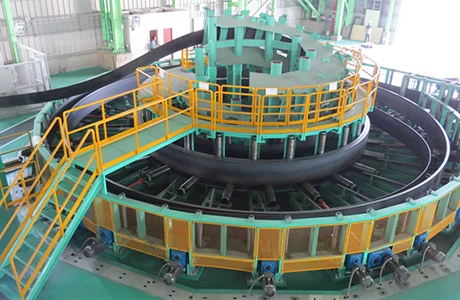
The initial tube mill price is primarily driven by the scale of the machine and the precision of its components. For instance, a mill designed for small-diameter precision tubing requires tighter tolerances and higher-grade alloys for the forming rollers, which inherently increases the cost compared to a heavy-duty mill used for large structural pipes.
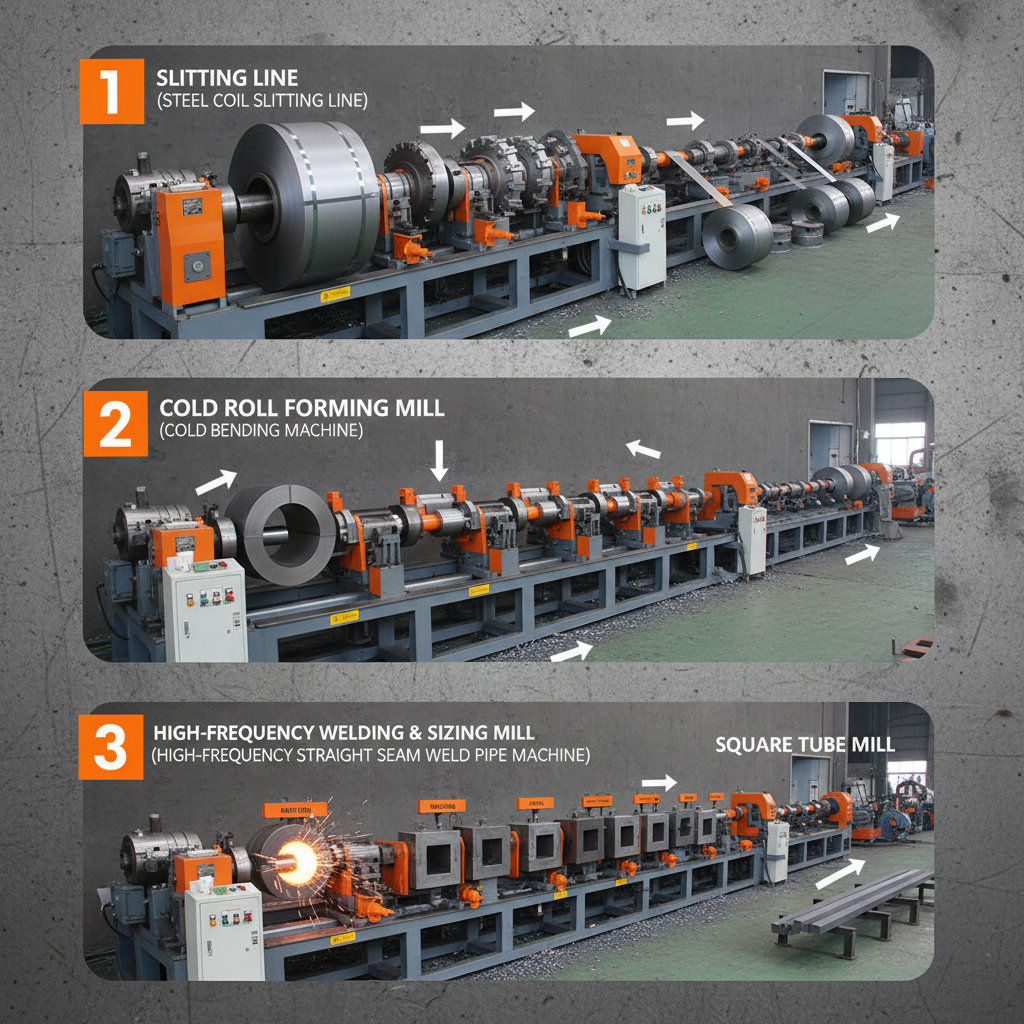
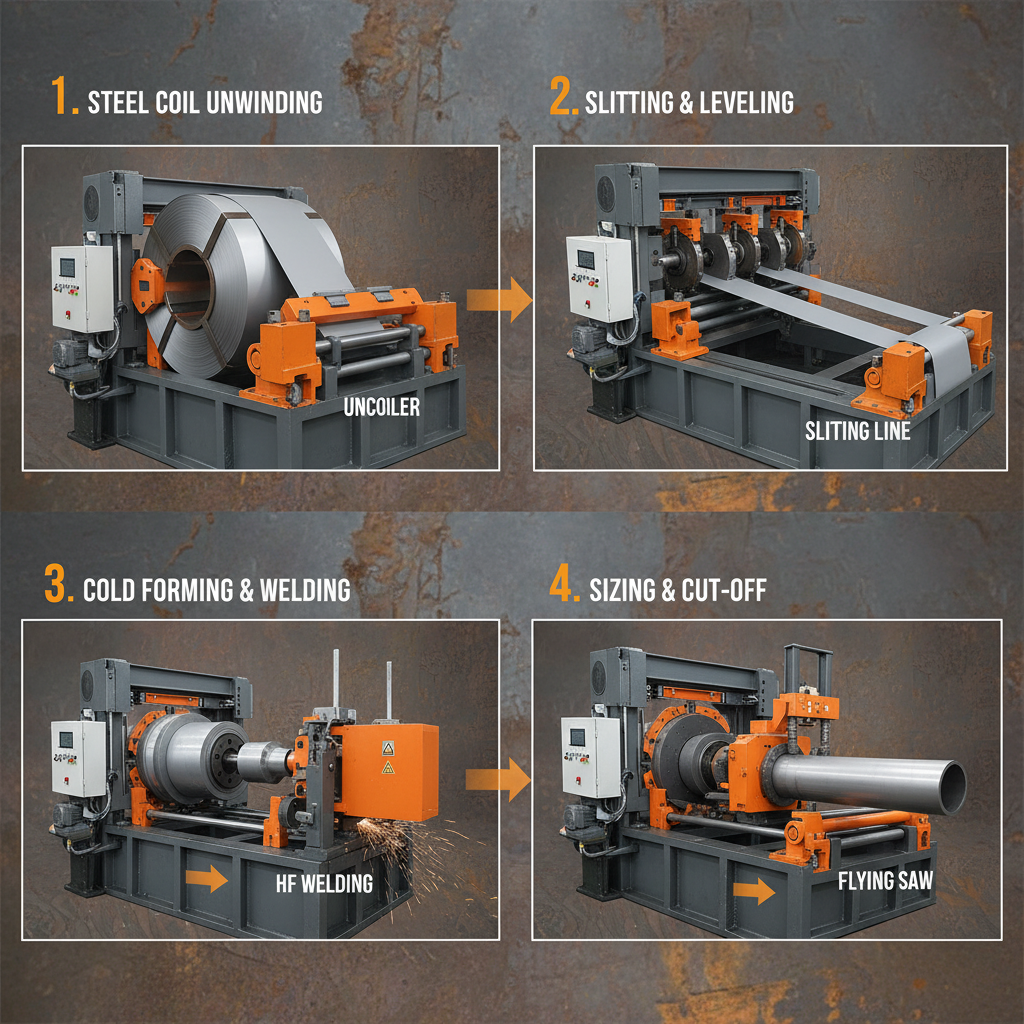
Furthermore, the inclusion of auxiliary equipment such as uncoilers, strip flatteners, and conveyor run-out tables adds significant value and cost to the total package. Customization options, such as specialized sizing sections or integrated flying cold saws, allow manufacturers to tailor the machine to specific product lines, but these bespoke additions directly influence the final quote.
Technical Specifications and Value Correlation
When analyzing the tube mill price, one must look at the technical sophistication of the welding system. A Solid State HF Welder offers superior consistency and energy efficiency compared to older technology, which may lower the cost per unit of production despite a higher initial purchase price. The synergy between the welder and the forming section ensures a seamless weld, reducing scrap rates and increasing overall profitability.
The material used in the rollers and the precision of the CNC control systems also play a pivotal role. High-chrome steel rollers extend the lifespan of the equipment and maintain diameter accuracy over longer production runs. This durability is a key factor that justifies a premium tube mill price, as it reduces the frequency of expensive part replacements and minimizes unplanned downtime.
Additionally, the versatility of the machine—such as the ability to switch between different profiles using a flexible forming and sizing section—adds immense value. A mill that can produce various sizes of square and round tubes provides a hedge against market shifts, making the investment more sustainable in the long run compared to a single-purpose machine.
Operational Efficiency and Long-term Cost Impact
Calculating the true cost of ownership requires looking beyond the sticker tube mill price and examining the energy consumption and labor requirements. Automated systems, such as those found in FFX Tube Mills, reduce the need for manual intervention, thereby lowering the operational expenditure (OPEX) over the machine's lifecycle.
Efficiency in the sizing section and the precision of the flying friction saw can drastically reduce material waste. In an industry where steel prices are volatile, a machine that optimizes material usage can essentially pay for the difference in its initial tube mill price within a few years of operation through waste reduction alone.
Maintenance costs also vary based on the quality of the spare parts and the ease of access for servicing. Investing in a mill with standardized auxiliary equipment and readily available spare parts ensures that the machine remains operational, preventing the massive financial losses associated with production halts.
Comparing Tube Mill Price Across Different Machine Types
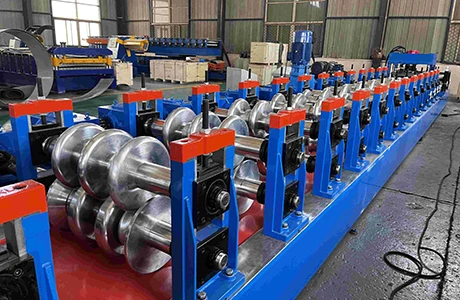
Different product categories, such as Solar Panel Frame machines or CZLU Purlin machines, have distinct pricing structures based on their specialized forming requirements. While a standard ERW Carbon Steel Tube Mill focuses on volume and speed, specialized profile machines prioritize the exact geometry of the hat or purlin profile, which often requires more complex tooling.
Comparing the tube mill price across these categories reveals that automation and integration are the biggest cost drivers. A full "Tube Mill Machine Compose" including the coil car and warehouse pallet rack is significantly more expensive than a standalone forming unit but offers a streamlined workflow that increases throughput.
Comparative Value Analysis by Machine Type
Global Market Trends Influencing Equipment Costs
The global tube mill price is currently being shaped by the transition toward Industry 4.0. Integration of IoT sensors for predictive maintenance and AI-driven quality control systems are becoming standard in high-end mills, increasing the initial cost but significantly reducing the risk of defective product batches.
Furthermore, geopolitical shifts and changes in steel tariffs across regions like Southeast Asia, North America, and Europe affect the cost of importing these heavy machinery. Manufacturers are now prioritizing energy-efficient welders and motors to comply with stricter global environmental regulations, which adds a "green premium" to the contemporary tube mill price.
Strategic Procurement for Budget Optimization
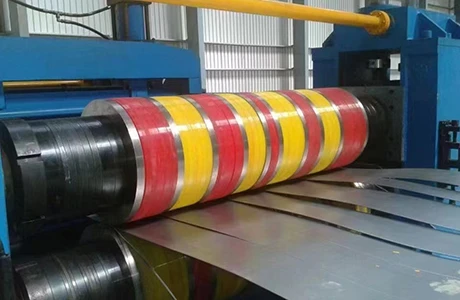
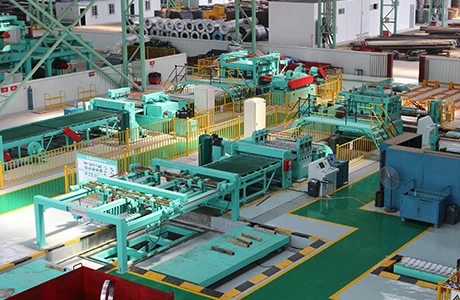
To optimize the budget when facing a high tube mill price, companies should adopt a modular procurement strategy. Instead of buying a fully loaded system immediately, starting with the core forming and sizing section and adding auxiliary equipment like a Steel Coil Slitting Line or a Coil Car as production demand grows can manage cash flow more effectively.
Negotiating service contracts and including a comprehensive spare parts package in the initial purchase can also mitigate future costs. Often, a slightly higher initial tube mill price that includes an extended warranty and technician training prevents costly errors during the installation and commissioning phase.
Lastly, evaluating the second-hand market for auxiliary machines—such as conveyors or warehouse racks—while insisting on a new, high-precision mill for the core production can strike a balance between cost-saving and quality assurance.
Analyzing ROI and Lifecycle Costs of Tube Mills
A true assessment of the tube mill price must account for the Total Cost of Ownership (TCO). This includes the initial purchase, installation, energy costs, labor, and the cost of maintenance over a 10 to 15-year lifespan. A cheap machine with high energy consumption and frequent breakdowns often costs more over time than a premium system.
The ROI is typically realized through increased production speed (meters per minute) and a reduction in the percentage of rejected tubes. High-precision mills ensure that every millimeter of the strip is utilized efficiently, which directly impacts the bottom line when processing expensive alloys or high-grade carbon steel.
Ultimately, the value of a tube mill is measured by its ability to adapt to new market requirements without needing a complete replacement. Modular designs that allow for the addition of new roller sets or updated welding electronics provide a long-term safety net for the initial investment.
Comparative ROI Analysis Based on Equipment Investment Levels
| Investment Tier |
Avg. Tube Mill Price |
Operational Efficiency |
Estimated ROI Period |
| Economy Tier |
Low |
Moderate (6/10) |
24-36 Months |
| Standard Tier |
Medium |
High (8/10) |
18-24 Months |
| Premium Tier |
High |
Excellent (10/10) |
12-18 Months |
| Customized Tier |
Very High |
Specialized (9/10) |
20-30 Months |
| Automated Line |
Maximum |
Ultra-High (10/10) |
15-22 Months |
| Entry-Level Semi-Auto |
Low-Medium |
Basic (5/10) |
30-40 Months |
FAQS
The price varies significantly based on the required tube diameter and production speed. A basic entry-level setup may start at a lower range, but a professional-grade ERW tube mill with essential auxiliary equipment like an uncoiler and flying saw typically requires a mid-to-high range investment to ensure commercial viability and product quality.
The welder is one of the most expensive components. A Solid State HF Welder increases the initial tube mill price but offers significantly better energy efficiency and weld stability compared to traditional welders. This reduction in electricity costs and scrap material typically offsets the higher initial cost within the first two years of operation.
Yes, customization—such as specific profile rollers for Solar Panel Frames or specialized sizing sections—increases the tube mill price because it requires bespoke engineering and precision machining. However, customized machines often provide a higher competitive advantage by allowing the producer to enter niche markets with higher margins.
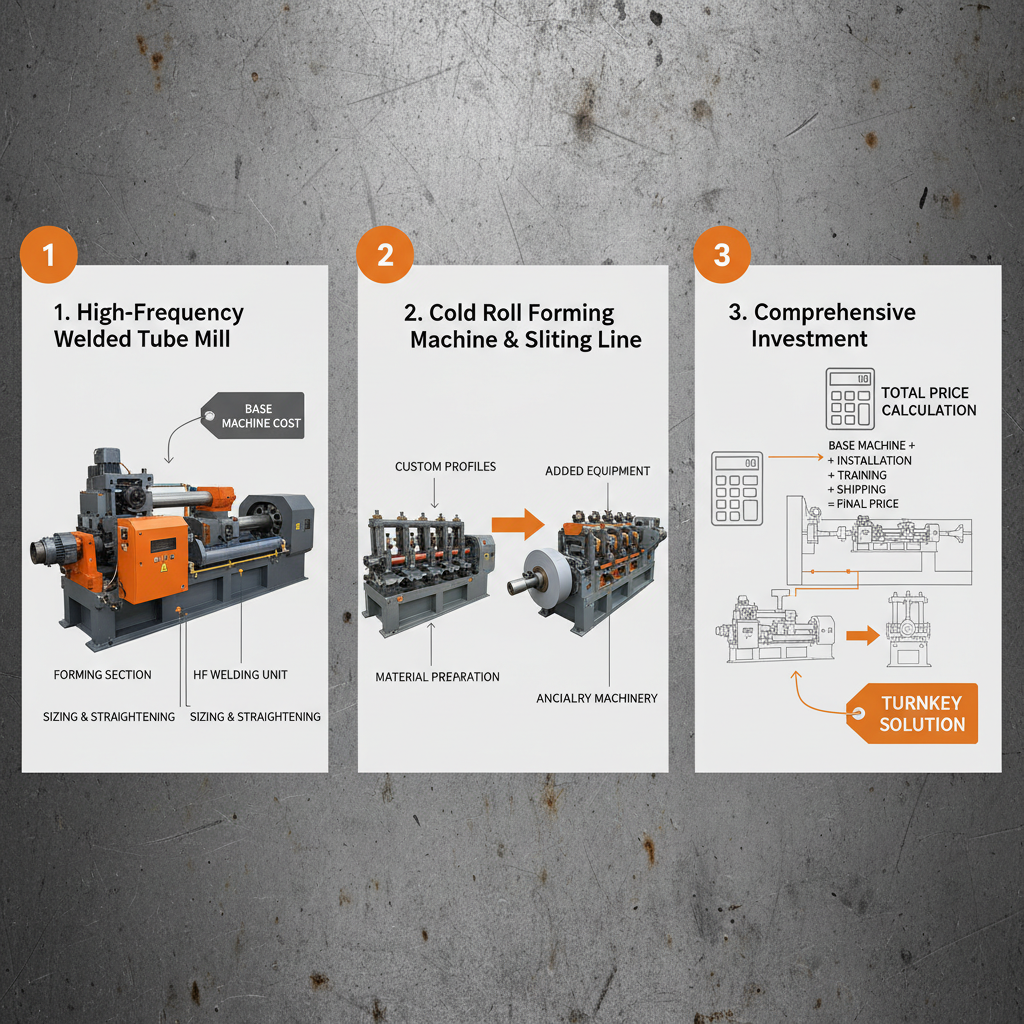
Beyond the purchase price, you must budget for shipping and customs duties, foundation construction for the heavy machinery, electrical installation, technician training, and an initial stock of spare parts. Operational costs such as lubrication, electricity, and skilled labor are also critical factors in the total cost of ownership.
While purchasing components separately might seem cheaper, buying a "composed" line often reduces the overall price through package discounts and ensures perfect compatibility between the uncoiler, the mill, and the conveyor system, eliminating costly integration errors during installation.
Prices fluctuate based on the cost of high-grade alloy steels used in the rollers and the global price of electronic components for the control systems. Additionally, changes in shipping freight rates and currency exchange rates can cause short-term fluctuations in the final quoted tube mill price for international buyers.
Conclusion
Determining the ideal tube mill price requires a strategic balance between initial capital outlay and the long-term operational advantages of high-precision engineering. From the selection of HF welders to the integration of automated flying saws, every component contributes to the total value, influencing everything from scrap rates to energy efficiency and production throughput.
As the industry moves toward smarter, greener manufacturing, investing in equipment that offers scalability and energy efficiency will be the primary driver of success. We encourage manufacturers to look beyond the initial quote and focus on the lifecycle ROI to ensure their production facility remains competitive for decades to come. Visit our website for more expert guidance: www.aistubemill.com

 Tel:86-15176910262