Establishing a high-efficiency tube mill factory is a cornerstone of modern industrial infrastructure, providing the essential structural components used in everything from automotive chassis to skyscraper frameworks. As global demand for precision-engineered steel piping grows, the ability to integrate advanced roll forming technology with high-frequency welding has become a critical competitive advantage for manufacturers worldwide.
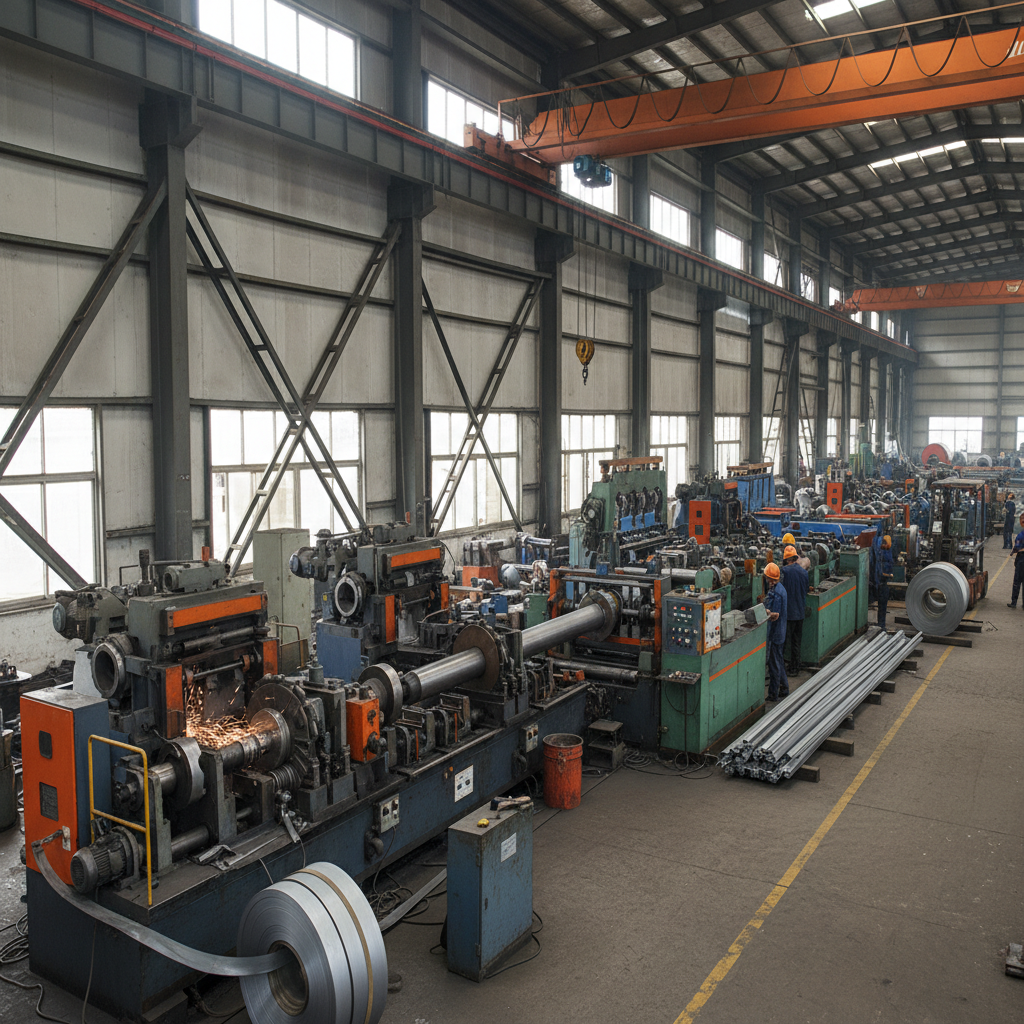
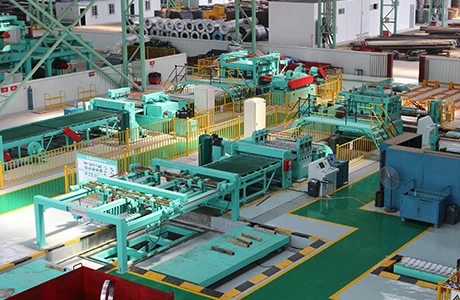
The complexity of a modern tube mill factory extends far beyond simple bending; it involves a sophisticated orchestration of uncoiling, slitting, forming, and sizing. By optimizing these processes, factories can significantly reduce material waste and energy consumption, aligning with global sustainability goals while increasing the throughput of high-quality carbon steel and alloy tubes.
Understanding the nuances of tube mill operations—from the precision of the DFT Direct Square Forming Tube Mill to the reliability of Solid State HF Welders—allows stakeholders to make informed investments. This guide explores the technical foundations, global applications, and future trajectories of the industry to provide a comprehensive blueprint for operational excellence.
Global Industry Context of Tube Mill Factory
The global landscape for the tube mill factory is currently undergoing a seismic shift toward automation and precision. According to data aligned with ISO standards for steel manufacturing, the integration of high-precision roll forming has reduced dimensional tolerances by nearly 15% over the last decade, enabling more complex architectural designs and safer automotive components.
However, many legacy facilities struggle with the challenge of "material variance"—the inconsistency in raw steel coils that leads to weld failures or sizing errors. This inefficiency not only increases scrap rates but also drives up the carbon footprint of the manufacturing process, creating an urgent need for modernized, intelligent control systems.
Defining the Modern Tube Mill Factory
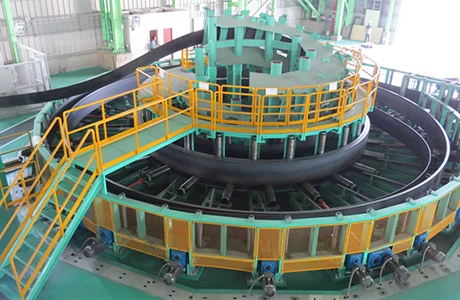
In simple terms, a tube mill factory is a specialized industrial facility that converts flat steel strips (coils) into seamless-looking hollow sections through a continuous process of roll forming and welding. Unlike traditional casting, the mill approach allows for rapid production speeds and tight control over wall thickness and diameter, making it the primary method for producing ERW (Electric Resistance Welded) pipes.
Beyond the machinery, such a factory serves as a critical link in the global supply chain, transforming raw metallurgy into functional geometric shapes. This process is essential for humanitarian needs, such as the rapid deployment of temporary shelters or the construction of irrigation systems in developing agricultural zones, where durable steel tubing is a prerequisite for survival and growth.
Modern facilities now integrate auxiliary equipment, such as Strip Flatteners and Coil Cars, to ensure that the input material is perfectly prepped. This holistic approach ensures that the final product—whether a solar panel frame or a structural purlin—meets the rigorous safety standards required for international export and construction.
Core Components for Operational Excellence
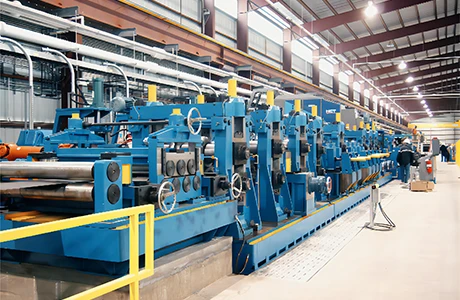
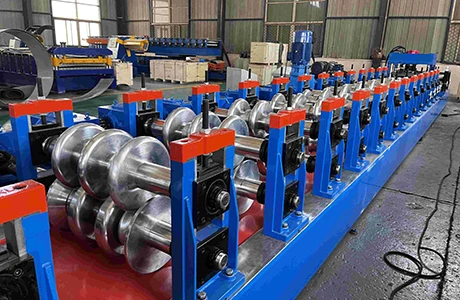
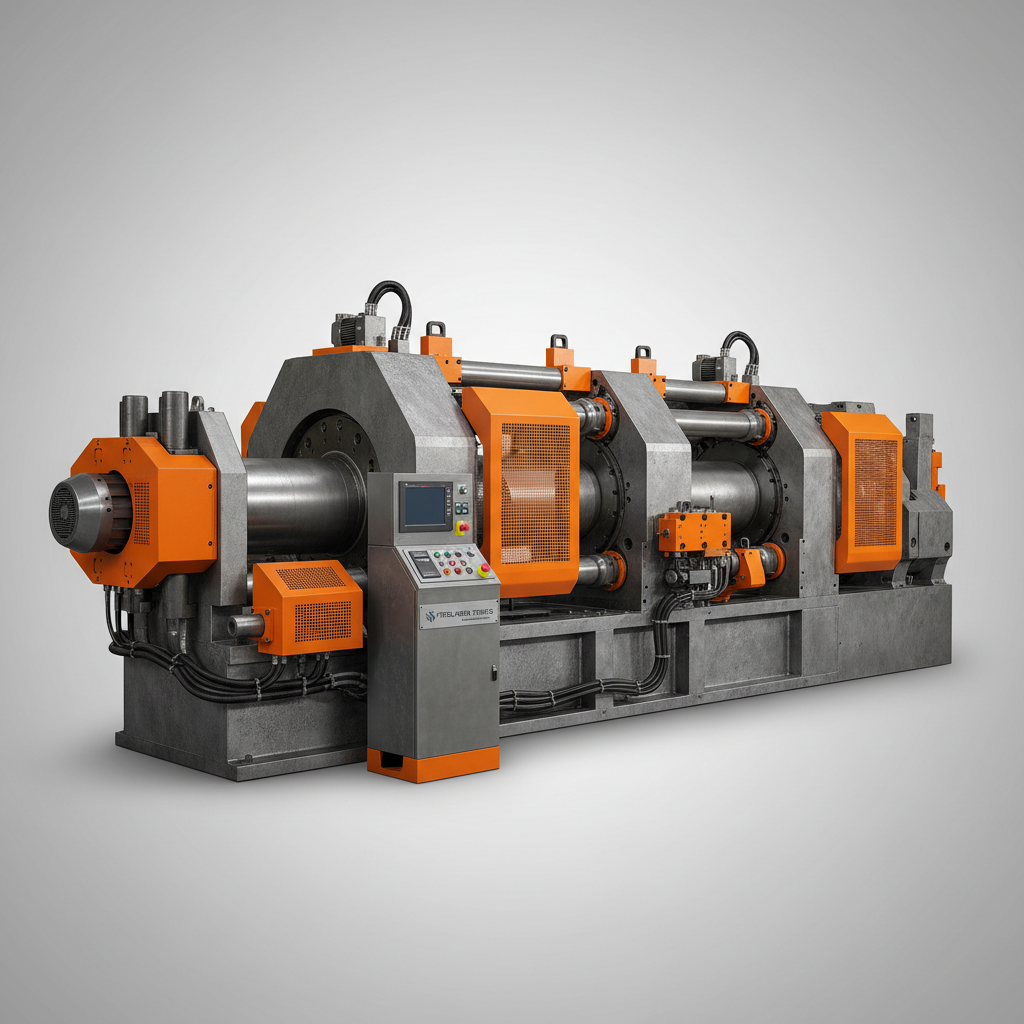
The heart of a high-performing tube mill factory lies in its forming and sizing section. This area utilizes a series of precisely engineered rollers to gradually bend the steel strip into a circular or square profile, ensuring that the stress distribution is uniform across the metal to prevent cracking.
Crucial to this process is the Solid State HF Welder, which applies high-frequency current to create a localized melt at the seam. This allows the tube mill factory to achieve a weld strength that often equals or exceeds the strength of the base metal, eliminating the need for filler materials and reducing overall production costs.
Furthermore, the integration of flying saws—such as Cold, Friction, or Milling saws—allows the mill to cut tubes to precise lengths without stopping the production line. This continuity is what separates a world-class tube mill factory from a batch-processing shop, maximizing uptime and throughput.
Key Performance Factors in Tube Production
To maintain a competitive edge, a tube mill factory must balance three critical metrics: dimensional accuracy, weld integrity, and surface finish. Achieving this requires a symbiotic relationship between the Uncoiler, which manages tension, and the Sizing section, which corrects any ovality in the formed tube.
Operational efficiency is further enhanced by the use of auxiliary machines like Strip Shears and Welders, which minimize the "end-loss" of every coil. By reducing the amount of waste material during the transition between coils, factories can significantly improve their profit margins and sustainability ratings.
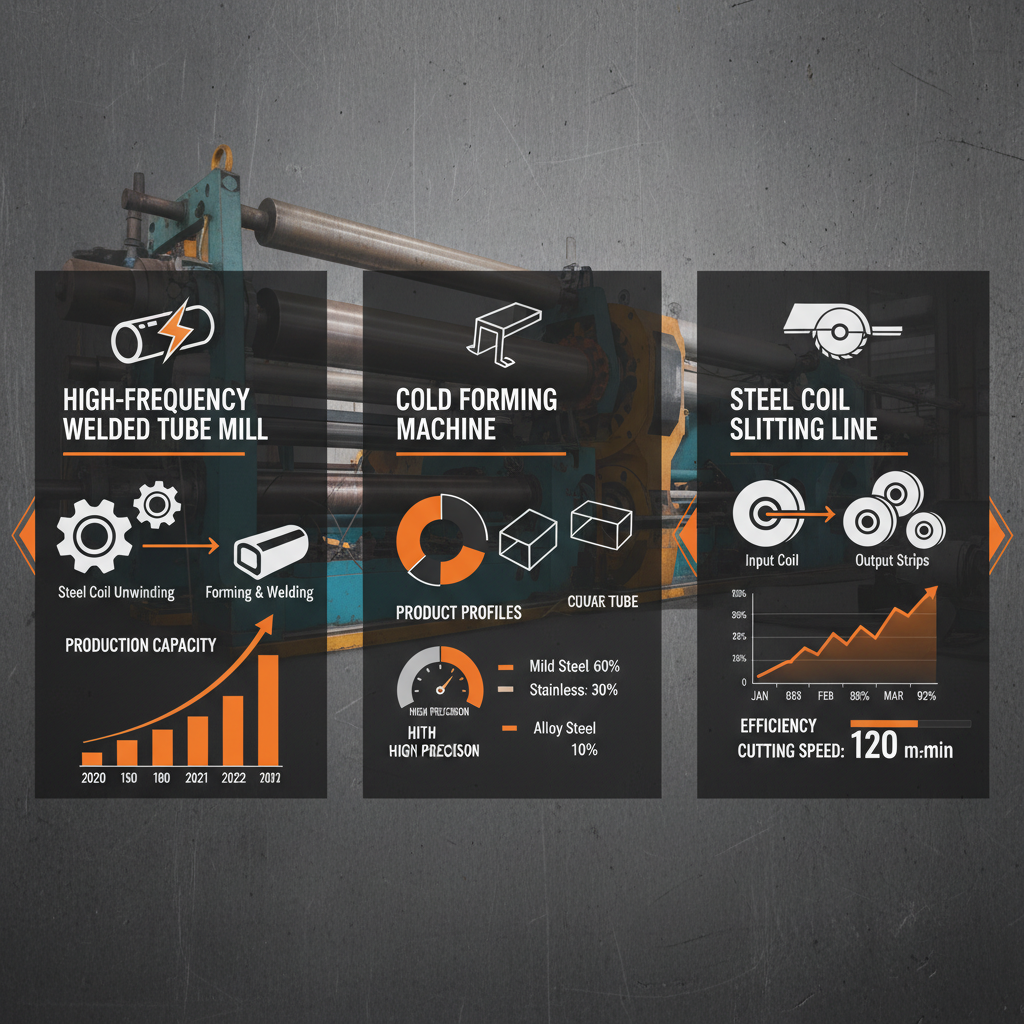
Performance Efficiency Ratings Across Tube Mill Factory Configurations
Global Applications and Use Cases
The output of a tube mill factory is ubiquitous. In the renewable energy sector, Solar Panel Frame machines are essential for creating the lightweight yet rigid supports that hold photovoltaic cells in place, allowing for the rapid scaling of solar farms in regions like the Atacama Desert or the Australian Outback.
In heavy infrastructure, the use of CZLU Purlin Machines allows for the creation of high-strength structural members used in warehouse roofing and industrial sheds. In post-disaster relief operations, the ability of a factory to quickly produce standardized steel tubing enables NGOs to build semi-permanent housing and medical clinics in remote industrial zones where traditional building materials are unavailable.
Long-Term Value and Strategic Advantages
Investing in a premium tube mill factory provides value that transcends simple product output. From a logical perspective, the reduction in manual labor through automation leads to lower operational costs and higher consistency. From an emotional and trust-based angle, providing a product with certified weld integrity ensures the safety of thousands of people who rely on those tubes for building stability.
Sustainability is another core long-term value. Modern mills are designed for energy efficiency, utilizing regenerative power in their HF Welders and reducing material scrap through precision slitting lines. This not only lowers the environmental impact but also protects the manufacturer from increasing carbon taxes and regulatory pressures.
Furthermore, the scalability of a modular mill layout—where auxiliary equipment like Conveyors and Run-out tables can be added as demand grows—ensures that the factory remains relevant for decades. This flexibility allows a business to pivot from producing simple round tubes to complex hat profiles or square sections without a total facility overhaul.
Future Trends and Digital Transformation
The future of the tube mill factory is inextricably linked to Industry 4.0. We are seeing a transition toward "Smart Mills," where IoT sensors are embedded in every forming roller to monitor wear in real-time. This predictive maintenance prevents unplanned downtime, ensuring that production lines continue to run 24/7 with minimal interruption.
Digital Twin technology is also making its way into the factory floor, allowing engineers to simulate the roll-forming process virtually before a single piece of steel is touched. This reduces the trial-and-error phase of new product development and ensures that the first roll off the line meets all technical specifications.
As green energy becomes the global mandate, we expect a shift toward the use of recycled "green steel" and the integration of hydrogen-powered heating elements within the mill. The convergence of automation, sustainability, and data analytics will redefine what it means to be a leader in the tube manufacturing space.
Comparison of Future Tube Mill Technologies
| Technology Phase |
Primary Driver |
Impact on Quality |
Efficiency Gain |
| Legacy Mechanical |
Manual Adjustment |
Moderate Variability |
Baseline (1x) |
| PLC Automation |
Electronic Control |
High Consistency |
1.5x Increase |
| IoT Integrated |
Real-time Monitoring |
Precision Tuning |
2.2x Increase |
| Digital Twin |
Virtual Simulation |
Zero-Error Start |
3.0x Increase |
| Green Hydrogen |
Carbon Neutrality |
Eco-Certified |
Regulatory Lead |
| AI-Driven Ops |
Self-Optimizing |
Absolute Precision |
4.5x Increase |
FAQS
While the entire line is important, the Solid State HF Welder is arguably the most critical. It ensures the structural integrity of the tube by creating a high-strength bond without adding filler material. If the welding process is inconsistent, the entire production batch can be rejected due to safety risks, regardless of how perfect the forming section performed.
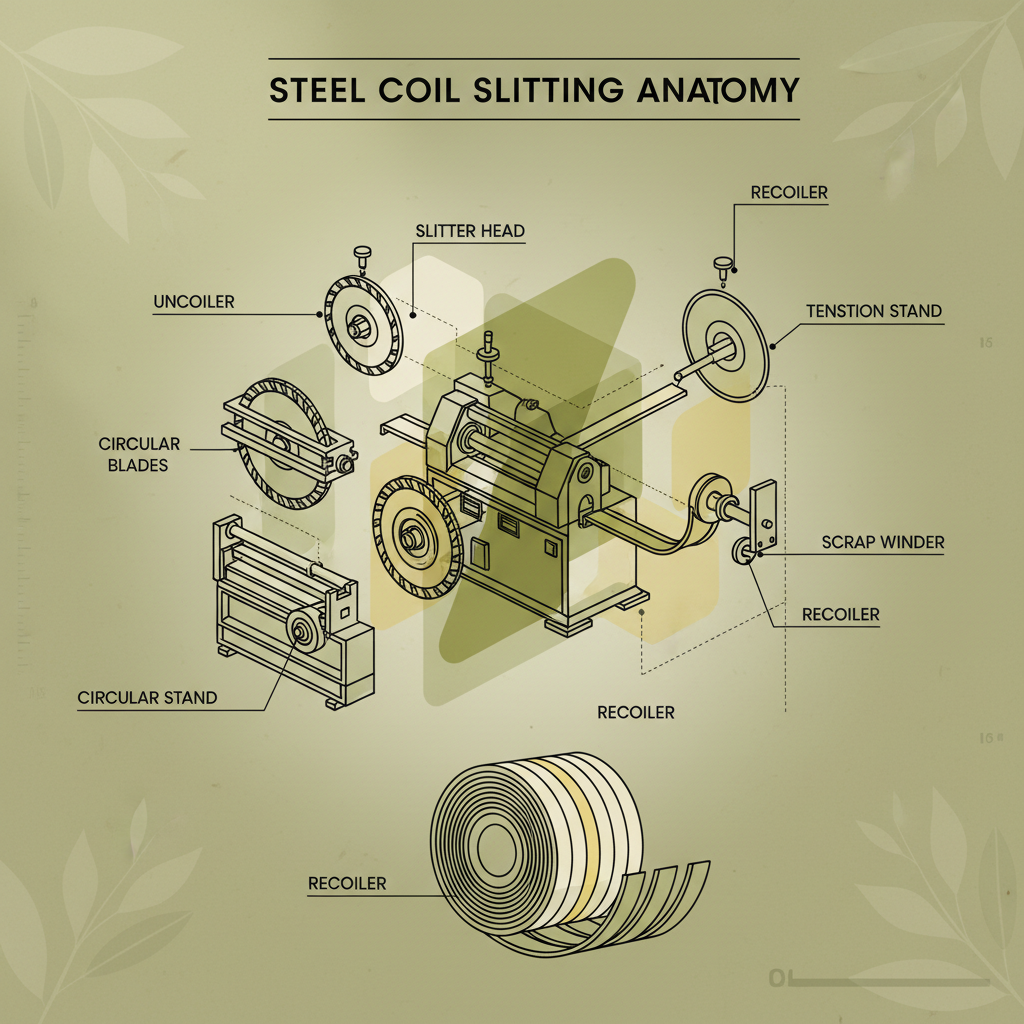
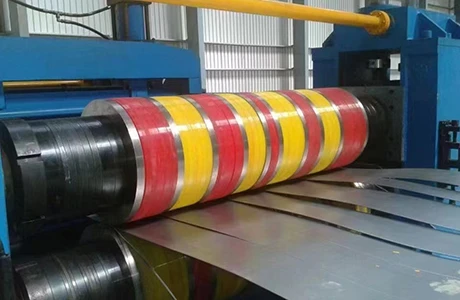
Waste is minimized through the use of high-precision Steel Coil Slitting Lines and Strip Shears. By ensuring the coil width is exact and using automated welding to join the end of one coil to the start of the next, factories can reduce "scrap" to a minimum, significantly improving the material utilization rate.
Yes, provided they have interchangeable roll sets or a flexible forming section. Many modern factories use modular sizing sections that can be swapped out to pivot between ERW round tubes and DFT Direct Square tubes, allowing them to serve diverse market needs from furniture to heavy construction.
The primary challenges include the calibration of the roll-forming sequence and the stability of the power supply for HF welding. Achieving a "perfect" tube requires meticulous alignment of the rollers to avoid internal stress in the metal, which often requires an experienced technical team during the commissioning phase.
Absolutely. Flying Cold/Friction saws allow for cutting while the tube is still moving at high speed. This eliminates the need to stop the mill, which would otherwise cool the weld seam and cause production bottlenecks, resulting in a massive increase in total daily output.
Focus on implementing a rigorous Quality Control (QC) system that includes ultrasonic weld testing and dimensional gauging. Aligning your processes with ISO 9001 and ASTM standards ensures that your tubes are acceptable for high-stakes global projects in the automotive and aerospace sectors.
Conclusion
In summary, the operational success of a tube mill factory depends on the seamless integration of precision roll forming, advanced high-frequency welding, and automated auxiliary systems. By focusing on the synergy between components—from the uncoiler to the flying saw—manufacturers can achieve a balance of high throughput, exceptional dimensional accuracy, and sustainable resource management.
Looking forward, the industry must embrace the digital transformation of Industry 4.0 and the shift toward green metallurgy to remain viable. Those who invest in AI-driven optimization and eco-friendly production methods will not only lead the market in efficiency but will also set the standard for safety and reliability in global infrastructure. To learn more about high-performance equipment, visit our website: www.aistubemill.com

 Tel:86-15176910262