


Efficient Pipe Coating Systems by cut to length machine manufacturers
In the precision-driven world of welded pipe production, the final surface treatment is what separates industrial-grade products from premium, market-ready assets. A Pipe Oiling & Painting Line serves as the critical final stage, ensuring that carbon steel, stainless steel, and galvanized tubes are shielded from oxidation and environmental corrosion. For operators seeking the expertise of cut to length machine manufacturers, integrating a high-performance coating system is essential to extend storage life and enhance the aesthetic appeal of the finished product. By automating the application of anti-rust oil or protective paints, manufacturers can eliminate manual errors and ensure 360° coverage across varying diameters from 20mm up to 273mm, directly impacting the longevity of structural and fluid-carrying pipes.

The Engineering Logic of Automated Surface Coating Systems
A professional pipe coating line operates on a sequence of precision-engineered stages designed to maximize adhesion and minimize material waste. The process begins with rigorous surface cleaning, where air knives and rotary brushes remove metal chips and debris. This is a non-negotiable step; any remaining particulates can create voids in the coating, leading to premature rust spots. For specialized requirements, electrostatic dust removal systems can be integrated to ensure a surgically clean surface before the pipe enters the spraying zone.
Once cleaned, the system employs metering pumps to deliver oil or paint at a precise flow rate. Using air or electrostatic spray guns, the equipment provides consistent thickness across the entire surface. A critical technical detail is the rotational movement of the pipes, which allows the liquid to distribute evenly and prevents "runs" or dripping. This automation ensures that every square millimeter of the tube is protected, which is especially vital for pipes destined for solar support piles or oil pipelines where environmental exposure is extreme.
The cycle concludes with a controlled drying and curing phase. Whether utilizing hot-air circulation or infrared heating, the system solidifies the protective layer quickly, allowing the pipes to be moved immediately to marking and packaging. This seamless transition reduces handling time and prevents surface contamination, ensuring that the product reaches the customer in pristine condition.

Optimizing Production Through Modular System Integration
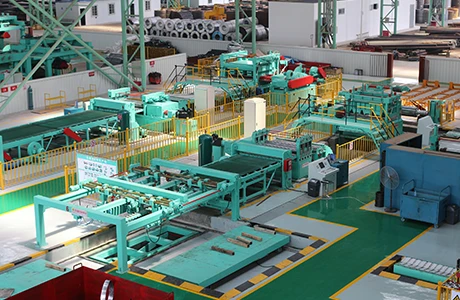
For most pipe mills, the coating line is not a standalone tool but a component of a larger automated ecosystem. Integrating the oiling system with sizing, cutting, and stacking sections creates a continuous production flow. This integration is where the expertise of leading cut to length machine manufacturers becomes evident, as the synchronization between the cutting speed and the spray line speed must be absolute to avoid bottlenecks.
AIS Machinery designs these systems with a focus on modularity. By separating the infeed, coating, and outfeed sections, plants can easily customize the line length—typically ranging from 12 to 18 meters—to fit their specific factory layout. The use of a PLC control cabinet with an HMI panel allows operators to save "recipes" for different pipe diameters and materials, meaning a switch from carbon steel to galvanized tubing can be executed with a few touches on a screen rather than hours of manual recalibration.
Furthermore, the environmental impact is managed through a circulating recovery system. Excess oil or paint is not wasted; it is filtered and returned to the storage tank. This not only reduces raw material costs but also aligns the facility with modern eco-friendly manufacturing standards, reducing the chemical footprint of the plant while maintaining high output levels.
Application Scenarios and Material Compatibility
The versatility of the Pipe Oiling & Painting Line makes it indispensable across various metallurgical sectors. In the construction of solar support piles, where pipes are often stored outdoors for months, a high-viscosity anti-rust coating is mandatory. Similarly, in the furniture and automobile industries, where appearance is as important as function, the system can be configured for dual-layer coating or electrostatic spraying to achieve a mirror-like finish.
The equipment is designed to handle a wide spectrum of materials:
- Carbon Steel: Requires heavy-duty anti-rust oil to prevent rapid oxidation.
- Stainless Steel: Focuses on removing contaminants and applying thin, protective films for transport.
- Galvanized Steel: Utilizes specific coatings that bond with the zinc layer to provide secondary protection.
Depending on the end-use, the drying temperature can be adjusted between 40°C and 120°C. For example, fast-drying industrial paints require higher infrared temperatures to cure within the 30-120 second window, whereas simple oiling may only require low-temperature air circulation to stabilize the film. This flexibility ensures that whether the pipe is for a low-pressure fluid system or a high-stress structural frame, the surface treatment is optimized for its environment.
Technical Specification & Performance Matrix
| Parameter Item | Standard Specification | Customizable Range | Operational Impact |
|---|---|---|---|
| Pipe Diameter | Ø20 mm – Ø168 mm | Up to Ø273 mm | Determines spray gun quantity |
| Line Speed | 10 – 60 m/min | Synchronized with Mill | Affects total daily throughput |
| Coating Thickness | 5 – 30 μm | Adjustable via PLC | Balances protection vs. material cost |
| Drying Method | Hot-air / Infrared | Electric or Gas heating | Controls curing time and energy use |
| Control System | PLC + Touch Screen | Remote Monitoring | Reduces manual labor and errors |
Evaluating Supplier Capability for Surface Treatment Lines
When sourcing a pipe coating system, buyers must look beyond the basic hardware. The real value lies in the integration capability and the quality of components used. A reliable supplier should provide a comprehensive solution that includes not just the spray guns, but the filtration systems, metering pumps, and exhaust treatment units. Without proper filtration, impurities in the oil can cause "fish-eyes" or bubbles on the pipe surface, leading to quality rejects.
Quality certifications such as ISO, CE, and SGS are baseline requirements, but operational experience in turnkey projects is what ensures a smooth installation. AIS Machinery, for instance, leverages its experience serving over 100 enterprises globally to provide customized solutions. This includes compatibility testing between the coating material and the pipe substrate, ensuring that the paint does not peel or flake under thermal expansion or mechanical stress during transport.
Additionally, buyers should evaluate the availability of optional configurations. High-end facilities may require explosion-proof electricals for volatile paint chemicals or online film thickness gauges for real-time quality monitoring. A supplier that offers these as integrated modules rather than afterthoughts is better equipped to support long-term industrial growth and strict quality audits.
Future Trends in Pipe Finishing Automation
The trajectory of pipe finishing is moving toward "Zero-Waste" and "Smart Sensing." We are seeing a shift toward electrostatic spraying that significantly reduces overspray and material loss, making the process more sustainable. Furthermore, the integration of AI-driven fault self-diagnosis allows the system to detect a clogged spray nozzle or a drop in pump pressure before it affects the product quality, triggering an automatic stop or alert to the operator.
Another emerging trend is the move toward water-based, eco-friendly coatings to replace traditional solvent-based oils. This transition requires advanced drying chambers with precise humidity and temperature control to ensure the water evaporates completely without leaving streaks. Equipment that is designed for easy cleaning and quick-change nozzles will be more competitive as factories move toward producing multiple product lines on a single machine.
Ultimately, the goal is a fully autonomous post-treatment section where the line speed, coating thickness, and drying time are dynamically adjusted based on the material properties of the incoming pipe. By investing in flexible, PLC-controlled systems today, manufacturers prepare themselves for a future where precision and sustainability are the primary drivers of market competitiveness.
Expert Insights: Common Questions on Pipe Coating Lines
How does the system ensure 360-degree uniform coating on the pipe?
The system utilizes a combination of pipe rotation and strategically positioned spray guns. As pipes are conveyed through the coating section, they rotate slowly, allowing the spray nozzles—which are adjustable in angle and pressure—to cover the entire circumference with a consistent thickness of 5 to 30 μm.
Can this line be integrated into an existing ERW pipe mill?
Yes, it is specifically designed for integration. The system can be synchronized with the mill speed via the PLC control cabinet and placed immediately after the cutting and sizing sections to create a continuous automated workflow from raw coil to packaged pipe.
What is the difference between the hot-air and infrared drying options?
Hot-air circulation is generally more energy-efficient for thin oils and larger volumes, providing a steady temperature. Infrared heating is faster and more intensive, making it ideal for specialized paints or coatings that require rapid curing to prevent smudging during stacking.
How does the oil recovery system reduce operational costs?
The line includes a drainage and filtration system that captures excess liquid as pipes rotate. This recovered material is filtered to remove contaminants and pumped back into the main storage tank, significantly reducing raw material waste and disposal costs.
Which pipe materials are most compatible with this equipment?
The line is highly versatile and compatible with carbon steel, stainless steel, and galvanized steel. The specific coating material (anti-rust oil vs. protective paint) and the drying temperature are simply adjusted via the HMI panel to suit the material's requirements.
What maintenance is required to prevent coating defects?
Regular cleaning of the spray nozzles and periodic replacement of the filtration elements are the most critical tasks. Additionally, checking the air knife pressure ensures that the surface is free of dust, which is the primary cause of adhesion failure.
Technical References & Industry Sources
- AIS Machinery Coating Solutions
- Industrial Cutting Processes Overview
- ISO Standards for Industrial Equipment
- ASTM International Material Specifications
Selecting the right surface treatment system is a strategic decision that directly impacts your product's market value. By focusing on automation, precision coating, and energy-efficient drying, manufacturers can ensure their pipes withstand the harshest environments while maintaining a professional finish.
Related Articles



 English
 Albanian
 Arabic
 French
 German
 Indonesian
 Italian
 Japanese
 Kazakh
 Korean
 Latin
 Macedonian
 Portuguese
 Russian
 Spanish
 Thai
 Turkish
 Ukrainian
 Uzbek