0%

Table of Contents

Selecting the right tube mill suppliers is a critical strategic decision for any enterprise operating in the metal fabrication sector. Whether you are producing precision structural components or large-scale industrial piping, the quality of your roll forming equipment directly determines your operational efficiency, material waste, and final product tolerances. In a global market characterized by fluctuating steel prices and tightening quality standards, partnering with an experienced supplier ensures that your production line remains competitive and scalable.

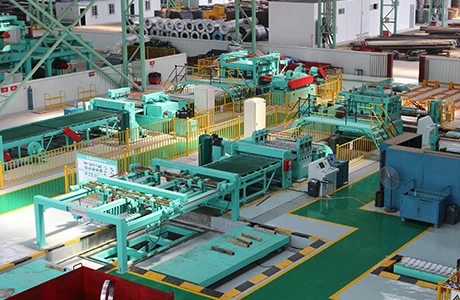
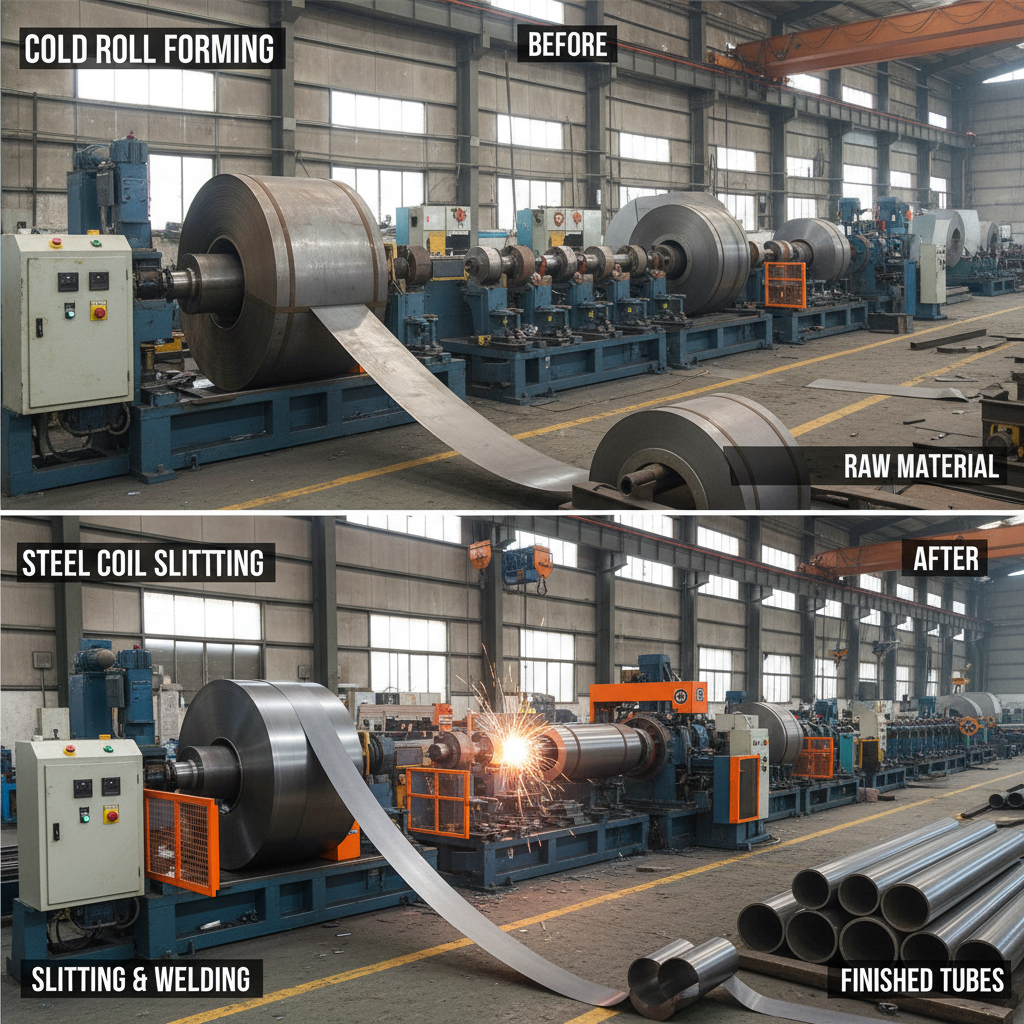
The landscape of tube mill technology has evolved rapidly, moving from simple mechanical forming to highly automated, digitally controlled systems. Modern tube mill suppliers now provide integrated solutions that encompass everything from uncoilers and strip flatteners to high-frequency welders and flying saws. This holistic approach to machinery procurement allows manufacturers to minimize downtime and synchronize the flow of materials, ensuring a seamless transition from raw carbon steel coils to finished precision tubes.

Understanding the nuances of what differentiates a premium equipment provider from a generic vendor is essential for long-term sustainability. From the precision of the forming and sizing sections to the reliability of the solid-state HF welders, every component must be engineered for endurance. By focusing on the technical expertise and after-sales support of tube mill suppliers, businesses can safeguard their investments and adapt to the shifting demands of the construction, automotive, and energy industries.
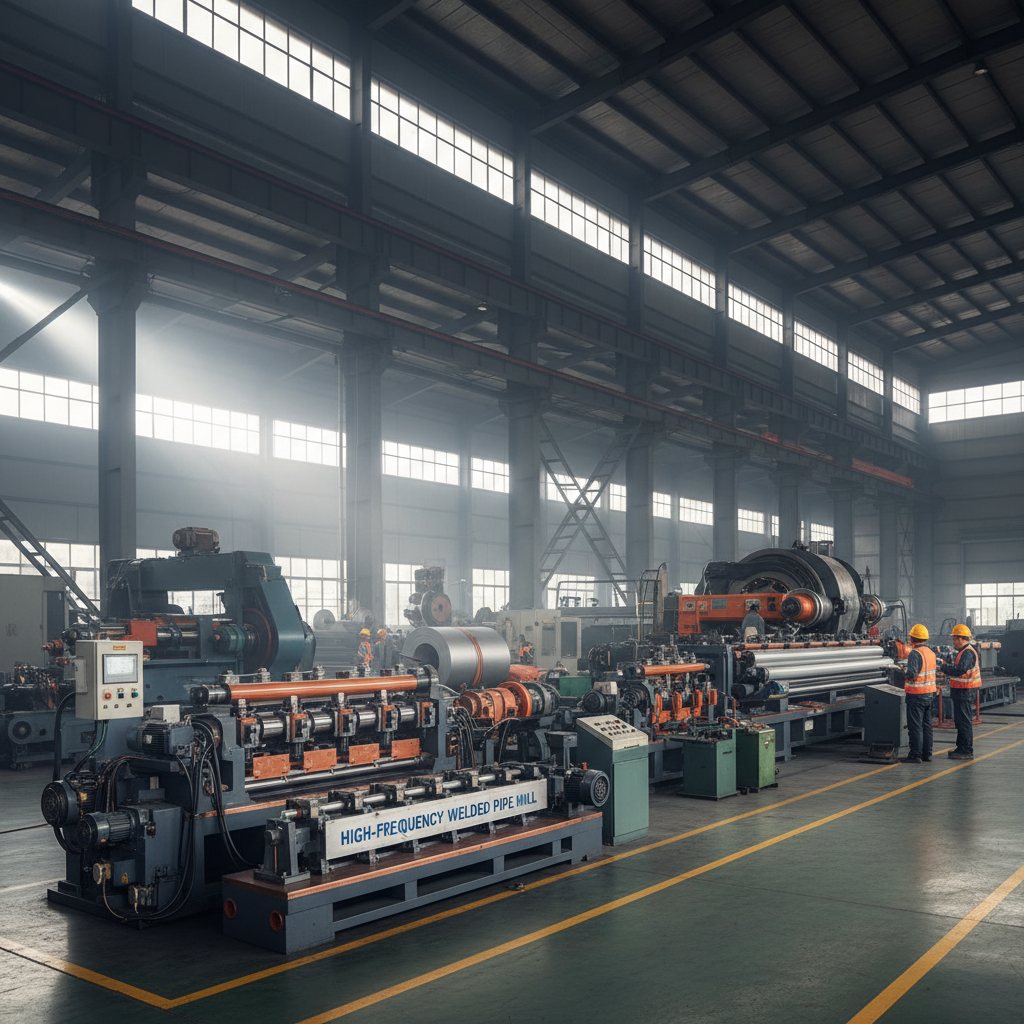
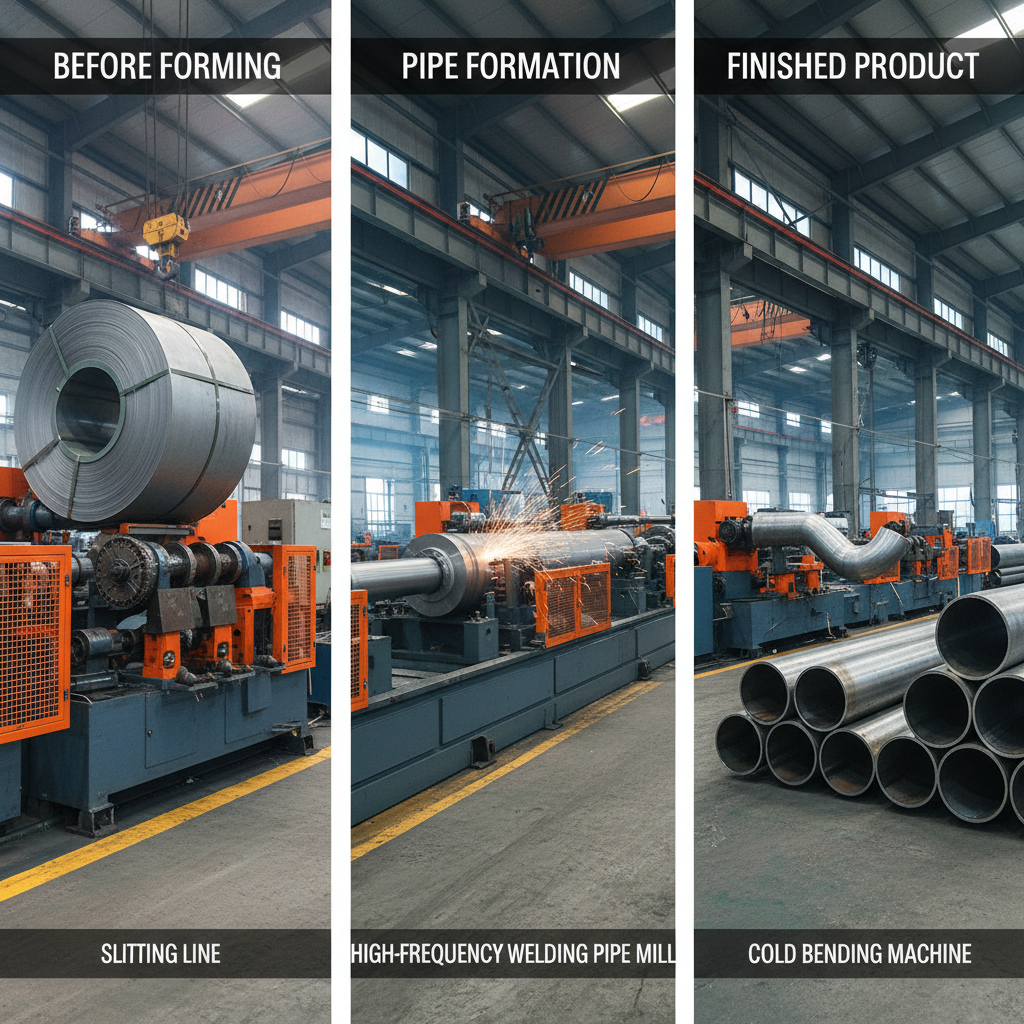
Top Industrial Tube Mill Suppliers for Precision Metal Fabrication

Global Relevance of Tube Mill Suppliers

Top Industrial Tube Mill Suppliers for Precision Metal Fabrication

The global infrastructure boom has placed an unprecedented demand on the capabilities of tube mill suppliers. With the rise of smart cities and sustainable architecture, the need for high-strength, lightweight steel tubing has skyrocketed. According to industry trends aligned with ISO quality standards, the precision of cold roll forming is no longer a luxury but a requirement for safety and structural integrity in modern engineering.

Consequently, the role of these suppliers has shifted from mere equipment vendors to strategic partners in industrial development. They address the critical challenge of balancing production speed with dimensional accuracy, ensuring that manufacturers can meet the rigorous specifications of international building codes while maintaining a healthy profit margin through reduced scrap rates.

Defining the Role of Tube Mill Suppliers

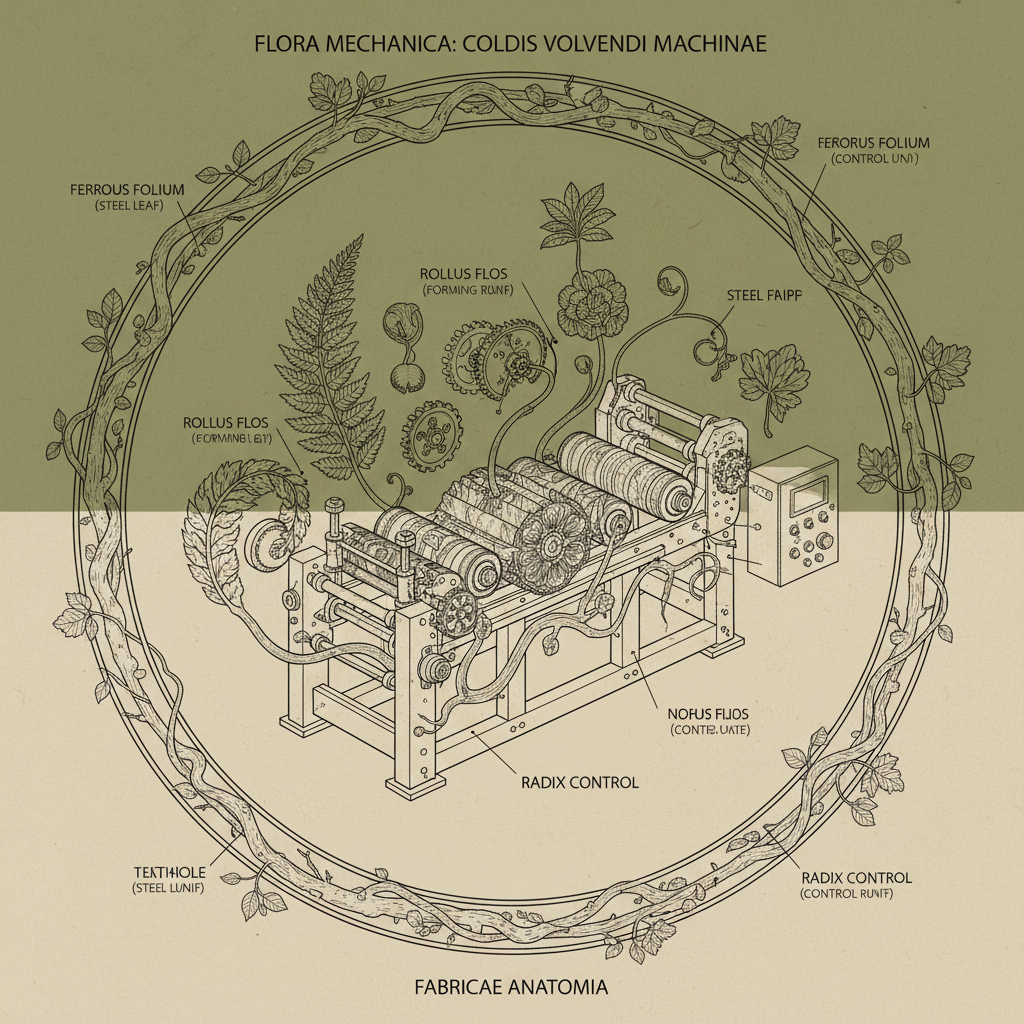
In simple terms, tube mill suppliers are specialized engineering firms that design, manufacture, and install the machinery used to transform flat steel strips into hollow tubes. This process, known as roll forming, involves a series of rollers that gradually bend the metal into a circular, square, or rectangular profile, which is then welded—typically using high-frequency induction—and cut to length.

Beyond the hardware, these suppliers provide the essential technical intelligence required to optimize the "forming and sizing" process. They help clients select the correct gauge of steel and the appropriate roller configuration to prevent defects like wall thinning or weld splatter, which are common pitfalls in lower-grade machinery.

From a broader industrial perspective, these suppliers empower the creation of essential goods, from automotive chassis and furniture frames to complex solar panel mounting systems. By providing the tools for efficient metal fabrication, they indirectly support global urbanization and the transition toward renewable energy infrastructure.

Core Components of High-Performance Mills

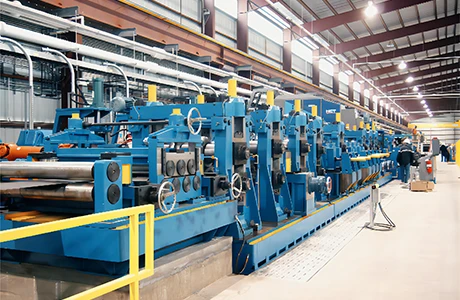
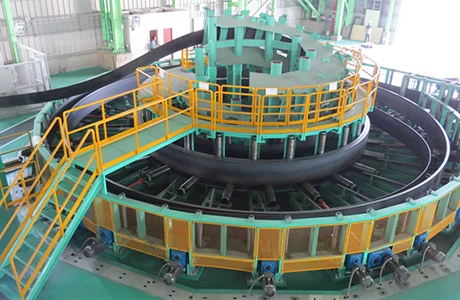
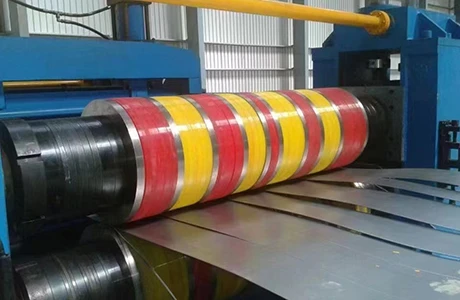
The efficacy of a production line depends on the synchronization of several key modules provided by leading tube mill suppliers. The process begins with the Uncoiler and Strip Flattener, which ensure the raw material enters the mill without tension or curvature, preventing deviations in the final tube geometry.

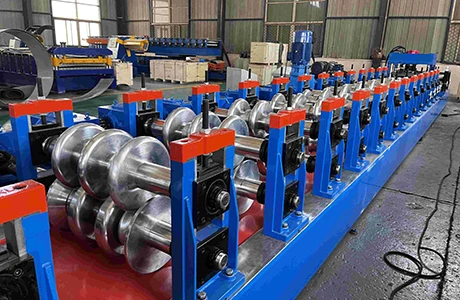
Precision in the Forming and Sizing section is where the true expertise of tube mill suppliers manifests. This stage utilizes a series of precisely engineered rollers to shape the tube; any misalignment here can result in "out-of-round" products, which compromise the structural integrity of the tube and lead to high rejection rates during quality inspection.

Finally, the integration of a Solid State HF Welder and a Flying Cold Saw ensures that the tube is sealed with a high-strength bond and cut with surgical precision without stopping the line. This continuity is what allows top-tier suppliers to offer machines capable of extreme speeds while maintaining tight tolerances.

Operational Metrics for Supplier Evaluation

When comparing tube mill suppliers, procurement managers must look beyond the initial price tag and evaluate operational metrics such as energy efficiency, mean time between failures (MTBF), and the precision of the sizing section. A machine that is 10% cheaper but consumes 20% more electricity or requires frequent roller adjustments will ultimately cost the company more in the long run.

Furthermore, the ability of a supplier to provide modular upgrades—such as adding a Conveyor and Run out table or upgrading to a more advanced DFT Direct Square Forming Tube Mill—determines how well the equipment can grow with the business.

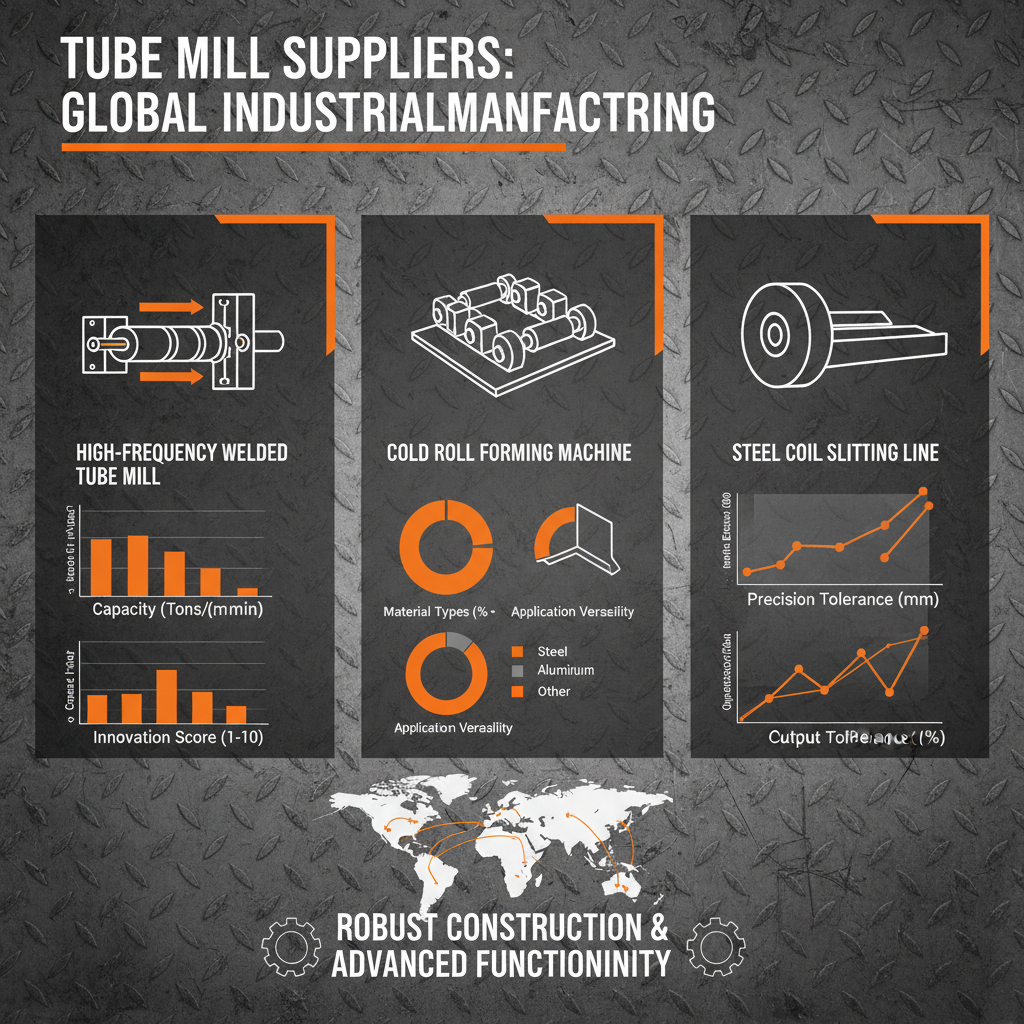
Comparative Performance Analysis of Tube Mill Suppliers


Global Applications and Use Cases

The products generated by machinery from tube mill suppliers are ubiquitous. In the automotive industry, high-precision ERW (Electric Resistance Welding) tubes are used for chassis components and exhaust systems, where consistency in wall thickness is a non-negotiable safety requirement. Similarly, the agricultural sector relies on these mills for the production of greenhouse frames and livestock fencing.

In more specialized contexts, such as the deployment of solar energy farms in remote industrial zones, the Solar Panel Frame machine becomes indispensable. By partnering with suppliers who specialize in profile forming, companies can produce lightweight yet rigid frames that withstand extreme weather conditions, accelerating the global transition to green energy.

Long-term Value and Strategic Advantages

Investing in high-end equipment from reputable tube mill suppliers offers tangible long-term value through the reduction of operational overhead. High-precision rollers and automated control systems significantly lower the amount of material waste, which is crucial when working with expensive alloys or high-grade carbon steel.

Beyond the numbers, there is an emotional and professional advantage: trust. When a manufacturer knows their equipment is reliable, they can commit to tighter delivery deadlines and take on more complex projects with confidence. This reliability builds a reputation for quality that allows a business to command premium pricing in the marketplace.

Furthermore, the availability of genuine spare parts and expert technical support ensures that a production line doesn't become a liability. The true value of a supplier is revealed not during the sale, but during the first major maintenance cycle, where fast response times and quality components prevent costly outages.

Future Innovations in Tube Milling

The next frontier for tube mill suppliers lies in the integration of Industry 4.0. We are seeing a shift toward "smart mills" equipped with IoT sensors that can predict roller wear and tear before it affects product quality. This transition from reactive to predictive maintenance will drastically reduce unplanned downtime.

Sustainability is also driving innovation. Newer mills are being designed to operate with lower energy signatures, utilizing more efficient solid-state welders and regenerative braking systems on the coil cars. These advancements help manufacturers meet ESG (Environmental, Social, and Governance) goals without sacrificing throughput.

Additionally, the rise of additive manufacturing and hybrid forming is pushing suppliers to develop machines that can handle a wider variety of materials, including ultra-high-strength steels and composite-coated strips. This versatility will allow factories to pivot their product lines rapidly to meet emerging market trends.

Comparison of Technical Specifications Across Different Tube Mill Categories

Machine Type Typical Precision (mm) Energy Efficiency Supplier Support Level
ERW Carbon Steel Mill ±0.05 High Excellent
DFT Direct Square Mill ±0.08 Medium Very High
Solar Frame Machine ±0.03 Very High High
CZLU Purlin Machine ±0.10 Medium Medium
Hat Profile Machine ±0.12 High High
Standard Tech Mill ±0.15 Low Basic

FAQS

How do I choose between different tube mill suppliers?

When evaluating tube mill suppliers, prioritize those who offer a comprehensive solution rather than just a machine. Look for a proven track record of precision in the sizing section, the quality of their HF welding technology, and their ability to provide long-term spare parts support. Request case studies of similar production capacities to ensure their equipment can handle your specific material thickness and volume requirements.

What is the typical lead time for a custom tube mill installation?

Lead times vary by supplier but typically range from 3 to 6 months. This includes the engineering phase for custom roller design, fabrication, and testing. Top tube mill suppliers often provide a detailed project timeline that includes site preparation and final commissioning to ensure the machine is optimized for your specific facility layout.

Can I upgrade my existing mill with parts from a new supplier?

While some auxiliary equipment like conveyor tables or uncoilers are standardized, core components like the forming rollers must be perfectly matched to the machine's geometry. It is highly recommended to consult with professional tube mill suppliers to ensure compatibility. Mixing brands in the sizing section can lead to alignment issues and decreased product quality.

How does a solid-state HF welder improve production?

Solid-state HF welders provided by advanced tube mill suppliers offer more stable frequency control and higher energy efficiency than traditional welders. This results in a cleaner weld seam with fewer defects, reducing the need for extensive post-weld scraping and improving the overall structural strength of the tube.

What maintenance is required to keep a tube mill precise?

Regular calibration of the sizing section and lubrication of the roller bearings are essential. Leading tube mill suppliers recommend a strict schedule of checking roller wear and adjusting the tension of the strip flattener. Implementing a predictive maintenance plan can prevent costly downtime and extend the life of the tooling.

Is it more cost-effective to buy a complete line or individual machines?

Buying a complete line from a single source of tube mill suppliers is generally more cost-effective. It ensures seamless integration between the uncoiler, mill, and flying saw, reducing the need for custom adapters and simplifying the installation process. It also streamlines technical support, as you only have one point of contact for the entire production flow.

Conclusion

In summary, the strategic selection of tube mill suppliers is the foundation of a successful metal fabrication business. From the precision of the cold roll forming process to the efficiency of high-frequency welding, every technical detail contributes to the final product's marketability. By focusing on reliability, scalability, and technological innovation, manufacturers can minimize waste and maximize their operational throughput in an increasingly demanding global economy.

Looking forward, the integration of AI-driven diagnostics and sustainable manufacturing practices will define the next generation of tube milling. We encourage industry professionals to move beyond a "lowest-cost" mindset and instead invest in partners who provide holistic engineering support and future-proof technology. To explore high-performance machinery and professional consultation, visit our website: www.aistubemill.com

Robert Miller

Robert Miller

Robert Miller is a seasoned Mechanical Engineer at AIS Machinery, specializing in ERW pipe mill technology. With over 15 years of experience in the steel industry, Robert leads the design and implementation of customized solutions for our US clients. He’s a key contributor to the development of our API pipe
Next AI Steel A Leading Global Tube Mill Supplier for Efficient Production

Send a Message

Dear customer, thank you for your attention! We provide high-quality machinery and equipment and look forward to your orders. Please inform us of your needs and we will respond quickly!