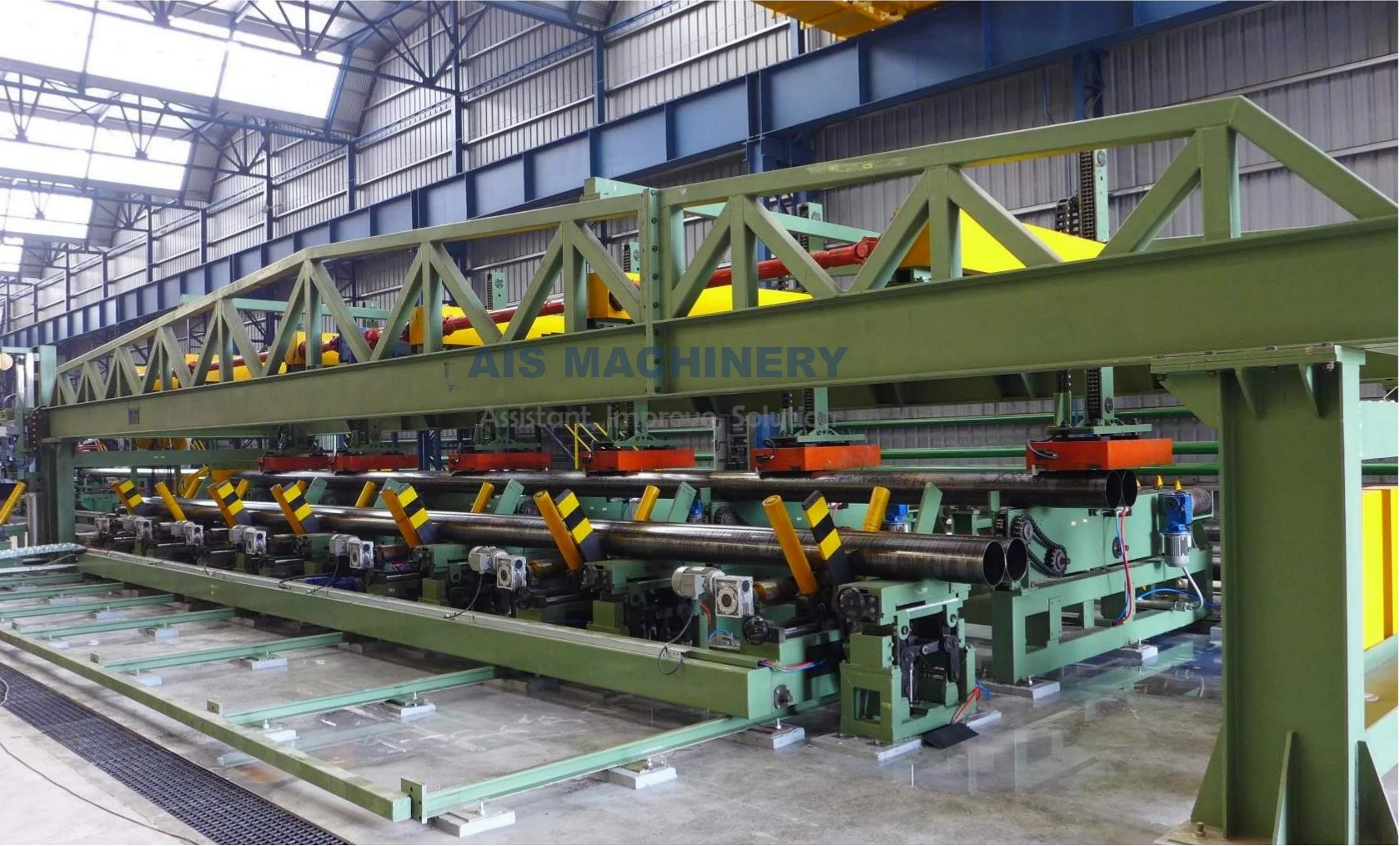
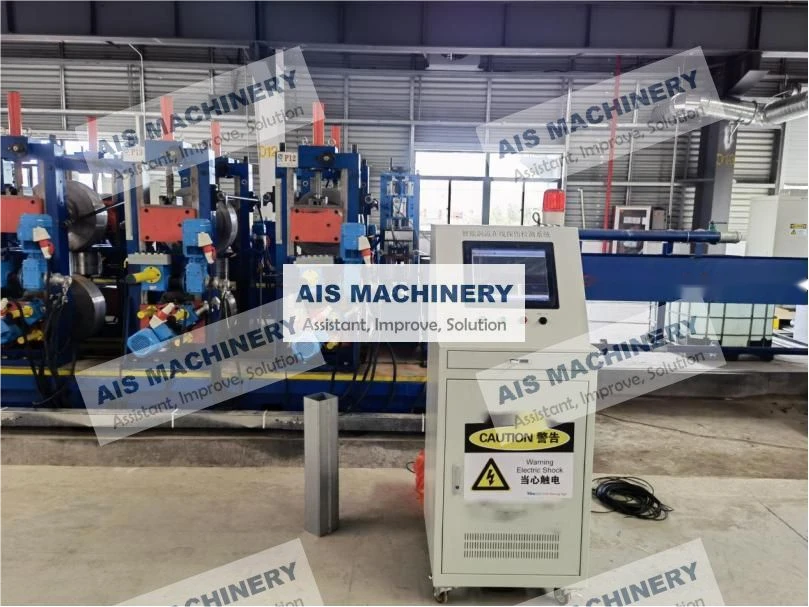
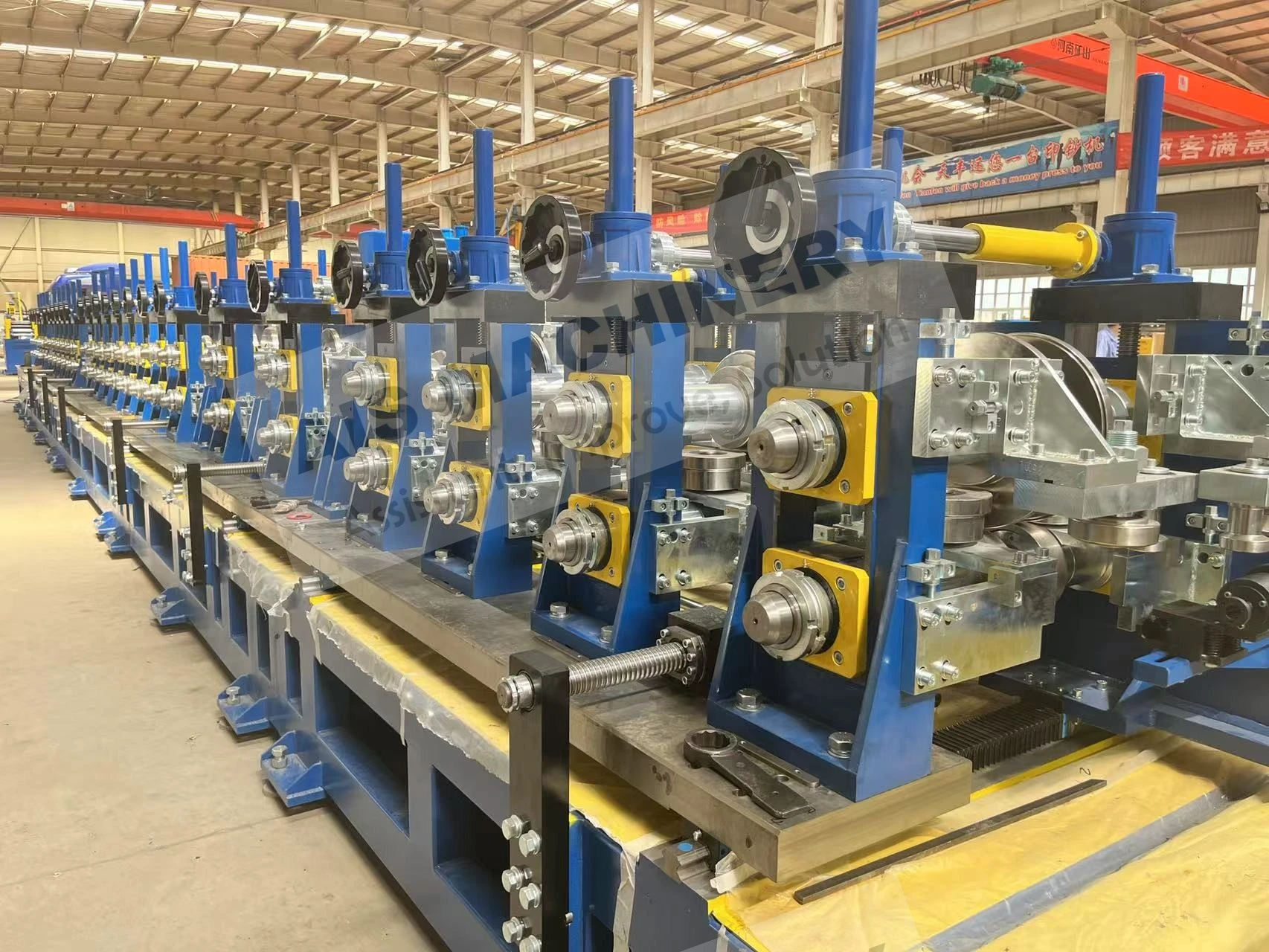
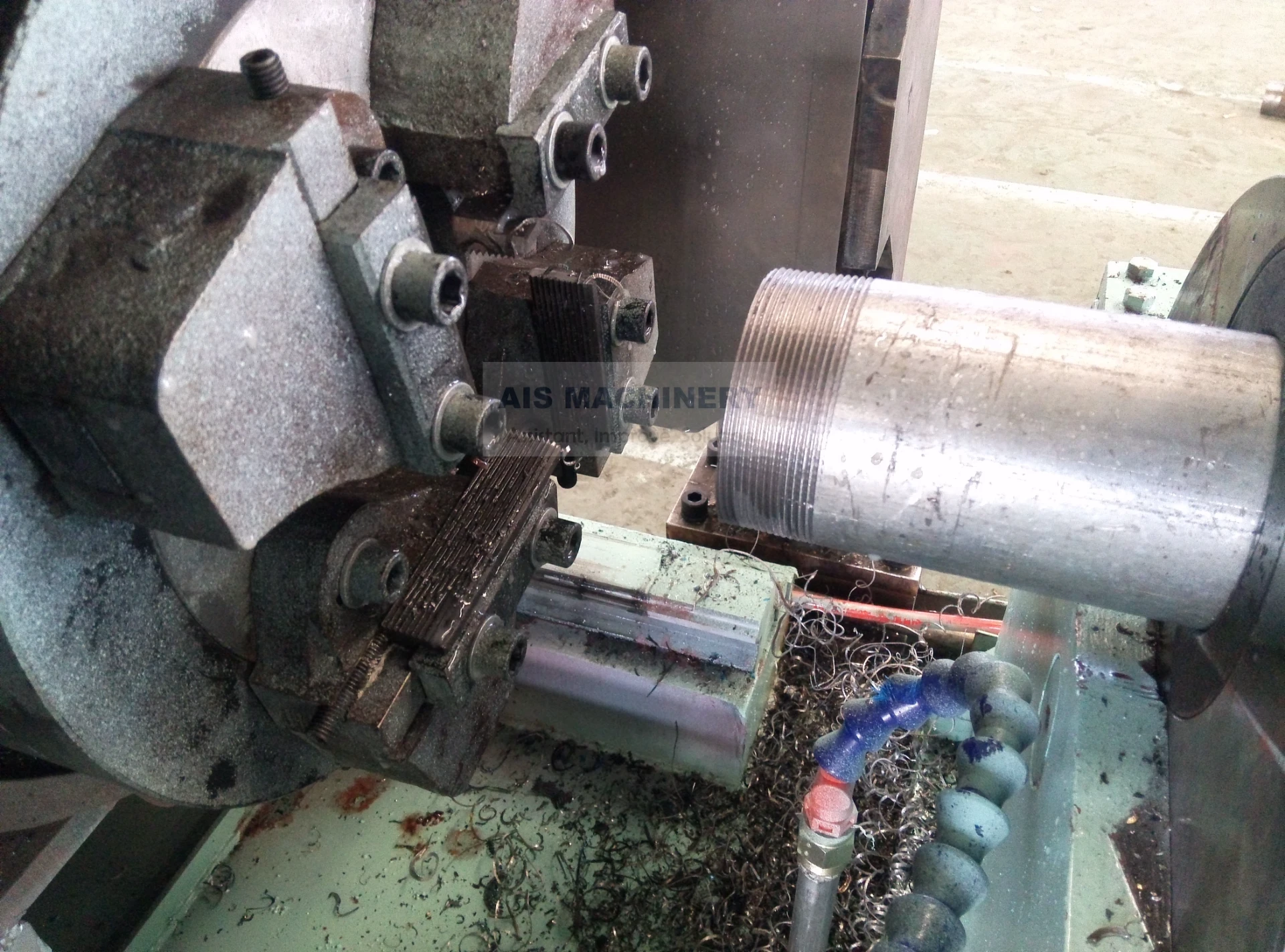
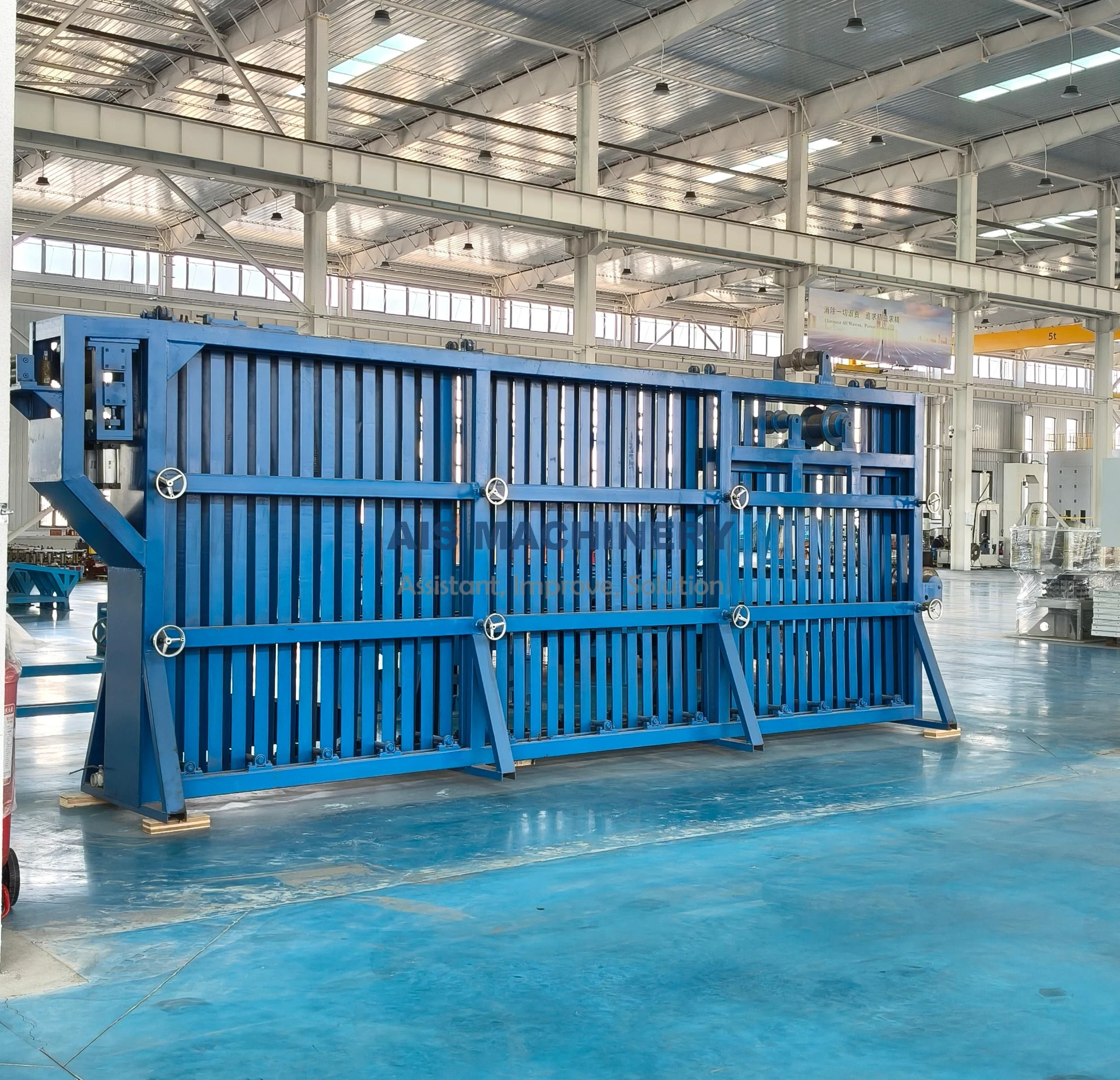
High-Precision steel tube mill Solutions for Bolivia

Empowering Bolivian industrial growth with advanced ERW technology and precision engineering for sustainable infrastructure development.

High-Precision steel tube mill Solutions for Bolivia

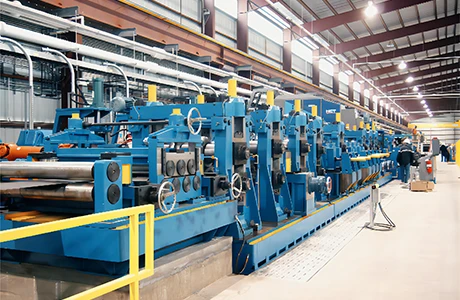
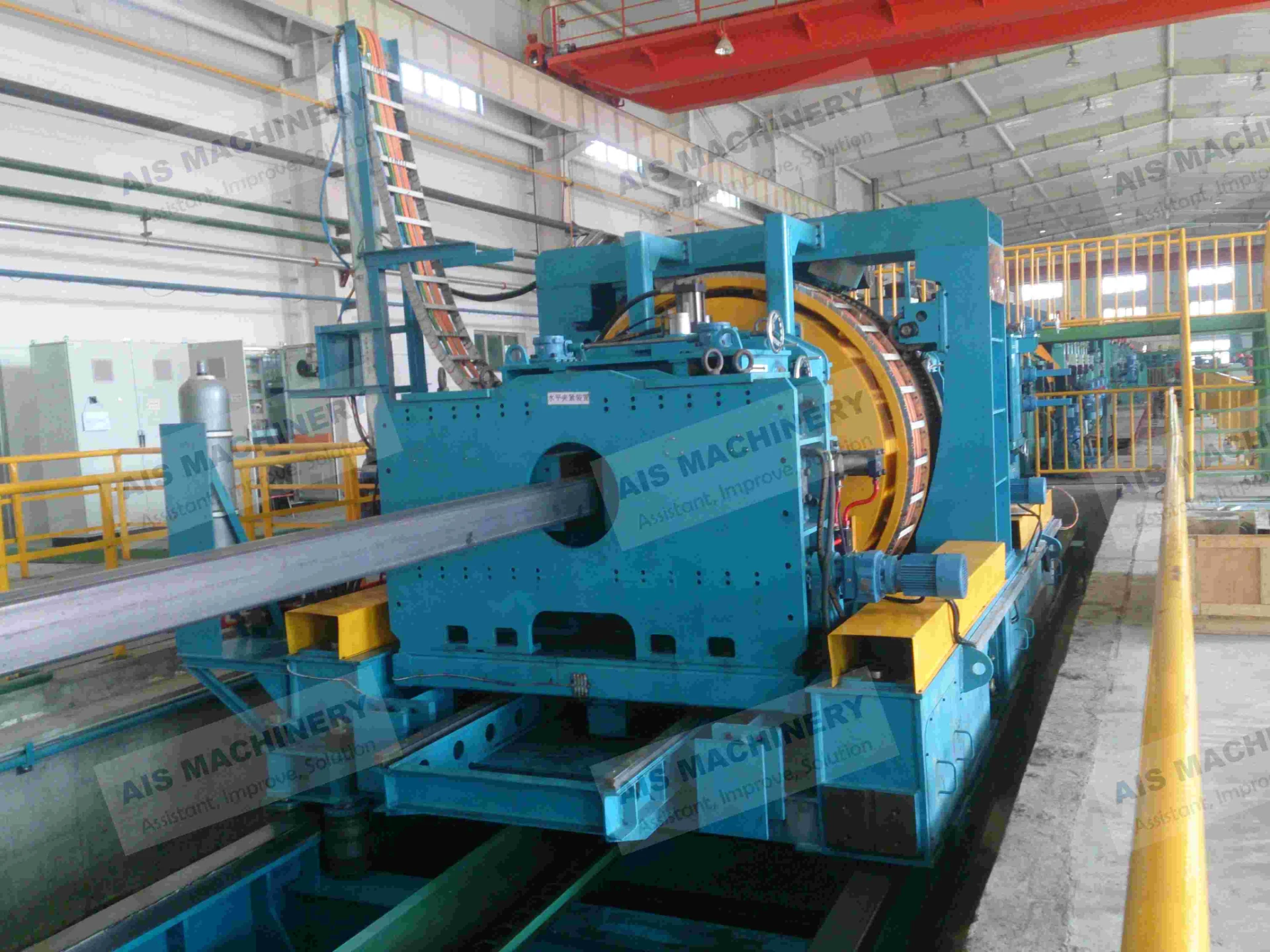
Integrating state-of-the-art erw tube mills to optimize production efficiency and structural integrity for the Bolivian metal tools and products sector.

Industrial Landscape of Tube Manufacturing in Bolivia

Analyzing the intersection of Andean geography and metal fabrication demands.

The Bolivian manufacturing sector, particularly in regions like Santa Cruz and La Paz, faces unique challenges due to extreme altitude variations and diverse climatic conditions. The demand for high-quality tube mill machinery is driven by the expanding mining and agricultural sectors, requiring robust piping solutions that can withstand harsh environments.

Currently, many local workshops rely on legacy equipment, leading to higher waste rates and inconsistent weld quality. There is a growing shift toward importing modern pipe mill machine technology to meet international ISO standards and reduce dependence on expensive imported finished steel tubes.

Economic volatility in South America has pushed Bolivian entrepreneurs to seek cost-effective yet durable solutions. The focus has shifted toward energy-efficient production lines that minimize operational overhead while maximizing the throughput of essential metal components.
Evolution and Trajectory of Tube Milling in Bolivia

From manual fabrication to automated precision engineering.

Market Development History

In the late 20th century, the Bolivian metal industry relied heavily on basic mechanical bending and manual welding. Production was fragmented, focusing on low-volume, custom-made tools with minimal standardization.

Between 2005 and 2015, the introduction of basic ERW (Electric Resistance Welding) systems marked a turning point. This era saw the first wave of automated tube mill rolls being utilized to increase the speed of production for construction-grade scaffolding and basic piping.

From 2016 to the present, the industry has moved toward "Industry 4.0" principles. Modern facilities are now integrating PLC-controlled systems and high-frequency welding technology to ensure seamless joints and precise wall thickness across all product lines.

Future Development Trends

Digital Integration & IoT

Predictive maintenance is becoming a priority, where sensors on the mill monitor wear and tear in real-time to prevent unplanned downtime.

High-Strength Low-Alloy (HSLA) Processing

Future demand will shift toward processing HSLA steels to create lighter yet stronger tubes for the burgeoning Bolivian transport infrastructure.

Sustainable Energy Implementation

There is a projected increase in the adoption of hybrid power systems for mills to combat electricity instability in remote industrial zones.

Industry Trends and Future Outlook

Strategic foresight for the metal tool and tube manufacturing sector.

Precision Automation
Transitioning toward fully automated sizing and cutting to eliminate human error in tube production.
Material Diversification
Expanding capabilities to process galvanized and alloyed steels for anti-corrosive applications.
Energy Optimization
Implementing low-energy welding systems to reduce the carbon footprint of industrial plants.
Modular Scalability
Deploying modular mill designs that allow factories to expand production capacity incrementally.

Industry Outlook

Based on search trends and regional economic reports, the demand for domestic steel tube production in Bolivia is expected to grow by 4.5% CAGR over the next 3-5 years. This growth is primarily fueled by urban expansion in the lowland plains and the modernization of the mining industry in the highlands.

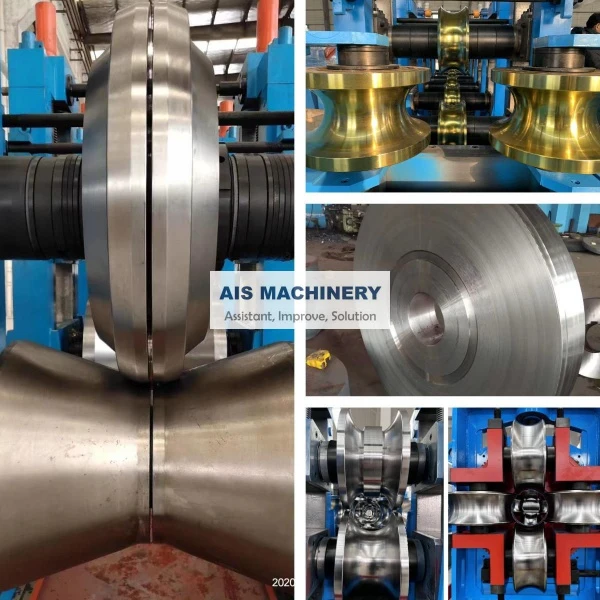
We anticipate a significant move toward high-precision tooling, where the quality of tube mill rolls will become the deciding factor in market competitiveness, shifting the focus from quantity to technical specification and durability.

Localized Application Scenarios in Bolivia

Real-world deployment of tube mill technology across diverse Bolivian industries.

01. Mining Infrastructure Support

Producing heavy-duty structural tubes used for underground mine supports and ventilation systems in the Potosí and Oruro mining districts, ensuring high load-bearing capacity.

02. Agricultural Greenhouse Framing

Manufacturing lightweight, corrosion-resistant tubes for large-scale hydroponic greenhouses in the Santa Cruz region to boost food security.

03. Urban Scaffolding & Construction

Supplying precision-welded tubes for the rapid urban development of La Paz, focusing on safety-certified structural components.

04. Automotive Part Fabrication

Creating specialized tube frames for local vehicle modifications and industrial transport equipment tailored for rugged Andean terrain.

05. Oil and Gas Pipeline Components

Utilizing advanced welding precision for the production of secondary transmission lines and casing components for Bolivia's energy sector.

Brand Story

Global Development History of Hebei AIS Machinery Equipment Trade Co., Ltd.

Foundation of Excellence

Established with a vision to bridge the gap between complex engineering and practical industrial application in the metal tool sector.

Technological Breakthrough

Developed proprietary welding control systems that significantly reduced energy consumption in ERW processes.

Global Expansion

Successfully exported high-precision mills to over 30 countries, adapting designs to local electrical and environmental standards.

Commitment to Quality

Implemented a rigorous multi-stage quality control process to ensure every machine meets stringent international safety norms.

Sustainable Future

Now focusing on "Green Manufacturing," creating equipment that enables a circular economy in the steel industry.

Complete Product Portfolio for the Bolivian Market

A comprehensive range of machinery designed for diverse industrial scales.

Bolivia Tube Mill Industry FAQ

Expert answers to common technical and logistical questions.

What are the advantages of using ERW tube mills in high-altitude regions like Bolivia?

ERW technology provides consistent weld strength regardless of atmospheric pressure, making it ideal for the Andean highlands where traditional welding might face oxygen-related inconsistencies.

How often should tube mill rolls be replaced in a high-capacity plant?

Depending on the material hardness, rolls typically require inspection every 3-6 months. Our tungsten-carbide coated rolls extend the lifespan by up to 40%.

Can a steel tube mill be customized for different pipe diameters?

Yes, our machines feature modular roll stands that allow operators to switch sizes quickly, catering to both small-scale tools and large industrial pipes.

What is the installation timeline for a pipe mill machine in South America?

Typical installation takes 2-4 weeks, including calibration and staff training, depending on the site's existing electrical infrastructure.

Does the equipment support galvanized steel processing?

Absolutely. Our mills are designed to handle pre-galvanized strips without damaging the coating, ensuring superior rust resistance for final products.

What certifications do the produced tubes usually meet?

With our precision equipment, manufacturers can easily achieve ASTM, DIN, and BS standards, allowing for easier export within the Mercosur trade bloc.

Consult Our Technical Experts

Ready to upgrade your manufacturing capacity in Bolivia? Contact us for a customized technical proposal and ROI analysis.

Contact Us Now

Send a Message

Dear customer, thank you for your attention! We provide high-quality machinery and equipment and look forward to your orders. Please inform us of your needs and we will respond quickly!

If you are interested in our products, you can choose to leave your information here, and we will be in touch with you shortly.


en_USEnglish