Impeder casing (also known as impeder housing or impeder tube) is an essential protective component in high-frequency (HF) welded tube and pipe mills.
It serves as the outer protective shell of the impeder assembly, providing mechanical support, electrical insulation, and thermal protection for the ferrite cores and cooling channels inside.
In high-temperature, high-speed HF welding environments, a high-quality impeder casing ensures stable performance, reduces power loss, and significantly extends impeder service life — resulting in higher production efficiency and lower operating costs.
Function and Applications
✅Key Functions
• Electrical Insulation & Structural Support
The casing isolates ferrite cores from the welding current and mechanical stress. Made from high-temperature-resistant materials such as glass fiber reinforced epoxy (G10/G11), silicone glass (G7), or PTFE, it maintains dimensional stability and prevents magnetic core damage.
• Cooling Channel Integration
The impeder casing works together with the internal cooling circuit to dissipate heat from the ferrite cores, preventing overheating and magnetic degradation.
• Thermal & Wear Protection
During the welding process, the casing resists damage from molten metal spatter, sparks, and high radiant heat — withstanding continuous temperatures up to 300 °C (572 °F) depending on material type.
• Magnetic Performance Optimization
The casing design and material stability help maintain the correct magnetic flux density and field alignment, ensuring maximum welding efficiency and minimal power consumption.
✅Typical Applications
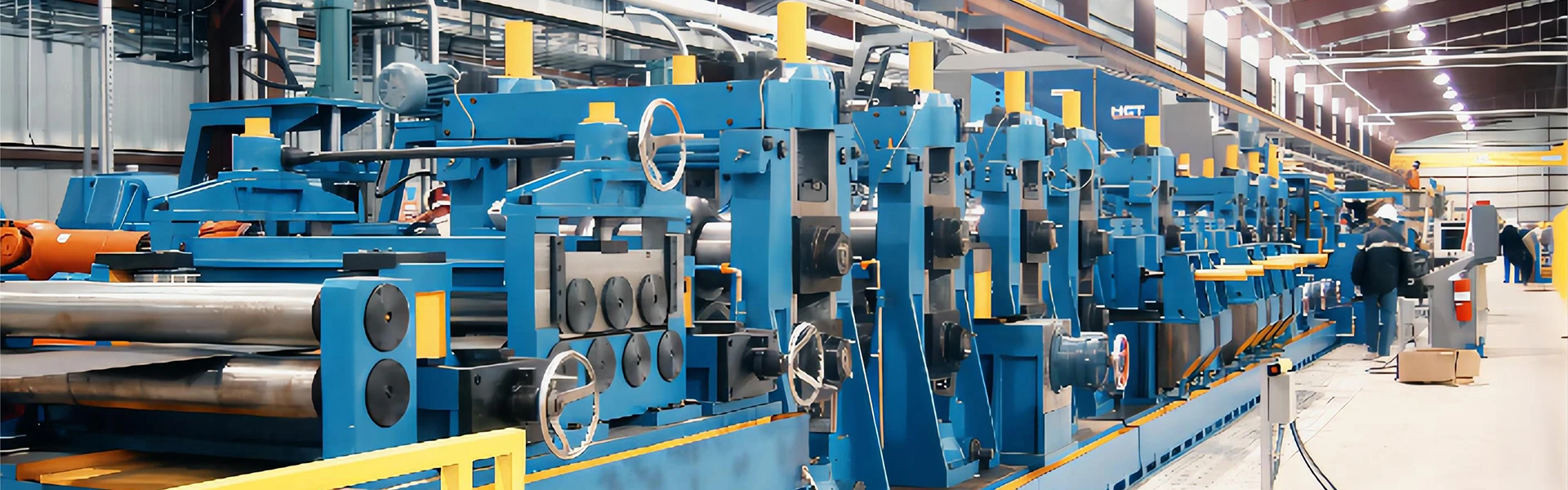
ERW / HFW tube and pipe mills (carbon steel, stainless steel, galvanized steel, aluminum tubes)
High-speed and high-frequency production lines
Small-diameter or thin-wall tube production where space and heat concentration are critical
Heavy-duty welding environments requiring long service life and minimal downtime
Technical Specifications
| Parameter | Typical Value | Description |
|---|
| Material Type | Glass fiber epoxy (G10/G11), Silicone glass (G7), PTFE extrusion (Duraguard type) | Different materials for various temperature and wear requirements |
| Max Operating Temperature | 180 °C (Epoxy), 210 °C (Silicone), up to 327 °C (PTFE) | High-temperature performance under continuous operation |
| Standard Length | 1200 mm – 2000 mm | Custom cut-to-length available |
| Wall Thickness / Inner Diameter | 1 – 3 mm wall, ID ≥ 7 mm | Depends on tube diameter and machine type |
| Magnetic Efficiency | Up to +30 % improved magnetic flux utilization | When paired with optimized ferrite core assembly |
| Service Life Improvement | Up to 30 % longer operation before replacement | With protective coating or PTFE version |
Note: Specifications may vary depending on manufacturer, tube size, cooling system, and welding frequency.
Material Comparison Table
| Type | Material & Structure | Advantages | Limitations |
|---|
| Standard Epoxy (G10/G11) | Epoxy resin + glass fiber | Cost-effective, high mechanical strength, good wear resistance | Limited temperature resistance (≤ 180 °C) |
| Silicone Glass (G7) | Silicone resin + glass fiber | Higher heat resistance (≤ 210 °C), stable at high frequency | Slightly more expensive |
| PTFE / Teflon (Duraguard) | Extruded PTFE | Excellent thermal resistance (≤ 327 °C), low friction, long life | High cost, used in harsh conditions |
| Ferrite-Reinforced Hybrid | Magnetic composite shell | Increases magnetic field efficiency by up to 24 % | Specialized and costly |
| Coated (Safe-Coat or similar) | Surface anti-spatter and anti-wear coating | Reduces downtime by 30 %, extends lifespan | Additional coating process required |
Installation and Maintenance Guide
Model Matching:
Always confirm compatibility with tube OD, wall thickness, impeder ID, welding frequency, and cooling system before ordering.
Material Selection:
Use epoxy types for standard carbon steel lines.
Use silicone glass or PTFE for high-temperature or coated tube welding.
Use coated types for extreme heat and heavy contamination environments.
Cooling Coordination:
Efficient water or coolant flow inside the casing is essential to maintain ferrite performance. Poor cooling drastically reduces efficiency and lifespan.
Regular Inspection:
Monitor the casing for cracks, deformation, or molten metal buildup. Replace immediately when wear or discoloration occurs.
Surface Cleaning:
Clean welding residue and check coolant quality periodically to prevent blockage or corrosion inside the casing.
Advantages of High-Quality Impeder Casings
Reduced power loss and better welding efficiency
Increased impeder core life and lower replacement cost
Consistent tube weld quality and reduced downtime
Energy saving and cost-effective long-term performance
FAQ – Impeder Casing
What is an impeder casing?
Answer:
An impeder casing is the outer protective tube used in high-frequency welded tube mills. It shields and supports the ferrite cores, providing insulation and cooling protection during welding.
What materials are used?
Answer:
Common materials include epoxy glass (G10/G11), silicone glass (G7), and PTFE (Teflon).
PTFE types offer the highest heat resistance and longest service life.
How to choose the right impeder casing?
Answer:
Select based on tube size, welding frequency, and temperature.
Use epoxy for standard lines and PTFE or silicone for high-temperature or high-speed production.
How long does it last?
Answer:
Typically 1–3 months for epoxy types and up to 6 months for PTFE types, depending on cooling and usage conditions.
What are the main benefits?
Answer:
High-quality casings improve welding efficiency, extend ferrite life, and reduce power loss and downtime.
RELATION EQUIPMENT
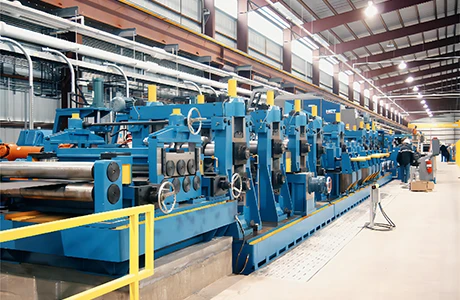
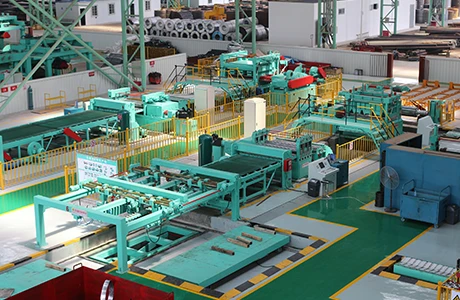
We provides all equipment to tube mill entry section:
Coil Car
Single And Double Heads Un-coiler & Hydraulic And Pneumatic Un-coiler
Peeler and hold down roll arm
Flattening Machine
Automatic and Semi Auto Shearer & Butt Welder
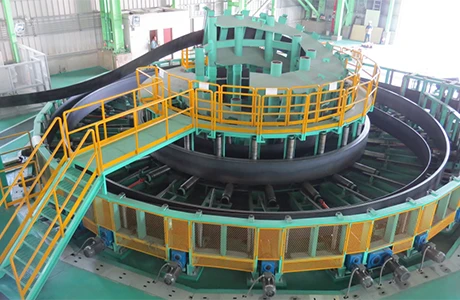
Vertical Cage Accumulator & Horizontal Loop Accumulator & Landing Horizontal Spiral Loop Accumulator
TUBE MILL FINISHING SECTION
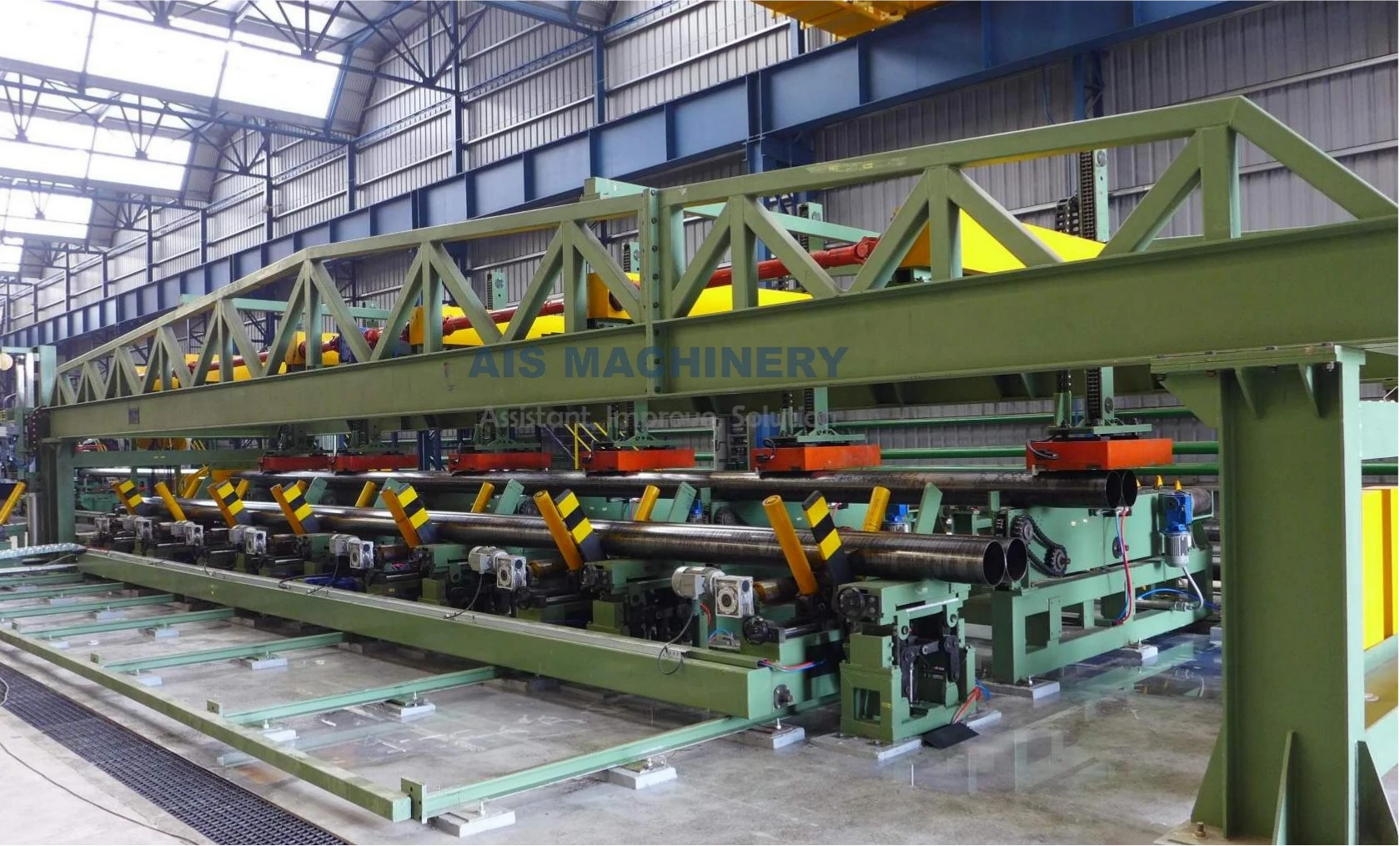
We provides all equipment to tube mill Finishing section:
1. Eddy current machine
2. Seam annealing machine
3. Straightener machine
4. Chamfer and end facer machine
5. Hydro Tester machine
6. Threading machine
7. Painting and oil machine
8. Automatic bundle and package machine
9. Drilling machine
SPARE PARTS TO CHOOSE
Our Spare Parts Apply:
1. Roller, Mould, Cr12, Cr12Mov material, D2,D3 material
2. Ferrite, Impeder, Fiberglass tube
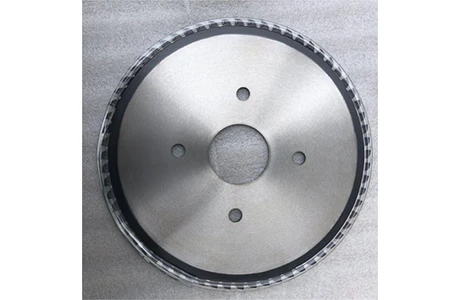
3. HSS saw blades, TCT Saw blades, Friction saw blades
4. OD burr remove inserts, ID burr remover inserts
5. HF welder Induction Coil and other HF welder spare parts
6. Copper tube for induction Coil, PTFE pipe for Induction Coil
7. Mosfet, Boards
8. Steel pipe Strapping machine
9. Zinc Spray Machine, Zinc wire, Zinc spray gun
OUR CERTIFICATE

OUR SERVICE
Why Choose Us?
Leading Technology, Reliable Quality, Excellent Service!
Optimized Design, High quality material select!
Heat treatment process guarantee!
Spiral bevel gear, drum gear coupling and carburization.
Gear teeth quenching.
Driven system stable, efficient and wearable with lower noise.
High precision wear resisting and Long life of rollers.
All the machine Lathes, Key Grooves are positioned and Milled by CNC.
Our Service
Pre-sale service
1. We can provide machine running videos for reference
2. We will recommend the most suitable equipment according to the needs of customers
3. We can provide the layout of the factory
4. We welcome customers to visit our factory
After-sales service
1.We will delivery the machine and provide the documents on time to make sure you can get the machine quickly
2.When you finish the Preparation conditions, Our fast and professional aftersales service engineer team will go to your factory to install the machine, give you the operating manual, And train your employee until they can operate the machine well.
3.We provide one year warranty and life-long technical support.
4.Well-trained & experienced staff are to answer all your inquiries in English and Chinese
5 .24 hours for engineer response.
6.Your business relationship with us will be confidential to any third party.
Quality Control
We have the single quality department, that make sure the material of the raw materials is good, and ensure the machine running smoothly.

 Tel:86-15176910262











 English
 Albanian
 Arabic
 French
 German
 Indonesian
 Italian
 Japanese
 Kazakh
 Korean
 Latin
 Macedonian
 Portuguese
 Russian
 Spanish
 Thai
 Turkish
 Ukrainian
 Uzbek