SiC HF Welder for ERW Tube Mill

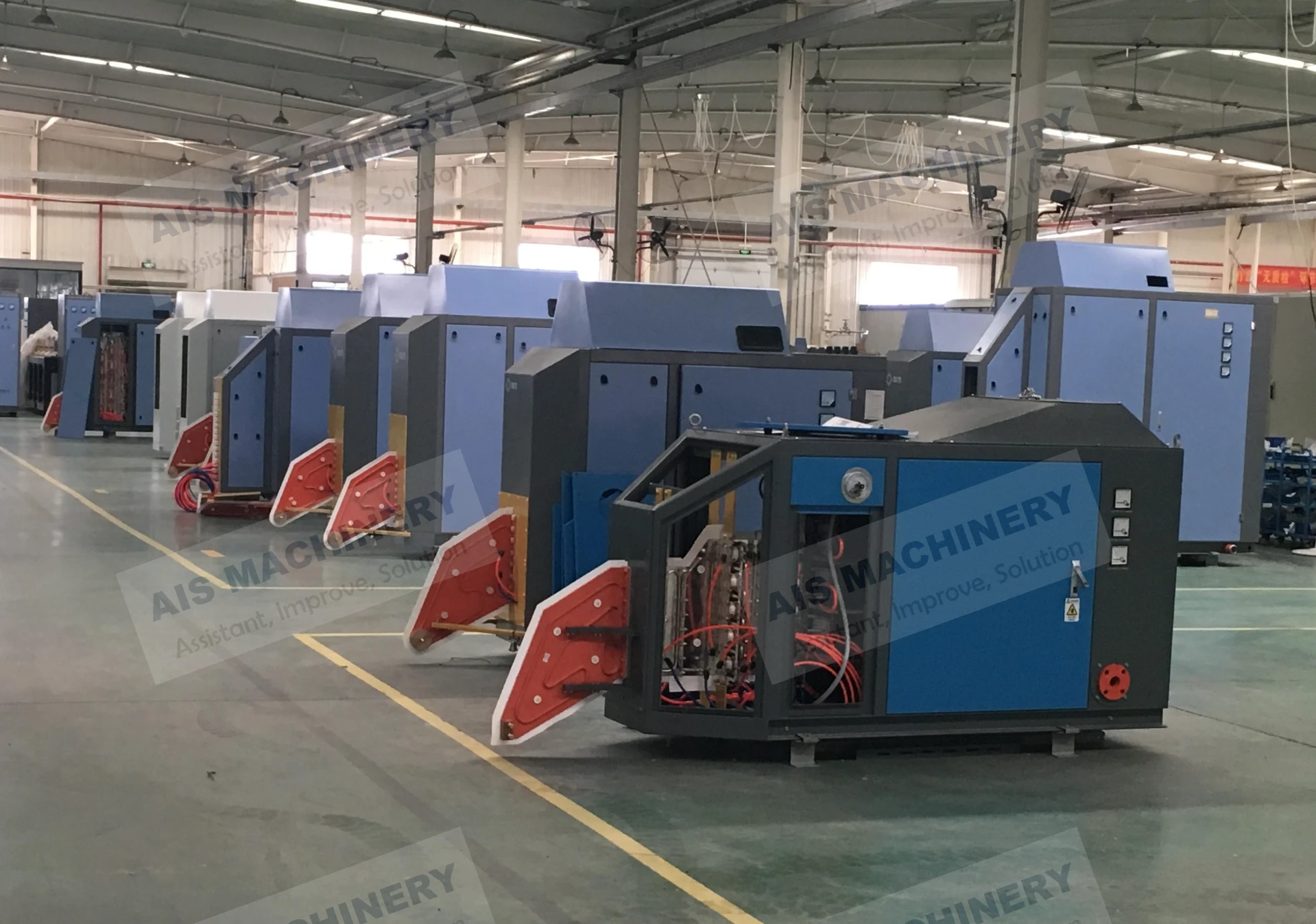
The SiC HF Welder is a solid-state high-frequency welding power supply designed for ERW tube mills. By using advanced SiC MOSFET technology, it delivers higher electrical efficiency, stable power output, and lower thermal loss compared with conventional Si HF welders. It helps improve weld consistency, reduce energy consumption, and lower long-term maintenance costs in continuous pipe production.

Product Details

Contact Now

Product Details

Video


Specification


What Is a SiC HF Welder?

A SiC HF Welder (Silicon Carbide High Frequency Welder) is a new-generation solid-state high-frequency welding power supply used in ERW tube mill lines. By adopting advanced SiC MOSFET power devices, it provides high-frequency energy to heat strip edges and complete continuous resistance welding.

Compared with conventional Si-based (Si-MOS) HF welders, SiC HF welders represent a clear technological upgrade in terms of energy efficiency, power stability, and long-term reliability, making them ideal for modern tube mills with higher quality and cost-control requirements.

  • SiC HF Welder Solution
  • SiC HF Welding Technology
  • Solid-State SiC HF Welder

Technical Comparison: Si-MOS HF vs. SiC-MOS HF Welder

💡The comparison below is based on solid-state HF welder configurations, following standard industrial specifications and actual application conditions.

Item Si-MOS HF Welder SiC-MOS HF Welder
Rectifier High-voltage rectifier, rated DC voltage 450V High-voltage rectifier, rated DC voltage 500–650V
Inverter Power Unit Design 1000V high-voltage Si-MOS, integrated power unit structure 1200V high-voltage SiC-MOS, integrated power unit structure
Resonance Tank Circuit Series LC resonance Series LC resonance
Safety Protection Short-circuit & open-circuit protection; overload and impact resistance: medium Short-circuit & open-circuit protection; overload and impact resistance: medium
Electrical Isolation Matching transformer isolation on inverter side Matching transformer isolation on inverter side
Control Technology Full digital control Full digital control
Control Precision High High
Maintainability Medium Good
Commissioning & Repair General level of commissioning and repair skills required Low level of commissioning and repair skills required
Parameter Setting Digital setting via touch screen Digital setting via touch screen
Power Stability Digital double closed-loop PI regulator with power closed-loop regulation Digital double closed-loop PI regulator with power closed-loop regulation
Load Matching Matching transformer ratio adjustment + Pulse Shielded Modulation Matching transformer ratio adjustment + Pulse Shielded Modulation
Full Power Output Capacity Load-independent, strong power output capacity Load-independent, strong power output capacity
Power Factor & Harmonic Suppression ≥ 0.90 above 25% rated power; low harmonic current ≥ 0.95 above 25% rated power; minimum harmonic current
Display Instrument Digital display instrument + color touch screen Digital display instrument + color touch screen
Integrated Electrical Efficiency Good Excellent

SiC high frequency welder


Key Advantages of SiC HF Welder

⚙️Higher Efficiency, Lower Energy Consumption

Thanks to the low switching and conduction losses of SiC devices, the overall power conversion efficiency is significantly improved. This helps reduce energy consumption per ton of pipe, especially in long-term continuous production.

⚙️More Stable Welding Power Output

SiC HF welders deliver more stable high-frequency power, ensuring uniform heat input at the strip edges. This improves weld seam consistency and reduces welding defects such as under-welding or overheating.

⚙️Lower Thermal Stress, Longer Service Life

Lower heat generation means reduced thermal stress on key components. As a result, the system operates more reliably and achieves a longer service life with less dependence on intensive cooling.

⚙️Easier Maintenance and Commissioning

With improved stability and simplified power unit structure, SiC HF welders require lower commissioning and repair skill levels, reducing downtime and maintenance costs.

SiC-MOS High Frequency Welder

High-Speed ERW Tube Production


Application in ERW Tube Mill Line

The SiC HF Welder is typically installed between the forming section and welding section, working together with squeeze rolls to complete high-frequency resistance welding. It is a core component that directly affects weld quality and production efficiency.


Why Choose a SiC HF Welder?

  1. 🔹Mature and Proven SiC Technology
    SiC HF welding is no longer a new or experimental solution. The technology is fully mature and has been successfully applied in multiple ERW tube mill lines, with many units already delivered and running reliably in continuous production.

  2. 🔹Higher Electrical Efficiency and Power Quality
    SiC power devices provide a higher power factor and better harmonic suppression, reducing energy loss and improving overall electrical efficiency, especially under long-term, high-load operation.

  3. 🔹More Stable Welding Power Output
    Stable high-frequency output ensures consistent heat input and uniform weld quality, helping reduce welding defects and improve overall pipe consistency.

  4. 🔹Lower Thermal Stress and Maintenance Cost
    Reduced switching loss and lower heat generation lead to lower component stress, easier maintenance, and longer service life, minimizing downtime and operating costs.

  5. 🔹Ideal Upgrade from Conventional Si HF Systems
    For tube manufacturers seeking improved weld quality, energy efficiency, and production stability, the SiC HF Welder is a safe, reliable, and future-ready upgrade from traditional Si-based HF welders.


RELATION EQUIPMENT

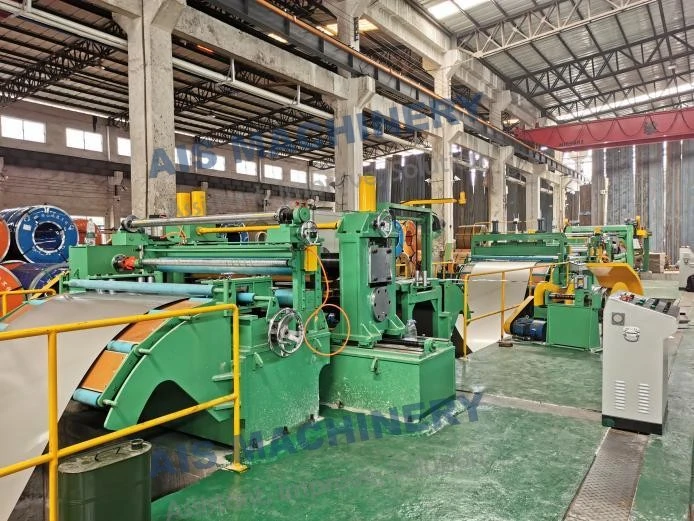
We provides all equipment to tube mill entry section:

Coil Car

Single And Double Heads Un-coiler & Hydraulic And Pneumatic Un-coiler

Peeler and hold down roll arm

Flattening Machine

Automatic and Semi Auto Shearer & Butt Welder

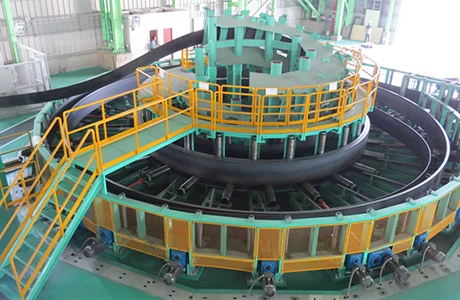
Vertical Cage Accumulator​ & Horizontal Loop Accumulator & Landing Horizontal Spiral Loop Accumulator

disc accumulator to storage strip

erw tube mill feeding section

OUR SERVICE

Why Choose Us?

Leading Technology, Reliable Quality, Excellent Service!

Optimized Design, High quality material select! 

Heat treatment process guarantee!

Spiral bevel gear, drum gear coupling and carburization.

Gear teeth quenching.

Driven system stable, efficient and wearable with lower noise.

High precision wear resisting and Long life of rollers.

All the machine Lathes, Key Grooves are positioned and Milled by CNC.

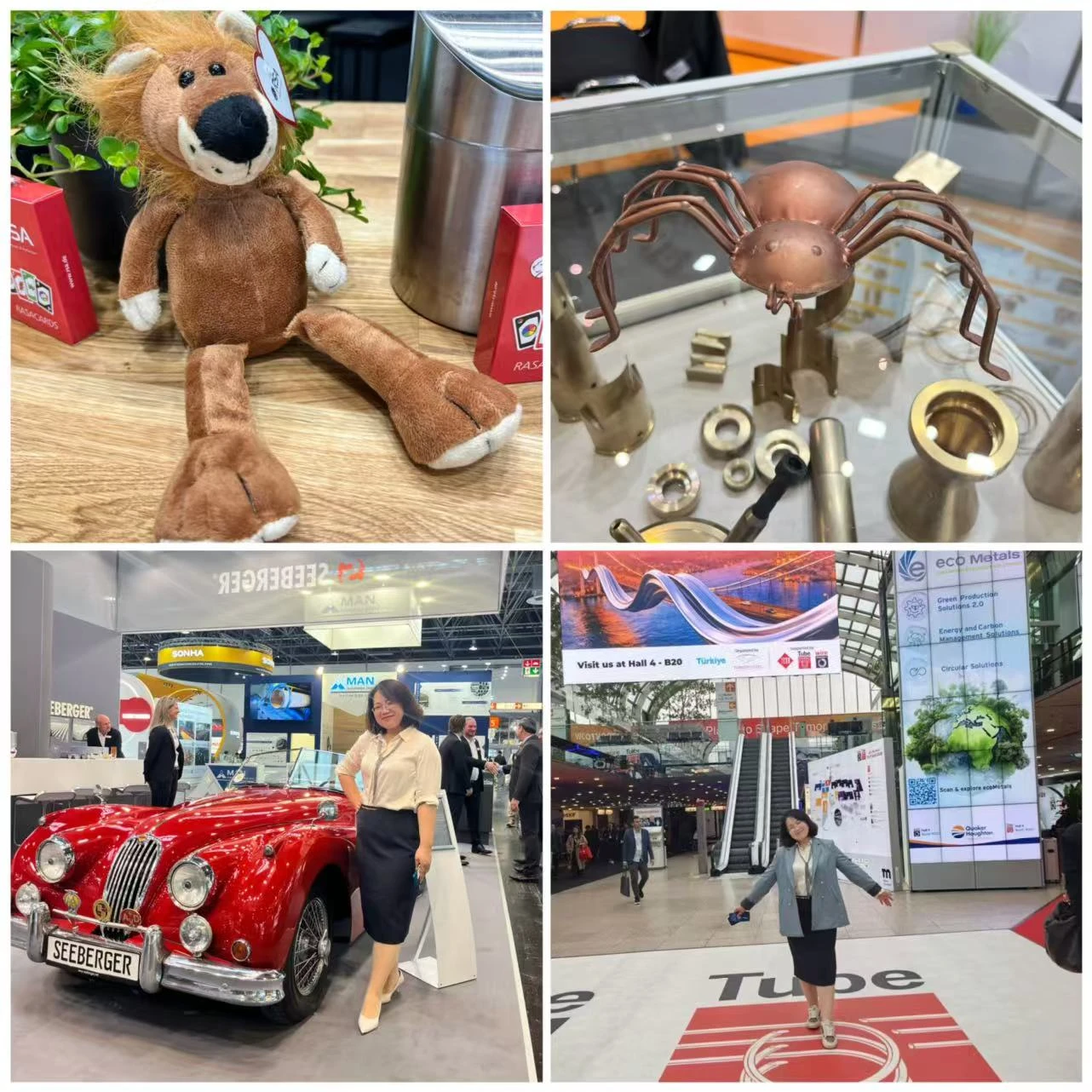
ais machinery exhibition attend


Get in Touch

If you are interested in our products, you can choose to leave your information here, and we will be in touch with you shortly.

* Name

* E-mail

Phone

*Message

FAQ – SiC HF Welder

Is SiC HF welding technology mature?

Yes. SiC HF welding technology is fully mature and has been widely applied in industrial ERW tube mills, with many units already operating reliably in continuous production.

What is the main advantage of SiC HF compared with Si HF?

SiC HF offers higher electrical efficiency, better power factor, lower harmonic current, and more stable welding power, resulting in consistent weld quality and lower operating costs.

Can SiC HF replace an existing Si HF welder?

Yes. In most cases, SiC HF welders can be used as a direct upgrade or replacement for conventional Si-based HF systems, with minimal changes to the existing tube mill.

Does SiC HF require special maintenance?

No. SiC HF welders generally require less maintenance due to lower thermal stress and improved system stability.

Is SiC HF suitable for long-term continuous production?

Yes. SiC HF welders are designed for continuous operation and are well suited for high-duty ERW tube mill production lines.

Related News

Optimizing Material Handling with Efficient Driven Conveyor Systems

2026-03-17 02:35:12

Optimizing Material Handling with Efficient Driven Conveyor Systems

In the world of material handling, efficiency and reliability are paramount. Driven conveyor systems play a vital role in streamlining processes across numerous industries. This article will delve into the core components, types, benefits, and applications of driven conveyors, offering a detailed overview for businesses looking to optimize their operations. We’ll explore how these systems contribute to increased productivity, reduced labor costs, and improved workplace safety. Selecting the right driven conveyor is crucial for maximizing efficiency and minimizing downtime. A driven conveyor system is a mechanical handling device used to move materials horizontally or at an incline. Unlike gravity conveyors, these systems utilize powered rollers, belts, or chains to transport products. A key component is the drive unit, which provides the power to the conveyor. This can be an electric motor, pneumatic system, or hydraulic system. The type of drive system chosen depends on the application, material being conveyed, and required speed and load capacity.

Optimize CrossBorder Trade with a Proactive Run Out Table Strategy

2026-03-14 02:35:24

Optimize CrossBorder Trade with a Proactive Run Out Table Strategy

In the dynamic world of cross-border trade, efficient inventory management is paramount. A critical tool for achieving this is the 'run out table' – a data-driven approach to forecasting demand and minimizing stockouts. This article delves into what a run out table is, how it functions, its benefits, and how it can significantly optimize your supply chain. AISTubeMill helps businesses streamline their operations, and understanding tools like the run out table is key to success. We’ll explore how leveraging this strategy can lead to increased profitability and customer satisfaction. A run out table is essentially a structured spreadsheet or database that helps predict when a specific product will likely be out of stock, given current sales rates and lead times for replenishment. It's a core component of demand planning, particularly useful for businesses dealing with products that have fluctuating demand.

Comprehensive Guide to Chain Type Conveyors for Efficient Material Handling

2026-03-12 02:35:15

Comprehensive Guide to Chain Type Conveyors for Efficient Material Handling

Chain conveyors are essential material handling systems used across a variety of industries. From automotive manufacturing to food processing, these conveyors offer a robust and reliable solution for moving goods efficiently. This article provides a detailed overview of chain type conveyors, including their types, applications, benefits, and key considerations when selecting a system. We’ll delve into the specifics to help you understand if a chain conveyor is the right solution for your material handling needs. Chain conveyors come in several configurations, each suited to different applications. The most common types include: Drag Chain Conveyors, Overhead Chain Conveyors, Pallet Chain Conveyors, Scraper Chain Conveyors. The selection of the appropriate type depends on factors such as the weight and size of the materials being conveyed, the required throughput, and the layout of the facility. Chain conveyors excel in handling abrasive, hot, or oily materials, making them suitable for challenging environments. The versatility of chain conveyors makes them valuable in numerous sectors: Automotive, Food Processing, Foundries, Wood Processing, Coal Handling.

Comprehensive Guide to Mastering Efficient Pipe Chamfering Techniques

2026-03-11 02:35:13

Comprehensive Guide to Mastering Efficient Pipe Chamfering Techniques

Achieving precise and efficient pipe chamfering is crucial in various industries, including oil and gas, construction, and manufacturing. Proper chamfering ensures smooth weld preparation, reduces stress concentrations, and enhances the overall integrity of pipe joints. This article delves into the methods, tools, and best practices for successful pipe chamfering, providing valuable insights for professionals and those seeking to improve their fabrication processes. From manual techniques to automated solutions, we will cover everything you need to know to achieve high-quality chamfers consistently. Pipe chamfering, the process of beveling the edge of a pipe, is fundamental to preparing pipes for welding. A well-executed chamfer provides the necessary space for the weld metal to penetrate and create a strong, reliable joint. Without proper chamfering, incomplete fusion, porosity, and cracking can occur, compromising the structural integrity of the pipeline. Beyond weld preparation, chamfering also reduces the risk of sharp edges causing injury during handling and installation.

Maximize Packaging Efficiency with a Pneumatic Strapping Machine Solution

2026-03-10 02:25:30

Maximize Packaging Efficiency with a Pneumatic Strapping Machine Solution

In today's fast-paced industrial environment, efficient and reliable packaging solutions are essential. A pneumatic strapping machine offers a significant upgrade over manual strapping methods, increasing productivity and reducing labor costs. This article delves into the advantages, applications, and considerations when choosing a pneumatic strapping machine for your business. We’ll explore how this equipment can streamline your operations and enhance your bottom line. Pneumatic strapping machines utilize compressed air to tighten and seal strapping materials, typically polypropylene (PP) or polyester (PET). This automation significantly reduces the time and effort required compared to manual strapping. The result is increased packaging throughput, minimized strain on workers, and consistent strap tension – vital for secure loads. They are especially beneficial for businesses handling high volumes of goods and seeking to optimize their packaging processes.

Hydraulic Upsetting Machine: Pipe End Forming Equipment for Tube Mill Lines

2026-03-09 00:00:00

Hydraulic Upsetting Machine: Pipe End Forming Equipment for Tube Mill Lines

A Hydraulic Upsetting Machine is an important auxiliary device used in tube mill workshops for pipe end forming and reinforcement. It uses hydraulic pressure to increase the diameter or wall thickness of steel pipe ends, improving connection strength and durability. Widely used in ERW tube mill production and pipe processing industries, hydraulic upsetting machines help manufacturers achieve stronger pipe connections, higher product quality, and more reliable pipeline performance.

Comprehensive Guide to Eddy Current Technology for NonDestructive Testing

2026-03-08 02:35:06

Comprehensive Guide to Eddy Current Technology for NonDestructive Testing

Eddy Current Technology (ECT) is a versatile and widely-used non-destructive testing (NDT) method for detecting surface and near-surface flaws in conductive materials. At AISTubeMill, we leverage this technology to ensure the highest quality standards in our seamless steel tubes. ECT offers a fast, reliable, and repeatable method for identifying defects without damaging the material being inspected. This article will delve into the principles of ECT, its applications, advantages, and limitations. Understanding ECT is crucial for maintaining safety and reliability in various industries. ECT operates on the principle of electromagnetic induction. An alternating current (AC) flows through a coil, generating a magnetic field. When this coil is brought near a conductive material, the magnetic field induces circulating currents within the material – these are known as eddy currents. These eddy currents, in turn, create their own magnetic field. Any changes in the material’s properties, such as the presence of a crack, variation in conductivity, or change in permeability, will alter the flow of eddy currents and therefore the secondary magnetic field.

Comprehensive Guide to Eddy Current Testing Equipment and Applications

2026-03-06 04:25:08

Comprehensive Guide to Eddy Current Testing Equipment and Applications

Eddy current testing (ECT) is a non-destructive testing (NDT) method used to detect flaws and characterize materials. It's a versatile technique widely employed across industries like aerospace, oil & gas, and manufacturing for quality control and maintenance. This article explores the principles, applications, types, and key considerations when selecting eddy current testing equipment, helping you make informed decisions. Understanding ECT is crucial for ensuring the reliability and safety of critical components. At its core, ECT relies on electromagnetic induction. An alternating current is passed through a coil, generating a magnetic field. When this field interacts with a conductive material, circulating currents – known as eddy currents – are induced within the material. Any flaws or variations in the material’s conductivity or permeability disrupt the flow of these eddy currents. The ECT instrument detects these disruptions, allowing for the identification of surface and near-surface defects, material variations, and coating thickness. The sensitivity and effectiveness of the test depend on factors like frequency, probe design, and material properties.

Send a Message

Dear customer, thank you for your attention! We provide high-quality machinery and equipment and look forward to your orders. Please inform us of your needs and we will respond quickly!

If you are interested in our products, you can choose to leave your information here, and we will be in touch with you shortly.


en_USEnglish