


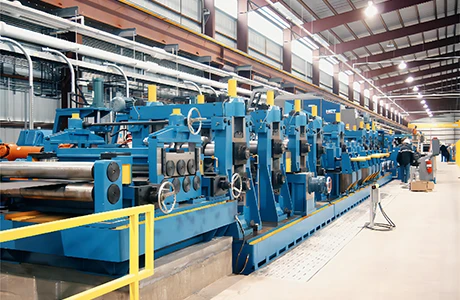
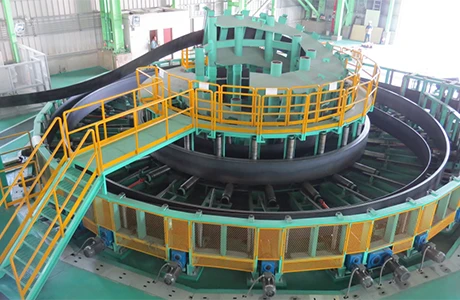
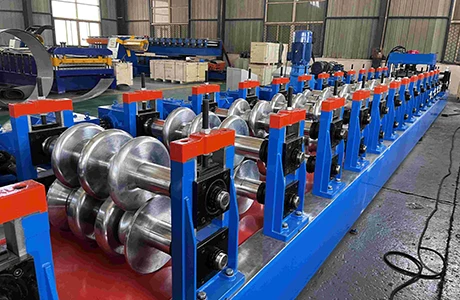
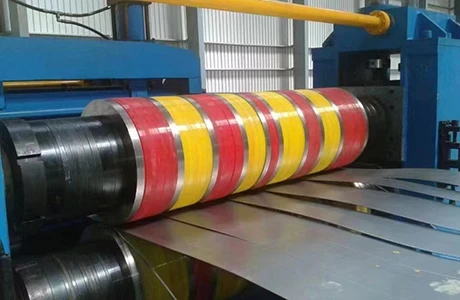
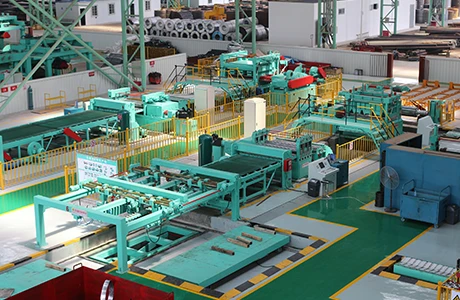
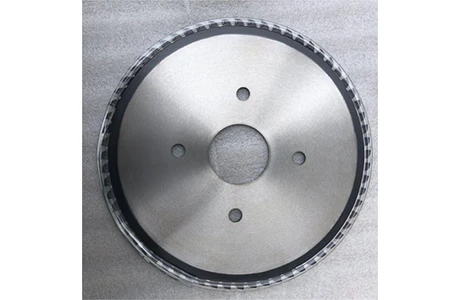
Slitting line manufacturers specialize in the design and production of precision machinery used to cut wide metal coils into narrower strips. This critical process, known as slitting, is fundamental to the metalworking industry, ensuring that raw steel, aluminum, or copper coils are precisely dimensioned for downstream applications such as tube milling and stamping.
For many enterprises in the general equipment and metal products sector, selecting the right slitting equipment is a pivotal decision that impacts overall production efficiency. Inconsistent slit widths or poor edge quality can lead to significant material waste and operational downtime in subsequent production stages, making the expertise of the manufacturer a key variable in long-term profitability.
This article provides a comprehensive technical analysis of slitting line technology, procurement criteria, and the operational advantages of high-precision systems. By exploring the relationship between machine specifications and final product quality, procurement teams can better identify the solutions that align with their specific throughput and precision requirements.

1Understanding Precision Slitting Technology

Precision slitting is a mechanical process where a master coil is unwound, passed through a set of rotating circular knives, and rewound into smaller coils. The primary goal of slitting line manufacturers is to maintain a strict tolerance on the width of the cut strips, as even a fraction of a millimeter in deviation can cause failures in automated tube welding or precision stamping presses.
The process involves complex tension control. If the tension is too low, the resulting coils may be loose or "telescoped"; if it is too high, the material may stretch or deform. Advanced systems use closed-loop feedback to adjust tension in real-time based on the material's yield strength and thickness.
Furthermore, the quality of the burr at the cut edge is a critical technical indicator. High-quality slitting lines minimize the creation of burrs, reducing the need for secondary edge-trimming processes and ensuring the safety of operators handling the finished strips.
2Core Components of High-Efficiency Slitting Lines
A professional slitting line is composed of several integrated modules. The entry section begins with the uncoiler, which must handle heavy coils safely. For high-production environments, double-head uncoilers are preferred to minimize downtime by allowing the next coil to be loaded while the current one is still processing.
The core of the system is the slitting head, where circular knives apply shear force to the material. This is often preceded by a leveling or flattening unit to remove coil set and ensure the strip enters the knives perfectly flat. The exit section features a tension recoiler that winds the narrower strips into tight, uniform coils.
Auxiliary equipment, such as coil cars and strip flatteners, enhances the workflow. For instance, integrating a strip shear and welder allows the line to operate continuously, eliminating the waste generated during the start and end of each coil cycle.
3Industrial Applications and Use Cases
Slitting lines are essential across various metal-centric industries. In the production of ERW (Electric Resistance Welded) tubes, slitted strips serve as the primary raw material. The precision of the slit width directly affects the diameter and stability of the resulting pipe, making high-end slitting lines indispensable for API and structural pipe mills.
Beyond tube milling, these machines are used to produce narrow strips for the automotive industry, where they are used in stamping panels and brackets. In the solar energy sector, slitting is used to prepare the galvanized steel strips required for solar support piles and mounting frames, where corrosion resistance and dimensional accuracy are paramount.
Additionally, the appliance and furniture industries rely on slitted coils for the production of brackets and frames. Because these industries often require a variety of widths, the ability of the slitting line to undergo rapid tooling changes—specifically changing the knife and spacer configuration—is a major operational advantage.
4Technical Performance and Operational Metrics
Evaluating a slitting line requires looking at more than just the maximum speed. Key performance indicators (KPIs) include the "yield rate" (the percentage of usable material versus scrap) and the "setup time" required to change widths. High-performance lines from reputable manufacturers typically offer faster setup times through standardized tooling.
Material thickness and hardness also play a significant role. Processing high-strength low-carbon steel or galvanized steel requires robust motor drives and high-torque gearboxes to maintain a constant line speed without slippage, which could otherwise cause uneven winding of the narrow coils.
slitting line manufacturers Performance Metrics
The data suggests that investing in precision-engineered slitting lines significantly reduces material waste. By minimizing edge trim and reducing the frequency of rejected coils, companies can see a marked improvement in their overall ROI, especially when processing expensive alloys or heavy-gauge steel.
5Procurement Guide for Metal Processing Equipment
When selecting slitting line manufacturers, procurement teams should prioritize the technical support and the quality of the core components. A machine is only as good as its weakest part; therefore, the quality of the bearings, the precision of the CNC positioning systems, and the durability of the knives are critical factors.
Consider the total cost of ownership (TCO) rather than just the initial purchase price. This includes the cost of replacement knives, the energy consumption of the drive systems, and the labor costs associated with machine operation. Automation in the uncoiling and recoiling process can significantly reduce labor overhead.
Compatibility is another essential consideration. The slitting line must be synchronized with the rest of the factory's workflow. For example, if the slitted coils are destined for a tube mill, the winding tension must be compatible with the tube mill's uncoiler to prevent material deformation during the transition.
6Emerging Trends in Automated Slitting Systems
The industry is moving toward "Industry 4.0" integration, where slitting lines are connected to a central Manufacturing Execution System (MES). This allows for real-time monitoring of production speeds, material usage, and predictive maintenance alerts, reducing the risk of unexpected breakdowns.
Automation in the setup process is another major trend. Some advanced manufacturers are introducing automated knife positioning systems that use servos to move spacers into place, reducing the manual labor and human error typically associated with traditional manual setups.
Additionally, there is an increasing focus on energy-efficient drives. By implementing regenerative braking systems in the recoiler, some modern slitting lines can recover energy and feed it back into the factory grid, lowering the operational carbon footprint and reducing electricity costs.
7Comparing Slitting Line Configurations
Depending on the production volume and material type, different configurations are required. A basic manual line may suffice for low-volume specialized work, but high-capacity industrial plants require fully automated lines with integrated strip welders and high-tension recoilers.
The following table compares typical configurations found across different classes of slitting line manufacturers to help buyers determine the best fit for their operational scale.
| Feature | Basic Entry Level | Standard Industrial | High-Precision Auto |
|---|---|---|---|
| Tension Control | Manual/Mechanical | Semi-Automatic | Closed-Loop Servo |
| Setup Method | Manual Spacers | Guided Tooling | CNC Automated |
| Uncoiler Type | Single-head | Single-head | Double-head Hydraulic |
| Edge Quality | Standard | High (Low Burr) | Ultra-Precision |
| Typical Volume | Low / Batch | Medium / Continuous | High / Mass Production |
| Best Use Case | Prototyping | General Fabrication | Automotive/API Pipe |
Ultimately, the choice of equipment should be driven by the required precision and the expected throughput. While high-precision automated systems involve a higher initial investment, the reduction in waste and labor usually leads to a faster payback period in high-volume environments.
Frequently Asked Questions
Conclusion
Selecting the right partner among slitting line manufacturers is a strategic decision that determines the efficiency of the entire metal processing workflow. From ensuring the precision of ERW tube raw materials to reducing waste in automotive stamping, the technical capabilities of the slitting line—specifically its tension control and dimensional accuracy—are the foundation of product quality.
For enterprises seeking to optimize their production capacity and reduce operational overhead, investing in high-precision, automated equipment is the most viable path forward. Readers evaluating suitable solutions can review the available product information and professional configurations at www.aistubemill.com.