The global demand for robust and efficient infrastructure components is ever-increasing, and the steel tube mill industry plays a pivotal role in meeting this need. From pipelines transporting vital resources to structural supports in construction, steel tubes are fundamental. Understanding the intricacies of steel tube mill technology, its applications, and emerging trends is crucial for engineers, manufacturers, and policymakers alike, driving innovation and sustainable growth across numerous sectors.
The steel tube mill sector is directly linked to global economic indicators, particularly those associated with construction, energy, and automotive industries. According to the World Steel Association, global steel tube consumption continues to rise, fueled by infrastructure development in emerging economies and increasing demand for high-strength, lightweight materials. Addressing challenges related to production costs, environmental impact, and material quality are key priorities for ensuring the long-term viability of this essential industry.
Investments in advancements in steel tube mill technologies yield substantial benefits, from enhancing product durability and precision to reducing manufacturing waste and energy consumption. The widespread adoption of these improvements directly impacts efficiency and cost-effectiveness, shaping the future of construction and industrial applications worldwide.
The Fundamentals of steel tube mill
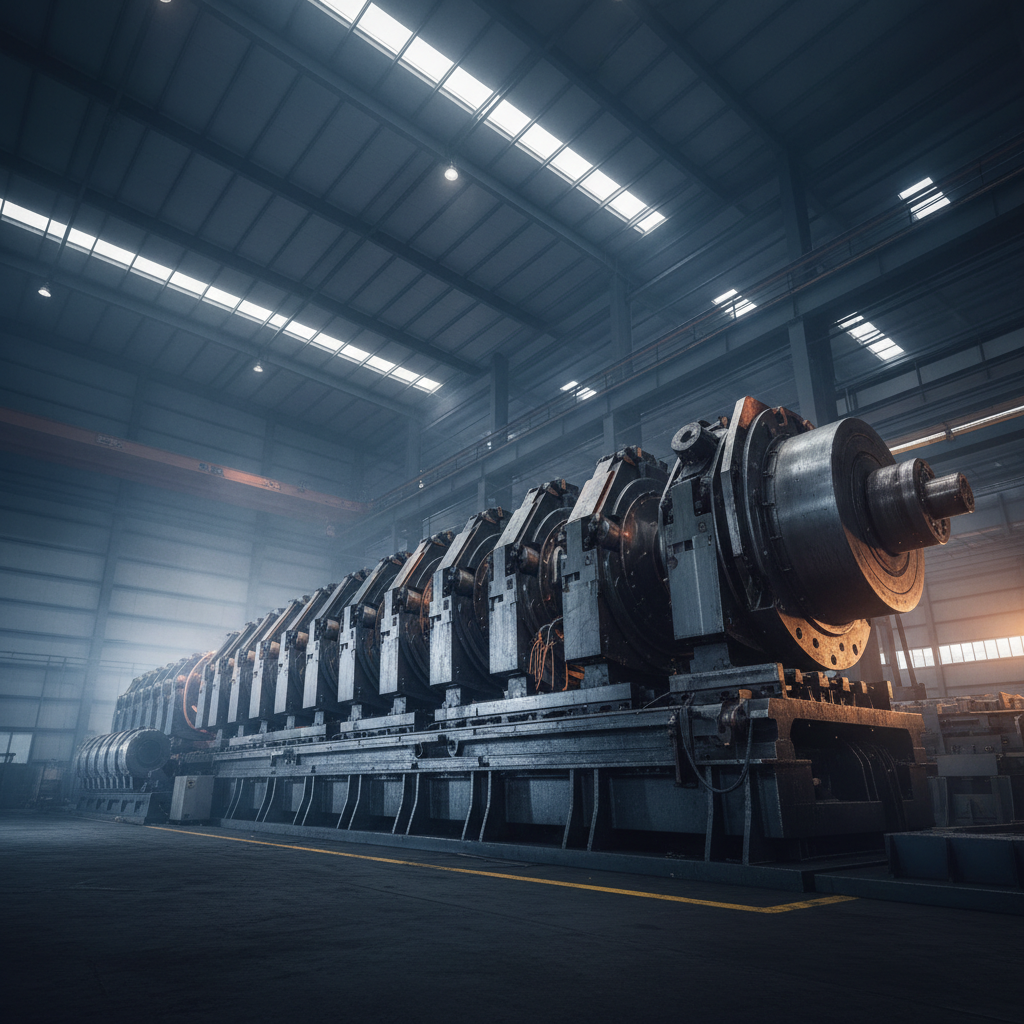
At its core, a steel tube mill is a specialized manufacturing process designed to form steel into tubular shapes. This process typically involves rolling steel billets or blooms through a series of rollers, gradually reducing the diameter and elongating the material to create seamless or welded tubes. The precision and efficiency of this process are critical to producing tubes that meet stringent industry standards.
The selection of the correct steel tube mill technology depends heavily on the desired tube dimensions, material grade, and production volume. There are several different milling techniques available, each with its own advantages and disadvantages. These range from plug mills and mandrel mills to pilger mills and stretch-reducing mills, each catering to specific requirements.
Global Significance and Market Trends
The steel tube mill industry is a significant contributor to global manufacturing output, providing crucial materials for diverse sectors including oil and gas, automotive, construction, and aerospace. Emerging economies, such as China and India, are driving significant growth in demand due to rapid infrastructure development and industrialization. This increased demand is further amplified by rising energy exploration and extraction activities.
Current market trends indicate a shift towards higher-strength, lightweight steel tubes for applications requiring increased durability and reduced weight. There's also growing emphasis on specialized tubes tailored for specific purposes, like corrosion-resistant alloys for offshore environments or high-precision tubes for medical devices. The rise of Industry 4.0 is prompting manufacturers to adopt automation and data analytics to optimize production processes and enhance quality control.
Geopolitically, trade regulations and tariffs impact the global steel tube mill market, necessitating flexible supply chains and strategic partnerships. Furthermore, the industry is increasingly focused on sustainable practices and reducing its carbon footprint in response to global environmental concerns.
Defining steel tube mill Technology
Steel tube mill encompasses a variety of processes, broadly categorized into seamless and welded tube manufacturing. Seamless tubes are produced by piercing a solid billet of steel and then drawing or rolling it to the desired dimensions. This results in a tube without any longitudinal weld seams, offering superior strength and uniformity.
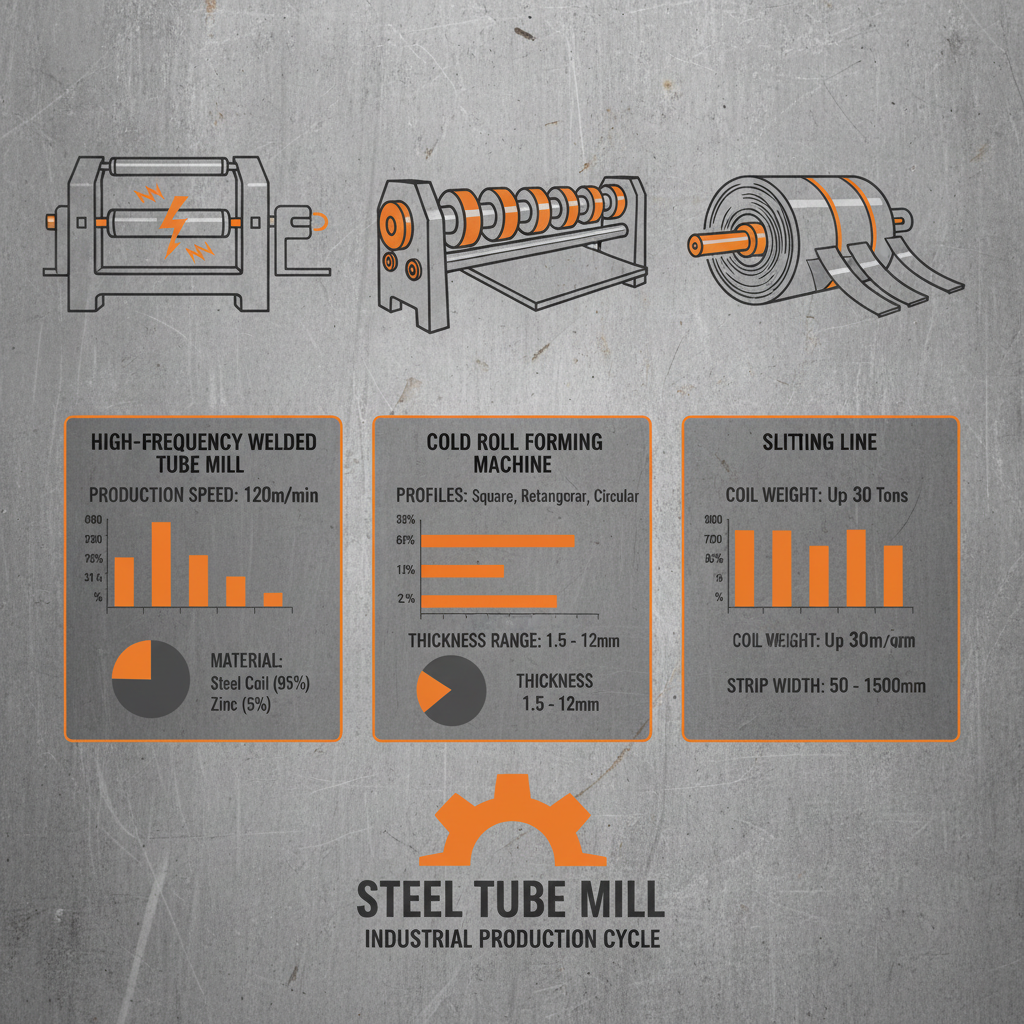
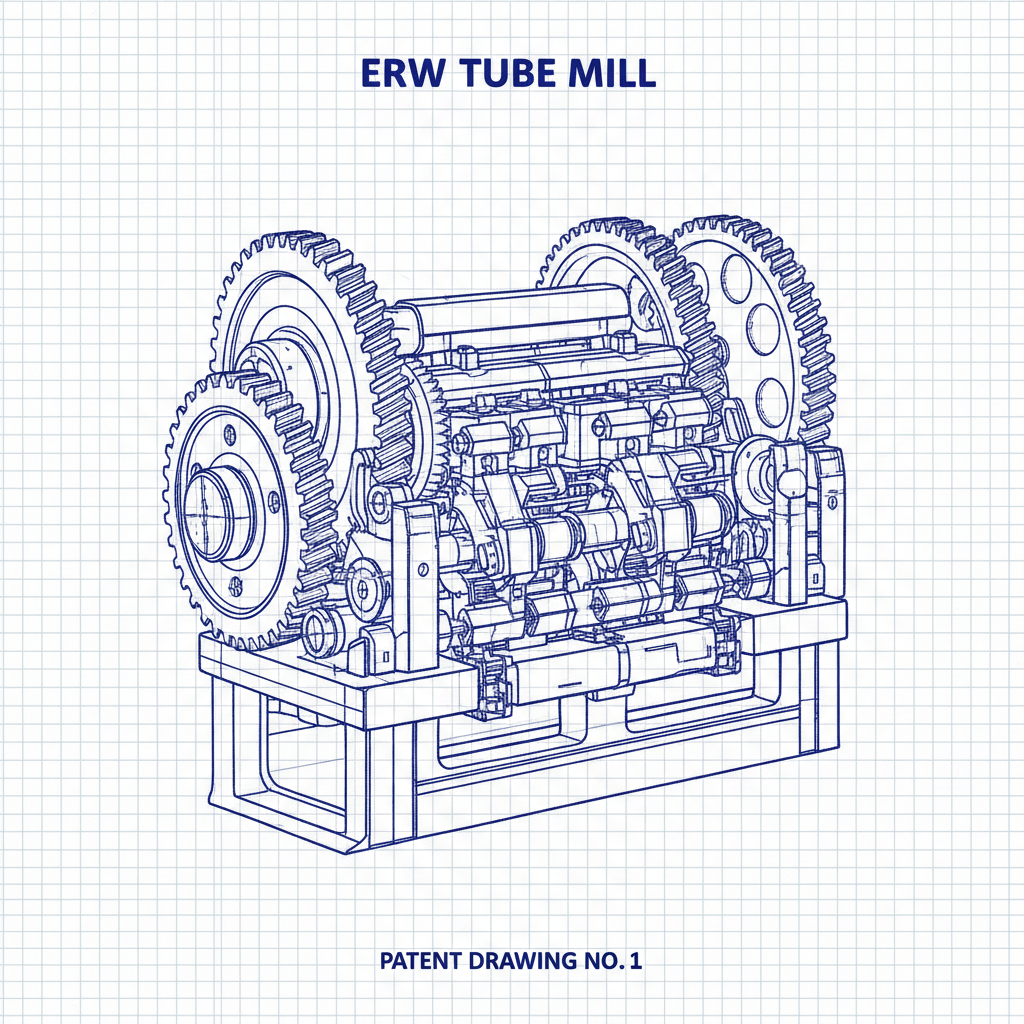
Welded tubes, conversely, are formed by rolling steel strips into a cylindrical shape and then welding the longitudinal seam. Different welding techniques, such as Electric Resistance Welding (ERW) and High-Frequency Induction Welding (HFIW), are used depending on the application and material characteristics. While generally less expensive to produce than seamless tubes, welded tubes require careful quality control to ensure weld integrity.
The choice between seamless and welded tube production depends on the intended application. Seamless tubes are preferred for high-pressure environments and critical structural applications, while welded tubes are suitable for a wider range of general-purpose applications where cost-effectiveness is paramount.
Core Components and Operational Factors
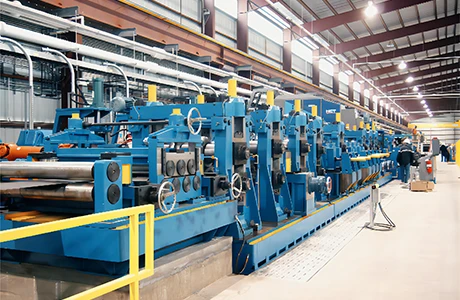
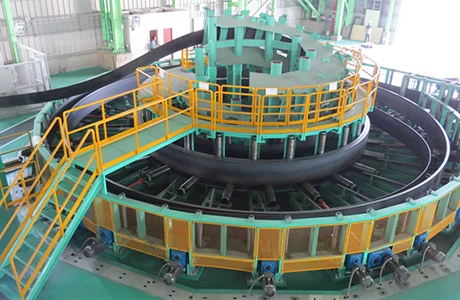
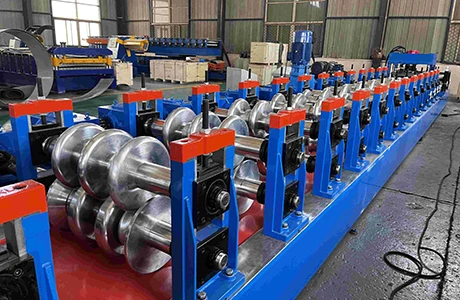
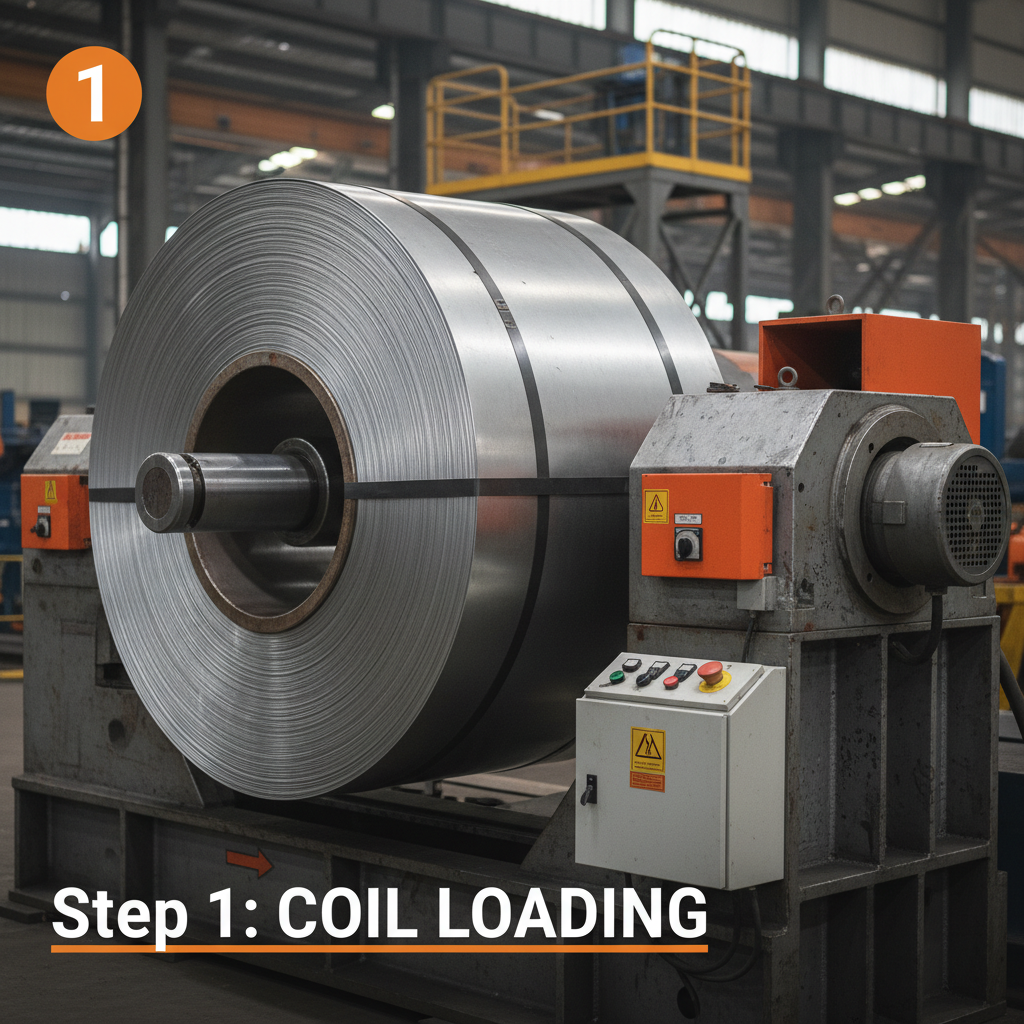
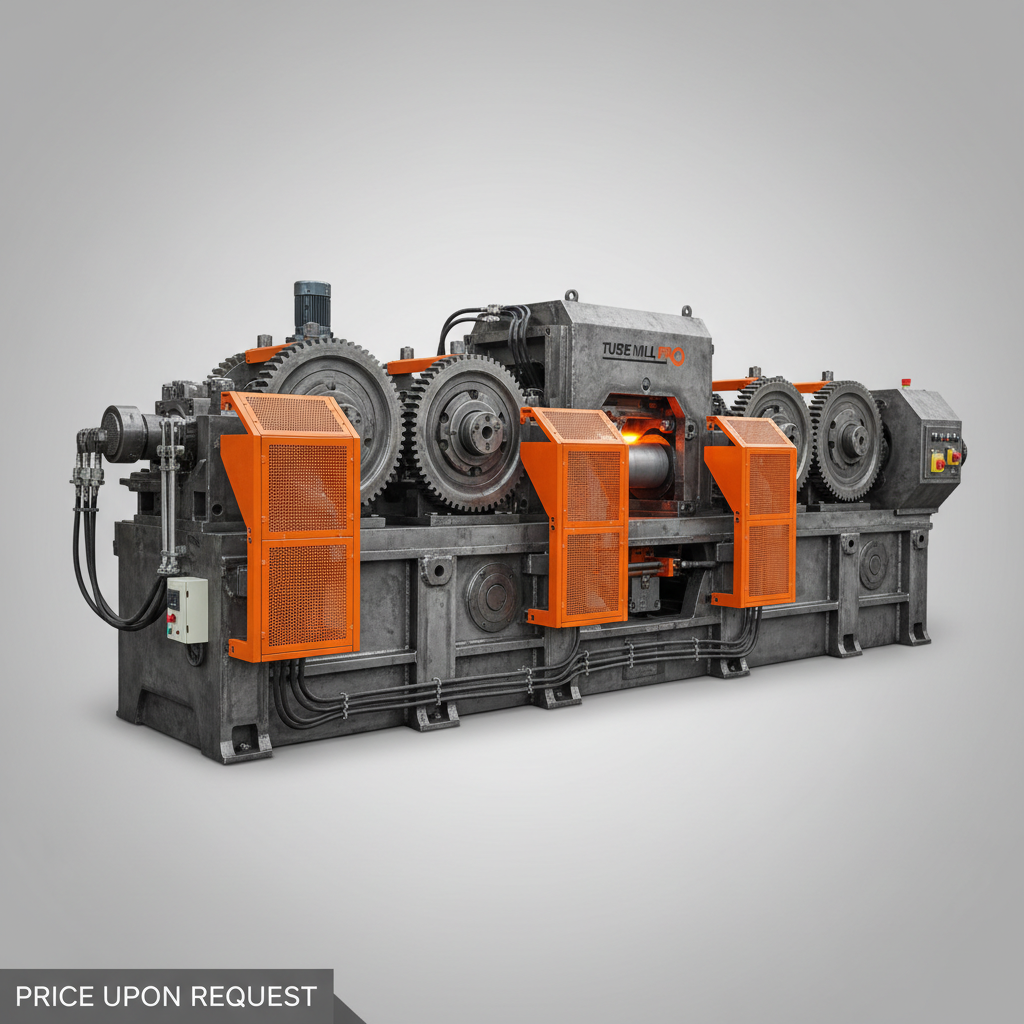
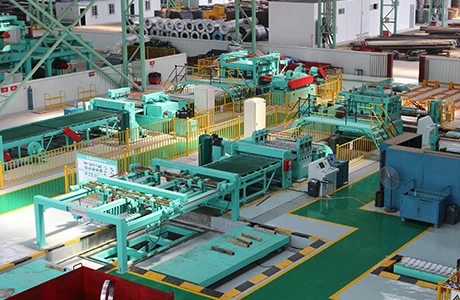
A typical steel tube mill line incorporates several key components. These include billet heaters, piercing machines (for seamless tubes), forming mills, sizing mills, cutting saws, and inspection systems. The billet heater brings the steel to the optimal temperature for forming, while the piercing machine creates the hollow core of seamless tubes. Forming and sizing mills precisely shape the tube to the desired dimensions, and cutting saws trim the tube to length.
Operational factors significantly influence the quality and efficiency of the steel tube mill process. These include precise temperature control, lubrication, roller alignment, and material composition. Maintaining optimal conditions throughout each stage is vital for achieving desired mechanical properties and dimensional accuracy.
Steel Tube Mill Production Efficiency by Method
Diverse Applications Across Industries
Steel tubes are indispensable across a vast spectrum of industries. In the oil and gas sector, they serve as pipelines for transporting crude oil and natural gas, requiring high strength and corrosion resistance. In the automotive industry, steel tubes are used in chassis components, exhaust systems, and safety cages, offering lightweight strength and enhanced crash protection.
The construction industry relies heavily on steel tubes for structural supports, scaffolding, and handrails, providing exceptional load-bearing capacity and durability. Furthermore, specialized steel tubes are utilized in medical applications, such as surgical instruments and implants, demanding stringent quality control and biocompatibility.
Advantages and Long-Term Value Proposition
Investing in high-quality steel tube mill products provides significant long-term value. The superior strength and durability of steel tubes translate to reduced maintenance costs and extended lifespan. Their recyclability also contributes to sustainability efforts, aligning with growing environmental concerns.
Beyond the tangible benefits, steel tubes offer peace of mind and enhanced safety in critical applications. Their predictable performance and reliable structural integrity build trust among engineers, architects, and end-users. Furthermore, continuous innovation in steel tube technology leads to improved performance and efficiency, ensuring a competitive edge.
The economic advantages, combined with the social and environmental benefits, solidify the position of steel tube mill products as a cornerstone of modern infrastructure and industrial development.
Future Innovations and Sustainable Practices
The future of steel tube mill lies in embracing innovation and sustainability. Research and development efforts are focused on developing high-strength, low-alloy steels with enhanced corrosion resistance and weldability. Digitalization and automation are also transforming the industry, enabling real-time process monitoring, predictive maintenance, and optimized production control.
Green energy initiatives are driving demand for steel tubes used in renewable energy infrastructure, such as wind turbines and solar panel mounting systems. Manufacturers are also exploring alternative manufacturing processes, such as additive manufacturing (3D printing), to create complex tube geometries with reduced material waste.
The integration of circular economy principles, including increased recycling and reuse of steel materials, will be crucial for minimizing environmental impact and ensuring the long-term sustainability of the steel tube mill industry.
A Summary of Key Challenges and Solutions in Steel Tube Mill Operation
| Challenge |
Impact on Production |
Proposed Solution |
Implementation Cost (Scale 1-10) |
| High Energy Consumption |
Increased operating costs and carbon footprint |
Implement energy-efficient heating systems and optimize process parameters |
7 |
| Maintaining Dimensional Accuracy |
Reduced product quality and increased scrap rates |
Employ advanced process control systems and automated inspection technologies |
8 |
| Weld Seam Integrity (Welded Tubes) |
Potential for failure under pressure or stress |
Utilize non-destructive testing methods and optimize welding parameters |
6 |
| Material Variability |
Inconsistent product properties and performance |
Implement rigorous material quality control procedures and sourcing from certified suppliers |
5 |
| Skilled Labor Shortage |
Difficulty in operating and maintaining complex equipment |
Invest in training programs and automation technologies to reduce reliance on manual labor |
9 |
| Waste Management |
Environmental impact and disposal costs |
Implement recycling programs and explore opportunities for byproduct utilization |
4 |
FAQS
Seamless steel tubes are manufactured from a solid billet of steel that is pierced to create a hollow tube, offering superior strength and resistance to pressure. Welded steel tubes, conversely, are formed by rolling and welding steel strips together. While generally more cost-effective, welded tubes may have slightly lower strength and require careful inspection of the weld seam to ensure integrity. The best choice depends on the specific application requirements.
The steel grade significantly impacts a tube's strength, corrosion resistance, and weldability. Higher carbon steel grades generally offer greater strength but can be less ductile and harder to weld. Alloy steels containing elements like chromium, nickel, and molybdenum provide enhanced corrosion resistance and improved mechanical properties. Selecting the appropriate steel grade is crucial for meeting the demands of the intended application.
Rigorous quality control is paramount throughout the entire steel tube mill process. This includes material inspection, dimensional checks, non-destructive testing (NDT) such as ultrasonic testing and eddy current testing, hydrostatic testing, and visual inspection for defects. These measures ensure that the finished tubes meet specified standards and are free from flaws that could compromise their performance.
Surface treatments, such as galvanizing, painting, and powder coating, play a crucial role in enhancing the durability of steel tubes by providing corrosion protection. Galvanizing involves coating the steel with a layer of zinc, creating a barrier against rust. Painting and powder coating offer aesthetic appeal and additional protection against environmental elements. The selection of the appropriate surface treatment depends on the operating environment and desired lifespan.
Automation significantly improves the efficiency of steel tube mills by reducing manual labor, increasing production speed, and minimizing errors. Automated systems can precisely control process parameters, perform real-time inspections, and optimize material flow. This leads to lower production costs, improved product quality, and enhanced overall productivity.
Environmental considerations are becoming increasingly important in steel tube mill. These include minimizing energy consumption, reducing waste generation, controlling emissions, and promoting recycling. Implementing sustainable practices, such as using recycled steel materials and adopting energy-efficient technologies, can help mitigate the environmental impact of the industry.
Conclusion
In conclusion, the steel tube mill industry is a vital component of the global economy, providing essential materials for diverse applications ranging from infrastructure and energy to automotive and healthcare. Understanding the core technologies, operational factors, and future trends is crucial for stakeholders seeking to optimize production, enhance product quality, and drive sustainable growth. Embracing innovation, adopting sustainable practices, and prioritizing quality control are key to ensuring the long-term viability and success of this critical industry.
Looking ahead, the future of steel tube manufacturing will be shaped by advancements in materials science, digitalization, and automation. By embracing these trends and prioritizing environmental responsibility, the industry can continue to deliver innovative solutions that meet the evolving needs of a rapidly changing world. Visit our website at www.aistubemill.com to learn more about our capabilities and commitment to excellence.

 Tel:86-15176910262