-
 Tel:86-15176910262
-

Search
 Tel:86-15176910262
Search
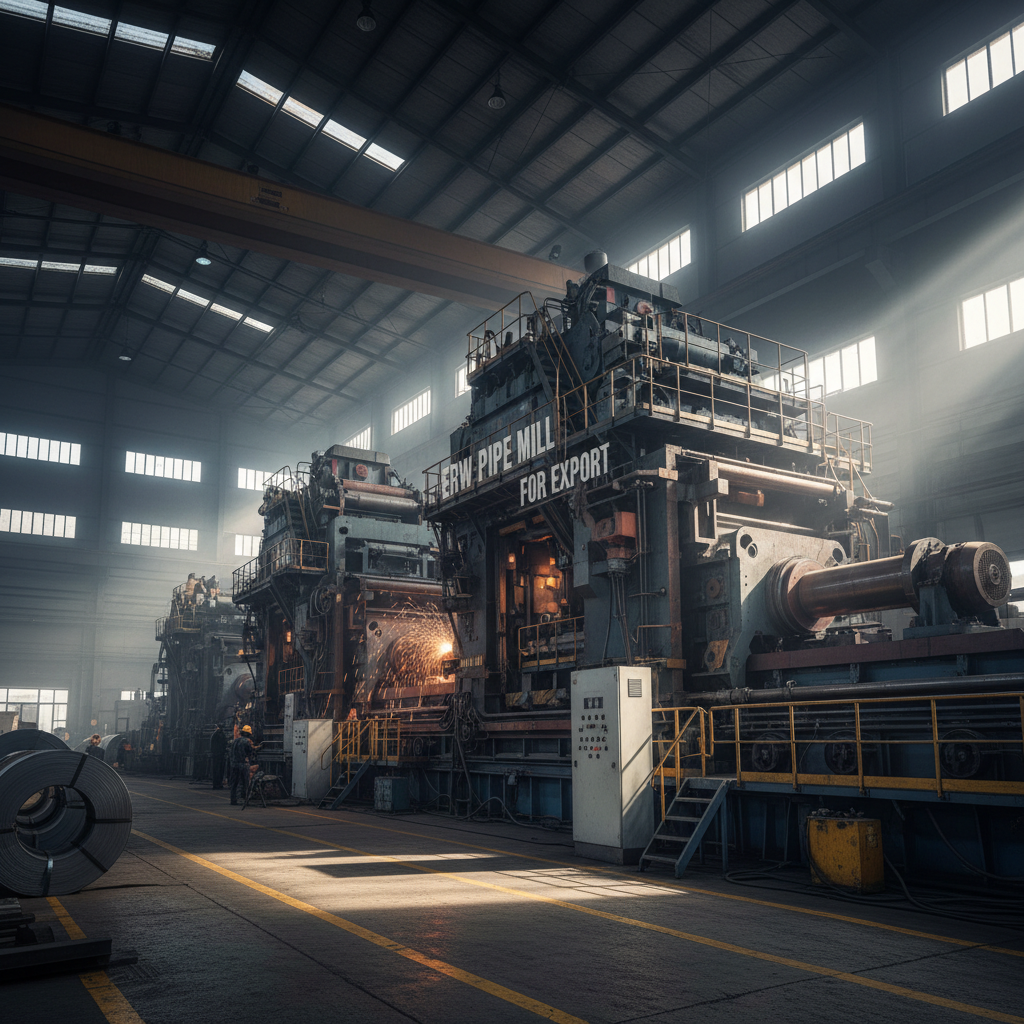
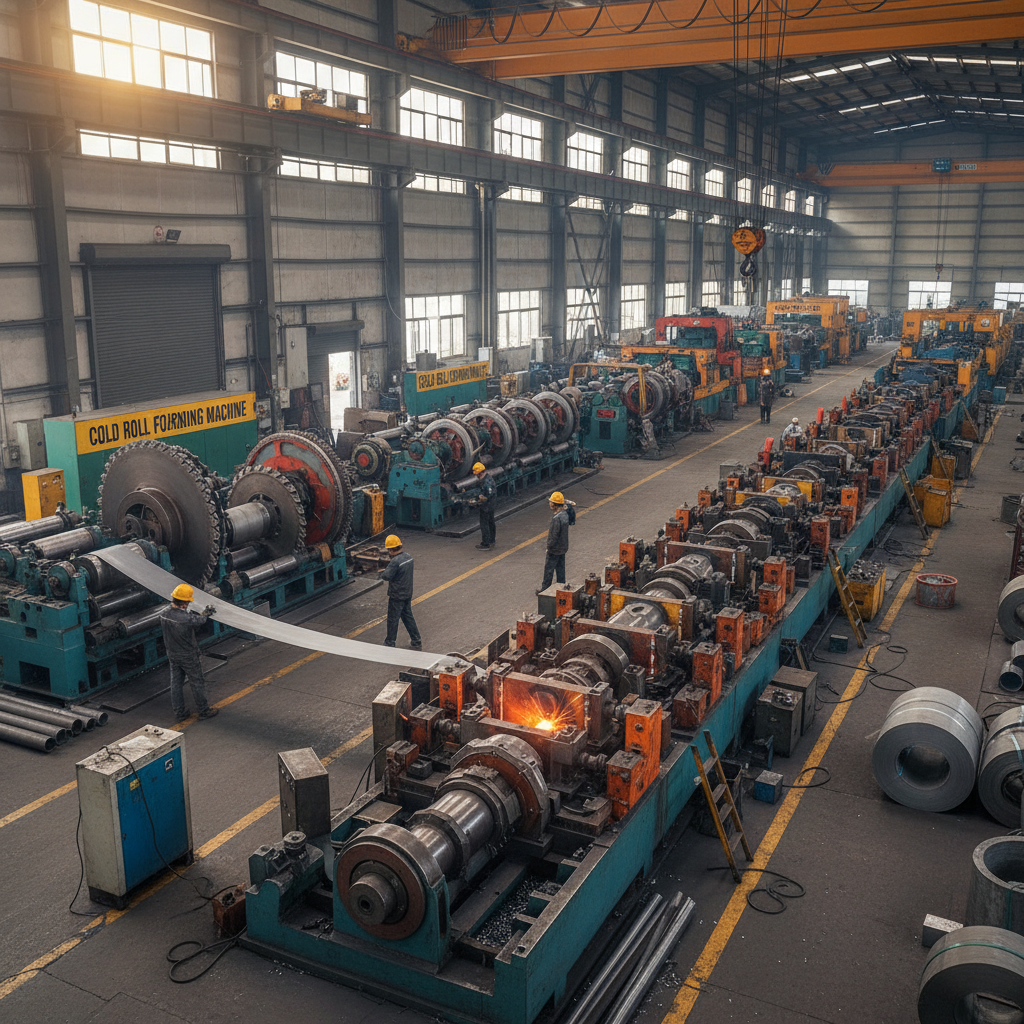
Look, I’ve spent the last twenty years crawling around construction sites, smelling concrete dust, and arguing with engineers over tolerances. And let me tell you, getting the right steel tubing is critical. It’s not just about the spec sheet; it’s about getting material that’ll hold up, weld cleanly, and get the job done on schedule. That’s where understanding the world of erw tube mill factory comes in. It's about more than just pipes; it’s about the backbone of infrastructure, from skyscrapers to pipelines. A good erw tube mill factory doesn’t just sell you tubes, they partner with you to ensure the project doesn’t fall apart.
We’re seeing a massive global demand for infrastructure – especially in developing nations – and that’s driving innovation in steel production. The ability to reliably source high-quality ERW (Electric Resistance Welded) tubing is a bottleneck for a lot of projects. It's not a glamorous part of construction, but a delay in tube delivery can easily stall a multi-million dollar project. And the sheer scale of it is huge. The UN estimates trillions of dollars are needed to upgrade infrastructure globally.
Frankly, it's a challenge. Everyone wants the cheapest price, but cutting corners on steel quality is a recipe for disaster. That’s why understanding the nuances of erw tube mill factory capabilities, certifications, and quality control processes isn’t just a good idea, it’s essential for any project manager who wants to sleep at night.
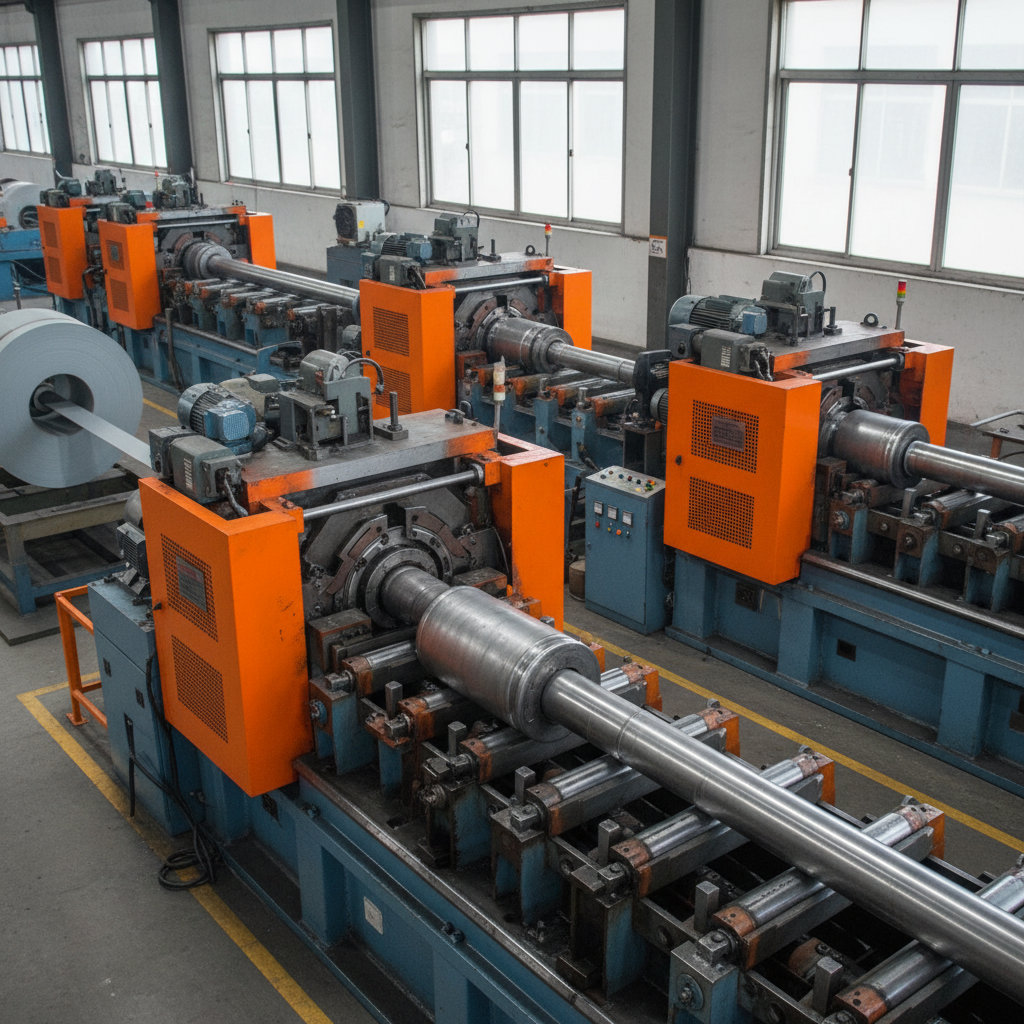
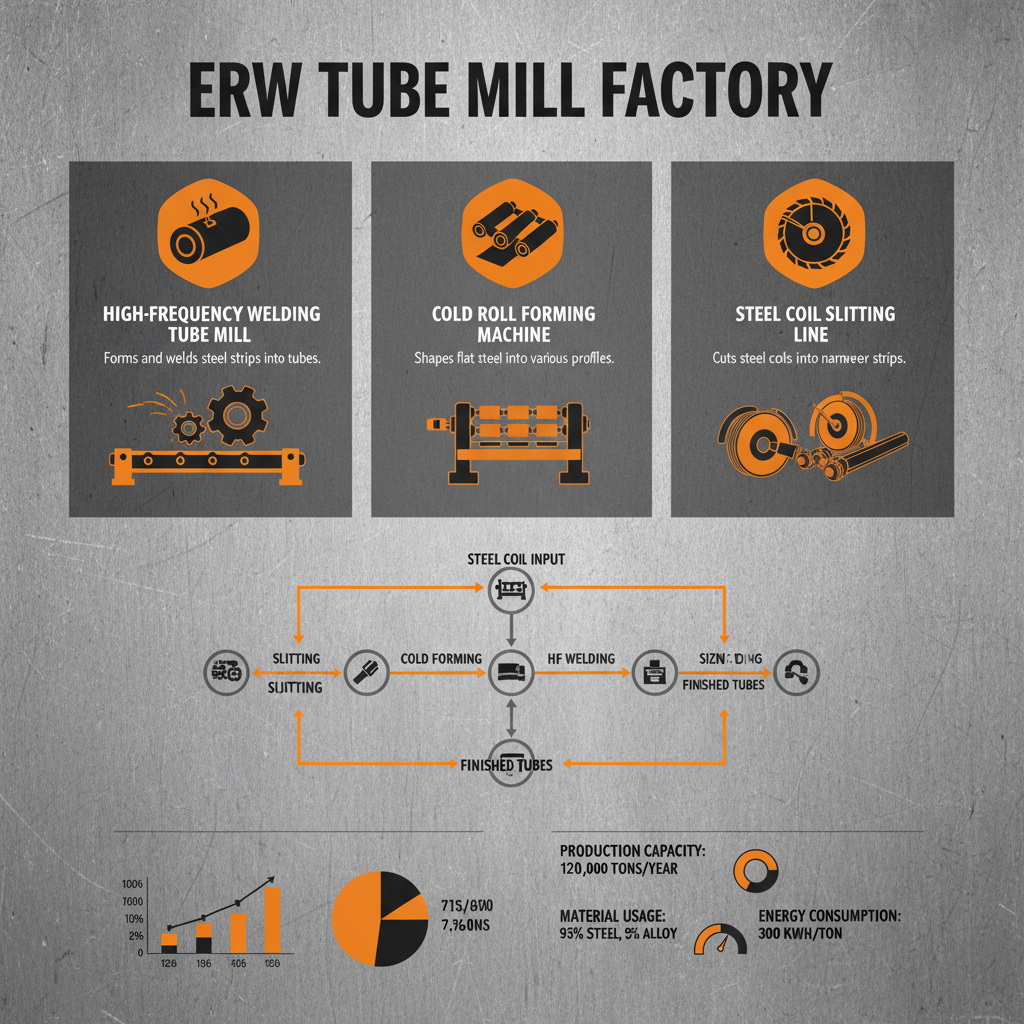
You don’t build anything lasting without good steel. Seriously. I've seen projects delayed for weeks waiting on tubing that didn’t meet specs. A reliable erw tube mill factory isn’t just a supplier; they’re part of the foundation. They understand the stresses and strains on these materials, and they’re committed to providing consistent quality.
It all boils down to minimizing risk. Poor welding, inconsistent wall thickness, incorrect dimensions… these are things that can lead to catastrophic failure. That's why a solid erw tube mill factory will be fully certified, with a rock-solid quality control system, and a willingness to work with you to solve problems.
Lead times vary significantly based on order size, material specifications, and the factory's current workload. Generally, you can expect 4-8 weeks for a standard custom order. More complex requests or large volumes could take 10-12 weeks. It’s crucial to discuss your project timeline with the erw tube mill factory during the initial quote process to get an accurate estimate. They should be transparent about their capabilities and potential bottlenecks.
First, clearly define your quality requirements in your purchase order. This includes material grades, dimensional tolerances, surface finish, and any required certifications. Second, request a Material Test Report (MTR) from the erw tube mill factory for each batch of tubing. Finally, consider conducting your own independent testing to verify the material meets your specifications. A reputable factory will welcome these quality checks.
ISO 9001 is a foundational certification demonstrating a commitment to quality management. Depending on your industry, you may also need to look for API 5L (for oil and gas), ASTM standards compliance, or specific certifications related to welding processes. These certifications indicate the factory has been audited by a third party and meets established industry standards.
Galvanized tubing is typically hot-dip galvanized after the tube is formed, providing a thicker, more durable coating. Pre-galvanized tubing is made from galvanized steel sheet before the tube is formed. Pre-galvanized is usually more cost-effective, but the coating can be thinner and more prone to damage during the forming process. The best choice depends on the application and corrosion resistance requirements.
Plan ahead and place your order well in advance of your project schedule. Communicate your requirements clearly and promptly. Diversify your suppliers to reduce reliance on a single source. And be prepared to be flexible and adjust your specifications if necessary to accommodate material availability. A strong relationship with your erw tube mill factory is key to navigating potential disruptions.
Don’t just focus on the price per ton. Consider the total cost of ownership, including shipping, handling, and potential delays. Factor in the quality of the material and the factory's reputation for reliability. A cheaper price isn’t always a better value if it means sacrificing quality or risking project delays. Always compare apples to apples and look for a fair and transparent pricing structure.
Ultimately, choosing the right erw tube mill factory is a critical decision that can significantly impact the success of your project. It's not just about finding a supplier; it’s about building a partnership based on trust, reliability, and a commitment to quality. Remember to focus on certifications, capacity, lead times, and quality control processes.
Looking ahead, we’ll see continued innovation in ERW tubing technology, driven by the demand for lighter, stronger, and more sustainable materials. Investing in these advancements and building strong relationships with forward-thinking erw tube mill factory will be essential for staying competitive in the years to come. Visit our website at www.aistubemill.com to learn more about how we can help you with your next project.
Send a Message
Dear customer, thank you for your attention! We provide high-quality machinery and equipment and look forward to your orders. Please inform us of your needs and we will respond quickly!