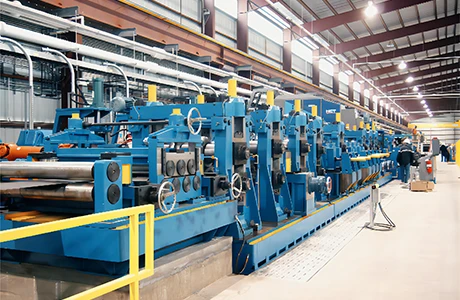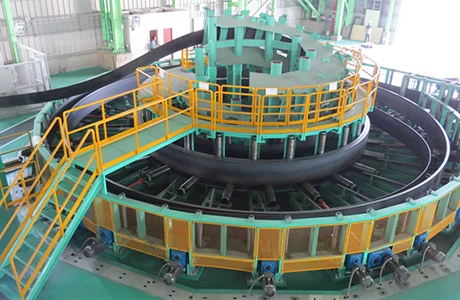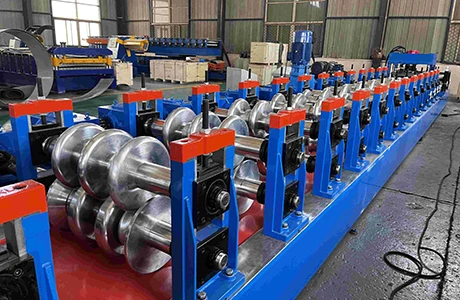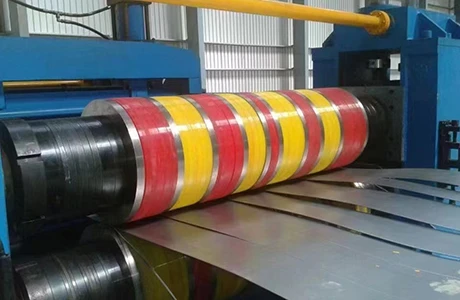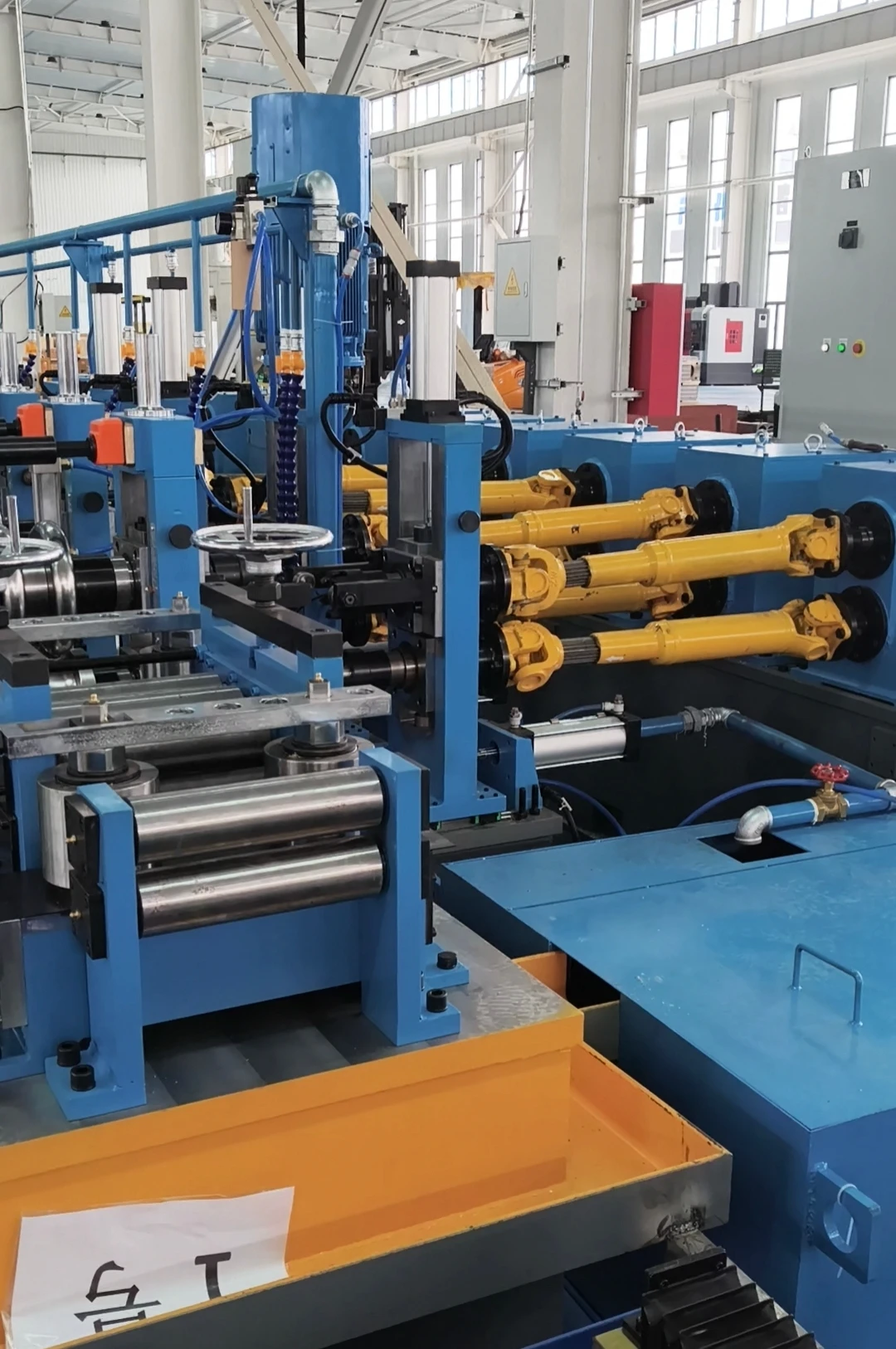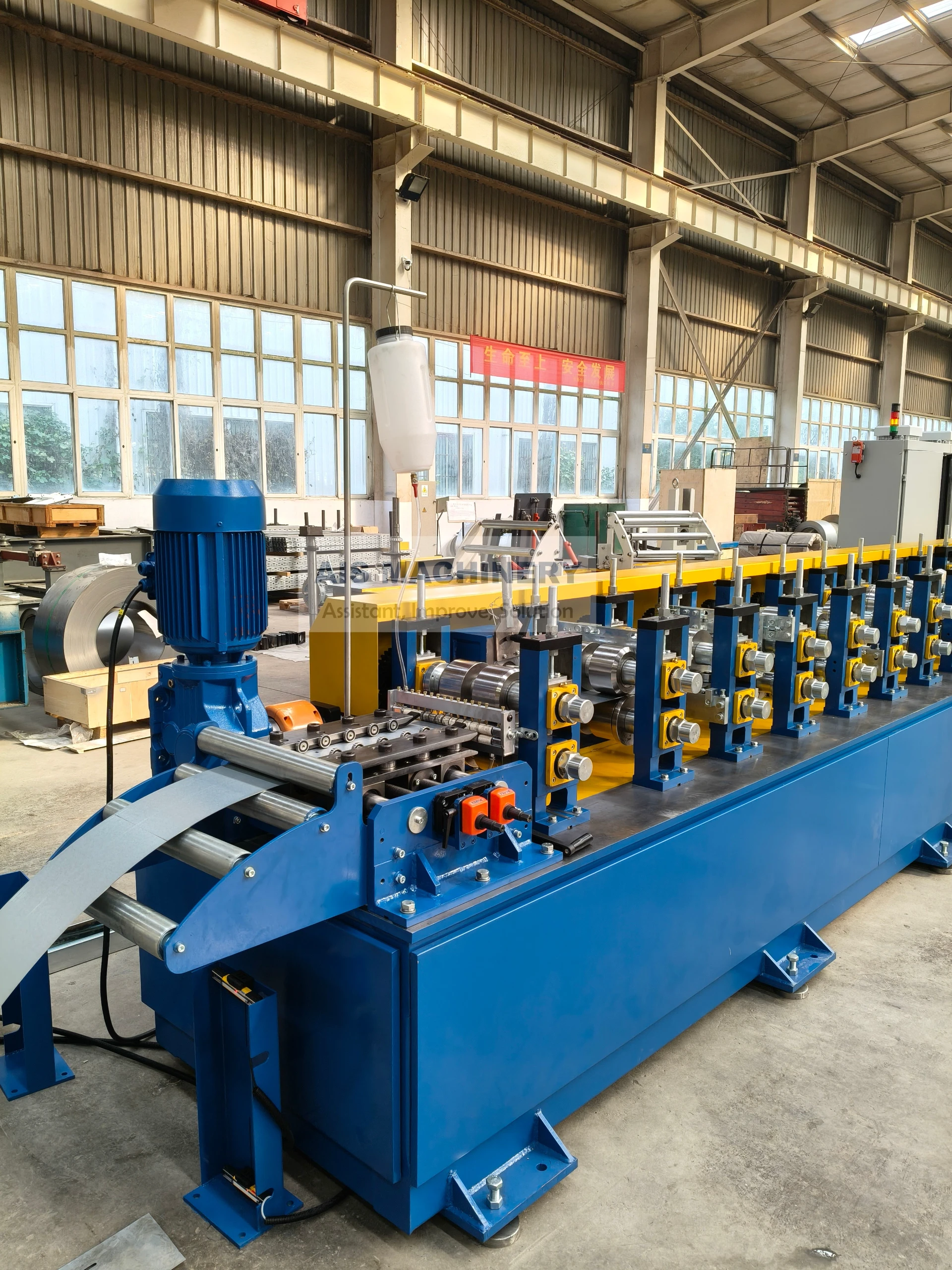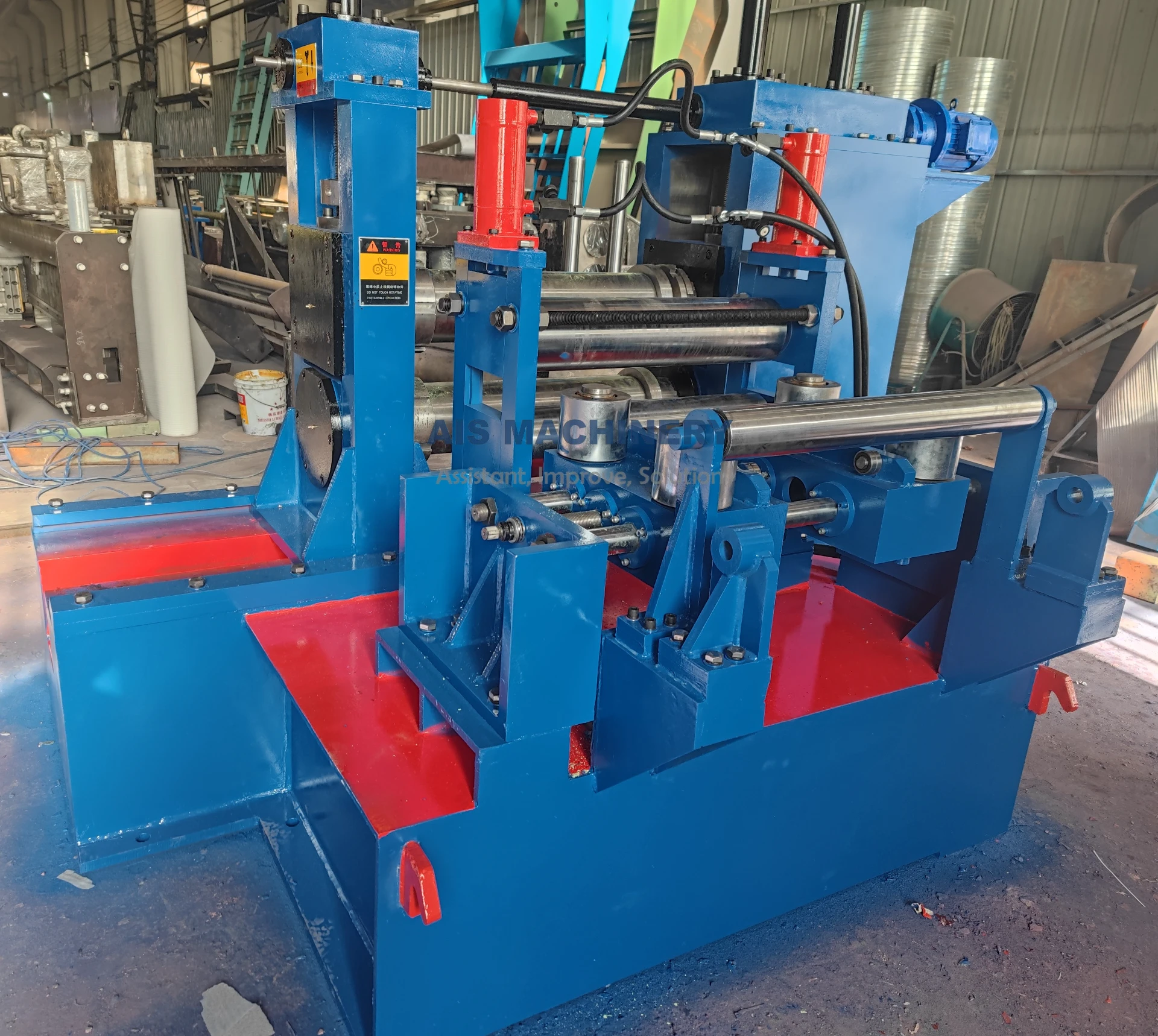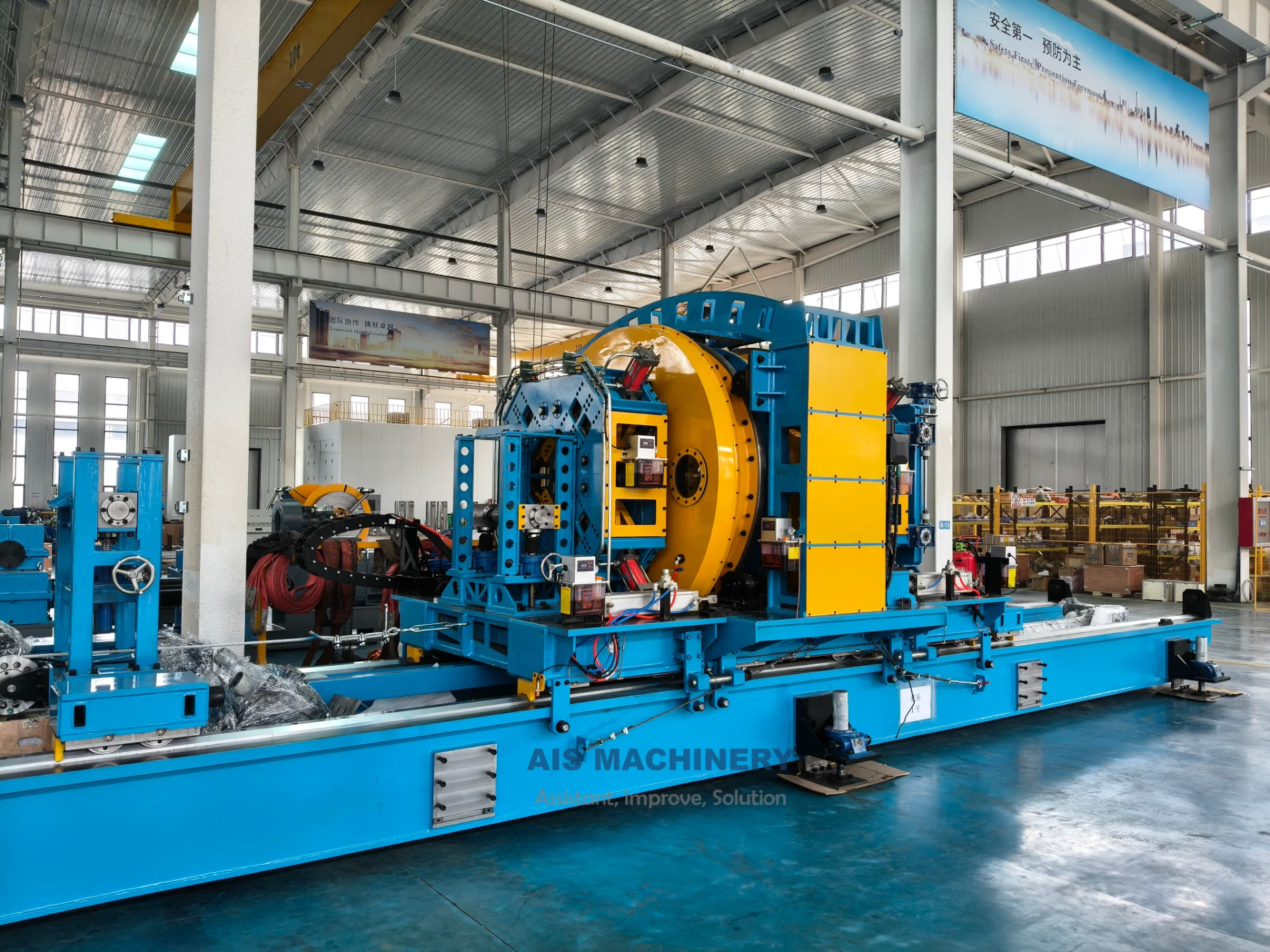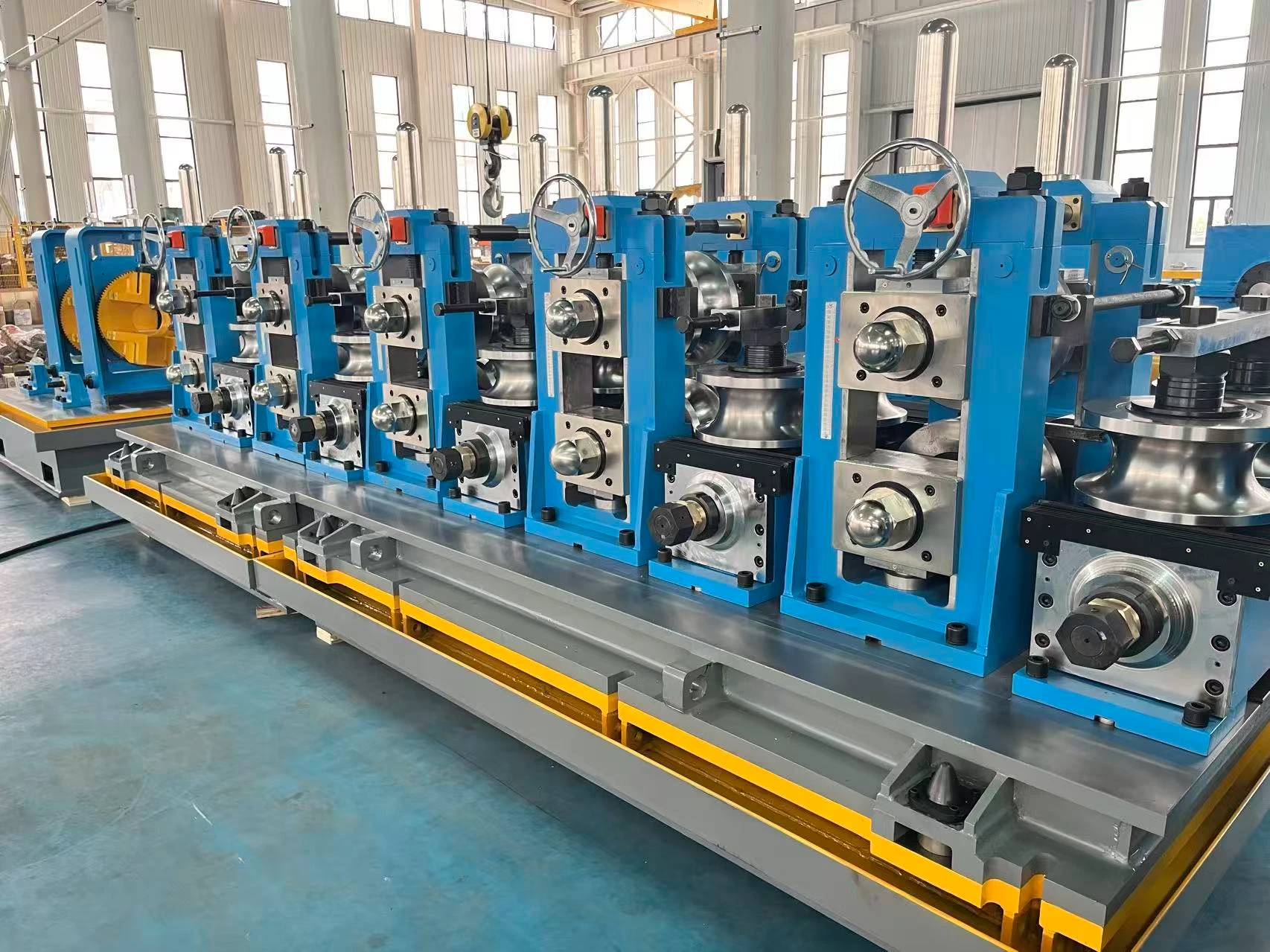
Direct Square Forming and Sizing Section

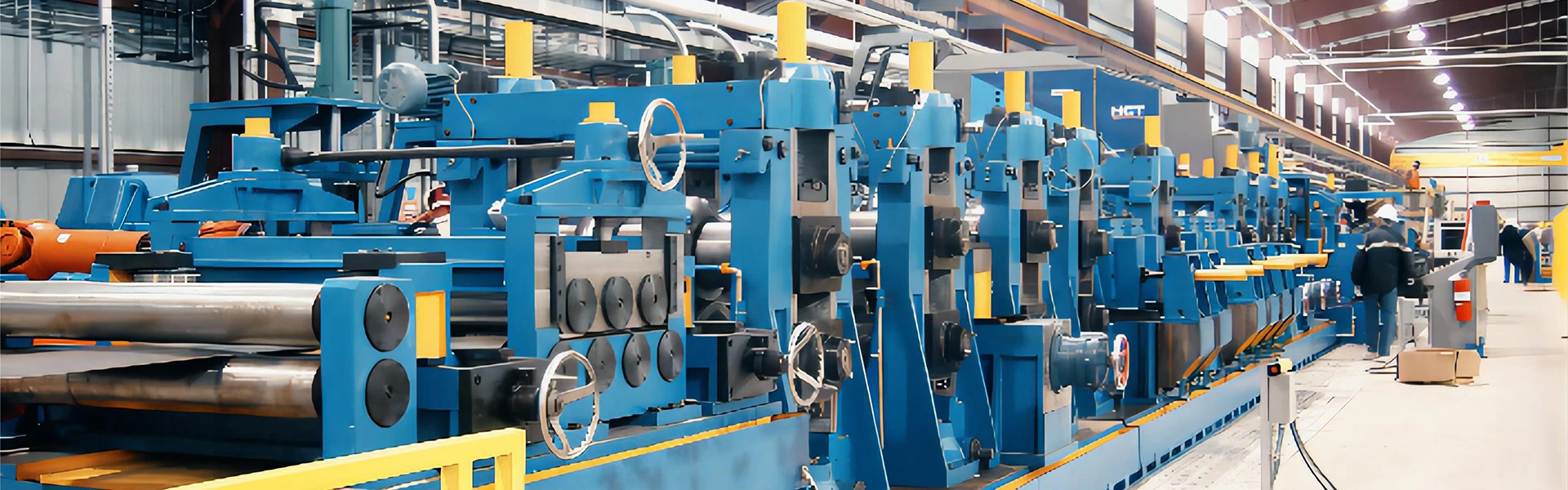
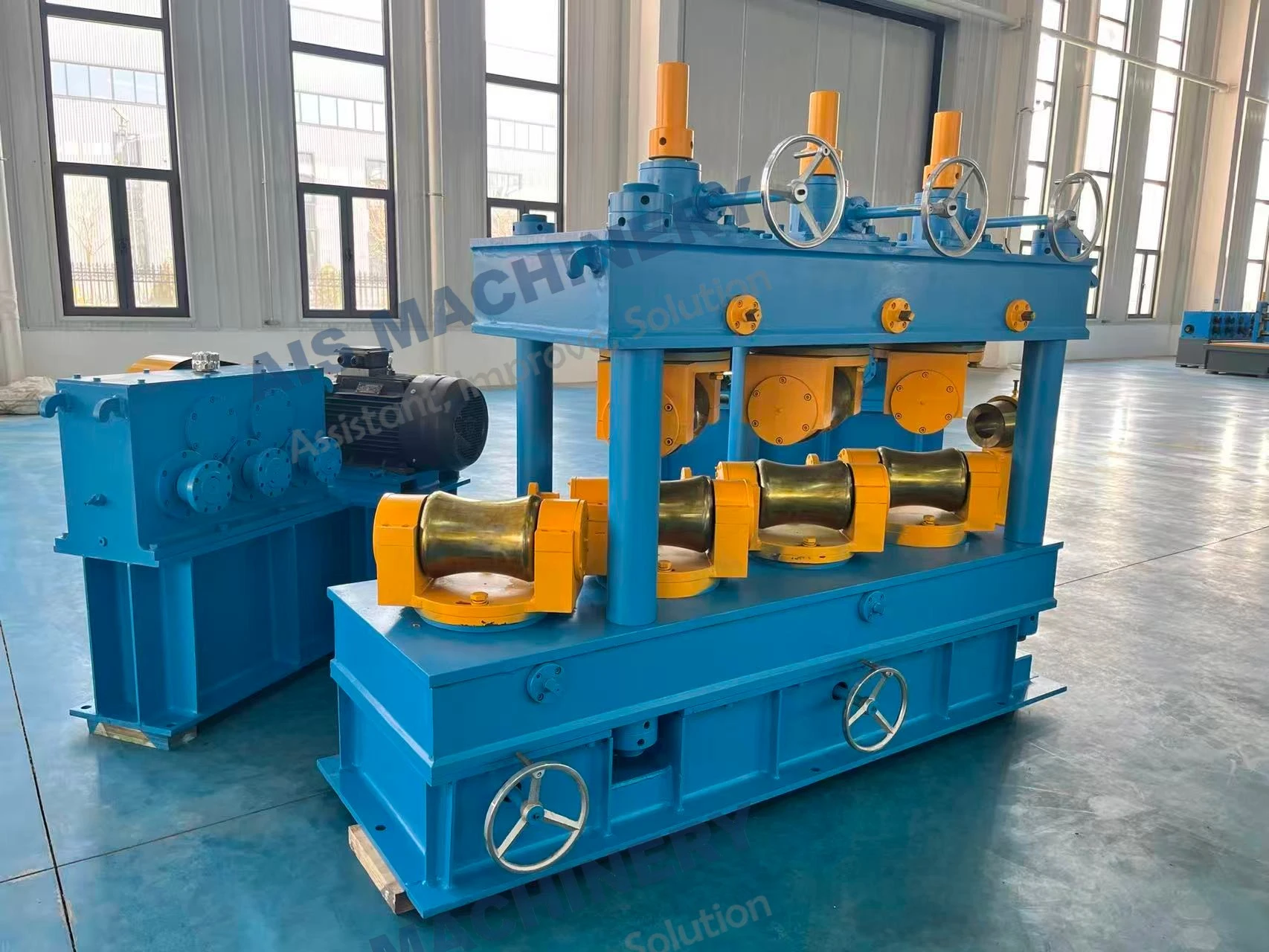
Direct square forming (also known as direct forming to square or rectangular tube) is a tube mill process in which flat steel strip is directly formed into square or rectangular shapes without first forming into a round pipe. The entire shaping takes place in the form-and-size section, enabling a more efficient, accurate, and material-saving production for hollow structural sections (HSS).

Produktdetails

Kontaktieren Sie mich jetzt

Produktdetails

Video


Produktionsspektrum

Art der Produktion

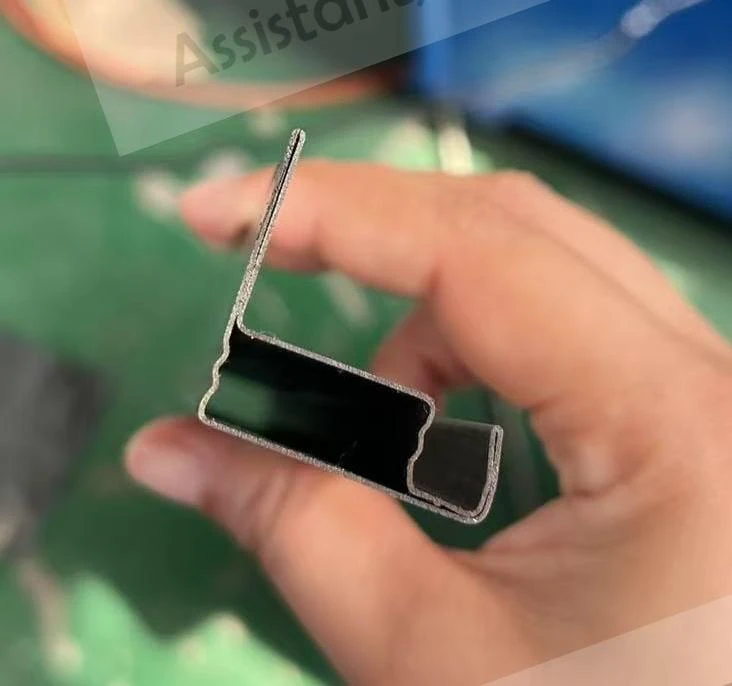
▪Quadratische und rechteckige Hohlprofile

Quadratisches Hohlprofil

Mindestens 60 x 60 mm, maximal 130 x 130 mm

Rechteckiges Hohlprofil

Mindestens 80 x 40 mm, maximal 100 x 160 mm

Wandstärke von Vierkant- und Rechteckrohren

Min2.0mm, Max 5.0mm

Rohrschnittlänge

Min 6 meter, Max 12 meter

Linienspezifikation

1. Technical Overview

Direct square forming (also known as direct forming to square or rectangular tube) is a tube mill process in which flat steel strip is directly formed into square or rectangular shapes without first forming into a round pipe. The entire shaping takes place in the form-and-size section, enabling a more efficient, accurate, and material-saving production for hollow structural sections (HSS).


2. Process Flow

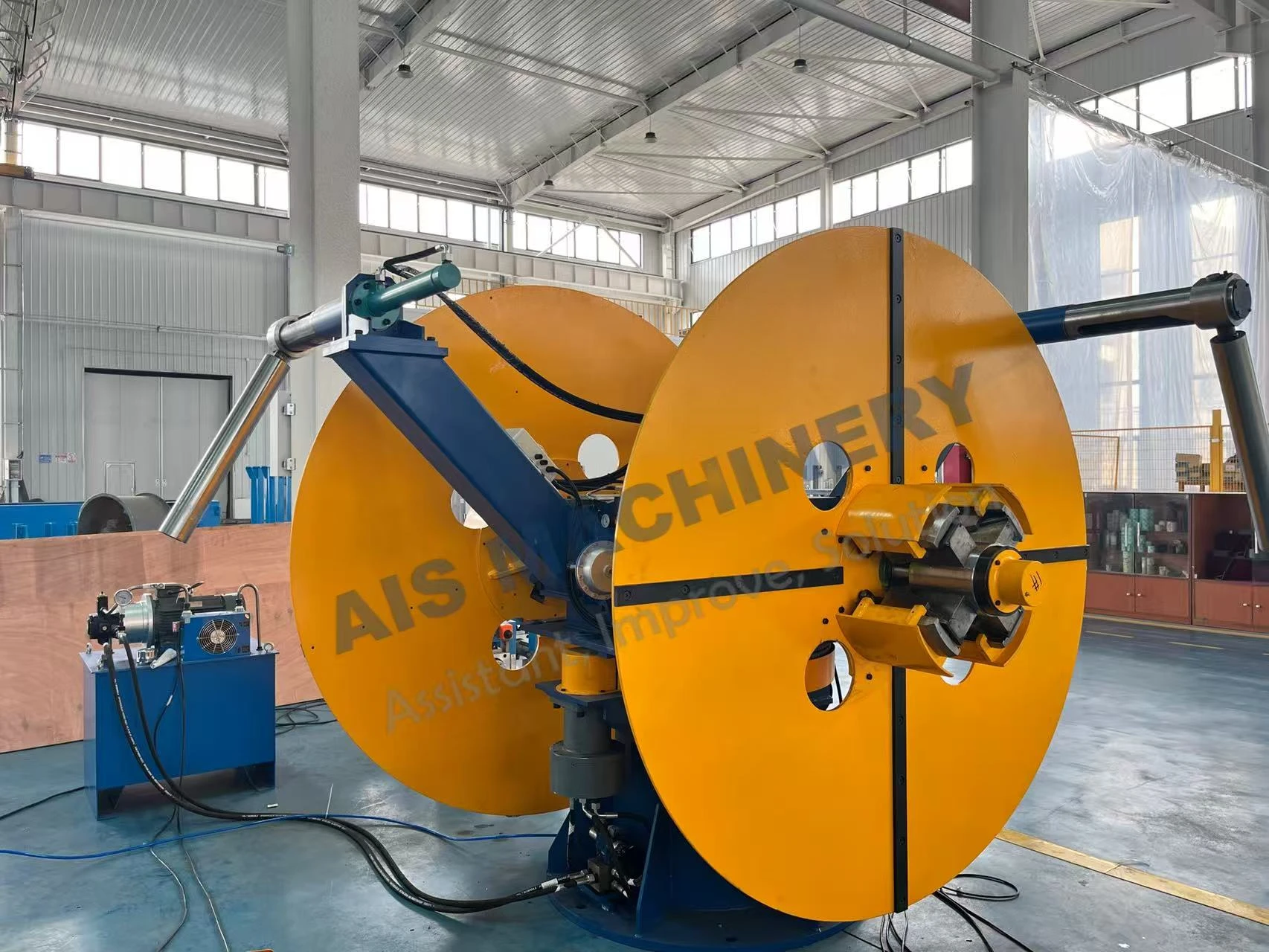
Coil → Uncoiler → Leveling → Shearing & Welding → Accumulator → Forming Section (Direct Square) → HF Welding → Burr Removal → Cooling → Sizing Section → Flying Saw → Stacking

🔧 Detailed Steps:

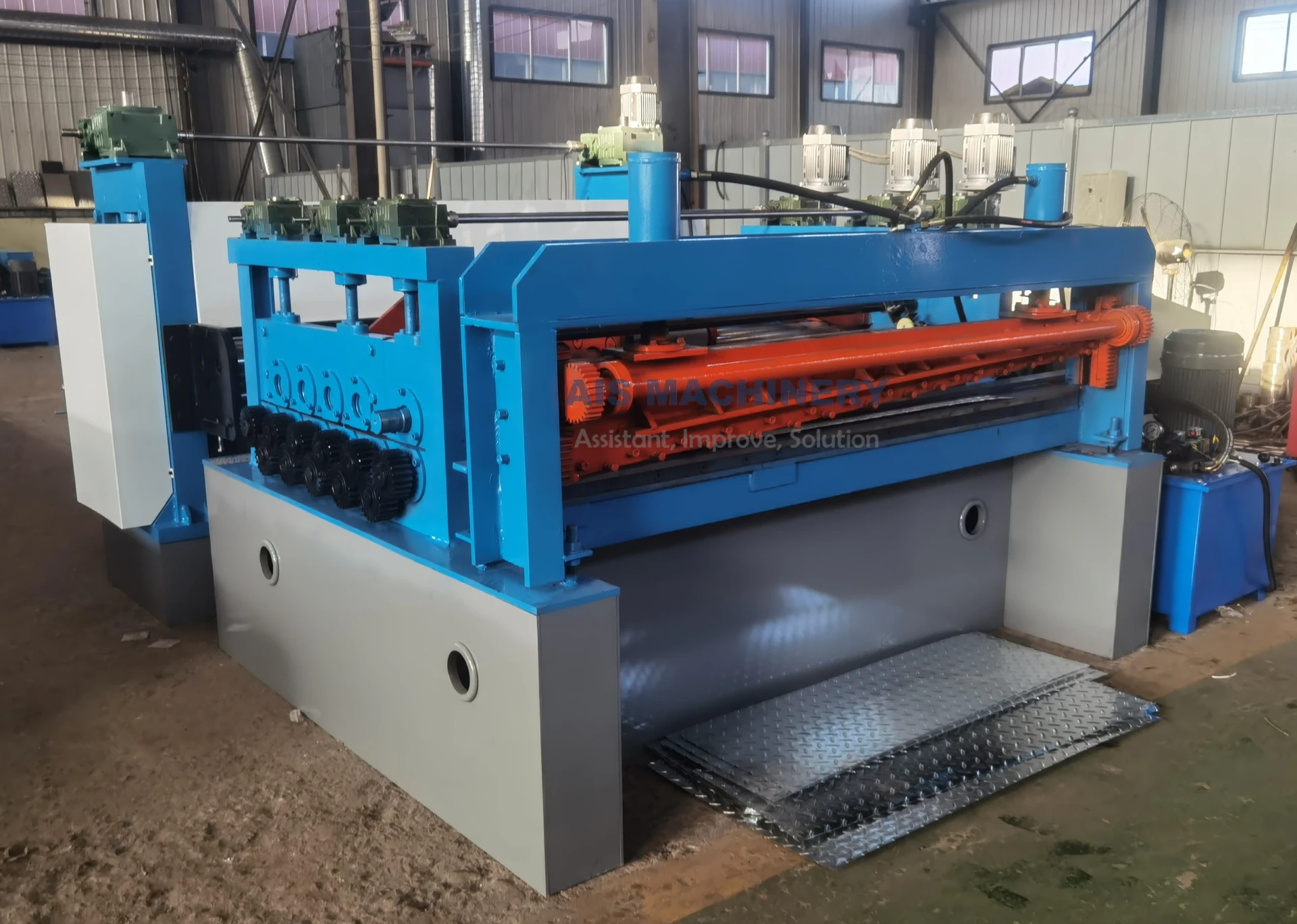
  1. Material Entry: Steel strip is leveled and joined via shear & welder.

  2. Forming Section: Gradual deformation of flat strip into square/rectangular shape through roll forming – no round stage involved.

  3. High-Frequency Welding: Weld seam generated along one edge (typically inner corner).

  4. Weld Bead Removal: Internal and/or external trimming as required.

  5. Kühlsystem: Water spray cooling to stabilize tube shape and microstructure.

  6. Sizing Section: Final shaping and dimension correction; ensures angle sharpness and wall flatness.

  7. Flying Saw Cutting: Length-wise cutting according to user-set lengths.

  8. Output Table / Auto Stacker: Pipe collection and automatic alignment.


3. Technical Parameters  

Artikel Spezifikationsbereich
Applicable Tube Shape Square & Rectangular (Direct Formed)
Tube Size Range 20×20 mm – 120×120 mm (Square) /
30×20 mm – 160×80 mm (Rectangular)
Wandstärkenbereich 1.2 mm – 6.0 mm
Liniengeschwindigkeit 30–80 m/min (depending on size & thickness)
Material Grade Low to high strength carbon steel (≤ Q355 / S355)
Umformmethode Direct roll forming (no round forming stage)
Schweißverfahren Hochfrequenz-Induktionsschweißen
Dimension Tolerance ±0.5 mm (width), ±0.15 mm (wall thickness)
Diagonal Deviation ≤0.8 mm for 100×100 mm tube

Note: Larger sizes (up to 250×250 mm or more) available on request using modular mill setups.


4. Advantages of Direct Square Technology

Efficiency & Material Saving

  • Avoids round pre-forming, reducing tooling steps and energy consumption.

  • Saves up to 2–3% material by reducing corner stretching and less reshaping.

High Product Accuracy

  • Achieves precise outer dimensions, excellent flatness of sides, and sharp corners.

  • Stable weld seam location along corner (more uniform structure).

Tooling Flexibility

  • Fewer forming stands required.

  • Standardized roll sets can be reused across similar profiles (only fine adjustment needed).

Reduced Maintenance & Wear

  • Less deformation per stand → lower roll wear.

  • Simplified structure → easier roll replacement and alignment.


5. Application Scope

This technology is suitable for manufacturers focusing on:

  • Hollow Structural Sections (HSS)

  • Mechanical & Automotive Frames

  • Steel Furniture Tubes

  • Scaffold Tubes / Guard Rails

  • Solar Panel Mounting Structures

  • Greenhouse & Agricultural Frames

Especially advantageous when production is focused on square/rectangular tubes only and requires high output, repeatability, and low running cost.


6. Frequently Asked Questions (FAQ)

Q1: Is direct square forming better than round-to-square?
A: For dedicated square/rectangular tube production, yes. It eliminates redundant forming stages and provides better efficiency. However, if the mill needs to produce both round and square tubes, round-to-square offers more flexibility.


Q2: Can this process handle high-strength or galvanized steel?
A: Yes. As long as the line is equipped with proper roll material (D2, Cr12MoV, or carbide), and forming passes are adjusted accordingly, direct square forming can handle Q345/S355, galvanized coils, and even certain AHSS grades.


Q3: What are the limitations of this process?
A: It’s not ideal for very small tubes (e.g., <20×20 mm) or extremely thin walls (<1.2 mm), as the corner formability and weld control become difficult without round shaping.


Q4: How is weld seam quality ensured without round pre-forming?
A: Through precise edge positioning before welding, and using automatic seam tracking systems with real-time correction. The weld seam is located along a corner, where stress distribution is relatively favorable.


Q5: What’s the typical tooling changeover time for a new size?
A: With manual roll change: 3–5 hours.
With quick-change cassette type: 30–60 minutes.


✅ Summary

Direct square forming is a highly efficient, cost-effective solution for large-volume production of square and rectangular tubes, delivering improved yield, precision, and structural consistency — especially when integrated with automatic control systems and modular tooling design.


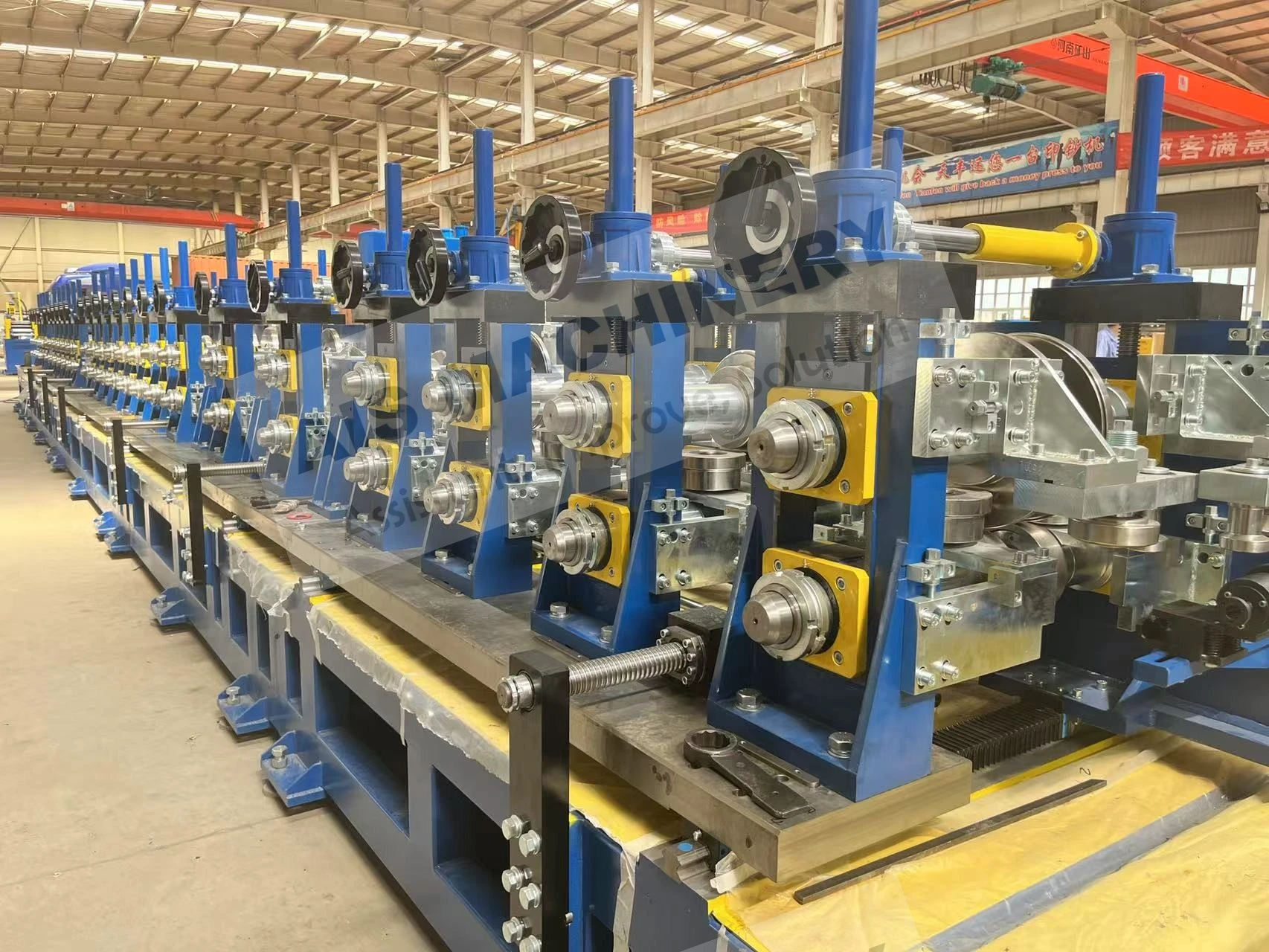
  • Forming Section / Tube Forming Mill
  • Sizing Section  Sizing Mill
  • Hollow Structural Sections (HSS)
  • Direct-to-Square Shaping Section
  • Greenhouse & Agricultural Frames
  • Direct Forming to Square Tube
Der Ablauf der Produktionslinie
 

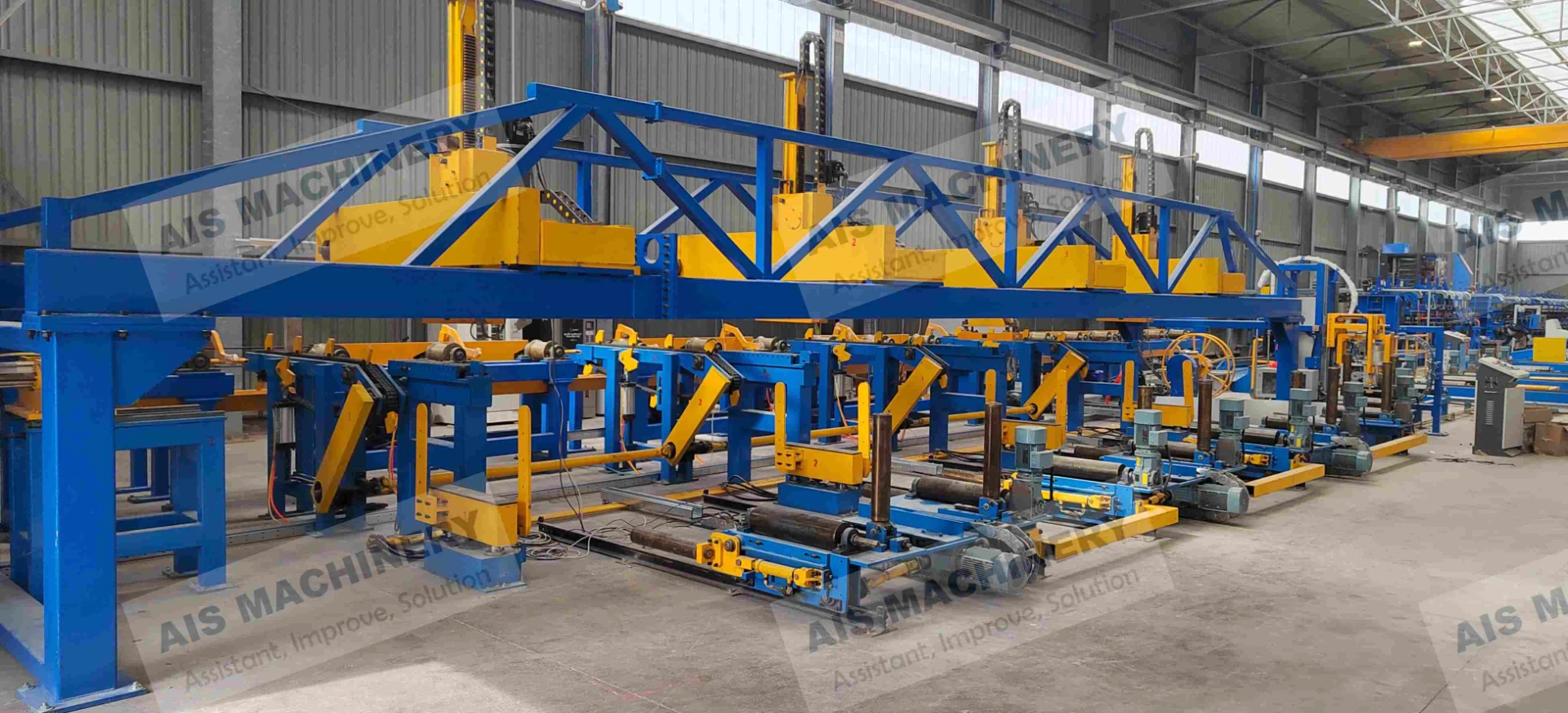
Forming section(Flattening unit +Main driving unit +Forming unit +Guide unit +squeeze roller)+ De-burr frame →→Cooling unit →→ Sizing unit and straightener  

Forming and Final Sizing Section of ERW Pipe Mill


Schreiben Sie uns

If you are interested in our products, you can choose to leave your information here, and we will be in touch with you shortly.

* Name

* E-Mail

Telefon

*Nachricht

Direct Square Forming & Sizing Section FAQs

Is direct square forming better than round-to-square?

For dedicated square/rectangular tube production, yes. It eliminates redundant forming stages and provides better efficiency. However, if the mill needs to produce both round and square tubes, round-to-square offers more flexibility.

Can this process handle high-strength or galvanized steel?

Yes. As long as the line is equipped with proper roll material (D2, Cr12MoV, or carbide), and forming passes are adjusted accordingly, direct square forming can handle Q345/S355, galvanized coils, and even certain AHSS grades.

What are the limitations of this process?

It’s not ideal for very small tubes (e.g., <20×20 mm) or extremely thin walls (<1.2 mm), as the corner formability and weld control become difficult without round shaping.

How is weld seam quality ensured without round pre-forming?

Through precise edge positioning before welding, and using automatic seam tracking systems with real-time correction. The weld seam is located along a corner, where stress distribution is relatively favorable.

What’s the typical tooling changeover time for a new size?

With manual roll change: 3–5 hours. With quick-change cassette type: 30–60 minutes.

Verwandte Nachrichten

Discover the Benefits and Innovations of Steel Cut to Length Machines

2025-12-14 03:30:07

Discover the Benefits and Innovations of Steel Cut to Length Machines

Why the Steel Cut to Length Machine Matters Today Steel cut to length machines might not be the flas

Comprehensive Guide to Slitting Line Machines – Precision, Efficiency & Future Trends

2025-12-14 03:20:05

Comprehensive Guide to Slitting Line Machines – Precision, Efficiency & Future Trends

Unlocking the Power of the Slitting Line Machine in Modern Manufacturing It might sound like a piece

Steel Coil Slitting Explained: Global Importance, Benefits & Innovations

2025-12-14 02:55:05

Steel Coil Slitting Explained: Global Importance, Benefits & Innovations

Understanding Steel Coil Slitting: A Global Industrial Staple Steel coil slitting might not be the p

Comprehensive Guide to Cut to Length Line Technology – Efficiency and Precision in Metal Processing

2025-12-14 02:40:06

Comprehensive Guide to Cut to Length Line Technology – Efficiency and Precision in Metal Processing

Understanding the Cut to Length Line: Why It Matters in Manufacturing Today At first glance, a cut t

Sheet Metal Slitter Machine: Essential Guide to Industrial Metal Cutting Solutions

2025-12-14 02:35:05

Sheet Metal Slitter Machine: Essential Guide to Industrial Metal Cutting Solutions

Why Understanding the Sheet Metal Slitter Machine Matters Today If you’ve ever noticed how thi

Efficient & Precise Slitting Coil Process | Global Manufacturing Insights

2025-12-14 02:10:06

Efficient & Precise Slitting Coil Process | Global Manufacturing Insights

The Slitting Coil Process: Why It Matters More Than You’d Expect If you’ve ever wondered

Heavy Gauge Slitting Line: Precision Metal Processing for Global Industry

2025-12-14 00:15:05

Heavy Gauge Slitting Line: Precision Metal Processing for Global Industry

Heavy Gauge Slitting Line: What It Is and Why It Matters Worldwide At first glance, the term heavy g

Eine Nachricht senden

Dear customer, thank you for your attention! We provide high-quality machinery and equipment and look forward to your orders. Please inform us of your needs and we will respond quickly!

Wenn Sie an unseren Produkten interessiert sind, können Sie hier Ihre Informationen hinterlassen und wir werden uns in Kürze mit Ihnen in Verbindung setzen.


de_DEGerman