
-
 Tel:86-15176910262
-

Search
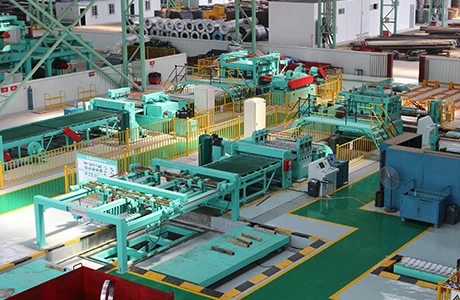

Cold Roll Forming Machine Manufacturers: A Guide to Modern Steel Fabrication
Dec . 07, 2025 13:31
Cold Roll Forming Machine Manufacturers: Shaping the Future of Steel Fabrication
Cold roll forming machines might not be a household phrase, but if you think about the steel structures around us — skyscrapers, bridges, even the humble garage door — these machines have a starring role. Cold roll forming machine manufacturers supply the essential equipment that bends and shapes metal sheets into precise, durable profiles without heating, preserving strength and finish. Globally, this technology supports industries ranging from construction to automotive, making it crucial in the world’s infrastructure development.
Understanding these manufacturers and their products means grasping a sector that’s quietly powering modernization—and dealing with challenges like sustainability and automation. So, why does it matter? Because as demand surges for more efficient building methods and greener production, cold roll forming machine makers are innovating in real time to meet those needs.
Introduction: Why Cold Roll Forming Equipment is a Global Game-Changer
The cold roll forming industry is a vital cog in global manufacturing and infrastructure sectors. According to an ISO report on steel production (ISO 13006), cold roll formed products boast superior finish quality and structural integrity compared to hot-rolled alternatives, helping reduce waste and improve lifecycle performance. The World Bank data highlights a rapid urbanization trend—over 56% of the world’s population now lives in urban areas—and this drives consistent demand for steel construction elements shaped by such machinery.
However, one challenge manufacturers face is meeting increasing customization demands while maintaining cost efficiency and reducing environmental impact. This is precisely where cold roll forming machine manufacturers come into play, innovating designs and processes to meet this dual pressure.
What Are Cold Roll Forming Machine Manufacturers?
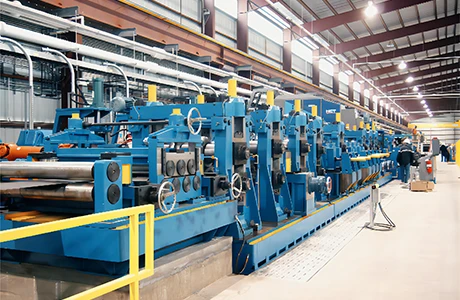
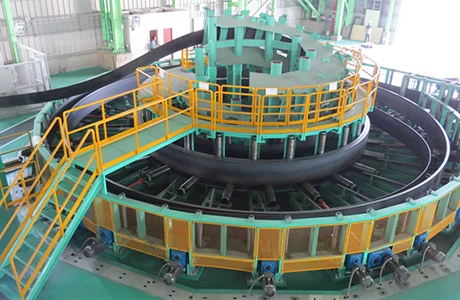
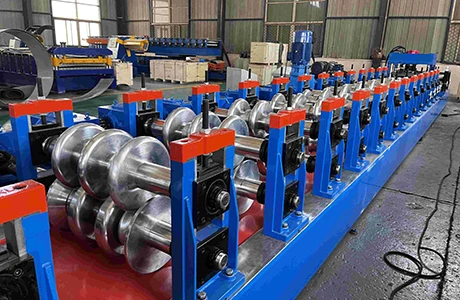
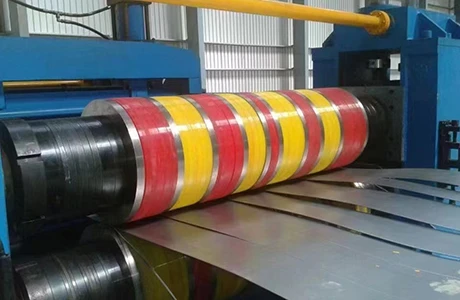
Put simply, cold roll forming machine manufacturers design and produce machines that continuously shape cold steel strips or sheets into specific, uniform cross-sectional profiles. Unlike hot forming, they don’t heat the metal but rely on a series of rollers to gradually bend the material. This helps retain strength and achieve precise tolerances.
These machines are integral to modern industry—steel framing for buildings, automotive body parts, and even humanitarian infrastructure like rapid-deploy shelters, benefit directly. Manufacturers in this space typically engineer machines that combine efficiency, flexibility, and precision.
Key Factors Driving Cold Roll Forming Machines
1. Durability and Precision
The durability of these machines directly influences product quality. Good manufacturers incorporate hardened tooling and rigid frames to ensure minimal vibration, maintaining consistent profile geometry even at high speeds.
2. Scalability and Throughput
Modern cold roll forming equipment is designed with scalability in mind. Whether a small factory or a large industrial facility, manufacturers offer machines that can handle varying thicknesses and widths at fast production rates—sometimes exceeding 60 meters per minute.
3. Cost Efficiency
Cold roll forming is often more economical than alternative methods. This is because of less waste generated, energy savings by avoiding heating, and reduced labor input through automation. Manufacturers continuously seek to optimize setups and reduce machine downtime.
4. Automation and Integration
Many manufacturers provide CNC controls, automated tooling changes, and inline quality inspection. This integration allows operators better control and customization, meeting the trend toward smart manufacturing. It’s a shift that many say improves repeatability and reduces human error.
5. Environmental Impact
In an era where sustainability is paramount, manufacturers emphasize energy-efficient motors, recyclable consumables, and modular designs to reduce environmental footprints. This aligns with international standards and corporate social responsibility goals.
Product Specifications: Typical Cold Roll Forming Machine
| Specification | Typical Value |
|---|---|
| Material Thickness Range | 0.3 - 3.0 mm |
| Maximum Strip Width | 600 mm |
| Production Speed | 40-60 m/min |
| Number of Roll Stations | 12-18 |
| Control System | PLC with CNC Interface |
Global Applications and Use Cases
You’ll find cold roll forming machines at work in various industries worldwide. In Asia’s booming construction markets, these machines churn out steel framing for everything from skyscraper inner frames to residential housing. In Europe, automotive manufacturers depend on the precise thickness and strength these machines provide for body parts, impacting safety standards.
Interestingly, the humanitarian sector also benefits. For example, after earthquakes in remote regions, rapid deployment of profile-based shelters relies on steel components shaped with such machinery. The same goes for industrial zones in Africa where infrastructure projects demand durable, locally produced steel solutions.
Mini takeaway: From giant cranes to lightweight panels, cold roll forming machine technologies underpin a broad sweep of global projects, offering sustainable and reliable fabrication techniques that reach far beyond any single sector.
Advantages and Long-Term Value
- Cost Savings: Lower material waste and energy consumption make cold roll forming attractive financially over time.
- Sustainability: Cold processes preserve material properties and reduce carbon footprints.
- Speed and Consistency: High throughput machines maintain uniform profiles, boosting reliability.
- Enhanced Safety and Innovation: Precision parts lead to safer building designs, which supports human dignity and urban resilience.
- Trust and Customization: Manufacturers deliver tailored solutions, strengthening client relationships and innovation adoption.
Vendor Comparison: Leading Cold Roll Forming Machine Manufacturers
| Manufacturer | Production Speed (m/min) | Max Thickness (mm) | Automation Level | Global Reach |
|---|---|---|---|---|
| SteelTech Co. | 60 | 3.0 | High, CNC-controlled | Europe, Asia, Americas |
| FormLine Group | 45 | 2.5 | Medium, semi-automated | Asia, Africa |
| RapidRoll Systems | 50 | 2.0 | High, full automation | North America, Europe |
Emerging Trends & Innovations
It’s hard to ignore how Industry 4.0 is reshaping cold roll forming. Digitization means more intelligent control systems, predictive maintenance, and real-time quality analytics. Additive manufacturing helps prototype complex tooling faster, while hybrid materials are starting to be integrated for better performance.
Also, pressure to reduce environmental impact is pushing manufacturers to develop low-energy consumption motors and recycle scrap more efficiently. Some pioneers explore solar-powered factory setups, which frankly feels like the future speeding up before our very eyes.
Challenges & Practical Solutions
Despite advances, challenges remain—like handling ultra-high-strength steels that resist bending, or maintaining precision at ever higher speeds. Then, of course, the upfront cost of cutting-edge machinery can be a barrier for smaller businesses.
Solutions? Manufacturers are designing modular, upgradeable platforms so clients don’t have to replace whole lines. Decentralized manufacturing with smart factories also diminishes large capital expenditures by distributing processes.
FAQ: Frequently Asked Questions About Cold Roll Forming Machine Manufacturers
- Q: What industries benefit most from cold roll forming machines?
A: Key sectors include construction, automotive, HVAC, and furniture manufacturing. These machines produce structural steel components, frame parts, and decorative trims efficiently. - Q: How customizable are cold roll forming machines?
A: Very customizable! Manufacturers tailor roll stations, tooling, and control systems depending on product profiles, material type, and production volume. - Q: Are cold roll formed products more durable than hot rolled?
A: Generally yes, because cold forming maintains metal strength and finish quality. This results in better corrosion resistance and structural integrity. - Q: How do I select a reputable manufacturer?
A: Look for proven track records, international certifications (ISO 9001, ISO 14001), technical support availability, and equipment adaptability. - Q: Can these machines handle eco-friendly or recycled steel?
A: Absolutely, many machines are optimized to work with recycled steel, supporting greener production cycles.
Conclusion
In sum, cold roll forming machine manufacturers are at the heart of steel fabrication’s push toward efficiency, precision, and sustainability. Their machinery enables industries to build faster, stronger, and greener, which frankly feels essential for our rapidly evolving world. Whether you’re an engineer searching for reliable equipment or a business aiming to modernize production, understanding this niche offers immense long-term value.
Ready to explore cutting-edge cold roll forming technology? Visit our website: https://www.aistubemill.com to connect with trusted cold roll forming machine manufacturers that fit your needs.
Mini takeaway: Cold roll forming machines quietly underpin the steel revolution, blending tradition with innovation in every shaped panel and profile.
References

Related Products

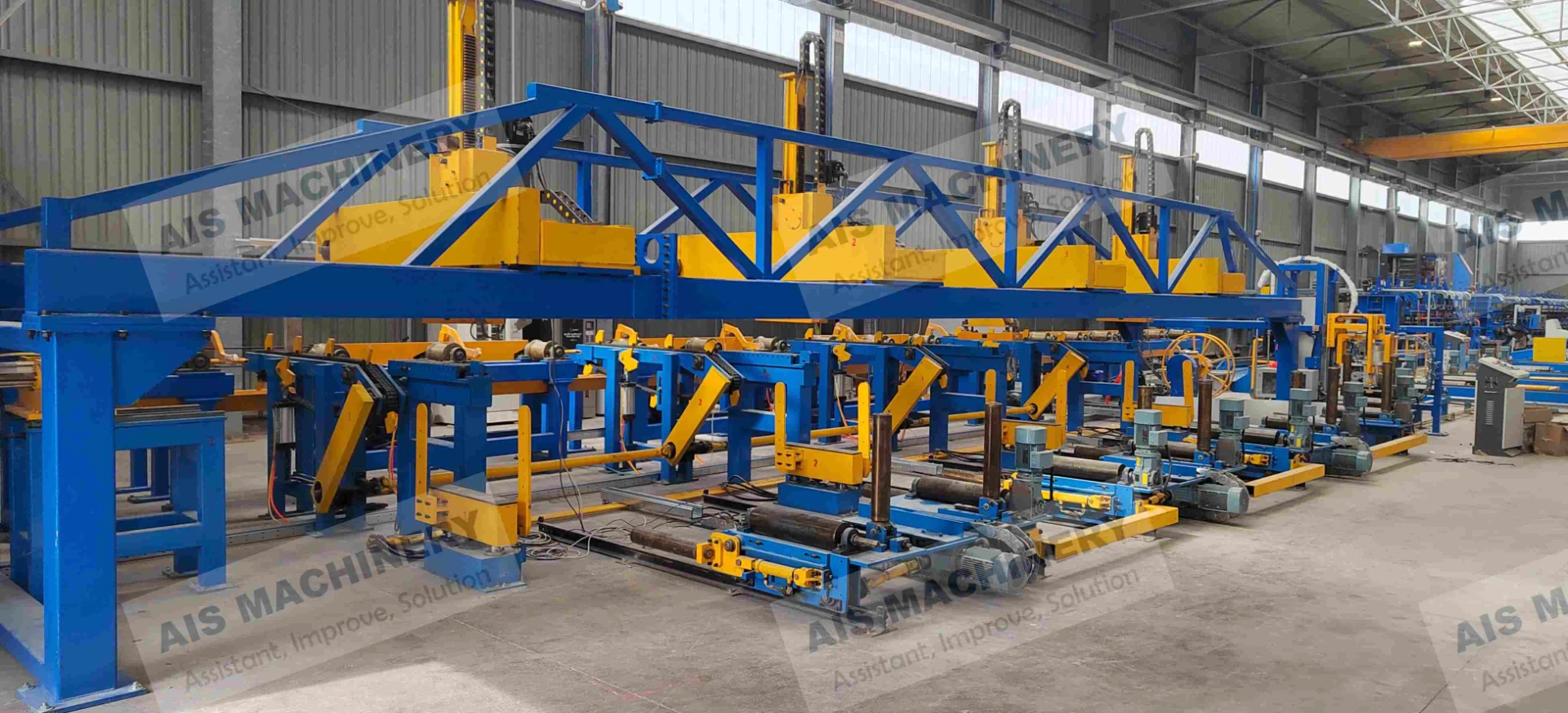
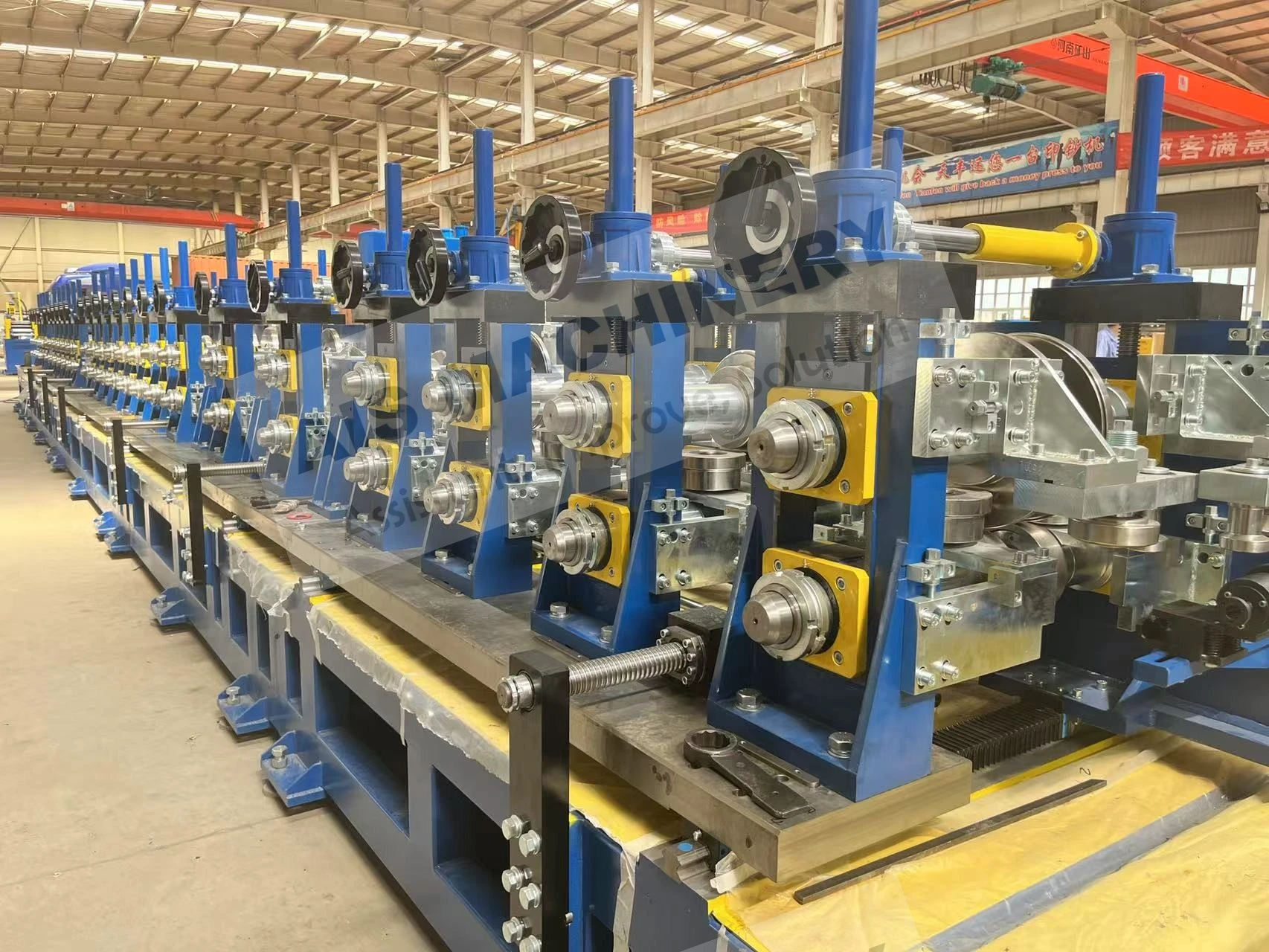
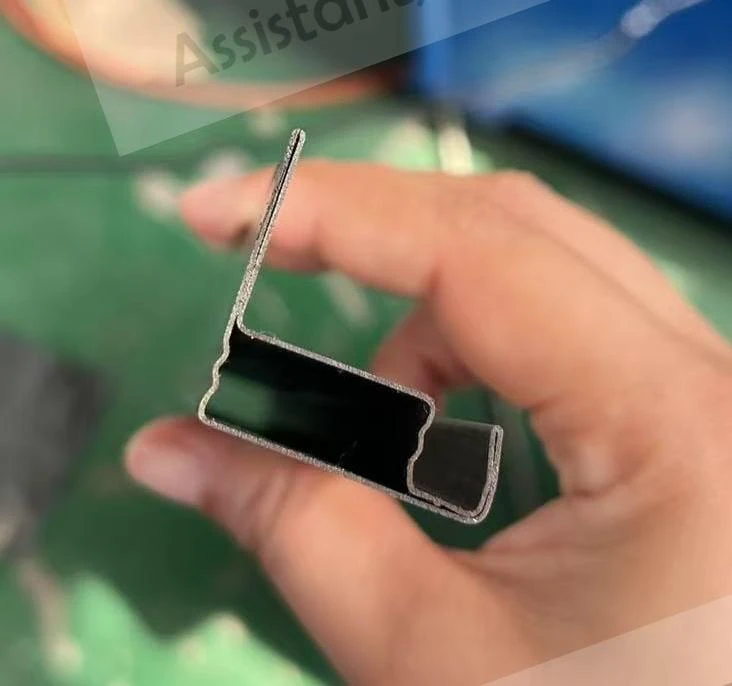
Related News
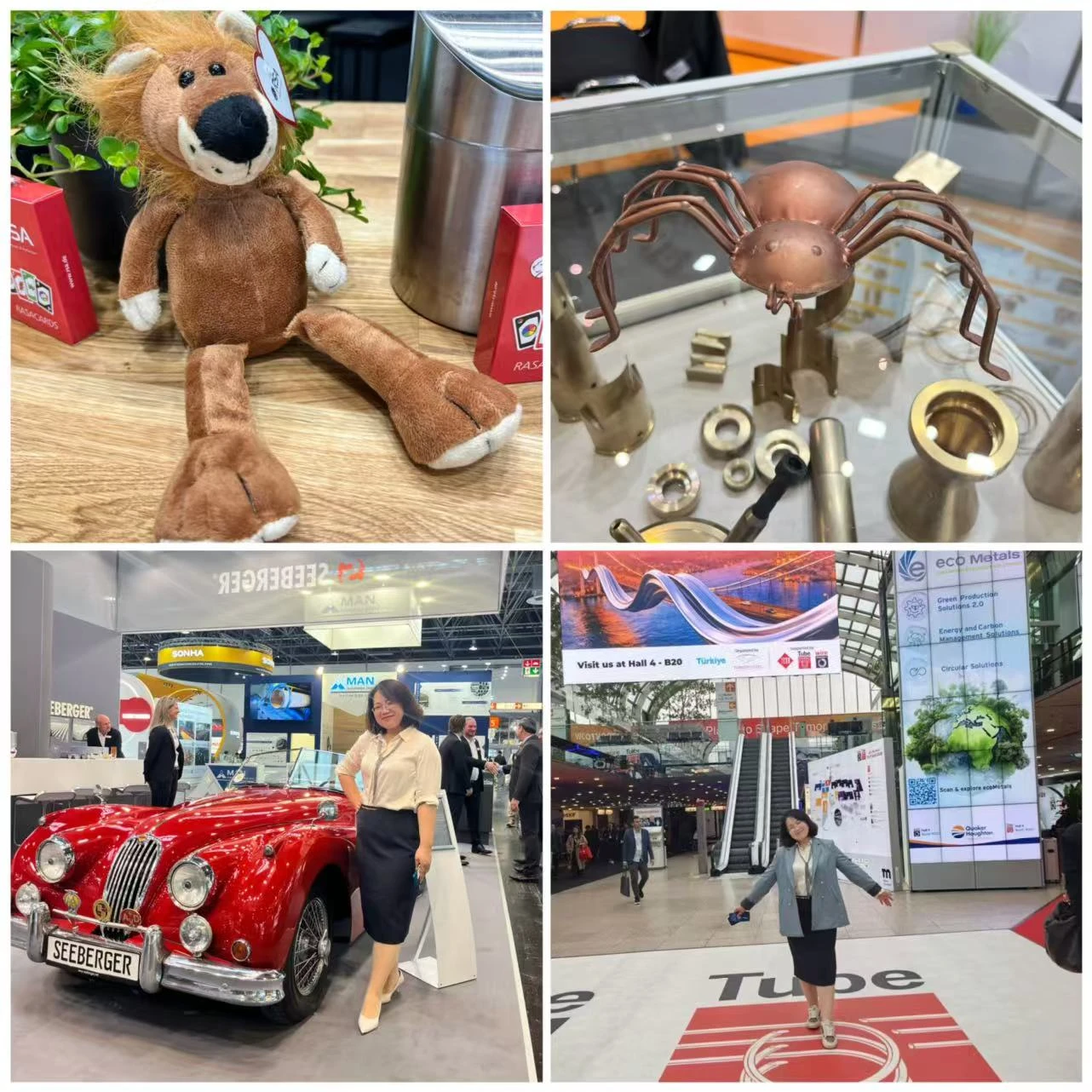
2026-04-18 03:20:20
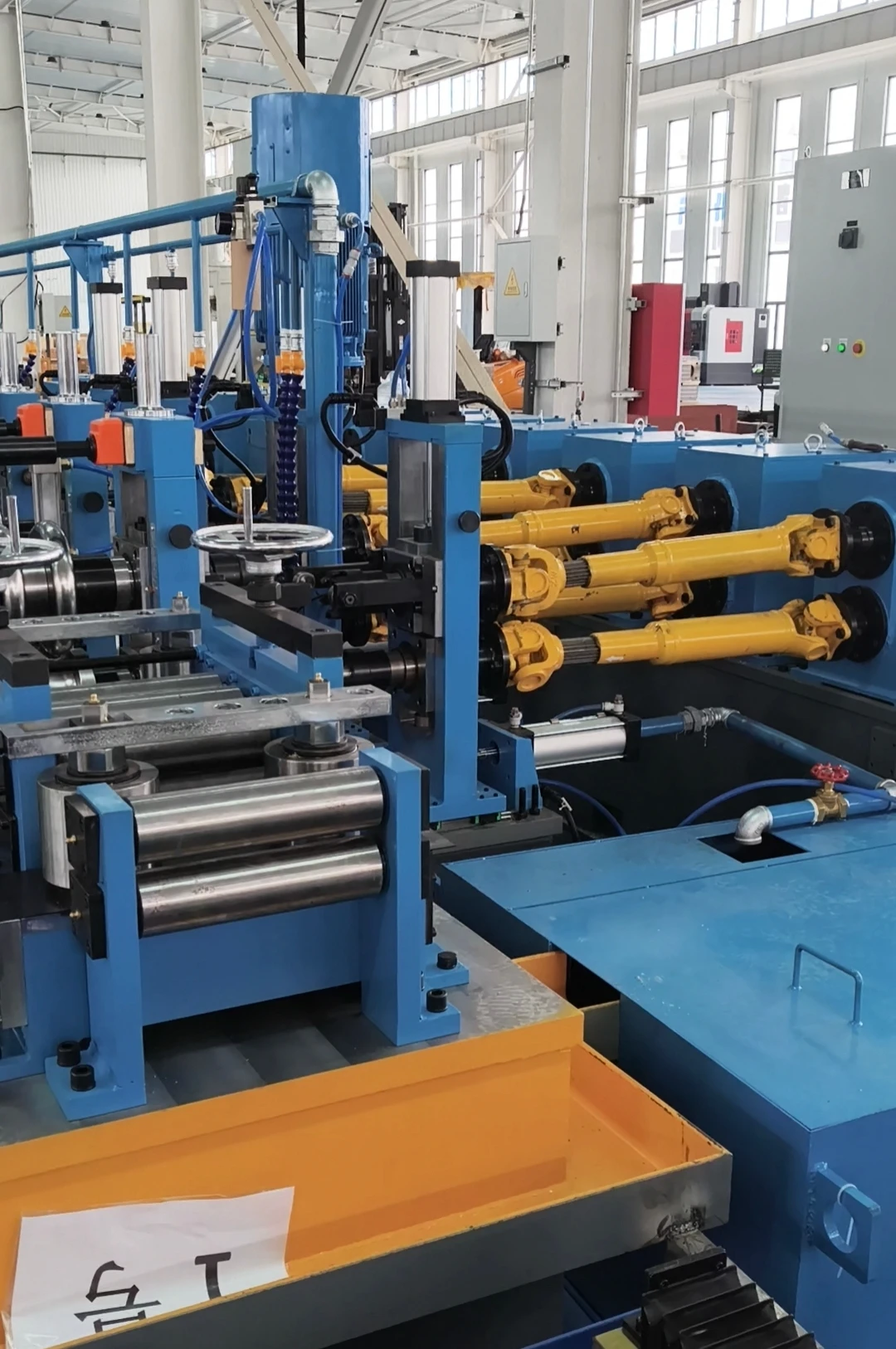
AIS Machinery Showcases Advanced Tube Solutions at Tube & Wire Düsseldorf 2026
Tube & Wire Düsseldorf 2026, one of the most influential exhibitions in the global tube and wire industry, held biennially in Düsseldorf, Germany
2027-04-17 00:00:00
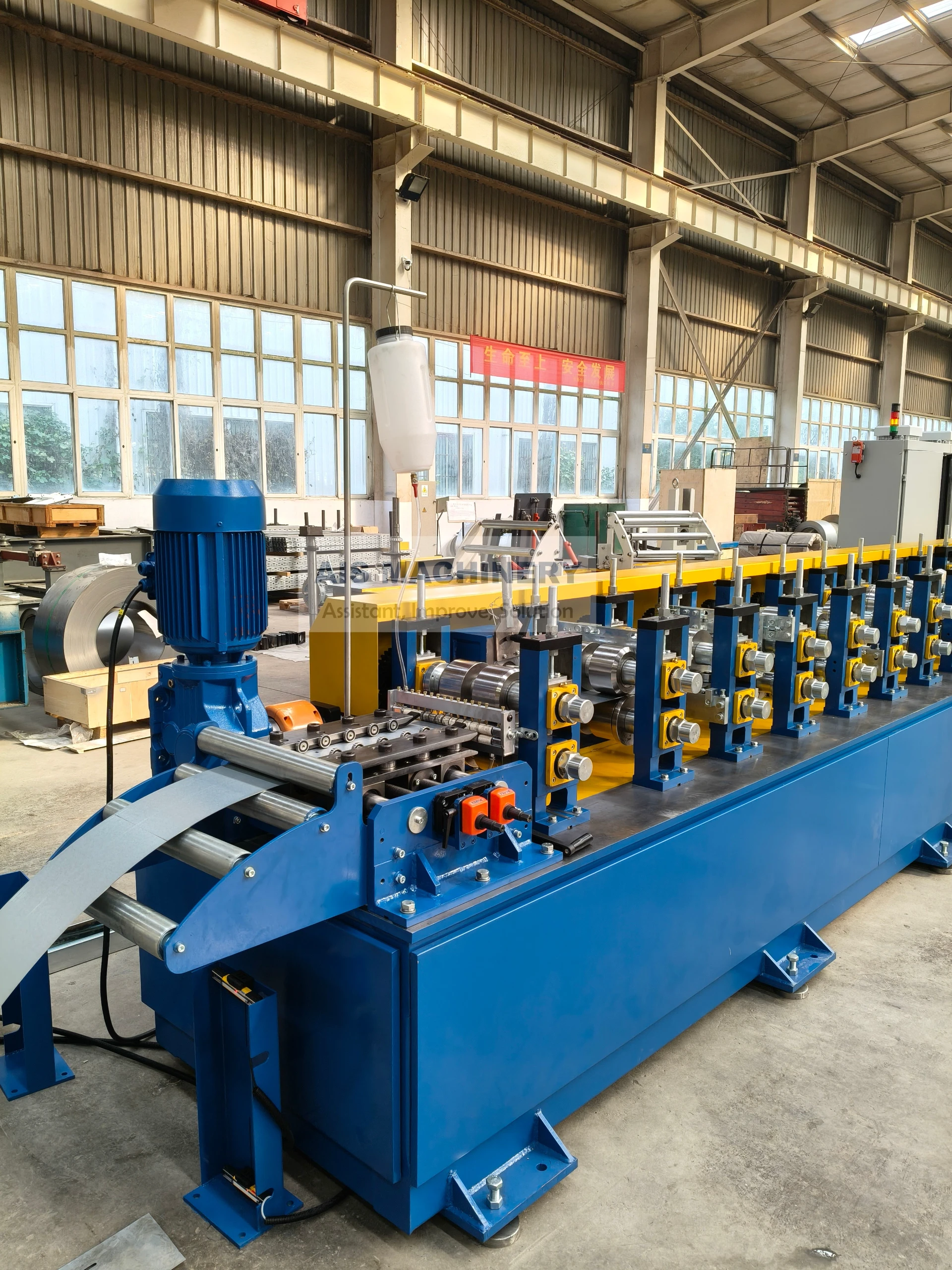
Southeast Asia Client Visits Our Factory | Customized Tube Mill Solution Delivered
A Southeast Asia client visited our ERW tube mill factory to inspect production lines and discuss a customized tube mill solution. Impressed by our machine quality, welding performance, and engineering support, the client confirmed strong cooperation intentions. Discover how our ERW tube mill solutions improve efficiency, precision, and long-term production reliability.
2026-04-16 02:35:12
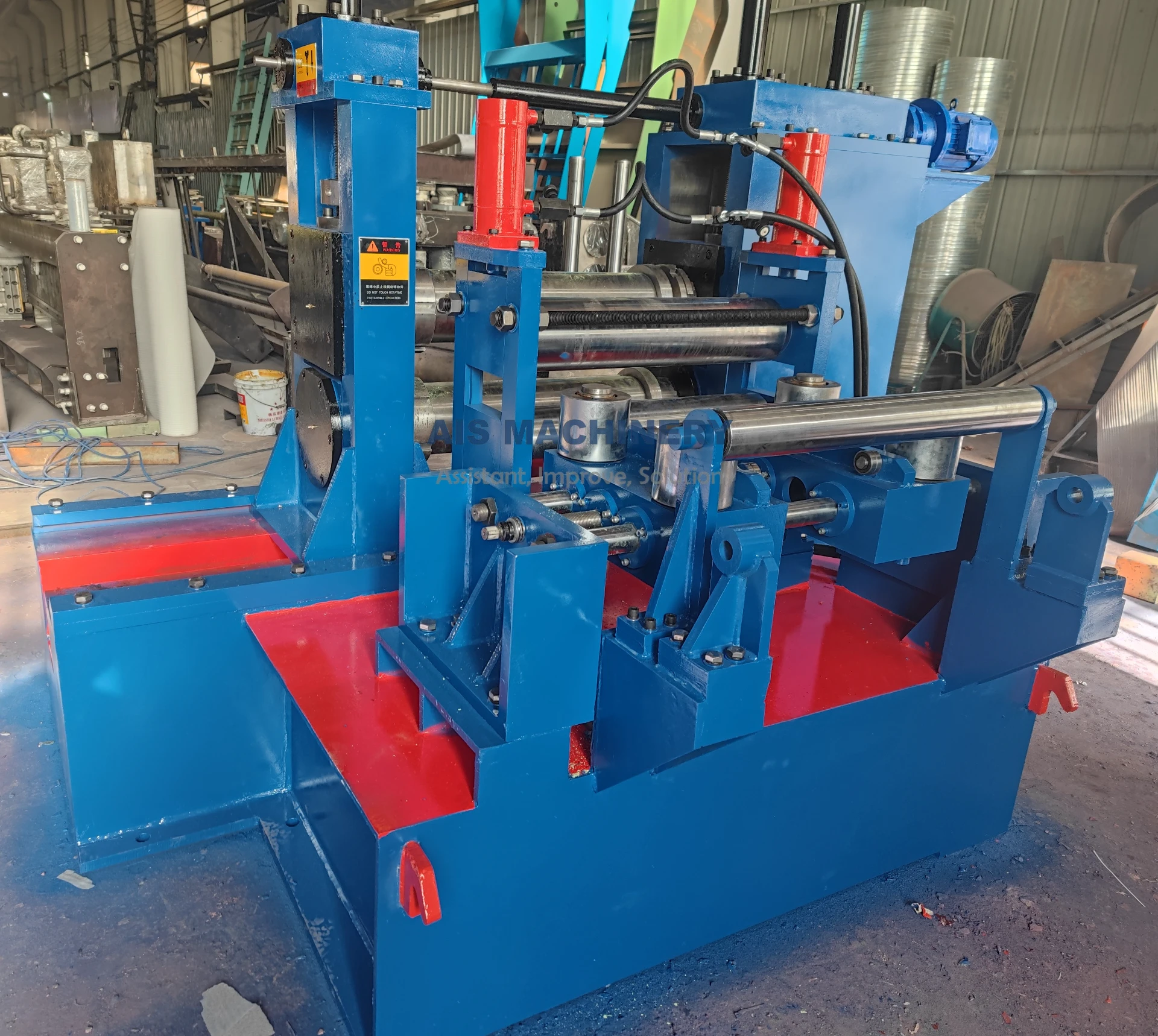
Professional Cold Roll Forming Machine Factory for Production
In the modern industrial landscape, the precision of metal shaping is the cornerstone of quality manufacturing. Partnering with a professional cold roll forming machine factory is essential for businesses looking to optimize their production lines, reduce material waste, and ensure high-dimensional accuracy. Whether you are producing C-channels, square tubes, or custom profiles, the choice of machinery determines your competitive edge in the market. This guide will explore the critical factors in selecting a factory and the technical advantages of advanced roll forming technology to help you make an informed investment.
2026-04-15 10:37:55
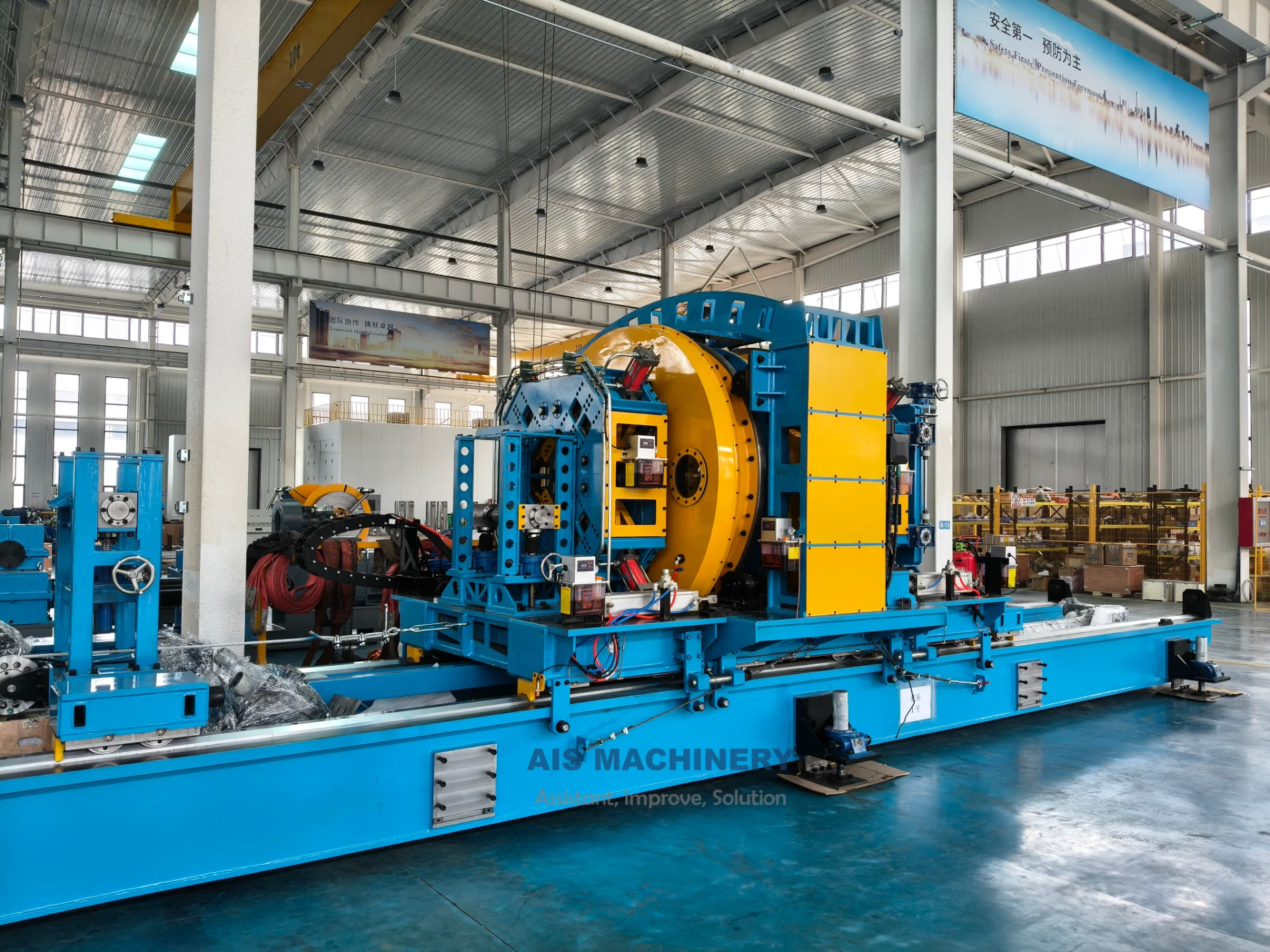
Flat Bar Production Line for Steel Coils: How It Works & Why It Matters
Looking for a flat bar production line? Learn how it turns steel coils into ready-to-use flat bars with precise length and high straightness. Compare it with slitting lines and get the best solution for your steel processing needs.
2026-04-14 00:00:00
Looking for a Milling Saw for ERW Tube Mill? Here’s What You Need to Know
Looking for a high-performance milling saw for your ERW tube mill? Upgrade to burr-free, high-precision pipe cutting with advanced flying saw technology. Improve efficiency, reduce rework, and meet export standards for carbon steel, stainless steel, and API pipes. Contact us today for expert solutions and competitive pricing tailored to your production needs.
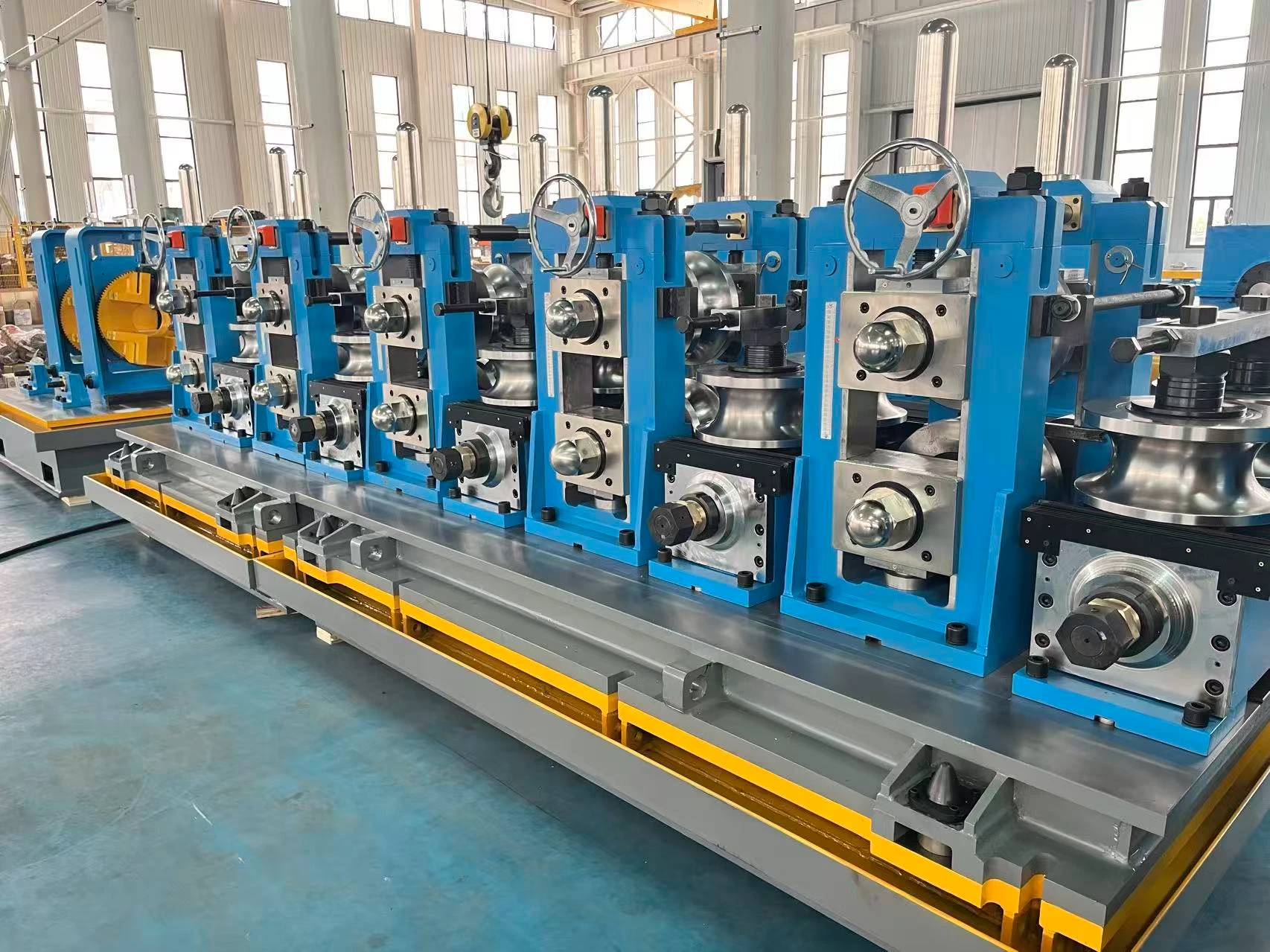
2026-04-09 16:15:19
5-Inch (127mm) ERW Tube Making Machine Delivered with Heavy-Duty Design and Advanced Quick Change System
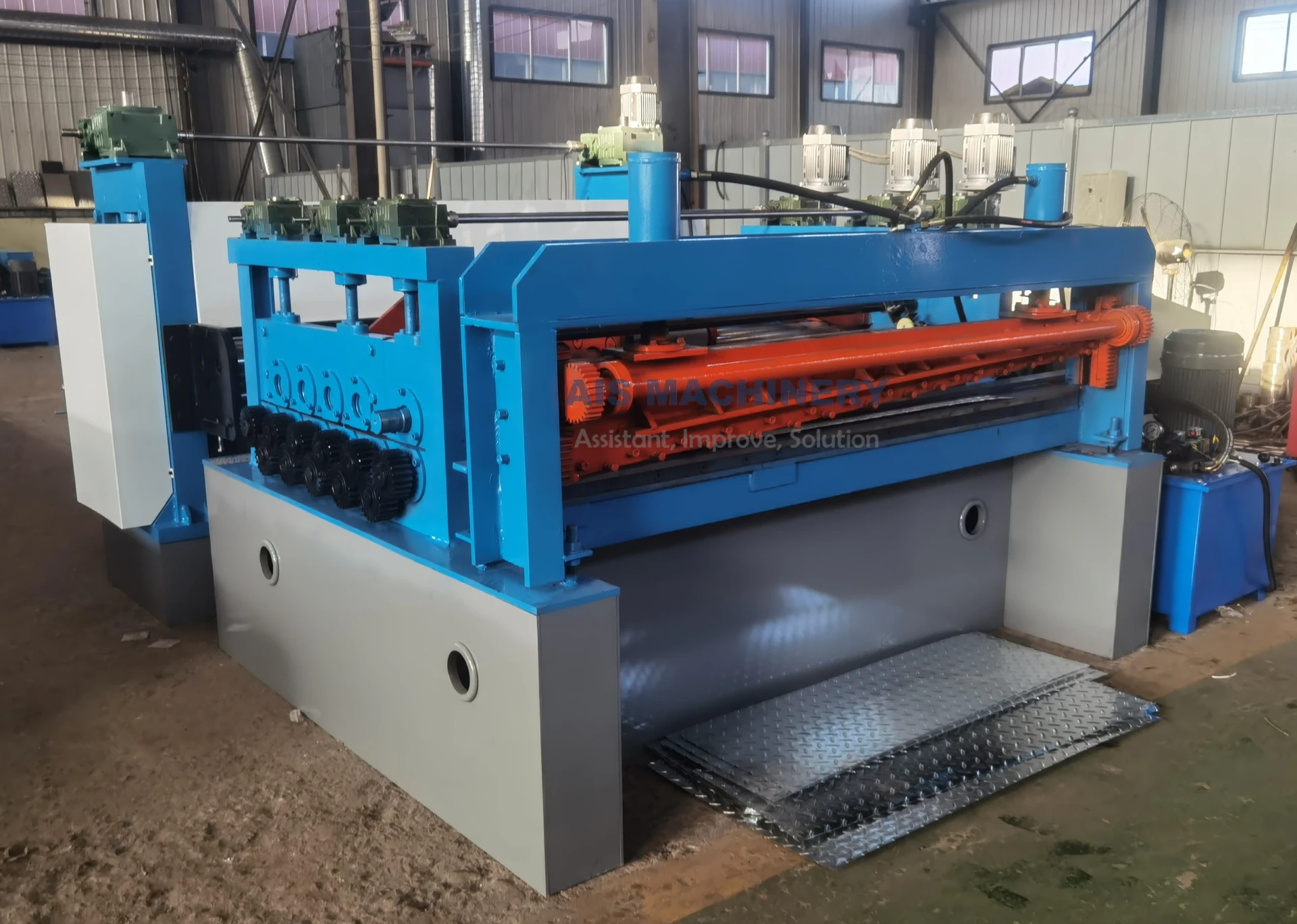
2027-04-07 00:00:00
Metal Embossing Machine: Turn Flat Sheets into High-Value Textured Products
Discover how a metal embossing machine transforms flat steel, stainless steel, and aluminum sheets into high-value textured products. Learn about its working principle, key components, and applications. Ideal for decorative and industrial use, embossing machines improve both appearance and performance. Explore complete embossing line solutions and find the right machine for your production needs.
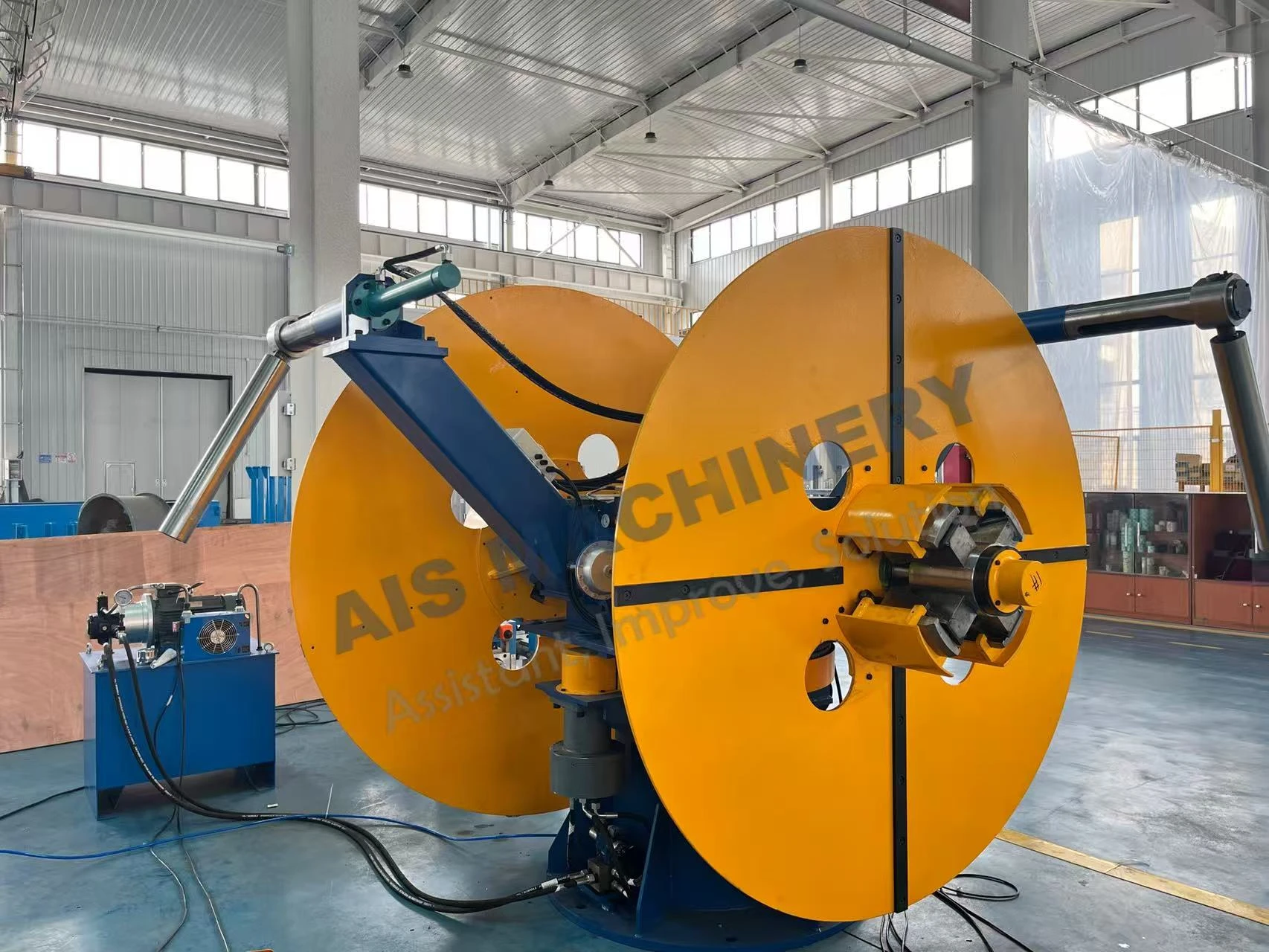
2026-04-04 20:37:18
Automatic Double Side Uncoiler with Hydraulic Expansion and Auto Rotation for Steel Coil Processing
The Automatic Double Side Uncoiler is a high-efficiency solution designed for modern steel coil processing lines, including tube mills, roll forming machines, and slitting lines. With a maximum capacity of 4 tons per side, this machine ensures stable and continuous coil feeding while reducing downtime during coil change.
Send a Message
Dear customer, thank you for your attention! We provide high-quality machinery and equipment and look forward to your orders. Please inform us of your needs and we will respond quickly!
 English
  Albanian
  Arabic
  French
  German
  Indonesian
  Italian
  Japanese
  Kazakh
  Korean
  Latin
Latin  Macedonian
  Portuguese
  Russian
  Spanish
  Thai
Thai  Turkish
  Ukrainian
  Uzbek
Uzbek