Slitting and Cut-to-Length Combined Line

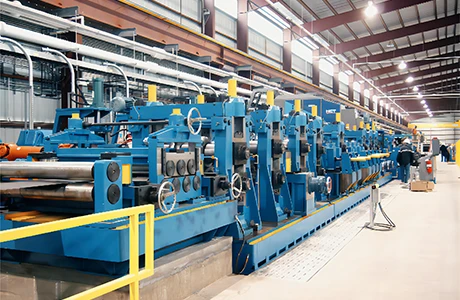
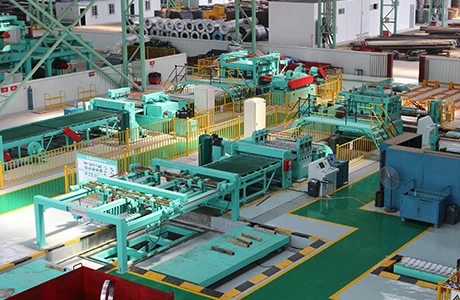
High-performance slitting and cut-to-length combined line for efficient steel coil processing. Designed for slitting line and cut-to-length line functions in one system, it processes hot rolled, cold rolled, galvanized, and stainless steel coils into strips and sheets. Ideal for steel service centers, tube mills, and metal processing industries. Customizable specifications, high precision, and reliable automation.

Product Details

Contact Now

Product Details

Video


Production Description
 

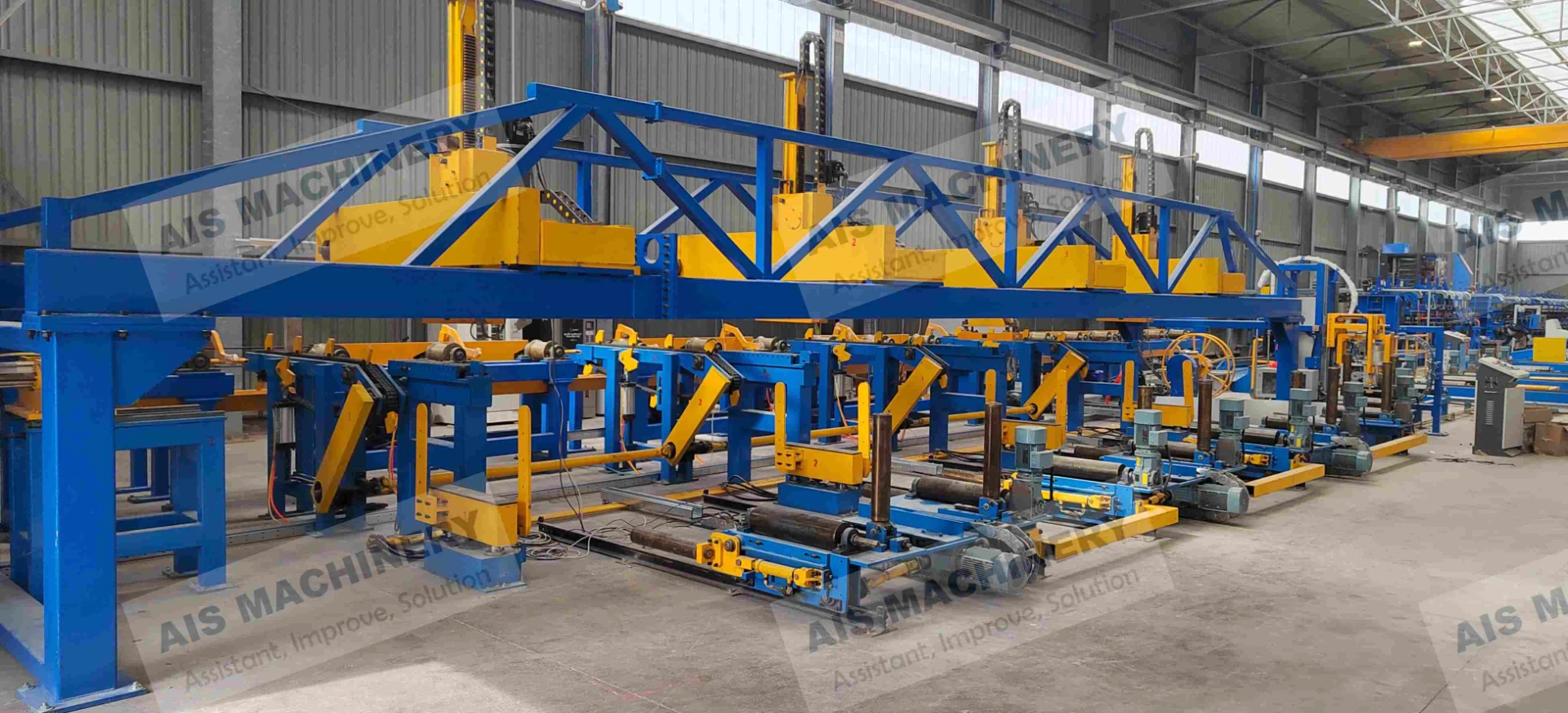
The Slitting and Cut-to-Length Combined Line is a high-efficiency coil processing system designed to perform both slitting and cut-to-length (CTL) operations within a single production line.

It enables manufacturers to process steel coils into narrow strips or flat sheets, offering maximum flexibility for different production requirements while optimizing space and operational efficiency.

This system is widely used in steel service centers and industries requiring multi-purpose coil processing.

Both slitting + CTL


Key Functions

  • ☑️Slitting Function
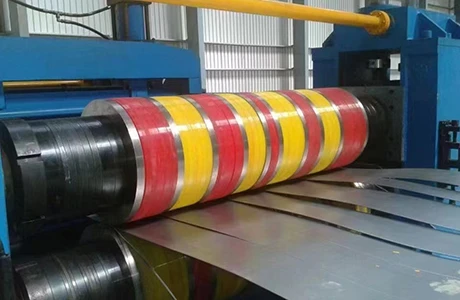
    Precisely cuts wide steel coils into multiple narrow strips for further processing or recoiling.

  • ☑️Cut-to-Length Function (CTL)
    Cuts steel coils into flat sheets with accurate length control and excellent surface quality.

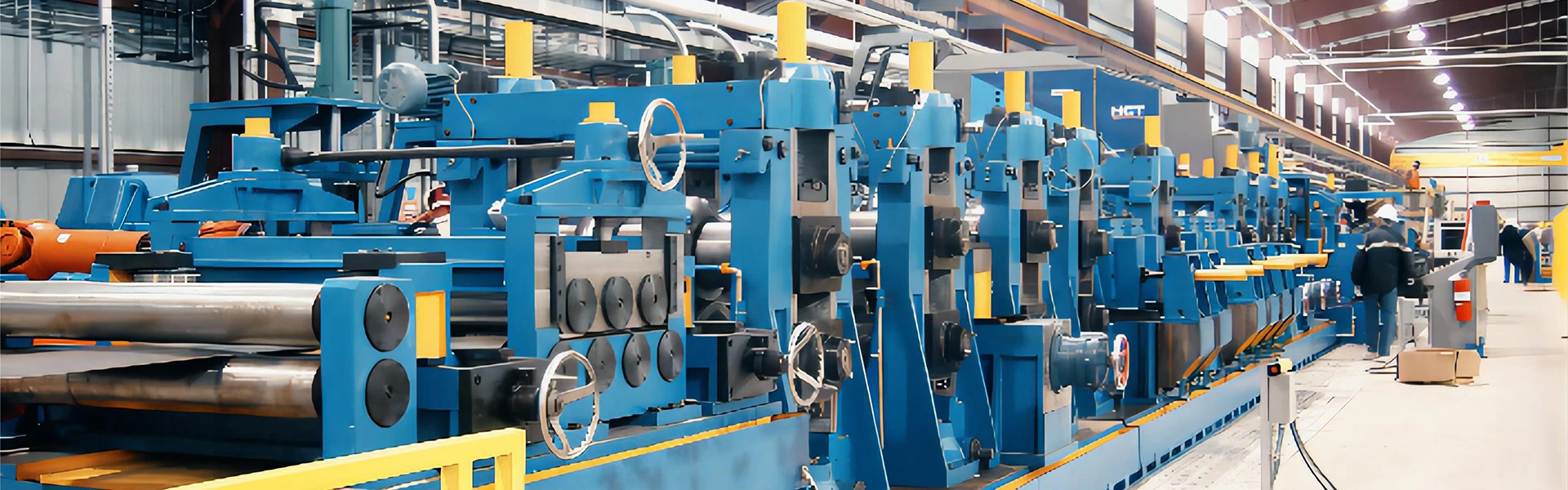
    • High-performance slitting and cut-to-length combined line
    • leveler cum NC length device
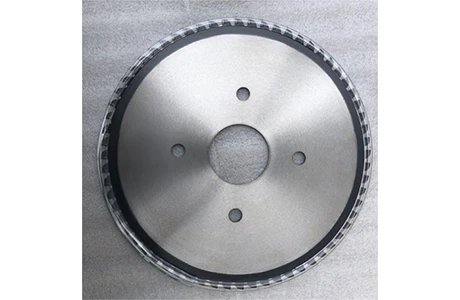
    • Disc shears
    • Exit Looper


Difference from Slitting Line and CTL Line

Type Function Output Key Feature
Slitting Line Longitudinal cutting Steel strips (coils) Focus on width cutting
Cut-to-Length Line Transverse cutting Steel sheets Focus on length cutting
Combined Line Both slitting + CTL Strips & sheets Multi-functional, flexible

Advantages✅

1. High Flexibility

One production line can handle multiple processing requirements, allowing quick adaptation to different orders.

2. Space Saving

Integrates two production lines into one, significantly reducing factory footprint.

3. Cost Efficiency

Reduces investment in separate equipment, labor, and material handling.

4. Improved Productivity

Minimizes downtime and increases overall production efficiency.

5. Versatile Applications

Suitable for various industries and material types.


Disadvantages⚡

1. Higher Initial Investment

Compared to single-function lines, the combined system requires a larger upfront cost.

2. More Complex Operation

Operators need technical experience to manage both functions effectively.

3. Maintenance Complexity

More components lead to increased maintenance requirements.

4. Limited Specialization

For extremely high-volume single-process production, dedicated lines may be more efficient.


Typical Applications

  • • Steel service centers

  • • Tube and pipe manufacturing (ERW production lines)

  • • Automotive industry

  • • Construction materials

  • • Home appliance manufacturing


Typical Process Flow

Coil Loading → Uncoiling → Leveling → Slitting → Accumulation →
➡️ Strip Recoiling (Slitting Mode)
➡️ Cut-to-Length Shearing → Automatic Stacking (CTL Mode)


Technical Parameters (Customizable❗)

Item Specification
Material Type HR / CR / GI / Stainless Steel
Thickness Range Customizable
Coil Width Customizable
Slitting Speed Up to customer requirement
Cutting Length Accuracy High precision
Control System PLC automatic control

FAQ – Frequently Asked Questions

1. What is the main advantage of a combined line?

It allows both slitting and cut-to-length processing in one system, improving flexibility and saving space.


2. How to choose between combined and separate lines?

If your production requires both strips and sheets, a combined line is more efficient. For single-purpose, high-volume production, separate lines are recommended.


3. What materials can be processed?

The line can process hot rolled, cold rolled, galvanized, and stainless steel coils.


4. Is the machine fully automatic?

Yes, most combined lines are equipped with PLC systems for automatic control and efficient operation.


5. What information is required before quotation?

  • Material type

  • Thickness and width range

  • Required production speed

  • Product type (strips, sheets, or both)

  • Precision requirements


Why Choose Our Combined Line?

  • Stable performance and high precision

  • Flexible configuration based on your needs

  • Professional technical support

  • Proven experience in steel processing solutions

  •  


OUR SERVICE

Why Choose Us?

Leading Technology, Reliable Quality, Excellent Service!

Optimized Design, High quality material select! 

Heat treatment process guarantee!

Spiral bevel gear, drum gear coupling and carburization.

Gear teeth quenching.

Driven system stable, efficient and wearable with lower noise.

High precision wear resisting and Long life of rollers.

All the machine Lathes, Key Grooves are positioned and Milled by CNC.


Get in Touch

If you are interested in our products, you can choose to leave your information here, and we will be in touch with you shortly.

* Name

* E-mail

Phone

*Message

FAQ

What is the main advantage of a combined line?

It allows both slitting and cut-to-length processing in one system, improving flexibility and saving space.

How to choose between combined and separate lines?

If your production requires both strips and sheets, a combined line is more efficient. For single-purpose, high-volume production, separate lines are recommended.

What materials can be processed?

The line can process hot rolled, cold rolled, galvanized, and stainless steel coils.

Is the machine fully automatic?

Yes, most combined lines are equipped with PLC systems for automatic control and efficient operation.

Related News

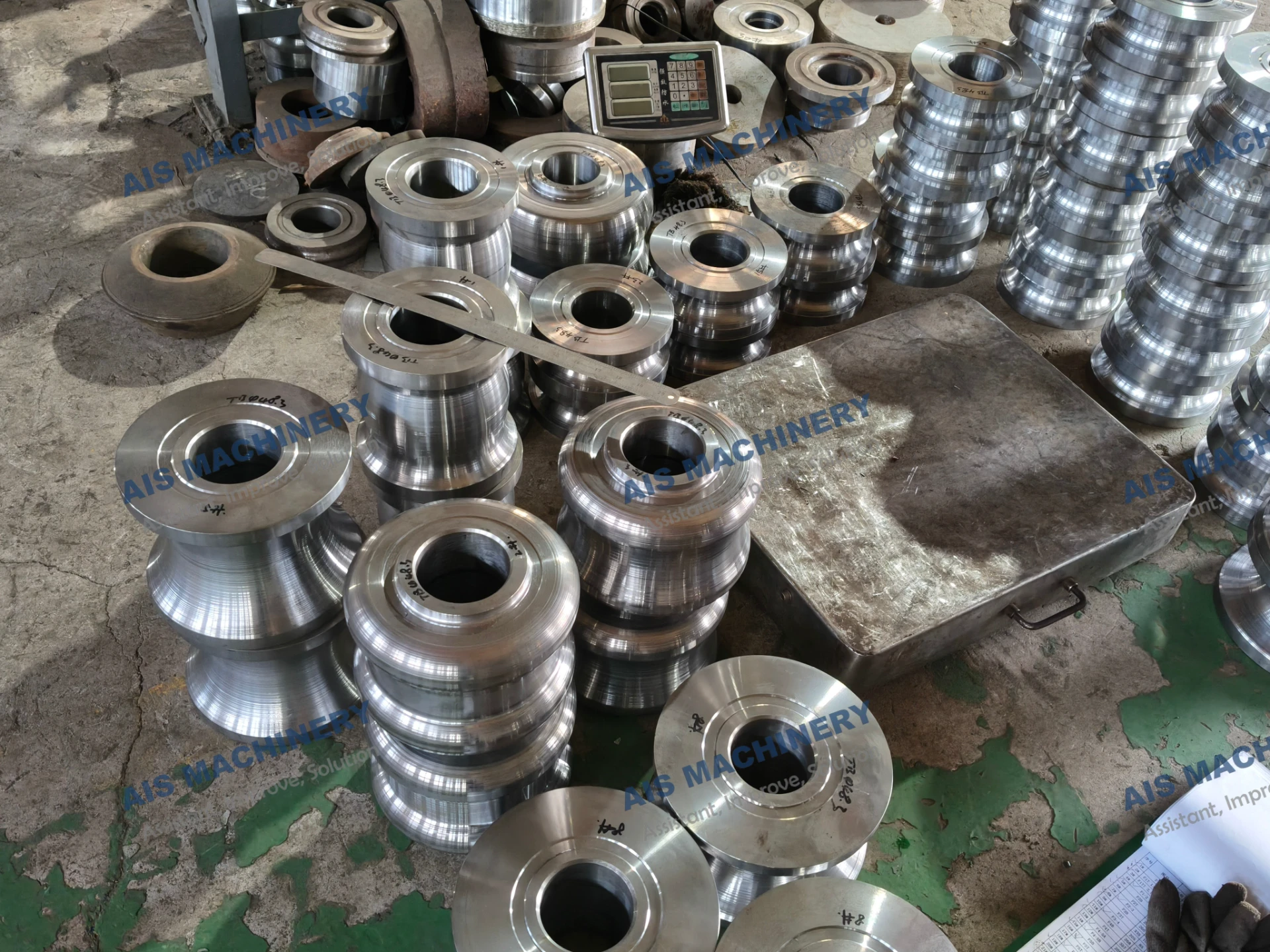
Roll Forming Rollers: Types, Materials and How to Choose the Right One

2027-05-19 00:00:00

Roll Forming Rollers: Types, Materials and How to Choose the Right One

Roll forming rollers are critical components that directly affect profile accuracy, production speed, and machine durability. Different roller materials, hardness levels, and designs serve different forming applications, from light-gauge steel to heavy-duty industrial profiles. Understanding roller types such as squeeze rollers, forming rollers, and sizing rollers helps manufacturers improve production efficiency and reduce maintenance costs while ensuring long-term stable performance.
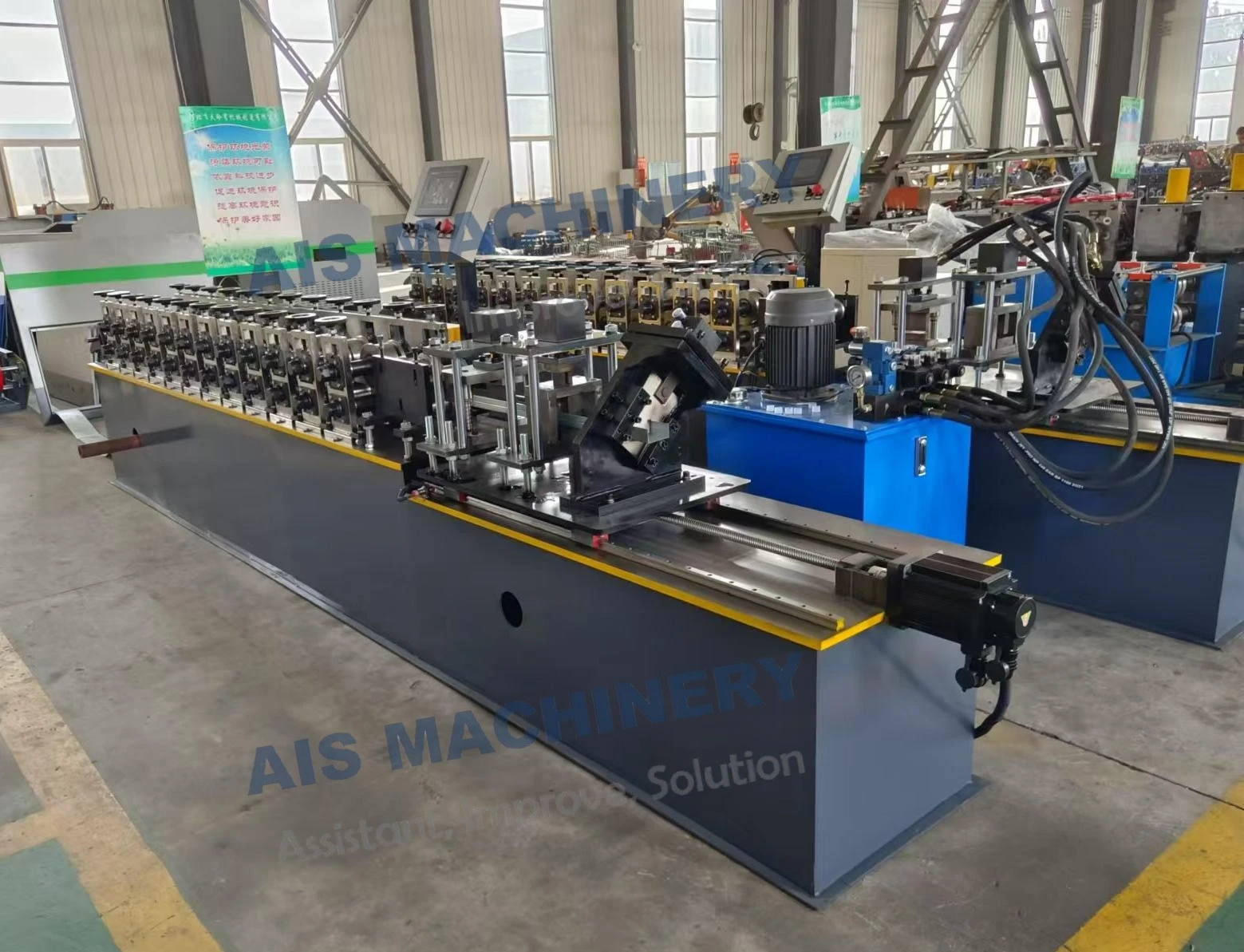
CU Profile Roll Forming Machine Manufacturer & Production Line Solution

2026-05-14 00:00:00

CU Profile Roll Forming Machine Manufacturer & Production Line Solution

In modern metal processing, efficiency and precision are critical. The CU Profile Roll Forming Machine is designed to produce high-quality C and U steel profiles continuously and automatically, helping manufacturers improve productivity while maintaining stable product accuracy.
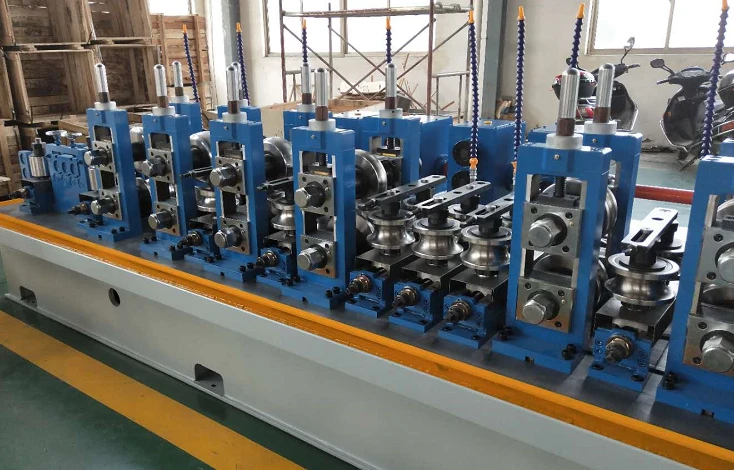
Small Diameter Tube Mill Is Becoming More Popular in the Market

2026-05-13 10:09:29

Small Diameter Tube Mill Is Becoming More Popular in the Market

Our small diameter tube mill is designed for efficient and continuous production. It combines advanced forming, welding, sizing, and cutting technology to produce high-quality steel tubes with excellent accuracy.
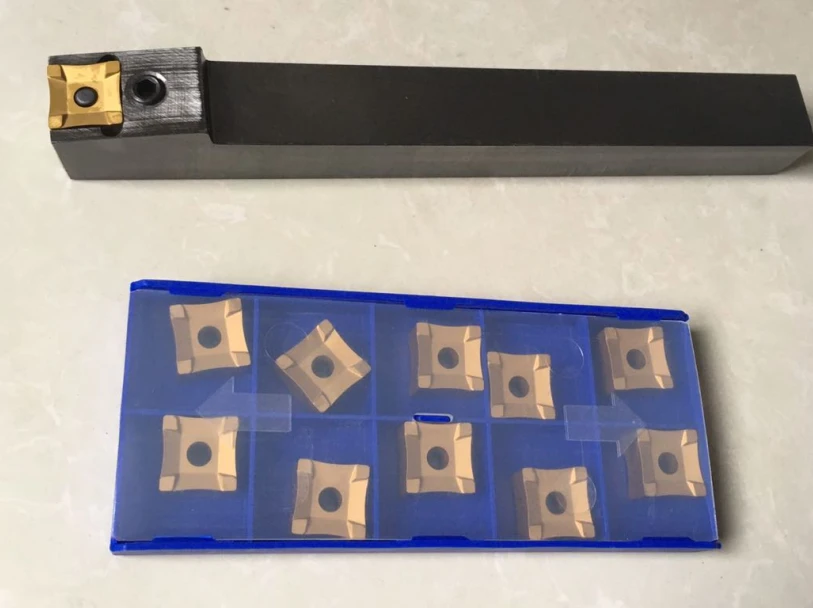
How to Choose the Right External Burr Scraper Blade

2026-05-07 10:20:02

How to Choose the Right External Burr Scraper Blade

Learn about external burr scraper blade types used in ERW tube mills, including four-sided and six-sided scraper blades. Discover their working principle, applications, advantages, and how they improve steel pipe surface quality and production efficiency.
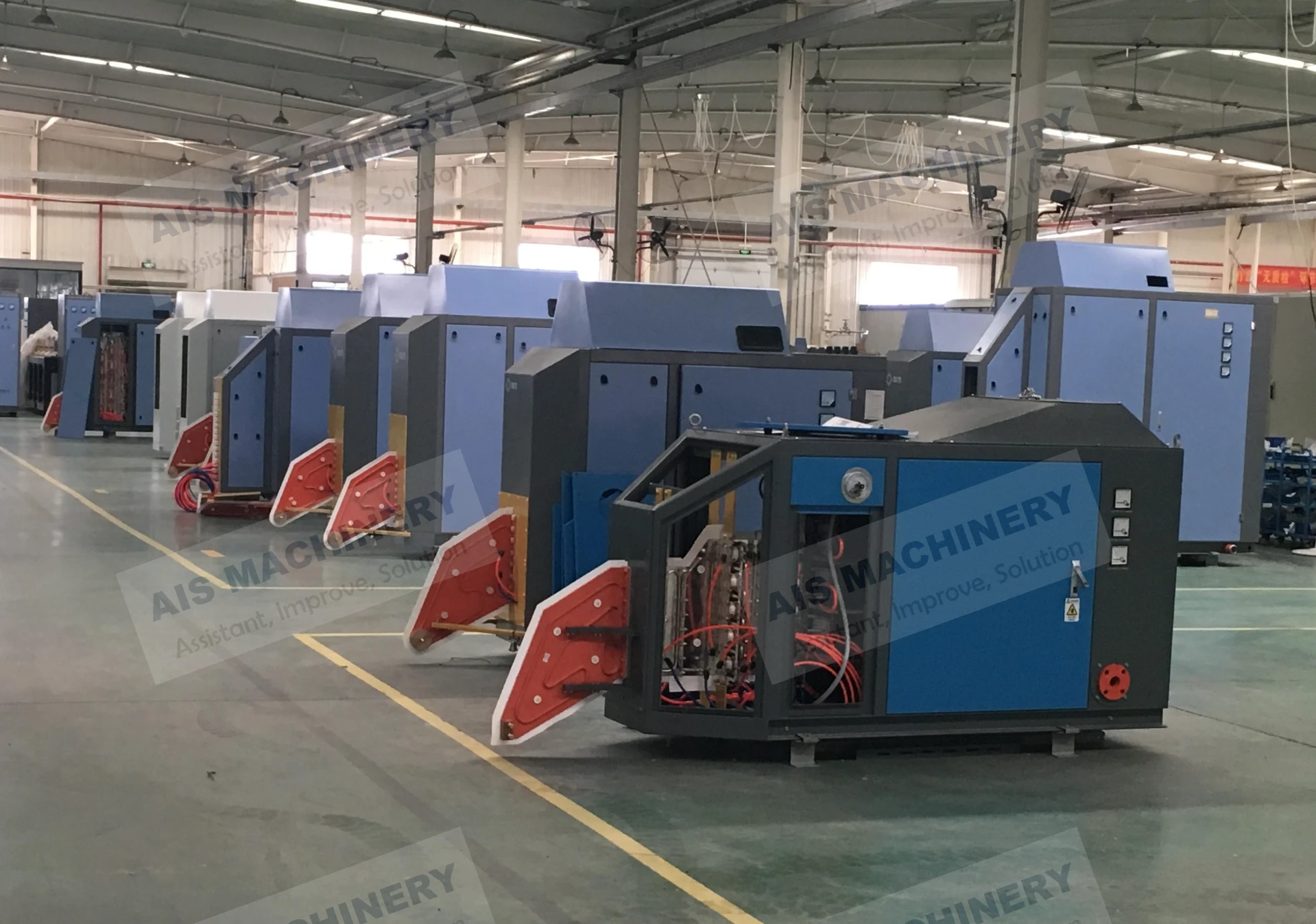
HF Welder for ERW Tube Mill: Types, IGBT vs SiC & Selection Guide

2026-05-06 10:16:16

HF Welder for ERW Tube Mill: Types, IGBT vs SiC & Selection Guide

Looking for a reliable HF welder for your ERW tube mill? Compare solid state (IGBT), SiC, and traditional vacuum tube types in terms of performance, efficiency, and cost. This guide helps you choose the best solution for your production needs. Boost weld strength, reduce downtime, and save energy with a high-performance HF welding system designed for modern steel pipe manufacturing.
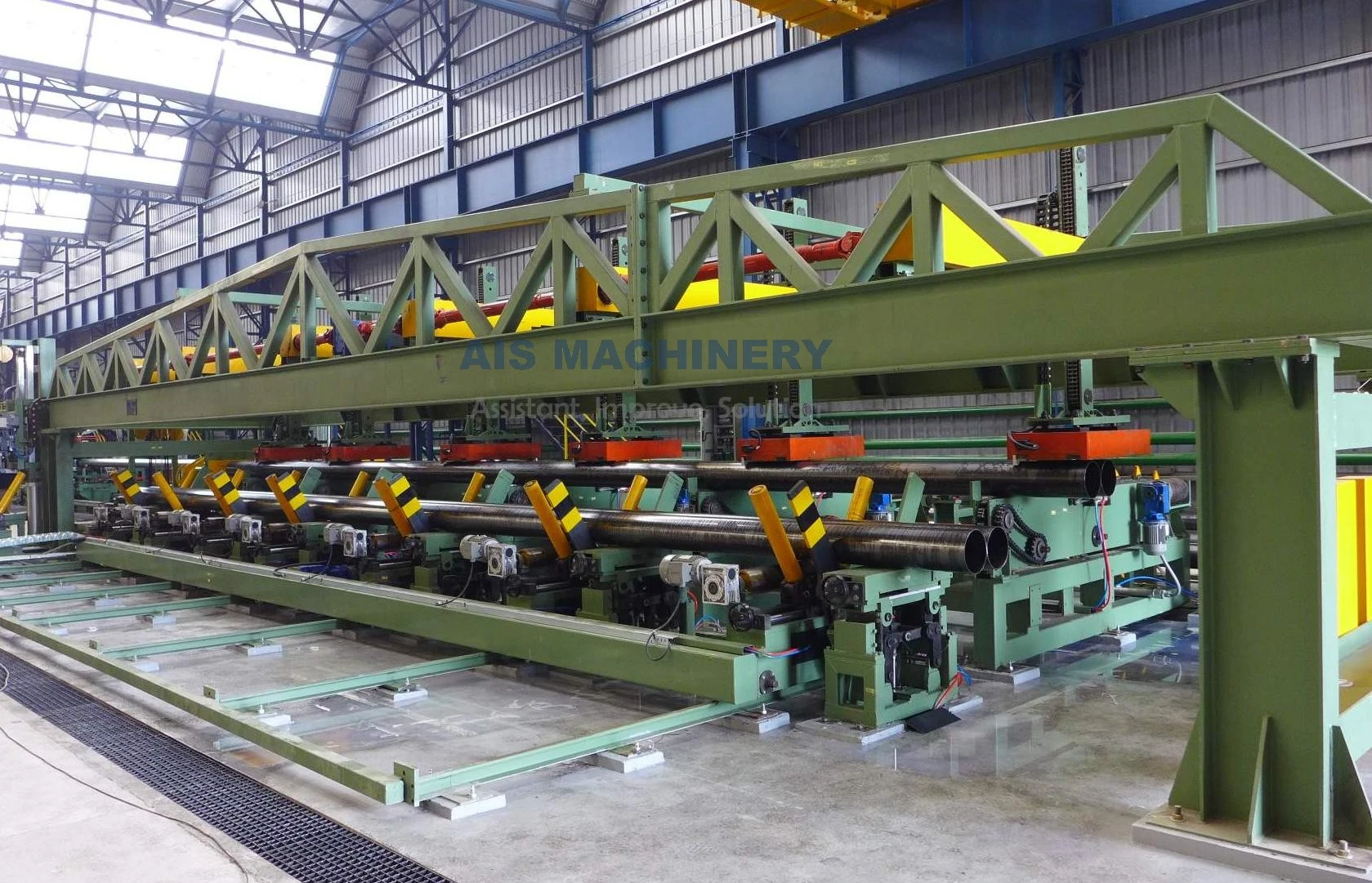
Automatic Stacking Machine (Magnetic Chuck Type)

2026-04-30 09:35:04

Automatic Stacking Machine (Magnetic Chuck Type)

The Automatic Stacking Machine (Magnetic Chuck Type) from AIS Machinery is designed to efficiently collect and stack steel tubes in ERW tube mill production lines. Using electromagnetic lifting, it can pick up multiple tubes at once and place them neatly in layers. This reduces manual labor, improves stacking accuracy, and increases overall production efficiency. It is installed after the flying saw and works seamlessly with the mill line, making it an ideal solution for modern tube manufacturers.
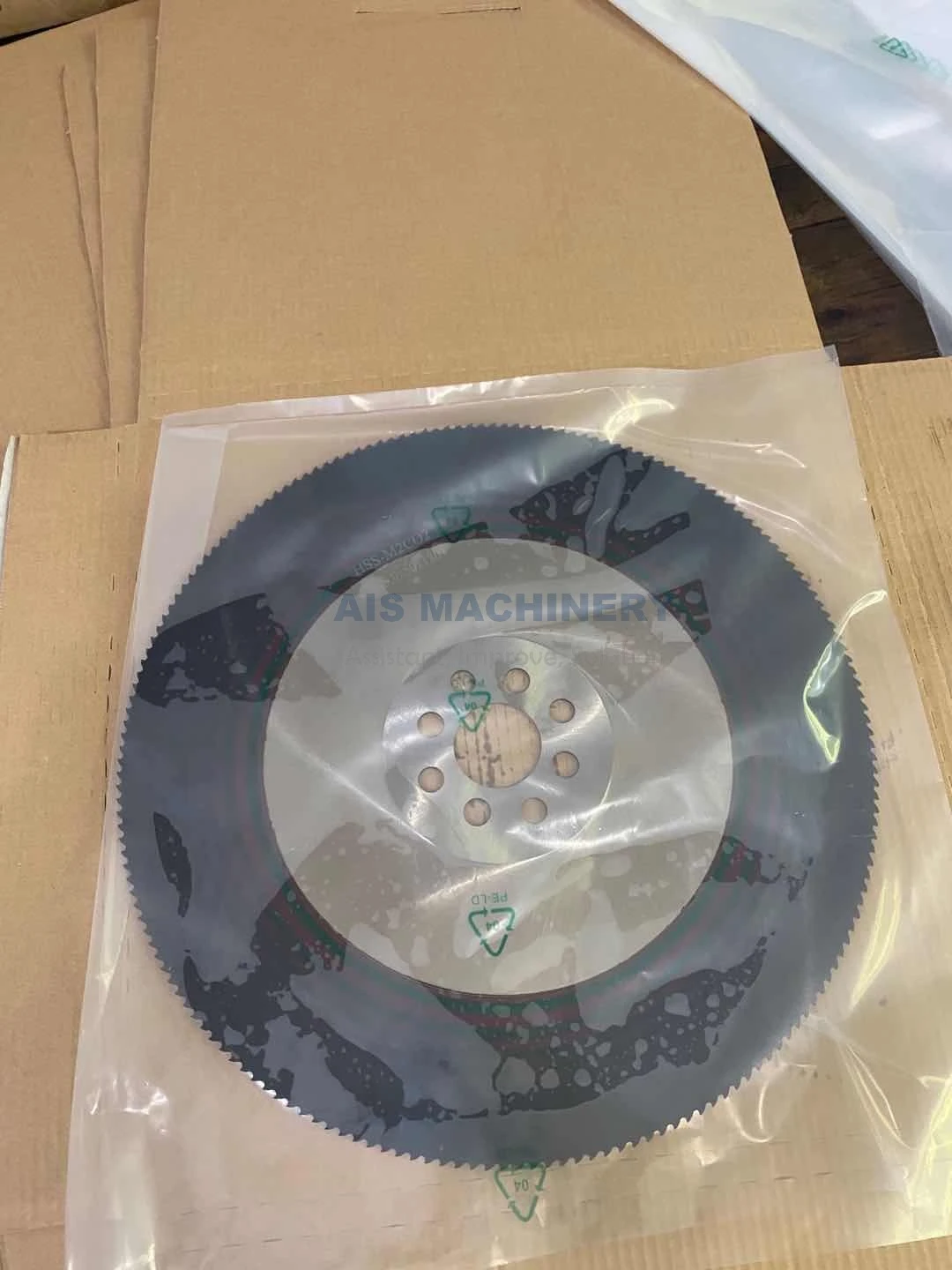
Saw Blade Guide for Tube Mills: Friction vs HSS vs TCT — Which One Should You Choose?

2026-04-28 08:56:05

Saw Blade Guide for Tube Mills: Friction vs HSS vs TCT — Which One Should You Choose?

Confused about friction saw, HSS, and TCT blades? This guide explains their uses in cold saw and friction saw machines, with pros, cons, and expert selection tips.
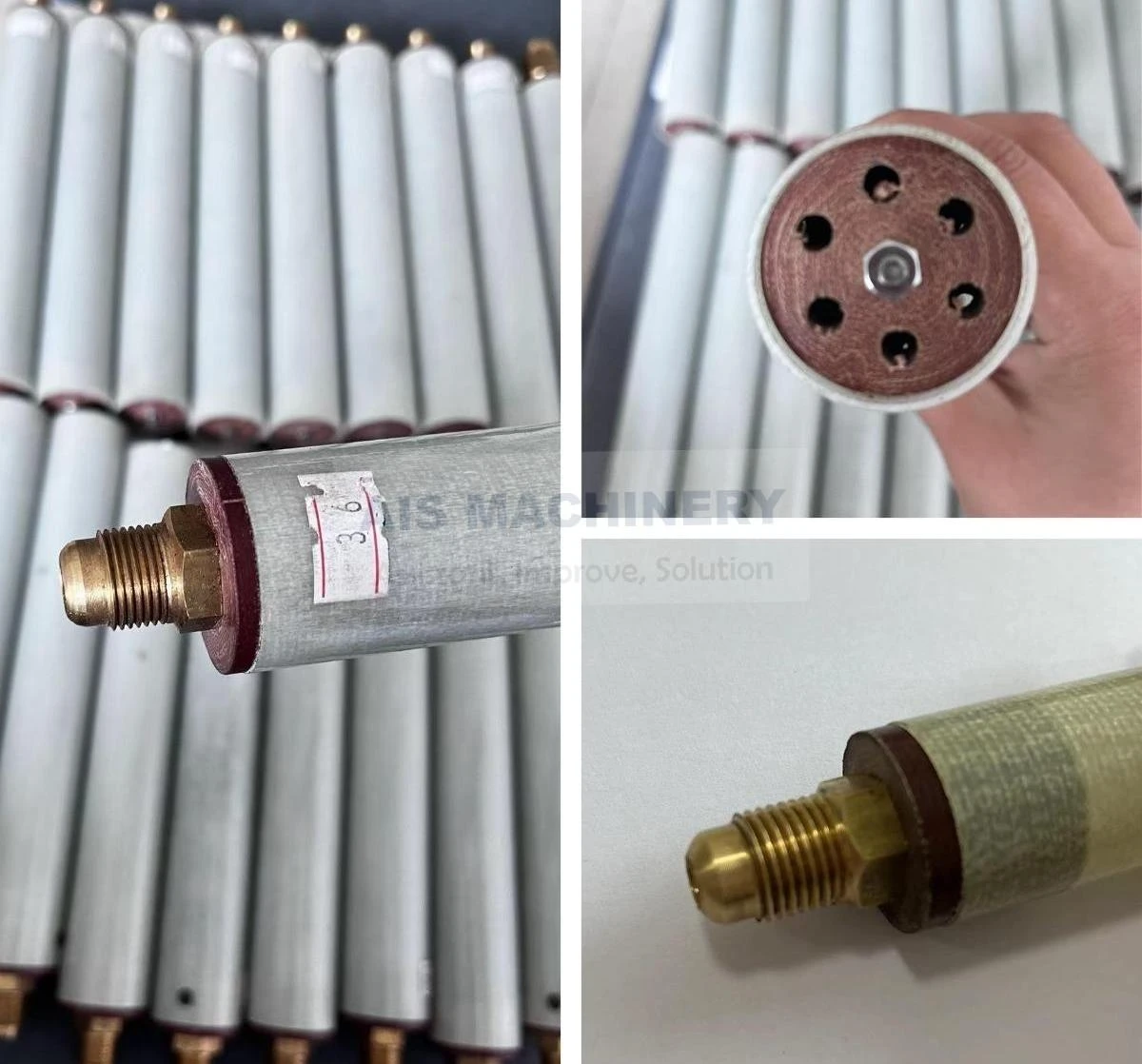
What is an Impeder and Ferrite Rods in ERW Tube Mill?

2026-04-24 08:54:16

What is an Impeder and Ferrite Rods in ERW Tube Mill?

Struggling with impeder overheating or short service life in your ERW tube mill? This guide explains common impeder problems, the role of ferrite rods, and how to choose the right impeder for stable welding performance. Improve weld quality, reduce energy loss, and extend equipment lifespan with the right selection and proper cooling solutions.

Send a Message

Dear customer, thank you for your attention! We provide high-quality machinery and equipment and look forward to your orders. Please inform us of your needs and we will respond quickly!

If you are interested in our products, you can choose to leave your information here, and we will be in touch with you shortly.


en_USEnglish