
-
 Tel:86-15176910262
-

Search

Comprehensive Guide to Cut to Length Line Technology – Efficiency and Precision in Metal Processing
Dec . 14, 2025 02:40
Understanding the Cut to Length Line: Why It Matters in Manufacturing Today
At first glance, a cut to length line might seem like just another piece of industrial machinery — but in global manufacturing and supply chain operations, its significance is far-reaching. Essentially, it’s about precision, efficiency, and tailoring raw materials to exact sizes before they move on in the production chain. From construction steel sheets to automotive parts, mastering the art and technology of a cut to length line means less waste, faster throughput, and higher quality products. As global industries push for smarter, leaner processes, understanding the ins and outs of cut to length lines helps businesses stay competitive, reduce carbon footprints, and meet ever-tighter specs.
Industry Context: Why Cut to Length Lines are a Global Manufacturing Backbone
Globally, metal processing industries contribute trillions to the economy, with the World Steel Association reporting over 1.8 billion tonnes of crude steel production in recent years. That’s where cut to length lines enter the scene — these systems enable raw steel coils to be sliced into flat sheets or strips precisely tailored for downstream applications. The efficiency challenge is clear: without precise cut to length operations, factories risk bottlenecks, excess inventory, and costly rework.
Industries from automotive hubs in Germany to heavy equipment plants in China and sustainable building material manufacturers in Scandinavia rely on cut to length lines to meet diverse operational demands. The International Organization for Standardization (ISO) has even set specific tolerances and test methods for coil processing — underscoring the technology’s global importance.
Mini takeaway:
- Cut to length lines play a pivotal role in global metal working and manufacturing.
- They directly address pressing challenges like efficiency and waste reduction.
What Exactly is a Cut to Length Line?
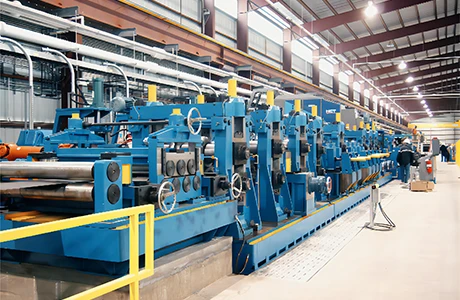
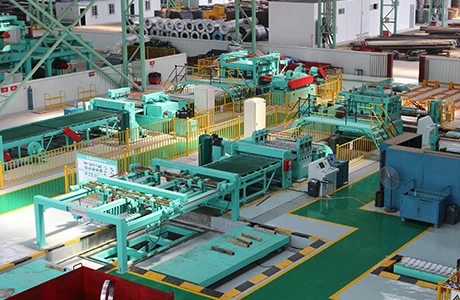
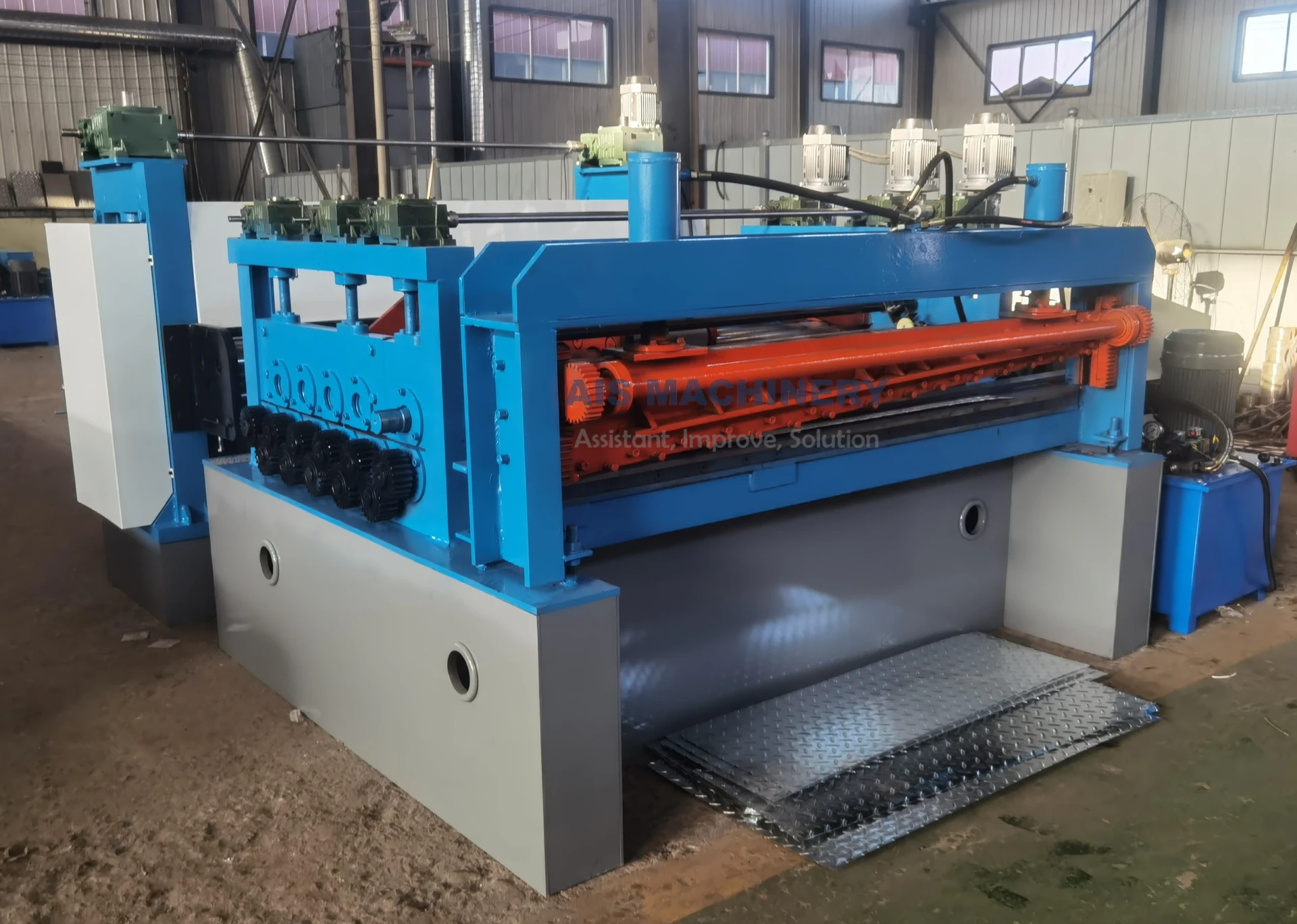
Simply put, a cut to length line is an automated industrial setup that uncoils, flattens, and cuts metal coil into flat sheets or strips of predetermined length. Imagine feeding a raw steel roll straight off the mill’s spinning spool, then watching it smoothly flow through leveling rollers and finally slicing it down with razor-sharp precision — that’s a cut to length line in action.
Its precise ability to convert bulky raw material into exact stock sizes makes it indispensable for modern industries where accuracy and speed matter. Without such lines, manual cutting would be slow, prone to errors, and noisy — just imagine the chaos in a bustling manufacturing floor!
Mini takeaway:
- At its core, a cut to length line transforms metal coils into sized sheets.
- Its automation improves speed, accuracy, and reduces manual labor.
Core Components That Define Cut to Length Lines
1. Coil Handling Equipment
The journey begins with coil loading and uncoiling. Advanced hydraulic decoilers with adjustable brakes and tension control are essential to preventing coil damage and ensuring a smooth feed. You wouldn’t want your precious steel coil kinked or strained at this delicate stage.
2. Leveling Systems
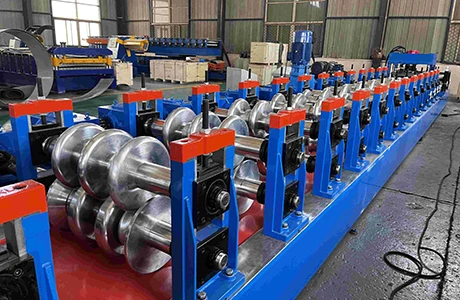
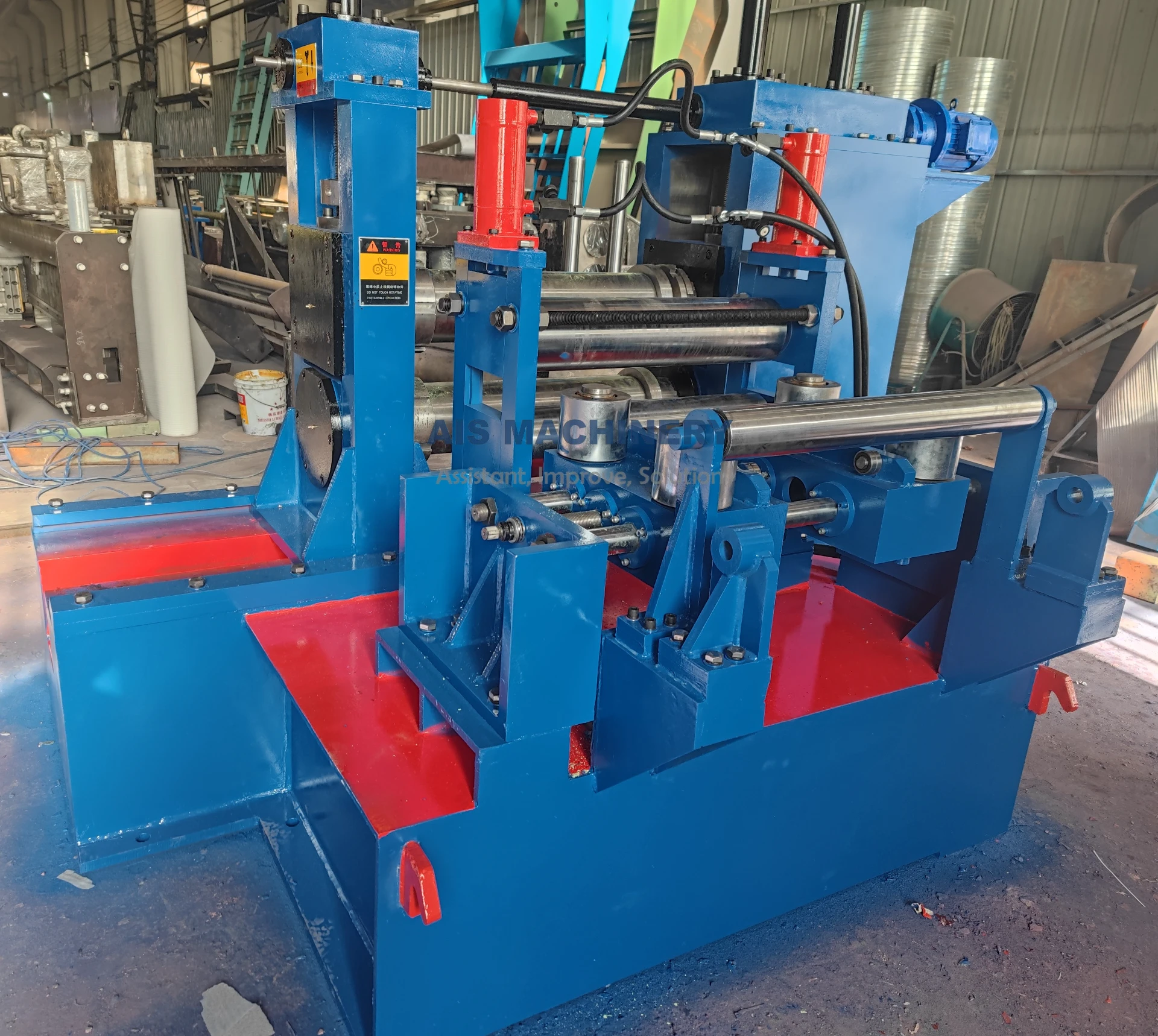
Flatness matters. Whether it’s a few micro-waves or curve distortions, the leveling section employs straightening rolls — sometimes up to 11 rollers — to guarantee the sheet entering the shear is perfectly flat. Many engineers say the leveler’s quality defines the final product’s integrity.
3. Shearing Mechanism
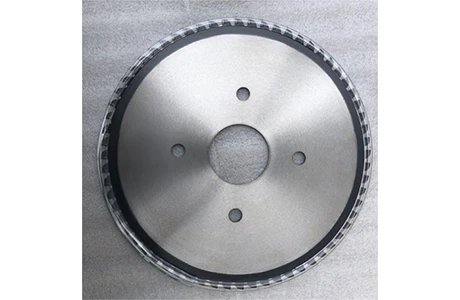
The heart of the cut to length line is the shear. Modern flying shears enable continuous cutting without stopping the line — critical for sustaining production speed. Mechanical, hydraulic, or pneumatic systems all come with trade-offs in speed and maintenance.
4. Control & Automation
Cut to length lines are now equipped with PLCs and industrial automation to synchronize uncoiling, leveling, and cutting. Digital interfaces help operators set cut lengths down to millimeters and monitor line diagnostics in real time — a far cry from the clipboards of decades ago.
5. Stacking & Output
Finally, stacking tables or conveyors receive the cut sheets, arranging them neatly for packaging or downstream processing. Some systems incorporate robotics for palletizing — basically turning cut sheets into ready-to-ship bundles.
Mini takeaway:
- A typical cut to length line has 5 core segments: coil handling, leveling, shearing, control, and stacking.
- Each component must be optimized for material type, thickness, and end-use requirements.
Industry Applications: Where Do Cut to Length Lines Really Make a Difference?
The relevance of cut to length lines extends across multiple industries worldwide:
- Automotive Manufacturing: Car body panels, chassis components, and trim are sourced from sheets precisely cut to customer specs — these lines ensure swift batch changes and minimal scrap.
- Construction Industry: Roofing sheets, framing steel, and metal cladding all depend on flat steel profiles created by cut to length lines.
- Appliance Production: Refrigerator doors, casing sheets, and HVAC components require exact sheet metal sizes cut flawlessly.
- Energy Sector: Wind turbine casings and solar panel frames often begin as flat metal sheared from coils.
- Humanitarian Relief & Infrastructure: In post-disaster reconstruction sites, manufacturers deploy mobile or semi-portable cut to length lines to speed material preparation locally — saving precious time and transport costs.
Mini takeaway:
- Cut to length lines are critical in industries demanding fast, precise flat metal processing.
- They adapt well to on-site or remote operations where speed equals advantage.
Advantages and Long-Term Value of Cut to Length Lines
Let’s talk about the real-world gains:
- Cost Efficiency: Automated cutting drastically reduces manual labor, scrap, and rework — translating into tangible savings.
- Sustainability: By maximizing material yield and minimizing waste, cut to length systems contribute to greener production cycles.
- Quality & Consistency: Precise cut lengths and flatness improve downstream fabrication, reducing defects.
- Speed & Flexibility: The ability to swiftly change cut lengths and batch sizes supports diverse production demands.
- Worker Safety: Reducing manual handling lowers injury risk and fatigue, which also improves morale.
It’s interesting how such industrial efficiency often brings a human dimension — a sense of dignity for operators knowing their work is safer, cleaner, and more respected.
Emerging Trends & Innovations in Cut to Length Line Technology
The cut to length line industry isn’t standing still. Here are some trends reshaping its future:
- Green Technology Integration: Energy-efficient motors and regenerative braking systems reduce power consumption.
- Digital Transformation: Smart sensors and IoT-enabled lines allow predictive maintenance and remote monitoring — if something’s off, the system flags it instantly.
- Material Innovation: Handling new alloys and ultra-high-strength steels demands upgraded rollers and shears to avoid damage.
- Automation & Robotics: Fully automated stacking, palletizing, and even packaging are becoming standard in high-volume plants.
Mini takeaway:
- The combination of sustainability and smart tech will define next-generation cut to length lines.
- Manufacturers who adopt automation enjoy fewer downtime surprises and better throughput.
Common Challenges & How Industry Leaders Address Them
No system is without hurdles. Some recurring challenges include:
- Material Variation: Differences in steel hardness or coil tension can cause jams or poor cuts.
- Maintenance Downtime: Mechanical shears require precise calibration — if neglected, costly breakdowns follow.
- Integration Issues: Incorporating lines into existing plants with varied product lines can be tricky.
Experts suggest a combination of flexible line design, enhanced sensor arrays for real-time adjustments, and proactive maintenance regimes. In fact, some companies schedule maintenance based on machine runtime data rather than fixed intervals — an efficiency hack gaining traction worldwide.
Frequently Asked Questions About Cut to Length Lines
- What’s the key difference between a cut to length line and a slitting line?
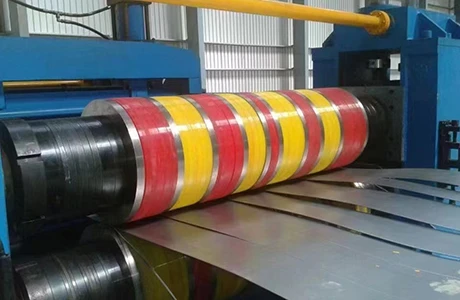
- A cut to length line slices metal coils into flat sheets of specific lengths, while a slitting line cuts coils longitudinally into narrower strips. They're often complementary; if you need sheets rather than strips, you want a cut to length line.
- How precise are cut to length lines in terms of length accuracy?
- Modern cut to length lines can achieve length tolerances as tight as ±0.5 mm, depending on the material and equipment sophistication. This precision is crucial for downstream fabrication.
- Can cut to length lines process coated or galvanized steel?
- Yes, but handling coated materials requires special care with rollers and knives to avoid damaging the surface finish. Many lines have customizable settings for such materials.
- What is the typical throughput of a cut to length line?
- Throughput varies widely; a mid-range line might process 10–30 tons per hour. Factors include material thickness, line speed, and automation level.
- Are portable or mobile cut to length lines available for remote operations?
- Indeed, some vendors offer modular or transportable cut to length lines designed for rapid deployment in remote or disaster relief areas where local metal processing is needed quickly.
Product Specifications at a Glance
| Specification | Typical Range | Comments |
|---|---|---|
| Material Thickness | 0.4 mm – 6 mm | Suitable for steels, aluminum, and stainless steel |
| Max Coil Width | 600 mm – 1700 mm | Dependent on model & customization |
| Cut Length Range | 300 mm – 6000 mm | Variable with flying shear or stop shear setups |
| Line Speed | Up to 120 m/min | Depends on automation & material type |
| Feeding Capacity | Up to 30 tons/hour | Varies by model and coil weight |
Vendor Comparison: Choosing the Right Cut to Length Line Supplier
| Brand | Range of Models | Customization | Support & Service | Average Lead Time |
|---|---|---|---|---|
| AISTubemill | Wide (Standard & custom) | High; tailored solutions | 24/7 remote & onsite support | 6–10 weeks |
| GlobalSteelTech | Medium; modular options | Moderate customization | Business hours support | 10–14 weeks |
| PrecisionCut | Narrow; high-end focus | Custom control systems | Dedicated project managers | 8–12 weeks |
Conclusion
Cut to length lines may not grab headlines like flashy consumer tech, but their role in modern manufacturing is quietly indispensable. The ability to precisely and efficiently slice metal coils into tailored sheets enables a raft of industries to function better, faster, and greener. As competition grows fiercer and sustainability goals press harder, investing in the right cut to length solutions is no longer optional — it’s a strategy for long-term survival. Visit our website to explore advanced cut to length lines that can transform your production process.
Reflecting on the Landscape
Oddly enough, cut to length lines sit at the intersection of tradition and innovation. They are based on well-understood mechanical principles yet continuously evolve with digital control and automation. It feels like this blend is exactly what many industries need as they transition into the future — holding on to reliability, but embracing smarter, cleaner technology.
References

Related Products
Related News
2026-04-15 10:37:55
Flat Bar Production Line for Steel Coils: How It Works & Why It Matters
Looking for a flat bar production line? Learn how it turns steel coils into ready-to-use flat bars with precise length and high straightness. Compare it with slitting lines and get the best solution for your steel processing needs.
2026-04-14 00:00:00
Looking for a Milling Saw for ERW Tube Mill? Here’s What You Need to Know
Looking for a high-performance milling saw for your ERW tube mill? Upgrade to burr-free, high-precision pipe cutting with advanced flying saw technology. Improve efficiency, reduce rework, and meet export standards for carbon steel, stainless steel, and API pipes. Contact us today for expert solutions and competitive pricing tailored to your production needs.
2026-04-09 16:15:19
5-Inch (127mm) ERW Tube Making Machine Delivered with Heavy-Duty Design and Advanced Quick Change System
2027-04-07 00:00:00
Metal Embossing Machine: Turn Flat Sheets into High-Value Textured Products
Discover how a metal embossing machine transforms flat steel, stainless steel, and aluminum sheets into high-value textured products. Learn about its working principle, key components, and applications. Ideal for decorative and industrial use, embossing machines improve both appearance and performance. Explore complete embossing line solutions and find the right machine for your production needs.
2026-04-04 20:37:18
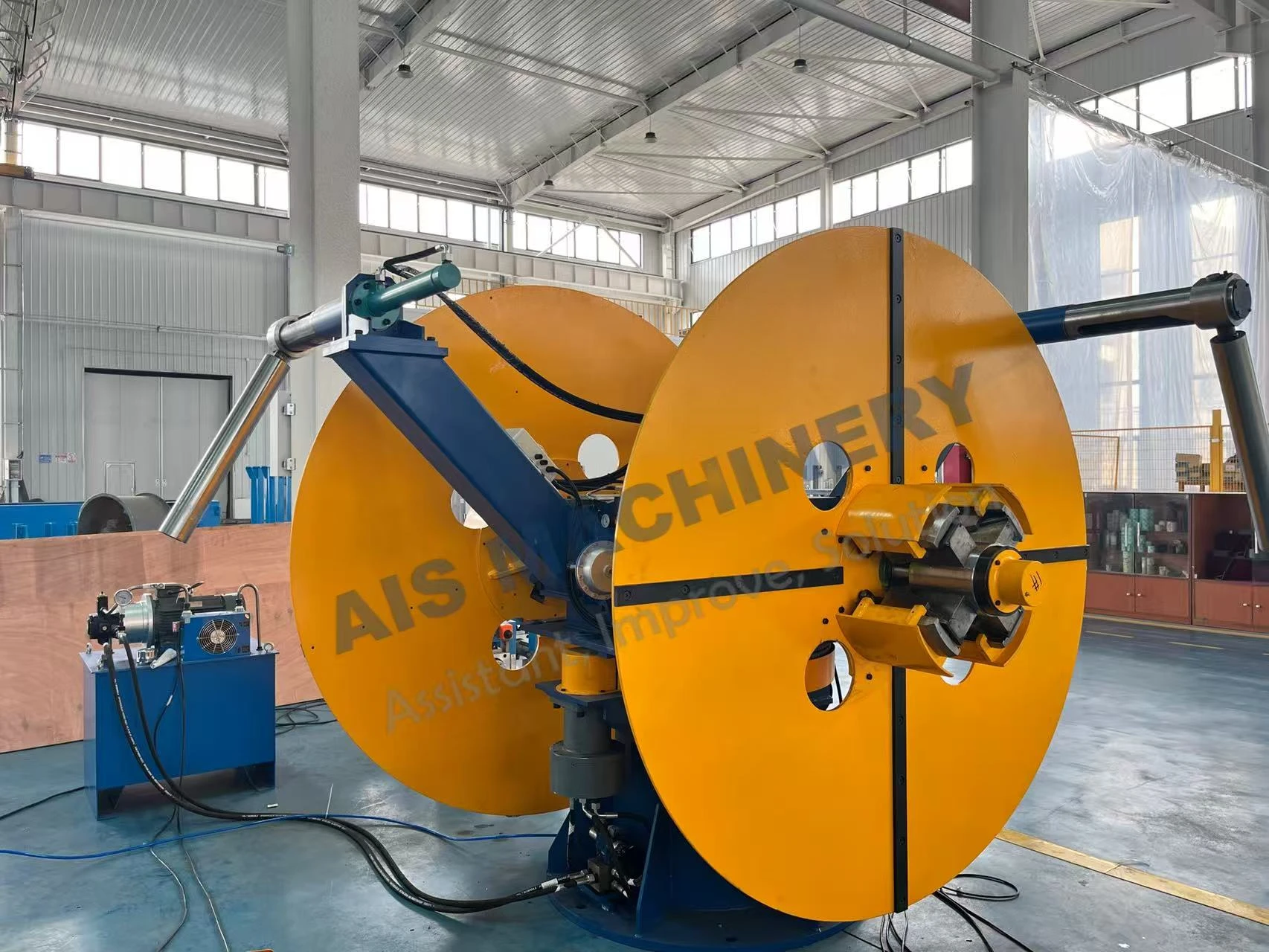
Automatic Double Side Uncoiler with Hydraulic Expansion and Auto Rotation for Steel Coil Processing
The Automatic Double Side Uncoiler is a high-efficiency solution designed for modern steel coil processing lines, including tube mills, roll forming machines, and slitting lines. With a maximum capacity of 4 tons per side, this machine ensures stable and continuous coil feeding while reducing downtime during coil change.
2026-04-04 02:35:29
Exploring Advanced Cold Forming Machines for Efficient Metal Production
In the realm of metal fabrication, cold forming machines are pivotal for efficient and cost-effective production of various metal components. These machines utilize a shaping process at room temperature, offering advantages like enhanced material strength and reduced production costs. This article provides an in-depth look into the world of cold forming machines, covering their types, applications, benefits, and key considerations when choosing the right machine for your needs. Understanding the nuances of these machines is crucial for optimizing manufacturing processes and achieving superior product quality.
2026-04-01 00:00:00
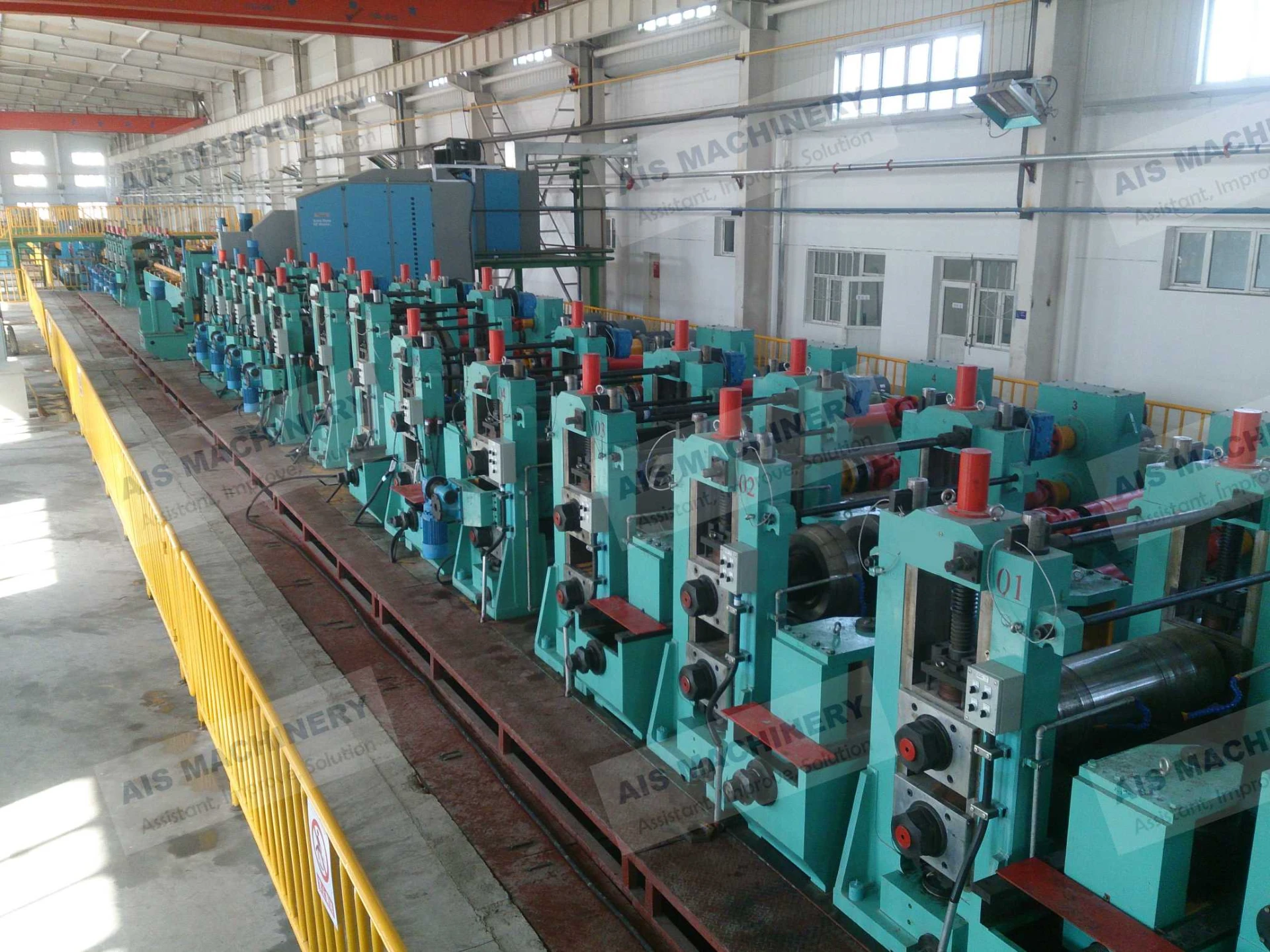
14 Inch 355mm API Tube Mill: Complete Guide to Structure and Production Process
Discover the complete structure of a 14 inch (355mm) API standard tube mill, including forming, welding, sizing, and finishing sections. Learn what API standards mean and why they are essential for oil and gas pipe production. A practical guide for buyers seeking high-quality ERW tube mill solutions with stable performance and international compliance.
2026-03-31 14:01:29
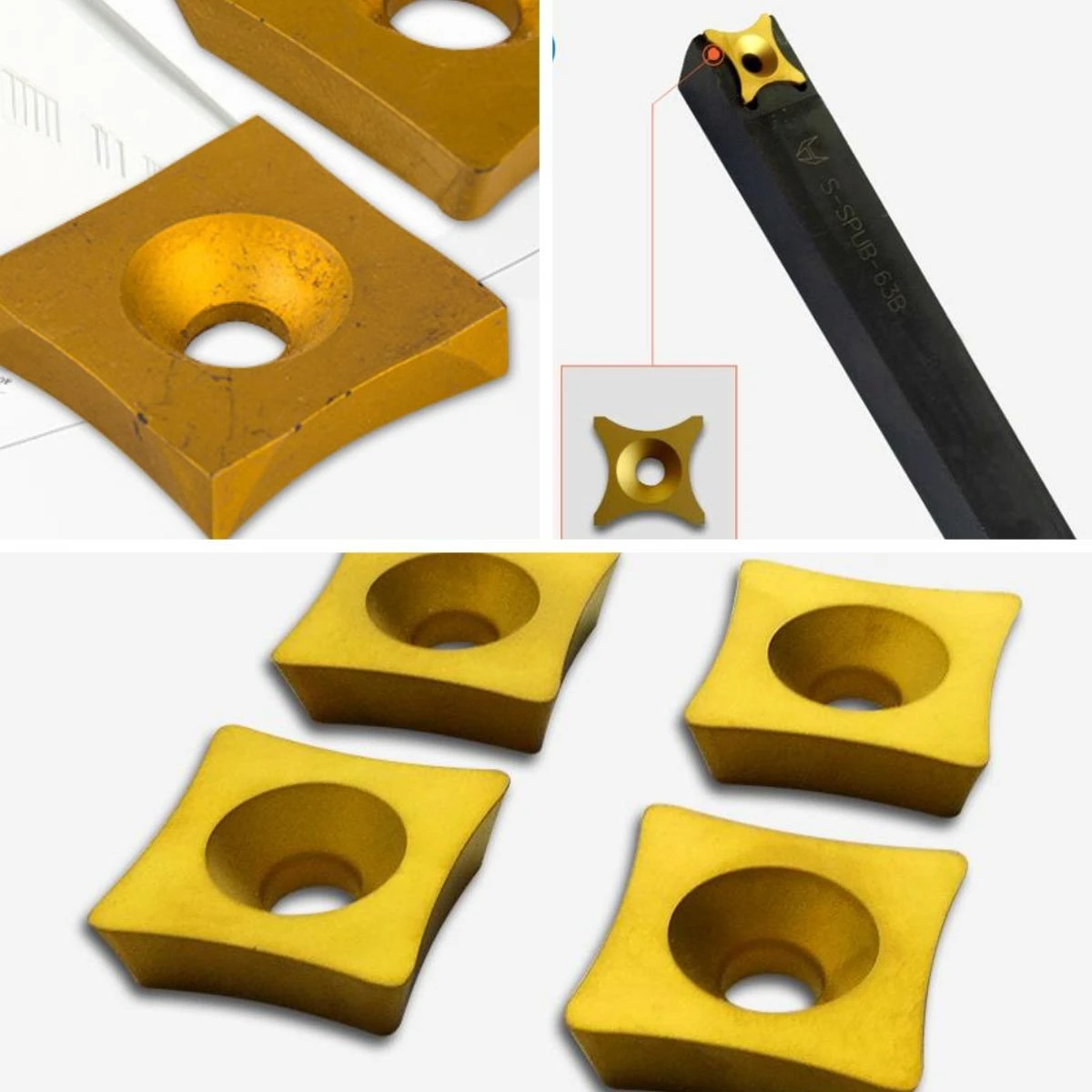
What Is an External Burr Scraper? Types, Benefits & Applications in Tube Mills
Discover how an external burr scraper improves weld seam quality in ERW tube mills. Learn the differences between four-sided and six-sided burr scrapers, their applications, and how to choose the right solution for your production line. Optimize pipe surface finish, reduce defects, and increase efficiency with the right external burr removal tool for your tube and pipe manufacturing process.
Send a Message
Dear customer, thank you for your attention! We provide high-quality machinery and equipment and look forward to your orders. Please inform us of your needs and we will respond quickly!
 English
  Albanian
  Arabic
  French
  German
  Indonesian
  Italian
  Japanese
  Kazakh
  Korean
  Latin
Latin  Macedonian
  Portuguese
  Russian
  Spanish
  Thai
Thai  Turkish
  Ukrainian
  Uzbek
Uzbek