
-
 Tel:86-15176910262
-

Search

ERW Steel Pipe Mill: Expert Review & Vendor Comparison 2024
Jan . 03, 2026 04:30
Exploring the ERW Steel Pipe Mill: A Veteran’s Perspective
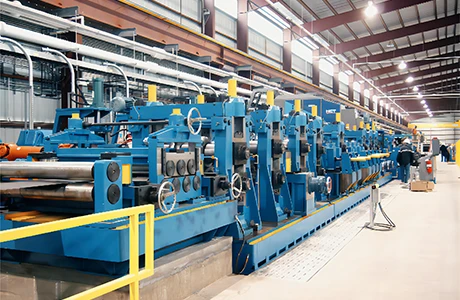
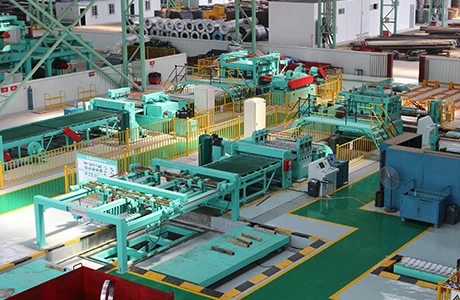
Having spent quite a few years in the industrial equipment sector, I’ve had my fair share of getting hands-on with various steel pipe manufacturing technologies. The one that always stood out in its blend of efficiency and quality is the ERW steel pipe mill. There’s something about how it transforms steel coil into high-strength pipes—quite fascinating if you ask me.
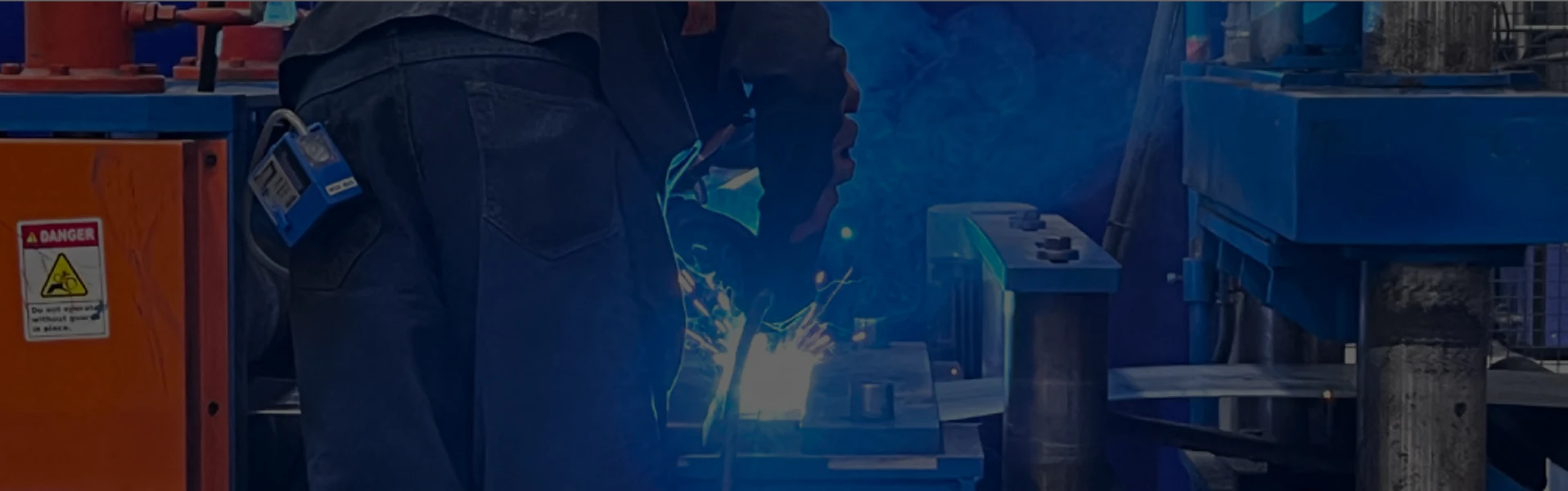
ERW stands for Electric Resistance Welding, a method where steel strip is rolled and then welded longitudinally under electric resistance. What I find intriguing, frankly, is how this process allows mills to churn out consistent, reliable pipes without melting the steel fully. This means you get a strong bonded seam with minimal thermal distortion, which has a big impact on downstream performance and durability.
In real terms, this tech revolutionized pipe manufacturing about 40-50 years ago, especially for applications where cost and uniformity matter—think oil and gas pipelines, structural purposes, or even water delivery systems. I remember a project where a client switched from traditional seamless pipes to ERW-made ones. They were skeptical at first, but once the pipes passed rigorous hydrostatic and ultrasonic testing, the switch saved them about 20% on costs and reduced lead times significantly. It felt like a win on multiple fronts.
Key Specs of a Typical ERW Steel Pipe Mill
| Specification | Details |
|---|---|
| Pipe Diameter Range | 21.3 mm to 168.3 mm (outer diameter) |
| Wall Thickness | 2 mm to 20 mm |
| Production Speed | Up to 120 m/min |
| Steel Grade Compatibility | Carbon steel, low alloy steel |
| Welding Method | High-frequency electric resistance welding |
| Testing Integrated | Ultrasonic, hydrostatic, and eddy current tests |
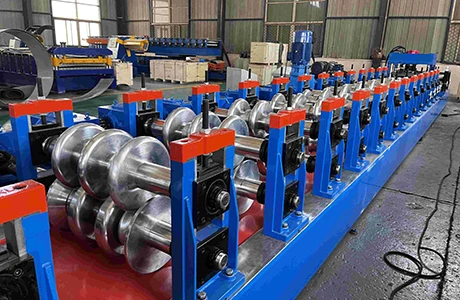
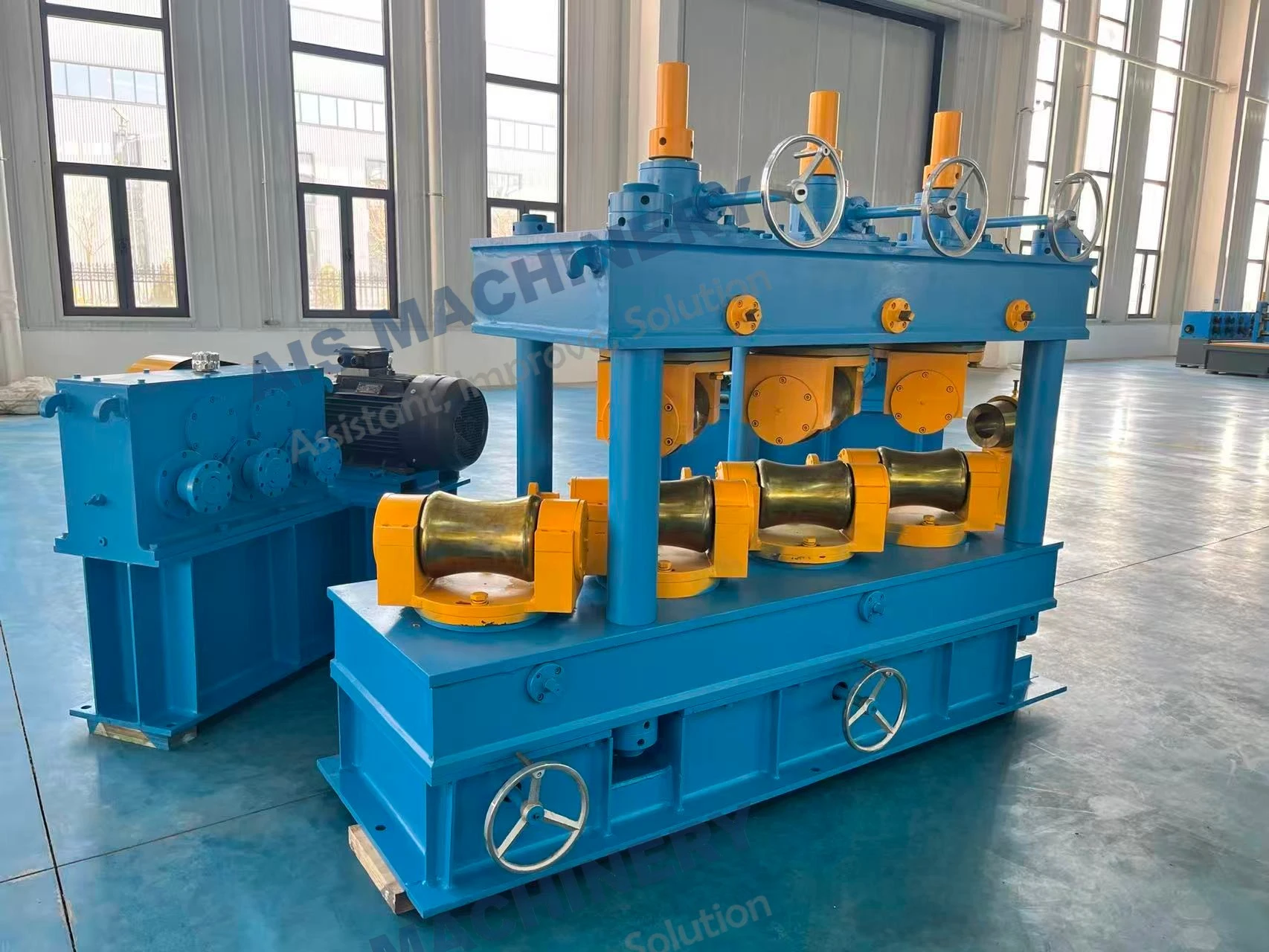
One thing worth underlining about ERW pipe mills is their adaptability. Since the machinery uses steel coils, switching pipe diameters can happen relatively quickly by adjusting mandrels and rollers. That flexibility matters, especially to shops handling varied customer demands across agricultural, construction, or automotive industries.
Comparing Top ERW Steel Pipe Mill Vendors
| Vendor | Production Speed | Pipe Diameter Range | Customization Options | After-Sales Service |
|---|---|---|---|---|
| AISTUBEMILL | Up to 120 m/min | 21.3–168.3 mm | Various mandrel and roller sets | Comprehensive 24/7 online support |
| Vendor B | Up to 100 m/min | 25–150 mm | Standard customization | Regional service centers |
| Vendor C | 80 m/min | 20–130 mm | Limited | Standard business hours support |
A quick anecdote — I once worked with a manufacturer who was deciding between these vendors for their mill setup. What tipped the scale towards the mill from AISTUBEMILL was the support package and higher max speed potential. They needed a mill that sustained quality yet handled a growing order book. Turned out to be a good call — operation stayed reliably smooth for years.
Of course, no tech is perfect. ERW welding seams require very stringent inspection to catch defects early. The good news is the integration of ultrasonic and eddy current testing in modern mills makes catching flaws almost routine. And that’s key, because reliability in this business isn’t optional.
Overall, the ERW steel pipe mill remains a cornerstone technology, marrying speed, quality, and cost-effectiveness. If you’re in the market for a new line, seriously consider the options here. I suppose the real trick is balancing throughput with your specific pipe specs—and vendor support can make or break that equation.
I hope these insights help you grasp the practical side of ERW pipe mill tech — thanks for reading.
References:
- Industry reports on ERW pipe manufacturing processes (Steel Tube World, 2021)
- Product manuals and test data sheets from leading ERW mill vendors
- First-hand operational experience with pipe manufacturing plants (various 2010-2023)

Related Products

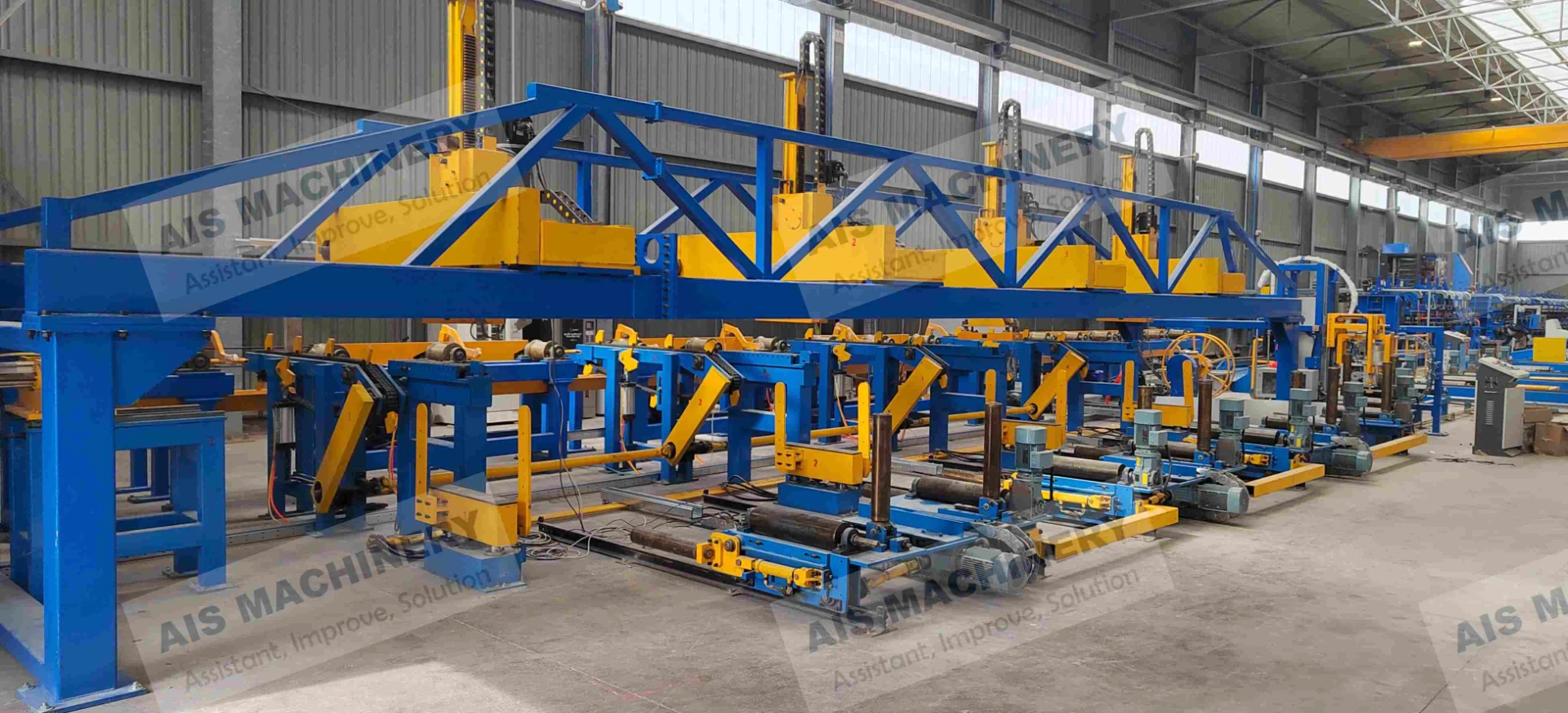
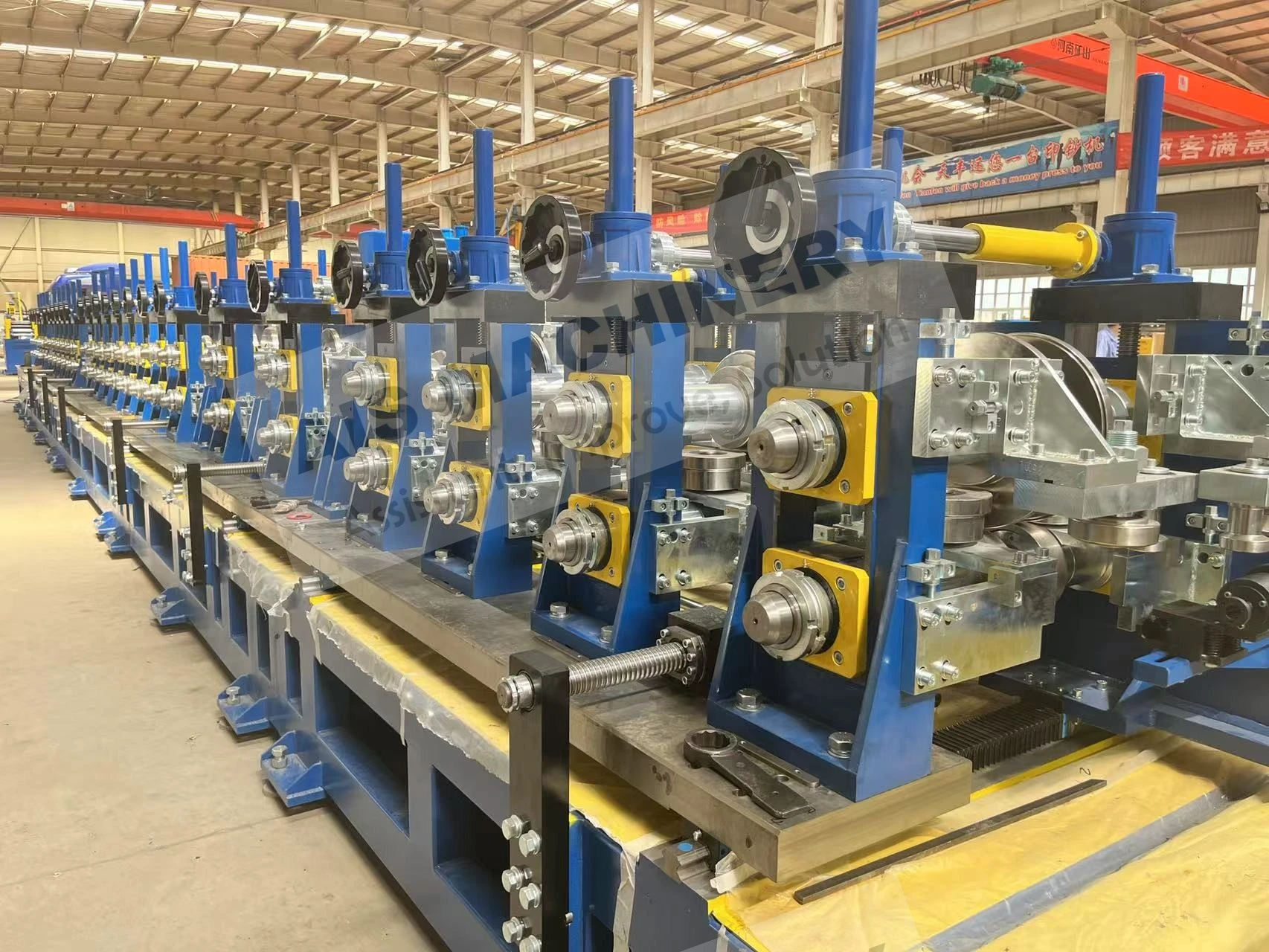
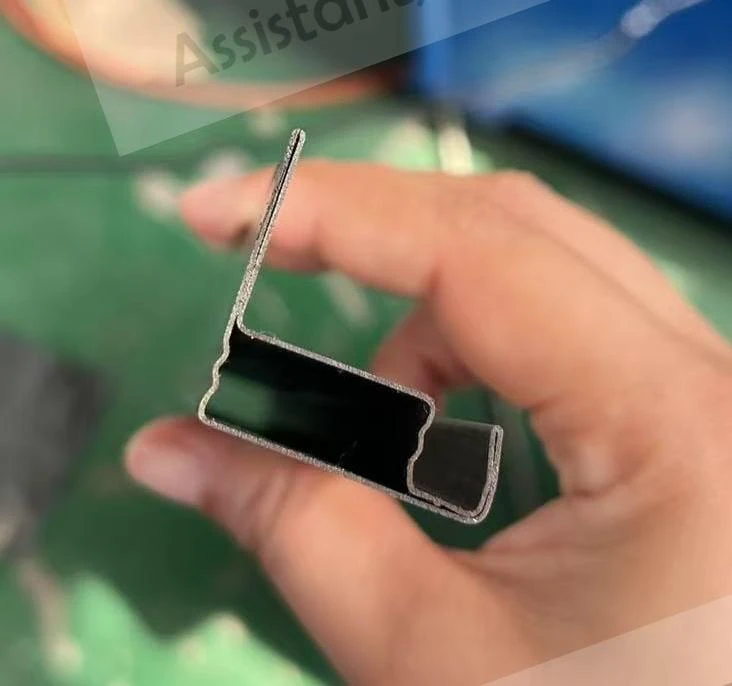
Related News
2026-04-18 03:20:20
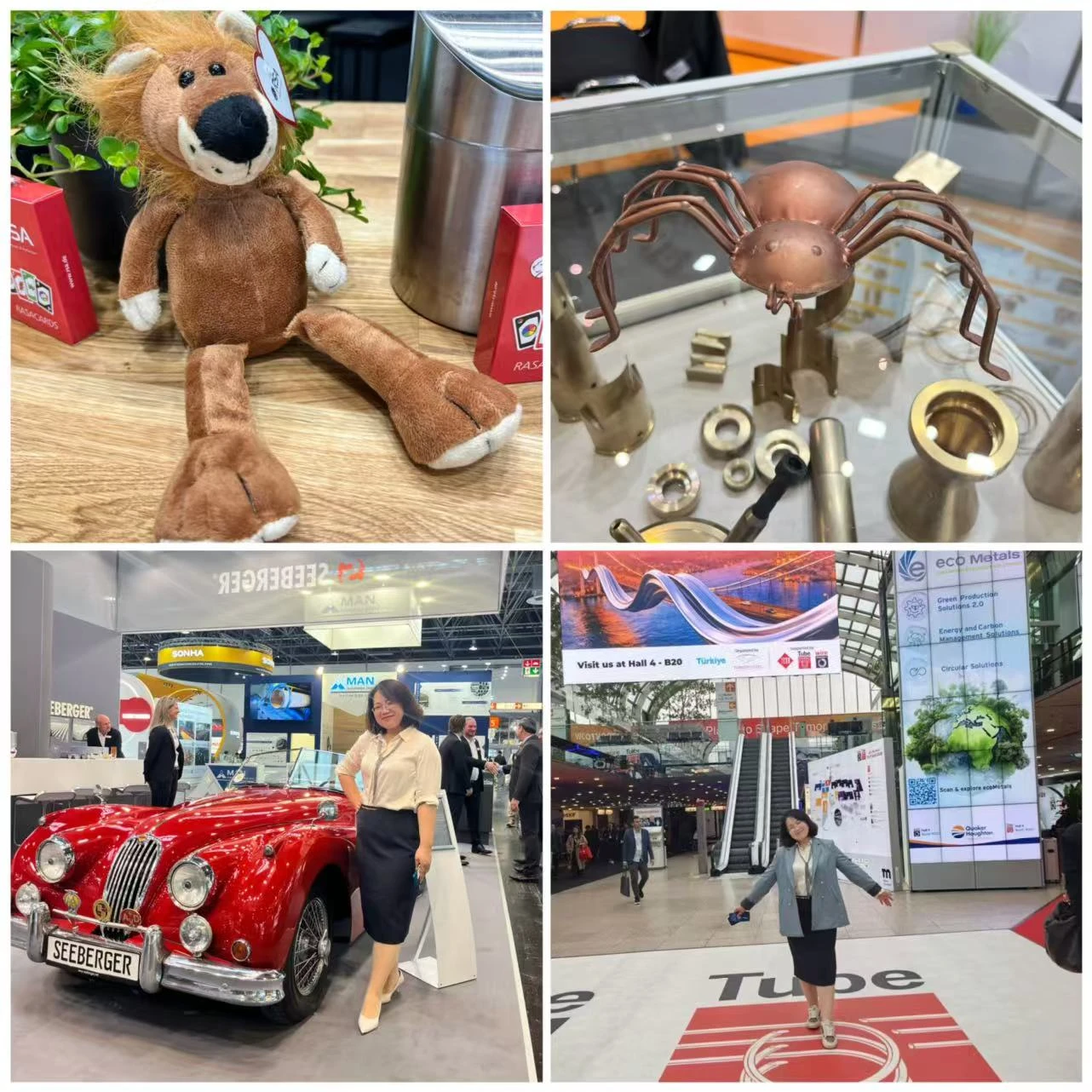
AIS Machinery Showcases Advanced Tube Solutions at Tube & Wire Düsseldorf 2026
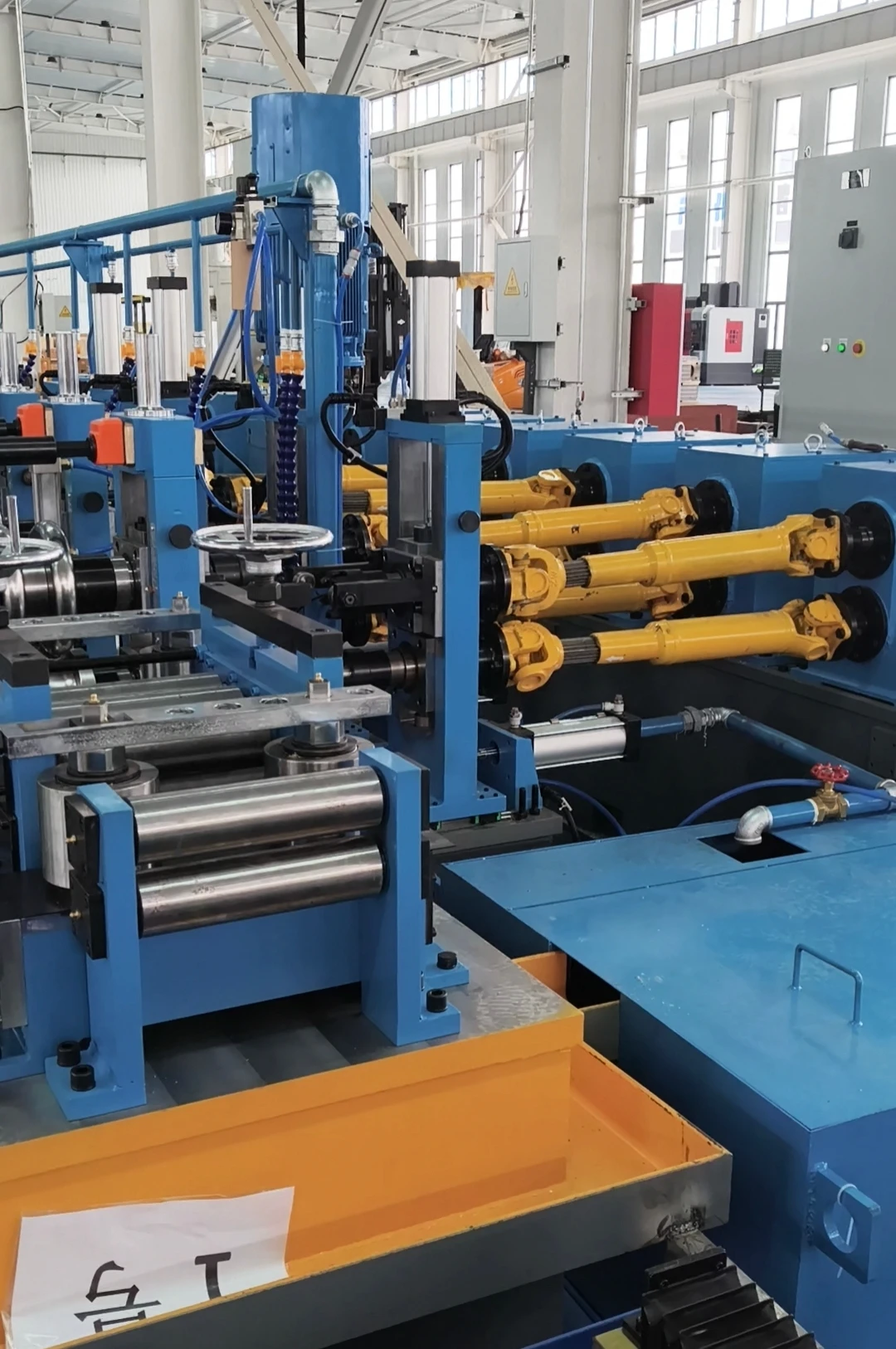
Tube & Wire Düsseldorf 2026, one of the most influential exhibitions in the global tube and wire industry, held biennially in Düsseldorf, Germany
2027-04-17 00:00:00
Southeast Asia Client Visits Our Factory | Customized Tube Mill Solution Delivered
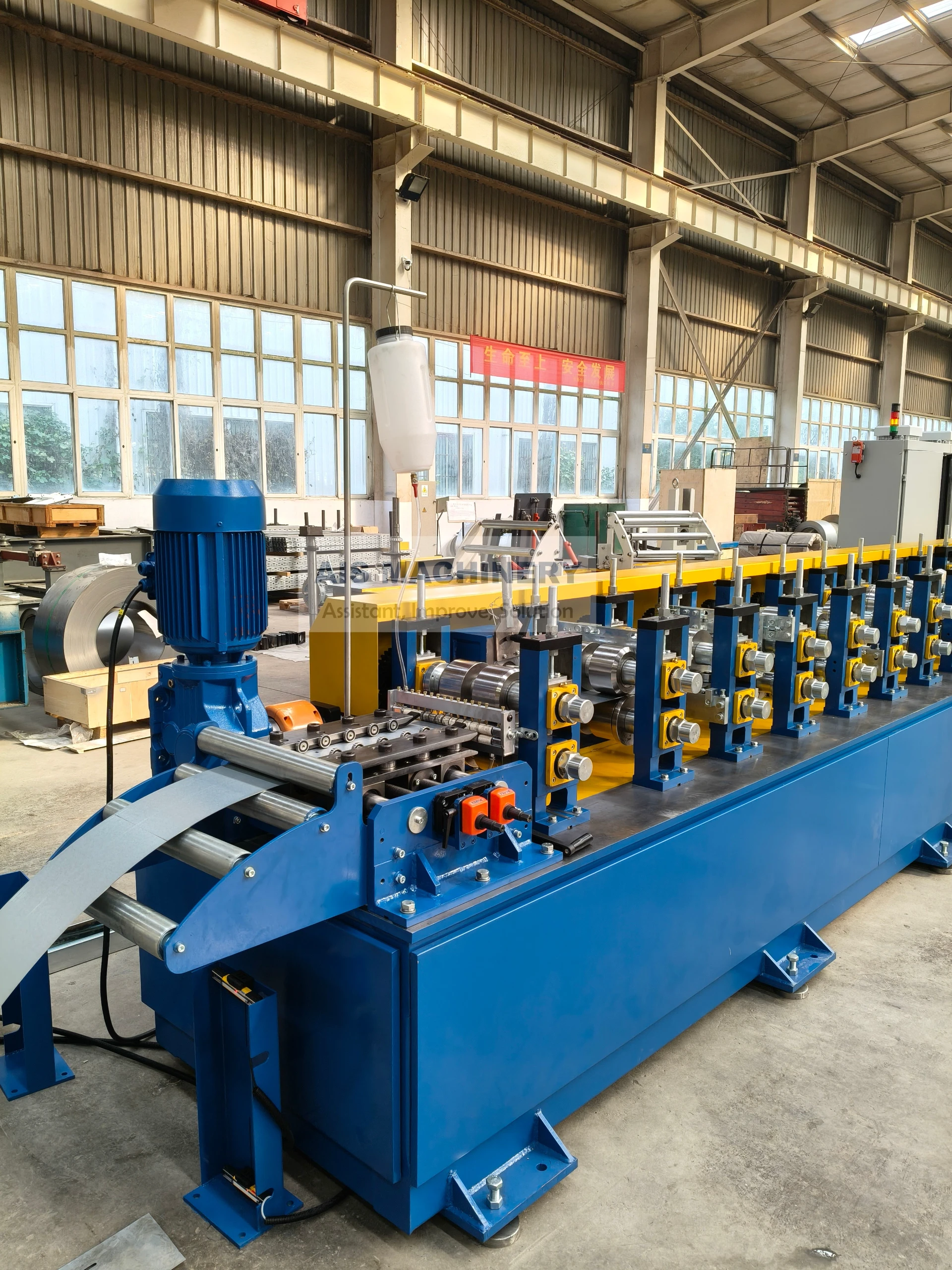
A Southeast Asia client visited our ERW tube mill factory to inspect production lines and discuss a customized tube mill solution. Impressed by our machine quality, welding performance, and engineering support, the client confirmed strong cooperation intentions. Discover how our ERW tube mill solutions improve efficiency, precision, and long-term production reliability.
2026-04-16 02:35:12
Professional Cold Roll Forming Machine Factory for Production
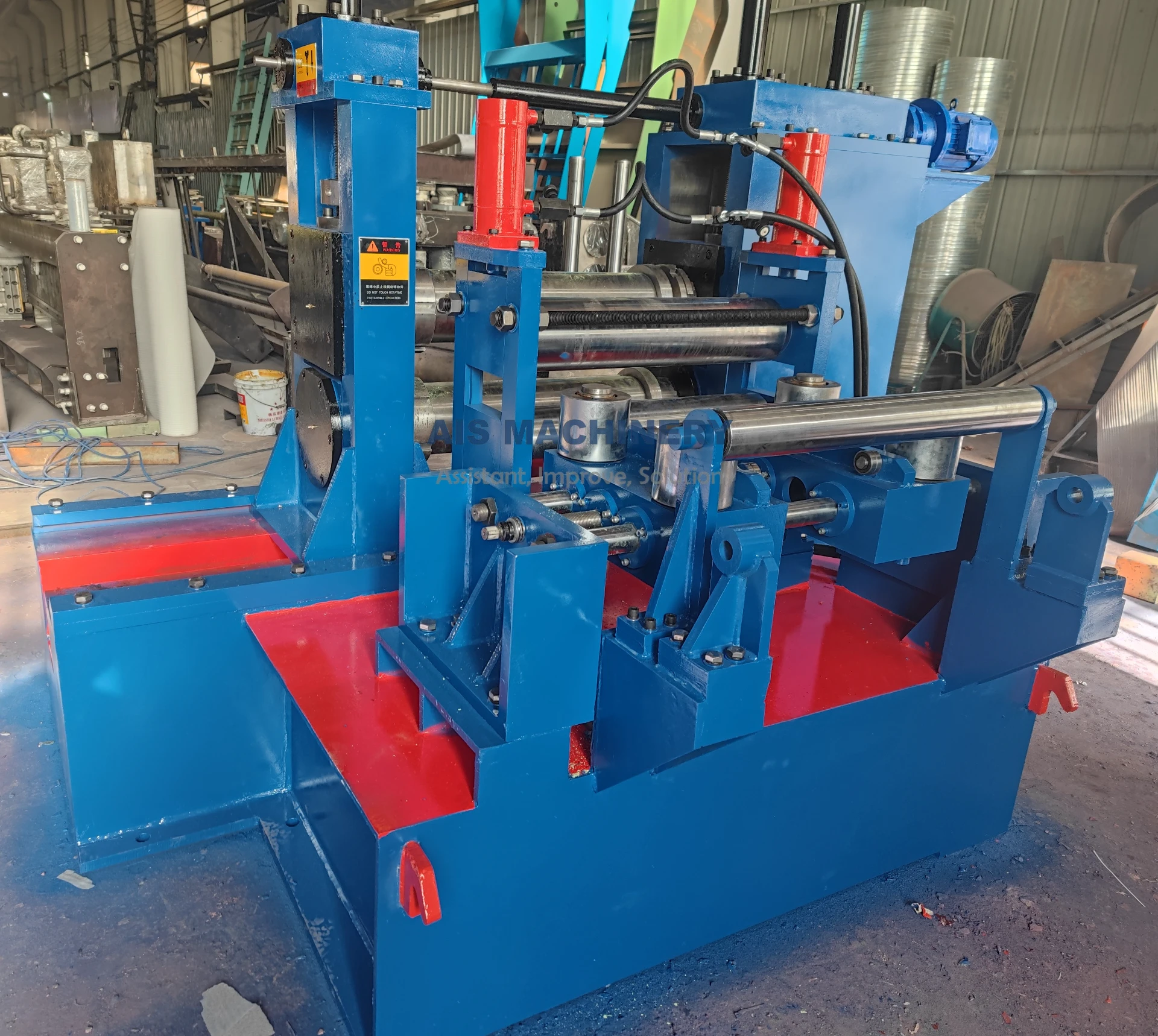
In the modern industrial landscape, the precision of metal shaping is the cornerstone of quality manufacturing. Partnering with a professional cold roll forming machine factory is essential for businesses looking to optimize their production lines, reduce material waste, and ensure high-dimensional accuracy. Whether you are producing C-channels, square tubes, or custom profiles, the choice of machinery determines your competitive edge in the market. This guide will explore the critical factors in selecting a factory and the technical advantages of advanced roll forming technology to help you make an informed investment.
2026-04-15 10:37:55
Flat Bar Production Line for Steel Coils: How It Works & Why It Matters
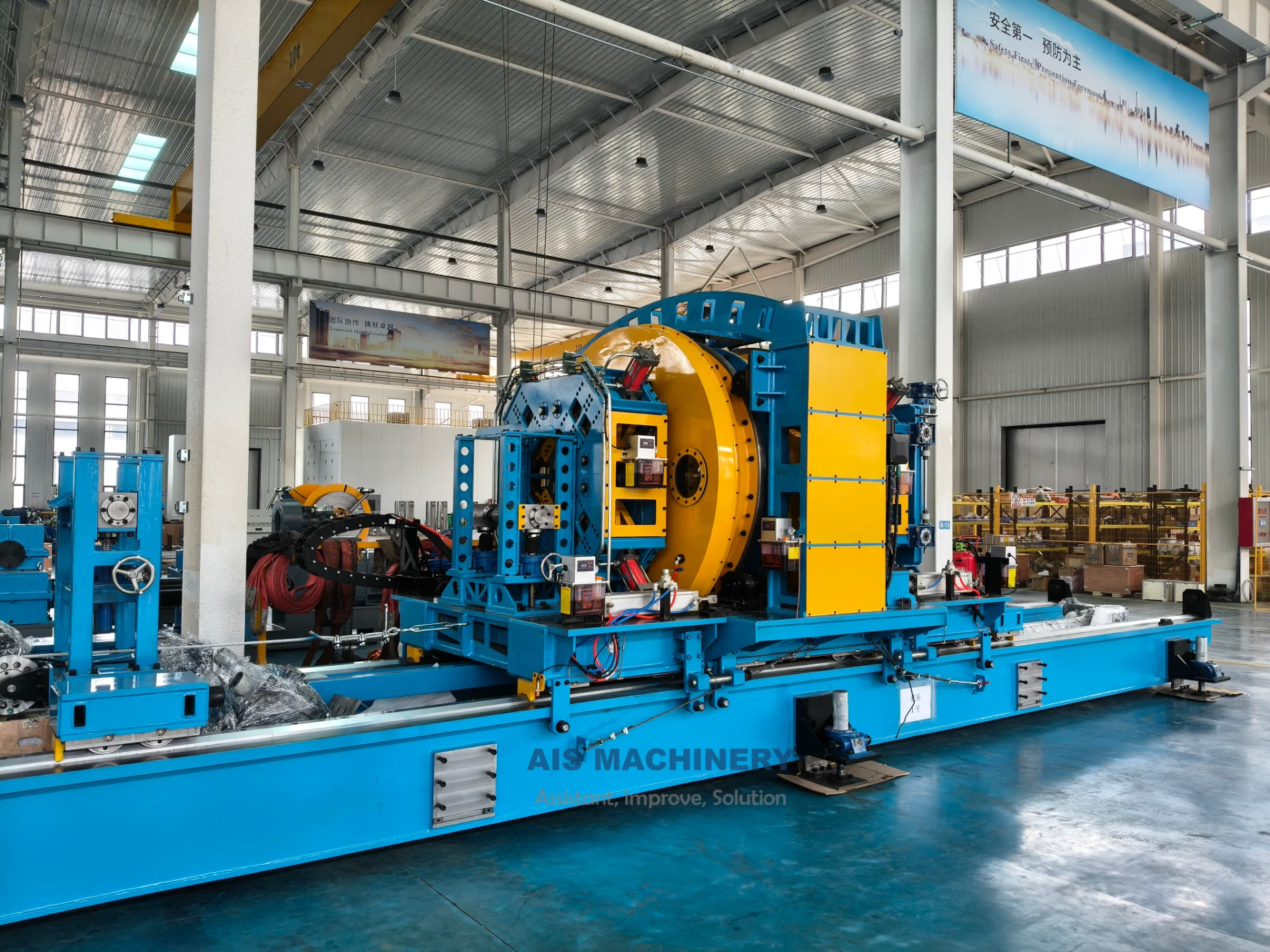
Looking for a flat bar production line? Learn how it turns steel coils into ready-to-use flat bars with precise length and high straightness. Compare it with slitting lines and get the best solution for your steel processing needs.
2026-04-14 00:00:00
Looking for a Milling Saw for ERW Tube Mill? Here’s What You Need to Know
Looking for a high-performance milling saw for your ERW tube mill? Upgrade to burr-free, high-precision pipe cutting with advanced flying saw technology. Improve efficiency, reduce rework, and meet export standards for carbon steel, stainless steel, and API pipes. Contact us today for expert solutions and competitive pricing tailored to your production needs.
2026-04-09 16:15:19
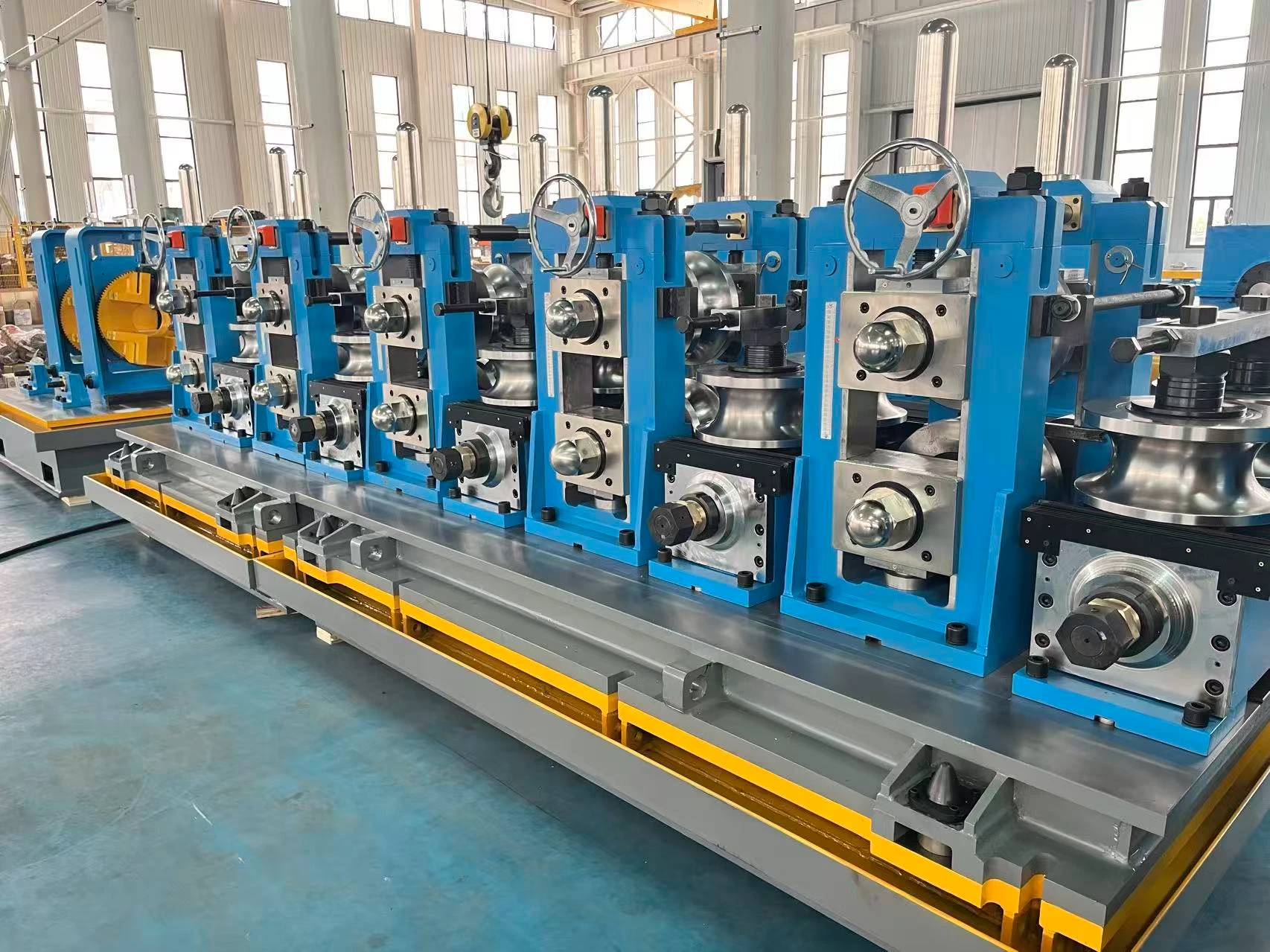
5-Inch (127mm) ERW Tube Making Machine Delivered with Heavy-Duty Design and Advanced Quick Change System
2027-04-07 00:00:00
Metal Embossing Machine: Turn Flat Sheets into High-Value Textured Products
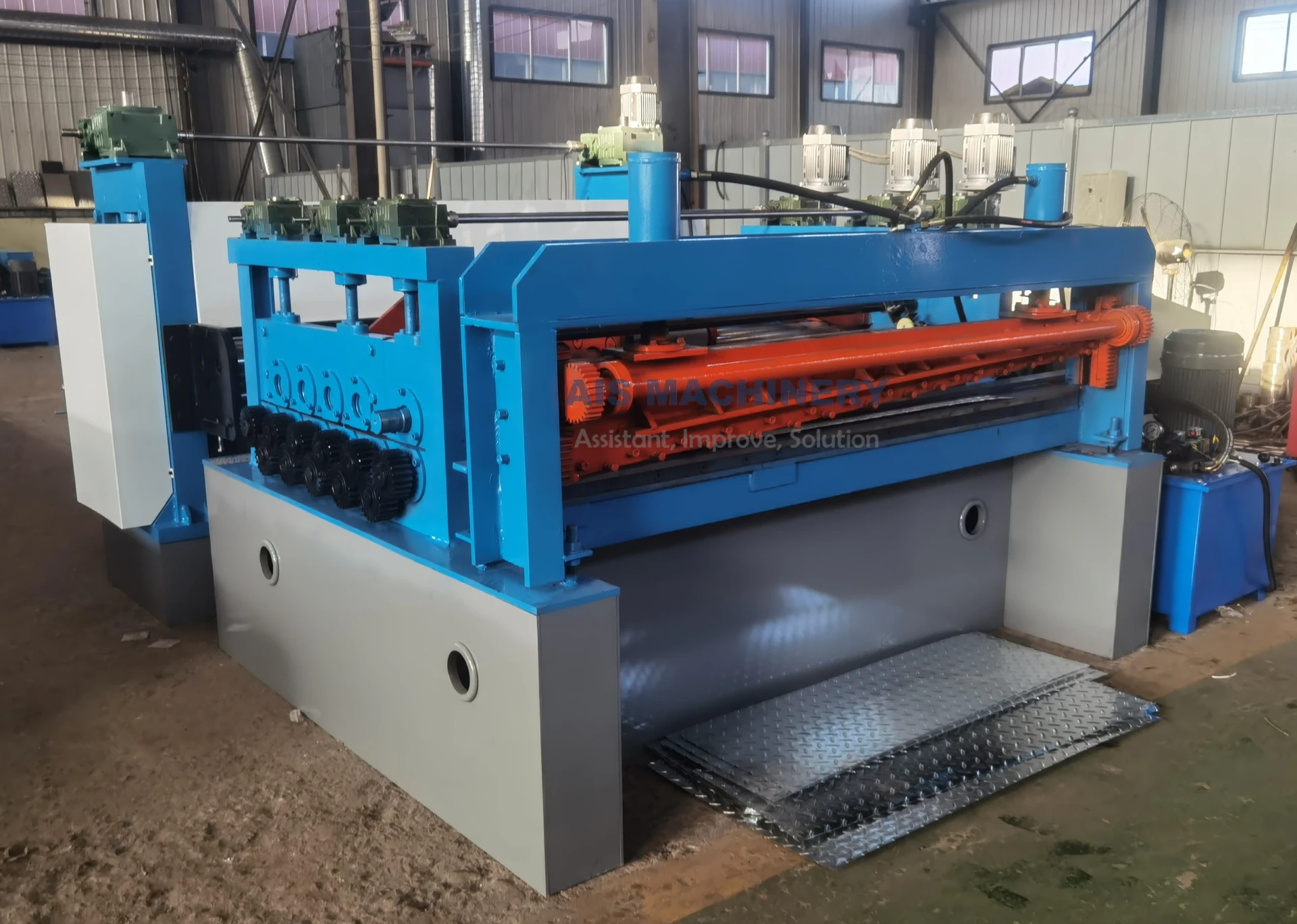
Discover how a metal embossing machine transforms flat steel, stainless steel, and aluminum sheets into high-value textured products. Learn about its working principle, key components, and applications. Ideal for decorative and industrial use, embossing machines improve both appearance and performance. Explore complete embossing line solutions and find the right machine for your production needs.
2026-04-04 20:37:18
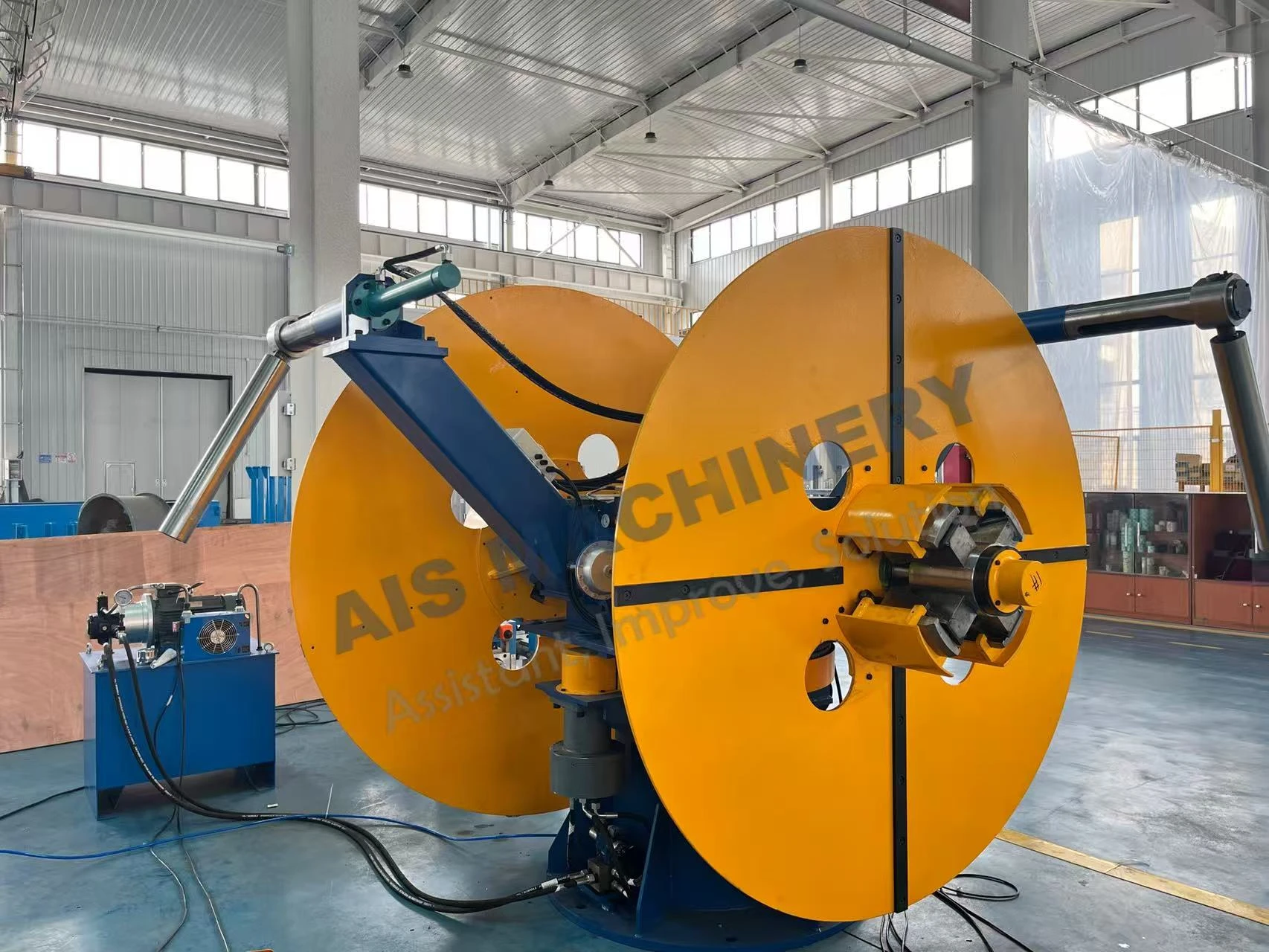
Automatic Double Side Uncoiler with Hydraulic Expansion and Auto Rotation for Steel Coil Processing
The Automatic Double Side Uncoiler is a high-efficiency solution designed for modern steel coil processing lines, including tube mills, roll forming machines, and slitting lines. With a maximum capacity of 4 tons per side, this machine ensures stable and continuous coil feeding while reducing downtime during coil change.
Send a Message
Dear customer, thank you for your attention! We provide high-quality machinery and equipment and look forward to your orders. Please inform us of your needs and we will respond quickly!
 English
  Albanian
  Arabic
  French
  German
  Indonesian
  Italian
  Japanese
  Kazakh
  Korean
  Latin
Latin  Macedonian
  Portuguese
  Russian
  Spanish
  Thai
Thai  Turkish
  Ukrainian
  Uzbek
Uzbek