
-
 Tel:86-15176910262
-

Search

Optimize CrossBorder Trade with a Proactive Run Out Table Strategy
Mar . 14, 2026 02:35
Maximize Efficiency: Understanding the 'Run Out Table' in Cross-Border Trade
In the dynamic world of cross-border trade, efficient inventory management is paramount. A critical tool for achieving this is the 'run out table' – a data-driven approach to forecasting demand and minimizing stockouts. This article delves into what a run out table is, how it functions, its benefits, and how it can significantly optimize your supply chain. AISTubeMill helps businesses streamline their operations, and understanding tools like the run out table is key to success. We’ll explore how leveraging this strategy can lead to increased profitability and customer satisfaction.

What Exactly is a Run Out Table?
A run out table is essentially a structured spreadsheet or database that helps predict when a specific product will likely be out of stock, given current sales rates and lead times for replenishment. It's a core component of demand planning, particularly useful for businesses dealing with products that have fluctuating demand. The table typically includes columns for product ID, current stock levels, daily/weekly sales rates, lead time from supplier, and a calculated 'run out date'. Effectively, it's a proactive alert system, allowing businesses to order more stock before they run out, thereby avoiding lost sales and customer dissatisfaction.
Key Takeaway: A run out table transforms reactive inventory management into a proactive system, minimizing stockouts and maximizing sales opportunities.
The Mechanics of a Run Out Table: A Step-by-Step Guide
Creating and utilizing a run out table involves a few simple steps. First, you need accurate data. This includes real-time stock levels, historical sales data (at least several months, ideally a year or more), and confirmed lead times from your suppliers. Next, calculate the average daily or weekly sales rate for each product. Then, multiply the lead time (in days or weeks) by the sales rate to determine how much stock will be consumed during the replenishment period. Finally, subtract this consumed stock from the current stock level. The resulting number indicates when the product is expected to run out. Regularly updating this table – ideally daily or weekly – is crucial to maintain its accuracy.
Essential Data Points:
• Product ID
• Current Stock Level
• Daily/Weekly Sales Rate
• Supplier Lead Time
• Run Out Date
Run Out Table vs. Traditional Inventory Methods
Traditional inventory management often relies on reorder points—ordering when stock falls below a certain level. However, this method is reactive and doesn't account for fluctuations in demand. A run out table, conversely, is predictive. It considers the time it takes to replenish stock, allowing for more informed ordering decisions. Compared to simple 'first-in, first-out' (FIFO) or 'last-in, first-out' (LIFO) methods, the run out table provides a more dynamic and accurate assessment of inventory needs, particularly valuable in cross-border trade where lead times are often longer and more variable. AISTubeMill’s solutions integrate seamlessly with these forecasting tools.
Implementing a Run Out Table for Cross-Border Trade: Unique Considerations
Cross-border trade adds complexities to inventory management. Longer lead times due to shipping and customs clearance are common. Fluctuations in exchange rates can impact profitability. And unforeseen disruptions, like port congestion or political instability, can drastically alter supply chains. Therefore, a run out table for cross-border trade must incorporate these factors. It's prudent to build in a safety stock buffer to account for unexpected delays. Regularly monitoring geopolitical events and potential disruptions is also crucial. Accurate Incoterms understanding (who is responsible for shipping costs and risk) is vital for calculating lead times.
Tools & Technology for Streamlining Your Run Out Table
While a simple spreadsheet can suffice for small businesses, larger operations will benefit from dedicated inventory management software. Many ERP (Enterprise Resource Planning) systems include built-in run out table functionality. Cloud-based solutions offer real-time data visibility and collaboration. Integrating your run out table with your e-commerce platform and supplier portals can automate the ordering process and reduce manual errors. AISTubeMill’s integrated solutions help to facilitate this seamless flow of information.
Conclusion: Empowering Your Business with Proactive Inventory Management
The 'run out table' is a powerful tool for businesses engaged in cross-border trade. By proactively forecasting demand and optimizing inventory levels, you can minimize stockouts, reduce costs, and enhance customer satisfaction. Embracing this data-driven approach is essential for achieving a competitive edge in today's global marketplace.
Frequently Asked Questions (FAQs)
How often should I update my run out table?
The frequency of updates depends on the volatility of your demand and the length of your lead times. For products with stable demand and short lead times, a weekly update may suffice. However, for products with fluctuating demand or long lead times, daily updates are recommended. Real-time integration with sales data can automate this process. It's better to err on the side of more frequent updates to ensure accuracy.
What if my actual sales deviate significantly from the predicted sales rate?
Significant deviations indicate a problem with your forecasting. Investigate the cause – could it be a marketing promotion, a seasonal trend, a competitor’s action, or an inaccurate sales history? Adjust your sales rate calculations accordingly. Consider using more sophisticated forecasting methods that incorporate seasonality and other relevant factors. Regularly review and refine your forecasting model.
How much safety stock should I include in my run out table?
The amount of safety stock depends on the variability of your lead time and demand. Higher variability requires higher safety stock. A common rule of thumb is to calculate safety stock based on the standard deviation of demand during the lead time, multiplied by a service level factor (e.g., 1.645 for a 95% service level). Also, consider potential disruptions in your supply chain when determining your safety stock levels, especially for cross-border trade.

Related Products



Related News

2026-04-18 03:20:20
AIS Machinery Showcases Advanced Tube Solutions at Tube & Wire Düsseldorf 2026
Tube & Wire Düsseldorf 2026, one of the most influential exhibitions in the global tube and wire industry, held biennially in Düsseldorf, Germany
2027-04-17 00:00:00
Southeast Asia Client Visits Our Factory | Customized Tube Mill Solution Delivered
A Southeast Asia client visited our ERW tube mill factory to inspect production lines and discuss a customized tube mill solution. Impressed by our machine quality, welding performance, and engineering support, the client confirmed strong cooperation intentions. Discover how our ERW tube mill solutions improve efficiency, precision, and long-term production reliability.
2026-04-16 02:35:12
Professional Cold Roll Forming Machine Factory for Production
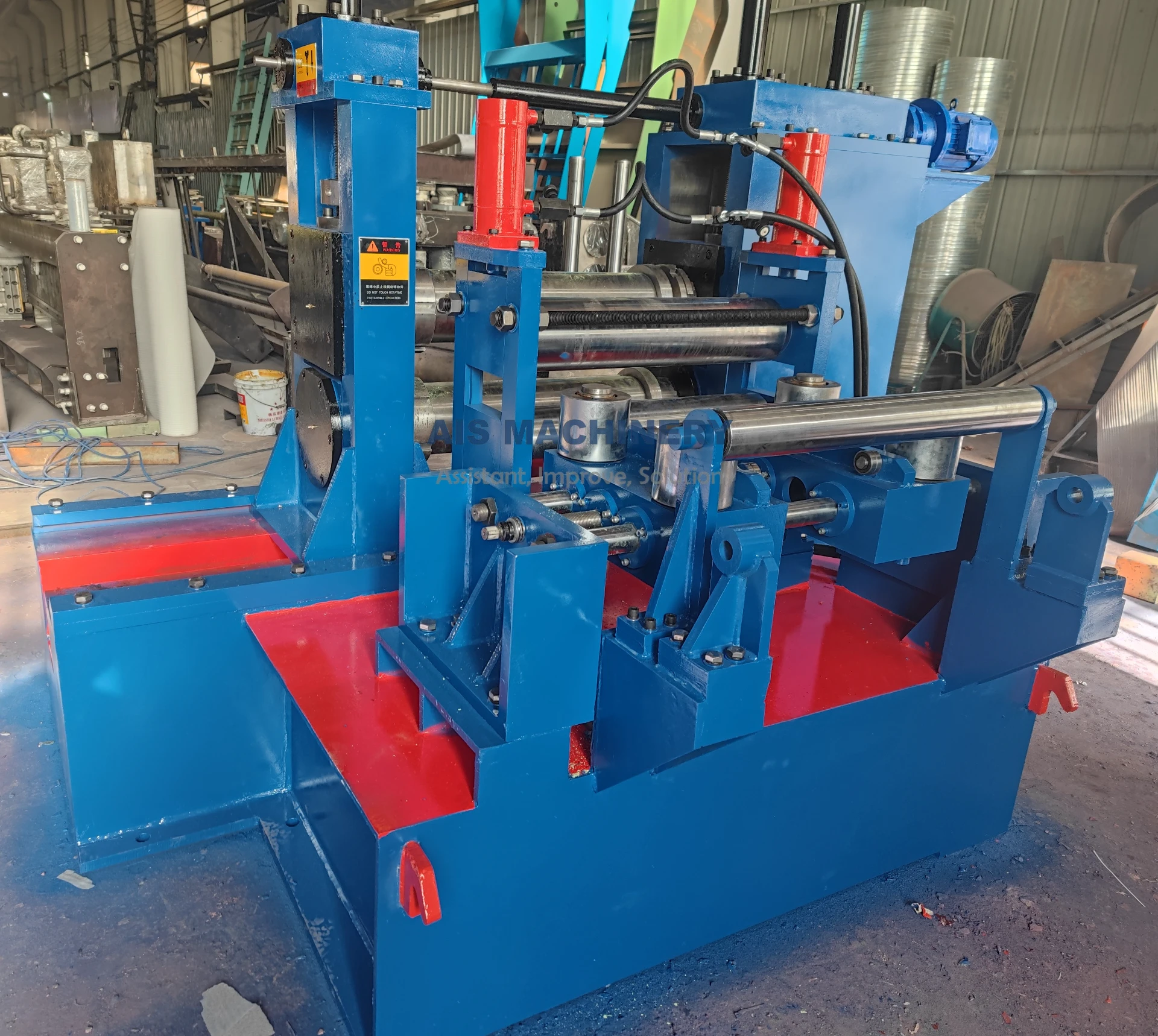
In the modern industrial landscape, the precision of metal shaping is the cornerstone of quality manufacturing. Partnering with a professional cold roll forming machine factory is essential for businesses looking to optimize their production lines, reduce material waste, and ensure high-dimensional accuracy. Whether you are producing C-channels, square tubes, or custom profiles, the choice of machinery determines your competitive edge in the market. This guide will explore the critical factors in selecting a factory and the technical advantages of advanced roll forming technology to help you make an informed investment.
2026-04-15 10:37:55
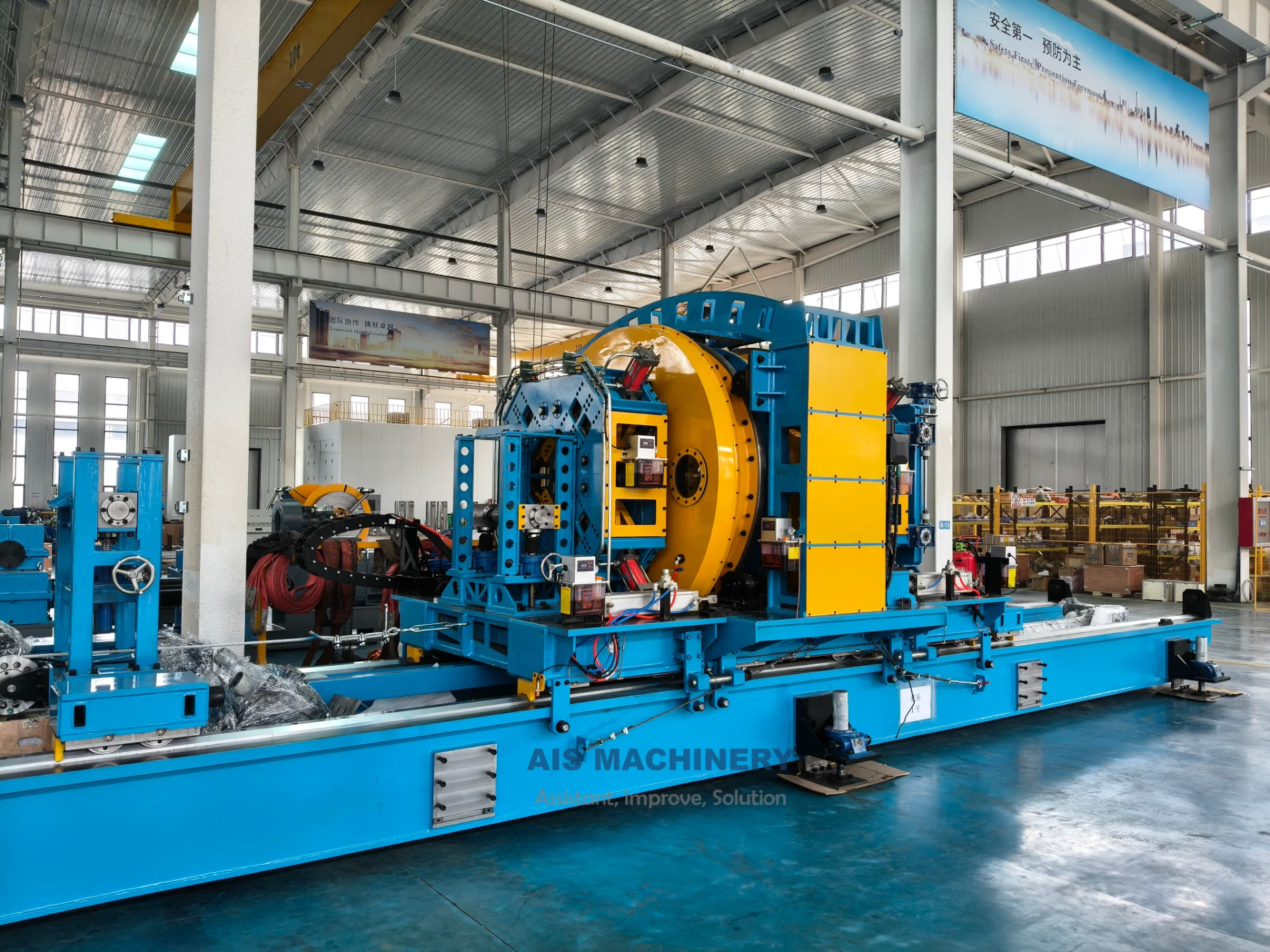
Flat Bar Production Line for Steel Coils: How It Works & Why It Matters
Looking for a flat bar production line? Learn how it turns steel coils into ready-to-use flat bars with precise length and high straightness. Compare it with slitting lines and get the best solution for your steel processing needs.
2026-04-14 00:00:00
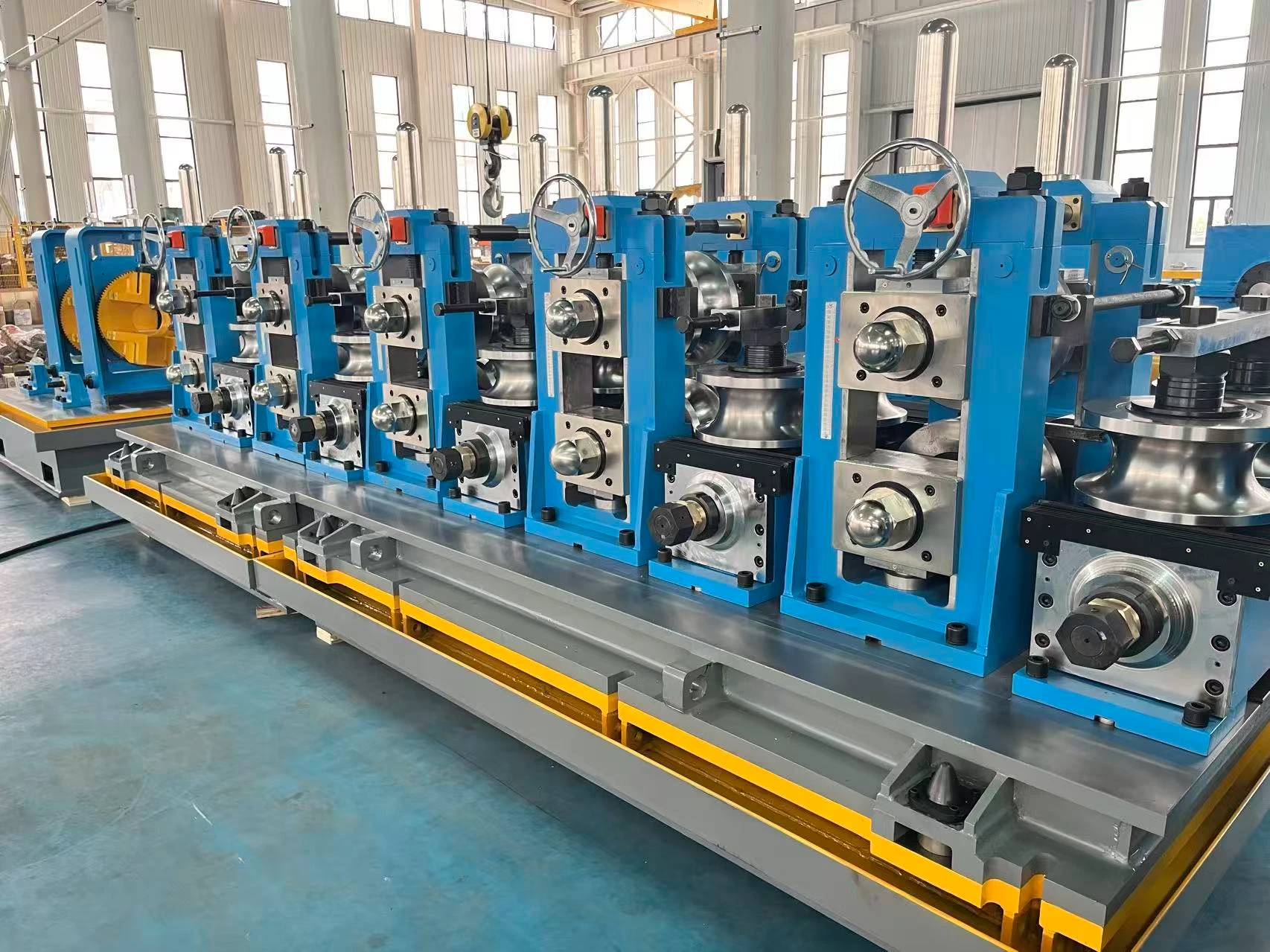
Looking for a Milling Saw for ERW Tube Mill? Here’s What You Need to Know
Looking for a high-performance milling saw for your ERW tube mill? Upgrade to burr-free, high-precision pipe cutting with advanced flying saw technology. Improve efficiency, reduce rework, and meet export standards for carbon steel, stainless steel, and API pipes. Contact us today for expert solutions and competitive pricing tailored to your production needs.
2026-04-09 16:15:19
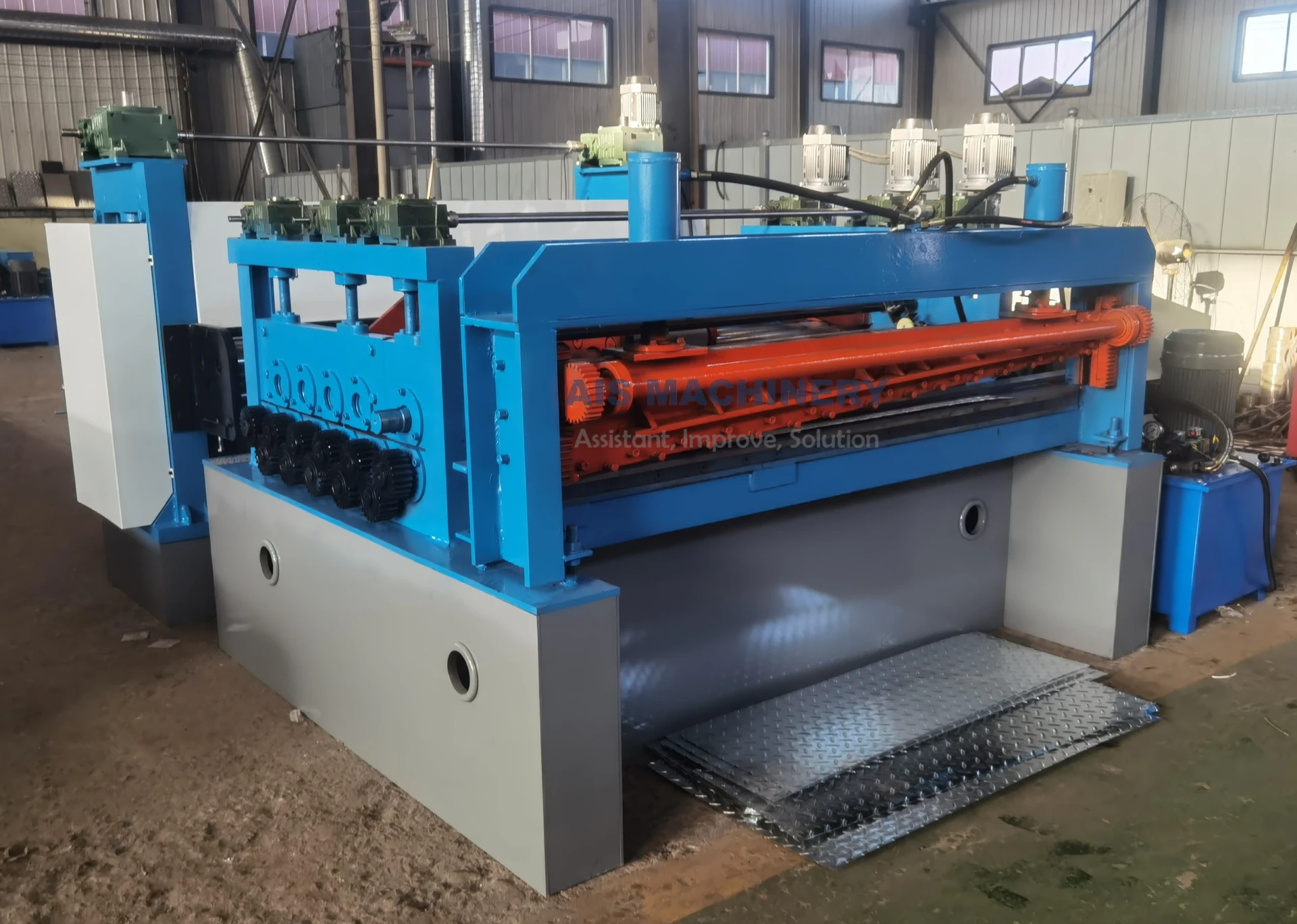
5-Inch (127mm) ERW Tube Making Machine Delivered with Heavy-Duty Design and Advanced Quick Change System
2027-04-07 00:00:00
Metal Embossing Machine: Turn Flat Sheets into High-Value Textured Products
Discover how a metal embossing machine transforms flat steel, stainless steel, and aluminum sheets into high-value textured products. Learn about its working principle, key components, and applications. Ideal for decorative and industrial use, embossing machines improve both appearance and performance. Explore complete embossing line solutions and find the right machine for your production needs.
2026-04-04 20:37:18
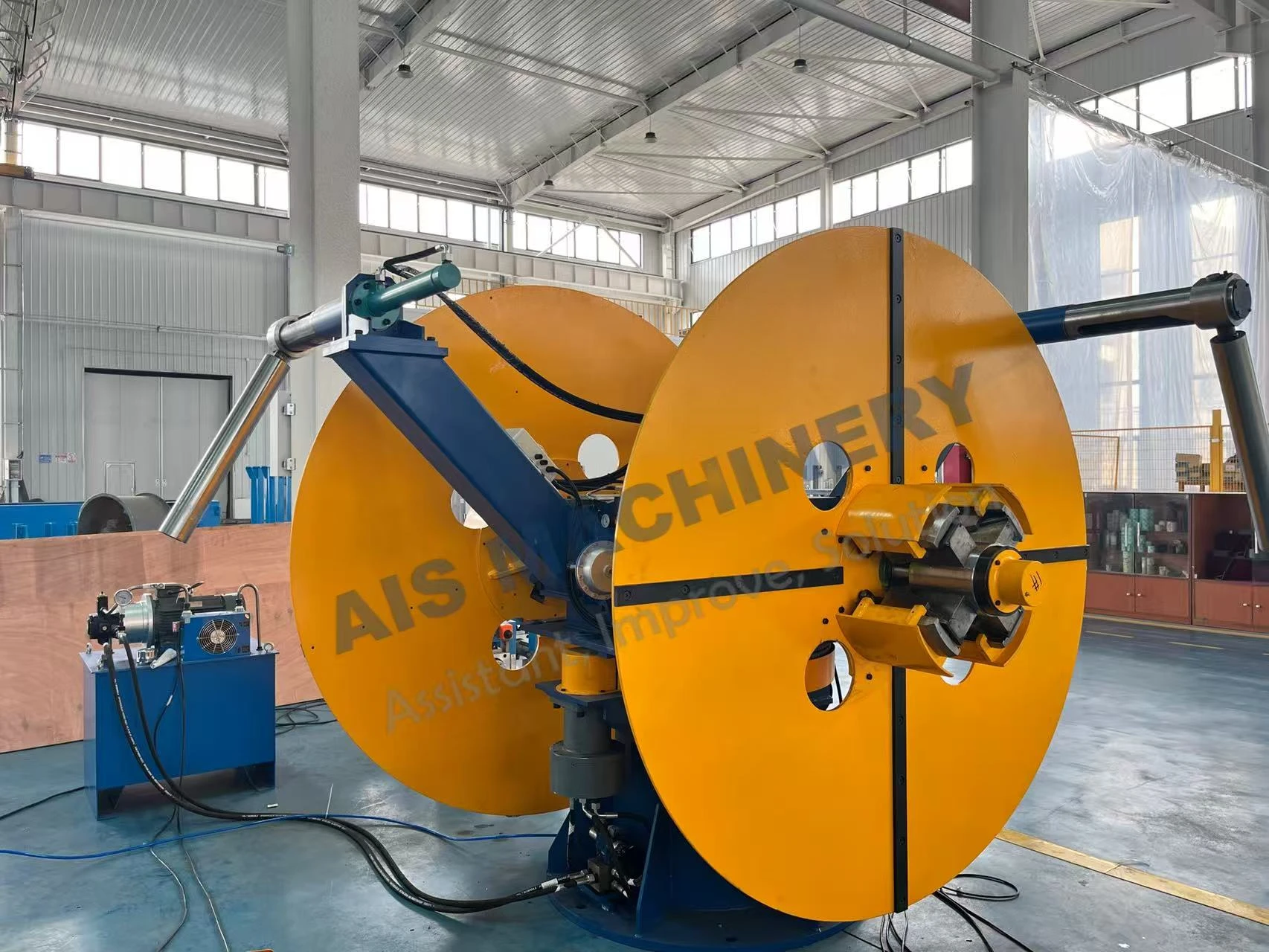
Automatic Double Side Uncoiler with Hydraulic Expansion and Auto Rotation for Steel Coil Processing
The Automatic Double Side Uncoiler is a high-efficiency solution designed for modern steel coil processing lines, including tube mills, roll forming machines, and slitting lines. With a maximum capacity of 4 tons per side, this machine ensures stable and continuous coil feeding while reducing downtime during coil change.
Send a Message
Dear customer, thank you for your attention! We provide high-quality machinery and equipment and look forward to your orders. Please inform us of your needs and we will respond quickly!
 English
  Albanian
  Arabic
  French
  German
  Indonesian
  Italian
  Japanese
  Kazakh
  Korean
  Latin
Latin  Macedonian
  Portuguese
  Russian
  Spanish
  Thai
Thai  Turkish
  Ukrainian
  Uzbek
Uzbek