
-
 Tel:86-15176910262
-

Search
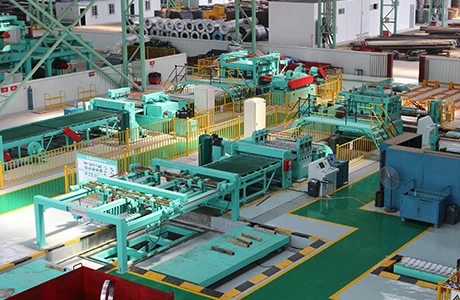

Top Slitter Knives: Precision Tools Shaping Global Manufacturing Efficiency
Dec . 02, 2025 07:25
Top Slitter Knives: The Cutting Edge of Precision and Productivity
If you’ve ever wondered how massive rolls of metal, paper, or plastic transform into perfectly sized strips, then you’re already close to appreciating the crucial role of top slitter knives. These seemingly simple blades are actually pivotal in industries as varied as packaging, automotive manufacturing, and electronics. Understanding their design, applications, and the nuances making one set better than another opens up a world of enhanced productivity and sustainability that many might overlook.
Global Relevance of Top Slitter Knives
On a global level, the demand for slitting technology is closely tied to manufacturing growth and resource efficiency. According to recent ISO data, efficient material processing can reduce industrial waste by up to 20%. This is where quality top slitter knives come into play—precision blades that minimize waste, cut faster, and ensure consistency across thousands of meters of material.
Considering global manufacturing hubs in China, Germany, and the United States, production lines are pushing for higher throughput rates to meet global consumption needs. But challenge looms — poor-quality slitting tools lead to downtime and costly rejects. Clearly, enhancing slitter knife technology equates to substantial cost savings and supply chain resilience worldwide.
What Exactly Are Top Slitter Knives?
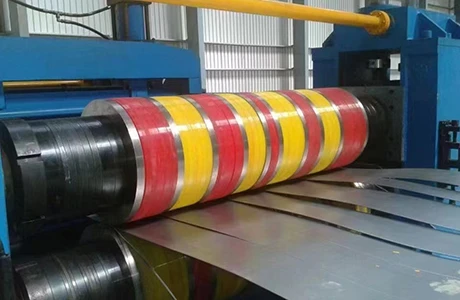
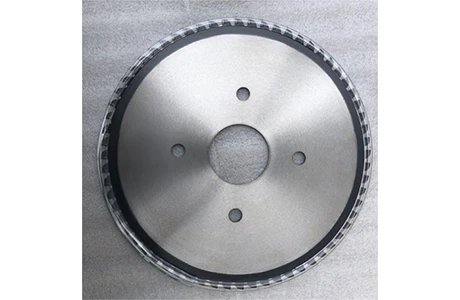
Top slitter knives are circular or rotary blades mounted on the upper shaft of slitting machines. Think of a giant pair of scissors slicing rolls of thin materials—whether metal sheets, plastic films, or paper reels—into narrower widths. These knives must maintain razor-sharp edges and consistent geometry to avoid burrs or warping, impacting downstream production and product integrity.
In more humanitarian terms, these knives facilitate manufacturing of medical packaging and hygiene products, crucial in both developed and developing regions. Without them, mass production to meet urgent needs would be hampered.
Core Factors That Define Top Slitter Knives
1. Durability
The blades must endure millions of revolutions against hard materials without losing sharpness. Manufacturers employ materials like high-speed steel or tungsten carbide to enhance blade life. Frankly, a dull knife kills productivity—and even safety.
2. Precision and Thickness
Thickness affects flexibility and sharpness. Too thin and the blade warps; too thick, and cuts aren’t clean. Industry-standard thicknesses range between 0.3 mm to 1.0 mm, often customized for application needs.
3. Ease of Sharpening
Top slitter knives need periodic sharpening to maintain edge quality. Some feature special coatings, like titanium nitride, which prolong edge retention so that sharpening intervals stretch out, reducing downtime.
4. Cost Efficiency
Balancing upfront costs against expected blade life and sharpening frequency is an art. High-end knives last longer but cost more, while budget blades require quicker replacement. Companies often find mid-range options offer the best total cost of ownership.
5. Compatibility and Scalability
With varied slitting machines and materials, knives must be adaptable. Modular systems that allow easy swapping of blade widths and diameters aid scalability in production lines upgrading or diversifying.
Product Specifications of Popular Top Slitter Knives
| Model | Material | Thickness (mm) | Blade Diameter (mm) | Coating | Expected Lifespan (hours) |
|---|---|---|---|---|---|
| SLX-300 | High-speed steel | 0.5 | 300 | Titanium Nitride | 1200 |
| TCB-250 | Tungsten Carbide | 0.7 | 250 | None | 1800 |
| EcoCut-400 | Ceramic Coated Steel | 0.6 | 400 | Ceramic | 900 |
Top Slitter Knives: Comparing Leading Vendors
| Vendor | Material Quality | Customization Options | Price Range | After-sales Support |
|---|---|---|---|---|
| CutMaster Inc. | High-speed Steel, Carbide | Wide range, prototype services | $$$ | Excellent, global network |
| SharpEdge Tools | Tungsten Carbide Focus | Standard sizes, limited custom | $$ | Good, regional coverage |
| EcoSlice Solutions | Ceramic Coating Specialists | Eco-oriented custom blades | $$$ | Adequate, sustainability focus |
Global Applications & Use Cases
Top slitter knives touch so many corners of the industrial world. In Asia’s electronics manufacturing powerhouses — Japan and South Korea — precision slitting ensures that delicate films and foils are cut without micro-tears, maintaining capacitor and battery integrity.
In Europe’s automotive sector, these knives help slice steel coils into specific widths for body panels, making sure tolerances stay tight amid lean manufacturing practices. Meanwhile, in packaging industries worldwide, slitter knives aid in producing flexible packaging that preserves food freshness, a public health priority.
Oddly enough, in remote humanitarian efforts, slitter knives are integral to fabricating medical wraps and sterilization pouches, often overlooked but undeniably critical. In fact, NGOs sourcing functional packaging rely on slitter processes that maintain sterility — a direct benefit from the precision of quality blades.
Advantages & Long-Term Value of Top Slitter Knives
- Cost savings: Less waste and fewer machine stoppages mean better profit margins.
- Sustainability: Precision cutting reduces material scraps, indirectly contributing to resource conservation.
- Safety & Reliability: Sharp knives reduce mishaps caused by material jams or blade failure.
- Social Impact: Enables production of hygiene and medical products, supporting quality of life.
Emotionally, operators feel a certain trust in blades that “just work,” and businesses appreciate innovating with tools that cut cleanly and consistently. Frankly, that kind of reliability breeds confidence and fuels innovation cycles spanning years or even decades.
Future Trends & Innovations in Slitter Knives
Looking ahead, the integration of digital monitoring systems for blade wear is gaining traction. Sensors can now alert operators when sharpening is due, preventing costly down times. Environmentally, manufacturers are exploring recycled tungsten carbide and biodegradable coatings to reduce ecological footprints.
Automation, too, is reshaping slitting lines. Coupling smart slitter knives with robotics for automatic blade changes is becoming more feasible, even in midsize plants. This leap fits well into Industry 4.0 principles, emphasizing connectivity and reduced human error.
Challenges and How to Overcome Them
Yet, challenges persist. Blade edge chipping on abrasive materials and the high upfront costs of premium knives remain hurdles, especially for smaller plants. Solutions include better material science research, modular blade designs, and volume-based purchasing to spread costs.
Many engineers also emphasize proactive maintenance and operator training to extend blade life — a simple but effective measure. In other words, technology helps, but people remain central.
FAQ: Your Questions About Top Slitter Knives
Q1: How often should top slitter knives be sharpened?
A1: Sharpening frequency depends on material hardness and production speed. Typically, blades last between 800 to 1500 operational hours before needing resharpening; monitoring cutting quality helps gauge timely maintenance.
Q2: Can I use the same slitter knives for plastic and metal rolls?
A2: Not ideally. Different materials require knives with tailored hardness and edge geometry to prevent premature wear or damage. Consult vendors for application-specific recommendations.
Q3: What are the key signs of a dull top slitter knife?
A3: Increased noise, visible burrs on cut edges, and higher scrap rates often indicate dullness. Prompt blade servicing can prevent larger machine issues.
Q4: Are titanium nitride coatings worth the extra cost?
A4: Yes, these coatings significantly enhance blade life by reducing friction and wear, especially in high-speed operations, leading to lower total cost over time.
Conclusion
All in all, top slitter knives are unsung heroes behind countless products we use every day. Their precision, durability, and evolving technology directly impact global manufacturing efficiency, sustainability, and quality. Investing in the right blades — and maintaining them properly — pays dividends both financially and environmentally.
Curious to explore innovative and reliable options? Visit top slitter knives selection at AIStubeMill and see how cutting-edge tools can sharpen your production edge.
And hey—always remember, cutting edge isn’t just a phrase here. It’s the lifeblood of modern industry.

Related Products

Related News
2026-04-15 10:37:55
Flat Bar Production Line for Steel Coils: How It Works & Why It Matters
Looking for a flat bar production line? Learn how it turns steel coils into ready-to-use flat bars with precise length and high straightness. Compare it with slitting lines and get the best solution for your steel processing needs.
2026-04-14 00:00:00
Looking for a Milling Saw for ERW Tube Mill? Here’s What You Need to Know
Looking for a high-performance milling saw for your ERW tube mill? Upgrade to burr-free, high-precision pipe cutting with advanced flying saw technology. Improve efficiency, reduce rework, and meet export standards for carbon steel, stainless steel, and API pipes. Contact us today for expert solutions and competitive pricing tailored to your production needs.
2026-04-09 16:15:19
5-Inch (127mm) ERW Tube Making Machine Delivered with Heavy-Duty Design and Advanced Quick Change System
2027-04-07 00:00:00
Metal Embossing Machine: Turn Flat Sheets into High-Value Textured Products
Discover how a metal embossing machine transforms flat steel, stainless steel, and aluminum sheets into high-value textured products. Learn about its working principle, key components, and applications. Ideal for decorative and industrial use, embossing machines improve both appearance and performance. Explore complete embossing line solutions and find the right machine for your production needs.
2026-04-04 20:37:18
Automatic Double Side Uncoiler with Hydraulic Expansion and Auto Rotation for Steel Coil Processing
The Automatic Double Side Uncoiler is a high-efficiency solution designed for modern steel coil processing lines, including tube mills, roll forming machines, and slitting lines. With a maximum capacity of 4 tons per side, this machine ensures stable and continuous coil feeding while reducing downtime during coil change.
2026-04-04 02:35:29
Exploring Advanced Cold Forming Machines for Efficient Metal Production
In the realm of metal fabrication, cold forming machines are pivotal for efficient and cost-effective production of various metal components. These machines utilize a shaping process at room temperature, offering advantages like enhanced material strength and reduced production costs. This article provides an in-depth look into the world of cold forming machines, covering their types, applications, benefits, and key considerations when choosing the right machine for your needs. Understanding the nuances of these machines is crucial for optimizing manufacturing processes and achieving superior product quality.
2026-04-01 00:00:00
14 Inch 355mm API Tube Mill: Complete Guide to Structure and Production Process
Discover the complete structure of a 14 inch (355mm) API standard tube mill, including forming, welding, sizing, and finishing sections. Learn what API standards mean and why they are essential for oil and gas pipe production. A practical guide for buyers seeking high-quality ERW tube mill solutions with stable performance and international compliance.
2026-03-31 14:01:29
What Is an External Burr Scraper? Types, Benefits & Applications in Tube Mills
Discover how an external burr scraper improves weld seam quality in ERW tube mills. Learn the differences between four-sided and six-sided burr scrapers, their applications, and how to choose the right solution for your production line. Optimize pipe surface finish, reduce defects, and increase efficiency with the right external burr removal tool for your tube and pipe manufacturing process.
Send a Message
Dear customer, thank you for your attention! We provide high-quality machinery and equipment and look forward to your orders. Please inform us of your needs and we will respond quickly!
 English
  Albanian
  Arabic
  French
  German
  Indonesian
  Italian
  Japanese
  Kazakh
  Korean
  Latin
Latin  Macedonian
  Portuguese
  Russian
  Spanish
  Thai
Thai  Turkish
  Ukrainian
  Uzbek
Uzbek