Friction Saw Blades for Metal Cutting

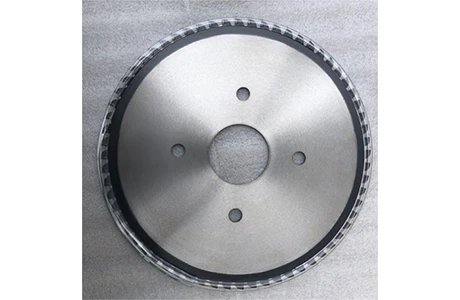
Friction saw blades are designed for high-speed cutting of steel pipes, profiles, and structural materials. Using frictional heat instead of traditional cold cutting, these blades deliver faster cuts, longer service life, and excellent efficiency for heavy-duty applications. Made from high-grade Cr-V or W-Mo steel, they ensure durability under extreme temperature and load conditions — the ideal choice for steel pipe mills and metal fabrication industries.

Product Details

Contact Now

Product Details

Video


Product Description
 

1. Product Overview

Friction saw blades are specially designed for high-speed cutting of steel pipes, profiles, and sheets.
Unlike traditional cold-cut blades that rely purely on mechanical tooth cutting, friction saw blades use high rotational speed to generate frictional heat, softening the material at the cutting point and allowing rapid separation.
This technology enables extremely fast cutting speeds and is widely used in steel pipe mills, structural steel plants, hot and cold rolling lines, and metal fabrication industries.


2. Features & Advantages

Key Functions

  • • High-Speed Cutting – The frictional heat generated at the contact point softens the metal, achieving rapid cutting without excessive tool wear.

  • • Efficient for Tough Materials – Ideal for cutting structural steel, alloy steel, thick-wall pipes, and other difficult-to-cut materials.

  • • Increased Productivity – Reduces cutting time per piece and improves throughput in continuous production lines.

  • • Durable at High Temperature – Made of high-strength alloy steels with precise heat treatment, ensuring long blade life even under extreme conditions.

Advantages

  • • Supports Very High Cutting Speeds: Peripheral speeds typically reach 100–140 m/s, suitable for large-diameter and high-power machines.

  • • Large Diameter Range: From 350 mm up to 2500 mm (14″–100″) for heavy-duty industrial use.

  • • Optimized Tooth Geometry: Negative rake angles and 5–7 mm tooth pitch provide smooth cutting and stability.

  • • Cost-Effective: Longer life and higher cutting efficiency reduce downtime and overall cost per cut.


3. Performance Analysis

(1) Cutting Efficiency

  • Recommended surface speed: 100–140 m/s.

  • Operates best with rigid, high-power machines and stable feed control.

  • Outperforms traditional cold saws when cutting thick-wall tubes or structural sections.

(2) Durability

  • Manufactured from Cr-V steel (DIN 1.2235) or W-Mo alloy steel (DIN 1.2604) for excellent heat and wear resistance.

  • Tooth hardness: typically HRC 42–46.

  • Proper matching of blade diameter, thickness, and tooth pitch ensures stable performance and minimizes cracking.

(3) Material Compatibility

  • Excellent for carbon steel, alloy steel, structural profiles, and pipes.

  • Not suitable for aluminum, copper, or cast iron due to lower frictional heating efficiency.

  • Ideal for continuous production and hot cutting applications.

(4) Safety & Maintenance

  • High-speed cutting generates sparks and intense heat — always use protective equipment and adequate ventilation.

  • Avoid direct coolant during cutting; apply water cooling only after cutting to clean the surface.

  • Inspect blade regularly for cracks, vibration, or tooth wear and regrind as necessary.

    • friction saw blades to cut steel pipe
    • friction saw blades

4. Typical Specifications

Parameter Typical Range Notes
Blade Diameter Ø350 mm – Ø2500 mm (14″–100″) For various machine types
Blade Thickness 3 mm – 16 mm Depends on diameter and machine rigidity
Tooth Pitch 5 mm – 7 mm (for Ø400–800 mm blades) Proper pitch ensures smooth cutting
Surface Speed 100–140 m/s (≈ 3000–4000 rpm, depending on size) Required for efficient friction cutting
Feed Rate 1000–2250 mm²/s (depending on machine power) Should be stable and controlled
Material Cr-V steel (DIN 1.2235), W-Mo steel (DIN 1.2604) Heat-treated for strength and wear resistance
Tooth Hardness HRC 42–46 Ensures durability and stability

5. Comparison: Cold Saw Blades vs. Friction Saw Blades

Feature Cold Saw Blade Friction Saw Blade
Cutting Principle Mechanical cutting Thermal softening + cutting
Cutting Speed Lower Very high (100–140 m/s)
Best for Thin tubes, mild steel Thick-wall pipes, structural steel
Machine Requirement Standard cutting saw High-speed, rigid machine
Spark Generation Minimal High (requires protection)
Blade Life Moderate Long (under correct use)

6. Selection Guidelines

  • Diameter & Thickness: Choose according to the machine’s rated size and material cross-section.

  • Cutting Speed: Always maintain ≥ 100 m/s surface speed; running too slow will damage the blade.

  • Tooth Pitch: For thick-wall or large-section materials, use 5–7 mm pitch so that 4–8 teeth engage the cut simultaneously.

  • Machine Rigidity: Stable feed and minimal vibration are essential to prevent cracking.

  • Cooling Method: Do not apply coolant directly during cutting. Clean with high-pressure water only after cutting.

  • Operator Safety: Ensure full protective gear and fire-safety measures during operation.

    • Durable Friction Saw Blades
    • High-Speed Friction Saw Blades
    • Professional Friction Saw Blades

7. Application Fields

  • Steel pipe mills

  • Structural steel cutting lines

  • Hot- and cold-rolling mill cut-off sections

  • Metal fabrication and heavy industry

  • High-speed production lines requiring continuous heavy-duty cutting


8.Friction Saw Blades – FAQ

Q1: What is a friction saw blade?
A: A high-speed steel blade that cuts metal by generating frictional heat, softening the material for fast and smooth separation.

Q2: What materials can it cut?
A: Ideal for carbon steel, alloy steel, and structural steel — especially pipes and profiles. Not suitable for aluminum or copper.

Q3: What is the recommended cutting speed?
A: Around 100–140 m/s (approx. 3000–4000 rpm, depending on diameter).

Q4: What material is the blade made of?
A: Usually Cr-V steel (DIN 1.2235) or W-Mo steel (DIN 1.2604) for high heat resistance and durability.

Q5: Why does it produce sparks?
A: Sparks come from the friction process — this is normal. Always use proper safety gear and ventilation.

RELATION EQUIPMENT

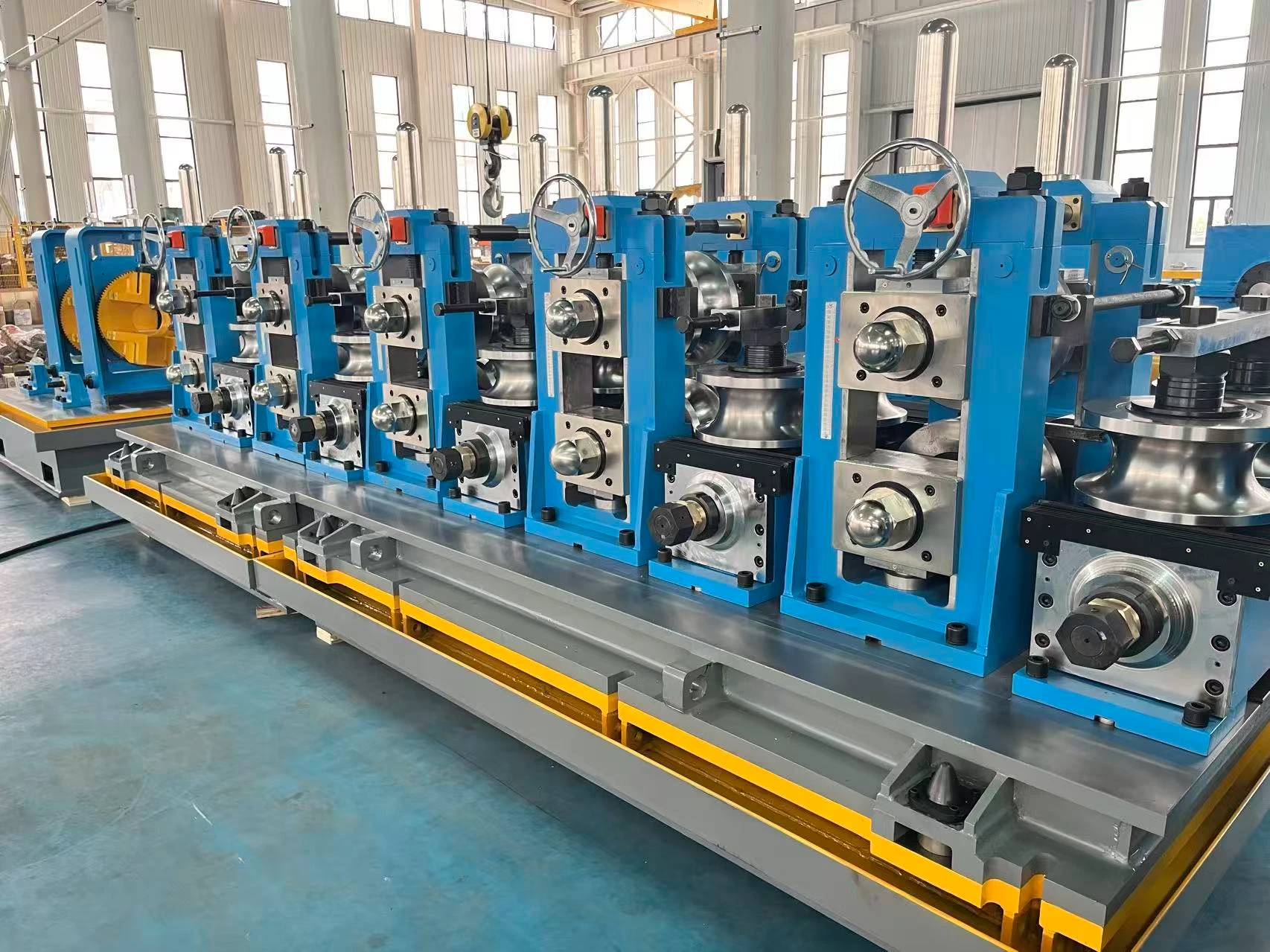
We provides all equipment to tube mill entry section:

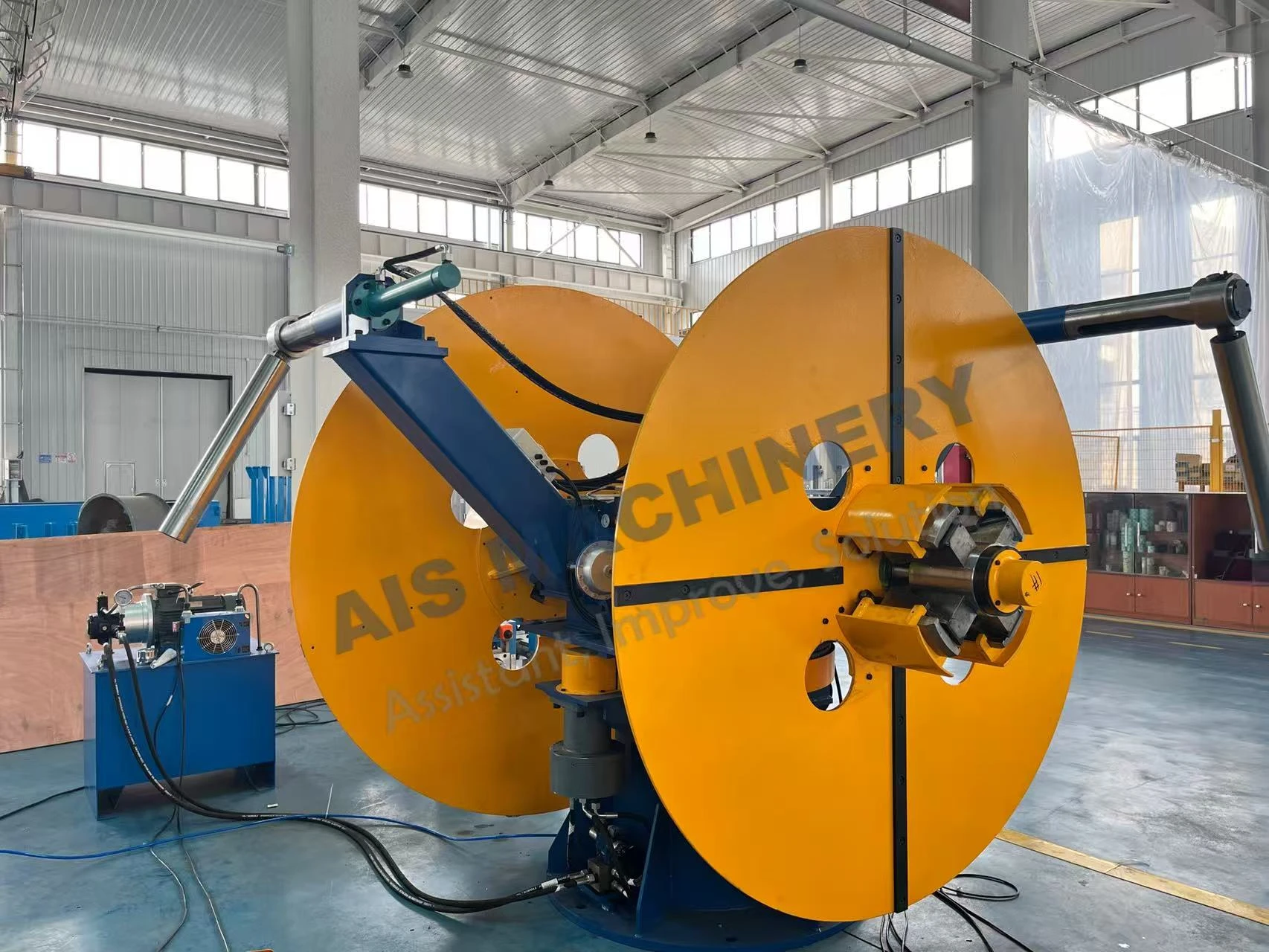
Coil Car

Single And Double Heads Un-coiler & Hydraulic And Pneumatic Un-coiler

Peeler and hold down roll arm

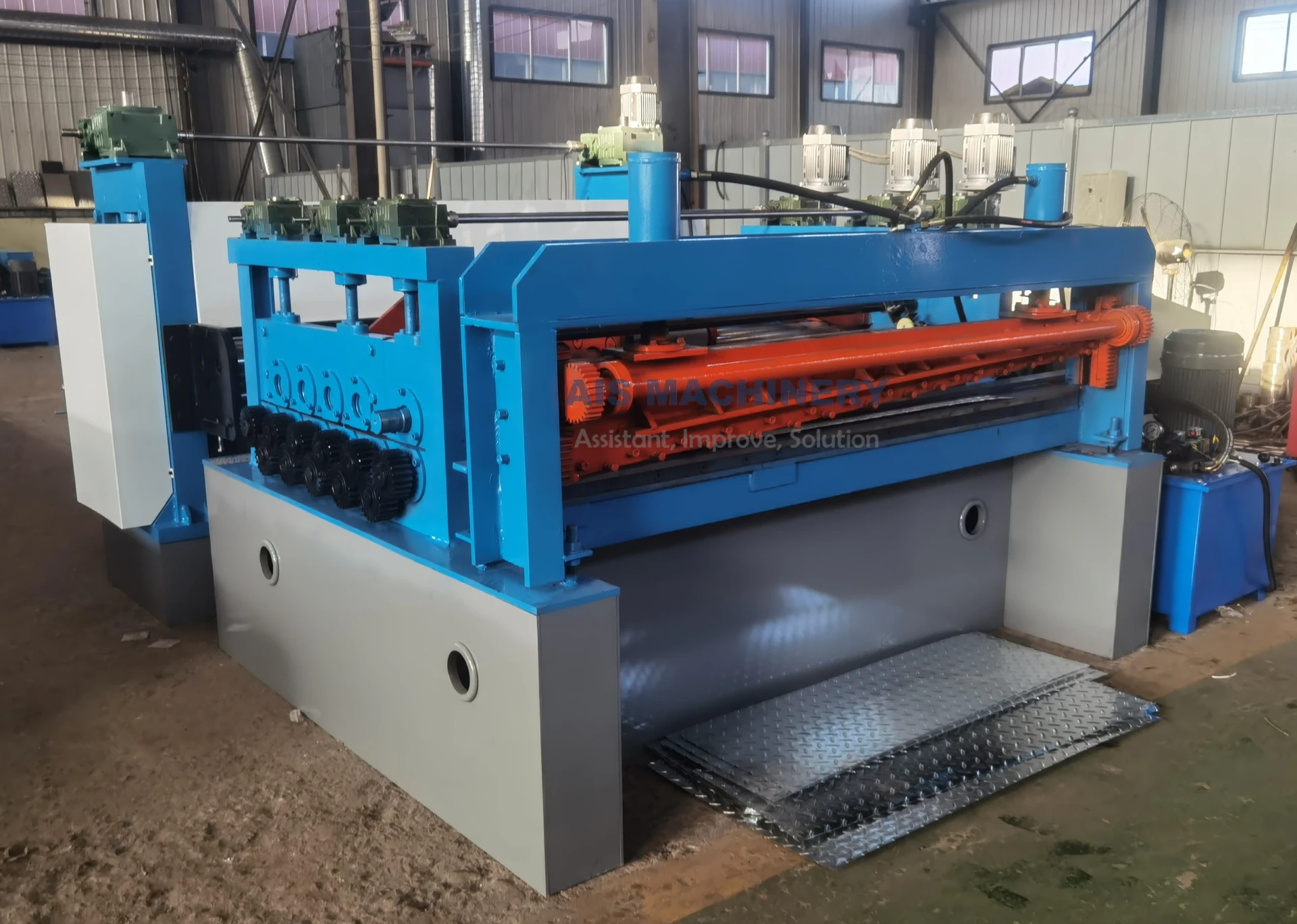
Flattening Machine

Automatic and Semi Auto Shearer & Butt Welder

Vertical Cage Accumulator​ & Horizontal Loop Accumulator & Landing Horizontal Spiral Loop Accumulator

tube mill feeding section

TUBE MILL FINISHING SECTION

We provides all equipment to tube mill Finishing section:

1. Eddy current machine

2. Seam annealing machine

3. Straightener machine

4. Chamfer and end facer machine

5. Hydro Tester machine

6. Threading machine

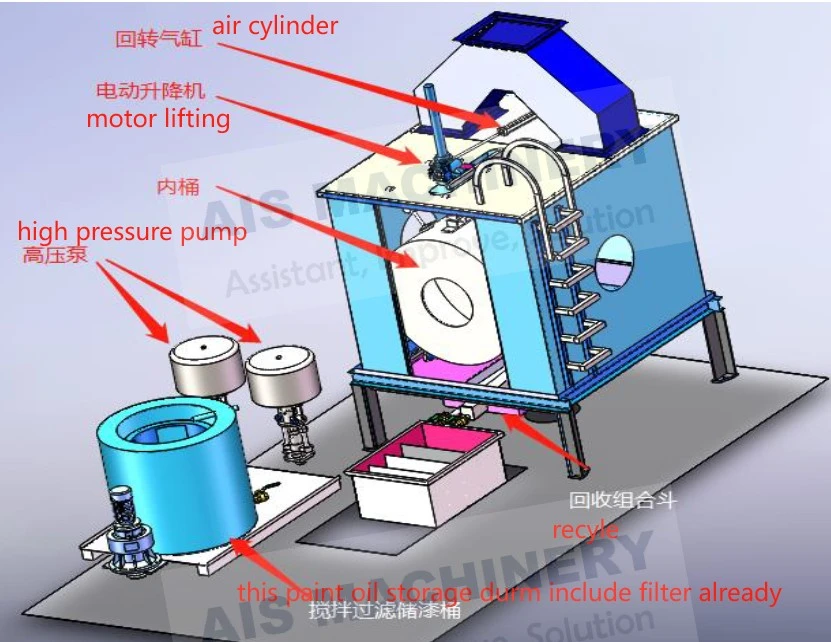
7. Painting and oil machine

8. Automatic bundle and package machine

hydro tester machine

SPARE PARTS TO CHOOSE

Our Spare Parts Apply:

1. Roller, Mould, Cr12, Cr12Mov material, D2,D3 material

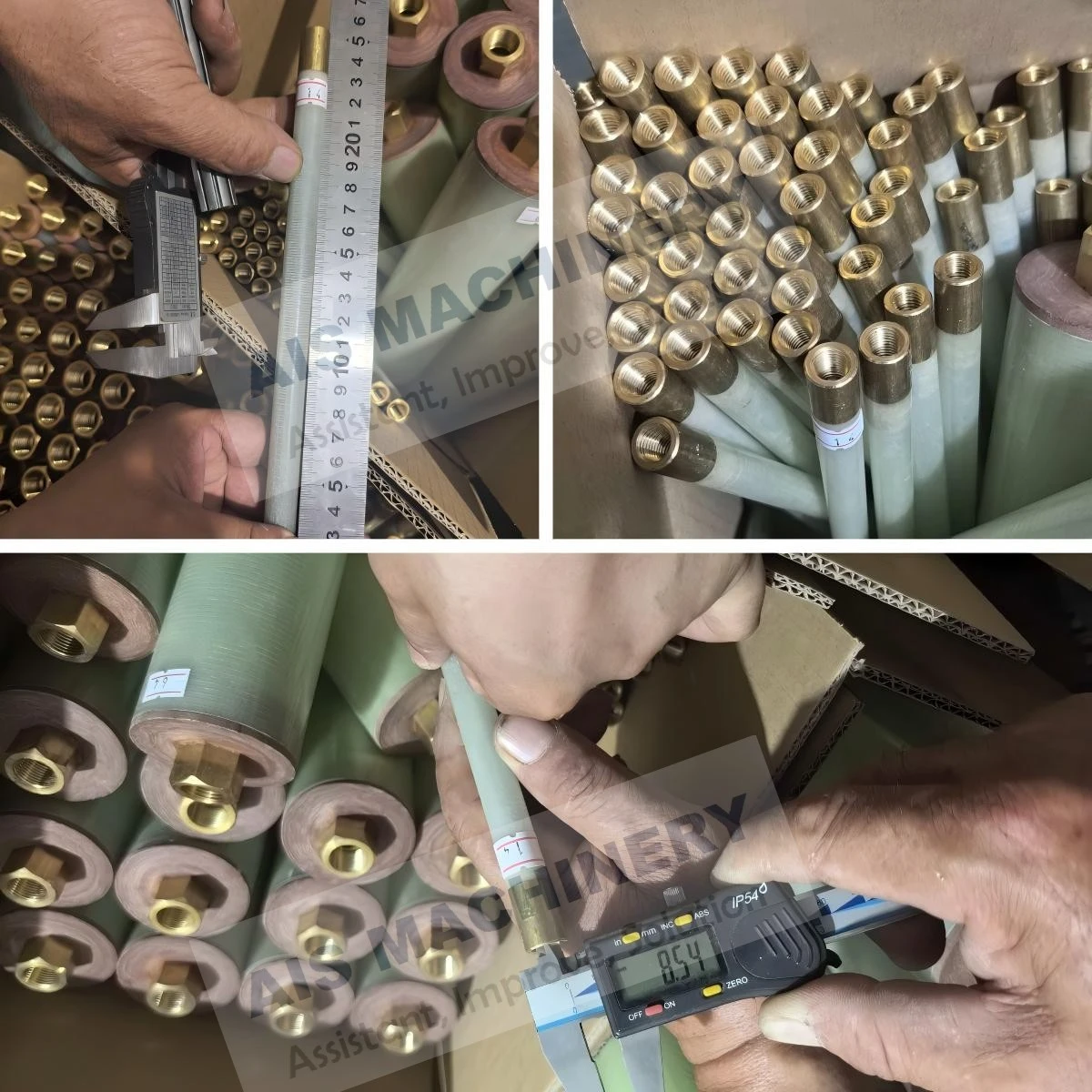
2. Ferrite, Impeder, Fiberglass tube

3. HSS saw blades, TCT Saw blades, Friction saw blades

4. OD burr remove inserts, ID burr remover inserts

5. HF welder Induction Coil and other HF welder spare parts

6. Copper tube for induction Coil, PTFE pipe for Induction Coil

7. Mosfet, Boards

8. Steel pipe Strapping machine

9. Zinc Spray Machine, Zinc wire, Zinc spray gun

Read More About circular saw blade hss

OUR CERTIFICATE

Read More About hss circular saw

OUR SERVICE

Why Choose Us?

Leading Technology, Reliable Quality, Excellent Service!

Optimized Design, High quality material select! 

Heat treatment process guarantee!

Spiral bevel gear, drum gear coupling and carburization.

Gear teeth quenching.

Driven system stable, efficient and wearable with lower noise.

High precision wear resisting and Long life of rollers.

All the machine Lathes, Key Grooves are positioned and Milled by CNC.

cnc machine lathes

Our Service

Pre-sale service

1.  We can provide machine running videos for reference

2.  We will recommend the most suitable equipment according to the needs of customers

3.  We can provide the layout of the factory

4.  We welcome customers to visit our factory 

Read More About hss circular saw

After-sales service

1.We will delivery the machine and provide the documents on time to make sure you can get the machine quickly

2.When you finish the Preparation conditions, Our fast and professional aftersales service engineer team will go to your factory to install the machine, give you the operating manual, And train your employee until they can operate the machine well.

3.We provide one year warranty and life-long technical support.

4.Well-trained & experienced staff are to answer all your inquiries in English and Chinese

5 .24 hours for engineer response.

6.Your business relationship with us will be confidential to any third party.

Quality Control

We have the single quality department, that make sure the material of the raw materials is good, and ensure the machine running smoothly.

Get in Touch

If you are interested in our products, you can choose to leave your information here, and we will be in touch with you shortly.

* Name

* E-mail

Phone

*Message

Friction Saw Blades – FAQ

What is a friction saw blade?

A high-speed steel blade that cuts metal by generating frictional heat, softening the material for fast and smooth separation.

What materials can it cut?

Ideal for carbon steel, alloy steel, and structural steel — especially pipes and profiles. Not suitable for aluminum or copper.

What is the recommended cutting speed?

Around 100–140 m/s (approx. 3000–4000 rpm, depending on diameter).

What material is the blade made of?

Usually Cr-V steel (DIN 1.2235) or W-Mo steel (DIN 1.2604) for high heat resistance and durability.

Why does it produce sparks?

Sparks come from the friction process — this is normal. Always use proper safety gear and ventilation.

Related News

CU Profile Roll Forming Machine Manufacturer & Production Line Solution

2027-05-14 00:00:00

CU Profile Roll Forming Machine Manufacturer & Production Line Solution

In modern metal processing, efficiency and precision are critical. The CU Profile Roll Forming Machine is designed to produce high-quality C and U steel profiles continuously and automatically, helping manufacturers improve productivity while maintaining stable product accuracy.

Small Diameter Tube Mill Is Becoming More Popular in the Market

2026-05-13 10:09:29

Small Diameter Tube Mill Is Becoming More Popular in the Market

Our small diameter tube mill is designed for efficient and continuous production. It combines advanced forming, welding, sizing, and cutting technology to produce high-quality steel tubes with excellent accuracy.

How to Choose the Right External Burr Scraper Blade

2026-05-07 10:20:02

How to Choose the Right External Burr Scraper Blade

Learn about external burr scraper blade types used in ERW tube mills, including four-sided and six-sided scraper blades. Discover their working principle, applications, advantages, and how they improve steel pipe surface quality and production efficiency.

HF Welder for ERW Tube Mill: Types, IGBT vs SiC & Selection Guide

2026-05-06 10:16:16

HF Welder for ERW Tube Mill: Types, IGBT vs SiC & Selection Guide

Looking for a reliable HF welder for your ERW tube mill? Compare solid state (IGBT), SiC, and traditional vacuum tube types in terms of performance, efficiency, and cost. This guide helps you choose the best solution for your production needs. Boost weld strength, reduce downtime, and save energy with a high-performance HF welding system designed for modern steel pipe manufacturing.

Automatic Stacking Machine (Magnetic Chuck Type)

2026-04-30 09:35:04

Automatic Stacking Machine (Magnetic Chuck Type)

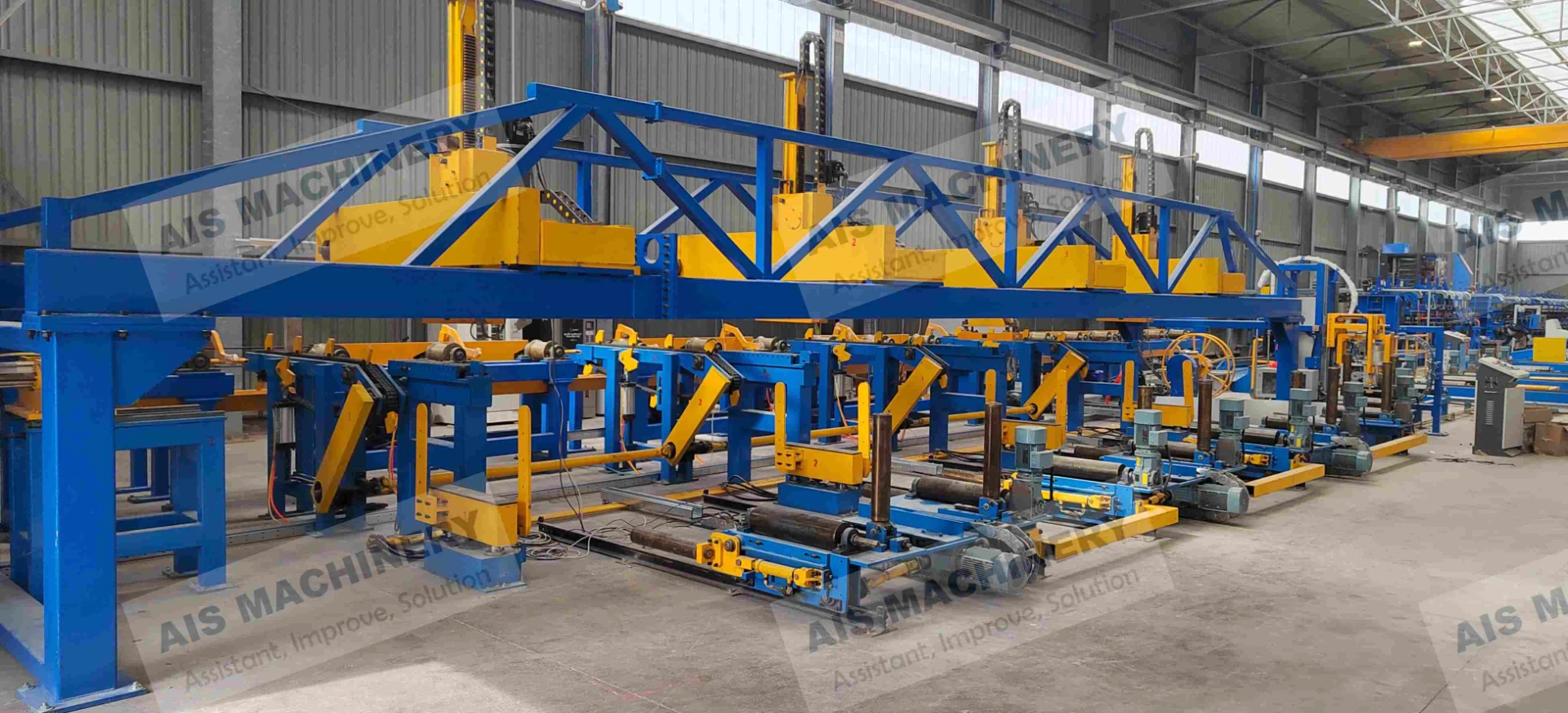
The Automatic Stacking Machine (Magnetic Chuck Type) from AIS Machinery is designed to efficiently collect and stack steel tubes in ERW tube mill production lines. Using electromagnetic lifting, it can pick up multiple tubes at once and place them neatly in layers. This reduces manual labor, improves stacking accuracy, and increases overall production efficiency. It is installed after the flying saw and works seamlessly with the mill line, making it an ideal solution for modern tube manufacturers.

Saw Blade Guide for Tube Mills: Friction vs HSS vs TCT — Which One Should You Choose?

2026-04-28 08:56:05

Saw Blade Guide for Tube Mills: Friction vs HSS vs TCT — Which One Should You Choose?

Confused about friction saw, HSS, and TCT blades? This guide explains their uses in cold saw and friction saw machines, with pros, cons, and expert selection tips.

What is an Impeder and Ferrite Rods in ERW Tube Mill?

2026-04-24 08:54:16

What is an Impeder and Ferrite Rods in ERW Tube Mill?

Struggling with impeder overheating or short service life in your ERW tube mill? This guide explains common impeder problems, the role of ferrite rods, and how to choose the right impeder for stable welding performance. Improve weld quality, reduce energy loss, and extend equipment lifespan with the right selection and proper cooling solutions.

Slitting & Cut-to-Length Combined Production Line: A Smarter Way to Process Steel Coils

2026-04-21 10:22:25

Slitting & Cut-to-Length Combined Production Line: A Smarter Way to Process Steel Coils

Discover the Slitting & Cut-to-Length Combined Production Line, a flexible solution for steel coil processing. This system integrates slitting line and cut-to-length line functions in one machine, saving space, reducing costs, and improving efficiency. Ideal for processing both steel strips and sheets, it is widely used in service centers and manufacturing industries. Learn its advantages, limitations, and applications.

Send a Message

Dear customer, thank you for your attention! We provide high-quality machinery and equipment and look forward to your orders. Please inform us of your needs and we will respond quickly!

If you are interested in our products, you can choose to leave your information here, and we will be in touch with you shortly.


en_USEnglish