
-
 Tel:86-15176910262
-

Search

Comprehensive Guide to Eddy Current Testing Equipment and Applications
Mar . 06, 2026 04:25
Eddy Current Testing Equipment: A Comprehensive Guide
Eddy current testing (ECT) is a non-destructive testing (NDT) method used to detect flaws and characterize materials. It's a versatile technique widely employed across industries like aerospace, oil & gas, and manufacturing for quality control and maintenance. This article explores the principles, applications, types, and key considerations when selecting eddy current testing equipment, helping you make informed decisions. Understanding ECT is crucial for ensuring the reliability and safety of critical components.
Understanding the Principles of Eddy Current Testing
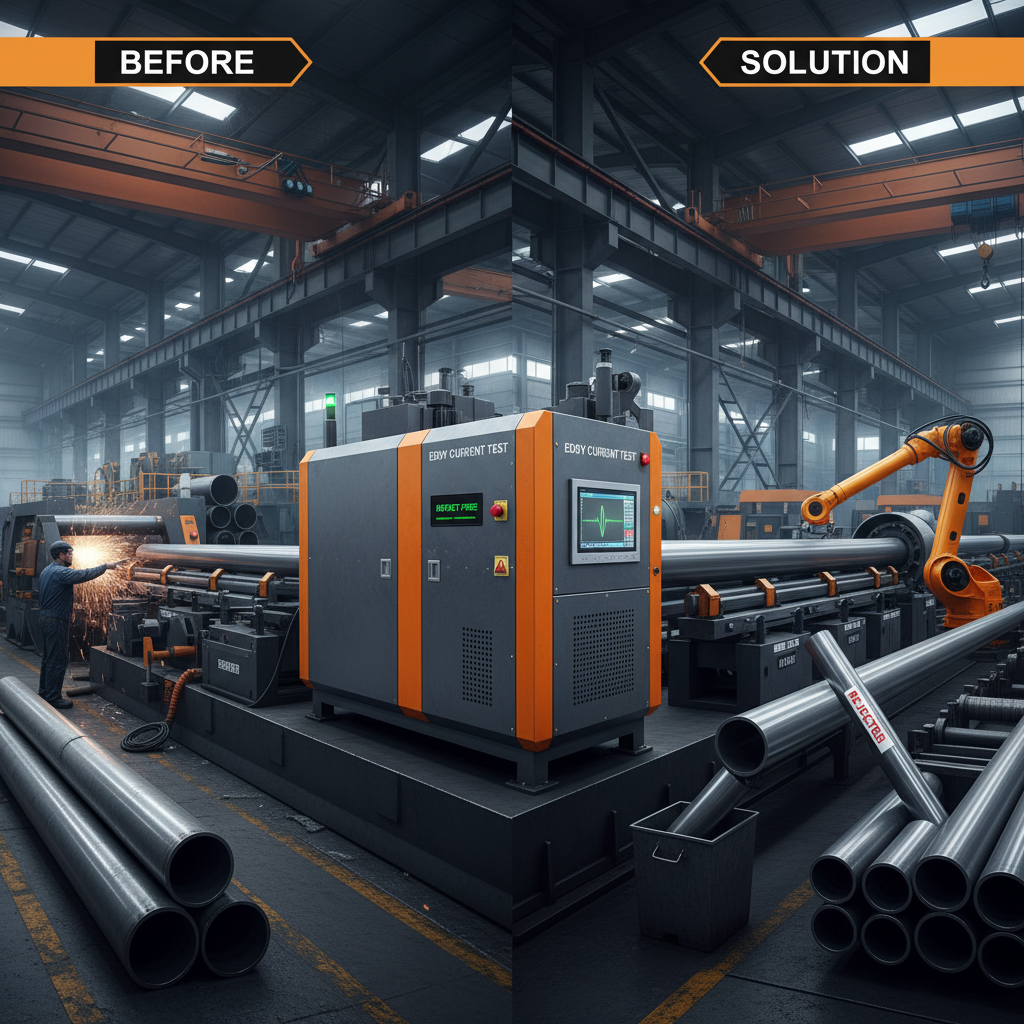
At its core, ECT relies on electromagnetic induction. An alternating current is passed through a coil, generating a magnetic field. When this field interacts with a conductive material, circulating currents – known as eddy currents – are induced within the material. Any flaws or variations in the material’s conductivity or permeability disrupt the flow of these eddy currents. The ECT instrument detects these disruptions, allowing for the identification of surface and near-surface defects, material variations, and coating thickness. The sensitivity and effectiveness of the test depend on factors like frequency, probe design, and material properties. AISTubeMill offers a range of ECT solutions tailored to diverse industrial needs.
Key Principle: Electromagnetic Induction – the creation of eddy currents in conductive materials through a changing magnetic field.
Types of Eddy Current Testing Equipment
Various types of ECT equipment cater to specific applications. Surface probes detect flaws breaking the surface. Bobbin probes are ideal for inspecting tubes and pipes. Rotating probes are used for inspecting bolts, studs, and bar stock. Array probes (or phased array ECT) provide faster coverage and enhanced flaw characterization. The selection of the appropriate probe is crucial for accurate and reliable results. The versatility of AISTubeMill’s eddy current testing equipment allows for adaptability to many inspection tasks.
Eddy Current Probe Types:
• Surface Probes: Detect flaws breaking the surface.
• Bobbin Probes: Ideal for tube and pipe inspection.
• Rotating Probes: Used for bolts, studs, and bar stock.
• Array Probes: Faster coverage and enhanced flaw characterization.
Eddy Current Testing Equipment: Key Features & Specifications
When evaluating eddy current testing equipment, several specifications are vital. Frequency range affects penetration depth; lower frequencies penetrate deeper, while higher frequencies are more sensitive to surface flaws. Instrument resolution determines the smallest detectable flaw. Data storage and analysis capabilities are crucial for documentation and reporting. Portability impacts field usability. Consider the material under inspection and the type of defects expected when choosing the appropriate equipment.
Applications of Eddy Current Testing
ECT finds application in a vast spectrum of industries. In aerospace, it’s used for crack detection in aircraft components. In the oil and gas sector, it inspects pipelines for corrosion and erosion. Manufacturing utilizes ECT for heat treatment verification and material sorting. The automotive industry employs it for fastener inspection and quality control. The versatility of this method makes it a vital component of many NDT programs. AISTubeMill provides solutions for all these sectors.
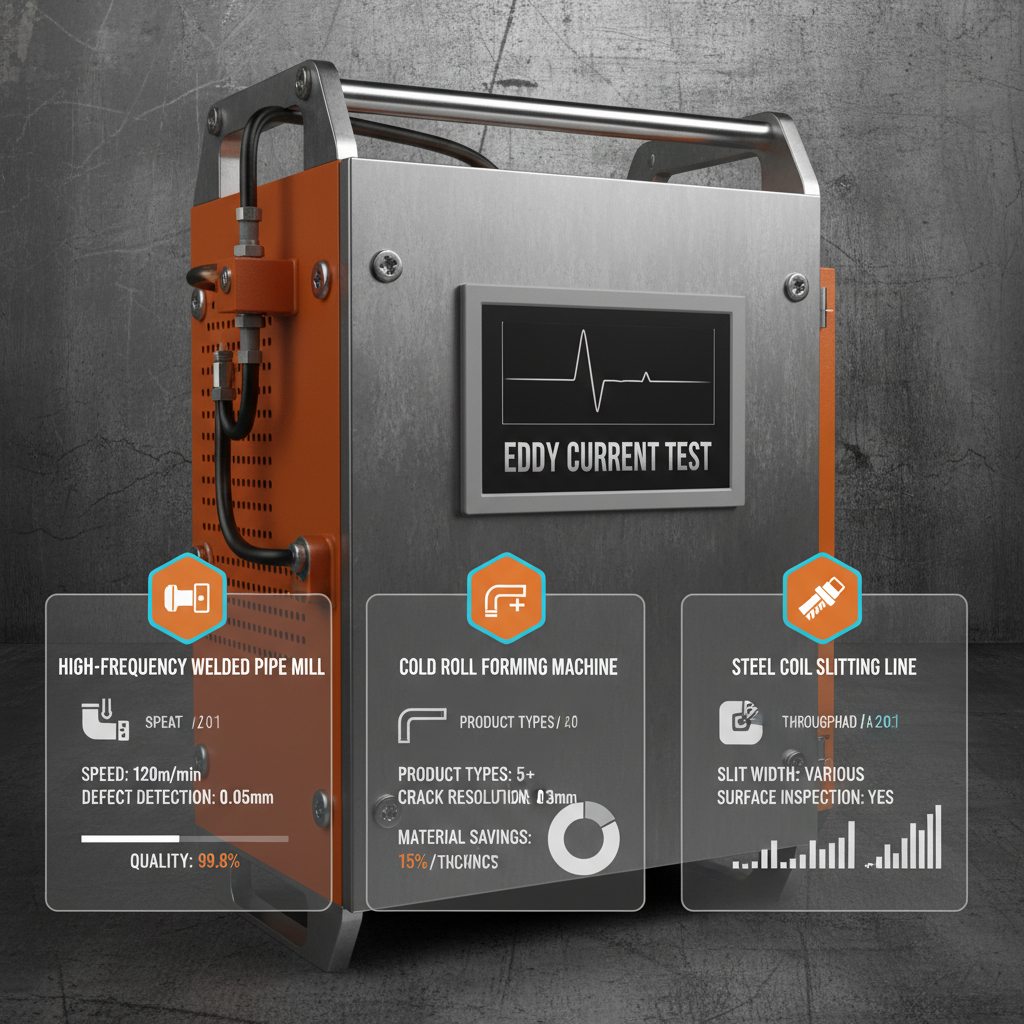
Selecting the Right Eddy Current Testing Equipment
Choosing the right eddy current testing equipment requires careful consideration of several factors. Understand the material being inspected, the types of defects you’re looking for, and the inspection environment. Consider the skill level of the operators. A quality instrument with excellent support and training is a worthwhile investment. AISTubeMill offers comprehensive support, from equipment selection to training and service.
Conclusion: Investing in Quality Eddy Current Testing
Investing in high-quality eddy current testing equipment from a reputable supplier like AISTubeMill is a crucial step towards ensuring the safety, reliability, and longevity of critical assets. By understanding the principles, types, and key considerations outlined in this guide, you can make informed decisions and optimize your NDT program.
Frequently Asked Questions (FAQs)
What are the limitations of Eddy Current Testing?
While ECT is a powerful NDT method, it does have limitations. It's primarily suitable for detecting surface and near-surface flaws in conductive materials. It has limited ability to detect defects deep within a material. The lift-off distance (distance between the probe and the surface) significantly affects accuracy. Also, magnetic permeability variations and surface roughness can influence results. Careful probe control and proper calibration are essential to mitigate these limitations.
What materials can be inspected using Eddy Current Testing?
ECT is best suited for inspecting conductive materials like metals (aluminum, copper, steel, titanium). It cannot be used on non-conductive materials such as plastics or ceramics. The conductivity of the material affects the signal strength, and the instrument needs to be calibrated accordingly. Different probe designs and frequencies can be used to optimize the inspection of various materials.
How important is operator training in Eddy Current Testing?
Operator training is critically important for accurate and reliable ECT results. Proper training covers probe selection, calibration procedures, interpretation of signals, and defect characterization. A well-trained operator can identify subtle indications, differentiate between relevant and irrelevant signals, and accurately assess the severity of defects. AISTubeMill provides comprehensive training programs alongside its equipment.

Related Products

Related News
2026-04-15 10:37:55
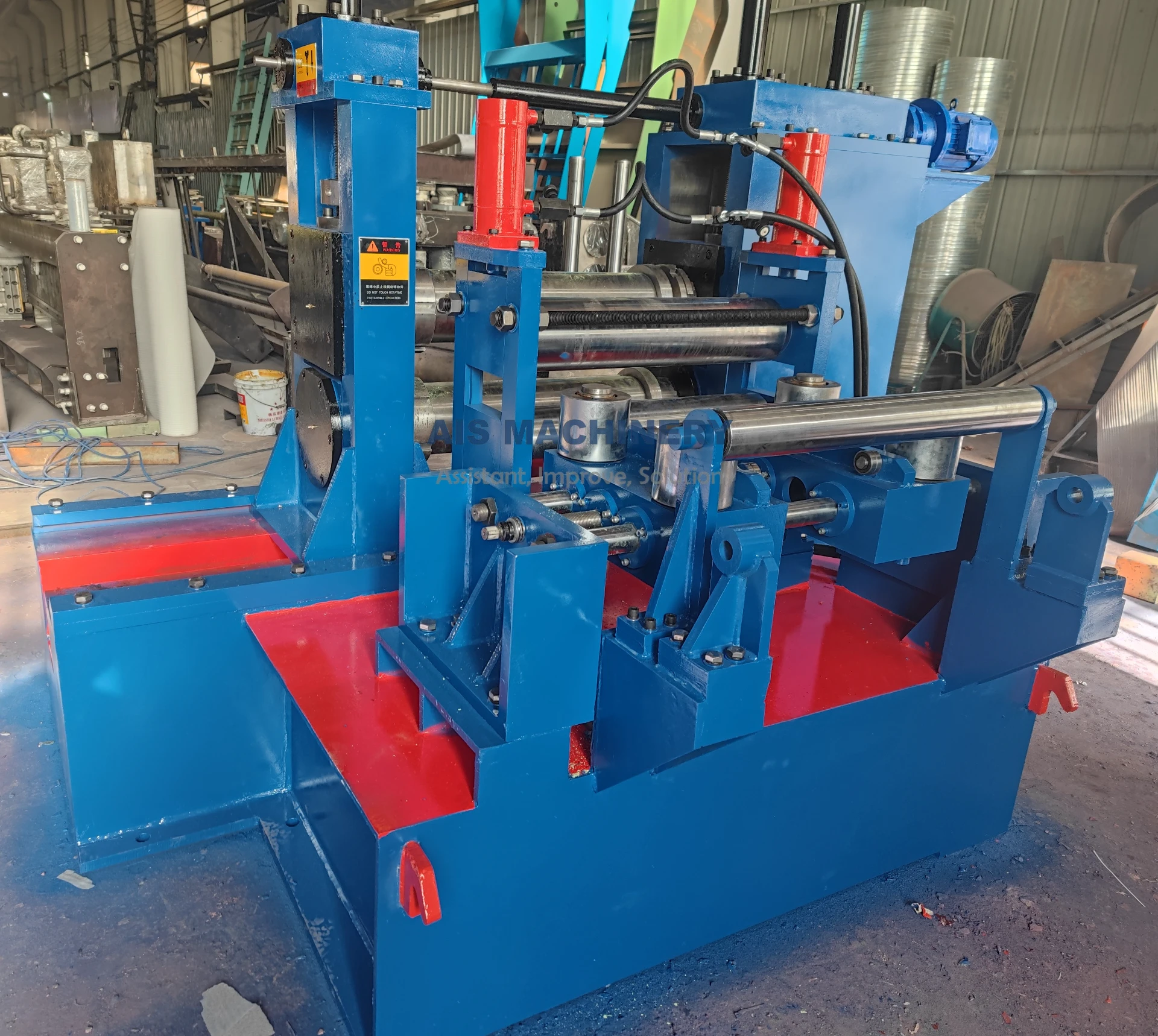
Flat Bar Production Line for Steel Coils: How It Works & Why It Matters
Looking for a flat bar production line? Learn how it turns steel coils into ready-to-use flat bars with precise length and high straightness. Compare it with slitting lines and get the best solution for your steel processing needs.
2026-04-14 00:00:00
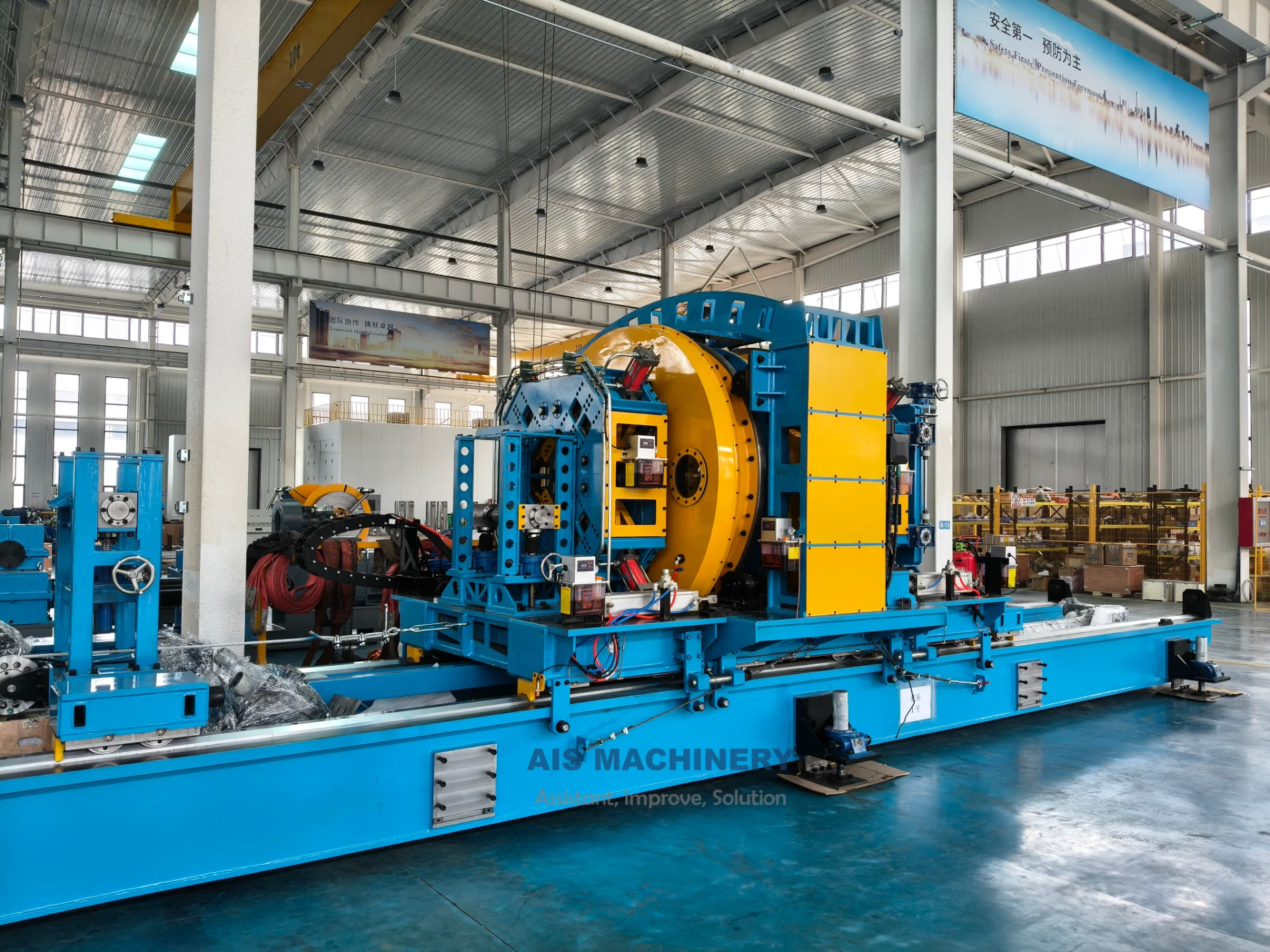
Looking for a Milling Saw for ERW Tube Mill? Here’s What You Need to Know
Looking for a high-performance milling saw for your ERW tube mill? Upgrade to burr-free, high-precision pipe cutting with advanced flying saw technology. Improve efficiency, reduce rework, and meet export standards for carbon steel, stainless steel, and API pipes. Contact us today for expert solutions and competitive pricing tailored to your production needs.
2026-04-09 16:15:19
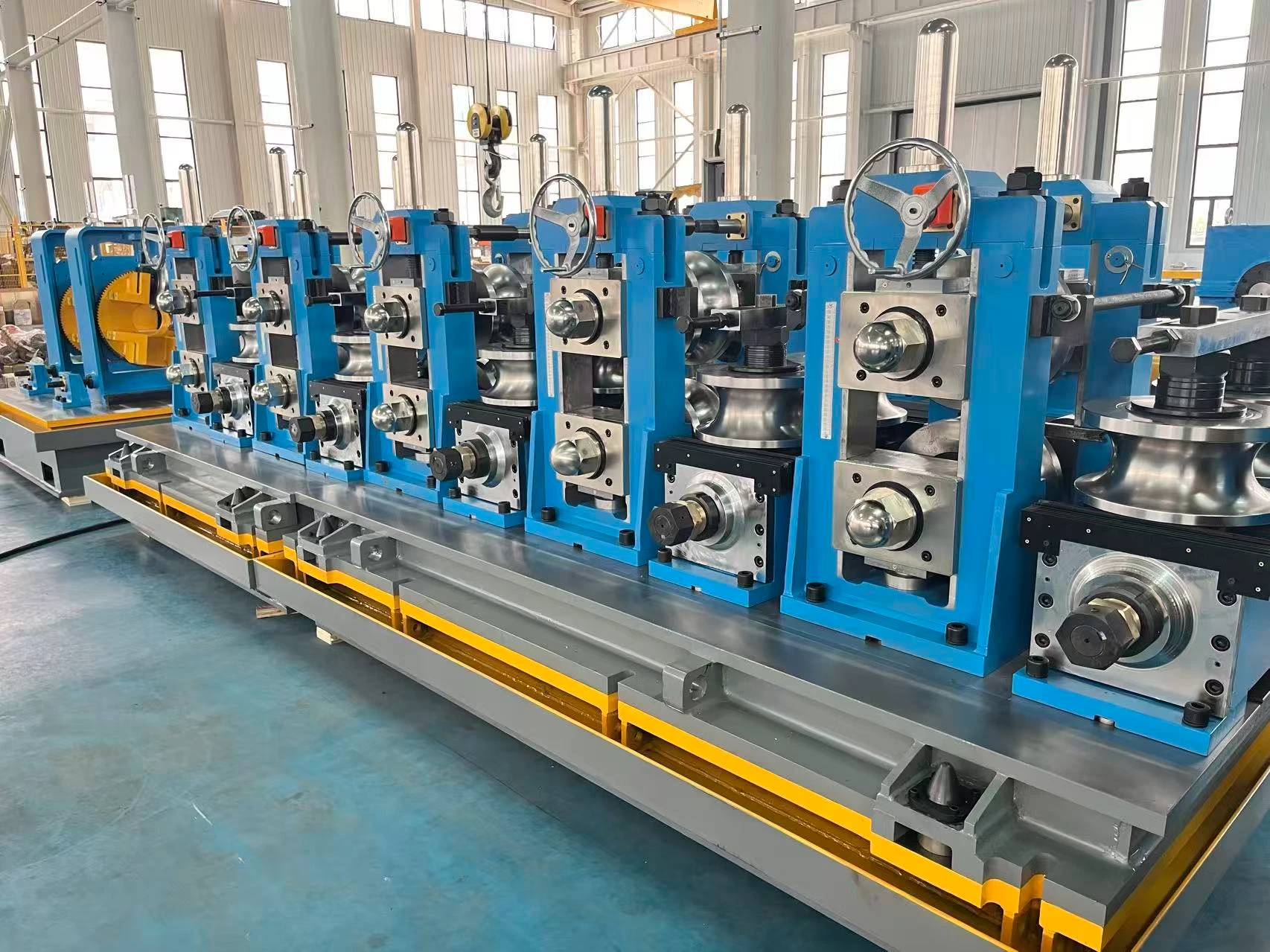
5-Inch (127mm) ERW Tube Making Machine Delivered with Heavy-Duty Design and Advanced Quick Change System
2027-04-07 00:00:00
Metal Embossing Machine: Turn Flat Sheets into High-Value Textured Products
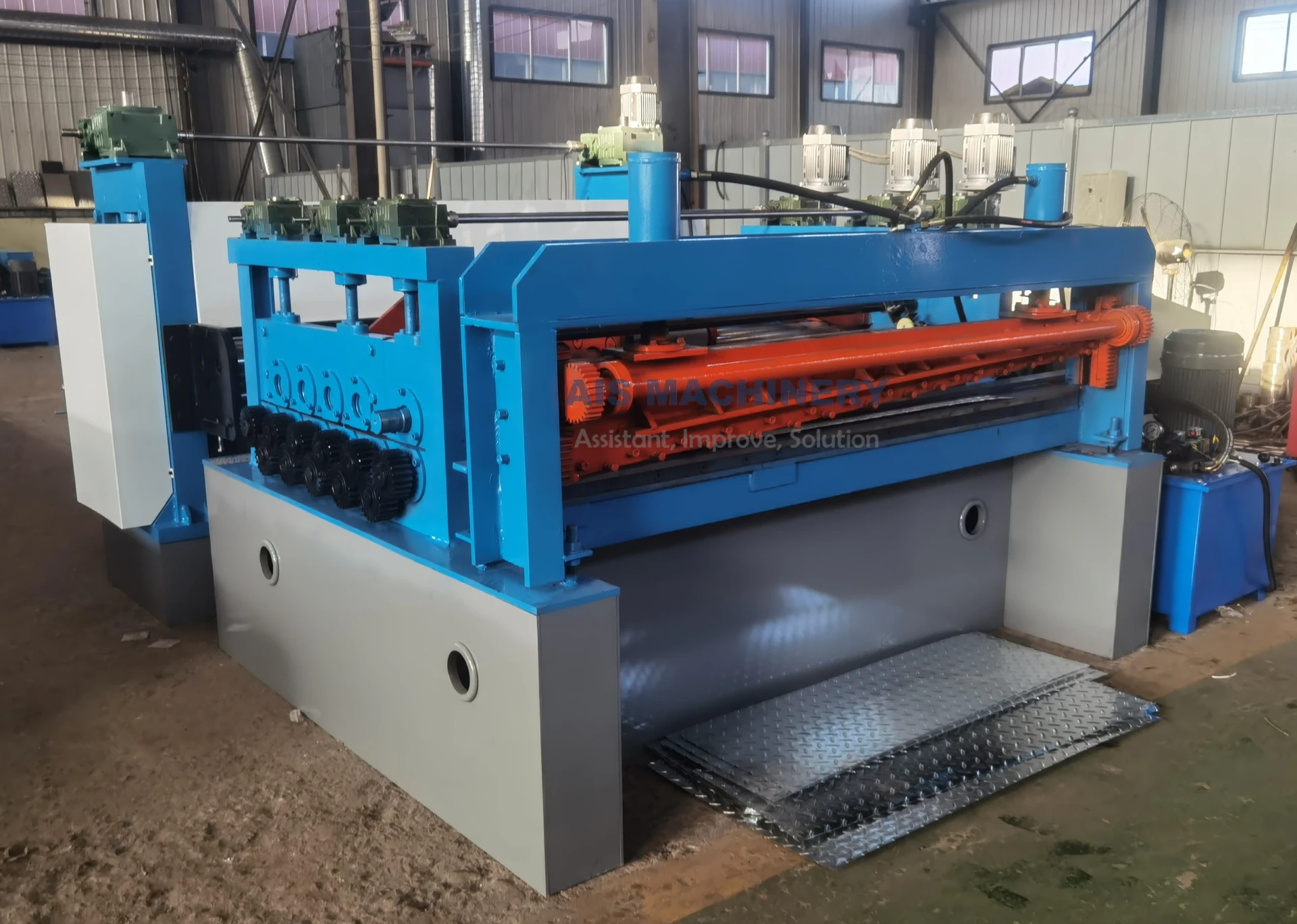
Discover how a metal embossing machine transforms flat steel, stainless steel, and aluminum sheets into high-value textured products. Learn about its working principle, key components, and applications. Ideal for decorative and industrial use, embossing machines improve both appearance and performance. Explore complete embossing line solutions and find the right machine for your production needs.
2026-04-04 20:37:18
Automatic Double Side Uncoiler with Hydraulic Expansion and Auto Rotation for Steel Coil Processing
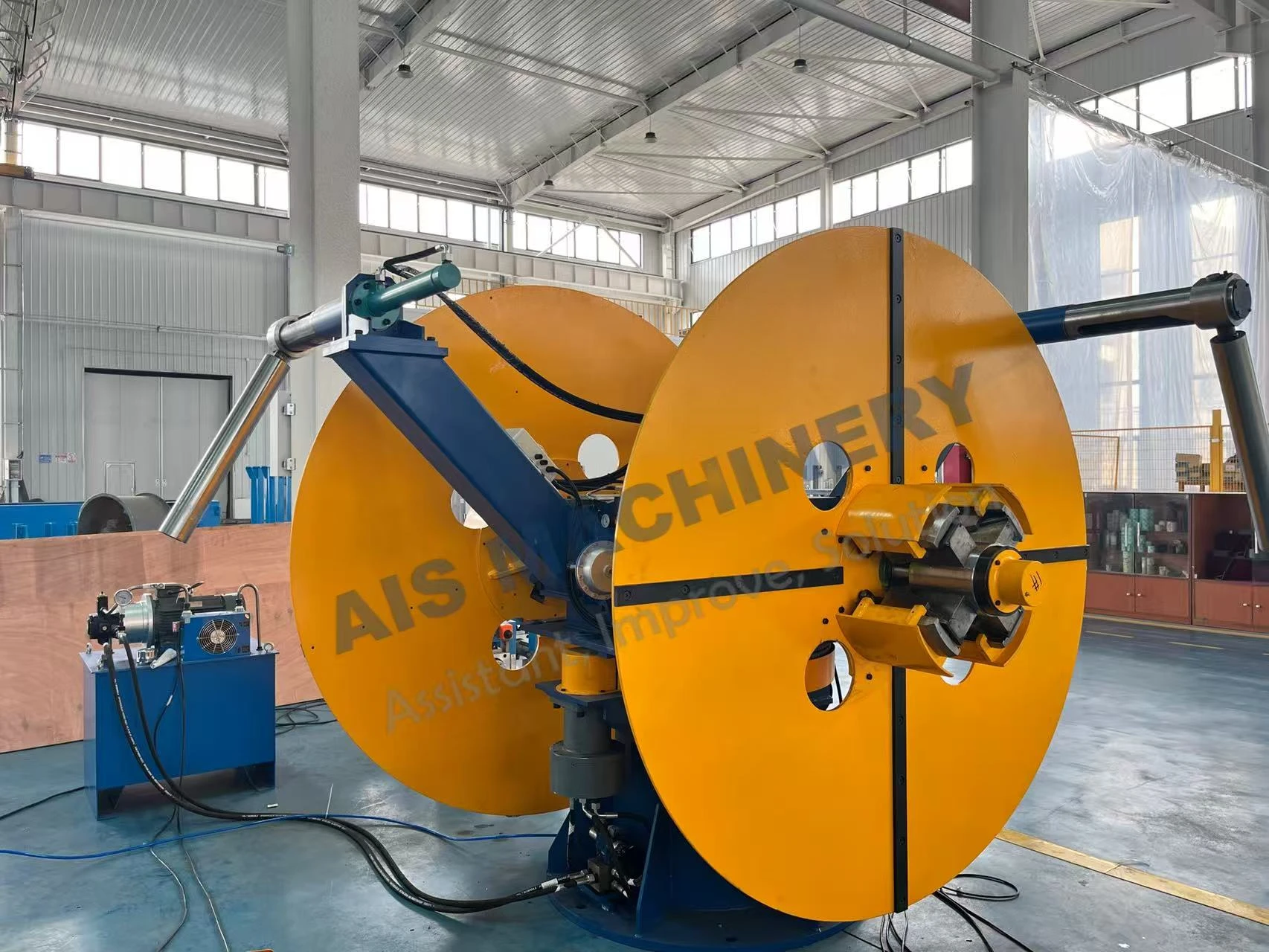
The Automatic Double Side Uncoiler is a high-efficiency solution designed for modern steel coil processing lines, including tube mills, roll forming machines, and slitting lines. With a maximum capacity of 4 tons per side, this machine ensures stable and continuous coil feeding while reducing downtime during coil change.
2026-04-04 02:35:29
Exploring Advanced Cold Forming Machines for Efficient Metal Production
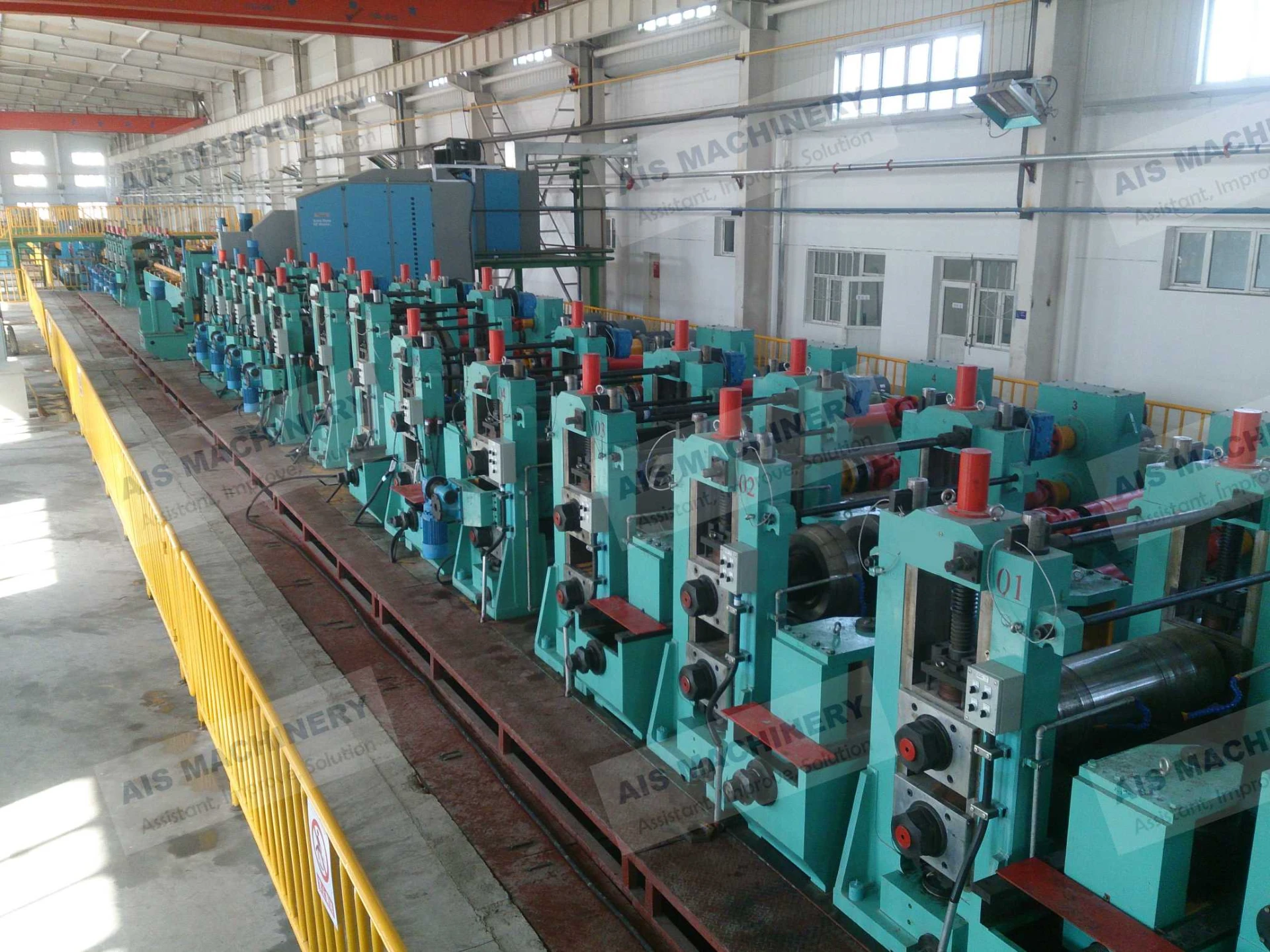
In the realm of metal fabrication, cold forming machines are pivotal for efficient and cost-effective production of various metal components. These machines utilize a shaping process at room temperature, offering advantages like enhanced material strength and reduced production costs. This article provides an in-depth look into the world of cold forming machines, covering their types, applications, benefits, and key considerations when choosing the right machine for your needs. Understanding the nuances of these machines is crucial for optimizing manufacturing processes and achieving superior product quality.
2026-04-01 00:00:00
14 Inch 355mm API Tube Mill: Complete Guide to Structure and Production Process
Discover the complete structure of a 14 inch (355mm) API standard tube mill, including forming, welding, sizing, and finishing sections. Learn what API standards mean and why they are essential for oil and gas pipe production. A practical guide for buyers seeking high-quality ERW tube mill solutions with stable performance and international compliance.
2026-03-31 14:01:29
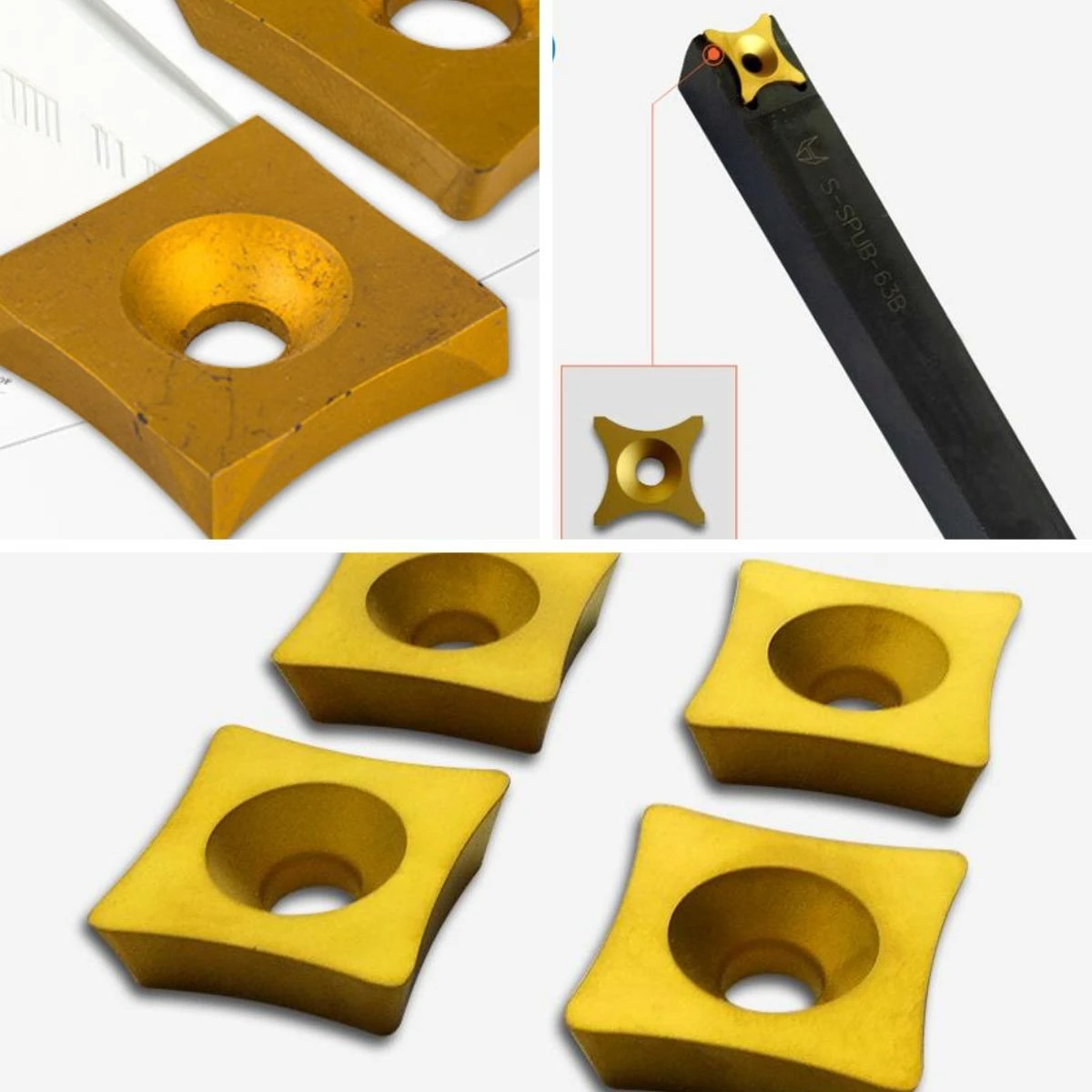
What Is an External Burr Scraper? Types, Benefits & Applications in Tube Mills
Discover how an external burr scraper improves weld seam quality in ERW tube mills. Learn the differences between four-sided and six-sided burr scrapers, their applications, and how to choose the right solution for your production line. Optimize pipe surface finish, reduce defects, and increase efficiency with the right external burr removal tool for your tube and pipe manufacturing process.
Send a Message
Dear customer, thank you for your attention! We provide high-quality machinery and equipment and look forward to your orders. Please inform us of your needs and we will respond quickly!
 English
  Albanian
  Arabic
  French
  German
  Indonesian
  Italian
  Japanese
  Kazakh
  Korean
  Latin
Latin  Macedonian
  Portuguese
  Russian
  Spanish
  Thai
Thai  Turkish
  Ukrainian
  Uzbek
Uzbek