
-
 Tel:86-15176910262
-

Search

Understanding Cold Roll Forming and the Cold Roll Machine Process
Mar . 26, 2026 02:35
Understanding Cold Roll Forming with a Cold Roll Machine
Cold roll forming is a highly efficient and cost-effective process for manufacturing metal components with consistent cross-sections. Utilizing a cold roll machine allows businesses to produce high-strength, precise metal profiles for a diverse range of applications. This article will explore the process, advantages, key components, applications, and considerations when investing in a cold roll machine. We aim to provide a comprehensive guide for those looking to understand and implement this powerful manufacturing technique.
What is Cold Roll Forming?
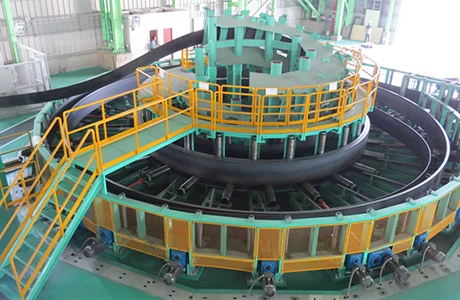
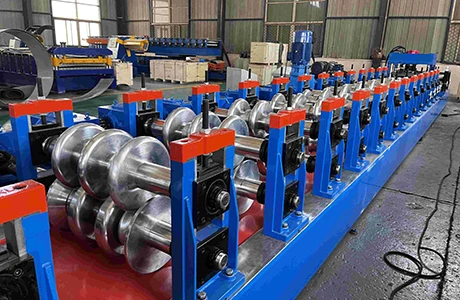
Cold roll forming, also known as cold rolling, is a continuous bending process that shapes metal sheets into desired profiles. Unlike hot rolling, which involves heating the metal, cold roll forming is performed at room temperature. This process uses a series of rollers, each precisely shaped, to gradually deform the metal strip as it passes through the cold roll machine. This gradual deformation maintains the metal’s strength and produces profiles with tight tolerances and a smooth surface finish. The process is particularly well-suited for producing long, continuous sections, making it ideal for applications like structural components, tubing, and channels.
Key Benefits: High precision, excellent surface finish, increased strength, cost-effective for large production runs, minimal material waste.
Key Components of a Cold Roll Machine
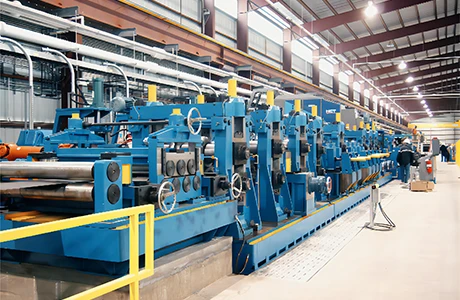
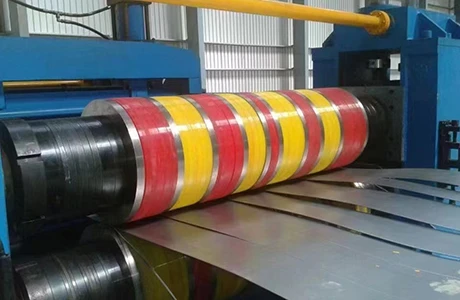
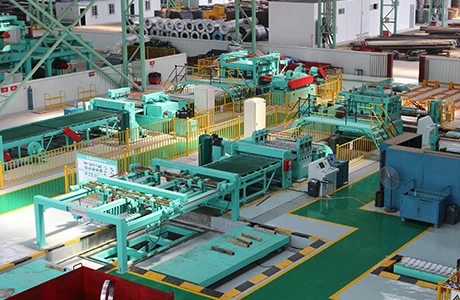
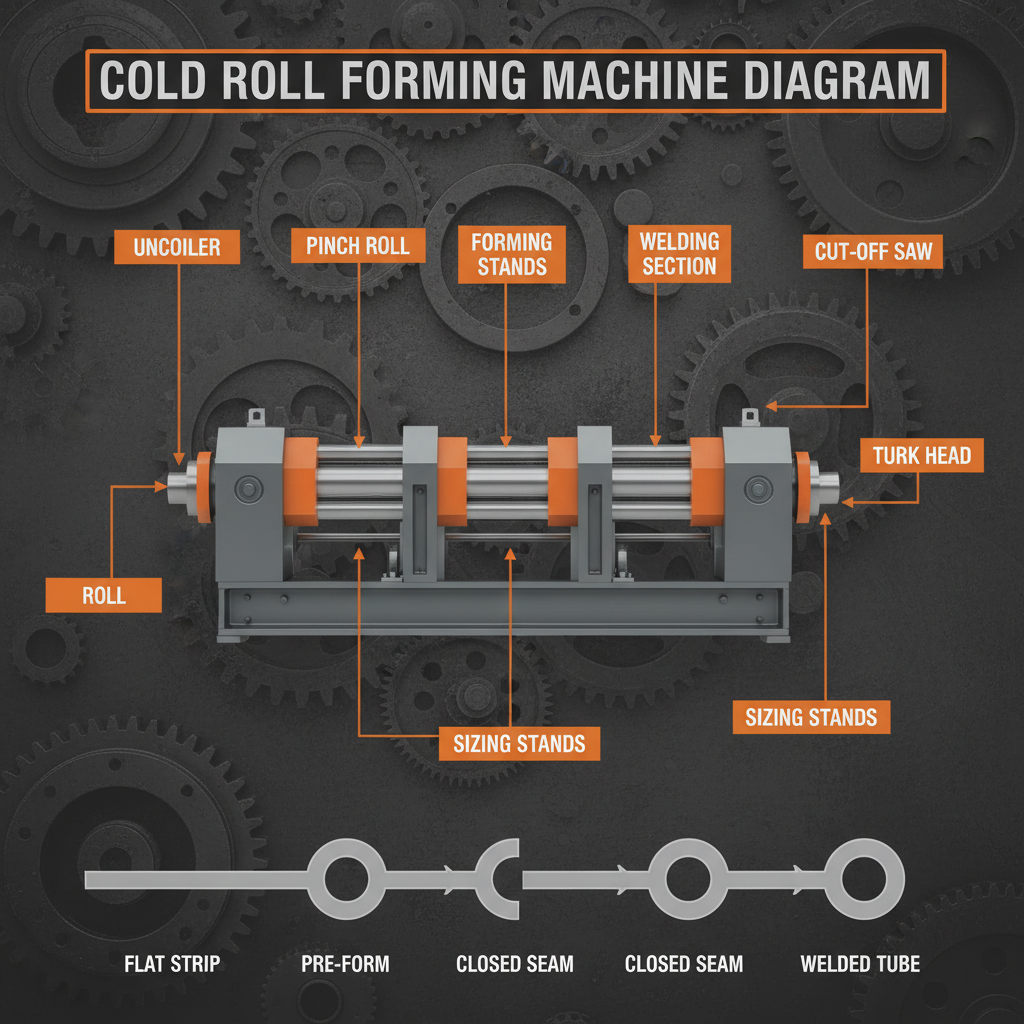
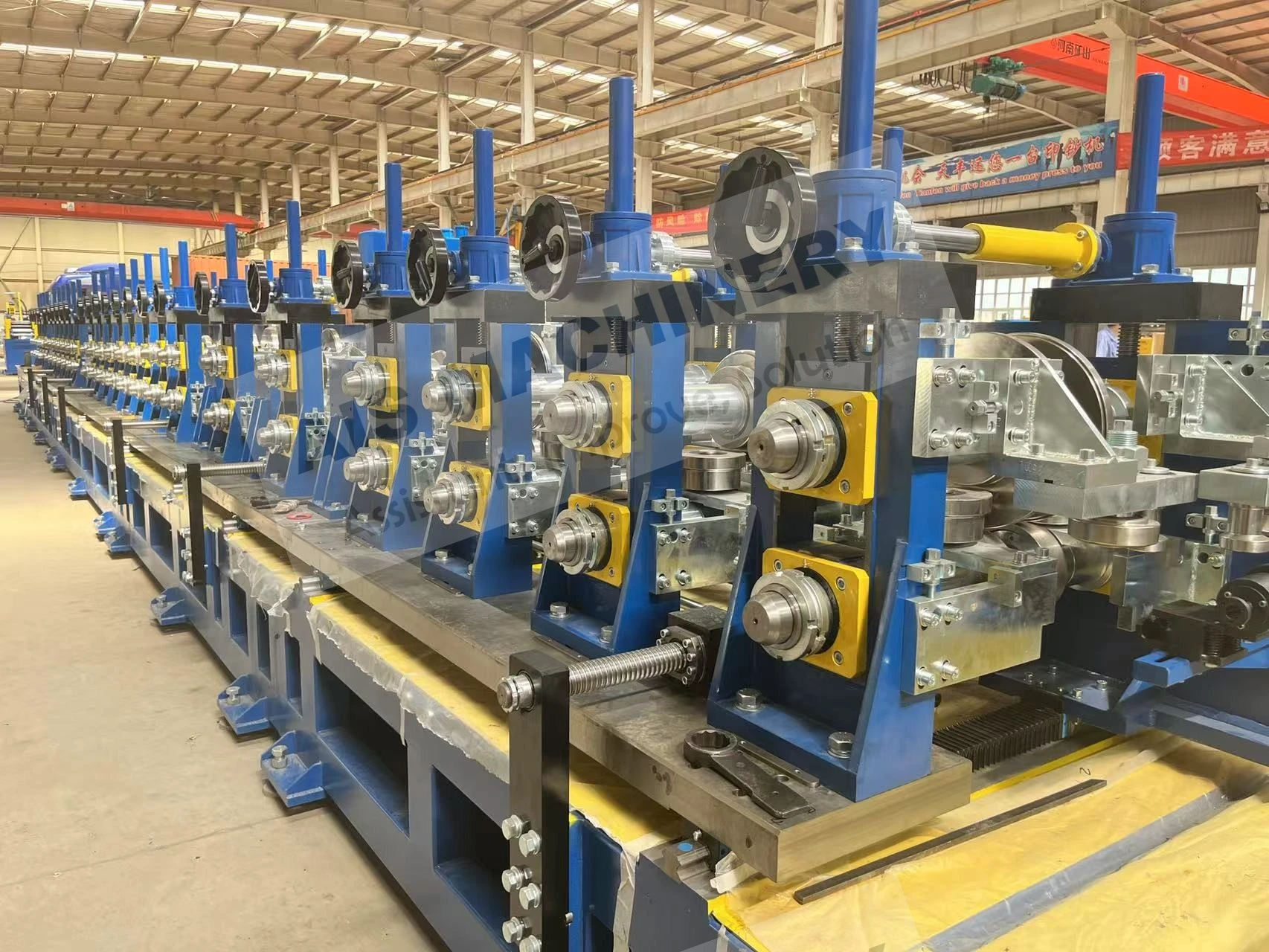
A typical cold roll machine comprises several crucial components working in harmony. These include the entry guide, leveling unit, roll forming stations, cutting system, and the run-out table. The entry guide accurately feeds the metal strip into the machine. The leveling unit ensures the metal is flat and consistent before entering the roll forming stations. The roll forming stations, the heart of the machine, contain a series of contoured rollers that progressively shape the metal. A precise cutting system, often utilizing flying shears, cuts the formed profile to the desired length. Finally, the run-out table supports the finished product as it exits the machine. The quality of each component significantly influences the final product’s precision and efficiency. AISTUBEMILL offers machines with optimized component integration for superior performance.
Cold Roll Forming vs. Other Metal Forming Processes
Understanding how cold roll forming compares to other metal forming processes is crucial when choosing the right manufacturing method. While processes like extrusion, stamping, and hot rolling have their applications, cold roll forming often stands out for its cost-effectiveness and precision, particularly for long, continuous profiles. Below is a comparison:
Applications of Cold Roll Formed Profiles
The versatility of cold roll forming allows for a vast array of applications. Some prominent examples include: construction (steel studs, tracks, purlins), automotive (structural components, chassis parts), appliance manufacturing (frames, supports), furniture (tubular steel frames), and electrical racking. The ability to create complex shapes with tight tolerances makes it an ideal choice for demanding applications where precision and strength are paramount. AISTUBEMILL provides customized solutions for various industries.
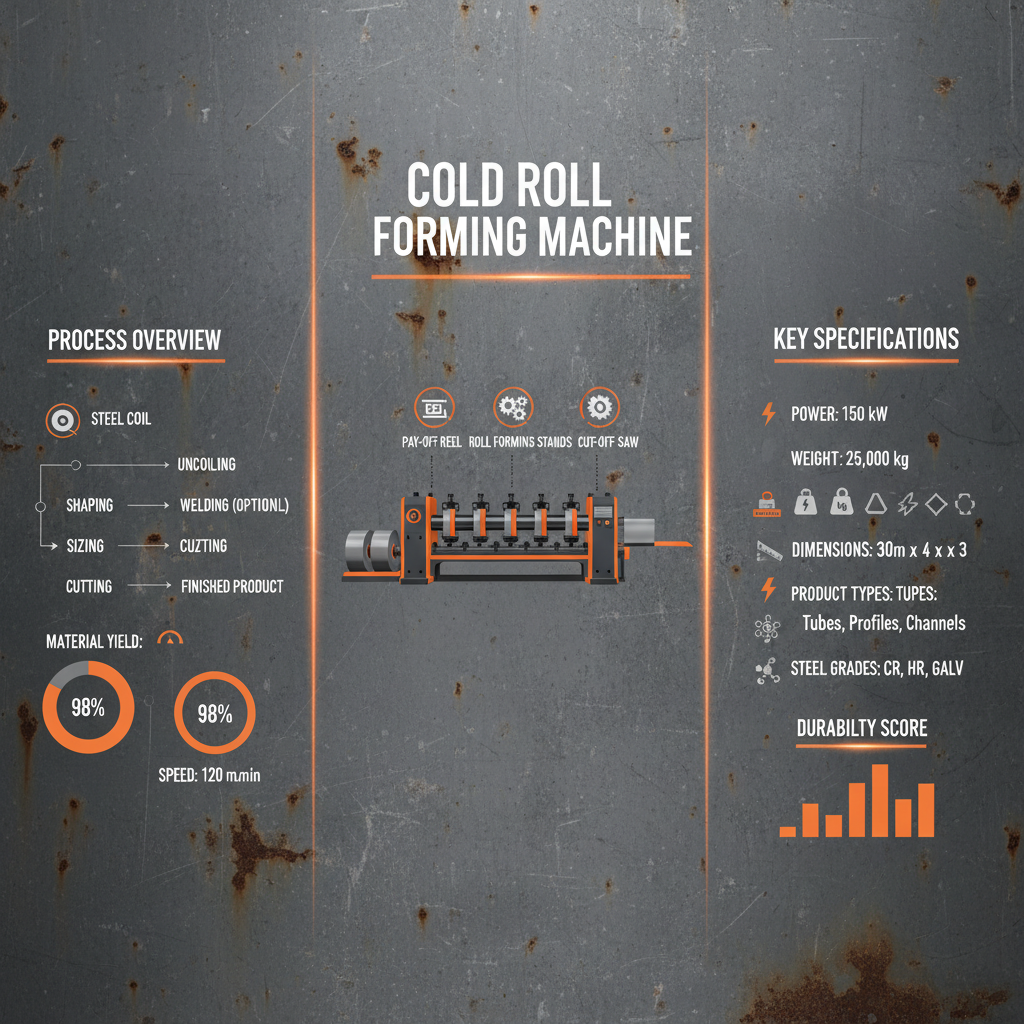
Selecting the Right Cold Roll Machine: Key Considerations
Choosing the correct cold roll machine requires careful consideration of several factors. These include the desired profile shape, material thickness, production volume, and budget. Consider the level of automation needed – manual, semi-automatic, or fully automatic. Ensure the machine’s capacity aligns with your current and future production needs. Look for a reputable manufacturer that provides excellent after-sales service and technical support. AISTUBEMILL offers a range of machines to meet diverse requirements.
Conclusion: Optimizing Production with Cold Roll Forming
Investing in a cold roll machine and implementing cold roll forming technology can significantly enhance manufacturing efficiency, reduce costs, and improve product quality. By carefully considering your specific needs and partnering with a reliable supplier like AISTUBEMILL, you can unlock the full potential of this powerful manufacturing process.
Frequently Asked Questions (FAQs)
What materials can be used in cold roll forming?
Cold roll forming is primarily used with ferrous and non-ferrous metals that possess good ductility. Common materials include carbon steel, stainless steel, aluminum, and galvanized steel. The material’s thickness is a critical factor, typically ranging from 0.5mm to 6mm. The chosen material must be able to withstand the deformation process without fracturing. Higher-strength materials may require more powerful machines and optimized tooling.
What is the typical production speed of a cold roll machine?
Production speed varies significantly depending on several factors, including the complexity of the profile, material thickness, machine automation level, and the machine's overall design. A typical cold roll machine can produce profiles at speeds ranging from 20 to 100 meters per minute. Fully automated machines with optimized tooling can achieve even higher speeds. Faster speeds generally result in higher production volumes, but may also require more robust quality control measures.
What maintenance is required for a cold roll machine?
Regular maintenance is essential for ensuring the longevity and optimal performance of a cold roll machine. This includes routine lubrication of moving parts, inspection and replacement of worn rollers, cleaning of the machine, and calibration of the control system. Regularly check for any signs of wear or damage to prevent costly breakdowns. Following the manufacturer’s recommended maintenance schedule is crucial.
What are the benefits of using a flying shear in cold roll forming?
A flying shear is a cutting system that cuts the metal strip while it’s in motion, without stopping the production process. This significantly increases production efficiency compared to stop-start cutting methods. Flying shears provide clean, precise cuts with minimal distortion, resulting in high-quality finished products. They are particularly beneficial for high-volume production runs and can dramatically reduce cycle times.

Related Products

Related News
2026-04-18 03:20:20
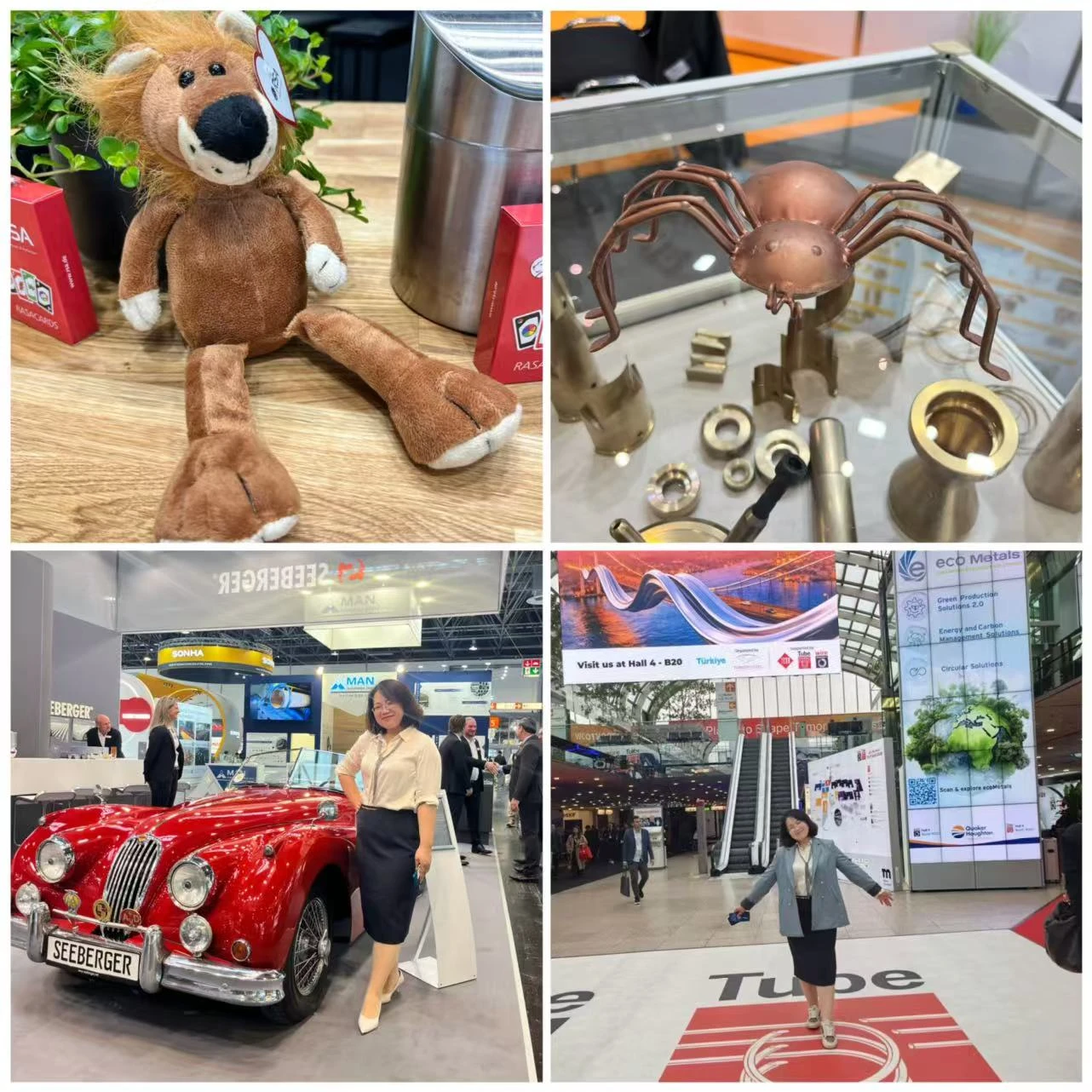
AIS Machinery Showcases Advanced Tube Solutions at Tube & Wire Düsseldorf 2026
Tube & Wire Düsseldorf 2026, one of the most influential exhibitions in the global tube and wire industry, held biennially in Düsseldorf, Germany
2027-04-17 00:00:00
Southeast Asia Client Visits Our Factory | Customized Tube Mill Solution Delivered
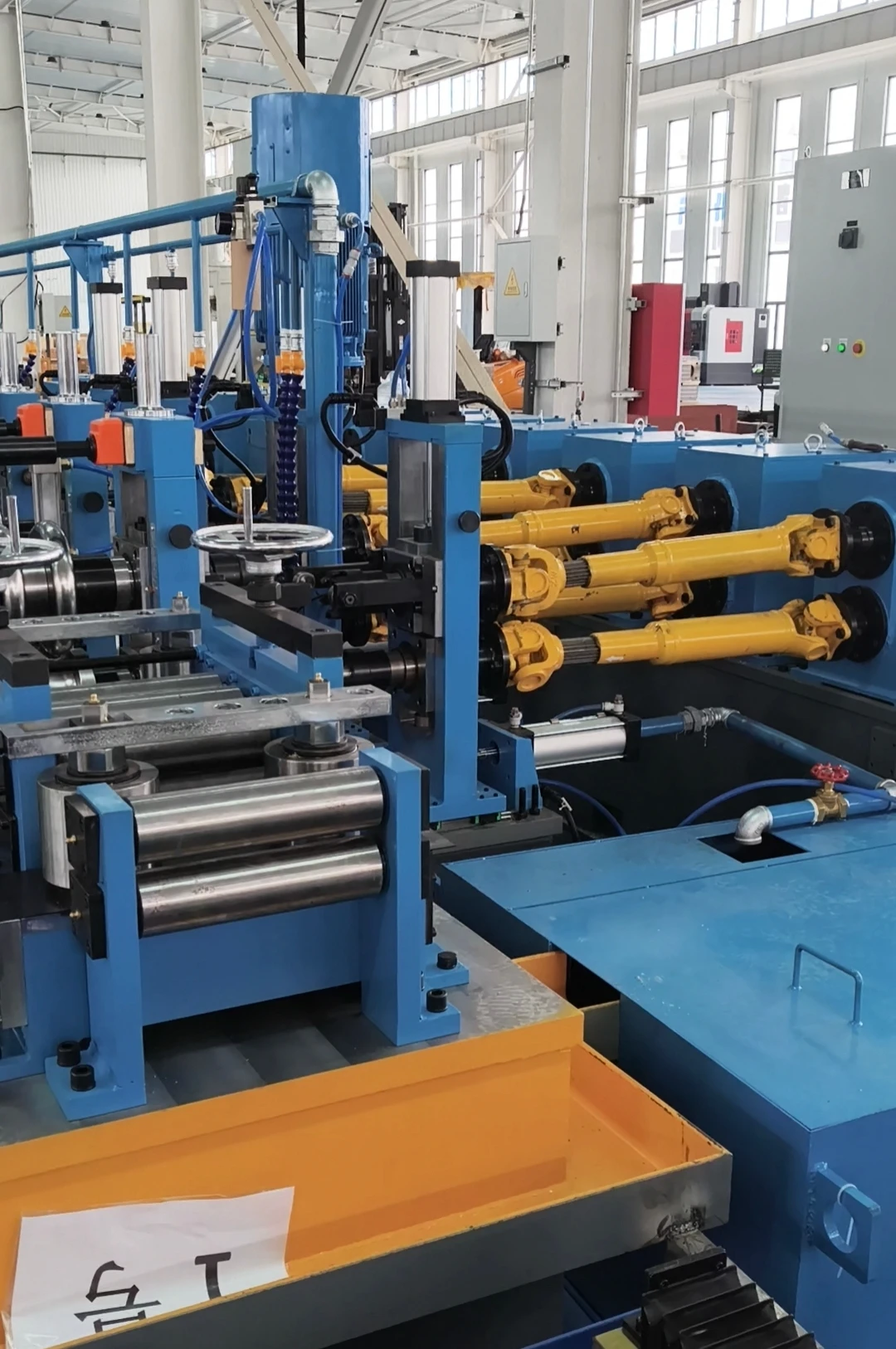
A Southeast Asia client visited our ERW tube mill factory to inspect production lines and discuss a customized tube mill solution. Impressed by our machine quality, welding performance, and engineering support, the client confirmed strong cooperation intentions. Discover how our ERW tube mill solutions improve efficiency, precision, and long-term production reliability.
2026-04-16 02:35:12
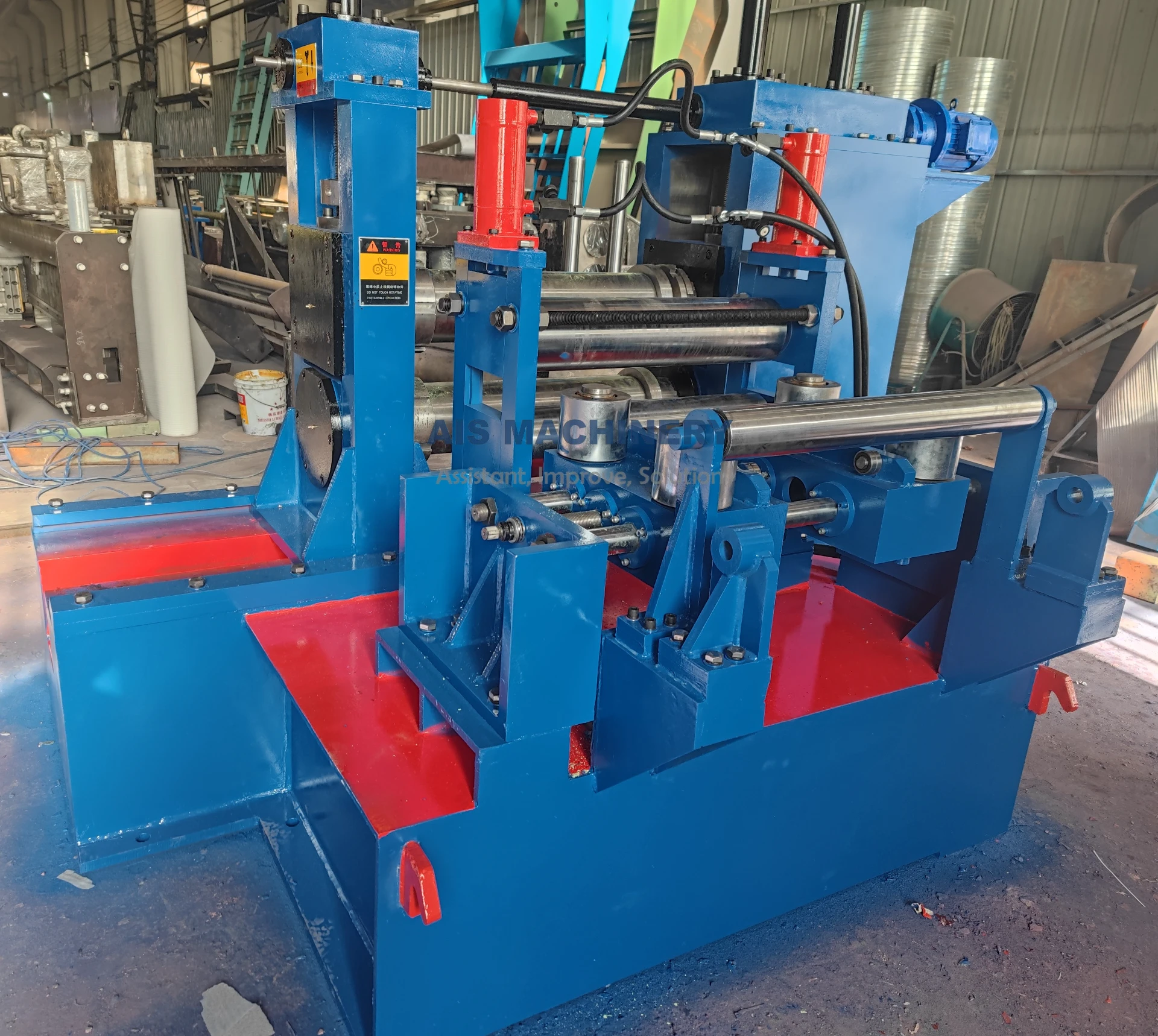
Professional Cold Roll Forming Machine Factory for Production
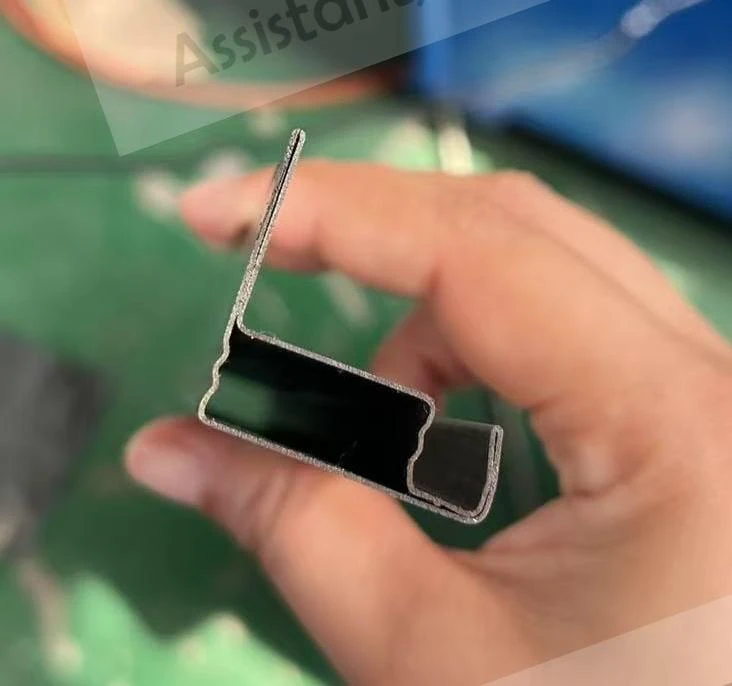
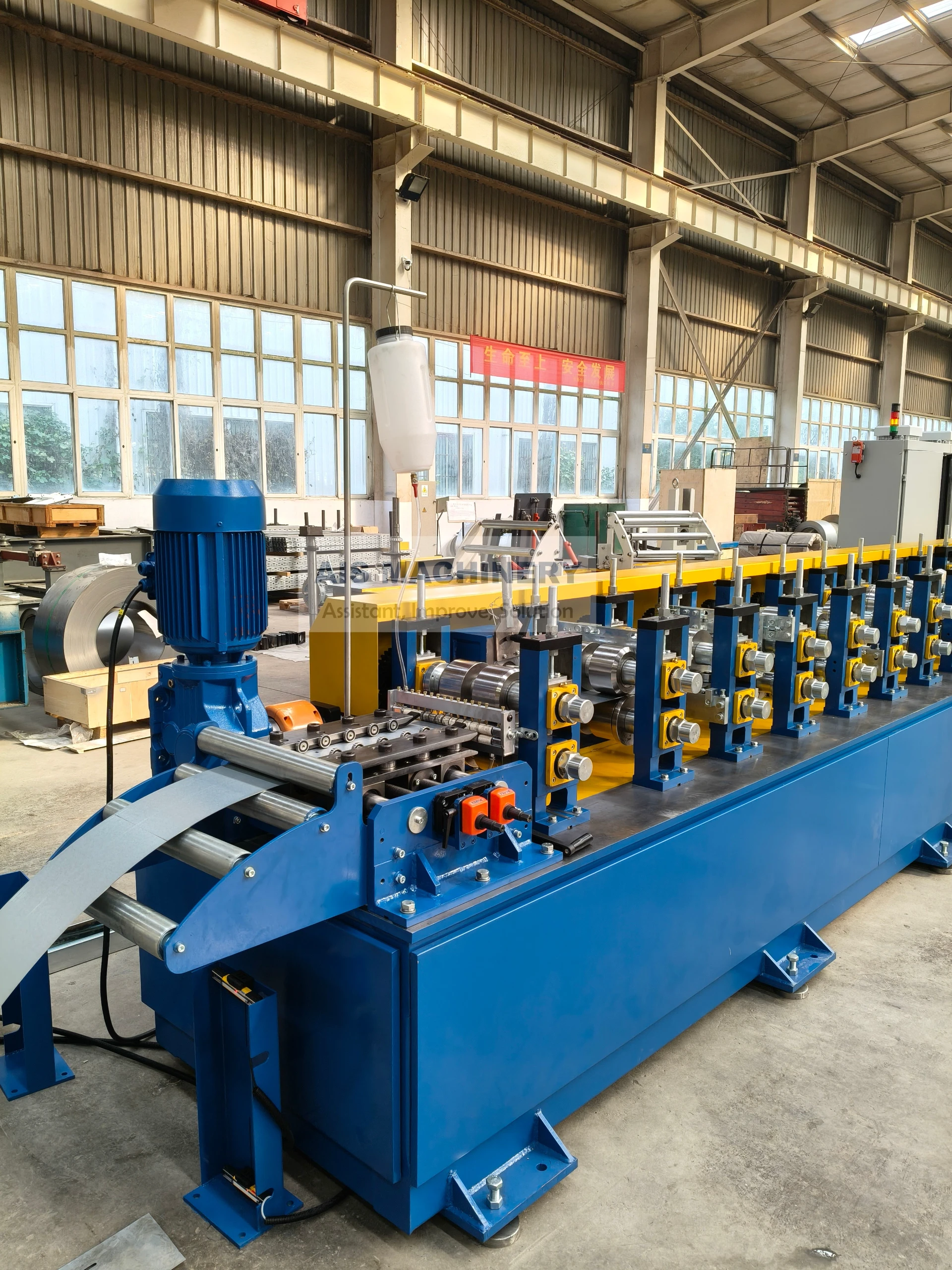
In the modern industrial landscape, the precision of metal shaping is the cornerstone of quality manufacturing. Partnering with a professional cold roll forming machine factory is essential for businesses looking to optimize their production lines, reduce material waste, and ensure high-dimensional accuracy. Whether you are producing C-channels, square tubes, or custom profiles, the choice of machinery determines your competitive edge in the market. This guide will explore the critical factors in selecting a factory and the technical advantages of advanced roll forming technology to help you make an informed investment.
2026-04-15 10:37:55
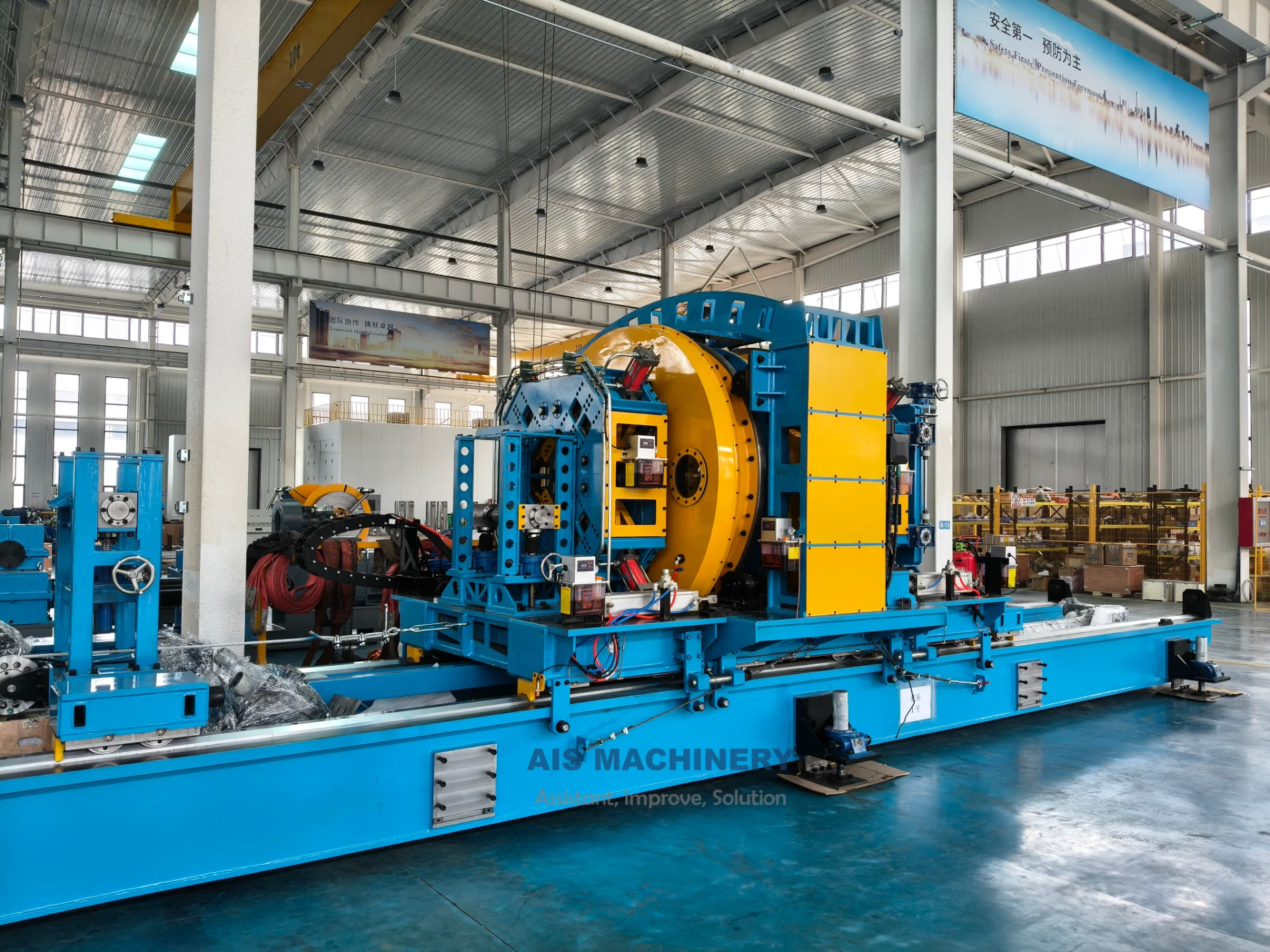
Flat Bar Production Line for Steel Coils: How It Works & Why It Matters
Looking for a flat bar production line? Learn how it turns steel coils into ready-to-use flat bars with precise length and high straightness. Compare it with slitting lines and get the best solution for your steel processing needs.
2026-04-14 00:00:00
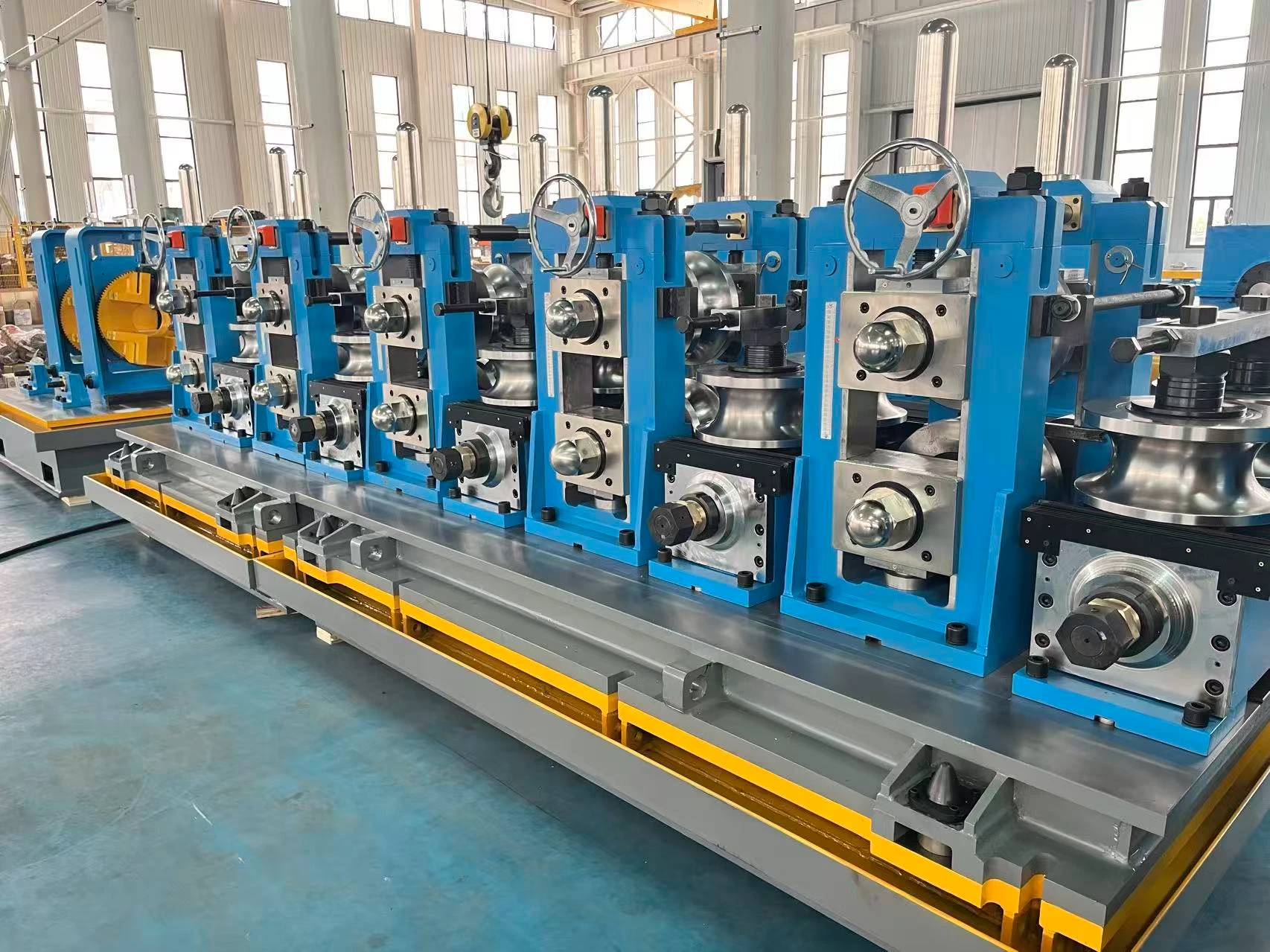
Looking for a Milling Saw for ERW Tube Mill? Here’s What You Need to Know
Looking for a high-performance milling saw for your ERW tube mill? Upgrade to burr-free, high-precision pipe cutting with advanced flying saw technology. Improve efficiency, reduce rework, and meet export standards for carbon steel, stainless steel, and API pipes. Contact us today for expert solutions and competitive pricing tailored to your production needs.
2026-04-09 16:15:19
5-Inch (127mm) ERW Tube Making Machine Delivered with Heavy-Duty Design and Advanced Quick Change System
2027-04-07 00:00:00
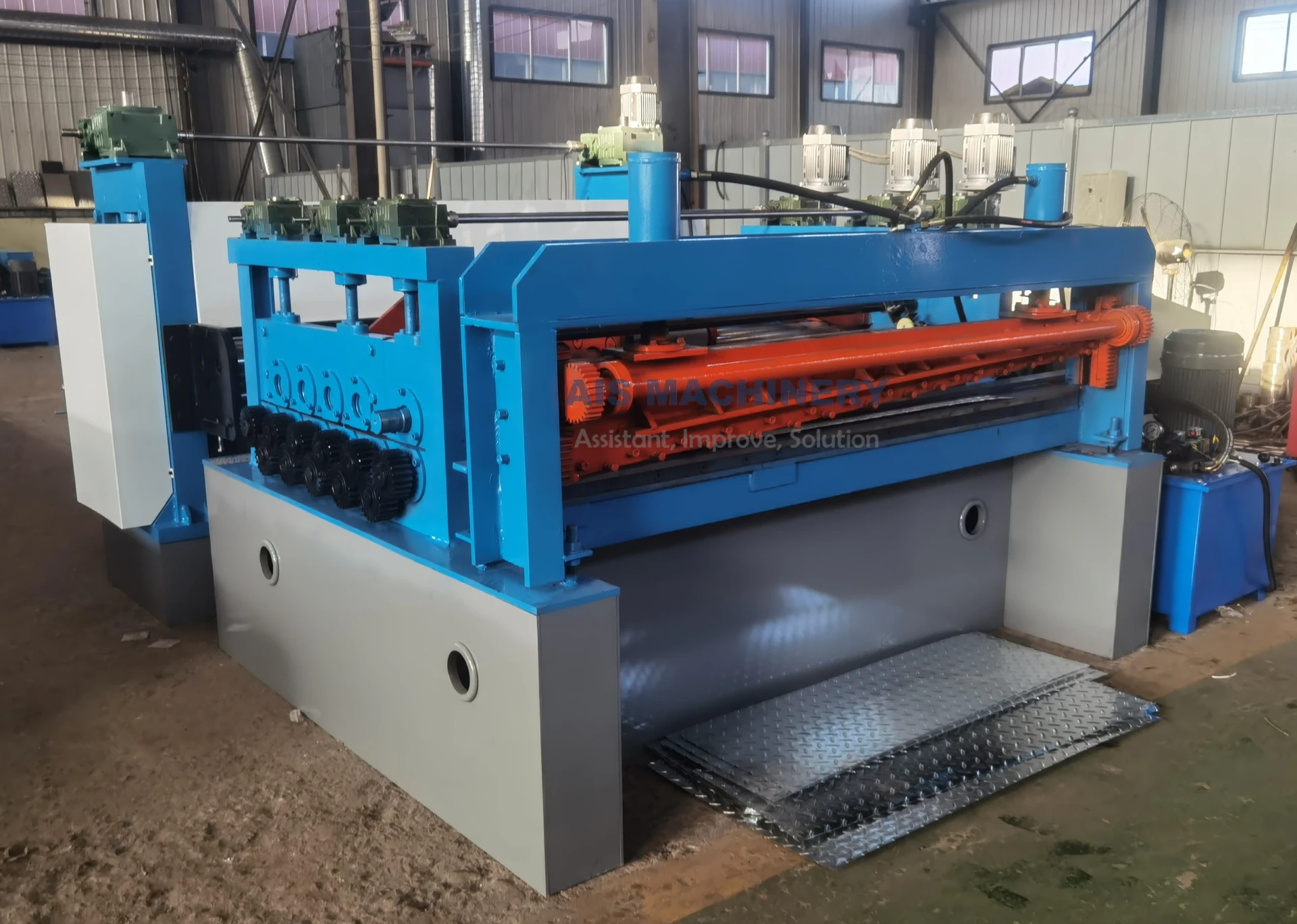
Metal Embossing Machine: Turn Flat Sheets into High-Value Textured Products
Discover how a metal embossing machine transforms flat steel, stainless steel, and aluminum sheets into high-value textured products. Learn about its working principle, key components, and applications. Ideal for decorative and industrial use, embossing machines improve both appearance and performance. Explore complete embossing line solutions and find the right machine for your production needs.
2026-04-04 20:37:18
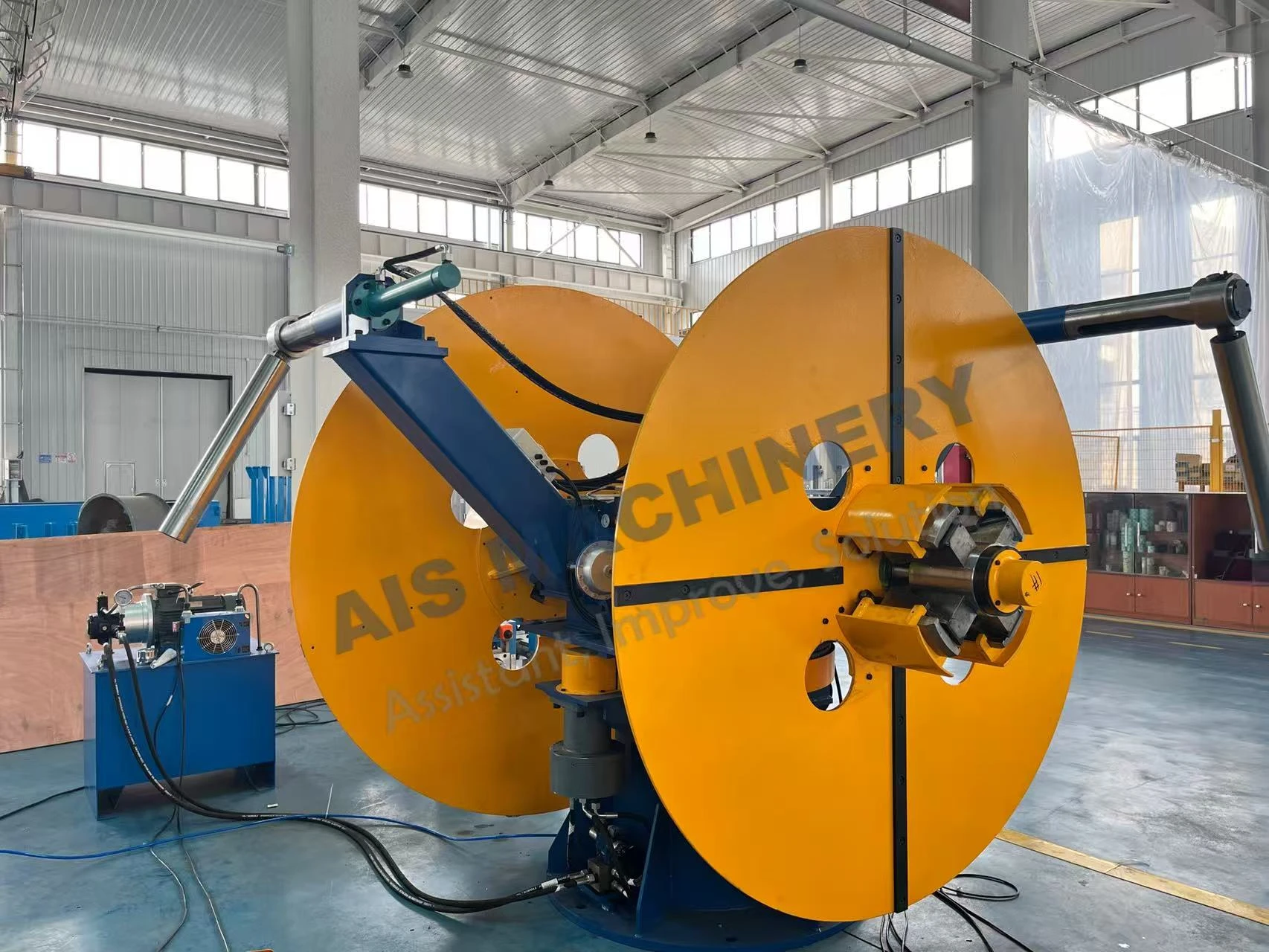
Automatic Double Side Uncoiler with Hydraulic Expansion and Auto Rotation for Steel Coil Processing
The Automatic Double Side Uncoiler is a high-efficiency solution designed for modern steel coil processing lines, including tube mills, roll forming machines, and slitting lines. With a maximum capacity of 4 tons per side, this machine ensures stable and continuous coil feeding while reducing downtime during coil change.
Send a Message
Dear customer, thank you for your attention! We provide high-quality machinery and equipment and look forward to your orders. Please inform us of your needs and we will respond quickly!
 English
  Albanian
  Arabic
  French
  German
  Indonesian
  Italian
  Japanese
  Kazakh
  Korean
  Latin
Latin  Macedonian
  Portuguese
  Russian
  Spanish
  Thai
Thai  Turkish
  Ukrainian
  Uzbek
Uzbek