
-
 Tel:86-15176910262
-

Search
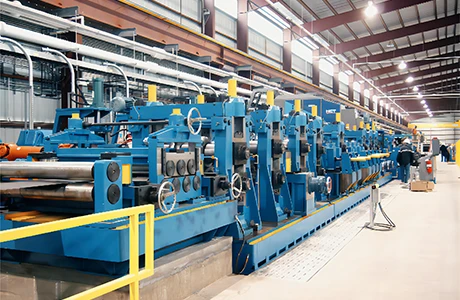
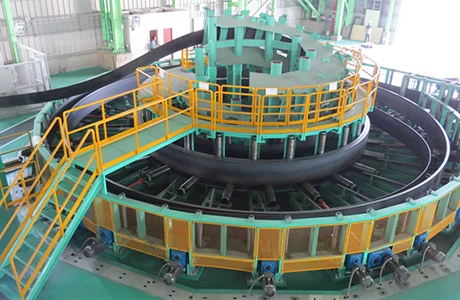
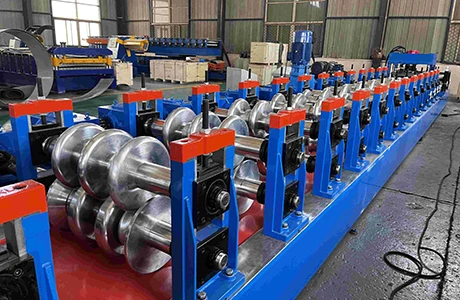
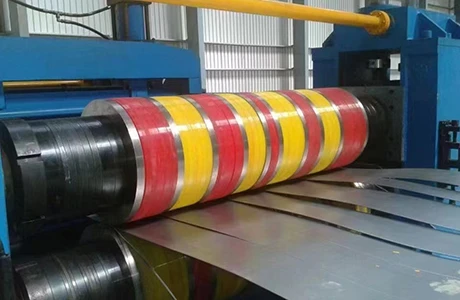

Professional Cold Roll Forming Machine Factory for Production
Apr . 16, 2026 02:35
Finding the Right Cold Roll Forming Machine Factory for Your Production
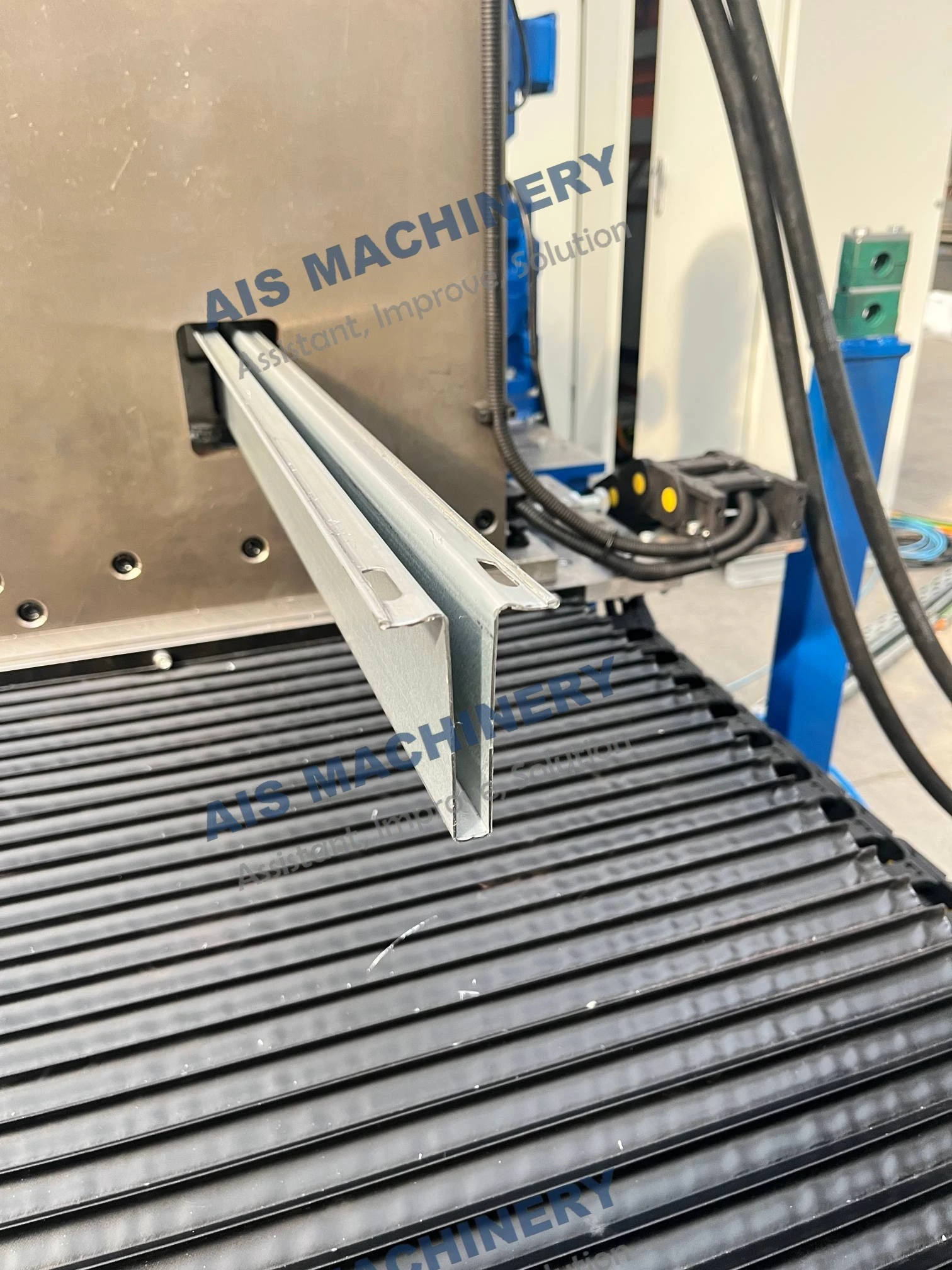
In the modern industrial landscape, the precision of metal shaping is the cornerstone of quality manufacturing. Partnering with a professional cold roll forming machine factory is essential for businesses looking to optimize their production lines, reduce material waste, and ensure high-dimensional accuracy. Whether you are producing C-channels, square tubes, or custom profiles, the choice of machinery determines your competitive edge in the market. This guide will explore the critical factors in selecting a factory and the technical advantages of advanced roll forming technology to help you make an informed investment.
The Core Advantages of a Specialized Cold Roll Forming Machine Factory
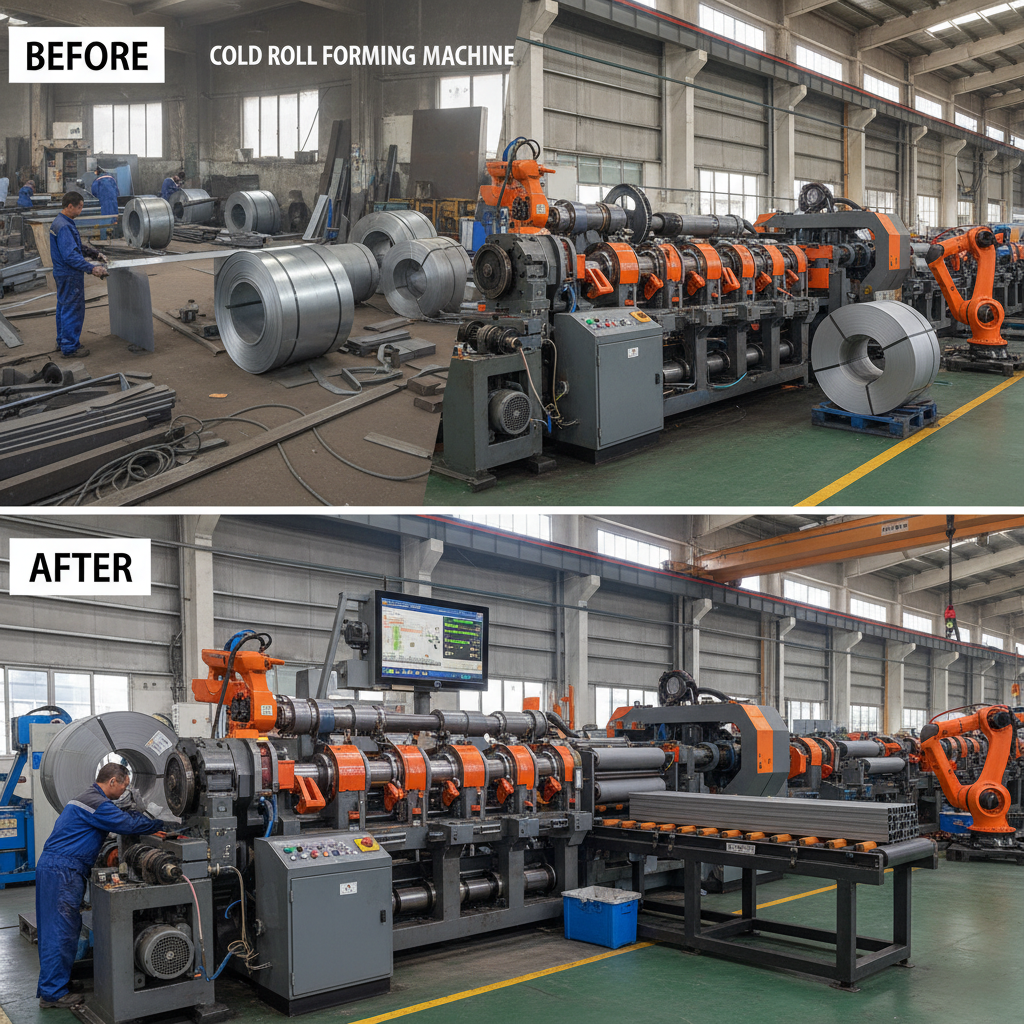
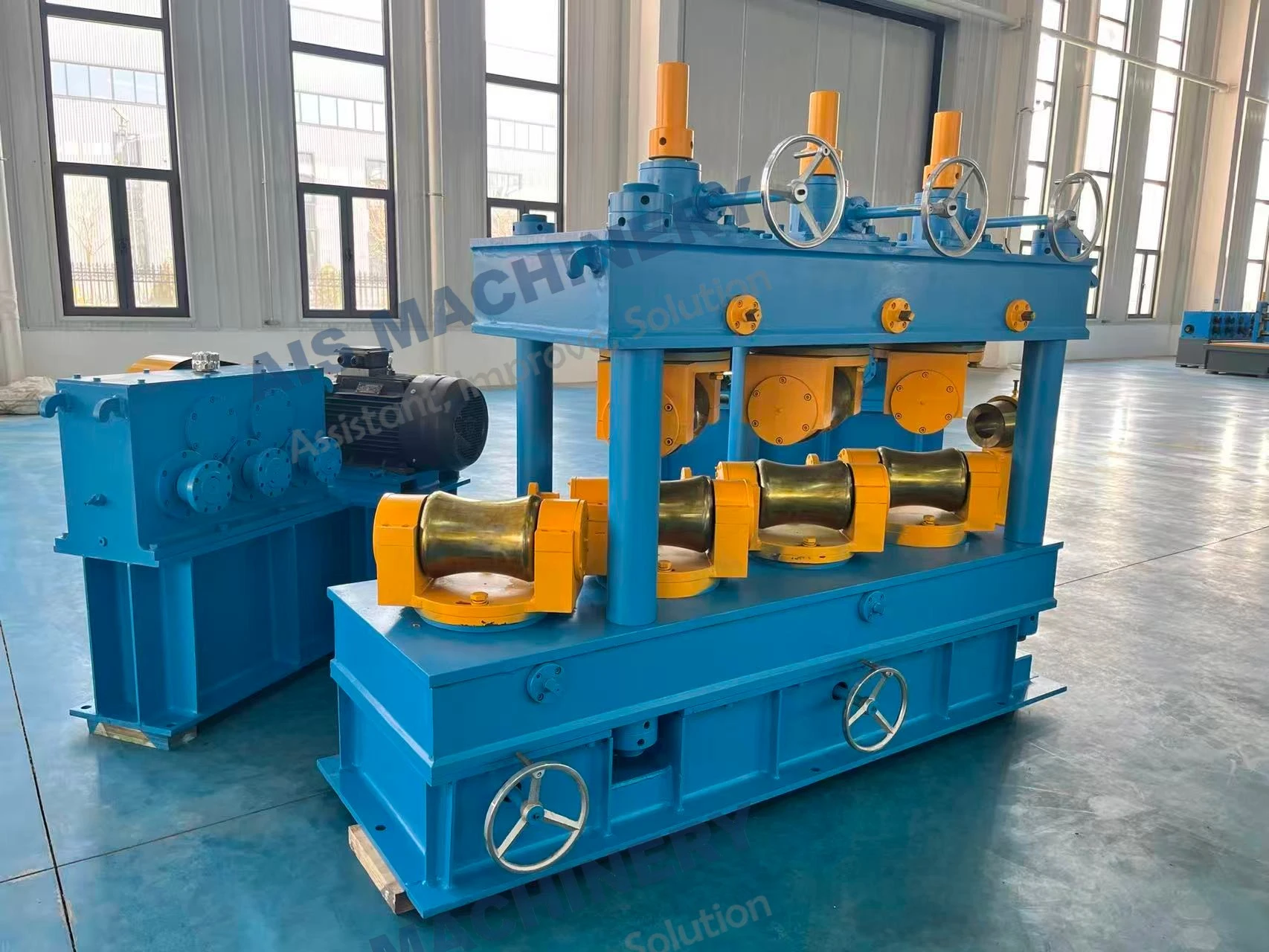
A dedicated cold roll forming machine factory offers more than just equipment; they provide engineered solutions. Unlike generic machinery, specialized factories utilize precision CNC milling and high-grade alloy steels for roller construction, ensuring that the machine can withstand thousands of hours of operation without significant wear. This specialization results in tighter tolerances and a smoother finish on the final product, which is critical for automotive and architectural applications. Furthermore, experienced factories provide comprehensive support, from initial CAD design to final installation and commissioning.
Industry Insight: High-end roll forming machines reduce the need for secondary finishing processes, potentially lowering total production costs by up to 15% through increased efficiency and reduced scrap rates.
Customization Capabilities at a Leading Cold Roll Forming Machine Factory
Every project has unique requirements, which is why the ability to customize is a hallmark of a top-tier cold roll forming machine factory. Customization typically involves the design of specific roller profiles, the integration of automated punching units, and the selection of high-speed flying shear systems. By tailoring the machine to the specific thickness and tensile strength of your raw material, the factory ensures that the metal is formed without stress-cracking or warping. This level of precision is what separates industrial-grade equipment from entry-level machinery.
Technical Comparison: Cold Roll Forming vs. Traditional Press Braking
When deciding on a production method, many manufacturers compare the output of a cold roll forming machine factory's equipment against traditional press brakes. While press braking is ideal for short runs and complex, single-piece bends, roll forming is vastly superior for long-length, consistent profiles. The continuous process of roll forming eliminates the need for repetitive manual setups, drastically increasing output speed and ensuring that every meter of the product is identical. This consistency is vital for structural integrity in construction-grade steel.
Quality Control Standards in a Cold Roll Forming Machine Factory
Quality assurance is where a premium cold roll forming machine factory differentiates itself from competitors. Rigorous testing protocols, including load testing and dimensional verification, are performed before any machine leaves the floor. The use of heat-treated rollers prevents premature deformation, while advanced PLC control systems ensure that the speed and pressure are perfectly synchronized. By adhering to ISO standards, these factories guarantee that the equipment will deliver consistent results throughout its lifecycle, reducing downtime and maintenance costs.
Quality Checklist for Buyers:
• Check for heat treatment certifications of the rollers
• Verify the brand and reliability of the PLC system (e.g., Siemens, Mitsubishi)
• Request a factory acceptance test (FAT) report
• Ensure the chassis is reinforced to prevent vibration
Standard Product Specifications and Machine Capabilities
Understanding the technical specifications provided by a cold roll forming machine factory is key to ensuring the machine fits your material requirements. From the raw material thickness (gauge) to the final output speed, every parameter impacts your ROI. Most modern factories provide a range of machines capable of handling different steel grades, including galvanized, stainless, and cold-rolled steel. Below is a typical specification table for a medium-duty roll forming line.
Maintenance and Long-term Support from the Factory
The relationship with a cold roll forming machine factory does not end upon delivery. High-performance machines require periodic maintenance to maintain their precision. Top manufacturers offer comprehensive after-sales services, including remote diagnostic support, wear-part replacement programs, and operator training. Investing in a factory that provides a clear maintenance schedule and readily available spare parts ensures that your production line never faces prolonged unexpected outages, protecting your bottom line.
Conclusion: Scaling Your Business with the Right Machinery
Choosing the right cold roll forming machine factory is a strategic decision that impacts every aspect of your manufacturing quality and efficiency. By focusing on precision engineering, customization, and robust after-sales support, you can transform your production capabilities and meet the strictest industry standards. Whether you are upgrading an existing line or starting a new venture, prioritizing a partner who understands the nuances of metal forming will ensure long-term success and operational stability.
Frequently Asked Questions (FAQs)
How long does it take for a cold roll forming machine factory to deliver a custom machine?
Typically, the lead time for a custom-engineered machine ranges from 4 to 12 weeks, depending on the complexity of the profile and the current production queue at the factory. This period includes the design phase, CAD approval, roller machining, assembly, and rigorous testing. It is always recommended to communicate your deadlines early to the cold roll forming machine factory to ensure a synchronized delivery and installation schedule.
Can I change the profiles on a roll forming machine after purchase?
Generally, a roll forming machine is designed for a specific profile. However, some advanced factories design "interchangeable roller cassettes" that allow you to switch between a few predefined profiles. If your machine was not built with this feature, you would need to order a new set of rollers from the factory. Because the spacing between the forming stands is fixed, any new profiles must be compatible with the existing machine architecture.
What materials are most suitable for cold roll forming?
Cold roll forming is highly versatile and works best with ductile metals. The most common materials include carbon steel, galvanized steel, aluminum, and stainless steel. The key is the material's "formability"—the ability to be bent without cracking. A professional cold roll forming machine factory will analyze your material's yield strength and elasticity to design the optimal roller sequence, ensuring the metal is shaped gradually and precisely.
How do I maintain the rollers to ensure long-term accuracy?
Maintenance starts with cleanliness and lubrication. Regular cleaning of the rollers prevents debris from scratching the material. Lubricating the bearings is critical to prevent overheating and premature wear. Periodically, you should check for "roller wear" using a micrometer. If the rollers deviate from the design specifications, they can be re-ground or replaced. Most top factories provide a maintenance manual that outlines the exact lubrication points and inspection intervals to keep your machine running at peak performance.

Related Products

Related News
2027-04-17 00:00:00
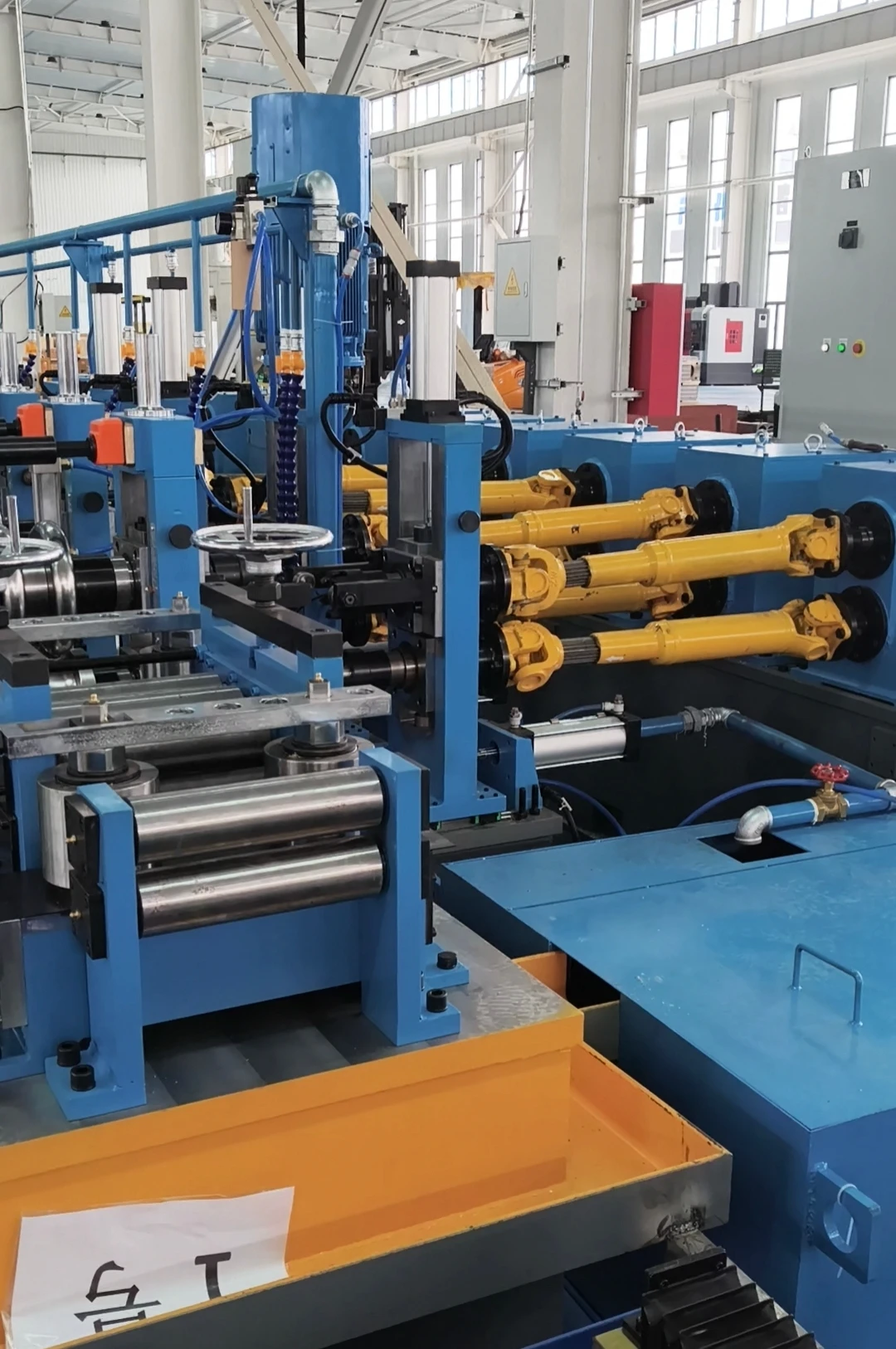
Southeast Asia Client Visits Our Factory | Customized Tube Mill Solution Delivered
A Southeast Asia client visited our ERW tube mill factory to inspect production lines and discuss a customized tube mill solution. Impressed by our machine quality, welding performance, and engineering support, the client confirmed strong cooperation intentions. Discover how our ERW tube mill solutions improve efficiency, precision, and long-term production reliability.
2026-04-16 02:35:12
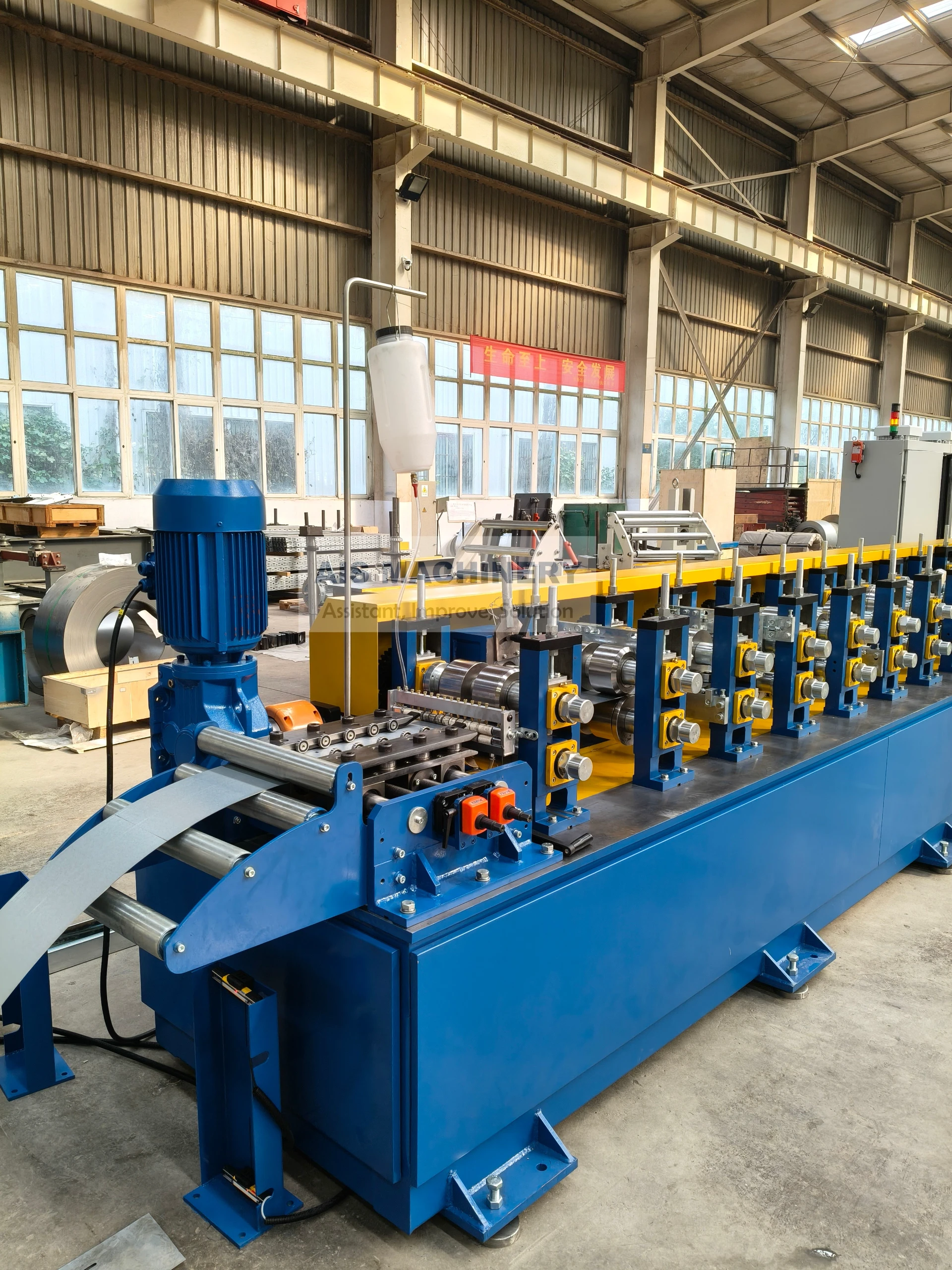
Professional Cold Roll Forming Machine Factory for Production
In the modern industrial landscape, the precision of metal shaping is the cornerstone of quality manufacturing. Partnering with a professional cold roll forming machine factory is essential for businesses looking to optimize their production lines, reduce material waste, and ensure high-dimensional accuracy. Whether you are producing C-channels, square tubes, or custom profiles, the choice of machinery determines your competitive edge in the market. This guide will explore the critical factors in selecting a factory and the technical advantages of advanced roll forming technology to help you make an informed investment.
2026-04-15 10:37:55
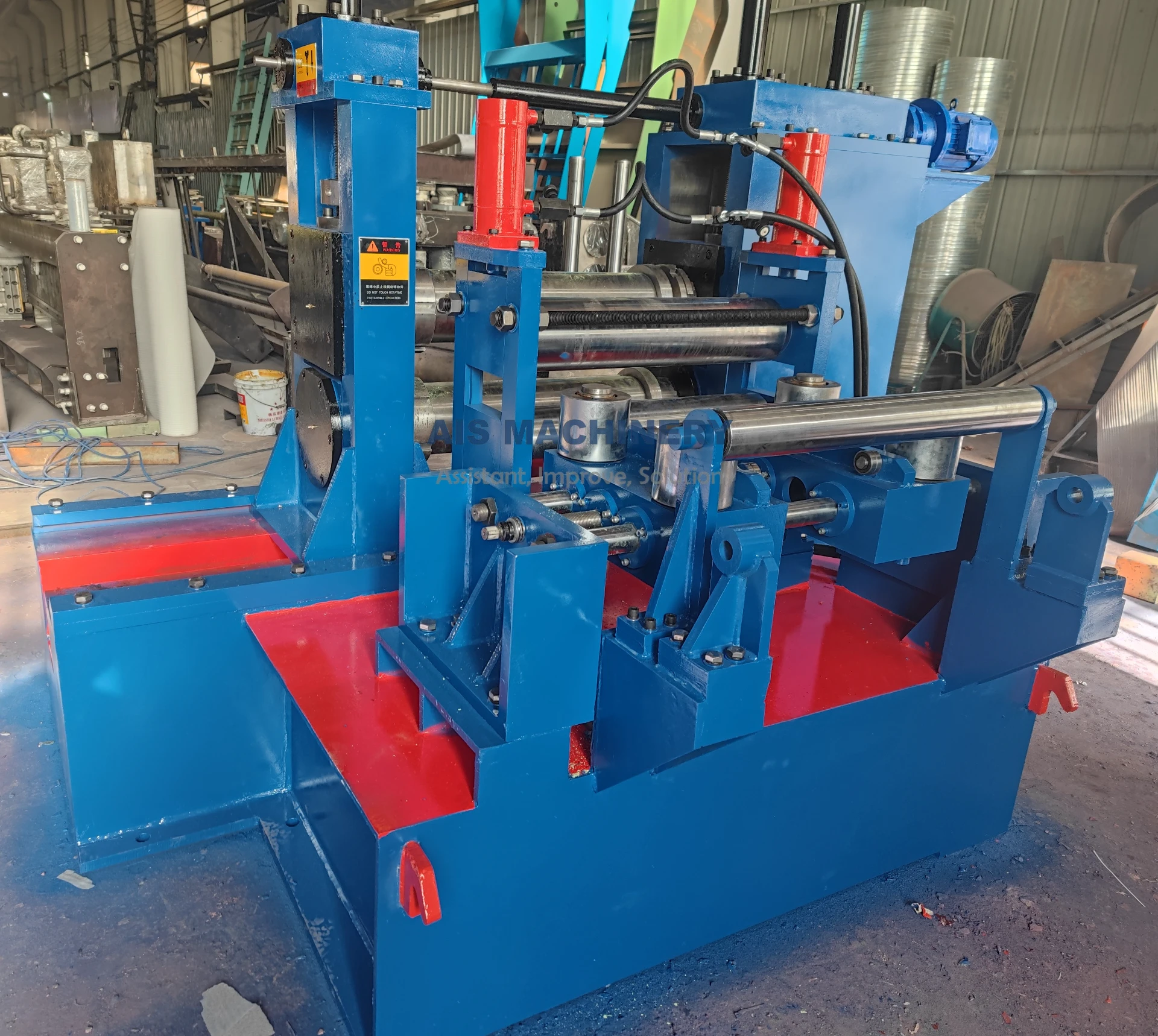
Flat Bar Production Line for Steel Coils: How It Works & Why It Matters
Looking for a flat bar production line? Learn how it turns steel coils into ready-to-use flat bars with precise length and high straightness. Compare it with slitting lines and get the best solution for your steel processing needs.
2026-04-14 00:00:00
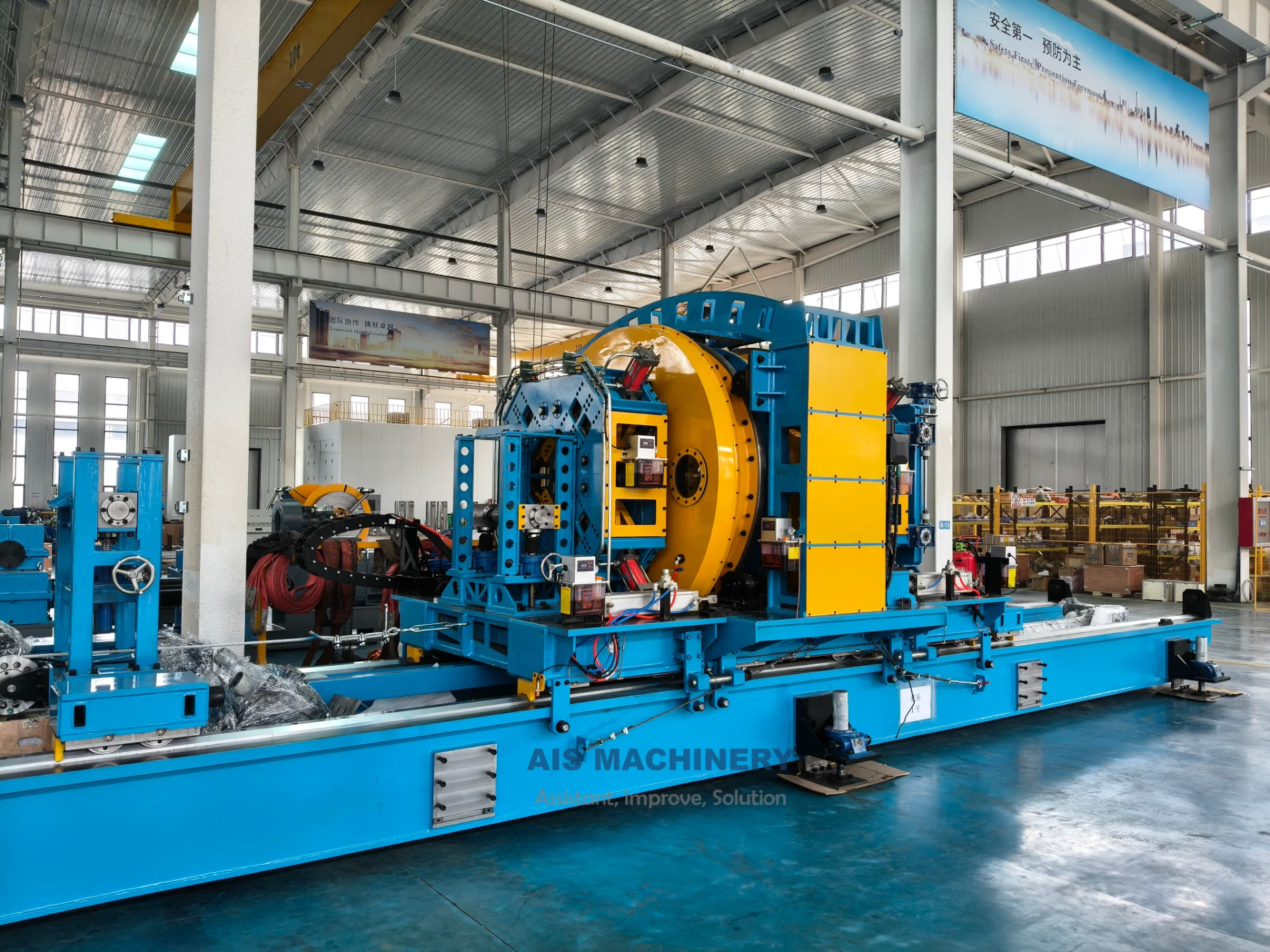
Looking for a Milling Saw for ERW Tube Mill? Here’s What You Need to Know
Looking for a high-performance milling saw for your ERW tube mill? Upgrade to burr-free, high-precision pipe cutting with advanced flying saw technology. Improve efficiency, reduce rework, and meet export standards for carbon steel, stainless steel, and API pipes. Contact us today for expert solutions and competitive pricing tailored to your production needs.
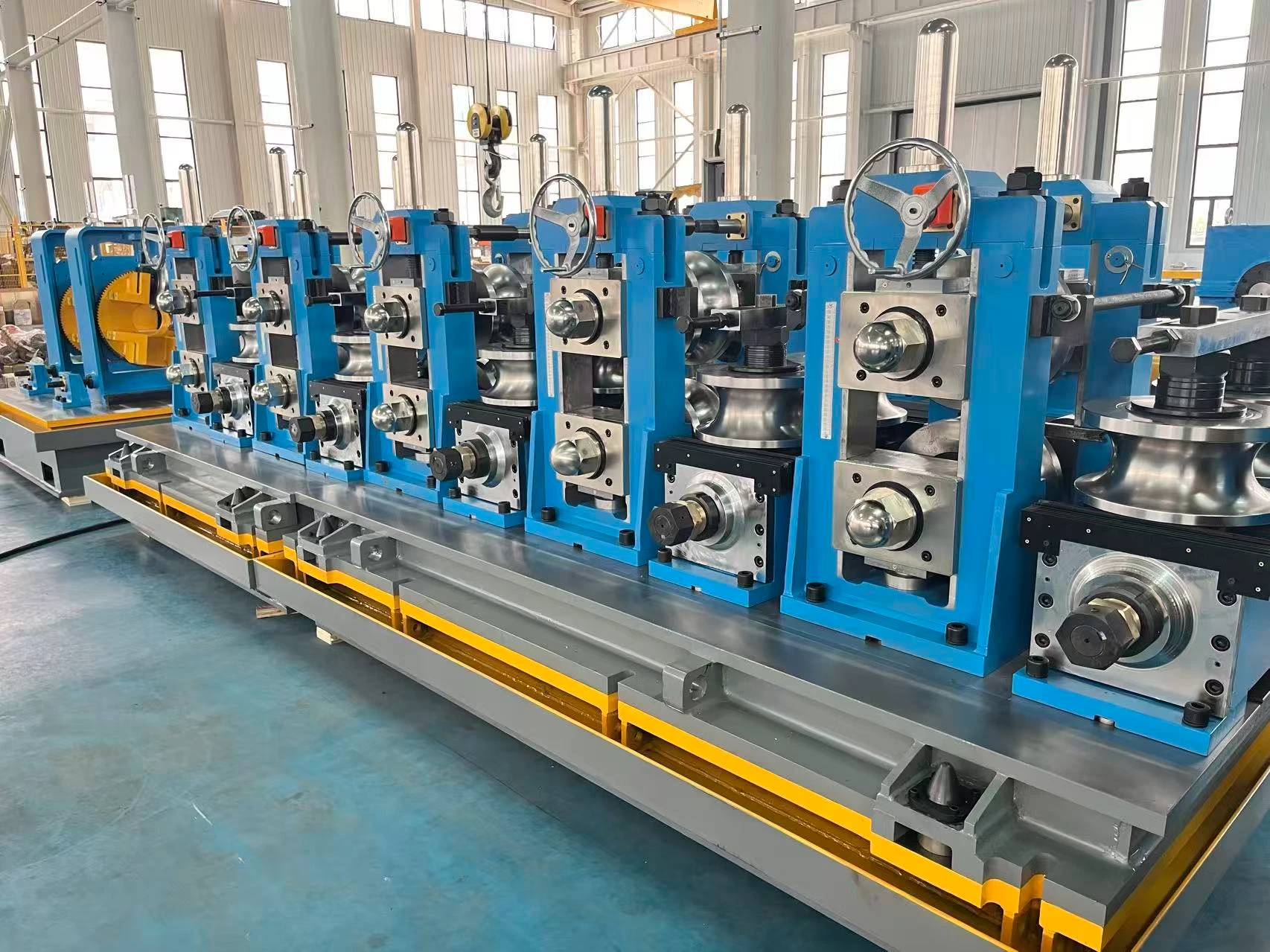
2026-04-09 16:15:19
5-Inch (127mm) ERW Tube Making Machine Delivered with Heavy-Duty Design and Advanced Quick Change System
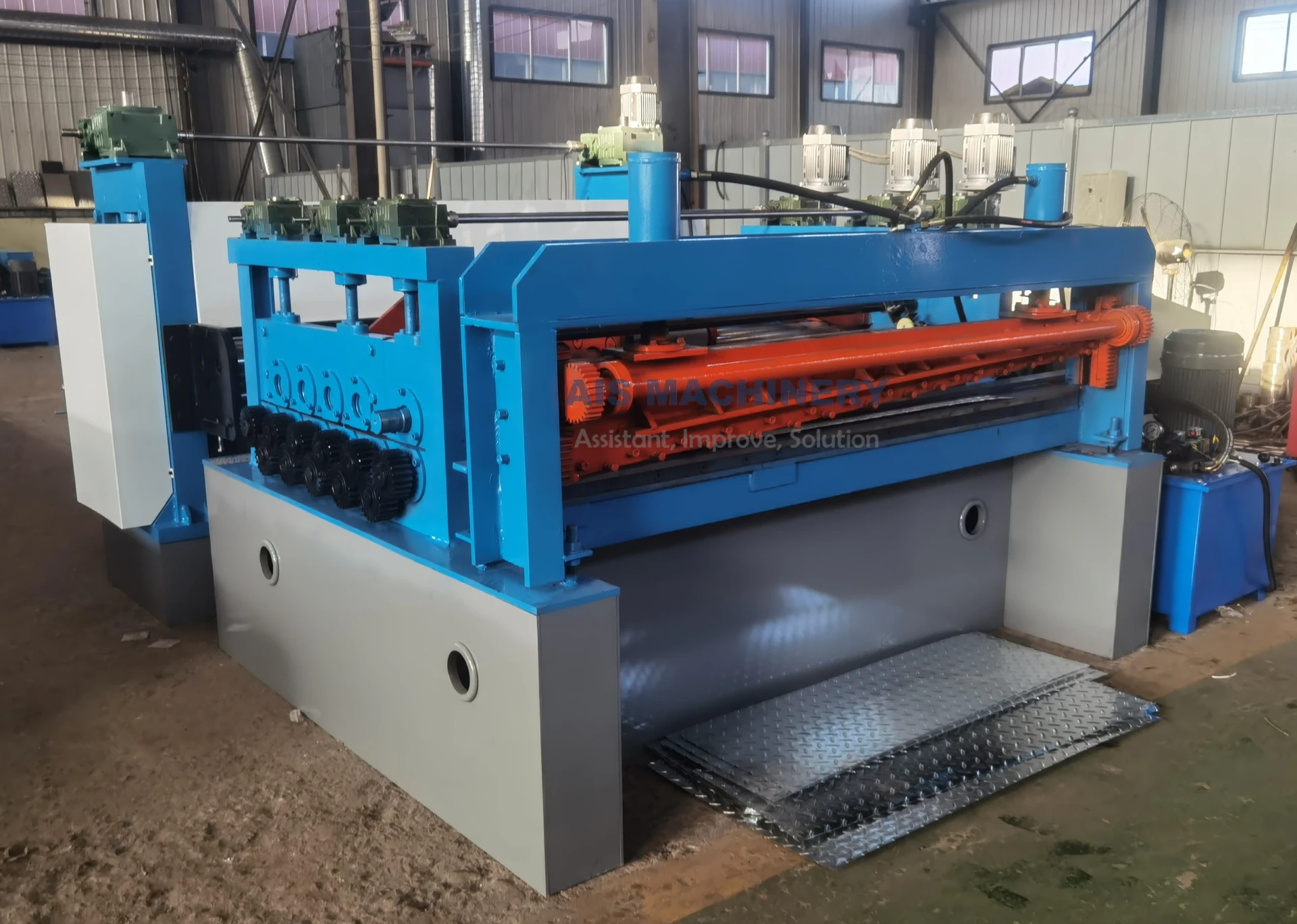
2027-04-07 00:00:00
Metal Embossing Machine: Turn Flat Sheets into High-Value Textured Products
Discover how a metal embossing machine transforms flat steel, stainless steel, and aluminum sheets into high-value textured products. Learn about its working principle, key components, and applications. Ideal for decorative and industrial use, embossing machines improve both appearance and performance. Explore complete embossing line solutions and find the right machine for your production needs.
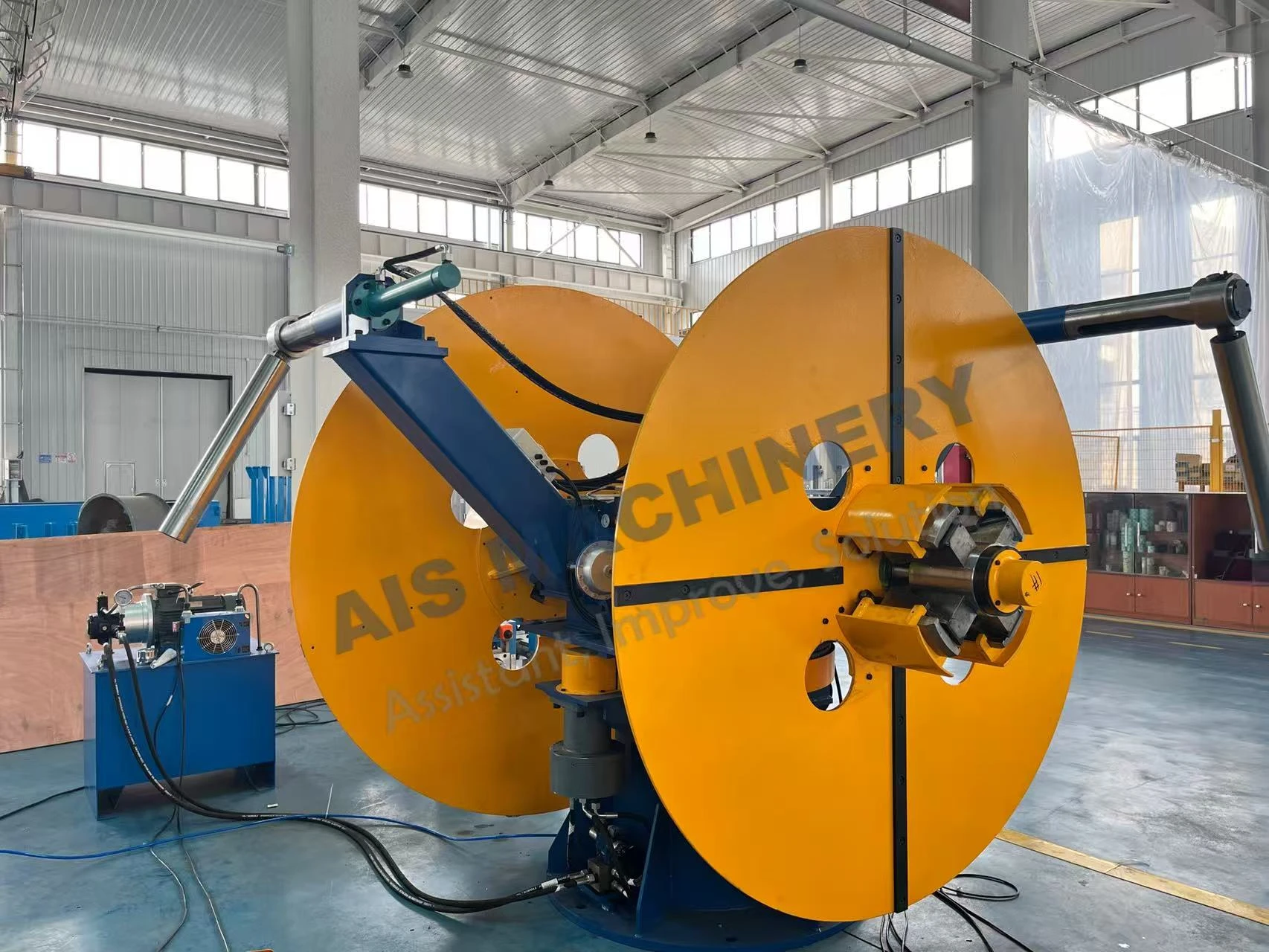
2026-04-04 20:37:18
Automatic Double Side Uncoiler with Hydraulic Expansion and Auto Rotation for Steel Coil Processing
The Automatic Double Side Uncoiler is a high-efficiency solution designed for modern steel coil processing lines, including tube mills, roll forming machines, and slitting lines. With a maximum capacity of 4 tons per side, this machine ensures stable and continuous coil feeding while reducing downtime during coil change.
2026-04-04 02:35:29
Exploring Advanced Cold Forming Machines for Efficient Metal Production
In the realm of metal fabrication, cold forming machines are pivotal for efficient and cost-effective production of various metal components. These machines utilize a shaping process at room temperature, offering advantages like enhanced material strength and reduced production costs. This article provides an in-depth look into the world of cold forming machines, covering their types, applications, benefits, and key considerations when choosing the right machine for your needs. Understanding the nuances of these machines is crucial for optimizing manufacturing processes and achieving superior product quality.
Send a Message
Dear customer, thank you for your attention! We provide high-quality machinery and equipment and look forward to your orders. Please inform us of your needs and we will respond quickly!
 English
  Albanian
  Arabic
  French
  German
  Indonesian
  Italian
  Japanese
  Kazakh
  Korean
  Latin
Latin  Macedonian
  Portuguese
  Russian
  Spanish
  Thai
Thai  Turkish
  Ukrainian
  Uzbek
Uzbek