
-
 Tel:86-15176910262
-

Search

API Tube Mill & ERW Pipe Making Machine Manufacturers - Precision
Aug . 27, 2025 06:40
Navigating the Landscape of High-Performance Pipe Manufacturing: The ERW Tube Mill
The global demand for reliable, high-integrity steel pipes continues its upward trajectory, driven by robust growth in critical sectors such as oil & gas, infrastructure development, water management, and construction. In this dynamic environment, the api tube mill stands as a cornerstone technology, delivering the precision and durability required for diverse industrial applications. This comprehensive overview delves into the intricate mechanisms, technical superiority, and strategic importance of Electric Resistance Welding (ERW) tube mills, particularly focusing on systems capable of producing API-standard pipes.
Modern erw tube mill manufacturers are constantly innovating to meet the stringent demands of the market, ensuring products that adhere to international standards like API 5L, ASTM A53, and others. The shift towards higher efficiency, greater automation, and enhanced material compatibility underscores the advancements in erw carbon steel tube mill technology, making them indispensable for global industrial projects.
Industry Trends and Market Dynamics for Steel Pipe Manufacturing
The steel pipe manufacturing industry is experiencing significant transformation, propelled by several key trends. Firstly, the escalating need for energy infrastructure, including oil and gas pipelines, has driven substantial investment in advanced pipe-making technologies. The global energy sector's commitment to expanding and upgrading pipeline networks for crude oil, natural gas, and refined products directly influences the demand for high-quality ERW pipes. According to industry reports, the global ERW pipe market is projected to grow at a Compound Annual Growth Rate (CAGR) of over 5% from 2023 to 2028, largely due to demand from the oil & gas and construction sectors.
Secondly, increasing urbanization and industrialization in emerging economies fuel demand for construction and structural pipes. This includes the widespread adoption of square pipe manufacturing machine and carbon steel pipe making machine solutions for commercial and residential buildings, bridges, and other civil engineering projects. Thirdly, environmental regulations and the drive for sustainable practices necessitate innovations in material science and energy-efficient manufacturing processes. This encourages manufacturers to invest in state-of-the-art erw tube mill suppliers and equipment that minimize waste and energy consumption, further bolstering the market for sophisticated erw pipe making machine.
Lastly, automation and digitalization are reshaping the operational landscape. Integration of IoT, AI, and advanced control systems into the erw tube mill process enhances precision, reduces labor costs, and improves overall output quality. This allows for more efficient production of a diverse range of pipes, from standard structural pipes to specialized API-grade pipes crucial for critical applications.
Detailed Process Flow of an ERW Tube Mill for API Standard Pipes
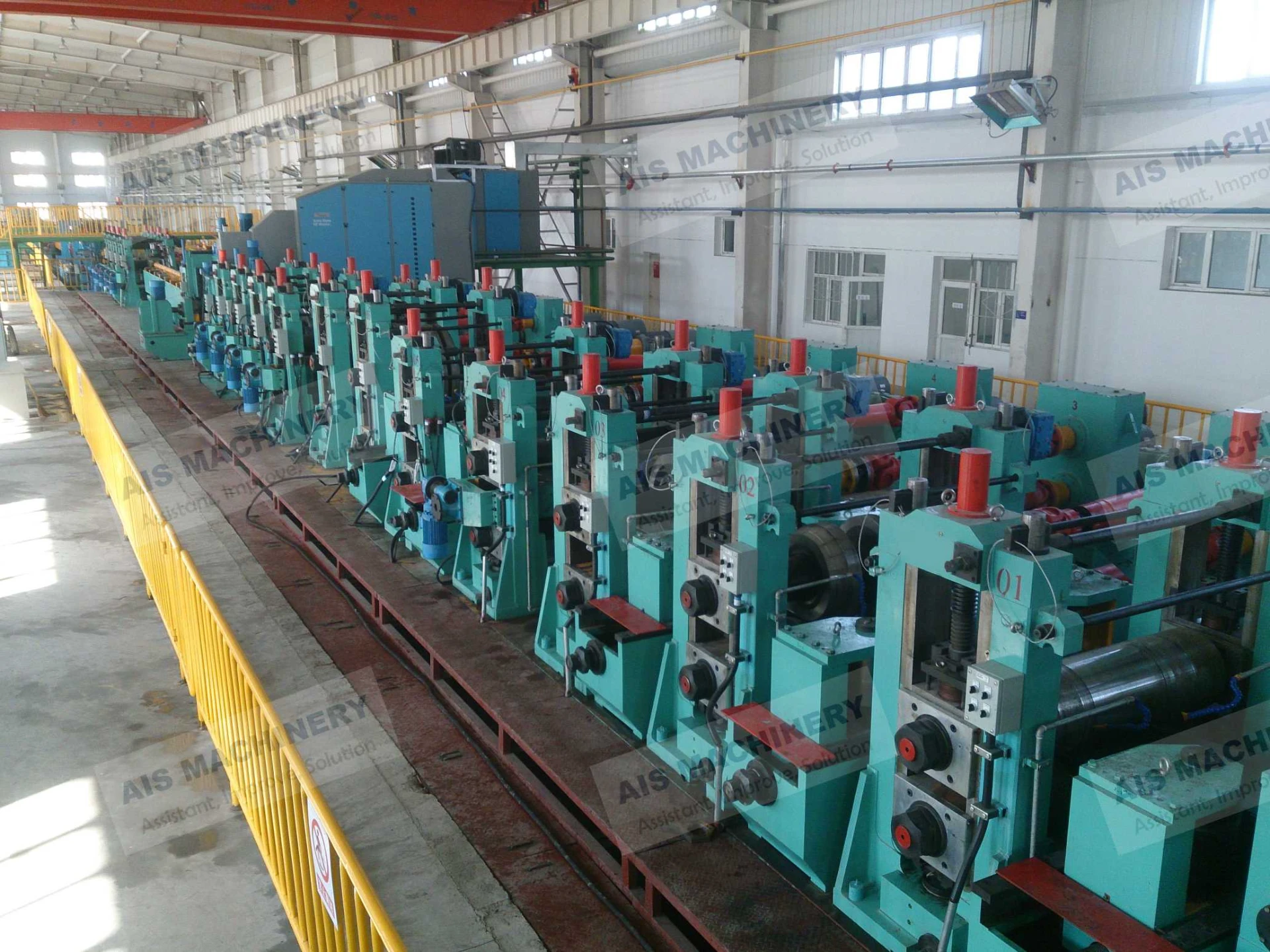
The manufacturing of API-standard pipes using an ERW tube mill is a highly synchronized, multi-stage operation designed for precision and consistency. The entire erw tube mill process transforms raw steel coils into finished pipes meeting stringent specifications.
1. Coil Preparation & Uncoiling
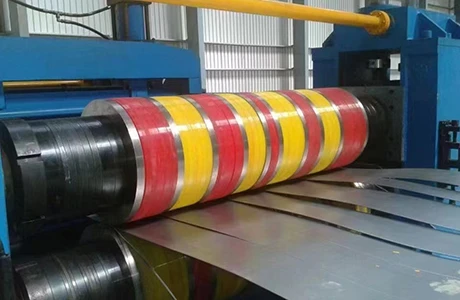
High-quality hot-rolled steel coils, typically S235, S355, ASTM A36, or API 5L grades, are loaded onto a double-cone uncoiler. The coil ends are precisely sheared and then joined via automatic arc welding to create a continuous strip, ensuring uninterrupted operation of the steel pipe making machine manufacturers' equipment.
2. Accumulation
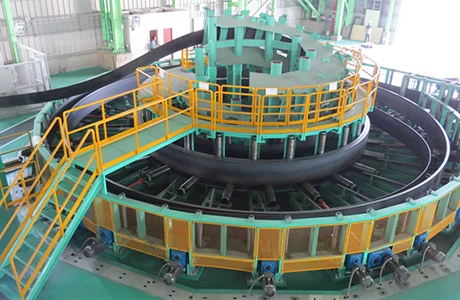
A strip accumulator (e.g., horizontal spiral or vertical cage type) stores a buffer length of steel strip, allowing the forming and welding sections to operate continuously even during coil changeovers at the uncoiler. This optimizes efficiency and reduces downtime for the erw tube mill factory.
3. Forming Section
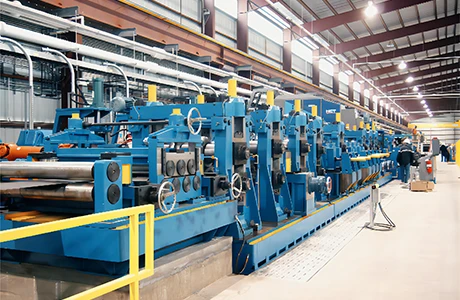
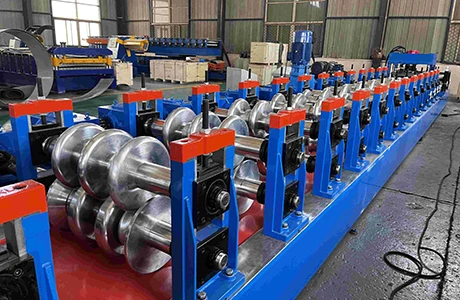
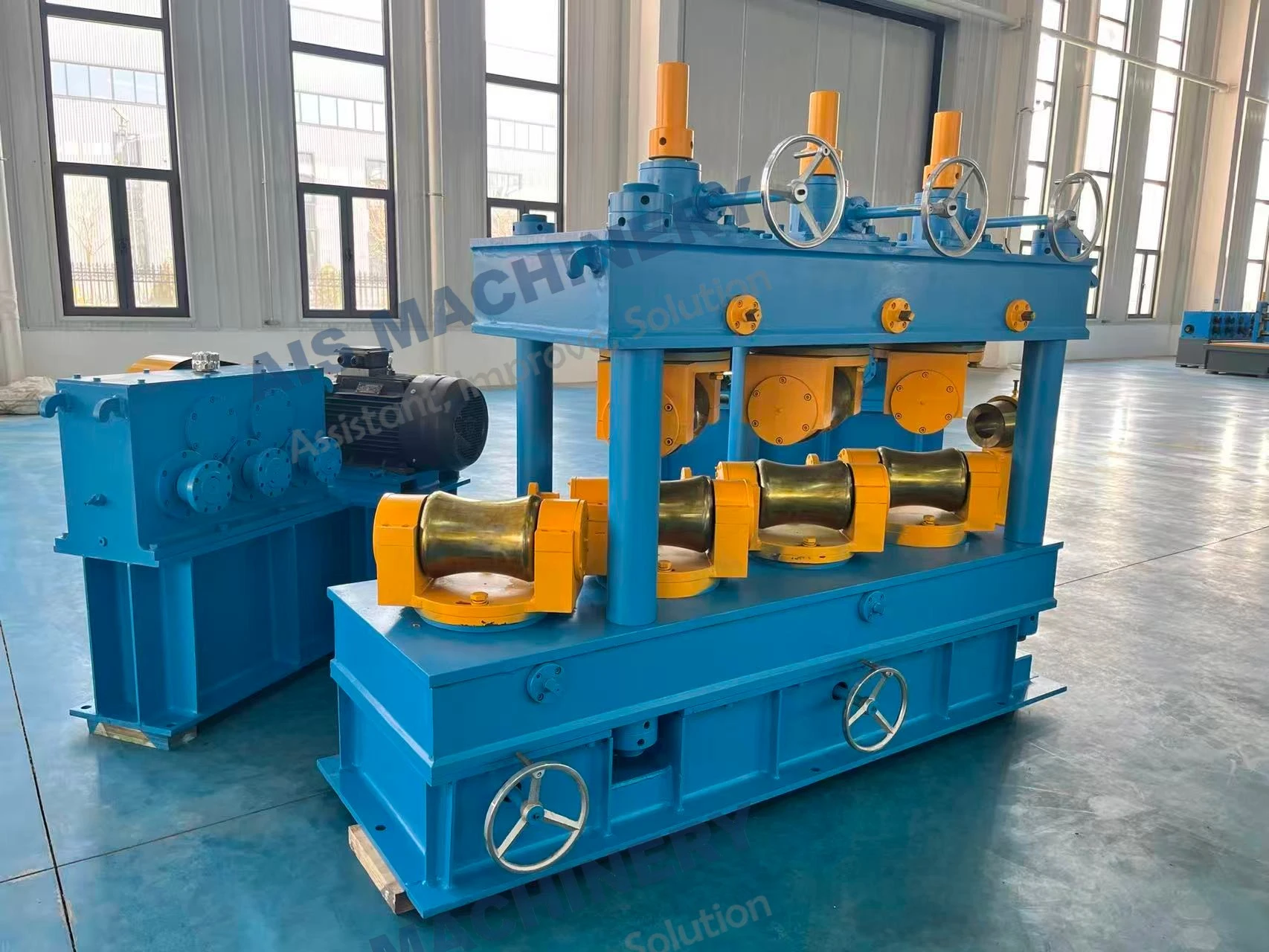
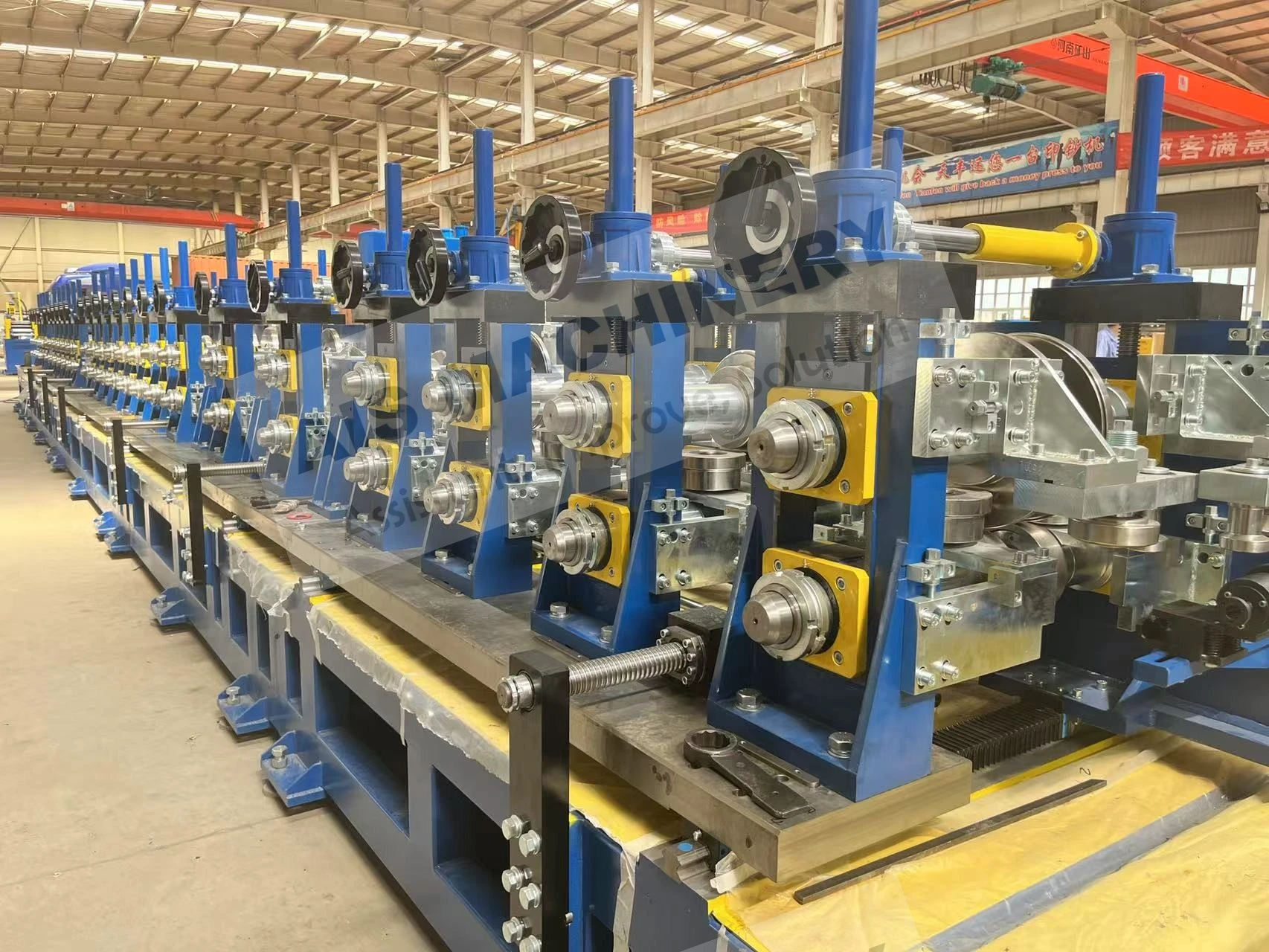
The flat steel strip passes through a series of forming rolls. These rolls progressively shape the strip into an open-seam cylindrical tube. The forming process involves both driven and idler rolls, meticulously designed to achieve the desired pipe diameter and roundness. Precision CNC machining of these rolls is crucial for maintaining consistent pipe geometry.
4. Welding Section (Electric Resistance Welding)
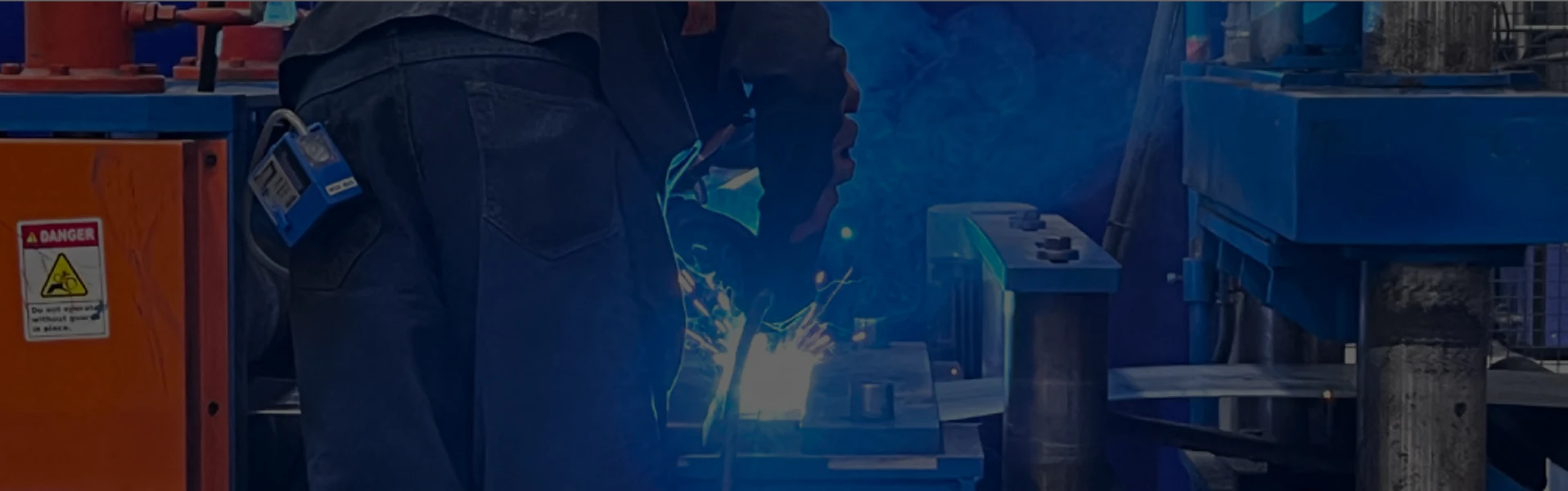
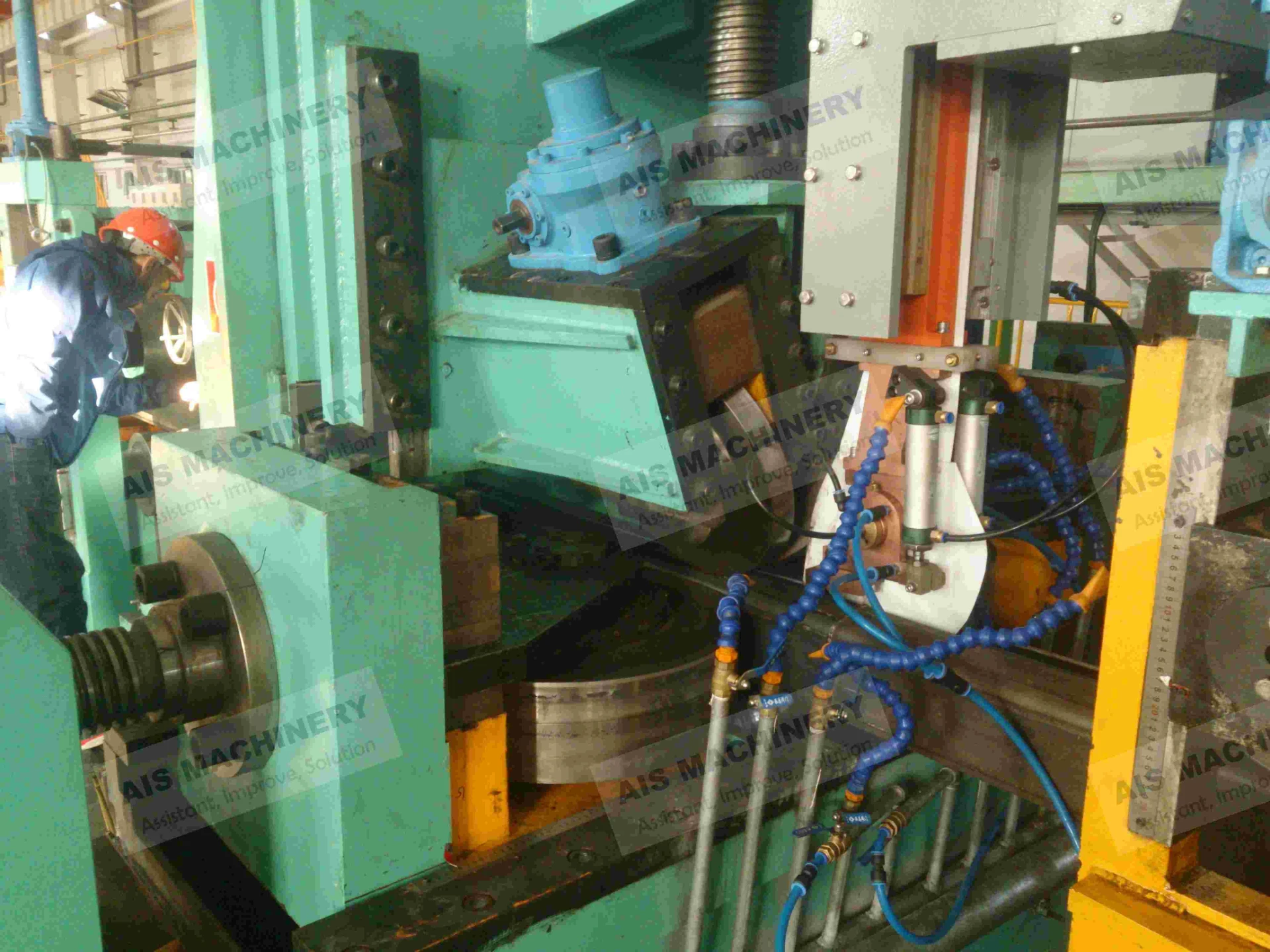
In the heart of the erw pipe making machine, the open seam edges are pressed together by squeeze rolls while a high-frequency alternating current (HF AC) is applied via contact electrodes or induction coils. The resistance of the steel to this current generates intense heat at the edges, bringing them to forging temperature. The squeeze rolls then forge the heated edges together, creating a solid-state weld without the addition of filler metal. This produces a strong, clean weld seam, critical for API standards.
5. External Bead Scarfing & Internal Bead Removal
Immediately after welding, the excess weld flash (bead) on both the external and internal surfaces of the pipe is scarfed off. This ensures a smooth pipe surface, both for aesthetic reasons and to facilitate subsequent processes like coating and inspection. Internal bead removal is particularly important for fluid flow efficiency.
6. Cooling & Sizing
The newly welded pipe is cooled rapidly with water. It then passes through a series of sizing rolls which precisely adjust the outer diameter, roundness, and straightness to the final specified dimensions. This section is crucial for achieving tight tolerances required by API standards.
7. Flying Saw Cut-off
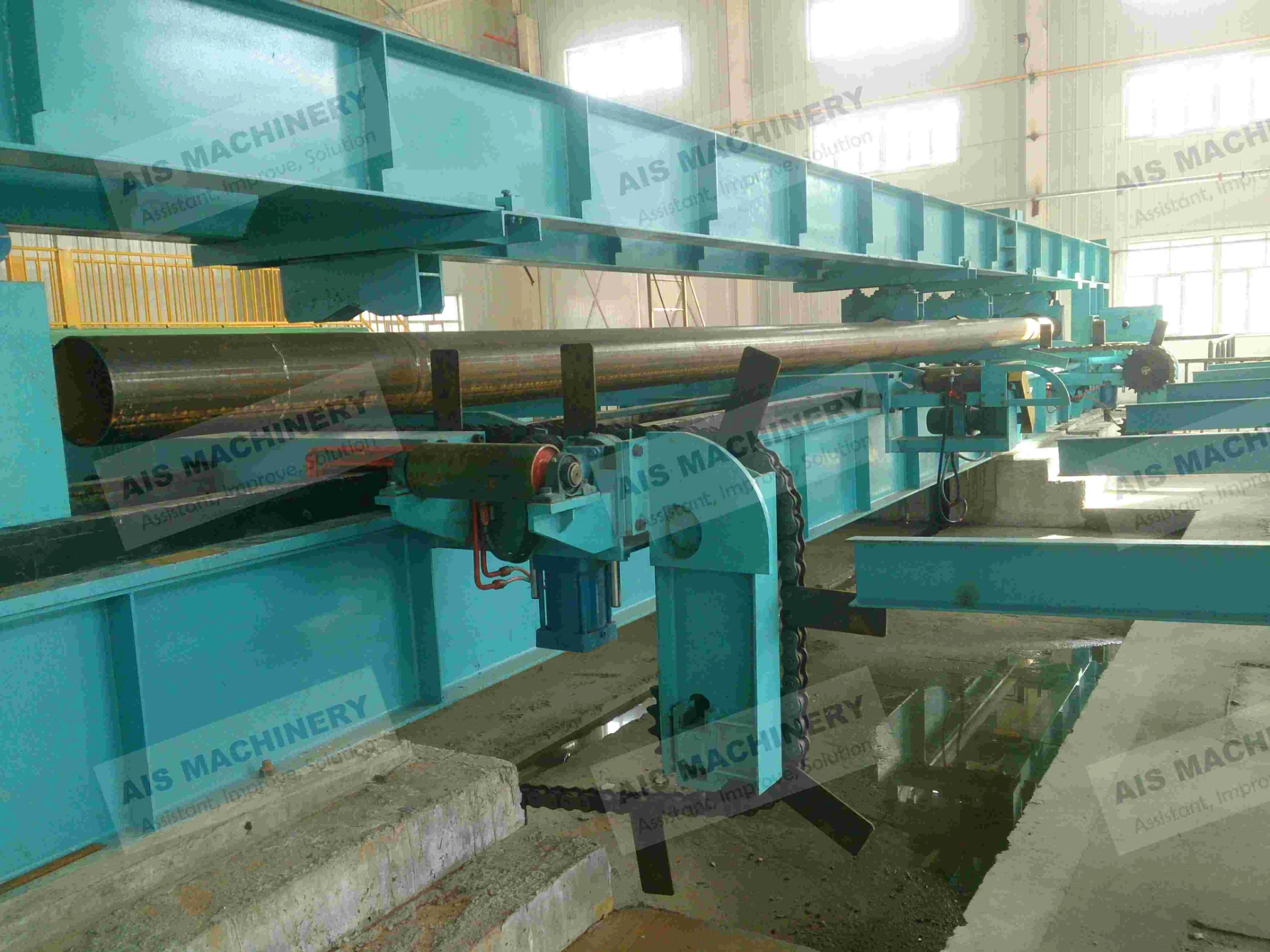
A high-speed flying saw, synchronized with the pipe's travel speed, precisely cuts the continuous pipe into predetermined lengths. This minimizes material waste and ensures consistent product length. The implementation of an automatic pipe threading machine can further enhance the finishing capabilities for specific applications.
8. End Finishing (for API Pipes)
For API line pipe, pipe ends are typically faced and beveled to prepare them for welding in the field. This process is critical for achieving strong, reliable field welds.
9. Non-Destructive Testing (NDT) & Hydrostatic Testing
Every API pipe undergoes rigorous NDT, including ultrasonic testing of the weld seam, to detect any potential flaws or discontinuities. Subsequently, pipes are subjected to hydrostatic testing, where they are pressurized with water to a specified internal pressure to verify weld integrity and overall structural soundness. These testing standards, such as ISO 3183 (for pipeline transportation systems) and various API standards, ensure product reliability.
10. Final Inspection, Weighing, Marking & Packaging
Finished pipes are visually inspected, weighed, measured, and marked with essential information (e.g., heat number, grade, manufacturer's logo). They are then bundled and prepared for shipment, often with corrosion-protective coatings for extended service life.
Throughout this process, the emphasis is on achieving superior weld quality, dimensional accuracy, and material integrity, crucial factors for the long service life and corrosion resistance required in demanding target industries such as petrochemical, oil & gas, and water supply & drainage. The advanced automation inherent in modern steel pipe making machine supplier offerings contributes to significant energy saving by optimizing operational parameters and reducing material waste.
Technical Specifications: 16-inch (406mm) ERW Tube Mill
Our 16-inch (406mm) ERW tube mill represents the pinnacle of engineering for medium-to-large diameter pipe production. Designed for high efficiency and precision, this machine is ideal for manufacturing erw carbon steel tube mill products compliant with API and other international standards. Below are key technical parameters that illustrate its robust capabilities.
| Parameter | Specification |
|---|---|
| Pipe Outer Diameter (OD) Range | Φ114mm - Φ406mm (4.5 inch - 16 inch) |
| Pipe Wall Thickness Range | 2.0mm - 12.7mm (0.078 inch - 0.5 inch) |
| Max. Line Speed | Up to 80 m/min (adjustable) |
| Suitable Coil Material | Hot Rolled Low Carbon Steel, API 5L Grades (Gr.B, X42, X52, X60), ASTM A53, S235, S355 |
| Coil Width Range | 360mm - 1280mm |
| Coil Inner Diameter | Φ508mm - Φ760mm |
| Coil Outer Diameter | Max. Φ2000mm |
| Max. Coil Weight | 20 - 30 Tons |
| Welding Method | High Frequency Induction Welding (HF ERW) |
| Main Drive Motor Power | Up to 500 KW (depending on configuration) |
| Testing Standards | API 5L, ASTM A53/A252, ISO 3183, EN 10217 |
| Annual Production Capacity | Approx. 100,000 - 250,000 Tons (based on operational hours) |
These specifications highlight the capability of our erw tube mill factory to produce pipes of exceptional quality, meeting the diverse requirements of various industries. The robust design and advanced control systems ensure consistent output and minimize operational complexities.
Application Scenarios and Target Industries
The versatility and structural integrity of pipes produced by an erw tube mill process make them suitable for an extensive range of critical applications across various sectors.
- Oil & Gas Transportation: API 5L grade ERW pipes are extensively used for onshore and offshore pipelines, transporting crude oil, natural gas, and refined products. Their high strength and integrity are crucial for safe and efficient operation under varying pressures and environmental conditions.
- Water Supply & Drainage Systems: For municipal and industrial water infrastructure, carbon steel pipe making machine outputs are utilized for large-scale water transmission lines, sewage systems, and irrigation projects due to their durability and cost-effectiveness.
- Construction & Structural Applications: ERW pipes, including those from a square pipe manufacturing machine, serve as vital structural components in buildings, bridges, and industrial frameworks, offering excellent strength-to-weight ratios.
- Automotive Industry: Smaller diameter ERW tubes are employed in exhaust systems, chassis components, and other structural parts due to their consistent dimensions and weldability.
- Manufacturing & Industrial Equipment: Used in conveyor systems, scaffolding, and various mechanical structures, where reliability and precise dimensions are paramount.
- Petrochemical Industry: Essential for transporting chemicals and process fluids, requiring pipes that resist corrosion and withstand high temperatures and pressures.
The broad utility of these pipes underscores the critical role of sophisticated erw tube mill suppliers in supporting global industrial development.
Technical Advantages of Advanced ERW Tube Mills
Modern api tube mill systems offer a compelling suite of technical advantages that differentiate them from other pipe manufacturing methods:
- Superior Weld Quality: The HF ERW process creates a solid-state weld through forging, eliminating the need for filler metals. This results in a weld seam with metallurgical properties very similar to the parent material, ensuring high strength and uniform microstructure, crucial for API standards.
- Excellent Dimensional Accuracy: Advanced forming and sizing sections, often with multi-roll stands and automatic gauge control, ensure tight tolerances on outer diameter, wall thickness, and straightness. This precision reduces post-processing and ensures compatibility with various fittings.
- High Production Efficiency: The continuous nature of the ERW process, combined with high line speeds (up to 80 m/min for larger mills), allows for significant production volumes, leading to lower per-unit manufacturing costs.
- Material Versatility: ERW mills can process a wide range of steel grades, from mild carbon steel to high-strength low-alloy (HSLA) steels, adapting to various application requirements.
- Reduced Heat Affected Zone (HAZ): The concentrated and rapid heating in HF ERW minimizes the HAZ, preventing significant changes in material properties adjacent to the weld and maintaining the overall integrity of the pipe.
- Energy Efficiency: Compared to submerged arc welding (SAW), ERW processes generally consume less energy for a given output, contributing to reduced operational costs and a smaller carbon footprint.
- Enhanced Surface Finish: Inline scarfing ensures smooth internal and external surfaces, which is beneficial for fluid flow, corrosion resistance, and subsequent coating applications.
- Cost-Effectiveness: The combination of high speed, automation, and efficient material utilization makes ERW pipes a highly economical choice for many applications, offering competitive steel pipe manufacturing machine price points per meter of pipe produced.
These advantages position ERW technology as a preferred method for producing reliable and high-performance steel pipes globally.
Vendor Comparison: Selecting the Right ERW Tube Mill Supplier
Choosing the right erw tube mill suppliers or steel pipe making machine manufacturers is a critical decision that impacts long-term operational efficiency, product quality, and return on investment. While many providers exist, discerning buyers focus on specific criteria to ensure they procure a reliable and technologically advanced erw pipe making machine.
| Feature/Criterion | Leading Manufacturer (e.g., AIS Tube Mill) | Typical Competitor |
|---|---|---|
| Welding Technology | Advanced Solid-State HF Welder (IGBT), up to 800kW, optimized for API grades. | SCR HF Welder, typically 400-600kW, less stable for high-strength materials. |
| Forming & Sizing System | Multi-stand turret type forming, 3D adjustable sizing, quick changeover. | Traditional fixed stand forming, limited adjustment, longer changeover times. |
| Automation & Control | Siemens/Allen-Bradley PLC, HMI touch screen, integrated fault diagnostics, remote support. | Basic PLC, push-button controls, limited diagnostics. |
| Material Processing Range | Handles API 5L Gr.B to X60, ASTM A53, S235/S355, high-yield steels. | Primarily low carbon steel, limited for higher strength API grades. |
| After-Sales Support | Global service network, experienced engineers, spare parts availability, training, 24/7 remote support. | Regional support, limited spare parts, basic troubleshooting. |
| Certification & Compliance | ISO 9001, CE, API 5L compliance assurance for produced pipes. | Basic quality control, limited international certifications. |
The comparison highlights that investing in an advanced api tube mill from a reputable manufacturer ensures not only superior pipe quality and operational efficiency but also robust long-term support and compliance with critical industry standards.
Customized Solutions and Enhanced Capabilities
Recognizing that every client's needs are unique, leading erw tube mill manufacturers offer extensive customization options to tailor the erw pipe making machine to specific production requirements. This includes:
- Customizable Mill Configurations: From layout modifications to integration with existing facility infrastructure.
- Advanced Welding Systems: Options for higher power HF welders for thicker walls or specialized materials, or incorporating orbital welding systems for specific applications.
- Automated Finishing Lines: Integration of an automatic pipe threading machine, precise facing and beveling machines, or internal/external coating equipment.
- Enhanced NDT Capabilities: Adding eddy current testing, flux leakage inspection, or X-ray systems for even more rigorous quality assurance.
- Digital Control & Data Integration: Advanced SCADA systems for real-time monitoring, data logging, and integration with factory-wide ERP systems for predictive maintenance and optimized production.
These tailored solutions ensure that the investment in a steel pipe making machine supplier translates into a perfectly optimized production line, delivering maximum throughput and quality for specific project demands.
Application Case Studies and Customer Success
Our commitment to engineering excellence is reflected in the success of our clients globally. We collaborate with major industrial players, providing robust ms pipe making machine manufacturers solutions and comprehensive support.
Case Study 1: Oil & Gas Pipeline Expansion in the Middle East
A leading energy company in the Middle East required a high-capacity api tube mill for a significant pipeline expansion project. They selected our 16-inch ERW mill for its proven reliability in producing API 5L X52 and X60 grade pipes. The mill consistently operated at 95% efficiency, producing over 150,000 tons of pipe annually. Our customized flying saw and end-beveling machines ensured perfect readiness for field welding, significantly reducing project timelines. Customer feedback highlighted the mill's "exceptional throughput and consistent weld quality under demanding operational conditions."
Case Study 2: Structural Pipe Production for South American Infrastructure
A large construction material producer in South America invested in our ERW mill to diversify into structural steel pipes, including various sizes from their square pipe manufacturing machine line. They needed a flexible system that could quickly switch between different pipe sizes and wall thicknesses. Our modular mill design, featuring quick-change forming rolls and an intuitive HMI, enabled them to reduce changeover times by 40% compared to their previous setup. This flexibility allowed them to capture new market segments efficiently.
Case Study 3: Water Transmission Project in Southeast Asia
For a crucial national water transmission network project, a major pipe producer chose our carbon steel pipe making machine. The critical requirements were high corrosion resistance through specialized coatings and guaranteed hydrostatic integrity. Our ERW mill, integrated with an inline cleaning and coating preparation system, ensured optimal surface conditions for applying internal and external protective layers. The pipes successfully passed all stringent hydrostatic and NDT tests, contributing to the long-term reliability of the water infrastructure.
Trustworthiness: FAQs, Lead Time, Warranty, and Support
Establishing and maintaining trust is paramount in B2B partnerships. We are committed to transparency and providing comprehensive support throughout the lifecycle of your erw pipe making machine.
Frequently Asked Questions (FAQs)
- Q: What is the typical service life of an ERW tube mill?
A: With proper maintenance and regular upgrades, our erw tube mill factory equipment is designed for a service life of 20-30 years, often exceeding this. Key components are built for durability and ease of replacement. - Q: How do you ensure compliance with international standards like API 5L?
A: Our mills are engineered to produce pipes that meet or exceed API 5L, ASTM, and ISO standards through precise control over forming, welding parameters, and comprehensive NDT/hydrostatic testing integrated into the line. We also provide full documentation and material traceability. - Q: Can your mill handle different steel grades?
A: Yes, our advanced ERW mills are designed for versatility, capable of processing various grades of hot-rolled steel, including multiple API 5L grades (Gr.B, X42, X52, X60), ASTM A53, and European standards like S235 and S355, by adjusting welding parameters and roll configurations. - Q: What is the energy consumption of your 16-inch ERW mill?
A: Our mills feature optimized drive systems and high-efficiency HF welders, contributing to significant energy saving. Specific consumption varies based on pipe size, thickness, and line speed but is highly competitive within the industry. Detailed energy audits and projections can be provided.
Lead Time and Fulfillment
Typical lead times for a complete 16-inch (406mm) api tube mill range from 8 to 14 months, depending on the level of customization and specific component sourcing. This timeframe includes design, component manufacturing (e.g., casting, forging, CNC machining for rolls), assembly, factory acceptance testing (FAT), disassembly, shipment, and on-site installation. We maintain transparent communication throughout the entire process, providing regular updates on manufacturing milestones and logistics.
Warranty Commitments
We offer a comprehensive 12 to 24-month warranty on all major mechanical, electrical, and control system components from the date of commissioning or 18-30 months from shipment, whichever comes first. This warranty covers manufacturing defects and ensures the reliability of our steel pipe making machine manufacturers' products. Extended warranty options are also available.
Customer Support and After-Sales Service
Our commitment extends far beyond the sale. We provide:
- Installation & Commissioning: On-site supervision by experienced engineers to ensure seamless setup and optimal performance.
- Operator Training: Comprehensive training programs for your operational and maintenance staff, either at our factory or your site.
- Technical Assistance: 24/7 remote technical support and prompt on-site assistance when required, minimizing potential downtime.
- Spare Parts Supply: A dedicated inventory of genuine spare parts to ensure quick replacement and minimal disruption to production.
- Maintenance Contracts: Optional preventive maintenance contracts to keep your erw tube mill operating at peak efficiency over its entire lifespan.
Our global service network ensures that expert support is always within reach, reinforcing our position as a trusted steel pipe making machine supplier.
Conclusion
The continuous evolution of erw tube mill technology is directly tied to the increasing global demand for high-integrity, cost-effective steel pipes across diverse industries. From oil and gas transmission to critical infrastructure projects, the reliability and performance of pipes produced by advanced ERW mills are paramount. As a leading manufacturer and supplier, our focus remains on delivering cutting-edge solutions, exemplified by our 16-inch (406mm) ERW tube mill. We are dedicated to providing not just machinery, but complete, customized production lines backed by unparalleled expertise, comprehensive support, and a commitment to meeting the most rigorous international standards. Partner with us to achieve superior quality, exceptional efficiency, and sustained operational excellence in your pipe manufacturing endeavors.
References
- American Petroleum Institute. (2022). API Specification 5L: Specification for Line Pipe. 46th Edition.
- ASTM International. (2023). ASTM A53/A53M: Standard Specification for Pipe, Steel, Black and Hot-Dipped, Zinc-Coated, Welded and Seamless.
- International Organization for Standardization. (2021). ISO 3183: Petroleum and natural gas industries — Steel pipe for pipeline transportation systems.
- The Welding Institute (TWI). (2020). Electric Resistance Welding (ERW) of Pipes. TWI Publication.
- Global Market Insights. (2023). ERW Pipe Market Size, Share & Trends Analysis Report.

Related Products

Related News
2026-04-18 03:20:20
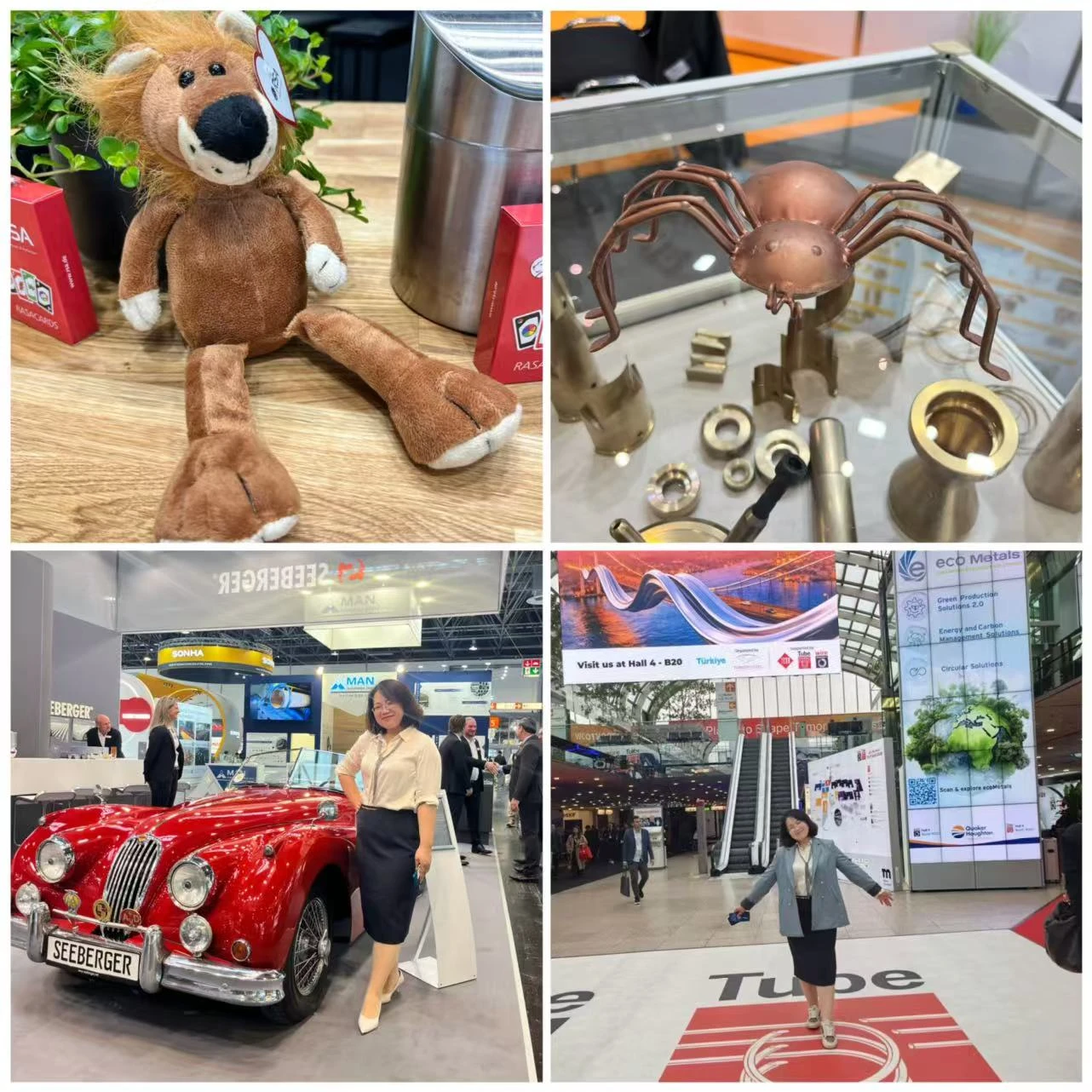
AIS Machinery Showcases Advanced Tube Solutions at Tube & Wire Düsseldorf 2026
Tube & Wire Düsseldorf 2026, one of the most influential exhibitions in the global tube and wire industry, held biennially in Düsseldorf, Germany
2027-04-17 00:00:00
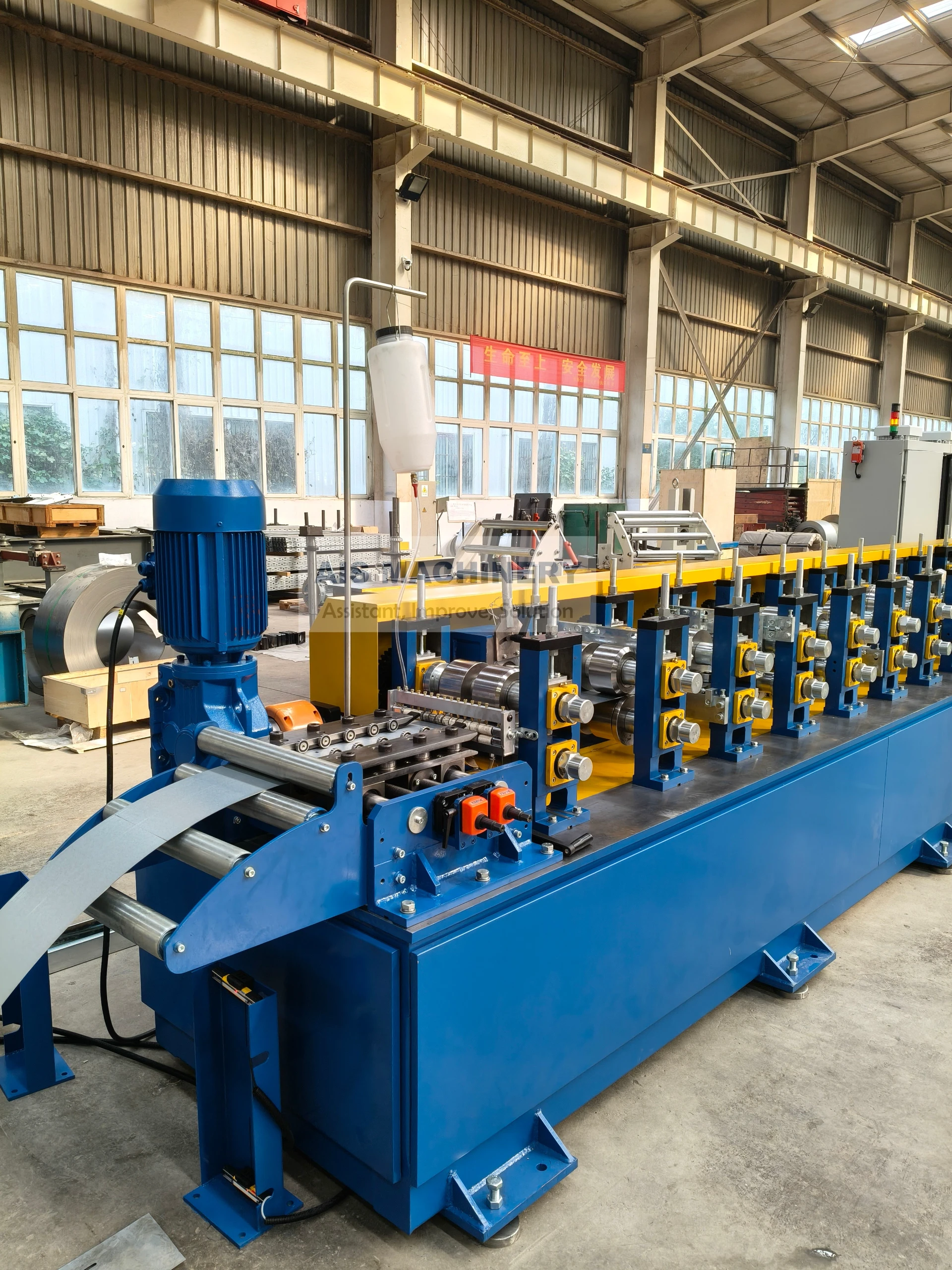
Southeast Asia Client Visits Our Factory | Customized Tube Mill Solution Delivered
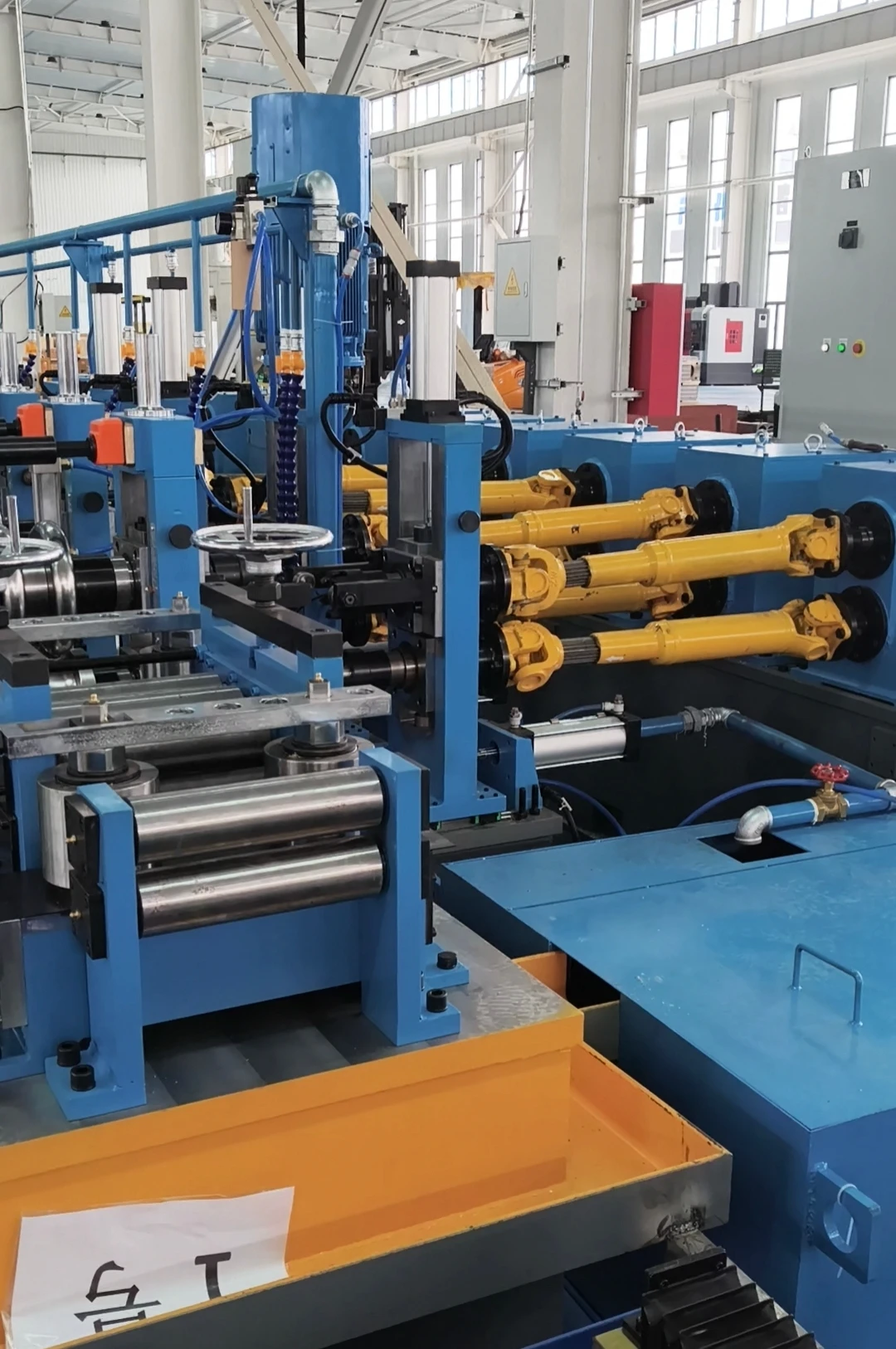
A Southeast Asia client visited our ERW tube mill factory to inspect production lines and discuss a customized tube mill solution. Impressed by our machine quality, welding performance, and engineering support, the client confirmed strong cooperation intentions. Discover how our ERW tube mill solutions improve efficiency, precision, and long-term production reliability.
2026-04-16 02:35:12
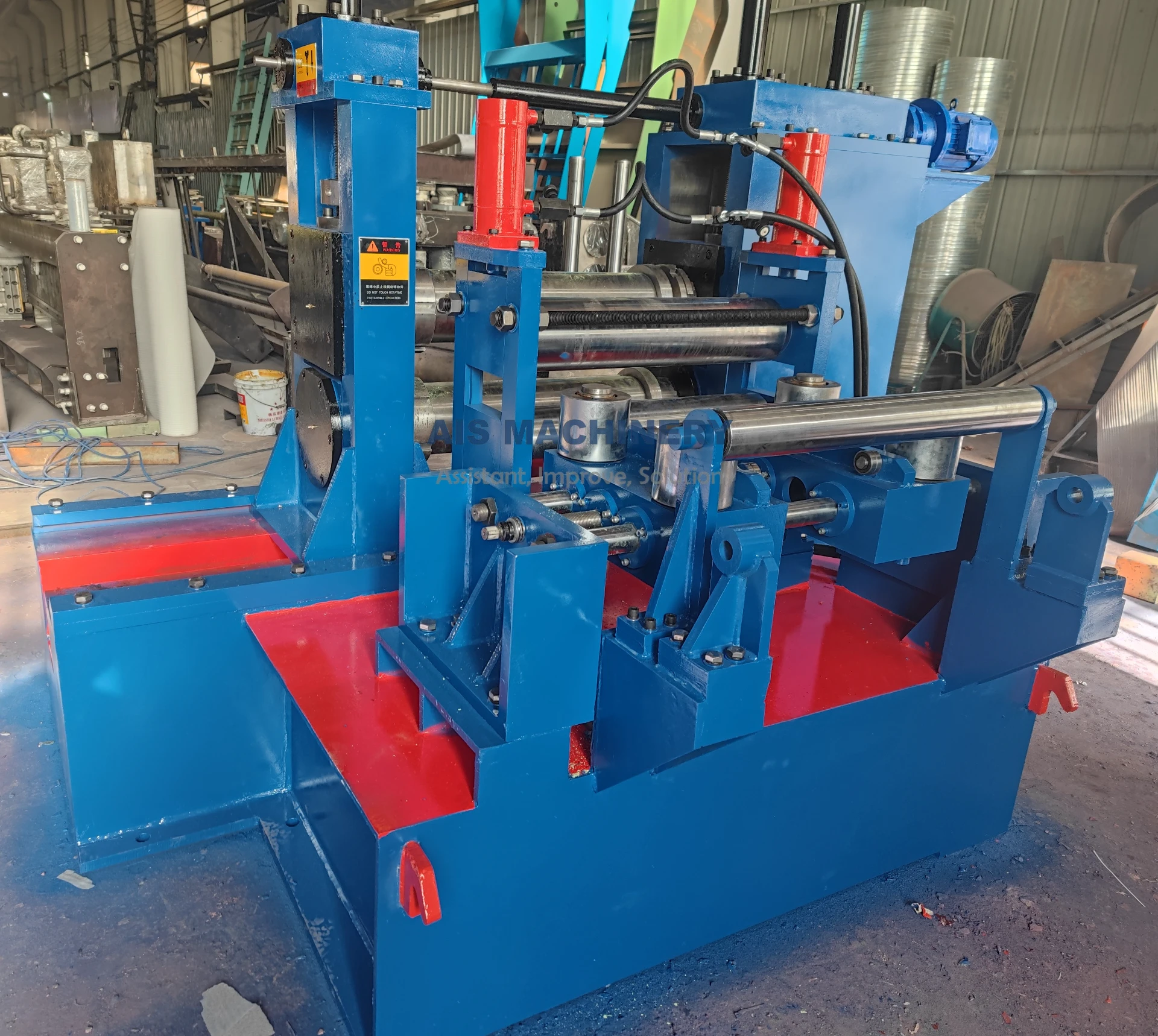
Professional Cold Roll Forming Machine Factory for Production
In the modern industrial landscape, the precision of metal shaping is the cornerstone of quality manufacturing. Partnering with a professional cold roll forming machine factory is essential for businesses looking to optimize their production lines, reduce material waste, and ensure high-dimensional accuracy. Whether you are producing C-channels, square tubes, or custom profiles, the choice of machinery determines your competitive edge in the market. This guide will explore the critical factors in selecting a factory and the technical advantages of advanced roll forming technology to help you make an informed investment.
2026-04-15 10:37:55
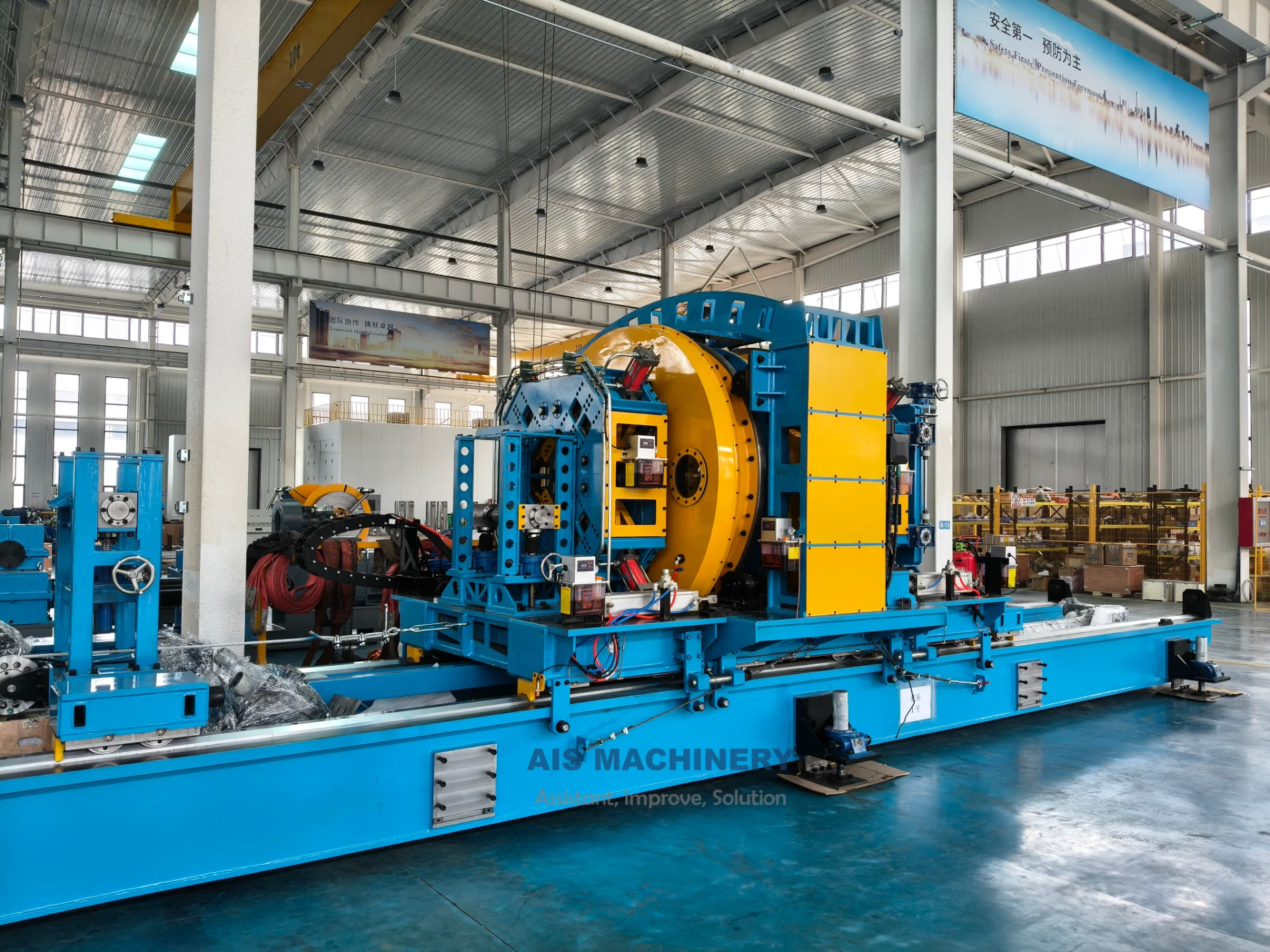
Flat Bar Production Line for Steel Coils: How It Works & Why It Matters
Looking for a flat bar production line? Learn how it turns steel coils into ready-to-use flat bars with precise length and high straightness. Compare it with slitting lines and get the best solution for your steel processing needs.
2026-04-14 00:00:00
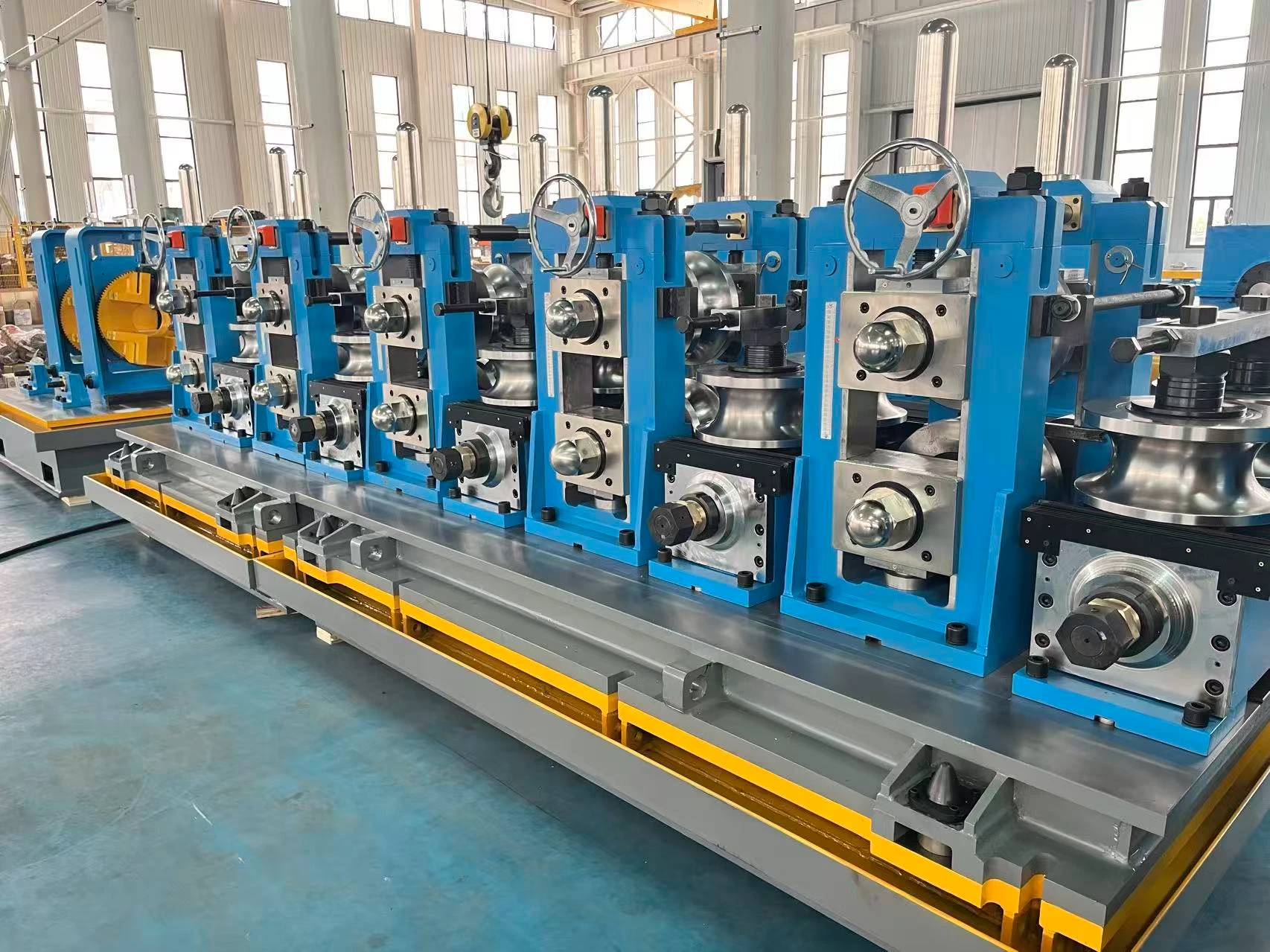
Looking for a Milling Saw for ERW Tube Mill? Here’s What You Need to Know
Looking for a high-performance milling saw for your ERW tube mill? Upgrade to burr-free, high-precision pipe cutting with advanced flying saw technology. Improve efficiency, reduce rework, and meet export standards for carbon steel, stainless steel, and API pipes. Contact us today for expert solutions and competitive pricing tailored to your production needs.
2026-04-09 16:15:19
5-Inch (127mm) ERW Tube Making Machine Delivered with Heavy-Duty Design and Advanced Quick Change System
2027-04-07 00:00:00
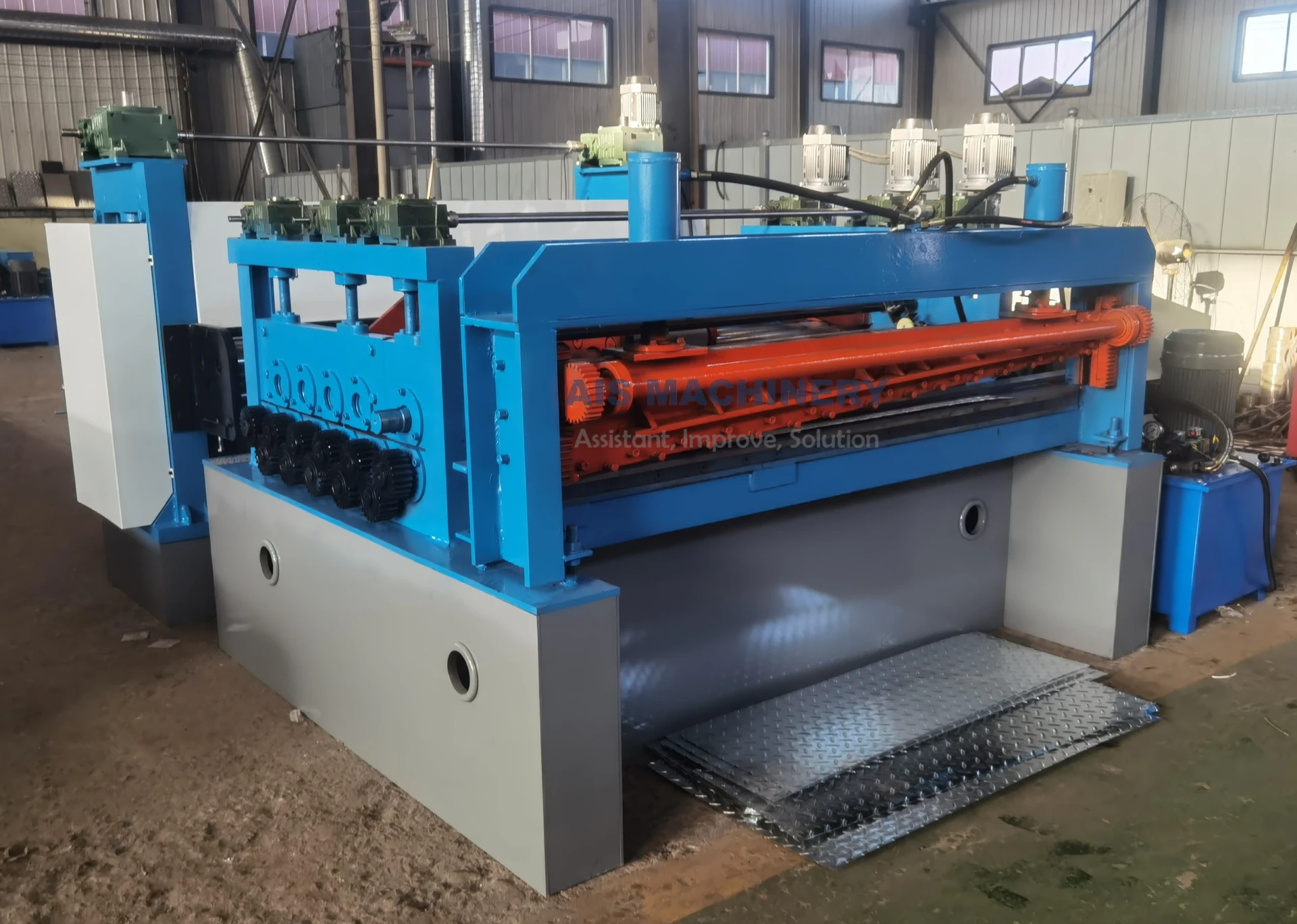
Metal Embossing Machine: Turn Flat Sheets into High-Value Textured Products
Discover how a metal embossing machine transforms flat steel, stainless steel, and aluminum sheets into high-value textured products. Learn about its working principle, key components, and applications. Ideal for decorative and industrial use, embossing machines improve both appearance and performance. Explore complete embossing line solutions and find the right machine for your production needs.
2026-04-04 20:37:18
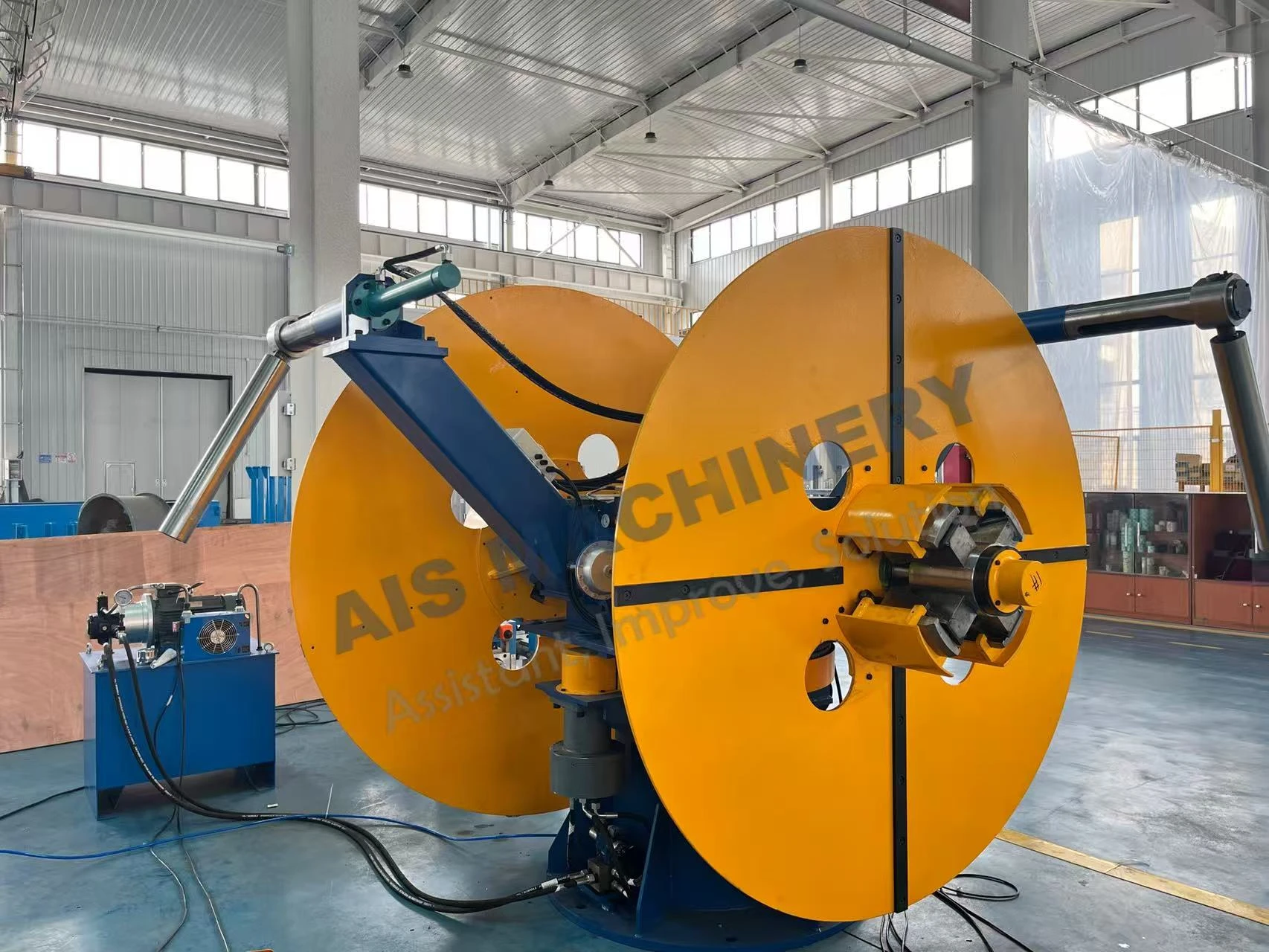
Automatic Double Side Uncoiler with Hydraulic Expansion and Auto Rotation for Steel Coil Processing
The Automatic Double Side Uncoiler is a high-efficiency solution designed for modern steel coil processing lines, including tube mills, roll forming machines, and slitting lines. With a maximum capacity of 4 tons per side, this machine ensures stable and continuous coil feeding while reducing downtime during coil change.
Send a Message
Dear customer, thank you for your attention! We provide high-quality machinery and equipment and look forward to your orders. Please inform us of your needs and we will respond quickly!
 English
  Albanian
  Arabic
  French
  German
  Indonesian
  Italian
  Japanese
  Kazakh
  Korean
  Latin
Latin  Macedonian
  Portuguese
  Russian
  Spanish
  Thai
Thai  Turkish
  Ukrainian
  Uzbek
Uzbek